
Apply Now

Author Archive

Why Every Fashion Student Needs a Dose of Indigenous Fashion

Monday, June 16th, 2025

“Your outfit is not just what you wear, it’s what you carry from your past.”
Imagine walking into a room wearing a garment that holds centuries of stories, symbols, and soul, not just fabric stitched together but culture woven in every thread. That’s the magic tribal and indigenous attire brings to the fashion world. And if you’re an aspiring designer, here’s a tip: dive into this treasure chest before you start chasing global trends.

This blog is all about why fashion students should study tribal and indigenous attire, not just because it’s cool (it really is), but because it’s smart, future-ready, and culturally grounded.

And if you’re someone eyeing a career in fashion, studying at a place like JD Institute of Fashion Technology gives you the chance to explore exactly that how the old inspires the new.

Cultural Roots, Global Reach: Storytelling Through Fabric

In fashion, storytelling is everything. And tribal attire tells the richest, most authentic stories — without saying a word. Think of the red ochre Himba dress from Namibia, the rainbow-hued patterns of the Maasai, or the Toda embroidery of Tamil Nadu. Each piece carries generations of meaning, rituals, and identity.

Startup Spotlight: B Label by BOHECO (India)
This sustainable brand taps into indigenous weaving and hemp-based fabric — drawing inspiration from tribal methods to appeal to modern, eco-conscious buyers. It’s a perfect example of how roots create wings.

As a student, when you understand this storytelling process, you design pieces that speak to both the wearer and the world.

Unmatched Techniques: The Real Design Goldmine

Forget mass production. Indigenous fashion involves techniques passed down for generations — hand-weaving, beadwork, natural dyeing, and layering fabrics in symbolic ways. Studying these can give students a creative edge in a market flooded with repetitive fast fashion.

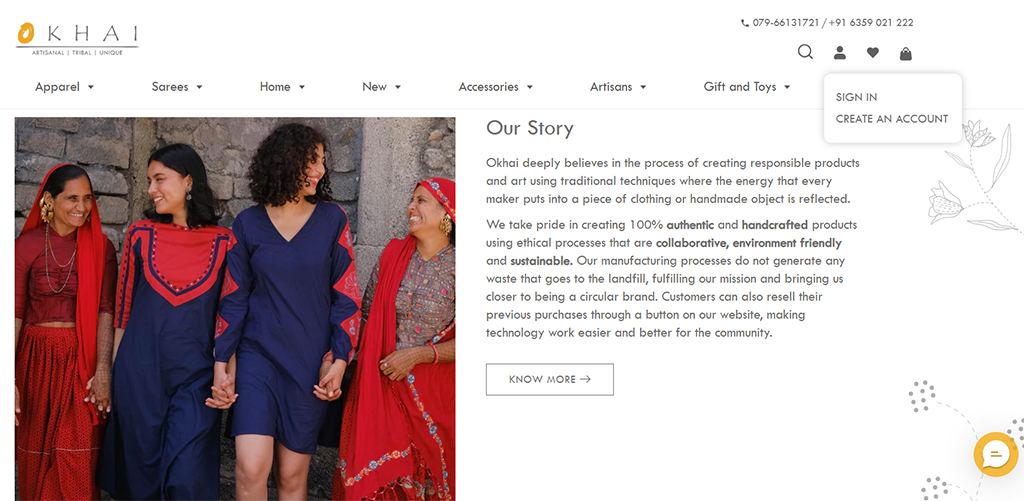
Startup Spotlight: Okhai (India)
Backed by Tata Chemicals Society for Rural Development, Okhai collaborates with rural artisans using age-old techniques to create trendy wear. Their work is a lesson in craftsmanship + commerce.
This kind of exposure which fashion students receive during their course at JD Institute of Fashion Technology helps you not just replicate designs, but revive them with your own modern twist.

Inspiration for Innovation: Where Ancient Meets Avant-Garde

Ever noticed how runway fashion often borrows from the past? Designers like Alexander McQueen and Rahul Mishra have reimagined tribal elements for futuristic fashion. Studying indigenous attire offers a launchpad for innovation — imagine traditional block prints transformed into VR-ready textures or tribal silhouettes inspiring gender-neutral collections.

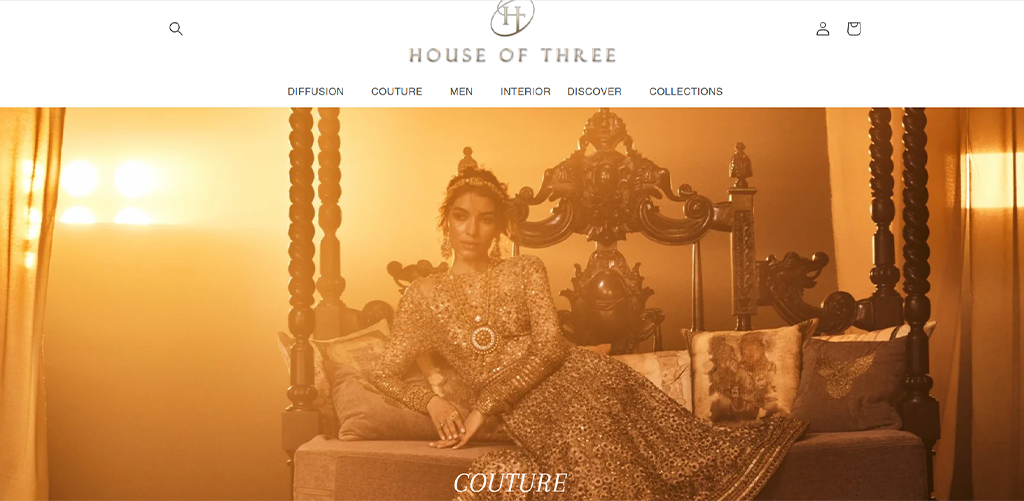
Startup Spotlight: House of Three (India)
This fashion label is known for merging tribal aesthetics with contemporary styles, creating urban-chic looks that carry ancient influences in their DNA.
If you want to break through the clutter, looking back is sometimes the best way to move forward.

Sustainability is Already Built In

Let’s face it: the fashion world is shifting towards sustainability. Tribal and indigenous communities have always practiced zero-waste fashion using every bit of material, working with natural dyes, and tailoring for function and durability.

Startup Spotlight: Kiru (India)
This brand blends tribal embroidery and upcycled fabrics, turning cultural preservation into an eco-fashion model. It’s a blueprint for designers wanting to be relevant and responsible.

And with the growing focus on sustainability in the fashion curriculum at places like JD Institute, students get the chance to study these models closely, apply them to modern practices, and design with impact.

Diversity = Design Superpower

If you’re designing for the world, you need to understand the world. Learning about indigenous fashion from India’s North-East to Latin America’s Quechua communities makes you a culturally sensitive and globally relevant designer.

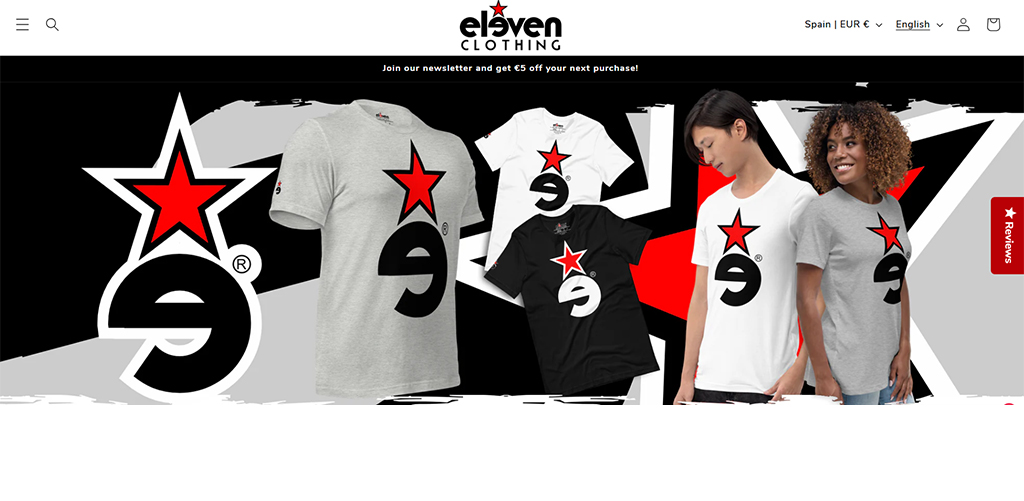
Startup Spotlight: 11.11 / eleven eleven
Their slow fashion concept is rooted in India’s diverse handcraft traditions, with garments that celebrate regional stories, all while serving high-end clients.
Diversity in learning leads to diversity in design. And fashion schools that include indigenous studies in their curriculum prepare students to create collections that are inclusive, respectful, and real.

Design That Doesn’t Just Look Good — It Means Something

As a future designer, you’re not just creating clothes, you’re shaping culture.
By studying tribal and indigenous attire, you don’t just gain knowledge, you gain perspective, purpose, and a powerful design philosophy.

And if you’re ready to blend tradition with innovation, explore forgotten crafts, and design for a world that values meaning over mass, it’s time to pick a learning ground that fuels this journey. That’s where JD Institute of Fashion Technology steps in, giving you access to heritage, innovation, and industry exposure all in one place.
Instagram Isn’t Enough Anymore: Must-Know Platforms for Future Fashion Entrepreneurs

Saturday, June 14th, 2025

What if Instagram just… vanished tomorrow?
All your Reels, Stories, Likes, and hard-earned followers — gone. Scary, right? But this isn’t some far-fetched idea. Social media platforms change all the time. Algorithms shift, engagement drops, and trends move on faster than you can say “OOTD.” And if you’re someone who wants to study the Fashion Business Management course, then JD Institute is the perfect place to upgrade your fashion business game.

Let’s look at four new-age platforms changing how fashion brands are being built — and why you should care.

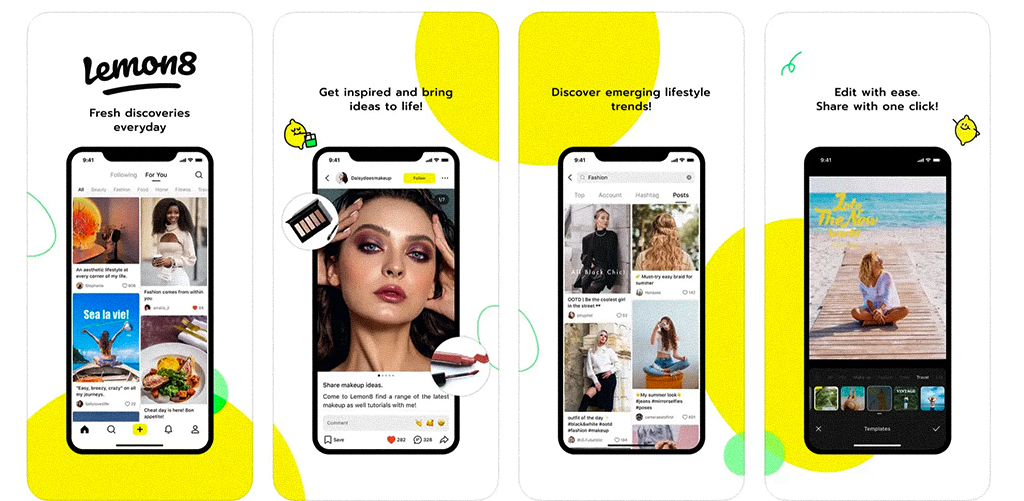
Lemon8: Where Visual Vibes Meet Honest Style Talk

What it is: A cool mix of Pinterest, TikTok, and blogs, all in one.
Who’s using it: New-age designers, content creators, developing labels.

Why it matters: Lemon8 lets you post longer stories with photos, making it perfect for showing outfit ideas, lookbooks, how-tos, or the story behind your collection. You don’t need to chase trends here. It’s about style, not virality.

Example:
Baggit, the popular Indian accessories brand, started using Lemon8 to post styling tips, moodboards, and sustainable fashion ideas. Their storytelling game has gone way beyond product posts.

Lesson for students: Learn how content builds trust. The Fashion Business Management at JD Institute teach you how to create a visual brand that connects with real people and not just algorithms.

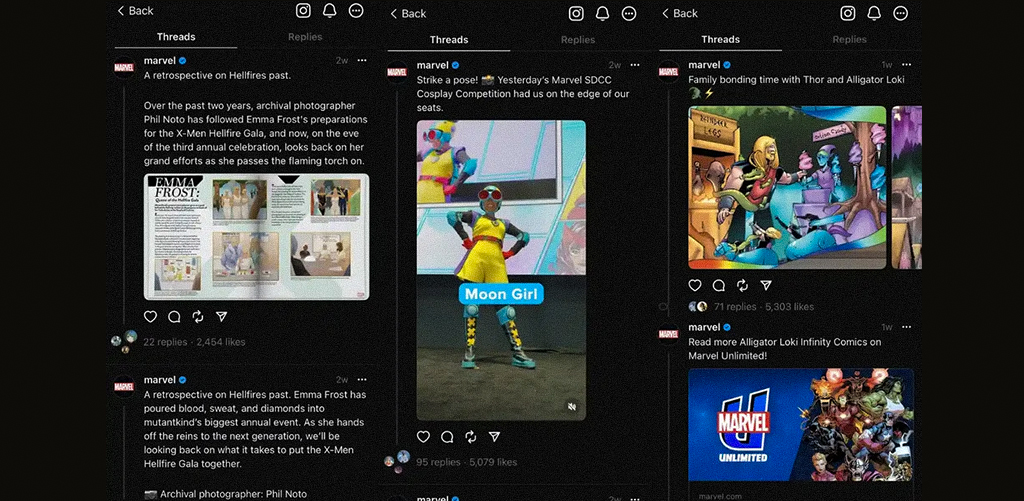
Threads: The Place for Your Brand’s Real Thoughts

What it is: Meta’s Twitter-style app where people share quick thoughts and updates.
Who’s using it: Designers, stylists, and fashion founders who want to talk, not just post pretty pics.

Why it matters: Threads is all about showing your voice. It’s where brands share behind-the-scenes ideas, upcoming plans, and opinions on the fashion world. And that builds trust.

Example:
Designer Shubhika from Papa Don’t Preach uses Threads to talk openly about design blocks, her creative process, and even personal stories. People connect more deeply with her because of it.

Takeaway: If you want to grow your brand in today’s world, your story matters just as much as your clothes.

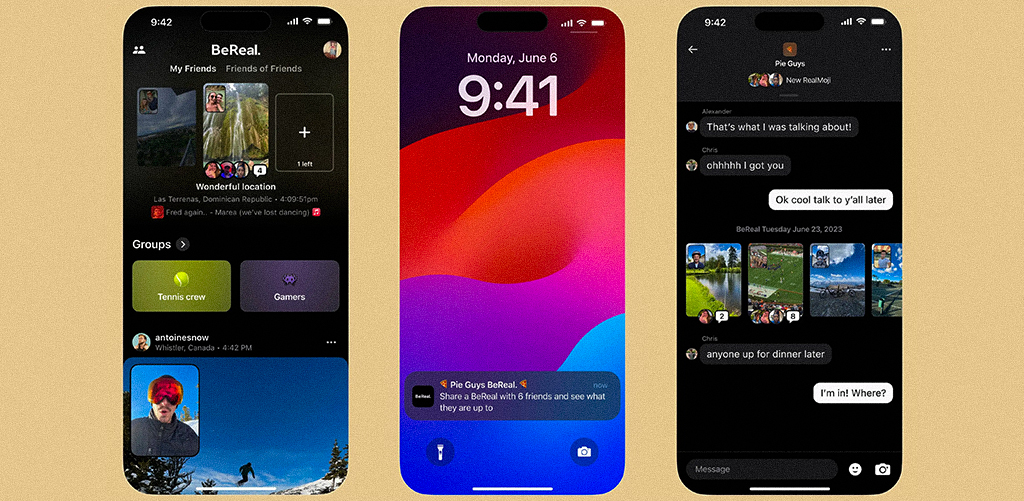
BeReal: Show the Real Life of Your Brand

What it is: A social app that prompts you once a day to post a photo using both front and back cameras — with no filters, no retakes.
Who’s using it: Gen Z brands, slow fashion lovers, transparency-focused designers.

Why it matters: People are done with fake perfection. They want to see the real side of your brand — whether it’s messy work desks, raw sketches, or fabric-hunting in local markets.

Example:
Sustainable Indian label The Summer House uses BeReal to share packing scenes, production day moments, and team celebrations. It makes followers feel like part of the journey.

Lesson for fashionpreneurs: Being authentic is the new being trendy. Learn how to build customer loyalty through honesty — an essential part of modern branding strategies taught in fashion business course at JD Institute.

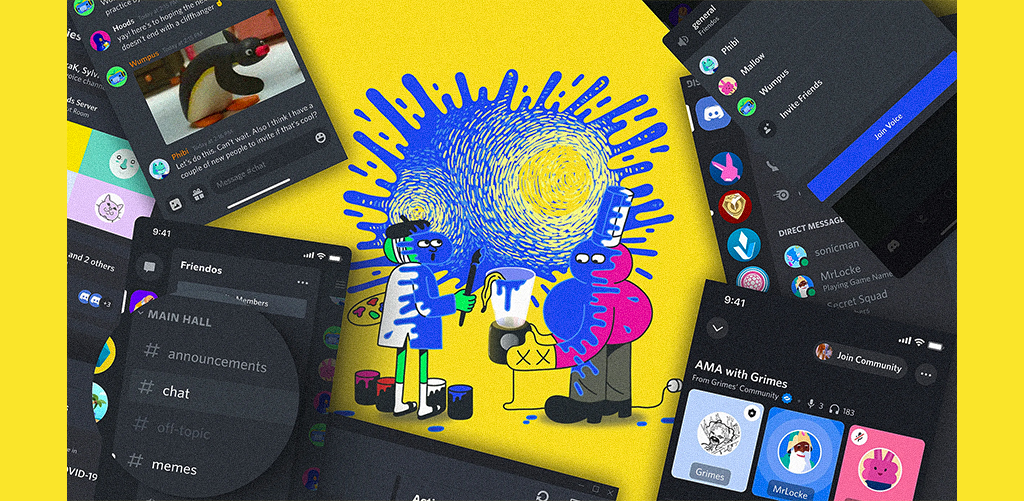
Discord: Where Your True Fashion Tribe Lives

What it is: A chat app made for community building — perfect for real-time interaction.
Who’s using it: Digital fashion brands, NFT-based labels, and creators building micro-communities.

Why it matters: Discord is not about showing off. It’s about talking, sharing, and building a fanbase that truly supports you. You can run polls, ask feedback on upcoming collections, or even host Q&A nights with your audience.

Example:
The futuristic label RTFKT Studios used Discord to co-create sneaker designs, talk about drops, and involve their audience from the very start. It worked — they built a loyal customer base before even going public.

Why this matters to you: The world is no longer one-way marketing. Fashion is now two-way conversation. Knowing how to build communities is as important as knowing how to design. 

Time to Think Bigger

Fashion today is fast, digital, and constantly changing. You’ve got to know what platforms matter, how to use them, and how to grow a brand beyond just aesthetics. That’s not something you pick up from YouTube — you learn it by diving deep into real industry knowledge, case studies, and mentorship. That’s why students from the JD Institute’s Fashion Business Management course have an edge. They’re not just designing—they’re strategizing, experimenting, and building for tomorrow. So if you’re planning to make fashion your future, don’t just scroll. Study.

Deconstructivist Design is the New Skillset: The Design Shift Every Student Should Study

Friday, June 13th, 2025

“Perfection is the enemy of progress.”
That’s not just a quote from Winston Churchill—it’s a whole mood in today’s design world. The rise of Deconstructive Design is a sign that people are tired of overly polished visuals that feel soulless. Now, it’s all about the raw, the rebellious, and the real.

This new wave of design is changing everything—how we create, how we consume, and most importantly, how we learn. And for young creatives studying at spaces like JD Institute, this shift is more than a trend, it’s a toolbox for the future.

Grunge Design: The Return of Beautiful Chaos

Grunge is no longer a ‘90s thing—it’s a now thing. It’s showing up in album art, fashion editorials, and web design. Rough textures, pixelated overlays, and rebellious fonts are making a comeback.

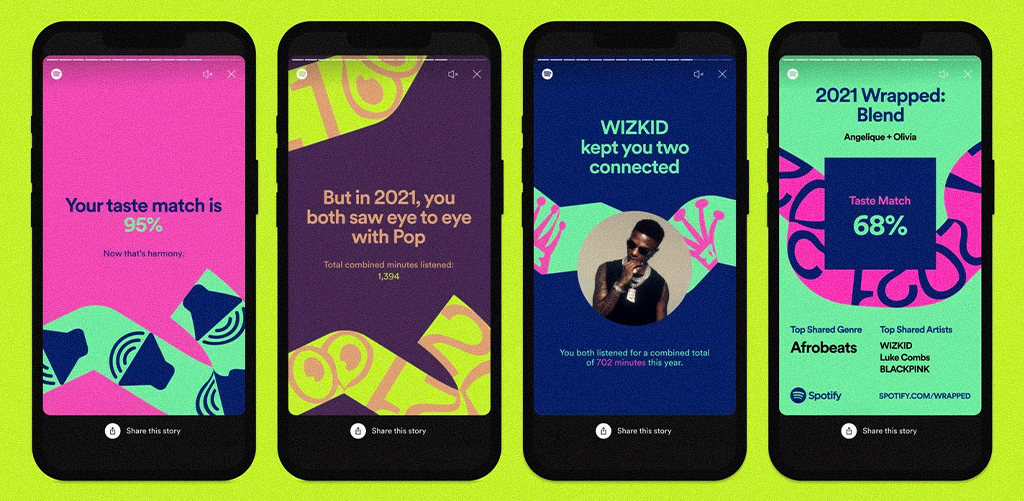
Take Spotify’s Wrapped campaigns, they feature loud colors, distorted typefaces, and edgy, overstimulating designs. It’s messy, but it connects.

Grunge design reminds future designers that beauty doesn’t always mean clean—it can be expressive, loud, and full of flaws. It’s a lesson in creating impact over perfection.

Brutalism: Breaking the Grid and Making It Work

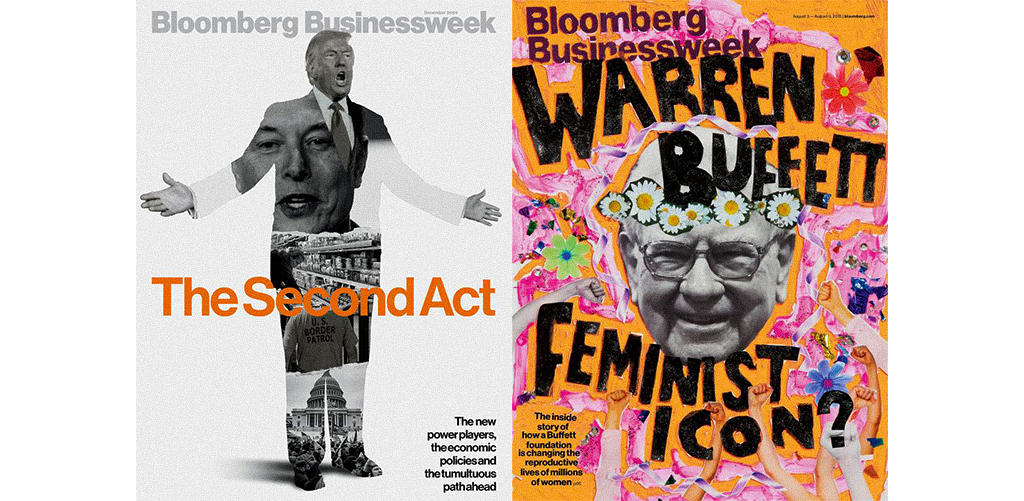
Brutalism in digital design is about rejecting the sleek and embracing the raw. You’ve probably seen websites that look like they were coded in the early 2000s—intentionally. Harsh contrasts, bare-bones layouts, and clashing typography.

Example? Bloomberg Businessweek’s shocking covers and the weirdly functional Craigslist website—they stand out because they dare to look different.

At JD Institute, students in interior design learn how to break rules intelligently. It’s not about looking bad—it’s about designing with intention, even when it looks chaotic.

Because Not Everything Needs a Full Stop

Ever seen a poster that looks like it’s still being edited? That’s the unfinished aesthetic. Visible guidelines, hand-drawn elements, crossed-out text—it’s all intentional.

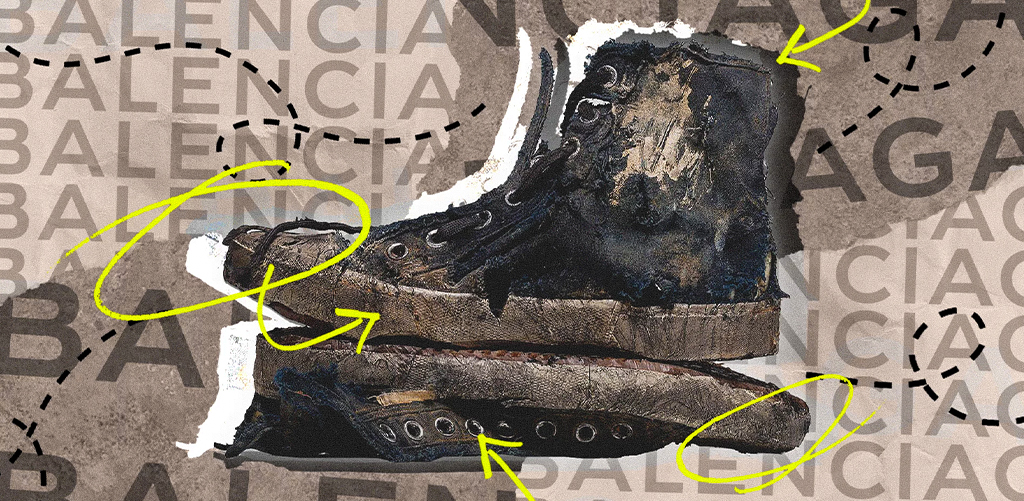
A great example? Balenciaga’s campaign featuring glitchy, AI-generated Paris backgrounds and sneakers with ‘Poor Aesthetic’ that looked like loading errors. These visuals make viewers stop, think, and feel something.

Unfinished doesn’t mean lazy—it means open-ended. And this invites interpretation, especially in fashion and art, where personal meaning drives value.

Anti-Corporate Visuals: Designed to Disrupt

Tired of seeing the same clean, minimalist branding everywhere? So are most consumers. That’s why many modern brands are leaning into anti-corporate visuals—raw edits, clashing styles, spelling mistakes—on purpose.

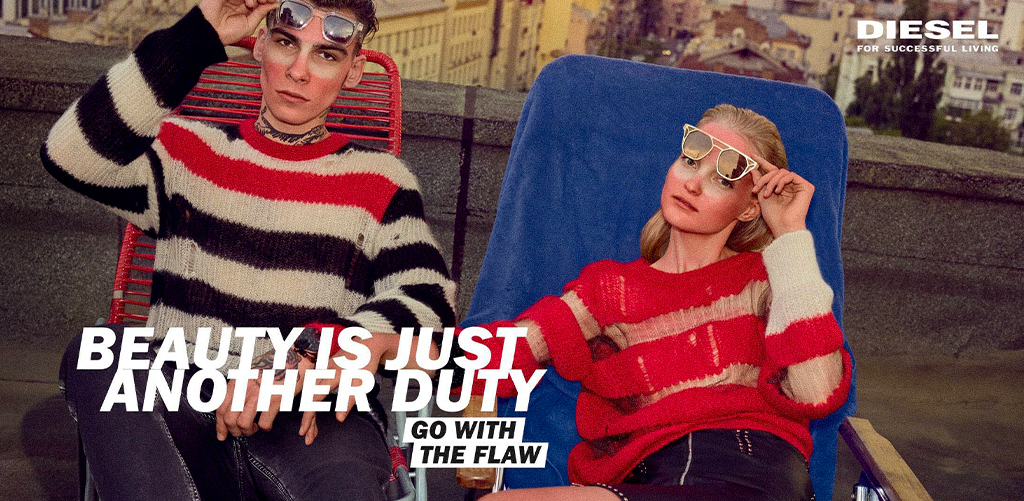
Think Diesel’s “Go With the Flaw” campaign, where models wore clothes with sewing errors and the ads looked like print shop rejects. It felt human. It felt honest.

This style teaches future designers to stop designing to please and start designing to provoke. Because standing out > fitting in.

DIY Aesthetic: Handcrafted is High Fashion Now

What started as punk zines and indie flyers is now front-row at fashion week. The DIY aesthetic is about tape marks, collage cuts, handwritten notes, and all things handmade. It celebrates the personal, the imperfect, the real.

Take Frank Ocean’s Boys Don’t Cry zine or Tyler, The Creator’s IGOR visual identity—both look like they were made in a basement with a printer and a Sharpie. And that’s exactly why they work.

JD Institute’s fashion design course encourage students to get their hands dirty—literally. From screen-printed textiles to collage-based communication pieces, students learn that real impact often begins with raw ideas.

Final Word? Be Brave Enough to Be Messy

The future of design won’t be neat. It’ll be bold, broken, unfinished—and unforgettable. If you’re a young creator looking to stand out, you need to learn more than aesthetics. You need to learn attitude.

And the best place to do that? A place that teaches you how to break the rules with purpose. JD Institute is that place. A creative rebellion.

Why Post-COVID Sci-Fi Styling Is a Masterclass for Aspiring Stylists

Thursday, June 12th, 2025

Sci-fi shows jumped 200% in viewership during the pandemic. People weren’t just escaping — they were looking for reflections of their fears, survival, and hope. And with that shift, costume styling wasn’t just visual candy anymore — it became a language.

That’s why Styling for Sci-Fi Shows in a Post-COVID World is a concept every fashion styling student must study now.

For any student diving into a fashion styling course — like the one offered by JD Institute of Fashion Technology — understanding this trend isn’t just “cool,” it’s absolutely essential. Post-COVID narratives in sci-fi aren’t just stories anymore. They’re reflections of collective trauma, survival, and imagination, all woven into fabric.

Biohazard but Make It Fashion

The COVID-19 pandemic didn’t just change how we live; it completely reshaped what “future” fashion might look like on-screen. From hazmat suits to protective gear with an edge, post-COVID sci-fi shows like The Last of Us and Station Eleven are using real-world influence to style characters who live in broken, bio-threatened worlds.

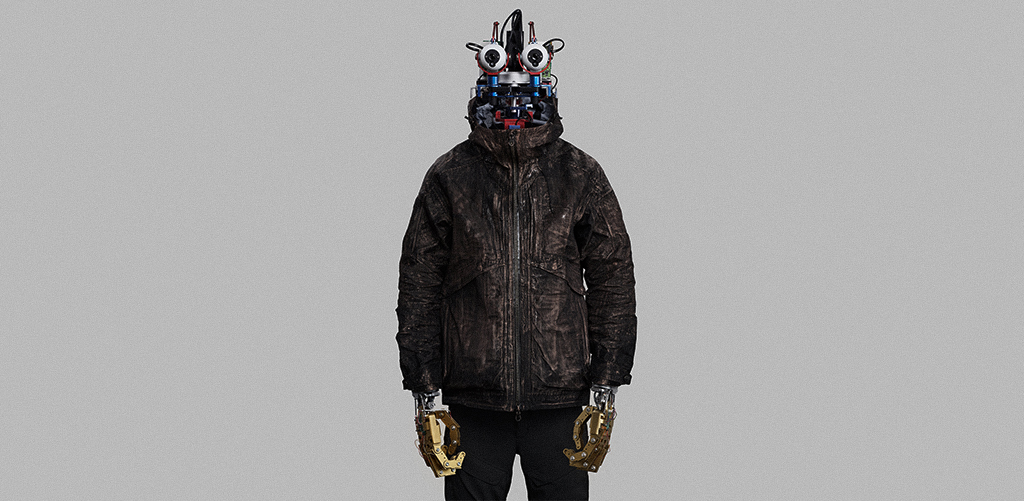
Startup inspiration: Vollebak – This UK-based brand creates clothing designed for extreme futures — including a 100-Year Hoodie and Full Metal Jacket resistant to viruses and radiation. While not designed for the runway, their aesthetic has inspired many dystopian TV show stylists.

Aspiring fashion stylists should learn to read the room or in this case, the world and the current affairs.

Costumes That Talk Back

Gone are the days of flashy sci-fi suits with blinking lights. Post-pandemic storytelling leans toward minimal, utilitarian, and emotionally loaded clothing. Think Black Mirror episodes or 3 Body Problem. Costumes are now coded with messages — a scarf could signal allegiance, a boot style could hint at rebellion, and a color might represent political suppression.

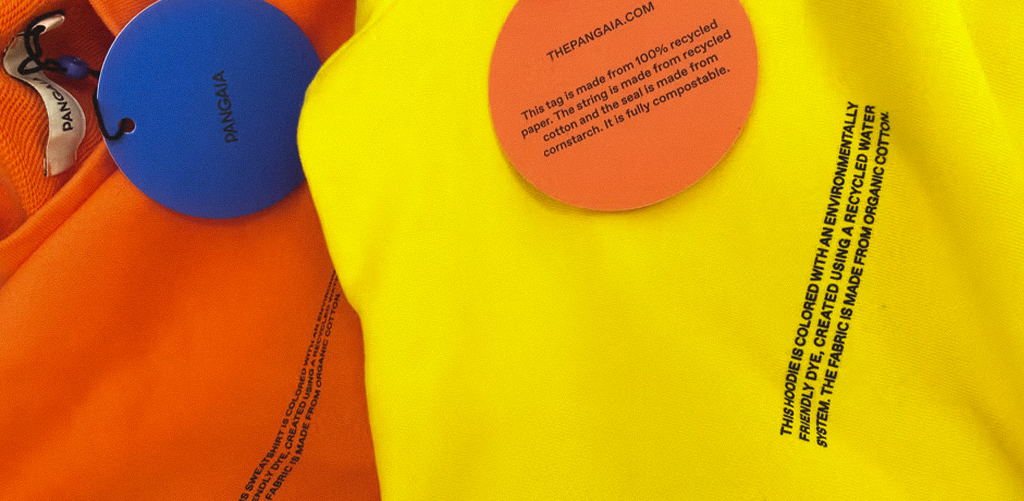
Startup spotlight: PANGAIA – With a science-meets-style approach, PANGAIA’s eco-friendly fabrics and minimalist vibe often inspire stylists working on subtle but powerful dystopian wardrobes.

Fashion stylists now need to go beyond the surface — learning to “speak” through fabric. That’s where the middle modules of JD Institute’s Fashion Styling course really help — you’re taught how to build narratives with clothes.

Dystopia Doesn’t Do Polyester

The post-COVID world pushed everyone, including sci-fi creators to rethink the planet. Sustainability isn’t a subplot anymore; it’s the costume department’s main mission. Many future-forward shows are now building wardrobes from recycled, tech-embedded, and adaptive clothing.

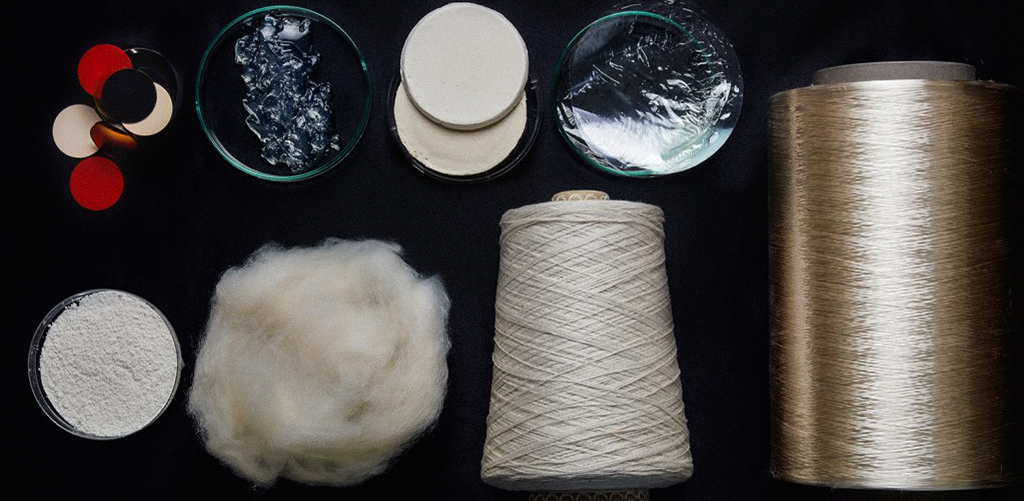
Startup to note: Spiber – A Japanese company crafting lab-grown spider silk and other biomaterials now being explored by stylists working on eco-conscious sci-fi concepts.

This is where fashion styling becomes part science, part storytelling. Stylists are not just picking clothes; they’re picking values. Knowing about fabric tech, future textiles, and ethical styling is no longer optional — it’s expected. 

Styling Characters Who Survive, Fight, and Rebuild

One of the biggest shifts post-COVID? Characters aren’t styled to look cool — they’re styled to feel real. From worn-in jackets in The Mandalorian to multipurpose gear in The Peripheral, costuming now leans heavily into survival-mode meets sleek utility.

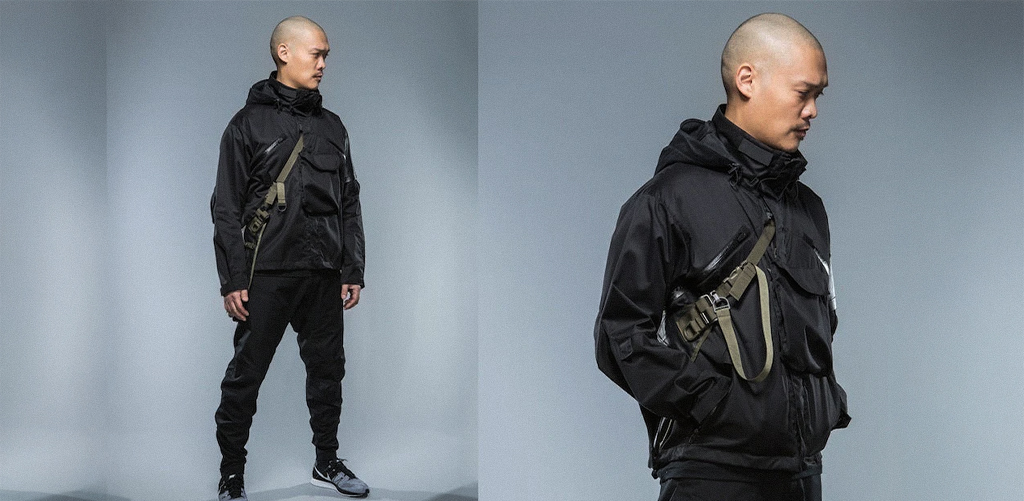
Startup case: ACRONYM – The Berlin-based label mixes high-performance utility wear with sleek silhouettes and has been an unofficial go-to for stylists looking to dress warrior-type characters with a modern, survivalist twist.

For any student wanting to style for film, TV, or even fashion editorials inspired by speculative fiction, this is the moment. You’re not just dressing characters; you’re building worlds.

Ready to style the future, one layered cape at a time?

Dystopia might look weird, but your styling career doesn’t have to. If you want to be the kind of fashion stylist who can design wardrobes for rebels, robots, and survivors and do it with meaning — JD Institute is where your journey begins. After all, the future of fashion isn’t just about trends. It’s about telling better stories. And no better time than now to start crafting yours.

If You’re Studying Event Management, These Cities Should Be on Your Radar

Thursday, June 12th, 2025

“Surat? For a global fashion launch?!”
That’s the kind of surprise people are now having every time a big event skips Delhi or Mumbai and lands in a Tier-2 city. And guess what? It’s happening more and more.

This is South Asia’s Event Boom: Why Global Brands Are Turning to Tier-2 Cities. And if you’re planning a career in event management, tourism, or fashion shows, you need to know why cities like Lucknow, Surat, Kochi, and even Indore and Guwahati are becoming global hotspots.

At the JD Institute, the Global Event Management course helps students understand these trends and prepare for the future of events—especially in fast-growing cities you might not expect.

Lucknow: Nawabi Charm Meets Global Buzz

Lucknow is known for its rich culture and royal architecture. But now? It’s also becoming a popular place for fashion pop-ups, product launches, and even international design shows. Remember the buzz around the Lakme Fashion Week pop-up in Lucknow? 

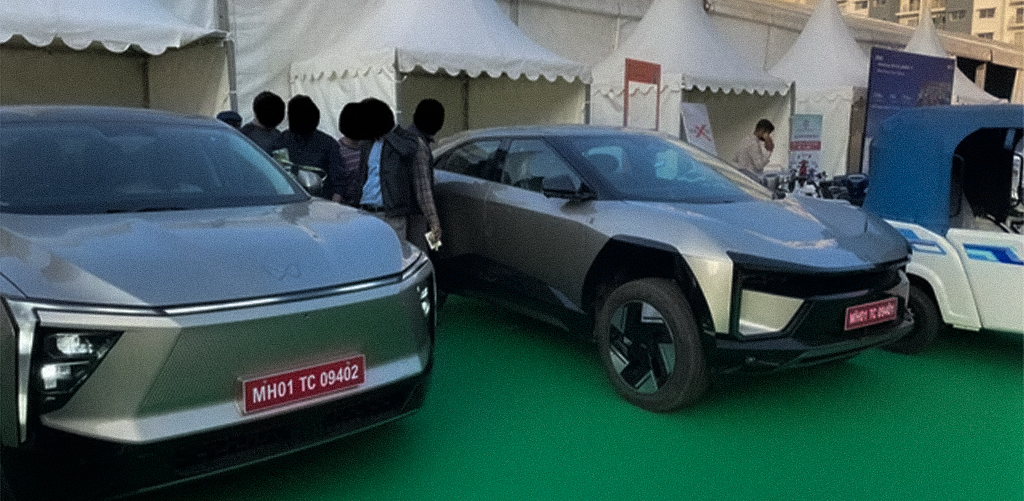
Events like solar and EV car expos and destination weddings are happening here because it has beautiful heritage venues like Baradari palaces and new hotels popping up every year. Plus, the city offers great food, history, and warm hospitality—all at a much lower cost than metros.

Global brands love this combination. And for students learning event management, Lucknow is a great case to study how traditional charm blends with modern event needs.

Surat: From Textiles to Trendy Events

Everyone knows Surat is the textile capital of India. But did you know it’s also now hosting global fashion launches, tech expos, and influencer meetups?

With a booming economy and stylish crowd, Surat is becoming a favorite for brands like Nykaa and Mamaearth, who are doing regional events to reach new markets. It’s clean, well-connected, and full of spaces that can be transformed into stunning venues.

The Global Event Management course at JD Institute explores the knowledge of how this kind of event perspective can be turned into event destinations using smart venue planning and local collaboration. These are skills every future event planner needs today.

Kochi: Creativity on the Coast

Kochi is not just about backwaters and beaches anymore. It’s a rising star when it comes to international art, fashion, and design events. The Kochi-Muziris Biennale, for example, attracts people from around the world.

The city is also great for destination weddings, luxury launches, and even sustainable fashion shows—thanks to its natural beauty and creative vibe. The cost of setting up here is way lower, and people are super welcoming to new ideas.

This is where the importance of event management steps in—teaching students how to turn such coastal gems into creative event spaces that leave a mark.

Indore: Clean, Cool, and Rising Fast

Indore has been voted the cleanest city in India multiple times, but it’s also getting attention for something else: it’s event-ready. From music festivals to lifestyle expos, Indore is seeing a wave of event activity.

The city has good infrastructure, lots of hotels, and an audience that loves fashion, entertainment, and tech. Plus, the city’s vibe is young and energetic—perfect for bold new event ideas.

For event management students, Indore is a great example of how urban development is opening doors for new business and event opportunities.

Why does all this matter for Event Management Aspirants?

If you’re planning to work in event management, PR, fashion shows, or even destination weddings, here’s why all this matters:

  • New Cities = New Jobs: As these cities grow, they need trained event planners. You could be the one organizing the next big music fest in Guwahati or a fashion launch in Surat.
  • Better Learning: Events in Tier-2 cities come with unique challenges. Learning how to handle those makes you a stronger, smarter planner.
  • Less Competition, More Innovation: These cities aren’t overcrowded with event agencies. So, if you bring fresh ideas, you can stand out more easily.

That’s why at JD Institute, students aren’t just taught theory—they’re trained with practical exposures that are shaping the future of the global event scene.

It’s Not Just Where You Work, It’s How You Think

In today’s world, big ideas can come from small cities. And smart brands already know that. So, if you’re someone who dreams of designing grand fashion shows, planning luxury brand launches, or building unforgettable events, don’t just look at Mumbai and Delhi.

Look at Kochi, Surat, Lucknow, and Indore.
Because the next big thing?
It’s already happening there. Learn how to find opportunity where no one else is looking—with the Global Event Management course at JD Institute.

It’s Not Just What You Design—It’s How: The New Rules for Communication Designers

Wednesday, June 11th, 2025

Studies show that 94% of first impressions are based on design—but what happens after that first glance?

If your branding looks good but behaves badly, people walk away. That’s why today’s most powerful brands are putting ethics before aesthetics.

And if you’re a communication designer, that means your job is changing fast—and for the better. And if you’re learning through a creative course like the Communication Design program at JD Institute, you’re already a step ahead. Because this new wave in branding isn’t just cool—it’s career-defining.

Let’s break down the five pillars shaping the future of branding, all through the lens of ethical design.

Sustainability Isn’t a Buzzword. It’s the Brand

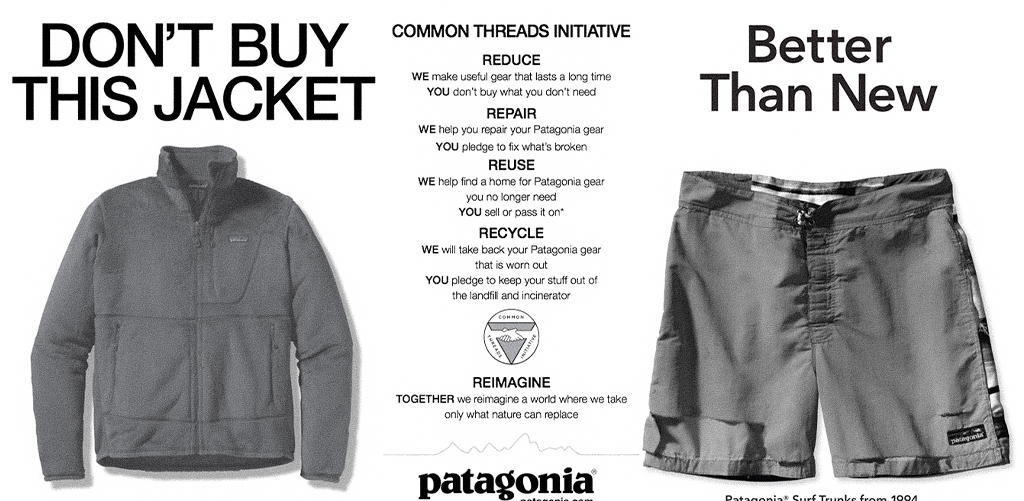
Brands today are judged by their carbon footprints, not just their fonts. Take Patagonia, for example. Their “Don’t Buy This Jacket” campaign actually encouraged consumers to shop less. Wild, right? But it made their brand more trusted, not less.

Lesson for designers? Ethical storytelling is your biggest power tool. You’re not just designing logos—you’re designing legacies. And in places like the JD Institute’s Communication Design course, you learn how to build those narratives with purpose and precision.

Accessibility = Respect

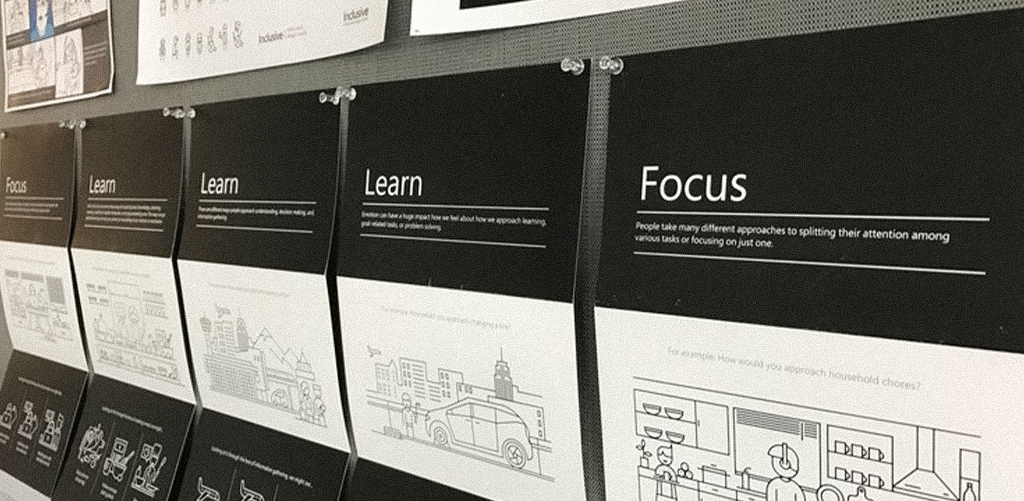
What’s more powerful than a beautiful website? One that everyone can use. Think about Microsoft. Their inclusive design toolkit and accessibility settings weren’t just a CSR move—they opened up their products to millions of new users. That’s smart business, rooted in human-centered design.

Aspiring designers should ask: Who’s left out of this experience? If your design can’t be used by someone with vision loss or neurodivergence, it’s not future-proof.

Transparency is the New Trust

People don’t just want to buy stuff—they want to know who made it, how, and why.

Glossier, shares detailed information on how products are made, encourages real-time customer feedback, and openly discusses both wins and failures on their social media. Their “Skin First. Makeup Second” message is as transparent as their no-fluff packaging.

If you’re studying branding today, transparency needs to be in your toolkit. One must know how honest visuals and language build powerful, loyal communities.

Cultural Sensitivity Is Non-Negotiable

Remember when a major brand got slammed for using sacred symbols as fashion prints? Consumers today aren’t forgiving about tone-deaf design.

Enter Fenty Beauty by Rihanna. The brand launched with 40 foundation shades—sending a strong message about inclusion. That design choice wasn’t just visual—it was cultural, emotional, and revolutionary.

What to learn here: Aesthetics don’t exist in isolation. Every font, color, and image lives within a cultural context. Designers must research, respect, and represent thoughtfully.

Data Ethics = Design Ethics

Ever clicked on something and felt watched? That’s a creepy design. And it’s why ethical use of data is a growing responsibility in branding.

Mozilla Firefox, a browser built with user privacy at its core. Their design avoids dark UX patterns, and their “Privacy Not Included” campaign educates users on which products respect their data. As a designer, you’ll need to work with data analysts, marketers, and coders. Knowing how to visualize privacy without compromising trust? That’s a modern-day superpower.

Final Takeaway: The Future’s Already Watching You

Ethical design isn’t a trend. It’s the rulebook. And the brands that ignore it? They’re already fading out of consumer conversations.

If you’re a fashion designer, digital creator, or storyteller in the making—this is your blueprint. Learn to design with ethics, and your work won’t just be seen—it’ll be trusted.

Ready to craft brands that make the world better?
Start where it matters. Start at JD Institute.

What Every Interior Designer Should Know About Political Ideology and Furniture Design

Tuesday, June 10th, 2025

Did you know? The famous Oval Office desk used by U.S. Presidents has hidden symbols of authority built into its carvings and dimensions. Or that in old royal courts, visitors weren’t allowed to sit unless the king offered a chair?

Strange—but true. And it proves one thing: Furniture isn’t just for sitting—it sends a message.

In this blog, we’ll explore how interior spaces are quietly shaped by power, politics, and values—and why every interior design student must know how this works. If you’re learning design, like the students of the Interior Design course at JD Institute, this is one area you shouldn’t miss.

Institutional Design: Why Some Rooms Feel “Important”

Ever noticed how schools, courtrooms, and government offices have a certain vibe? That’s institutional design. Everything from the size of a desk to how far apart chairs are placed has meaning.

For example, in parliament buildings, seating is often arranged to show opposition or unity. Even startup offices like WeWork use cozy shared spaces to encourage “equal” work vibes. Meanwhile, in traditional offices, big bosses still sit at tall desks, literally looking down at others.

Why it matters:

If you’re designing for a workplace, school, or even a co-living space, you need to understand how furniture affects power and behavior. It’s more than just decorating—you’re shaping how people interact.

Architecture of Control: How Spaces Guide Behavior

You might not realize it, but some spaces tell you what to do—without saying a word. That’s the idea behind the architecture of control.

Think of malls where you have to walk past every store before reaching the exit. Or offices where managers sit in glass cabins—seen but not easily approached. These layouts control how people move, where they stop, and how they behave.

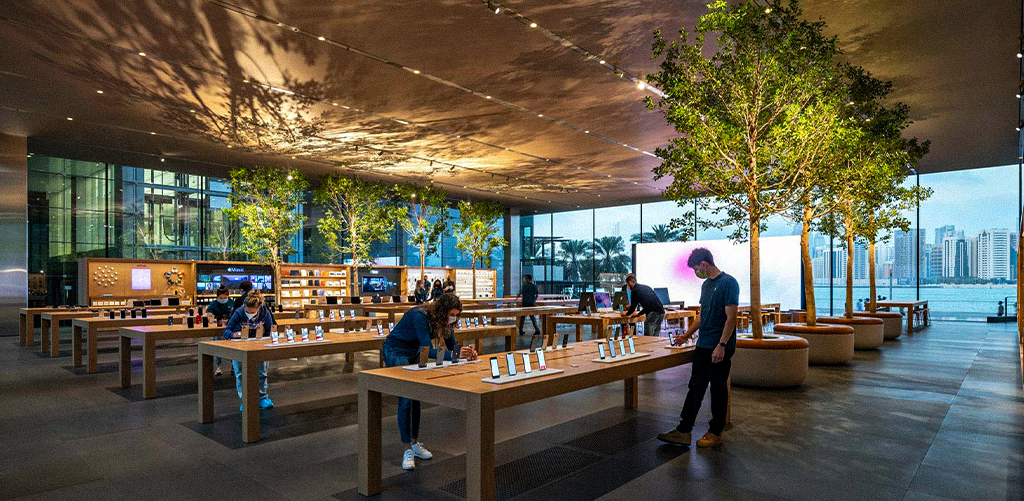
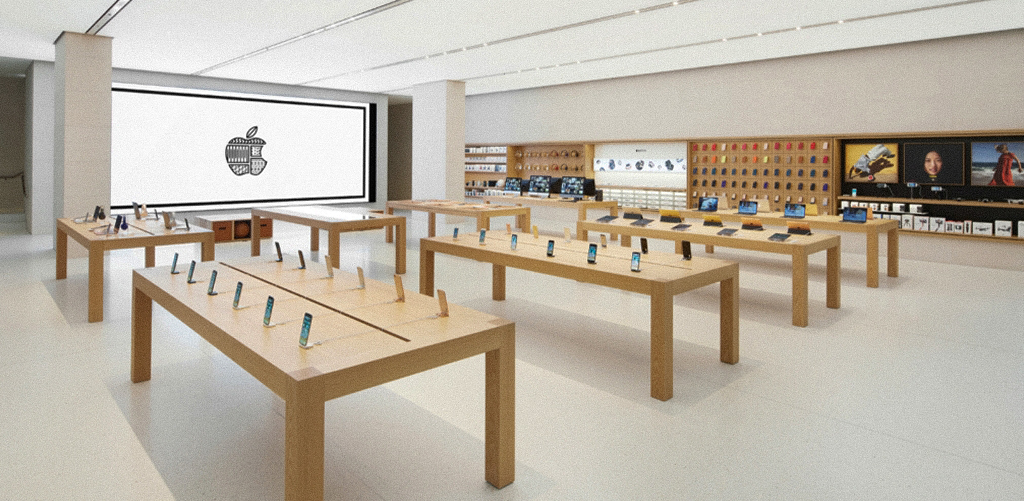
Apple Stores are a great example. They use long tables and open layouts to invite interaction but also guide you through the space in a planned way.

At JD Institute’s Interior Design course, students learn to create both free-flowing and structured layouts—and see how design can impact emotions and decisions.

Luxury vs. Austerity: Design That Shows Values

Some interiors shout wealth—others whisper humility. This is where luxury vs. austerity design comes in.

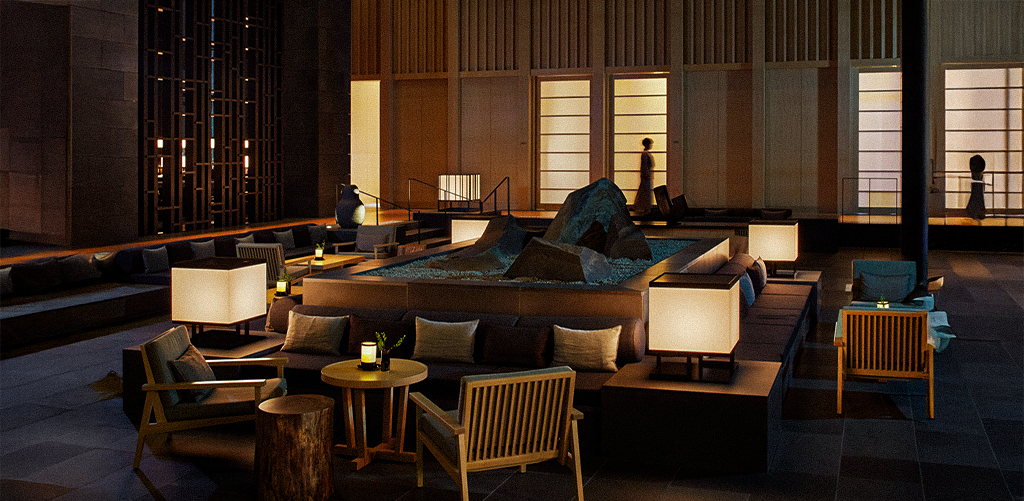
Luxury interiors use rich materials—like marble floors, velvet chairs, or gold finishes—to show exclusivity and status. On the other hand, austerity interiors use simple wood, clean lines, and basic colors to show modesty or shared values.

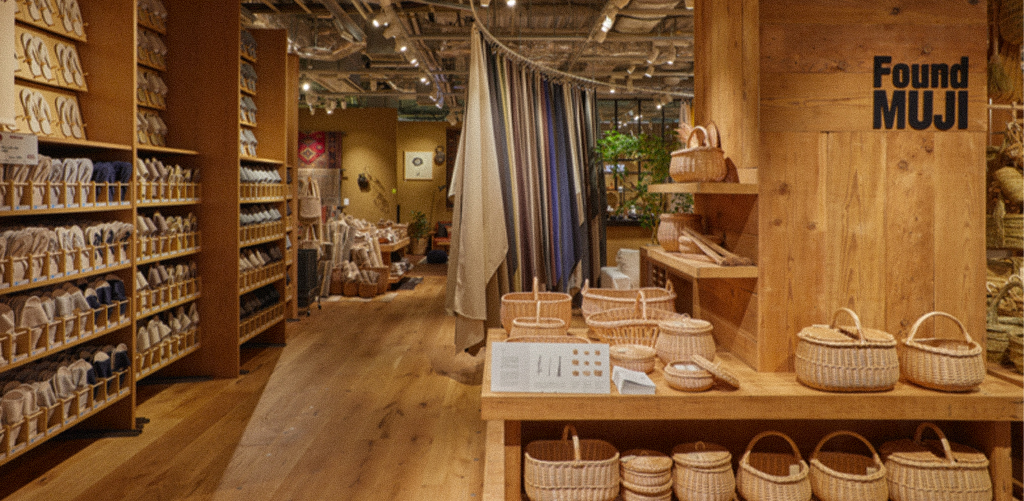
MUJI’s minimalist stores reflect its humble, honest brand. Meanwhile, hotels like Aman Resorts go all out with plush materials to create a luxurious experience.

Understanding this balance is key for interior designers—especially when working for clients with strong brand values or political messaging.

Furniture Psychology: What Chairs and Desks Say About You

Here’s a fun fact: In job interviews, people sitting in hard chairs are more likely to give “tough” answers. That’s furniture psychology in action.

The shape, height, and material of a chair can make someone feel confident, relaxed, nervous—or even small. Desks, couches, lighting—all of it can subtly affect mood and power dynamics.

Glossier’s flagship store, with soft curves and pastel stools, makes visitors feel calm and welcomed. In contrast, tech companies like Basecamp keep things functional and serious, with plain furniture and no extra fluff.

If you’re new to interiors, learning furniture psychology helps you make better choices for both homes and professional spaces.

Every Room Sends a Message—What Will Yours Say?

Before someone says a word in a room, the furniture has already spoken. Whether it’s a velvet throne, a bean bag, or a boardroom desk—each item reflects a decision about power, values, and behavior.

If you want to be a designer who does more than just decorate—one who creates spaces that speak volumes—then this is your moment. The Interior Design course at JD Institute is where you’ll learn to read between the lines—and design beyond the surface.
The Bauhaus Secret Behind Store Displays That Actually Sell

Tuesday, June 10th, 2025

“Why do some shops make you want to buy things—even when you didn’t plan to?”
That calm, organized display. That space that makes you feel like spending. You’re not just seeing good design; you’re seeing Bauhaus design in action.

Bauhaus wasn’t just a design school from the 1920s in Germany—it’s the reason modern stores look clean, organized, and still creative. And if you’re planning to study Visual Merchandising at JD Institute, this is one of the coolest pieces of history that will shape how you think, create, and build store displays that sell.

Let’s break down and get to know why it matters more than ever today.

Less Stuff, More Attention — MUJI’s Clean Style

Walk into a MUJI store. What do you see? Not much, and that’s the point. It feels peaceful, not crowded. That’s because everything in the store is chosen with care—and arranged to give you breathing space.
This is exactly what Bauhaus taught: remove everything extra and keep only what matters. Clean lines, open spaces, and useful things. MUJI follows this idea, and it works. You notice products faster, and your mind stays calm while shopping.

For students learning visual merchandising, this is a big lesson: don’t overdo it. It’s easy to fill up a window with decorations, but harder—and smarter—to say more with less. That’s something you get to practice hands-on in the Visual Merchandising course at JD Institute, where minimalism becomes a tool, not a trend.

Shape It Right — Apple Stores and Geometry That Sells

Ever noticed how Apple Stores feel more like art galleries? Giant glass walls, neat wooden tables, and smooth shapes—everything feels balanced. That’s not random. That’s Bauhaus.

The Bauhaus School believed in using basic shapes—circles, squares, lines—to make designs look honest and clear. Apple follows that exact idea. Their store layout is simple, but every part serves a purpose.
This helps shoppers feel relaxed and curious. You can walk around freely, touch things, and explore without pressure. For visual merchandisers, that’s gold. Good design should guide the customer, not confuse them. So if you’re dreaming of designing spaces like this, you need to learn how to balance beauty with function.
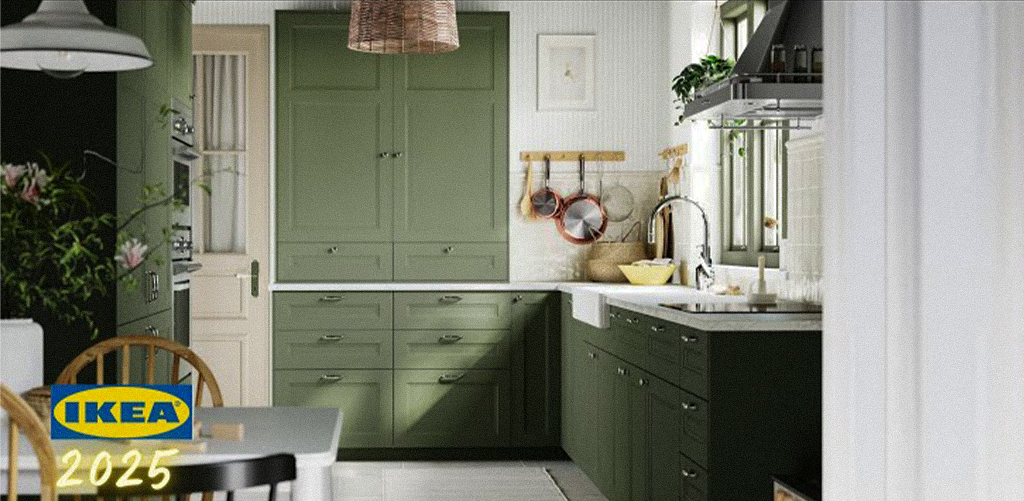
Design That Moves — IKEA’s Modular Magic

Now imagine you’re setting up a small pop-up shop for a weekend event. You need your display to fit in a car, set up fast, and look good. That’s where modular design, inspired by Bauhaus, saves the day.

Look at IKEA. They don’t just sell smart furniture—they use smart ideas in their stores. Shelves that roll, display tables that change shape, walls that can move. It’s all about flexibility and function.

Bauhaus was big on “design for real life.” Things should look good, but also work well. Real skills for the real world.

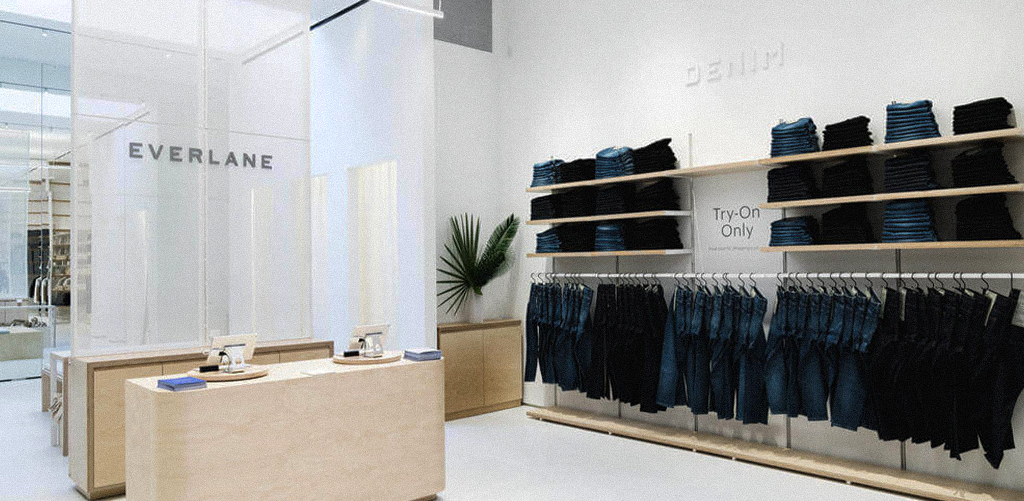
Everlane: Color With Purpose, Not Chaos

Everlane doesn’t use bright flashy colors in their stores. Instead, you’ll find soft tones—creams, neutrals, warm lights—and just a few key colors popping out. Why? Because they know that color affects emotion.

Bauhaus teachers like Josef Albers studied color deeply—not just as decoration but as communication. Different shades change how we feel. Calm colors make a store feel safe. Strong contrast draws attention to a product.

Everlane uses this kind of smart color planning to make shopping feel clear and focused. And in today’s noisy retail world, clarity is currency.

Aesop: Design that Listens, Not Shouts

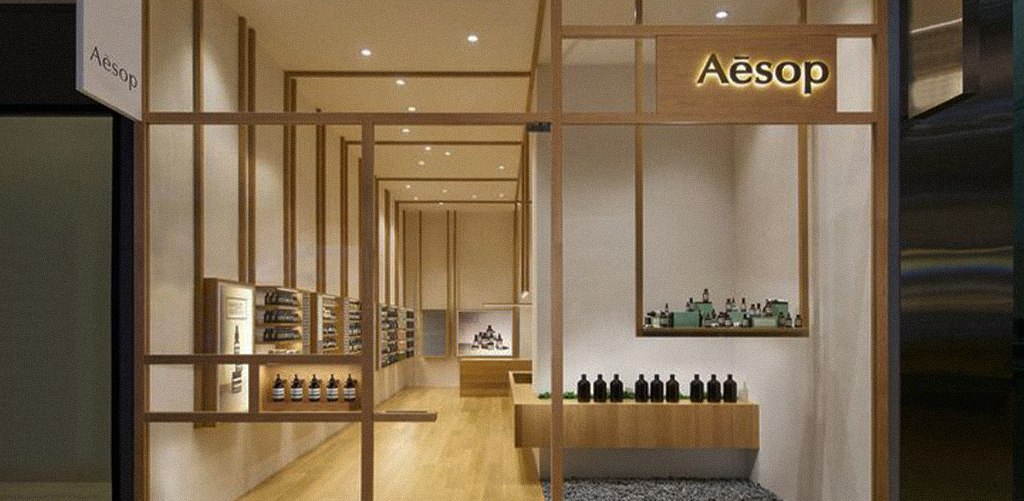
Aesop stores don’t look the same. Every store is custom-designed using local materials and clean, functional layouts. They focus on making spaces that fit in, not stand out in a loud way.

This idea of designing based on the surrounding environment—while still keeping it simple and useful—is straight from Bauhaus thinking. Their stores often feel like quiet studios, with clear product placement and simple displays that encourage curiosity. No chaos, no shouting for attention. Just a strong design doing its job quietly.

Why Should Visual Merchandisers Even Care About Bauhaus?

Because if you plan to work in stores, pop-ups, exhibitions, or even e-commerce showrooms, Bauhaus is where most modern display design begins.
It teaches you:

  • How to tell stories without clutter
  • How to design for both beauty and function
  • How simplicity helps shoppers focus
  • And how space, shape, and color are actually your strongest tools

That’s why even in modern, hands-on design courses—these Bauhaus principles are still taught, practiced, and applied to real brand projects.

Time to Think Bigger Than Window Dressing

So next time you walk past a perfectly styled window or get drawn into a store without knowing why—stop and think: That’s Bauhaus working its magic.

If you’re serious about creating retail experiences that are not just pretty, but powerful, it’s time to start learning where it all began—and where it’s headed. Let function meet aesthetics in your career too. Get into the game with the Visual Merchandising course at JD Institute and start turning ordinary spaces into unforgettable experiences. Your future store windows (and your future clients) will thank you.

Beyond Trends: Why Every Future Designer Needs to Learn Speculative Fashion Now

Monday, June 9th, 2025

Have you ever looked at a crazy fashion outfit and thought, “Who would even wear that?”
Well, maybe not today, but what about 10 years from now?

Think about it: we didn’t expect digital clothes, eco-friendly mushroom leather, or AI-generated looks on the runway—and yet, here they are. That’s where speculative fashion comes in. It’s not just about the latest trends, it’s about imagining what people might wear in the future, and then designing it before the world even asks for it.

If you’re planning to enter the fashion world, especially through a top course like the Fashion Design program by JD Institute, learning speculative fashion could set you far ahead of the curve.

Designing Beyond Today’s Closet

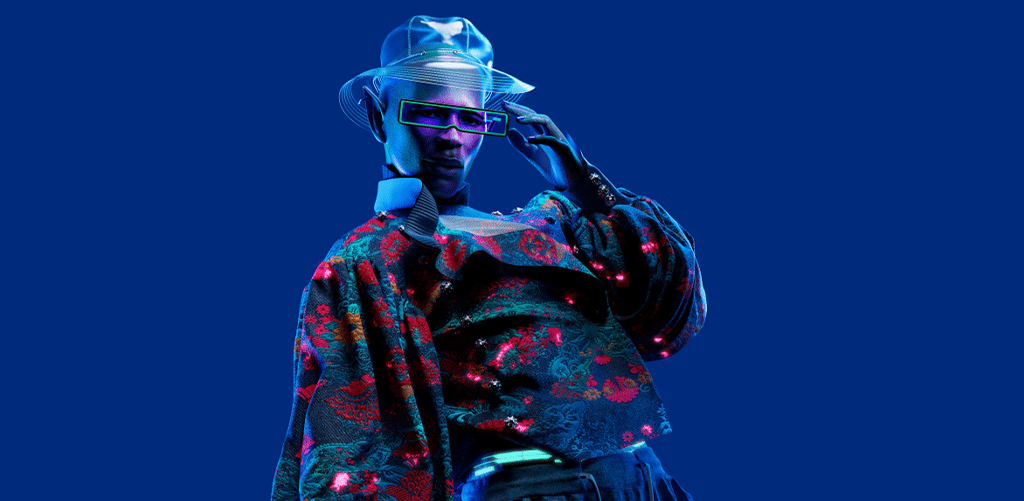
Speculative fashion often starts where physics ends: in pixels. Amsterdam-based startup The Fabricant sells garments you can’t touch but can “wear” on Instagram, Fortnite, or whatever the next metaverse is called. Their digital dress proved that scarcity can live in code, not cotton.

Why it matters:

  • Future designers must understand virtual economies, carbon-free production, and how digital clothes let people experiment with identity safely.
  • Early learning of 3-D design and avatar designing knowledge, skills taught in the JD Institute’s Fashion Design course, prepares designers for the shift from real-world fashion shows to digital ones.

Bio-Materials – Mushroom Leather & Bolt Threads

Plastic-heavy fashion is under fire. Enter Bolt Threads, the biotech startup turning mycelium (mushroom roots) into Mylo, a leather alternative already tested by Adidas and Stella McCartney. Mylo grows in days, uses no animal hides, and composts back to nature.

Why it matters:

  • Climate-savvy consumers and stricter laws will soon make petroleum fabrics yesterday’s news.
  • Speculative thinking trains you to ask “What if fabric grew like plants?”—and then prototype it. Courses that mix lab visits with pattern-making, give you the confidence to speak both biology and branding.

If you learn to explore materials beyond cotton and polyester, you’ll not only help the planet—you’ll also be more valuable as a designer.

Chromat and the Inclusive Future

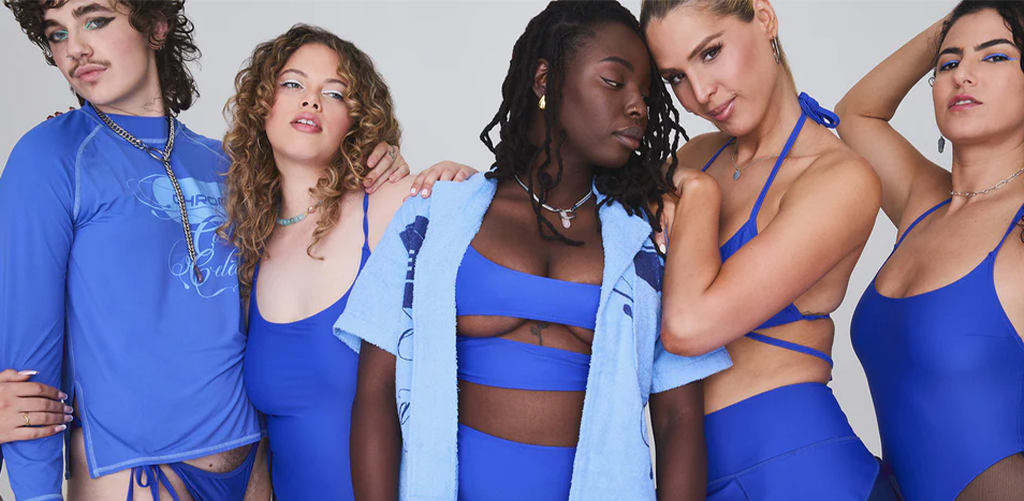
Speculative fashion isn’t only about spacewear and future tech. It’s also about designing for real people with real needs. The fashion brand Chromat creates swimwear and sportswear that works for different body types, gender expressions, and lifestyles. They start with an inclusive mindset and design clothing that fits everyone, not just runway models.

This approach opens up exciting possibilities for designers who want to solve real-world problems. It teaches you to think deeply, design responsibly, and create fashion that empowers. Speculative thinking helps you put people first, and that makes you not just a better designer—but a more thoughtful one, too.

Vollebak’s Survival Streetwear

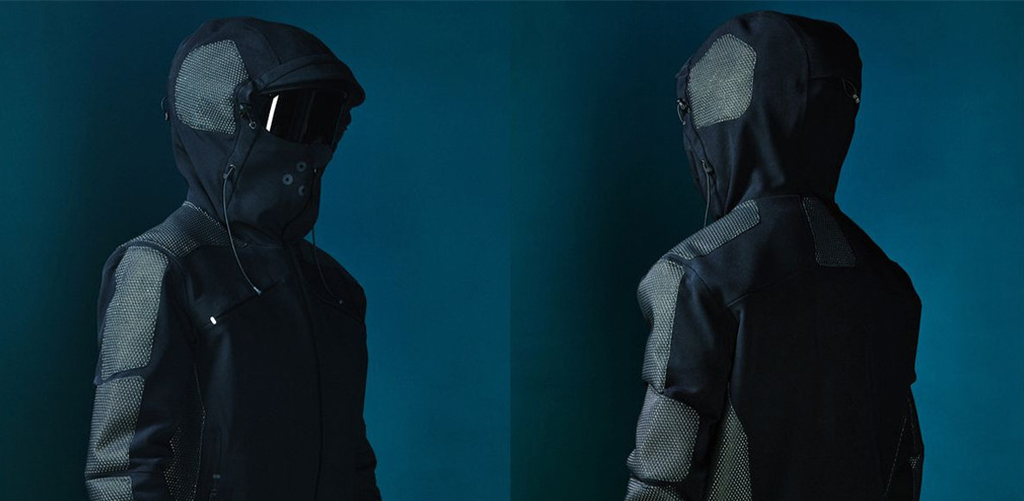
Have you heard of clothes that glow in the dark or block radiation? That’s what Vollebak is doing. Their jackets are designed for survival in extreme conditions—like desert storms, freezing cold, or even outer space. These are not just fashion statements; they’re built with serious science and creativity.

As the world faces climate change and environmental challenges, clothes won’t just be about style—they’ll also have to protect, adapt, and perform. This is where speculative fashion really shines. It pushes you to imagine the impossible and make it wearable. For students ready to think big, this is your creative playground. 

So, What Is Speculative Fashion and Why It Matters for Future Designers?

In simple terms, speculative fashion is about designing for the future. It’s not just about following current trends—it’s about imagining what people will need, wear, and experience in years to come. Whether it’s through technology, sustainability, inclusivity, or protection, speculative fashion challenges you to think ahead, not just fit in. For fashion students, especially those preparing for the real world through strong programs like the Fashion Design course by JD Institute, this mindset teaches valuable lessons. You’ll not only learn to design beautiful clothes—you’ll learn to design for change.

Glitches, Memes & Madness: What Every Young Designer Must Understand

Saturday, June 7th, 2025

What if the designs that look “wrong” are actually the most right?

We’re living in a time where everything is loud, unfiltered, and constantly shifting. Your social media feed looks like a mix of memes, distorted selfies, and text-heavy graphics that break all design rules. But guess what? This visual chaos isn’t just random—it’s a new language.

Welcome to the world of designing for chaos—where glitch, meme culture, and visual noise aren’t mistakes, but choices. Let’s explore why this trend is booming and what today’s designers must learn to keep up with it.

Glitch Isn’t a Bug—It’s a Design Tool

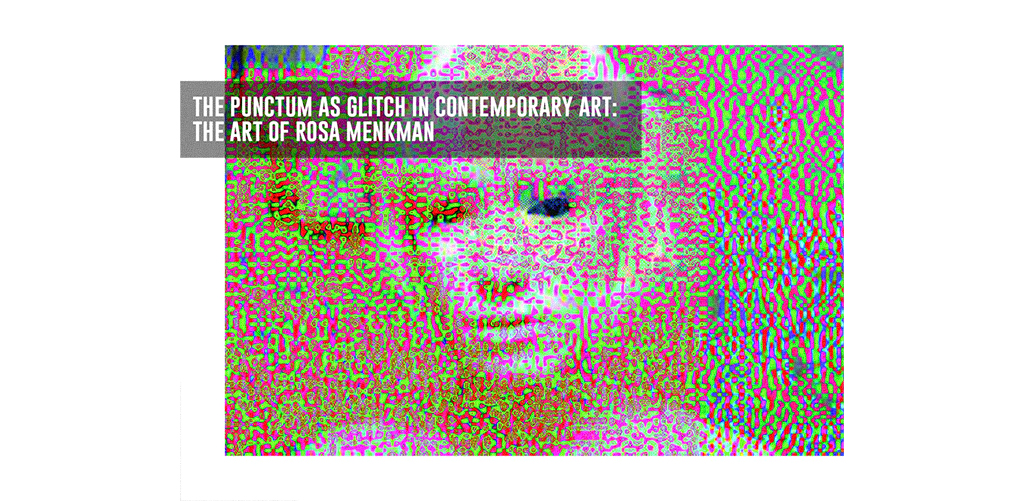
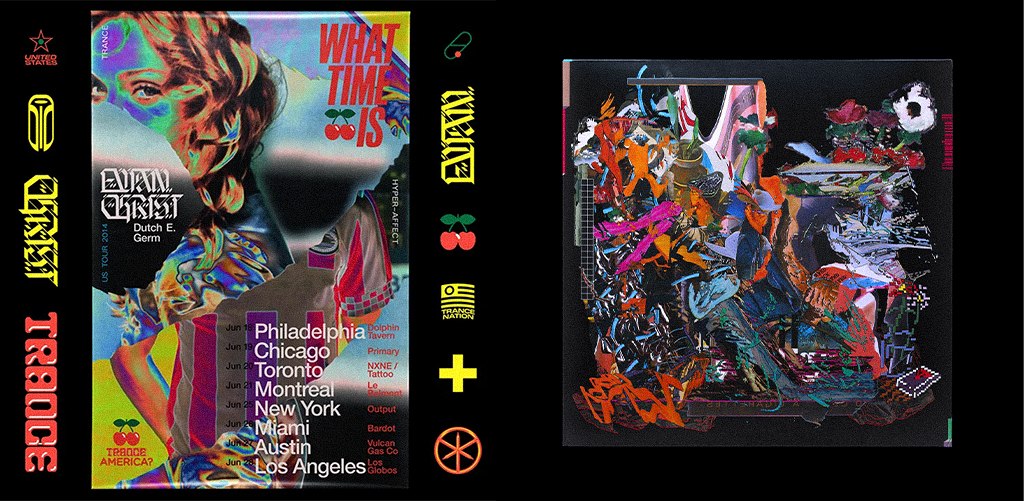
Glitches were once seen as tech errors. Now, they’re used to telling stories. Artists like Rosa Menkman use glitch aesthetics to explore digital identity and media breakdown. Kanye West’s Yeezus visuals leaned heavily into glitch, turning errors into edgy design.

Glitch art grabs attention because it’s unpredictable. It speaks to a generation that’s used to imperfect screens, unstable Wi-Fi, and broken realities. Designers today use this to evoke emotion, create contrast, or simply challenge the idea of “clean” visuals.

Meme Culture: The New Design Dictionary

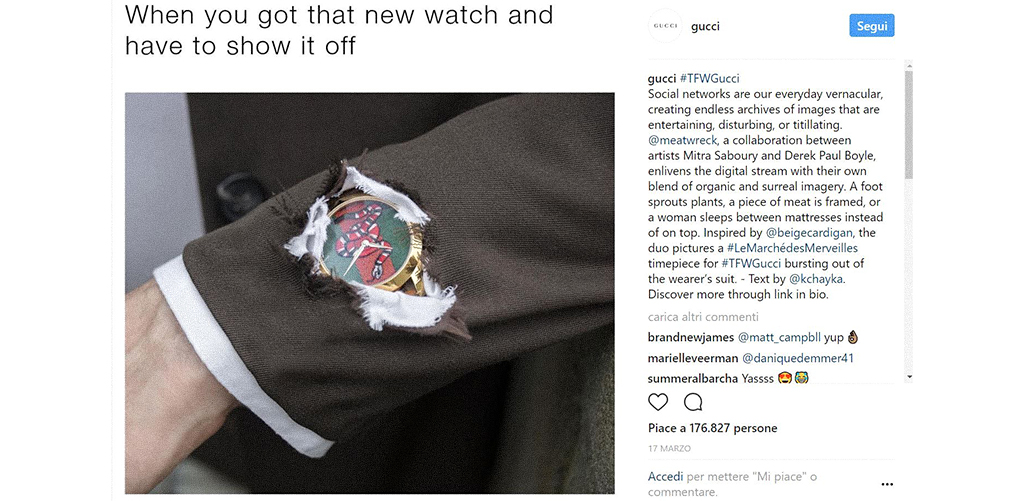
Memes are quick, clever, and bold. They simplify complex ideas and spread fast. But beyond the jokes, memes are also reshaping how we communicate visually. Look at Gucci’s meme campaign—luxury fashion mixed with relatable internet humor. Unexpected? Yes. Unforgettable? Definitely.

Designers now use meme logic: mix irony, humor, and simplicity. It’s not about making people laugh—it’s about making them feel something instantly. This quick-hit approach is changing everything from advertising to political posters.

Visual Noise: More is the Message

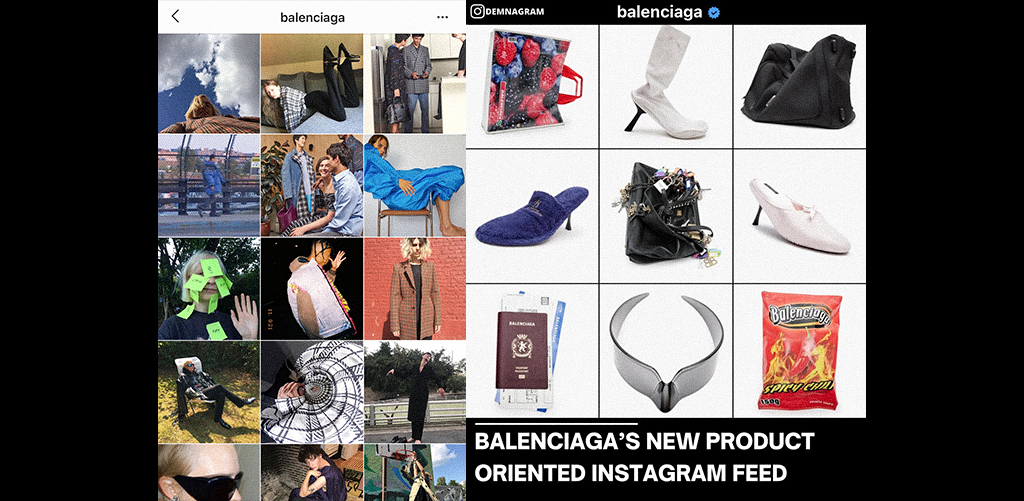
For years, minimalism ruled design. White space, simple fonts, balance. But now? It’s all about maximalism—more layers, more chaos, more energy. Think of Balenciaga’s distorted Instagram layouts or MSCHF’s experimental drops—they’re confusing, loud, and absolutely intentional.

This trend reflects how we actually live now: with multiple tabs open, apps buzzing, and content hitting us from every side. Design today mimics that feeling. When done right, this “visual noise” keeps the audience engaged, almost like decoding a visual puzzle.

The Power of the Unfinished

Designers are letting go of perfection. Raw sketches, rough edits, visible strokes—these aren’t lazy, they’re honest. Brands like MSCHF or artists like David Rudnick show that sometimes the unfinished version says more. It feels real.

People trust designs that feel human. That means showing your process, leaving room for flaws, or allowing chaos to take over. This shift encourages designers to stop obsessing over polishing—and start focusing on expression.

At JD Institute, whether it’s fashion or interiors, students are taught to embrace experimentation and imperfection, because design is not just about aesthetics—it’s about truth. 

Designed to Interrupt: The Scroll Culture Effect

When you’re competing with a million visuals online, your design has to stop someone mid-scroll. That’s why more designers are using weird fonts, jarring images, or breaking layout norms. It’s not about being pretty—it’s about being impossible to ignore.

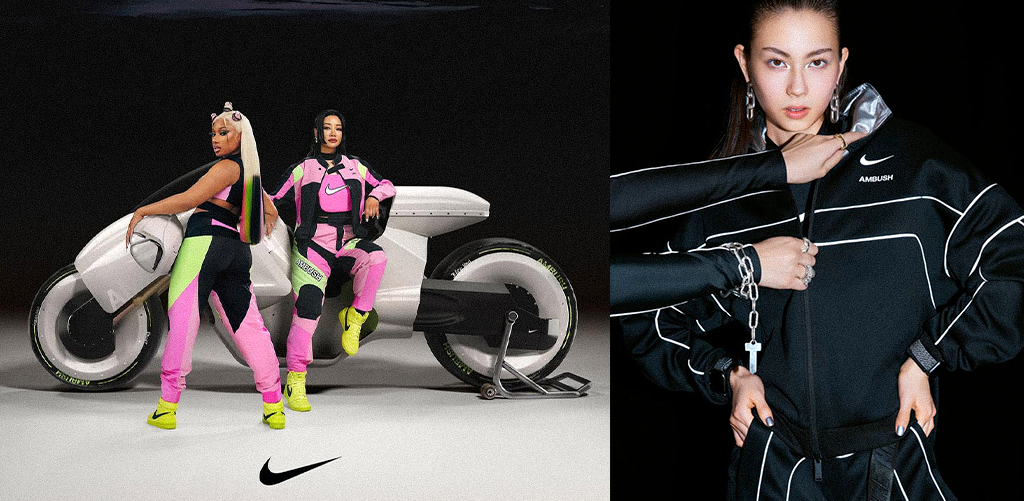
Nike’s Ambush campaign and Instagram edits by Gen Z artists are great examples. They interrupt your flow and demand attention, even if just for a second. And in today’s content-heavy world, that second is everything.

Embrace the Mess, Own the Message

In a world of polished ads and predictable layouts, being chaotic is revolutionary. Designing for chaos isn’t about being random. It’s about understanding today’s world, and creating visuals that feel like it.

So if you’re someone who finds meaning in the mess, who likes turning memes into messages, and sees potential in every glitch—you’re already thinking like a modern designer. Want to take that thinking to the next level? JD Institute is where you get to turn that messy creativity into powerful, professional design. It’s not about following rules—it’s about rewriting them.

Copyright © 2025 JD Institute of Fashion. All Right Reserved

Designed by Red Lemon

Whatsapp icon
Apply Now
Enquire
Quick Enquiry