

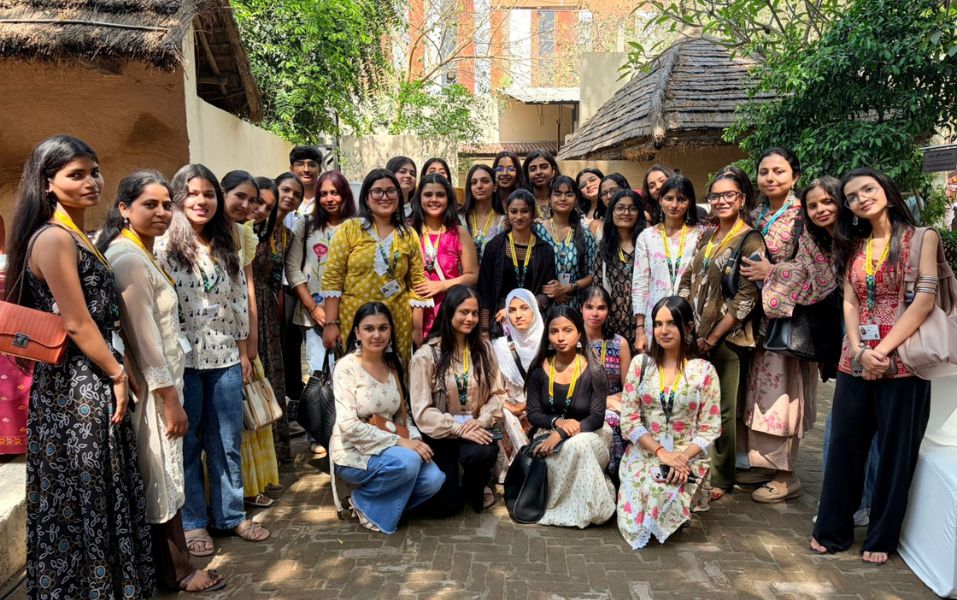
Through a Phulkari workshop at the National Handicrafts and Handlooms Museum, JD Institute Fashion Design students explored the beauty, precision, and meaning behind one of India’s most celebrated crafts, in collaboration with the Nabha Foundation.
This wasn’t just a museum visit, it was a direct interaction with India’s living craft traditions, where students didn’t just observe craft, they practiced it, understood it, and connected with it.
Phulkari, a traditional embroidery style from Punjab, is often admired for its vibrant patterns. But for the students, it became much more than that.
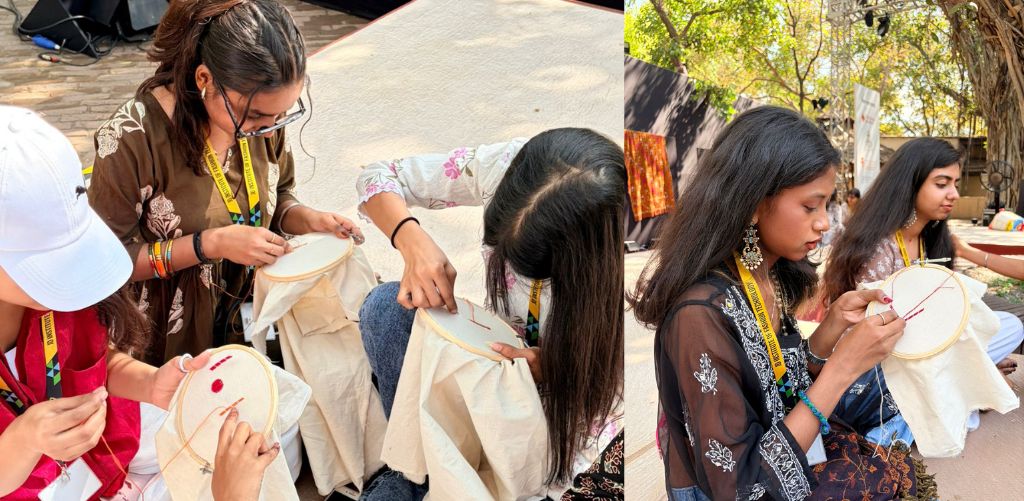
They learned how:
This shift in perspective helped students realise that good design is not created in isolation, it evolves from history and meaning.
The highlight of the visit was a hands-on Phulkari workshop, conducted by 6–7 skilled artisans associated with the Nabha Foundation.
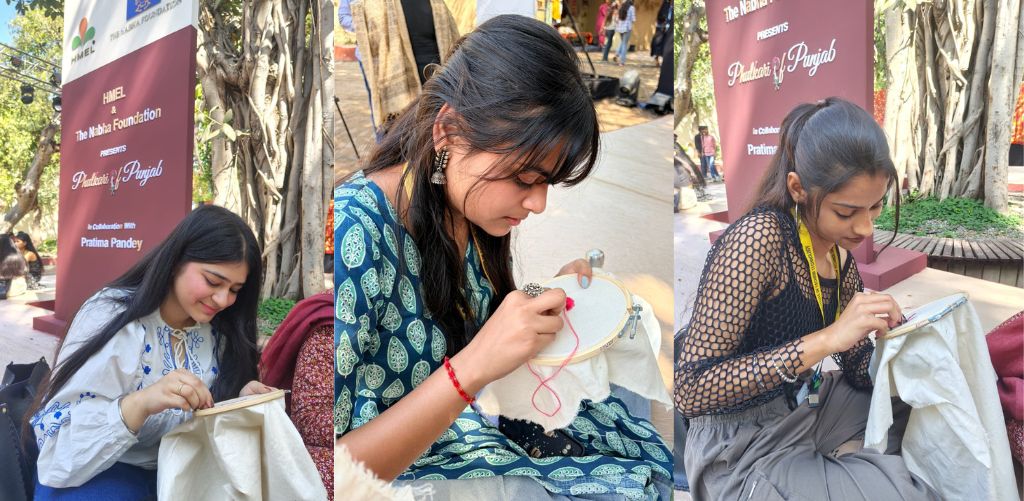
During the session, students:
More importantly, they experienced the discipline behind craftsmanship, something that cannot be fully understood through textbooks alone.
What made the experience truly impactful was the opportunity to learn directly from artisans who have dedicated their lives to preserving this craft.
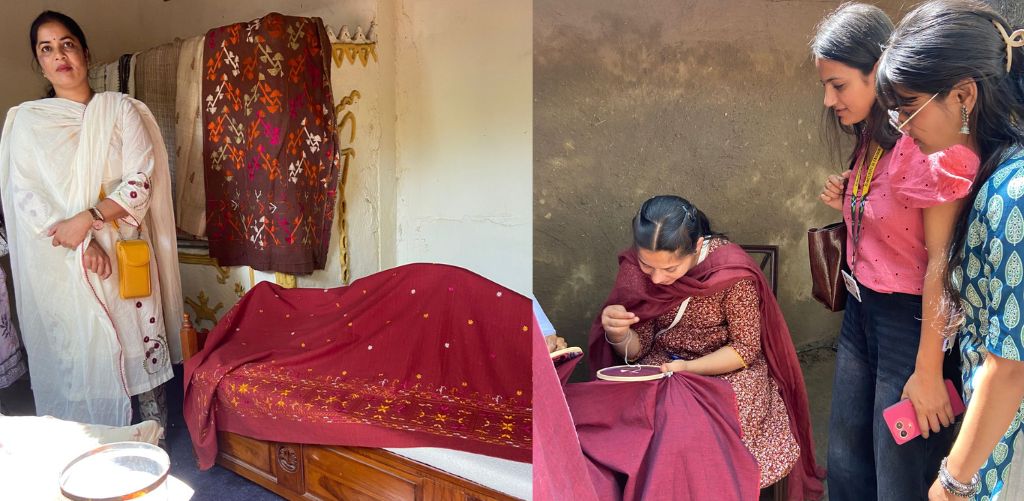
They shared:
This interaction added depth to the learning, making students appreciate not just the process, but also the people behind it.
By the end of the session, students didn’t just leave with new skills, they left with a new mindset.
They gained:
JD Institute believes that design education cannot exist in isolation from reality. By bringing students face-to-face with artisans and traditional practices, the focus shifts from simply “learning how to design” to understanding why design exists the way it does. This builds designers who are not just skilled, but contextually aware and creatively responsible.
Before creating something new, understand the hands and history that shaped it.
 Design Blogs
 Watch on youtube


 Downloads

Copyright © 2025 JD Institute of Fashion. All Right Reserved
Designed by




 Quick Menu