

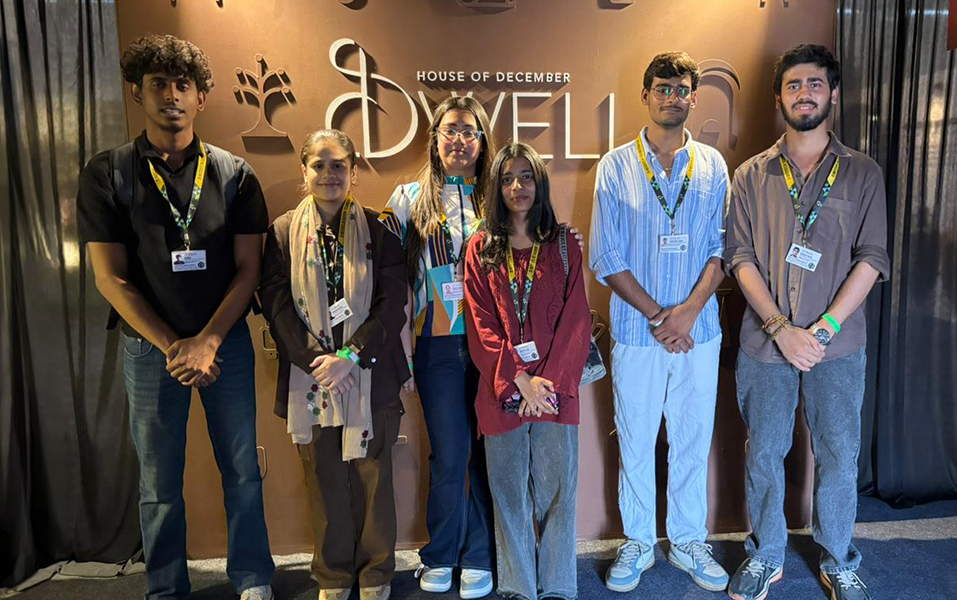
What does a space feel like when every detail is intentional?
At DWELL Design Show 2026, our students explored exactly that, where furniture, lighting, materials, and layout come together to create not just interiors, but experiences.
Interior Design students from the Hauz Khas Village and Kamla Nagar campuses visited the NSIC Exhibition Complex to attend the DWELL Design Show 2026. Known for presenting interior design as a complete lifestyle experience, the exhibition offered students a deeper understanding of how modern spaces are curated with both aesthetics and functionality in mind.
As students moved through the exhibition, each installation offered a new way to interpret space. The focus was not just on what was placed, but how and why it was placed.
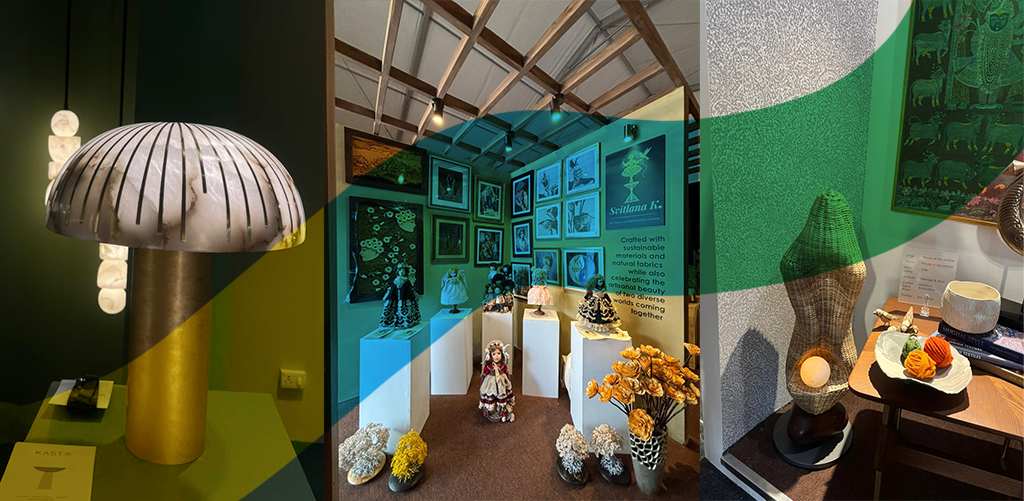
They observed:
This allowed students to break down complex spaces into understandable design decisions.
The visit was not limited to passive viewing. Students actively engaged with exhibitors and professionals to understand the thinking behind each concept.
They:
This made the experience both analytical and collaborative.
A key takeaway from the exhibition was the direction in which interior design is evolving. Students observed a strong focus on:
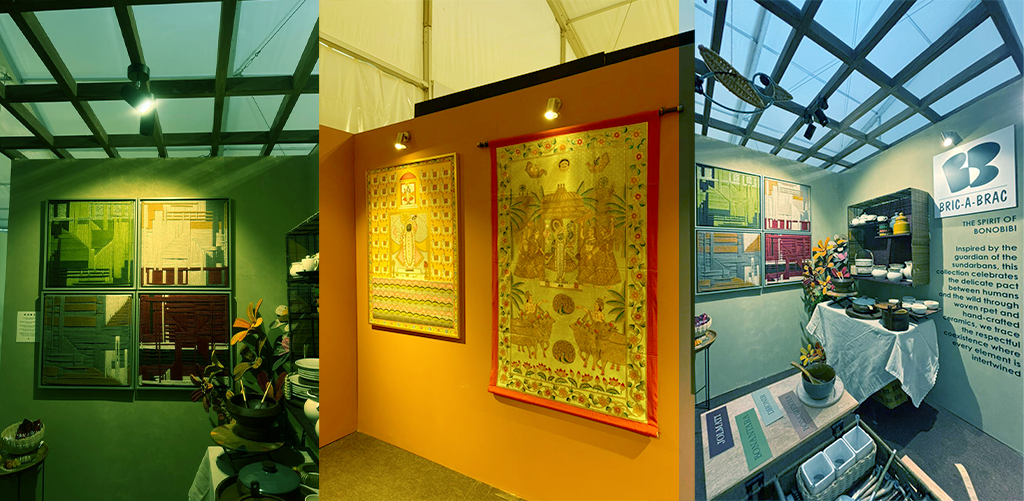
This helped them connect their academic learning with current industry expectations and future trends.
The event was curated by Kritika Goswamy Malik, whose work reflects a balance between creativity and functionality.
For students, this added an extra layer of inspiration, seeing how an alumna has translated academic learning into professional practice. It reinforced the idea that strong design thinking can evolve into real, impactful work in the industry.
By the end of the visit, students developed a more refined understanding of interior design as a complete experience.
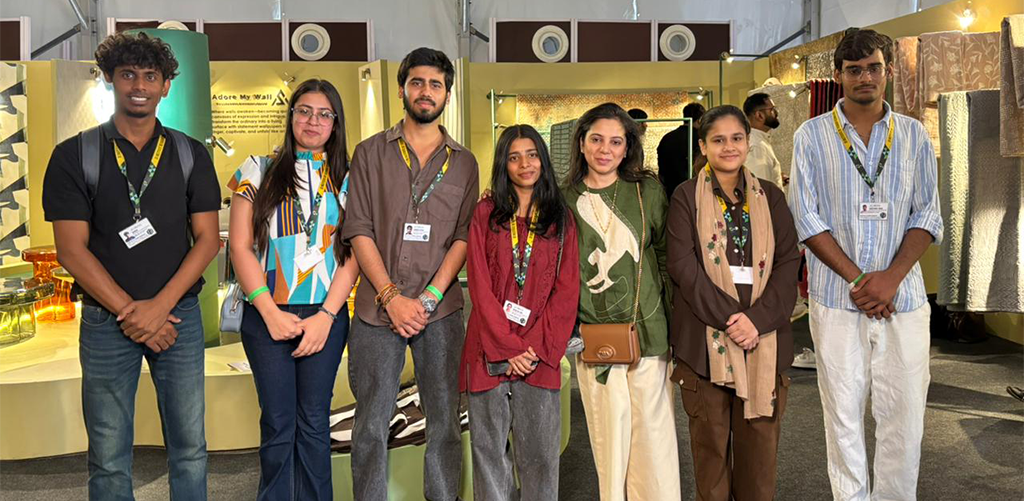
They gained:
This experience reinforced that, great interiors are not designed piece by piece, they are crafted as complete experiences.
At JD Institute, students are encouraged to engage with environments where design is presented in its most complete form. By experiencing curated spaces and interacting with industry professionals, they learn to move beyond isolated ideas and understand how design works holistically. This approach helps build designers who can think in terms of experience, functionality, and narrative.
A well-designed space is not just seen, it is experienced.
 Design Blogs
 Watch on youtube


 Downloads

Copyright © 2025 JD Institute of Fashion. All Right Reserved
Designed by




 Quick Menu