

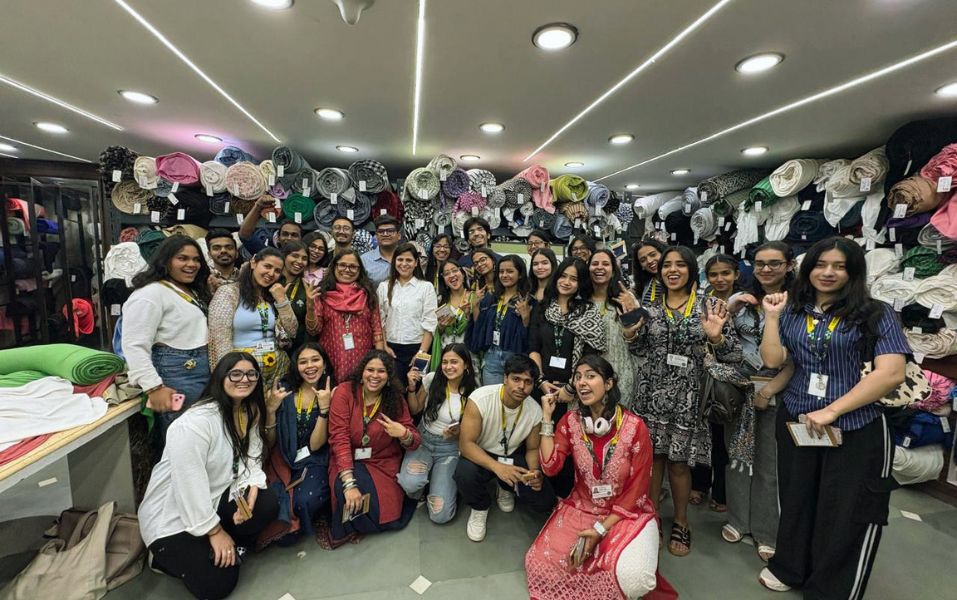
What really goes behind the fabric we wear every day?
Our students found the answer not in textbooks, but inside a working knitting unit, where yarn transforms into fabric through precision, technique, and industry-driven processes.
Fashion Designing students from the Kamla Nagar and Hauz Khas Village campuses visited Texongo Syndicate Cloth House. Known for its expertise in knitted fabrics, Texongo offered students a first-hand look into fabric construction, helping them connect classroom concepts with real-world manufacturing.
Knitted fabrics are everywhere, from everyday T-shirts to structured knitwear. But what makes them different lies in how they are constructed.
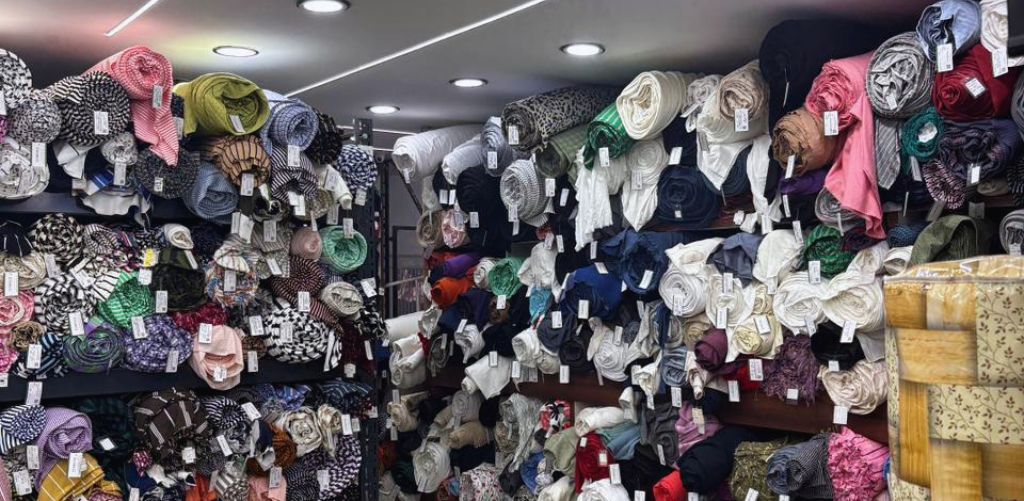
Students explored:
They began to see how fabric construction directly impacts design, fit, and functionality.
Walking through the unit, students observed how different knitted fabrics are developed and processed.
They explored:
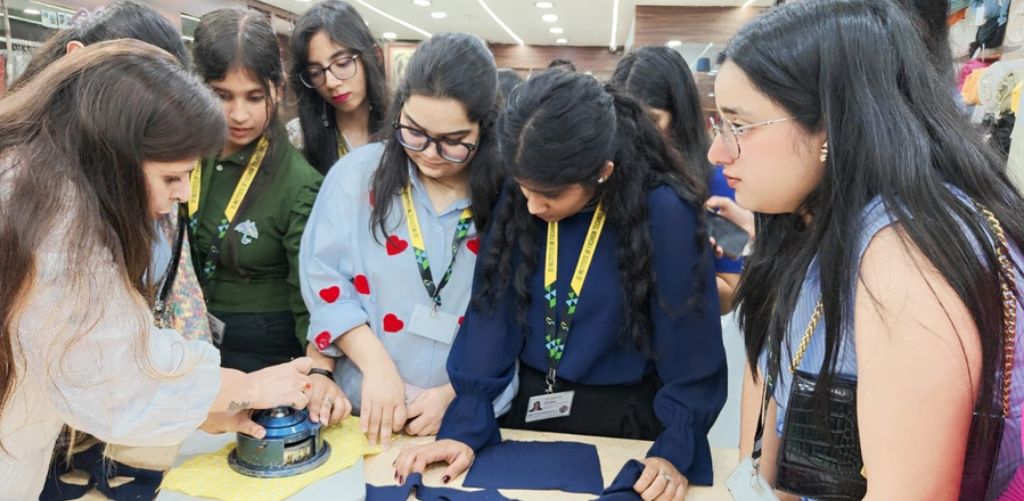
This wasn’t just observation, it was about understanding how every fabric has a purpose in garment creation.
The experience was further enriched through interactions with industry professionals at Texongo Syndicate Cloth House.
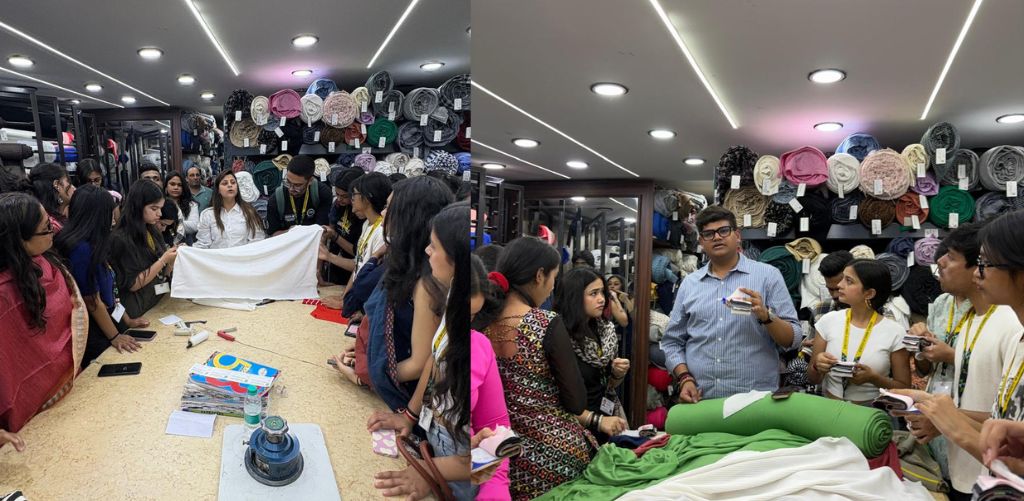
Students:
This direct exchange helped bridge the gap between academic knowledge and industry expectations.
By the end of the visit, the learning went beyond techniques as it became a shift in understanding.
Students walked away with:
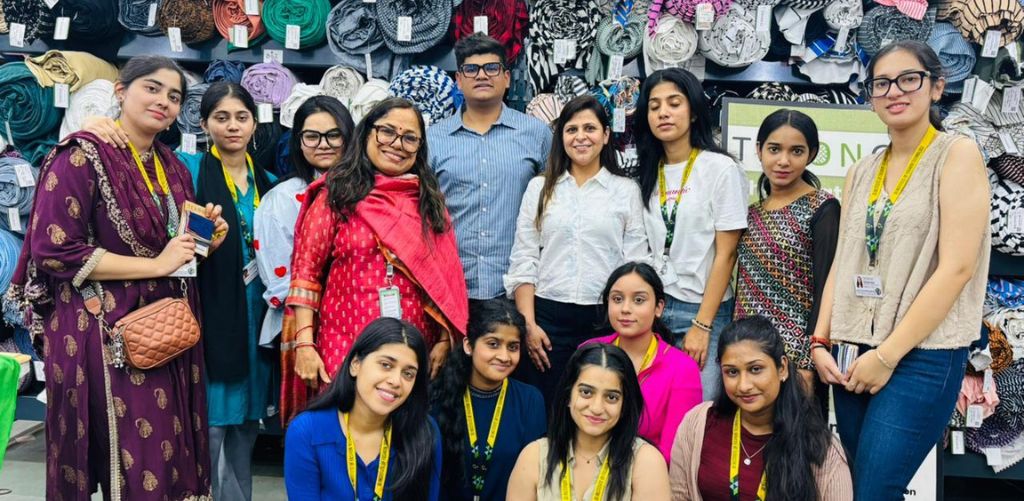
This helped students connect their academic learning with the real expectations of the industry.
At JD Institute, design education is approached as a balance between creative thinking and technical understanding. By placing students within real industry environments, the focus shifts from imagining possibilities to understanding how those possibilities are actually executed. This ensures that students don’t just design in isolation, they design with awareness of materials, processes, and real-world constraints.
Before you design a garment, understand the fabric that gives it form.
 Design Blogs
 Watch on youtube


 Downloads

Copyright © 2025 JD Institute of Fashion. All Right Reserved
Designed by




 Quick Menu