
Apply Now

Author Archive

Old Souls & Moody Spaces: Why Dark Academia Interiors Are Everywhere

Thursday, March 6th, 2025

“The world was hers for the reading.” – Betty Smith, A Tree Grows in Brooklyn.

Step into a room bathed in the warm glow of antique lamps, where bookshelves tower with leather-bound classics, vintage portraits gaze from dimly lit corners, and rich, deep-hued curtains frame the windows. This isn’t just a setting from a 19th-century novel—it’s the Dark Academia aesthetic, and it’s everywhere on social media.

But why are so many people drawn to this moody, intellectual home style? Let’s uncover the literary and historical influences that have turned Dark Academia interiors into a viral phenomenon—and what designers can learn from it.

Appeal of Intellectual Spaces – Lessons for Designers

Dark Academia interiors directs the old-world charm of libraries, study rooms, and classic universities like Oxford and Cambridge. Think of the grand, dimly lit halls of the Bodleian Library or the rich woodwork of Trinity College’s Long Room. These spaces have long been associated with knowledge, literature, and introspection, making them the perfect inspiration for modern-day intellectuals and book lovers.

What Designers Can Learn: The key takeaway is how to blend functionality with aesthetics. Creating reading nooks, maximizing natural light with warm-toned fixtures, and using antique elements can make spaces feel immersive yet livable.

The Hogwarts library from Harry Potter embodies the essence of Dark Academia—mystical, scholarly, and atmospheric.

Blending the Old with the New

The revival of Dark Academia interiors is deeply tied to a longing for the past. The aesthetic takes cues from 18th and 19th-century European art, literature, and architecture. Vintage furniture, gothic details, and antique trinkets bring a sense of nostalgia that resonates in an age of digital overload.

Understanding the balance between antique and contemporary elements is a crucial skill for interior designers. JD Institute’s Interior Design course teaches students how to incorporate vintage aesthetics while maintaining modern functionality.

The study rooms in Dead Poets Society reflect this aesthetic with wooden desks, dim lighting, and walls adorned with poetry.

The Social Media Phenomenon: Aesthetic Meets Identity

Platforms like Instagram, Pinterest, and TikTok have fueled the Dark Academia trend by providing a space where users can curate their ideal moody, bookish lifestyle. The aesthetic is more than just decor—it’s a way of living, embracing classical literature, handwritten notes, and slow, thoughtful existence.

What Designers Can Learn: Social media influences interior trends more than ever. Designers must stay updated on viral aesthetics and learn how to translate online inspiration into real, functional spaces.

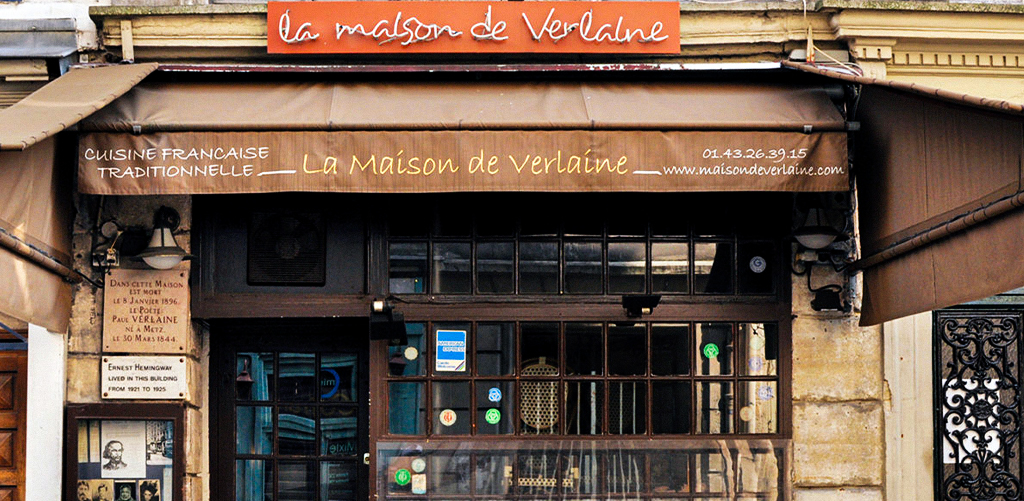
The Parisian apartment of writer Ernest Hemingway, with its deep-toned furnishings and overflowing bookshelves, continues to inspire Dark Academia lovers.
The Role of Color and Texture in Dark Academia Interiors

A signature aspect of Dark Academia decor is its rich, muted color palette—deep browns, forest greens, burnt oranges, and midnight blues. Pair these with heavy drapes, dark wood, leather-bound books, and candlelight, and you’ve got an interior straight out of a gothic novel.

JD Institute emphasizes the psychology of colors and how textures influence spatial perception, helping students craft immersive, atmospheric interiors.

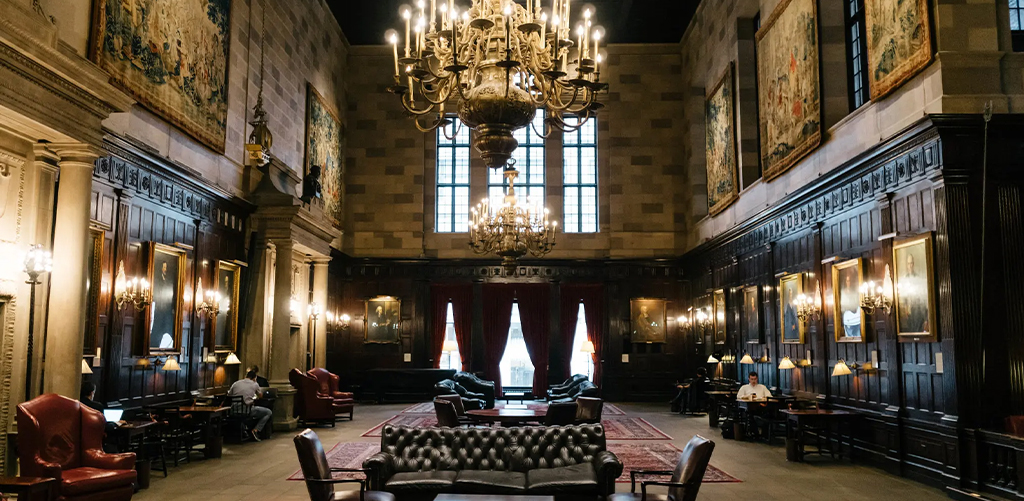
The interiors of the Harvard Club of New York exude Dark Academia with their mahogany walls, leather chairs, and dimly lit chandeliers.
Why People Are Drawn to the Mystery and Moodiness

There’s something alluring about a space that feels like a secret waiting to be discovered. The dim lighting, vintage pieces, and intellectual ambiance create a world that feels separate from modern distractions. It’s a place to escape, dream, and create.

Interior design is about storytelling. A well-crafted space evokes emotion and transports people to another time and place, much like a beautifully written novel.

Sherlock Holmes’ study in 221B Baker Street—filled with peculiar artifacts, dark wood furniture, and a lingering air of mystery—captures the essence of this aesthetic.

Where Stories and Spaces Collide – Crafting Timeless Interiors

Dark Academia isn’t just a trend—it’s an immersive experience, a way of bringing history, literature, and artistry into everyday life. Its moody yet inviting aesthetic proves that great design is not just about arranging furniture but about storytelling, emotion, and identity. At JD Institute, students don’t just learn Interior Design—they learn how to craft spaces that evoke emotion, intrigue, and timeless beauty.

So why wait? Enroll Yourself Now!
JD Institute at ID Exhibition 2025: A Visionary Experience

Monday, March 3rd, 2025

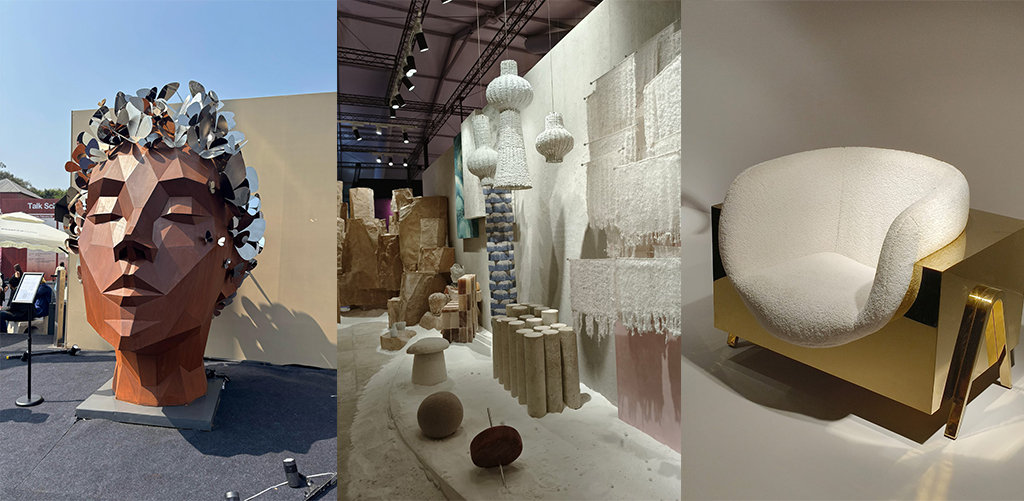
The ID Exhibition 2025 stands as a benchmark event in the world of interior design, architecture, and innovation. This prestigious platform brings together creative minds, leading brands, and industry professionals from across the globe to showcase cutting-edge trends, products, and revolutionary ideas. It is not just an exhibition but a hub of knowledge, networking, and inspiration for those passionate about design.

Each year, the exhibition sets new standards in the industry by unveiling groundbreaking innovations that redefine the way we perceive spaces. From sustainable materials to smart technology integration, the event highlights the evolving landscape of design, making it a must-visit for aspiring and established professionals alike.

A Transformative Experience for JD Institute Students

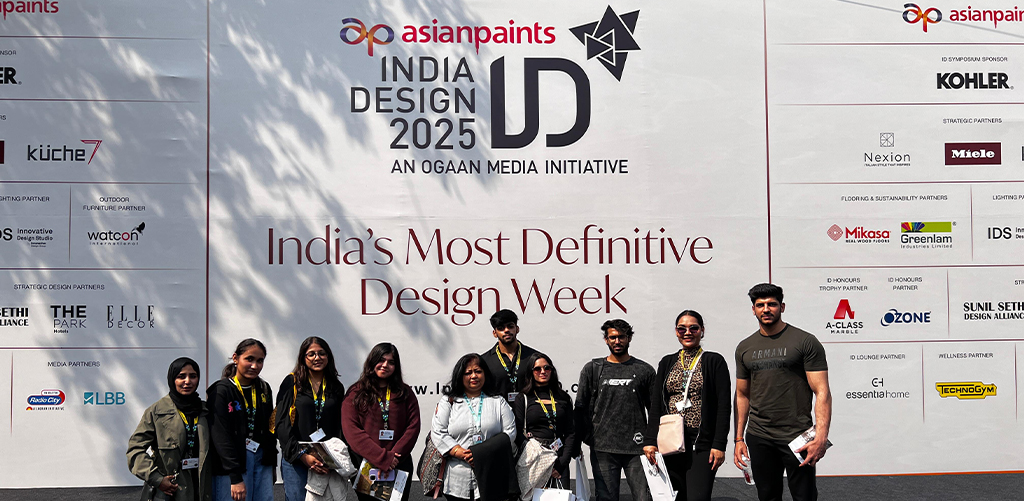
Students of JD Institute, Interior Design department, had the remarkable opportunity to witness the grandeur of the ID Exhibition 2025. This visit was not just an exploration but an immersive learning experience, offering insights into the latest advancements in interior and product design. From innovative materials to futuristic concepts, the exhibition exposed them to real-world applications of design principles.

Walking through the exhibition halls, students encountered a variety of interactive showcases that demonstrated the impact of thoughtful design. From intricate furniture craftsmanship to dynamic lighting solutions, they saw firsthand how concepts transform into reality. Engaging with these exhibits deepened their understanding of the design process and encouraged them to think beyond conventional boundaries.

Beyond Observation: Learning from the Best

The exhibition served as a live classroom, allowing students to engage with renowned designers, experience groundbreaking installations, and understand industry expectations. By interacting with experts and observing top-tier designs, they gained practical knowledge that enhances their creative and professional outlook.

Panel discussions, expert talks, and live demonstrations added immense value to their visit. Students had the chance to listen to industry leaders discuss trends shaping the future, sustainability in design, and the integration of AI and technology into interior spaces. These insights provided them with a fresh perspective on the dynamic nature of the design industry.

Shaping Future Designers

JD Institute continuously strives to provide students with opportunities that set them apart in the competitive world of design. Such experiences bridge the gap between education and industry, ensuring students are well-equipped to carve a successful career path.

Beyond theoretical knowledge, this hands-on exposure to global design trends enhances their ability to innovate and adapt. The visit reinforced our commitment to experiential learning, helping students develop a keen eye for detail and an appreciation for functionality in Interior Design. Their engagement in such enriching experiences cultivates confidence and prepares them to take on challenges in the design sector.

Your Design Journey Starts Here

Still thinking about your future in design? The industry is waiting for innovative minds like yours. Join JD Institute and let us shape your dreams into reality!

How Indian Designers Redefined Global Glam & How You Can Too

Monday, March 3rd, 2025

“Fashion is the armor to survive the reality of everyday life.”– Bill Cunningham

But for Indian designers, fashion is not just armor; it’s a legacy, a story woven with rich heritage and intricate craftsmanship. Once confined to Bollywood’s glamorous sets, Indian designers have now become the go-to couturiers for Hollywood’s elite, bringing India’s clothing brilliance to the grandest red carpets worldwide. From the Oscars to the Met Gala, the world is finally recognizing the value of Indian couture, proving that our designers are more than just trendsetters—they are global icons.

For aspiring Fashion Designers, these success stories hold invaluable lessons. Understanding craftsmanship, innovation, and business acumen is crucial to making an impact on the global stage. And there’s no better place to start than JD Institute, where creativity meets excellence in fashion education.

Sabyasachi Mukherjee: The Master of Heritage Revival

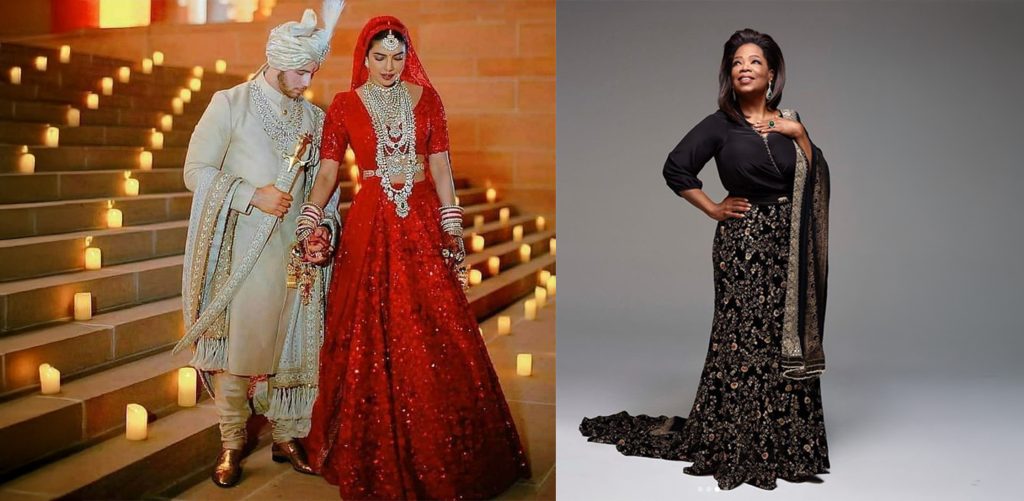
Think of a royal, intricately embroidered saree, and Sabyasachi instantly comes to mind. Known for his luxurious craftsmanship, he has dressed global stars like Priyanka Chopra at the Met Gala, Deepika Padukone at Cannes, and even Oprah Winfrey. His ability to fuse vintage aesthetics with contemporary elegance has made him a red carpet favorite.

What future designers can learn:

  • Embracing heritage and blending it with modern silhouettes.
  • Understanding the art of storytelling through design.
  • Creating a signature aesthetic that remains timeless.

At JD Institute, students are trained to appreciate the fine details of traditional craftsmanship while incorporating global trends in the Fashion Design course —an approach that has made Sabyasachi a worldwide sensation. The key to success is staying rooted in tradition while evolving with modern fashion.

Manish Malhotra: Bollywood’s Couturier Conquering Hollywood

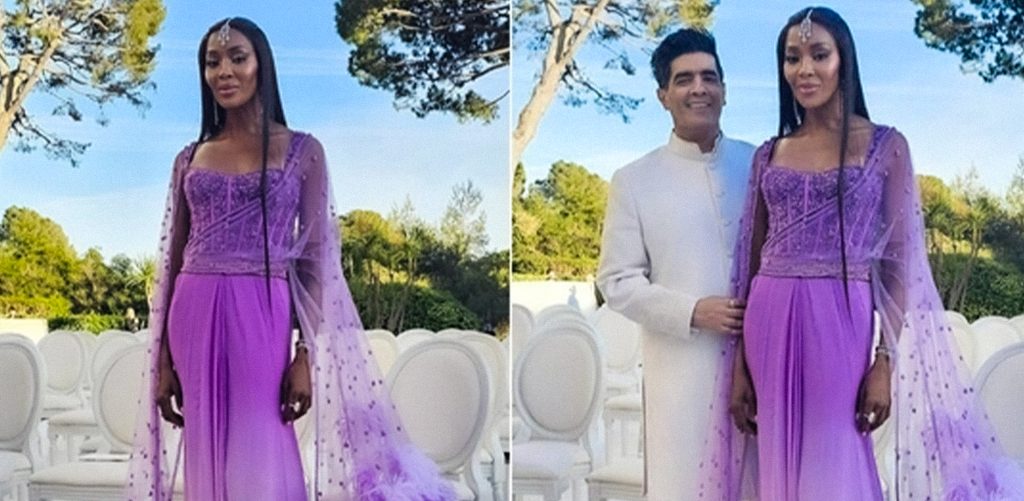
Manish Malhotra, the king of Bollywood fashion, has seamlessly extended his magic to international celebrities. From dressing Naomi Campbell in traditional Indian couture to styling Zendaya in a breathtaking saree-inspired ensemble, his creations are redefining how the world sees Indian fashion.

What future designers can learn:

  • The importance of networking and building relationships with celebrities.
  • Mastering the fusion of Indian and Western fashion.
  • Understanding the glamour and allure of high-fashion styling.

Fashion is more than just clothing—it’s about making a statement. Malhotra’s work proves that blending cultures can create timeless elegance. Aspiring designers should focus on versatility and adaptability to thrive in an ever-evolving industry.

Rahul Mishra: The Sustainable Visionary on Global Runways

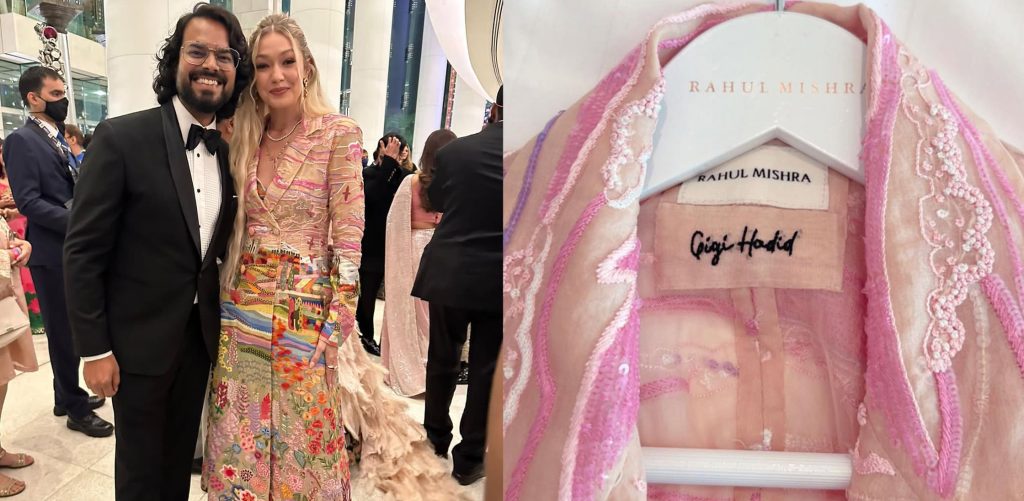
Rahul Mishra’s embroidery-heavy couture has graced Paris Haute Couture Week and been worn by stars like Gigi Hadid. His sustainable, handcrafted approach sets him apart in the industry, proving that ethical fashion can be luxurious.

What future designers can learn:

  • The value of sustainable and ethical fashion.
  • Crafting haute couture with a conscious mindset.
  • The significance of international fashion weeks in gaining global recognition.

Sustainability is no longer just a trend—it’s the future. At JD Institute, students are encouraged to explore eco-friendly design solutions, preparing them to become the next game-changers in the fashion domain. If fashion is to remain relevant, it must also be responsible.

Falguni Shane Peacock: The Designers of Bold Glamour

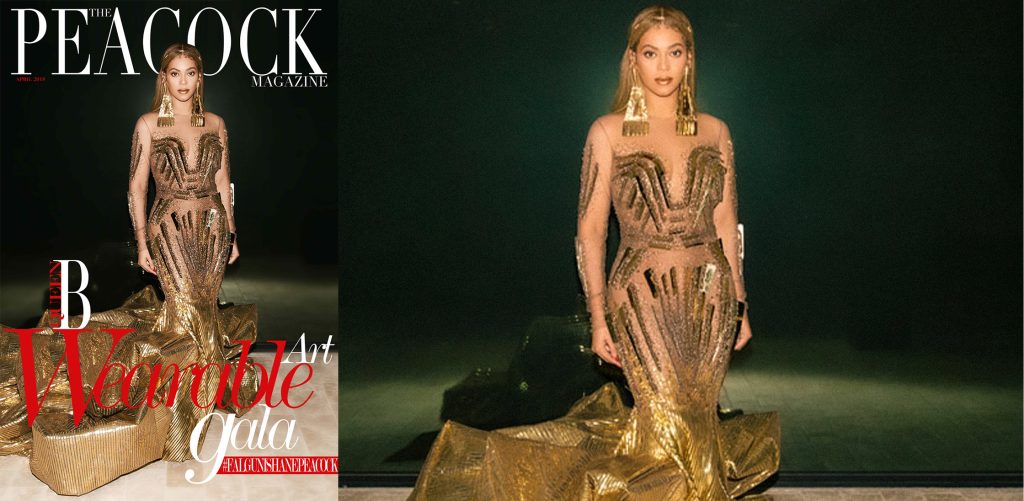
From Beyonce’s stunning stage outfits to Priyanka Chopra’s statement gowns, Falguni Shane Peacock, the husband-wife duo,  has carved a niche in Hollywood with their edgy, embellished creations. Their unique fashion sense has made them a favorite at major events like the Grammys and Oscars. It’s even more special for us because Shane Peacock is a proud alumnus of JD Institute, proving the institute’s ability to nurture top creative talent. 

What future designers can learn:

  • Experimenting with bold, futuristic designs.
  • Catering to the glamour and spectacle of Hollywood’s fashion scene.
  • Innovating while maintaining a global appeal.

Fashion is about pushing boundaries, and the Peacocks do it effortlessly. Their journey is proof that boldness and innovation lead to global recognition. Future designers must learn to embrace risk-taking and step outside conventional design norms.

Ritu Kumar: The Pioneer of Indian Textile Revival

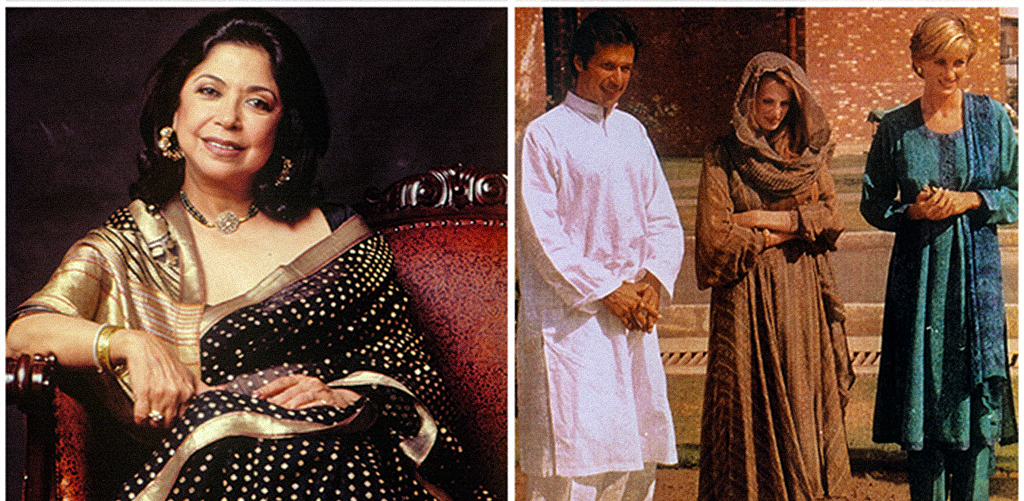
Ritu Kumar is a legend in Indian fashion, known for reviving handwoven textiles and traditional embroidery. She has dressed international celebrities like Princess Diana and Mischa Barton, proving that Indian textiles have a place on global platforms.

What future designers can learn:

  • The importance of preserving and innovating heritage techniques.
  • Merging traditional textiles with contemporary designs.
  • Building a legacy brand that stands the test of time.

Her work is a testament to how deep-rooted cultural craftsmanship can be modernized to suit contemporary fashion. Aspiring designers must embrace the wealth of Indian textiles to create fashion with a soul.

Rocky Star: The Rebel of Indian Fashion

Rocky Star is celebrated for his dark, dramatic, and edgy couture that has mesmerized audiences worldwide. With his signature gothic-meets-glam style, he has dressed icons like Paris Hilton and Beyonce, making a bold statement on international red carpets. Adding to our pride, Rocky Star is also an alumnus of JD Institute, Fashion Design course, showcasing the institute’s legacy of shaping creative excellence.

What future designers can learn:

  • Creating a distinct and bold fashion identity.
  • Understanding the power of branding and global expansion.
  • Designing for impact and confidence.

His fearless approach teaches aspiring designers to experiment, break norms, and carve out their own niche in the fashion industry.

From Inspiration to Innovation: The Future of Indian Fashion

The rise of Indian designers on global red carpets is not just a trend—it’s a revolution. Their success stories prove that craftsmanship, innovation, and an unwavering passion for heritage can create fashion that transcends borders. For aspiring designers, the message is clear—dream big, embrace your roots, and never stop innovating. The journey from sketches to the spotlight requires skill, vision, and the right education.

At JD Institute, students don’t just learn fashion; they master the art of storytelling through design, preparing them to be the next icons of the industry.

The future of fashion is waiting—will you be the one to redefine it?

The Mars Mission: What Future Designers Must Master

Saturday, March 1st, 2025

“The Earth is the cradle of humanity, but one cannot live in a cradle forever.” – Konstantin Tsiolkovsky

You wake up, stretch, and step out—not onto a wooden floor, but onto a surface engineered to withstand the harshest conditions in the universe. The air is thin, gravity feels different, and outside your window, an endless red landscape stretches into the distance. This isn’t a dream or a scene from a sci-fi film—it’s the reality that architects and designers are shaping right now. As humanity inches closer to interplanetary living, the challenge of designing sustainable habitats on Mars is becoming one of the most exciting frontiers in architecture.

Do We Really Need Mars’s Habitat?

With Earth facing environmental challenges and an ever-growing population, colonizing Mars is no longer a wild dream but a necessity for future generations. Mars has extreme temperatures, thin air, and high radiation, making human survival a complex puzzle. Enter space architects, who are blending technology, sustainability, and design to craft interplanetary homes.

3D-Printed Habitats: The Future of Mars Construction

Building on Mars isn’t as simple as constructing on Earth. Transporting materials across space is costly, so the solution lies in using Martian resources. NASA’s Mars Ice House is a prime example. Designed by SEArch+ and Clouds AO, this habitat concept uses 3D-printed ice to form protective domes, shielding humans from harsh radiation while maintaining a breathable environment.

What Aspiring Designers Must Learn:

  • Innovative use of local materials for sustainability.
  • Integrating advanced technology like 3D printing in architecture.
  • Creating solutions for extreme environments.

Lava Tubes: Turning Natural Caves into Homes

Nature might have already provided ready-made shelters on Mars in the form of lava tubes—underground tunnels formed by ancient volcanic activity. The European Space Agency (ESA) has been exploring these tubes as potential habitats. They offer natural insulation against extreme temperatures and cosmic radiation, making them a strong contender for future settlements.

JD Institute of Fashion Technology trains students to think beyond traditional architecture. Courses focus on sustainable design, material innovation, and problem-solving for extreme environments, equipping students with skills to create future-ready structures.

Inflatable Domes: Expanding Space Habitats

NASA’s TransHab and Bigelow Aerospace’s BEAM (Bigelow Expandable Activity Module) have pioneered inflatable space habitats. On Mars, these lightweight, expandable structures could provide spacious yet durable living spaces. These domes would be covered with Martian soil (regolith) for added protection, offering a flexible solution to space colonization.

What Aspiring Designers Must Learn:

  • Adaptability in space habitat designs.
  • Understanding of lightweight, high-durability materials.
  • Strategic planning for modular and expandable living spaces.

Self-Sustaining Ecosystems: Living Off the Land

A Martian habitat must function as a self-sufficient ecosystem. NASA’s BIOS-3, initially developed for space stations, provides insight into closed-loop life support systems. This technology recycles air, water, and food, minimizing waste and maximizing sustainability. The goal? A habitat that doesn’t rely entirely on Earth for survival.

AI and Robotics: The Architects of Mars

Before humans step foot on Mars, robots will be the first builders. Boston Dynamics’ Spot the Robot is already assisting in space research. Future AI-driven robots could construct habitats before astronauts arrive, making colonization safer and more efficient.

JD Institute emphasizes design thinking, knowledge and learning of AI integration in design, and futuristic problem-solving. Students engage in interdisciplinary learning, blending technology with creativity to prepare for careers that extend beyond traditional architecture.

Challenges and Future Prospects

Designing habitats on Mars is advancing fast, but challenges still exist—how to generate reliable energy, support mental health in isolation, and build structures strong enough to withstand dust storms. However, if history has shown us anything, it’s that human creativity always finds a way.

Today’s space architects are laying the foundation for future generations to live on Mars. For aspiring designers, the challenge isn’t just about building structures—it’s about crafting a future where humans can thrive beyond Earth.

From Earth to Mars—Are You Ready to Design the Future?

The cosmos is waiting for visionaries who can merge technology with creativity. At JD Institute of Fashion Technology, students don’t just learn design; they learn to innovate, problem-solve, and push boundaries. If the idea of designing for Mars excites you, perhaps it’s time to take the first step—right here on Earth.

After all, the future isn’t built in space—it starts with a single idea, right here, right now.

Beyond the Screen: Why Print Media Still Rules for Communication Designers

Friday, February 28th, 2025

“In the age of Instagram, a Vogue cover still holds more weight than a million likes.” 

The world is digital—fast, fleeting, and constantly updating. Brands battle for attention in a space where the next swipe is just a second away. Yet, when it comes to luxury, something surprising happens: the biggest names still swear by the elegance of print media. Chanel, Rolex, and Louis Vuitton aren’t just investing in digital; they are reserving premium pages in elite magazines. Why? Because print isn’t dead—it’s evolving, becoming rarer, and more coveted than ever.

Why Print Feels More Luxurious Than Digital

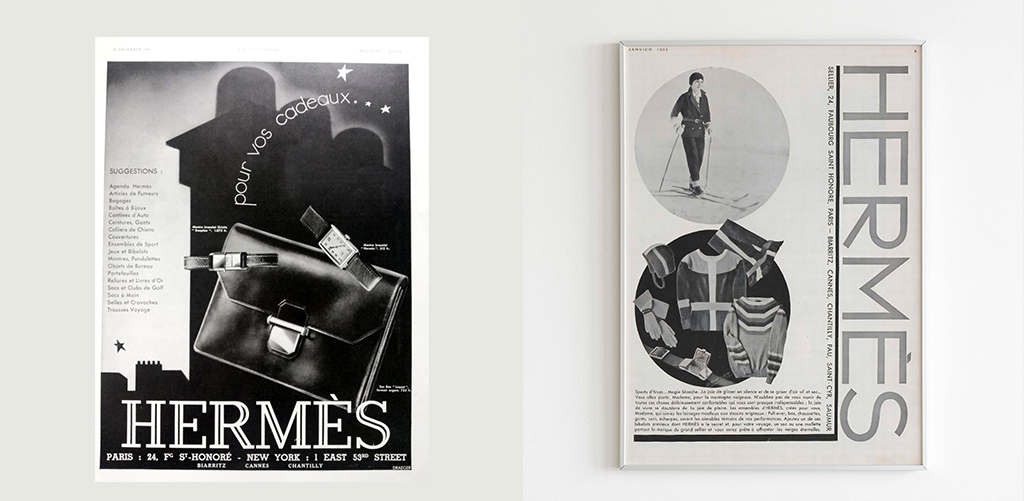
Luxury thrives on exclusivity, and nothing feels more premium than the glossy pages of a high-end magazine. Unlike digital ads, which vanish in seconds, a well-placed print ad lingers—on coffee tables, in private lounges, and inside collector’s editions. Hermes perfectly understands this, crafting magazine spreads that feel like a real experience, aligning with the brand’s handcrafted heritage. The weight of a magazine mirrors the weight of a luxury brand’s reputation—solid, lasting, and undeniable.

The Art of Storytelling

Print ads allow brands to tell a richer, more immersive story. In an industry where emotions drive purchases, storytelling is key. Take Gucci, for instance. Their full-page spreads in Harper’s Bazaar are not just advertisements; they are cinematic glimpses into the brand’s fantastical world. Unlike fleeting Instagram ads, print allows brands to craft a mood that lingers in the reader’s mind.

Communication Design plays a crucial role here, as designers shape how narratives unfold visually and emotionally. At JD Institute, students learn how to create compelling layouts that capture the essence of a brand, just like the world’s top luxury houses do.

Trust, Credibility, and Influence

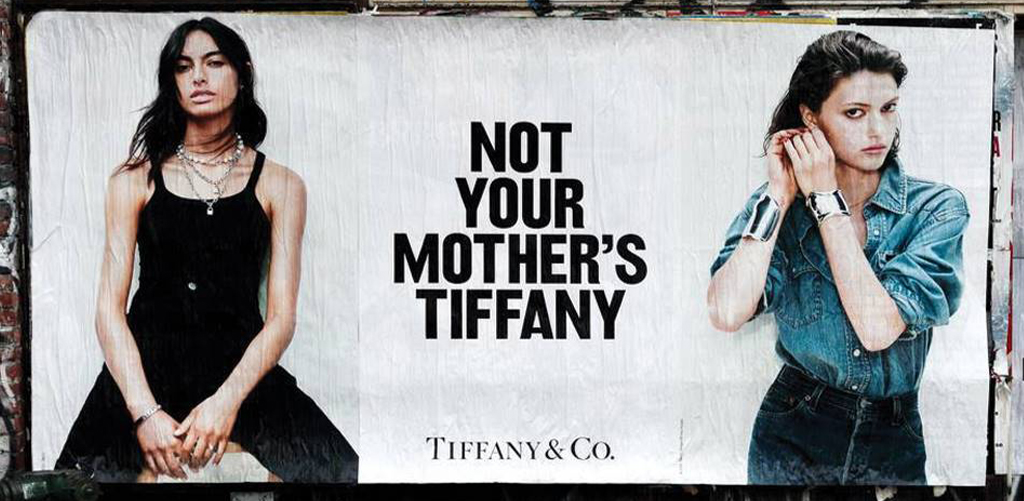
Would you trust an ad on a random website as much as one in Vogue? Probably not. Print media carries an inherent credibility that digital platforms struggle to match. When a brand appears in The New York Times Style Magazine or Tatler, it signals status and authenticity. Tiffany & Co. has long understood this, leveraging the power of established magazines to reinforce its legacy rather than relying solely on social media.

Targeting the Right Audience

Luxury brands aren’t chasing mass appeal—they’re targeting a niche audience willing to invest. Print magazines cater to precisely that demographic. Whether it’s Robb Report for ultra-high-net-worth individuals or Architectural Digest for luxury home connoisseurs, brands can strategically place ads where they matter most. Bentley, for example, doesn’t need to reach millions—it needs to reach the right few thousand.

Less Noise, More Impact

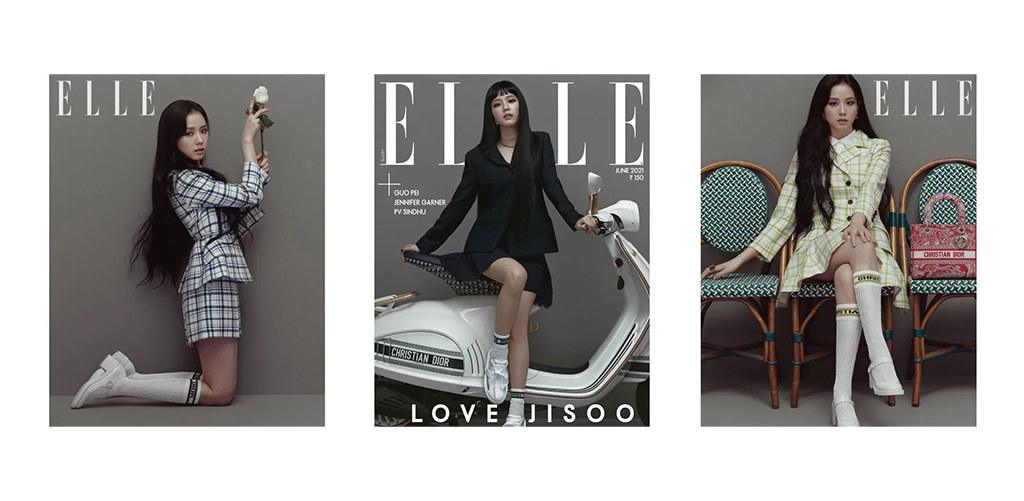
Digital ads are everywhere—pop-ups, banners, and video interruptions make online spaces feel chaotic. Print media, on the other hand, offers a calm, focused experience. Dior’s double-page spreads in Elle grab full attention, something rare in the digital world. Because print ads are less common today, they stand out even more, making them highly valuable.

How Print Media is Making a Comeback

Interestingly, the digital revolution hasn’t killed print—it has redefined it. Brands now integrate print campaigns with digital experiences, using QR codes or augmented reality to bridge the gap. Burberry’s AR-enabled ads in GQ let readers scan the page and see a campaign come to life on their phones. This fusion of traditional and modern techniques is exactly what students master in the Communication Design course at JD Institute, where they learn to evolve with the growing needs for the future.

The Future of Print in Luxury Advertising

Luxury isn’t about following trends—it’s about setting them. While digital marketing is essential, print remains a statement of prestige.

For students looking to craft the future of luxury advertising, mastering print media is just as important as understanding digital. At JD Institute, aspiring designers and marketers don’t just learn Communication Design—they learn how to create experiences, shape brand legacies, and turn visual storytelling into an art form.

The Fashion Revolution: Marc Robinson’s Power-Packed Session at JD Institute

Thursday, February 27th, 2025

‘Style is a way to say who you are without having to speak.’

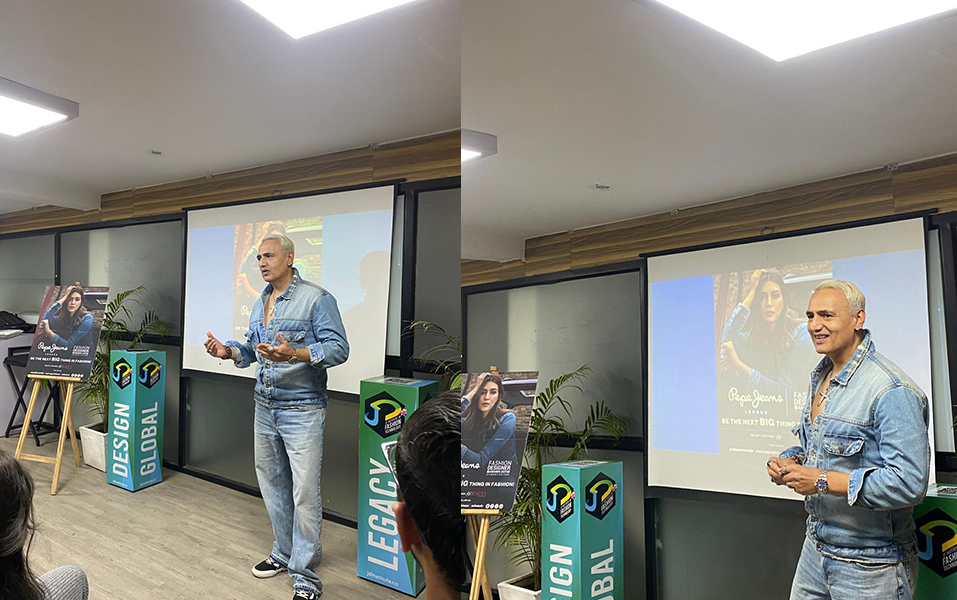
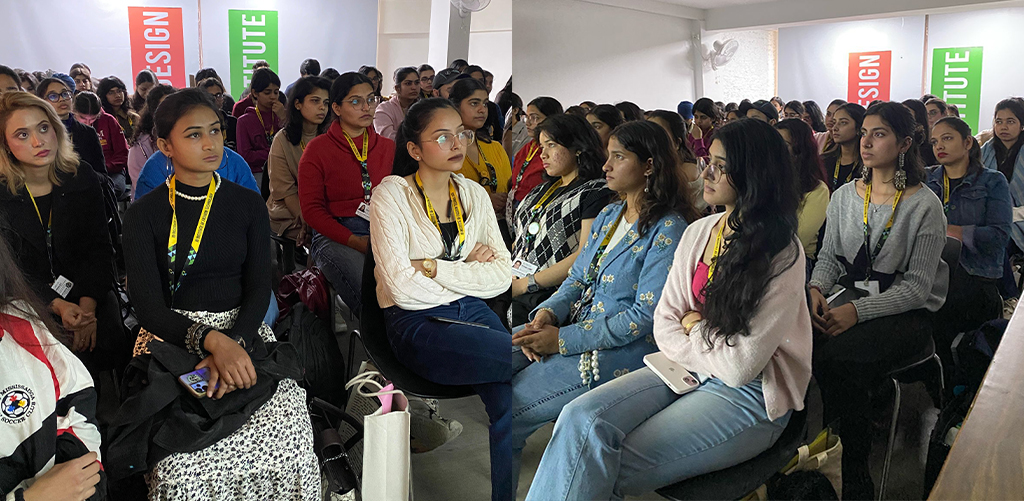
This thought echoed through the halls of JD Institute of Fashion Technology as students gathered for an exclusive seminar under the Pepe Jeans Fashion Design Awards. Then entered Marc Robinson, a fashion icon whose expertise and passion for the industry are unparalleled, accompanied by the talented makeup team from Shoppers Stop. As they took center stage, the seminar became a hub of inspiration, creativity, and learning, captivating every student in attendance.

Marc Robinson: A Visionary in Fashion

Known for his exceptional contributions to the fashion industry, Marc Robinson brought an electrifying presence to the session. His passion and deep understanding of style captivated the audience, offering valuable insights into the evolving fashion landscape. His presence added a touch of glamour and sophistication, making the event a truly memorable experience.

Keen Learners: Students Absorbing Every Insight

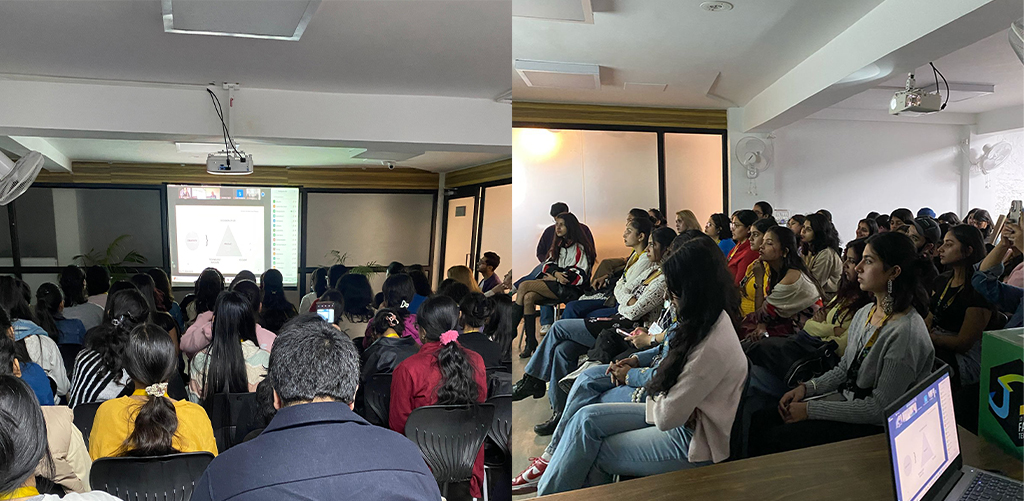
The enthusiasm in the room was undeniable as students attentively absorbed every detail shared by Marc Robinson and the Shoppers Stop team. Their keen interest was reflected in their eager expressions, as they meticulously noted every tip on fashion and grooming. The interactive nature of the session kept them engaged, making the learning process both exciting and impactful.

Personal Grooming Insights by Shoppers Stop Team

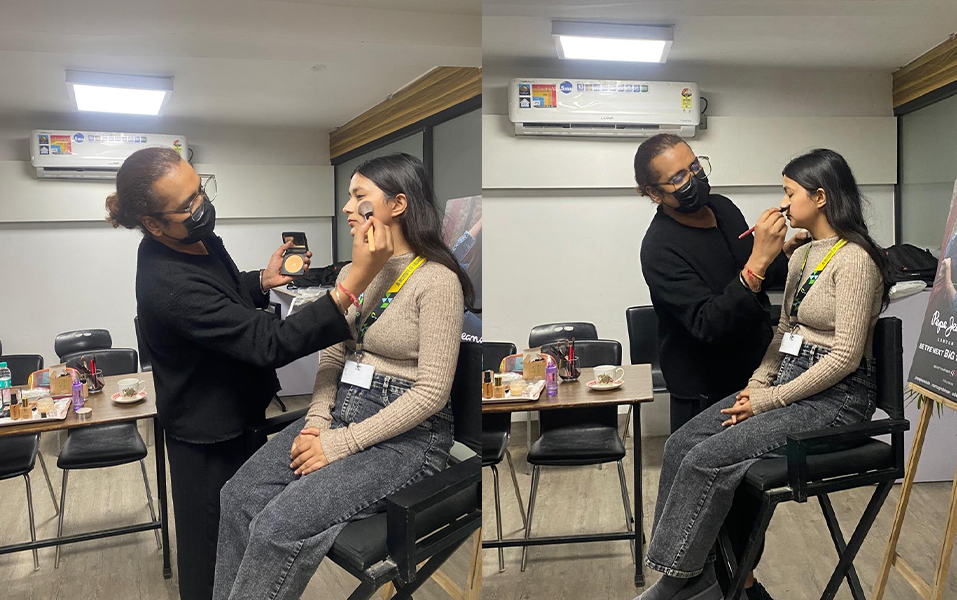
Adding to the enriching session, the Shoppers Stop makeup team shared their expertise in personal grooming. Their in-depth knowledge and practical demonstrations provided attendees with essential tips on enhancing their style and confidence. The students keenly listened to the guidance and were eager to absorb the valuable insights. One of the Shoppers Stop representatives even gave a live makeup demonstration on a student, explaining the key aspects of personal grooming and how to present oneself with confidence.

Honoring Marc Robinson: A Session of Style & Gratitude

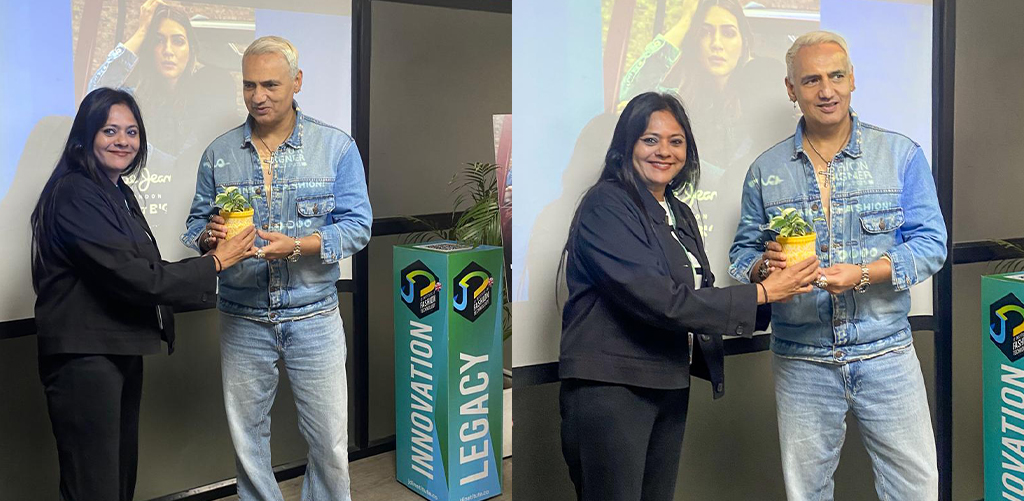
The fusion of Marc Robinson’s fashion acumen and the Shoppers Stop team’s grooming expertise created an atmosphere filled with innovation and elegance. The session was not just about fashion; it was an experience that empowered and motivated students to embrace their creativity with confidence. At the end of the event, the institute expressed heartfelt gratitude to Marc Robinson and the Shoppers Stop team for their invaluable contributions, making this session an unforgettable learning experience.

Stay Inspired, Stay Stylish

With industry icons like Marc Robinson gracing the institute, JD Institute continues to offer unmatched learning experiences. We wish the students all the very best as they step into the world of fashion. Remember, style is not just about clothing—it’s about confidence, creativity, and continuous learning. Keep pushing boundaries, embracing innovation, and redefining fashion with every step you take!

Hey Interior Designers, Let’s Deconstruct Some Norms with the Masters of Deconstructivism

Thursday, February 27th, 2025

What if chaos wasn’t a flaw but a design principle? What if buildings could twist, fold, and explode into new dimensions, breaking every conventional rule of architecture? Welcome to the world of Deconstructivist Architecture—a radical movement that challenges symmetry, balance, and predictability. Much like how an artist turns a blank canvas into an evocative masterpiece, an interior designer must harness the unexpected to create immersive spaces.

At JD Institute of Fashion Technology, students don’t just learn Interior Design; they master the art of disruption, innovation, and storytelling through space. For aspiring interior designers, studying the masterminds of deconstructivism isn’t just inspiring—it’s essential. Let’s dive into the revolutionary minds shaping the future of architecture.

Frank Gehry – The Architect Who Bent Reality

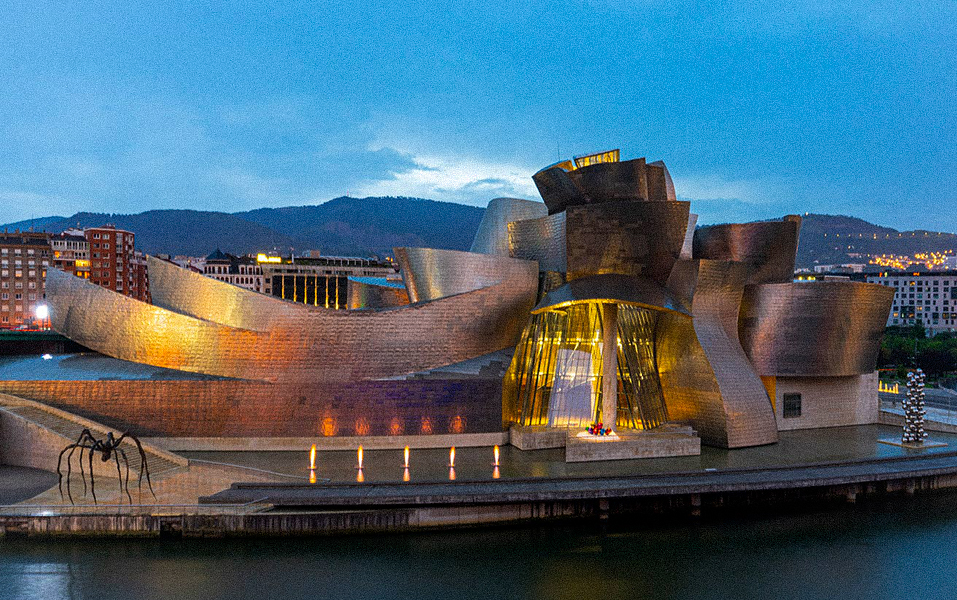
Imagine a building that looks like it’s melting, twisting, or even dancing. That’s the magic of Frank Gehry, the genius behind some of the world’s most unconventional structures. His masterpiece, the Guggenheim Museum Bilbao, is a prime example of deconstructivism—its whirling titanium curves defy traditional architectural norms. Gehry’s designs teach interior designers to embrace fluidity, unconventional materials, and organic forms. His Walt Disney Concert Hall in Los Angeles further proves that architecture can be both an art and an experience.

Daniel Libeskind – The Storyteller of Space

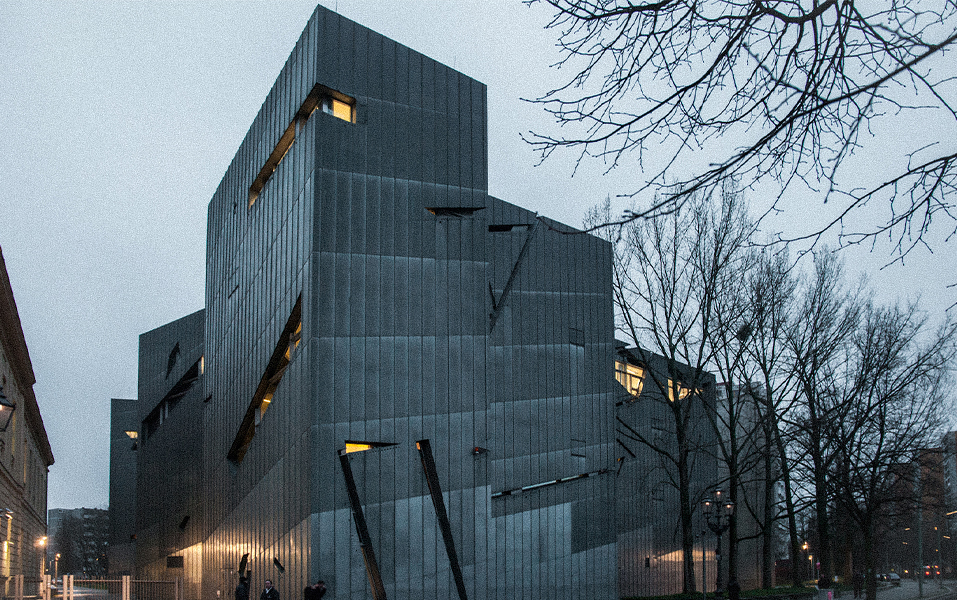
Libeskind doesn’t just design buildings; he narrates history through them. His Jewish Museum in Berlin is an emotional journey—its zigzagging, fragmented structure evokes deep feelings of loss and remembrance. Similarly, his work on the World Trade Center Master Plan in New York redefines how space can be used to symbolize resilience and rebirth. Aspiring designers can learn the power of storytelling through space, using angles, lighting, and movement to create immersive experiences.

Zaha Hadid – The Queen of Curves

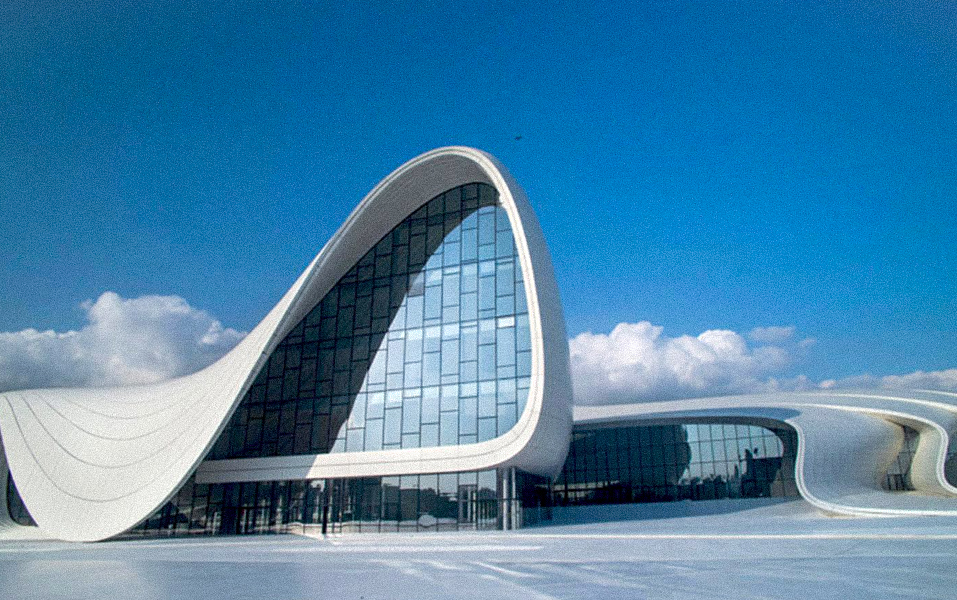
When you think of fluid, futuristic, and dynamic architecture, one name stands out—Zaha Hadid. Her designs seem to defy gravity, with sweeping curves and bold, asymmetrical forms. The Heydar Aliyev Center in Azerbaijan showcases her ability to dissolve the boundary between structure and sculpture. Another marvel, the Guangzhou Opera House, highlights her love for organic, free-flowing forms. For aspiring interior designers, Hadid’s work is a lesson in pushing creative boundaries, experimenting with futuristic aesthetics, and embracing digital design tools.

Peter Eisenman – The Intellectual Rebel

Eisenman treats architecture like a puzzle, deconstructing and reconstructing forms in unexpected ways. His Wexner Center for the Arts at Ohio State University breaks the mold of traditional design with its fragmented grid and incomplete forms. His City of Culture of Galicia in Spain merges the natural landscape with architectural abstraction. Eisenman’s philosophy teaches designers to challenge conventions, embrace asymmetry, and explore complex spatial narratives.

Rem Koolhaas – The Visionary of Urban Chaos

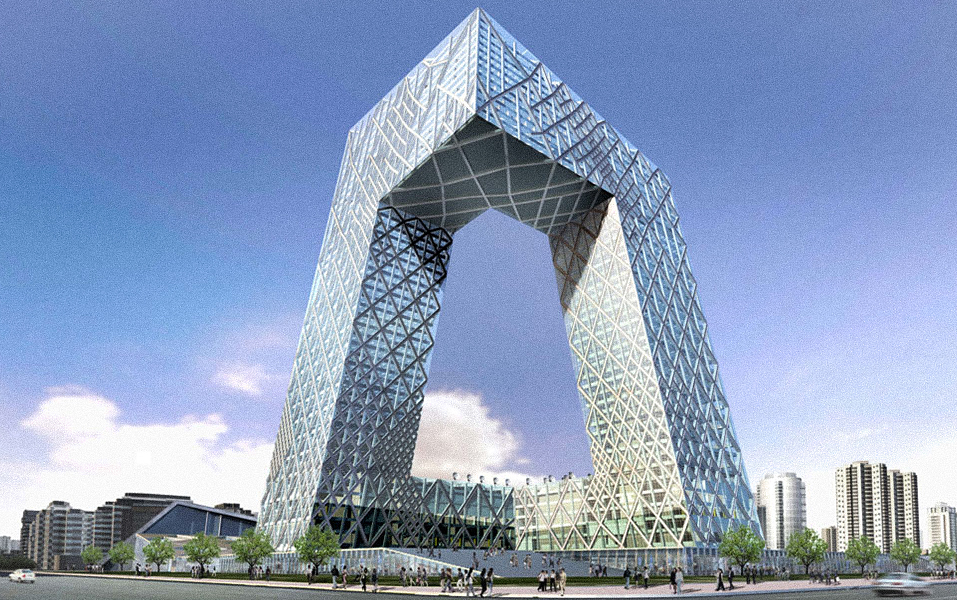
Rem Koolhaas is a master of controlled chaos, blending architecture with urban culture. His CCTV Headquarters in Beijing defies gravity with its looping, angular form, creating a structure that looks like it’s from another dimension. His Seattle Central Library reinvents how space can function, using unconventional layouts and deconstructed geometry to create an immersive experience. Koolhaas teaches interior designers the importance of integrating architecture with urbanism and pushing boundaries in spatial design.

Breaking Boundaries, Building Dreams

Great design isn’t about playing it safe—it’s about pushing the limits of imagination. The legacy of Frank Gehry, Daniel Libeskind, Zaha Hadid, Peter Eisenman, and Rem Koolhaas proves that the boldest ideas shape the future of architecture and interior design.

If you’re ready to redefine spaces and break the mold, learning from these visionaries is just the beginning. And where better to embark on this creative journey than JD Institute, where innovation meets excellence?

Visual Merchandisers, Take Note! Why Biophilic Design is Shaping the Future of Stores

Tuesday, February 25th, 2025

Ever walked into a store and felt an instant sense of calm, as if you were stepping into a lush green oasis? That’s not a coincidence. Retail brands are embracing biophilic design, integrating natural elements into their spaces to enhance customer experience, boost sales, and reinforce their brand identity. From luxury boutiques to global fast-fashion chains, nature is taking over stores in a big way.

The Science Behind the Green Appeal

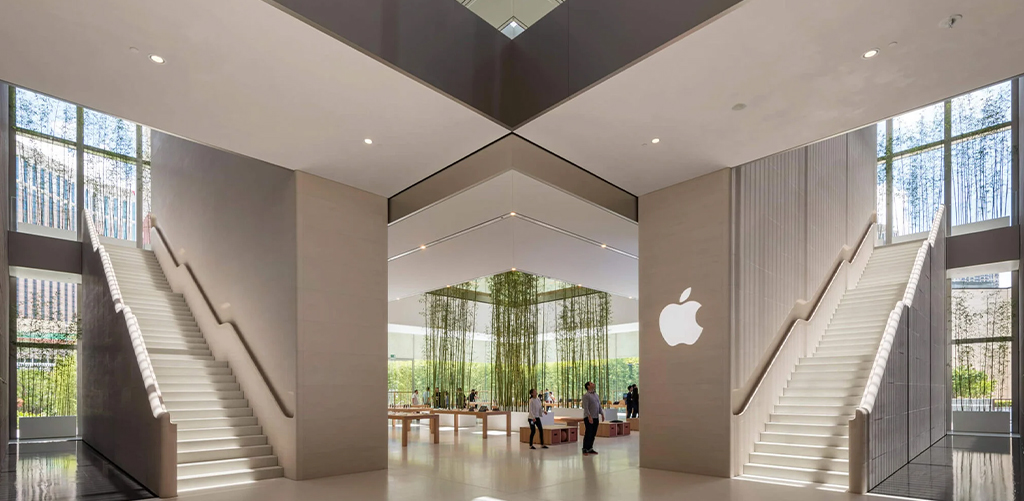
Humans have an innate connection with nature—known as biophilia—which explains why greenery and organic textures make us feel more at ease. Studies show that biophilic design can increase dwell time in stores, encourage purchases, and create a lasting brand impression. A prime example is Apple’s flagship stores, where indoor trees, wooden fixtures, and natural lighting create a stress-free shopping environment.

For students aiming to master the art of Visual Merchandising, understanding biophilic design is now essential. At JD Institute of Fashion Technology, students learn the knowledge to craft immersive store experiences that merge aesthetics with psychology, setting the foundation for a successful career in retail design.

Luxury Brands Setting the Green Trend

High-end fashion houses were among the first to embrace biophilic retail. Louis Vuitton’s Singapore outlet, for instance, features an in-store tropical garden, blurring the lines between indoors and outdoors. Similarly, Aesop, the Australian skincare brand, is known for its minimalist yet plant-filled stores, where the scent of natural essential oils adds to the multisensory experience.

These brands prove that nature isn’t just décor—it’s a statement. Whether it’s cascading plants, green walls, or water features, biophilic elements signal exclusivity, sustainability, and a sense of tranquility that keeps customers coming back.

Green Retail: A Boon for Fast Fashion

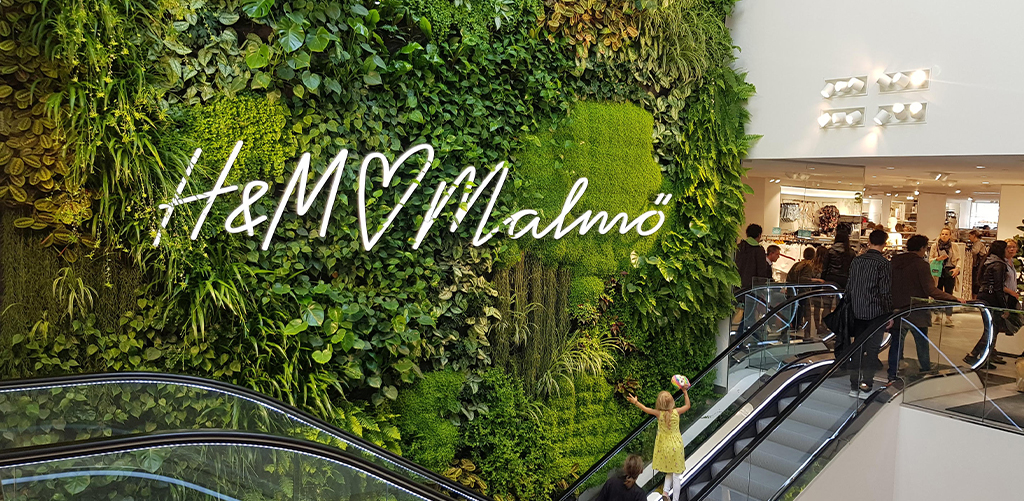
Even fast fashion retailers are hopping on the trend. H&M’s Stockholm store boasts a vertical garden, while Zara incorporates wooden panels and earthy tones to create a warm, welcoming atmosphere. These brands recognize that customers, especially younger generations, value sustainability and organic aesthetics.

It’s not just about looking good—it’s about feeling good. Brands are realizing that shopping in a nature-infused space is more enjoyable, leading to increased foot traffic and greater customer satisfaction.

Sustainability Meets Aesthetics

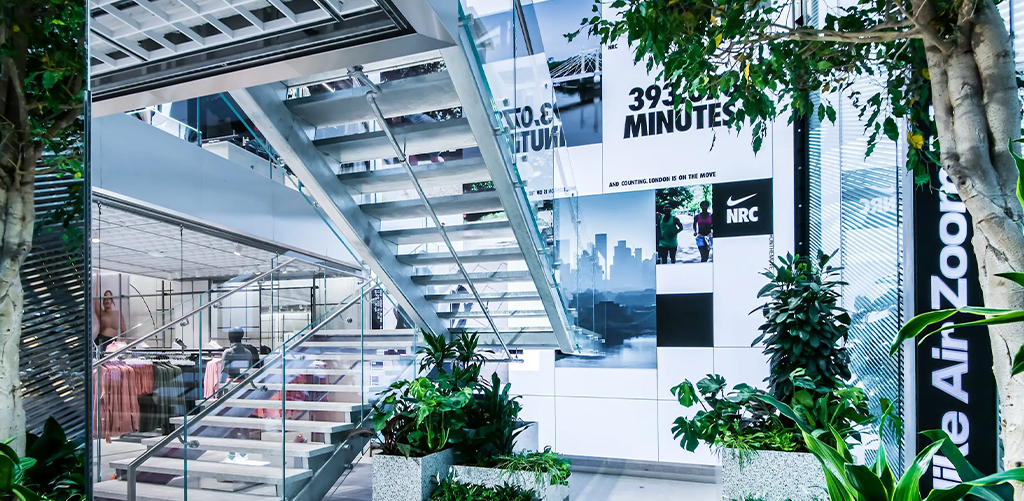
Retail spaces are no longer just about selling products; they’re about storytelling. Brands like Nike and Patagonia incorporate reclaimed wood, living walls, and nature-inspired installations to highlight their eco-conscious ethos. Patagonia’s New York store features a rustic, cabin-like interior, reinforcing its outdoor adventure identity.

By blending sustainability with biophilic design, these brands appeal to conscious consumers who prefer shopping in stores that reflect their values.

Mastering Biophilic Design at JD Institute

Biophilic design is more than just a trend—it’s the future of retail. At JD Institute of Fashion Technology, students gain hands-on experience in creating retail environments that blend creativity, functionality, and sustainability. The Visual Merchandising curriculum covers everything from spatial planning and material selection to branding and consumer psychology, ensuring students are well-equipped to meet industry demands.

With expert faculty, industry collaborations, and real-world projects the institute prepares aspiring visual merchandisers to design store spaces that not only captivate customers but also align with global sustainability standards.

If you dream of designing immersive, nature-infused spaces that redefine shopping, JD Institute is your launchpad.

Decoding Luxury with Niccolo Sbaraglia: A Masterclass in Italian Elegance

Monday, February 24th, 2025

What truly defines Italian luxury? Is it the heritage, the craftsmanship, or the exclusivity? JD Institute of Fashion Technology, in collaboration with the prestigious Polimoda, Italy, brought answers straight from the source. In a thought-provoking masterclass, Niccolo Sbaraglia, Head of Commercial Development at Polimoda, unraveled the intricate layers of luxury fashion designing, shedding light on its evolution and future.

This exclusive session, The Secret of Italian Luxury, provided an in-depth understanding of how the luxury fashion industry operates, emphasizing the philosophy, craftsmanship, and consumer trends that shape it. With JD Institute’s commitment to global learning, students from corporate and outstation campuses attended the session virtually, gaining knowledge that will help them navigate the ever-evolving world of high fashion.

Understanding the Philosophy of Luxury

Professor Sbaraglia delved into the concept of luxury as more than just high-end fashion. He highlighted its cultural significance and timeless appeal, illustrating how luxury transcends trends and remains a symbol of exclusivity and craftsmanship. He discussed how true luxury is built on a foundation of craftsmanship, artistic expression, and an emotional connection with consumers. Brands that understand this philosophy remain relevant across generations, adapting yet maintaining their essence.

The Role of Italian Craftsmanship

A key discussion point was the evolution of production districts in Italy. Professor Sbaraglia explored the traditional craftsmanship and specialized industrial clusters that define Italian luxury. These regions, known for their meticulous artistry, play a crucial role in maintaining the authenticity of luxury brands.Professor Sbaraglia explored how Italy’s legacy of artisanal excellence—passed down through generations—has helped create luxury products that are unparalleled in quality and design.

He also spoke about how modern technology is enhancing traditional craftsmanship, allowing designers to innovate while preserving authenticity. This fusion of heritage and innovation keeps Italian luxury fashion at the forefront of the global market.

Changing Consumer Dynamics

With shifting global trends and digitalization, consumer expectations are evolving. The session shed light on how luxury consumption patterns are changing, from the rise of personalized experiences to the growing demand for transparency and authenticity in branding. He further highlighted that younger generations, especially Millennials and Gen Z, seek meaning and storytelling behind their purchases. The rise of digital fashion platforms, influencer marketing, and exclusive brand collaborations is also altering the traditional approach to luxury fashion marketing.

Sustainability in Luxury Fashion

Professor Sbaraglia emphasized the growing importance of ethical practices in luxury production. From responsible sourcing to circular fashion, sustainability is now a fundamental aspect of the industry, influencing how brands operate and connect with consumers. The discussion also touched upon how Italian luxury brands are adopting greener solutions while maintaining quality and exclusivity. From eco-friendly materials to transparent supply chains, sustainability is redefining the future of luxury fashion.

A Transformative Learning Experience

Attended virtually by fashion students across JD Institute’s corporate and outstation campuses, the session provided a well-rounded understanding of the luxury fashion industry. The knowledge shared by Professor Sbaraglia not only deepened students’ perspectives but also inspired them to think critically about their future in fashion.

Shaping the Future of Fashion Education

Through global collaborations like these, JD Institute continues to offer enriching learning experiences that prepare students for success in the fashion industry. By bridging the gap between academia and industry expertise, the institute ensures that aspiring designers, brand strategists, and Fashion Design entrepreneurs are equipped with the skills and knowledge to excel in their careers.

Stay connected for more exclusive learning opportunities that shape the future of fashion!

Fast Fashion vs. Slow Fashion: Where Should New Designers Stand?

Monday, February 24th, 2025

“Buy less, choose well, make it last.” – Vivienne Westwood

Fashion is a powerful industry that shapes cultures, identities, and economies. But today, it stands at a crossroads. On one side, fast fashion offers trendy, affordable clothing at lightning speed. On the other hand, slow fashion focuses on sustainability, craftsmanship, and ethical values.

As a new designer, this presents a dilemma: Should you prioritize affordability or ethics? Mass production or conscious creation? Understanding these choices is key to building a successful and responsible fashion brand. At JD Institute of Fashion Technology, students in the Fashion Design course learn to navigate these industry shifts with knowledge, creativity, and sustainability-driven innovation.

What is Fast Fashion? The Speed Game

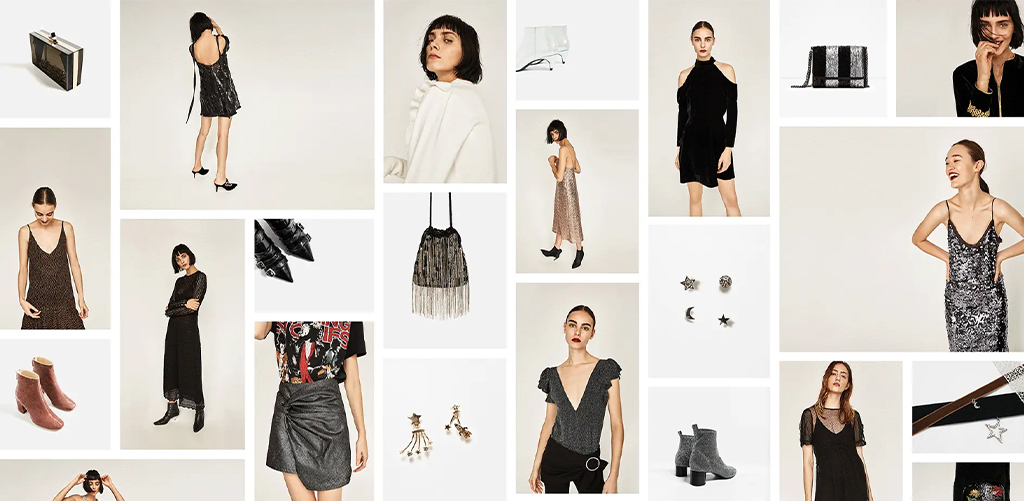
Fast fashion refers to the rapid production of clothing inspired by high-fashion trends but sold at low prices. Brands like Zara, H&M, and Shein have built empires by delivering new collections almost every week.

Why is Fast Fashion So Popular?

  • Affordable & Accessible: Trendy styles at a fraction of designer prices.
  • High Turnover Rate: Fresh collections keep customers coming back.
  • Celebrity & Social Media Influence: Influencers and stars boost demand.

Example: Zara’s “instant fashion” model allows them to bring runway-inspired pieces to stores within two weeks. This speed keeps customers hooked but contributes to excessive waste.

At JD Institute of Fashion Technology, students are encouraged to study the mechanics of the Fashion Design world—how it operates, what drives its demand, and the impact it has on global supply chains. This understanding is essential, whether you choose to participate in fast fashion or find ways to make it more sustainable.

Why Slow Fashion Is Gaining Momentum

Slow fashion is the antithesis of fast fashion. It focuses on mindful production, sustainable materials, and ethical labor practices. Unlike fast fashion, slow fashion encourages quality over quantity, promoting designs that last for years rather than weeks.

Key Characteristics of Slow Fashion

  • Sustainable Materials: Fabrics like organic cotton, Tencel, and bamboo reduce environmental impact.
  • Ethical Labor Practices: Workers are paid fair wages and operate in safe conditions.
  • Timeless Designs: Styles are created to be worn beyond seasonal trends.
  • Minimal Waste: Brands aim to reduce textile waste through innovative recycling methods.

Example: Stella McCartney is a leader in sustainable fashion, consistently using eco-friendly materials and avoiding leather or fur in her designs. Similarly, Patagonia’s Worn Wear initiative encourages customers to repair and reuse old clothing rather than buying new pieces. 

At JD Institute, students explore ways to integrate sustainability into their collections, learning how to source ethical fabrics, reduce production waste, and implement responsible design practices. This knowledge allows emerging designers to innovate within the slow fashion movement while maintaining commercial viability.

Finding the Balance: Can Designers Combine Both?

The challenge for new designers is finding a middle ground between the fast-paced world of trends and the principles of sustainability. Many brands are now adopting “conscious collections”—offering trendy designs but with ethical production processes.

Strategies for Balancing Fast and Slow Fashion

  • Hybrid Collections: Introduce limited-edition pieces that merge affordability with sustainability.
  • Eco-friendly Fast Fashion: Use better materials while keeping designs accessible to a larger audience.
  • Upcycling: Transform old fabrics into new, trend-forward pieces.
  • Transparent Supply Chains: Inform consumers about where and how garments are made.

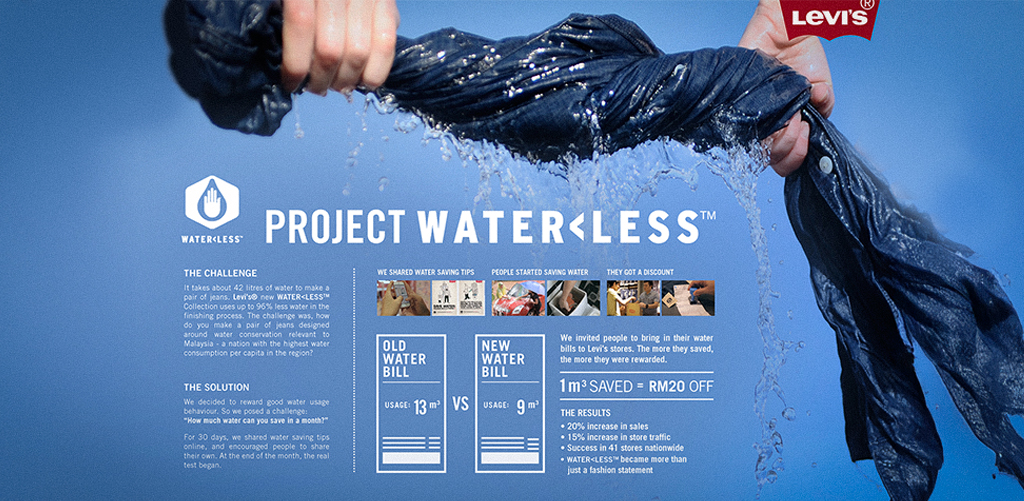
Example: Levi’s Water<Less™ initiative reduces water usage in denim production, proving that a mass-market brand can adopt sustainable practices without sacrificing style or affordability.

By experimenting with both fast and slow fashion elements, aspiring Fashion Designers can develop their own design philosophy—one that balances commercial success with ethical consciousness.

What’s the Future for Emerging Designers?

As consumers become more aware of fashion’s environmental and ethical impact, the demand for responsible design is growing. The future belongs to those who can create with both creativity and conscience. Whether you choose the speed of fast fashion or the depth of slow fashion, the key is to stay informed and adaptable.

At JD Institute of Fashion Technology, the next generation of designers is trained to think beyond aesthetics. They learn to innovate, lead, and redefine fashion in a way that meets both market demands and global sustainability goals. Your journey as a designer is not just about following trends—it’s about shaping them for a better tomorrow.

Are you ready to make an impact? Step into the world of Fashion Design with JD Institute, where creativity meets responsibility.

Copyright © 2025 JD Institute of Fashion. All Right Reserved

Designed by Red Lemon

Whatsapp icon
Apply Now
Enquire
Quick Enquiry