
Apply Now

Author Archive

Breaking the Mold: How Bauhaus Still Shapes Interior Design

Monday, March 17th, 2025

Ever wondered why modern homes and offices feel so effortlessly stylish yet functional? The answer lies in a century-old design philosophy that broke every rule—Bauhaus. What started as an avant-garde art school in Germany in 1919 evolved into a revolution that still dictates how we live, work, and experience spaces. It’s not just a style; it’s a way of thinking that continues to influence everything from sleek furniture to open-concept living.

For aspiring interior designers, understanding Bauhaus is essential. The JD Institute of Fashion Technology offers an Interior Design course that teaches these timeless principles, blending them with modern innovation. If you want to create spaces that are both practical and aesthetically powerful, Bauhaus thinking is where it all begins.

Form Follows Function: The Backbone of Bauhaus

One of the core Bauhaus principles is that design should prioritize function. Every object and space should serve a clear purpose while maintaining visual appeal. This ideology is best represented by Marcel Breuer’s Wassily Chair, designed using tubular steel for both durability and aesthetics. Today, this philosophy lives on in modular furniture, minimalistic home layouts, and multi-functional designs. Contemporary designers integrate Bauhaus concepts into small-space solutions, convertible furniture, and ergonomic design.

The OG of Minimalism: Bauhaus Simplicity

Long before Marie Kondo inspired people to declutter, Bauhaus simplified design by removing unnecessary elements. The movement believed in using only essential forms, clean lines, and neutral tones, making interiors feel open and stress-free. The Barcelona Chair by Mies van der Rohe, with its sleek leather and steel design, embodies this less-is-more approach.

Today’s interiors follow this by favoring Scandinavian minimalism, monochrome palettes, and uncluttered aesthetics. The JD Institute emphasizes such design philosophy in the Interior Design curriculum, helping students learn to create contemporary spaces that are elegant, efficient, and timeless.

Industrial Materials Meet Artistic Vision

Bauhaus celebrated raw, industrial materials like steel, glass, and concrete, using them artistically rather than hiding them. The Bauhaus Dessau building, designed by Walter Gropius, is a striking example of this, featuring open steel-frame windows and a structure that merges art with industry.

Fast forward to today, and industrial interior design is thriving in urban lofts, with exposed brick walls, metal fixtures, and polished concrete floors. JD Institute’s curriculum ensures that students understand how to use these materials effectively while maintaining warmth and character in a space.

Open-Plan Living: A Bauhaus Revolution

The reason modern homes and offices feel more expansive? Bauhaus. This movement introduced open-plan layouts, replacing traditional, confined rooms with seamless, flowing spaces. The Farnsworth House by Mies van der Rohe perfectly illustrates this, with its transparent walls and open structure. Today, open-concept kitchens, co-working spaces, and flexible home designs reflect this ideology. Students in Interior Design must learn how to create spatial harmony through intelligent zoning, furniture placement, and innovative layout planning that enhances connectivity and usability.

Geometric Forms and Bold Colors: A Lasting Legacy

Bauhaus introduced strong geometric patterns and vibrant primary colors to interior design, taking inspiration from artists like Kandinsky and Mondrian. The use of simple shapes, such as circles, rectangles, and straight lines, adds balance and rhythm to interiors.

You can see this influence in modern graphic prints, accent walls, and statement furniture. At JD Institute, students experiment with color psychology and geometric forms to create interiors that feel both structured and dynamic.

Where Creativity Meets Function: Designing the Future

Bauhaus isn’t just history—it’s the foundation of modern Interior Design. From minimalism to industrial aesthetics, from geometric art to open spaces, its impact is undeniable. Learning these principles isn’t just about understanding the past; it’s about shaping the future.

If you’re ready to blend creativity with functionality and bring innovation to your designs, JD Institute of Fashion Technology is your gateway to mastering interior design. The best way to honor Bauhaus? Create something timeless. Are you ready to make your mark?


JD Students Participate in Wella Professionals TrendVision Shoot

Monday, March 17th, 2025

The TrendVision Awards by Wella Professionals was not just a competition but a stage where hairstyling and makeup artistry took center stage. For the Fashion Styling students of JD Institute of Fashion Technology, this event offered an exclusive chance to step into the world of professional styling and witness creativity at its peak. It was a golden opportunity to observe industry experts and learn the intricacies of styling for high-end fashion.

Learning Through Experience

JD Institute students had the unique opportunity to work behind the scenes, assisting with styling, model preparation, and look coordination. The high-energy environment gave them a taste of the fashion industry’s fast pace, where every second counts. This hands-on experience allowed them to refine their skills, understand the importance of teamwork, and make real-time decisions under pressure. Each student played a crucial role in ensuring that every model looked flawless, blending hairstyling with makeup artistry to create stunning runway-ready looks.

A Confidence Boosting Journey

Beyond technical learning, the event was a confidence-building exercise. Engaging with industry professionals, observing cutting-edge trends, and being part of an event of this magnitude expanded their understanding of styling in the real world. It reinforced their ability to adapt, innovate, and execute their creative vision with precision. Working under tight schedules and last-minute adjustments taught them resilience and adaptability—two key attributes of successful stylists in the competitive fashion industry.

Shaping Future Professionals

Such exposure plays a vital role in preparing students for dynamic careers in fashion styling. The TrendVision Awards experience has equipped them with practical knowledge, industry insights, and the motivation to push creative boundaries. This real-world exposure strengthened their portfolio, providing them with an edge in the ever-evolving fashion and beauty industry. The event not only sharpened their technical expertise but also connected them with leading professionals, opening doors to future collaborations and career opportunities.

Ready for More?

With every such experience, JD Institute continues to shape future industry leaders. The journey doesn’t stop here—stay tuned as our students take on more opportunities that redefine their creative growth. The world of fashion awaits, and our students are ready to make their mark!

Mastering UX/UI in FinTech – A Skill Every Communication Designer Needs

Saturday, March 15th, 2025

Not too long ago, managing money meant standing in long bank queues, filling out endless paperwork, and decoding complex statements. Fast forward to today, and you can split a dinner bill, trade stocks, or apply for a loan—all with just a few taps. But what makes this seamless experience possible? It’s not just advanced technology; it’s the work of UX/UI designers who are quietly revolutionizing how we interact with money. Behind every smooth transaction, from scanning a QR code to investing in stocks, there’s a team of UX/UI designers ensuring clarity, security, and ease of use.

If you’re a Communication Designer, understanding FinTech UX/UI is no longer optional—it’s a must. Let’s explore how top apps like Revolut, PayPal, Apple Pay, and Robinhood are leading this evolution and why mastering this field can set you apart.

The Power of Simplicity – Why UX/UI is Non-Negotiable in FinTech

FinTech deals with people’s most valuable asset—money. If an app is confusing or overwhelming, users will drop off instantly. The best FinTech apps focus on:

  • Clarity – Simplifying complex financial processes (Revolut’s minimalist dashboard makes tracking expenses effortless).
  • Trust – Designing secure yet easy authentication (PayPal’s one-click transactions feel safe yet simple).
  • Speed – Reducing friction in payments (Apple Pay’s instant tap-and-go experience is a prime example).

Master these UX/UI principles, in Communication Design, at JD Institute and learn how to craft experiences that make digital finance more user-friendly.

Personalization – Giving Users What They Didn’t Know They Needed

Users expect financial apps to understand their needs—without them asking. The best FinTech platforms leverage AI, data analytics, and behavioral insights to deliver hyper-personalized experiences.

  • Revolut analyzes spending patterns to suggest smart budgeting tips.
  • Robinhood tailors investment recommendations based on user history.
  • Venmo lets users add personalized payment notes, making transactions feel more social.

By blending technology with intuitive UX/UI, these apps make users feel in control of their money—without overwhelming them with data.

Security Without the Hassle – Designing for Trust and Safety

Money and security go hand in hand. The challenge for UX/UI designers? Making security seamless, not stressful.

  • Face ID and biometrics – Apple Pays Face ID login is a UX game-changer, balancing security and convenience.
  • Instant fraud alerts – PayPal notifies users of suspicious activity without overloading them with notifications.
  • Minimalist verification processes – Google Pay ensures robust security while keeping authentication quick and hassle-free.

A well-designed FinTech app ensures that security feels invisible yet effective—giving users confidence without making them jump through unnecessary challenges.

Microinteractions: The Smallest Details That Make the Biggest Impact

Ever noticed how PayPal’s loading animation reassures you that a payment is being processed? Or how Apple Pay provides haptic feedback when a transaction is completed?

These subtle UX details—microinteractions—enhance trust, engagement, and user satisfaction. Some top examples include:

  • Revolut’s colorful transaction notifications, making it easy to track payments.
  • Robinhood’s confetti animation when a stock is purchased, creating a sense of accomplishment.
  • Google Pay’s quick checkmarks, confirming that a transaction went through successfully.

For communication designers, learning how to craft these tiny yet powerful moments is what separates an average app from an unforgettable one.

Why UX/UI in FinTech is a Game Changer for Communication Designers

FinTech is no longer just about numbers—it’s about experience. The best financial apps don’t just work; they anticipate user needs, making money management feel effortless.

For communication designers, UX/UI in FinTech is an opportunity to shape the future—to create seamless, secure, and engaging financial experiences.

At JD Institute, students prepare to lead the next wave of FinTech innovation.

So, the real question is—are you ready to design the future of Communication Design?

How Supermarkets Control Your Cart: The Power of Visual Merchandising

Wednesday, March 12th, 2025

“Supermarkets are like a well-planned maze—you think you know your way, but every turn is designed to make you stay longer and spend more.”

Ever walked into a store for just one item but ended up with a cart full of things you didn’t even know you needed? That’s not bad shopping habits; that’s brilliant visual merchandising at work. From the strategic placement of essentials like milk at the back of the store to the irresistible lure of checkout counter candies, every aspect of a supermarket is engineered to influence your buying behavior.

Big brands like Walmart, Tesco, and Whole Foods invest millions into these strategies to enhance customer experience and maximize sales. And if you’re wondering how to master these techniques, JD Institute’s Visual Merchandising course offers hands-on learning on the psychology behind retail design, product placement, and shopper engagement.

The Psychology of Product Placement

It’s no coincidence that dairy products, eggs, and other daily essentials are placed at the farthest end of the store. This forces customers to walk through multiple aisles, exposing them to various products they weren’t initially planning to buy. Studies show that the longer a shopper stays inside, the higher their chances of making unplanned purchases.

Take Walmart and Target, for example. These retail giants position high-demand items strategically to increase foot traffic across different sections of their stores. They also frequently change store layouts, so even regular customers take longer to locate their usual purchases—leading to more impulse buys.

At JD Institute, students explore real-life case studies, to understand how Visual Merchandising shapes consumer behavior. By decoding store layouts, they learn how to design retail spaces that boost engagement and sales.

The ‘Golden Zone’ – Where Your Eyes Go, Your Hands Follow

Did you know that products at eye level sell significantly more than those placed higher or lower? This is called the ‘Golden Zone’—the prime area that shoppers naturally look at first.

Retailers like Tesco and Carrefour use this strategy by placing high-profit items or exclusive brands in these zones, while budget-friendly options are often lower on the shelves. Children’s cereals and snack foods? They are at a child’s eye level to tempt young shoppers into persuading their parents.

Understanding these tactics is a key part of our Visual Merchandising program, where students analyze shopper psychology and learn the science of product visibility and shelf placement.

The Sweet Trap: Checkout Counters and Impulse Buys

You’ve reached the checkout counter—your mission is almost over. But then, a candy bar, a travel-sized lotion, or a magazine catches your eye. Before you know it, you’ve added three more items to your bill. 

This is no accident. Checkout areas are designed for impulse buying, strategically stocked with small, affordable, and last-minute temptations. Amazon Fresh and Walgreens execute this flawlessly by analyzing consumer habits and keeping an assortment of trending, high-margin products right where people have to wait in line.

The Freshness Trick – How Supermarkets Shape Your Choices

Ever noticed how the first section you enter in most supermarkets is the fresh produce aisle? This isn’t just to make the store look inviting; it’s a psychological strategy to set a ‘healthy’ tone for your shopping trip.

Supermarkets like Trader Joe’s and Whole Foods use this method to create the illusion of freshness and quality. The bright colors, mist-sprayed vegetables, and neatly stacked fruits encourage a perception of health and wellness, making shoppers feel good about their purchases. Once they pick up fresh items, they feel justified in adding indulgent snacks and processed foods later in their trip.

Music, Lighting, and Scent – The Hidden Influencers

Shopping is a multi-sensory experience, and retailers know it well.

  • Music: Research shows that slower background music encourages shoppers to move more leisurely, increasing the chances of additional purchases. Luxury stores like Harrods and Nordstrom use classical or soft jazz to create an upscale feel.
  • Lighting: Supermarkets highlight premium products with warmer lighting while keeping budget sections less illuminated. Apple Stores take this even further, using bright, white light to enhance their sleek product designs.
  • Scent: Ever wondered why bakeries are always at the entrance? That delicious freshly baked bread aroma is scientifically proven to make customers feel hungry, leading to higher food purchases. Brands like Abercrombie & Fitch even infuse signature scents to make their stores more memorable.

At JD Institute, students learn how to design retail spaces that engage such senses, making shopping an immersive and enjoyable experience for customers.

The Future of Visual Merchandising: Digital Integration

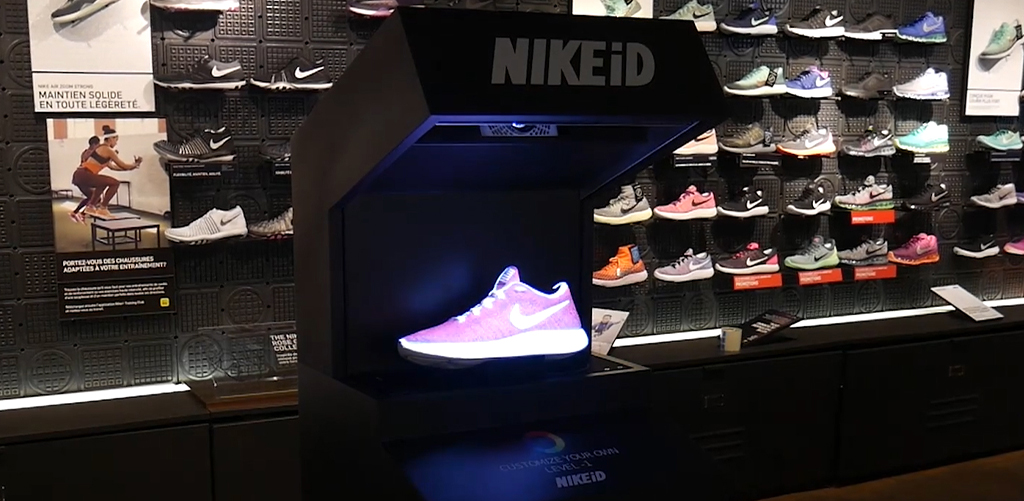
With AI and smart technology taking over, the future of visual merchandising is getting more sophisticated. Retailers like Amazon Go have introduced cashier-less stores where sensors and AI track every move, automatically charging customers as they leave. Meanwhile, brands like Zara and Nike use AR (Augmented Reality) to let customers see how products will look in real-life scenarios before purchasing. This blend of digital and physical retailing is shaping the future, and understanding these advancements is essential for aspiring visual merchandisers. 

So, if you’re attracted by the art and science behind retail spaces and want to craft shopping environments that influence and inspire, JD Institute’s Visual Merchandising course is your gateway into this dynamic industry. Are you ready to design the next big retail trend?

Jediiians Journey into Salvador Dali’s World

Tuesday, March 11th, 2025

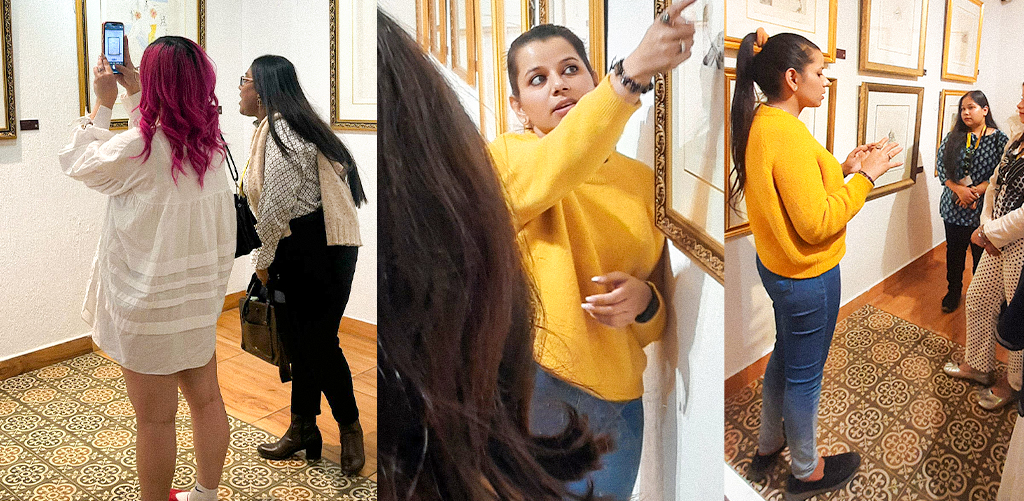
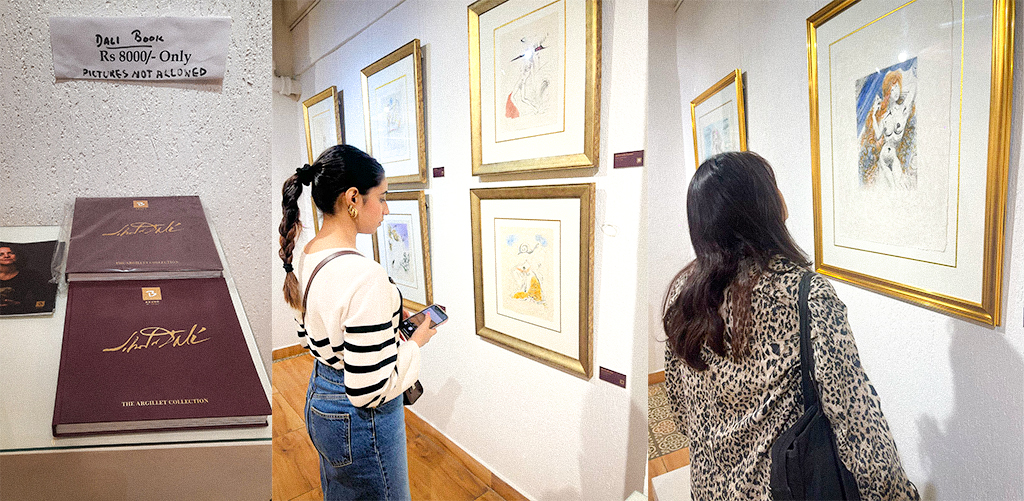
Stepping into a world where reality bends and imagination takes flight, our Fashion Design students found themselves immersed in an artistic dreamscape. Their journey led them to the surreal brilliance of Salvador Dali, who was a Spanish surrealist artist renowned for his technical skill, precise draftsmanship, and the striking and bizarre images in his work. They experienced his masterpieces up close. This exclusive visit provided a rare glimpse into the visionary artistry that continues to inspire creative minds across generations.

A Deeper Understanding of Dali’s Genius

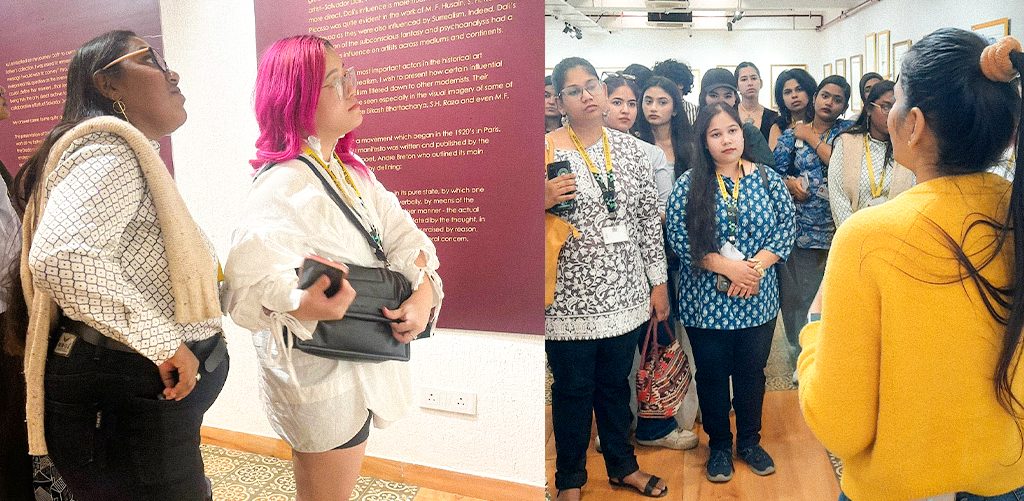
Guided by an expert curator, students explored the depths of Dali’s imagination. Each artwork unfolded layers of meaning, revealing the artist’s unique approach to surrealism. From melting clocks to dreamlike landscapes, every stroke of his brush told a story that blurred the lines between reality and fantasy. The curator’s detailed explanations enriched their understanding, allowing them to connect his unconventional techniques to modern design. By studying Dali’s methods, including his use of optical illusions, exaggerated forms, and symbolic storytelling, students gained valuable insights into the power of visual narratives.

Inspiration for Future Creations

Dali’s dreamlike visuals and thought-provoking compositions left an indelible mark on the students. His fearless experimentation with form, color, and symbolism now serves as a catalyst for their own design projects. Inspired by his imaginative approach, the students are eager to incorporate elements of surrealism into their fashion collections, exploring avant-garde silhouettes, bold prints, and unconventional materials. By reinterpreting Dali’s artistic essence through fabric and form, they aim to create designs that evoke emotion, spark curiosity, and redefine artistic expression in the world of fashion.

Beyond the Canvas: Dali’s Influence on Fashion

Dali’s impact extends far beyond the realm of painting—his influence can be seen in various artistic disciplines, including fashion. Over the years, designers such as Elsa Schiaparelli and Christian Dior have drawn inspiration from his surrealist concepts, translating them into groundbreaking fashion pieces. This visit not only deepened the students’ appreciation for Dali’s artistry but also reinforced the connection between fine art and fashion. By studying his legacy, they are equipped with the knowledge to merge artistic abstraction with wearable innovation, pushing the boundaries of contemporary fashion design.

Looking Ahead: Creativity in Motion

This immersive experience has sparked new ideas and aspirations. As the students channel Dali’s imaginative spirit into their work, the future of fashion promises to be more daring and unconventional. With renewed enthusiasm and a deeper appreciation for surrealism, they are ready to experiment with new perspectives, techniques, and materials. This journey into Dali’s world was not just a visit—it was an invitation to think beyond the ordinary and embrace the extraordinary.

Stay tuned to witness their artistic interpretations come to life in the form of visionary designs that challenge the limits of creativity and inspire the next generation of artists and designers.

Bridging Generations: JD Institute’s Alumni Interaction Session

Tuesday, March 11th, 2025

JD Institute of Fashion Technology recently hosted an enriching alumni interaction session, bringing together three distinguished graduates from the Interior Design Department. The session featured Kriti Tewari (PGID 2021) – Interior Designer at Studio by Citrus, Sonali Bansal (PGID 2021) – Event Manager at Meragi Celebrations, and Purstharth Kushwaha (PGID 2021) – Architect & Interior Designer at Sai. Their presence added immense value, offering students a firsthand glimpse into the professional world.

Insights into Industry Trends and Skills

The discussion delved into crucial topics shaping the future of interior design. One of the key areas of focus was the increasing role of AI in design, highlighting how technology is transforming the industry. The alumni also emphasized the adaptability of JD Institute’s curriculum, which equips students with diverse skills essential for the evolving market. Placement opportunities were another significant point, stressing the importance of leveraging institutional support for career growth.

Building a Strong Professional Identity

Beyond technical skills, the session underscored the significance of a well-structured portfolio and resume. The alumni guided students on presenting their work effectively to stand out in competitive job markets. Their advice on networking, continuous learning, and staying updated with industry trends resonated deeply with the attendees.

An Ongoing Commitment to Student Growth

JD Institute regularly organizes such alumni interactions, fostering a strong connection between past and present students. These sessions provide aspiring designers with invaluable insights, helping them shape their academic journey and career aspirations. The engaging discussions and shared experiences create a nurturing learning environment where inspiration meets guidance.

Stay Inspired, Stay Connected

With each alumni meet, JD Institute continues to strengthen its commitment to student success. These conversations are more than just exchanges; they are stepping stones toward future achievements.

Stay tuned for more opportunities to connect, learn, and grow with the JD community!

Mushrooms, Science & Fashion—Why Designers Must Learn About Ethical Materials!

Tuesday, March 11th, 2025

What if your next luxury handbag didn’t come from an animal but from fungi? Or what if your favorite leather jacket was crafted from lab-grown materials instead of harming the environment? The future of fashion is here, and it’s not made from traditional leather or synthetic plastic—it’s grown, cultivated, and completely sustainable. Welcome to the world of mushroom leather and lab-grown textiles!

Fashion has always been about innovation, and with sustainability taking center stage, brands are turning to ethical materials like Mylo (mushroom leather) and bio-fabricated silk to replace conventional textiles. This shift isn’t just a trend—it’s a revolution.

What is Mushroom Leather?

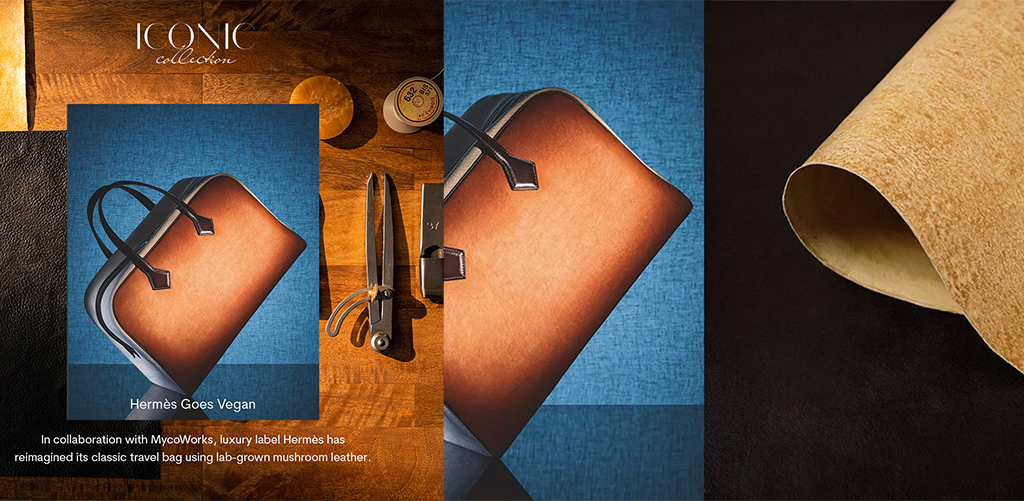
Mushroom leather, also known as Mylo, is a bio-based material derived from mycelium, the root structure of mushrooms. Unlike traditional leather, which requires animal farming and heavy chemical processing, mushroom leather grows in controlled environments, using significantly less water and resources. Students in Fashion Design curriculum at JD Institute, learn about such evolving materials as a crucial step in shaping the fashion industry’s future.

Famous Brands Using Mylo:

  • Stella McCartney: A pioneer in sustainable fashion, she created a Mylo-based handbag, proving that luxury and ethics can coexist.
  • Adidas: Designed the Stan Smith Mylo, a sneaker made entirely from mushroom leather, is the first ever mushroom leather sneaker made. 
  • Hermes: Experimented with lab-grown MycoWorks leather for its iconic bags. It is made with the new material Sylvania, a hybrid of nature and biotechnology, an exemplar of a new generation of biotech materials.

Why is Lab-Grown Fashion the Future?

Lab-grown textiles are created using biotechnology, meaning they are engineered at the cellular level to mimic traditional fabrics like silk, wool, and even leather—without harming animals or the planet.

Examples of Lab-Grown Fabrics:

  • Bolt Threads’ Microsilk: Bioengineered spider silk that’s as strong as steel yet as soft as natural silk. Stella McCartney collaborated with Bolt Threads to create the world’s first bio-fabricated silk dress.
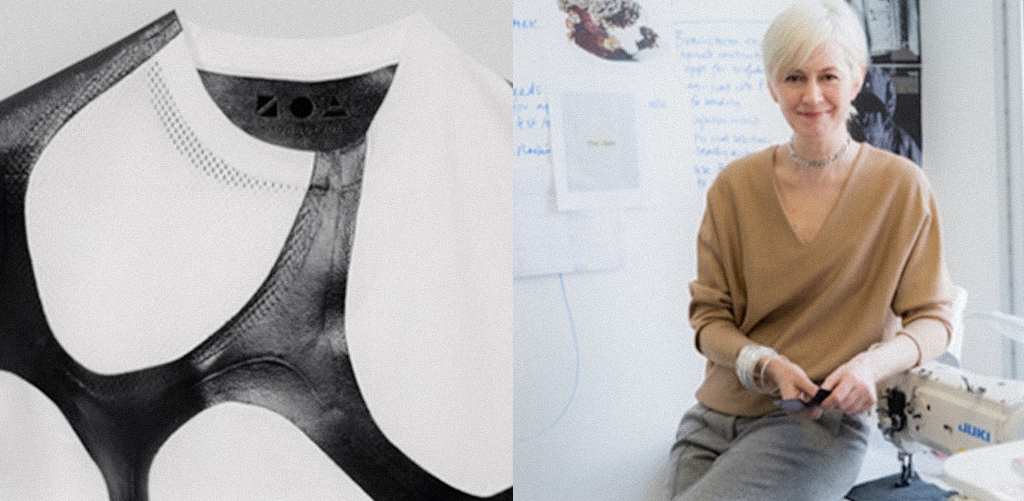
  • Modern Meadow’s Zoa: The first liquid bio-leather that can be grown into any shape without stitching or sewing. 
  • VitroLabs’ Lab-Grown Leather: A start-up working on leather grown from animal cells without the need for slaughter.

At JD Institute, students learn about such transforming materials, bridging traditional craftsmanship with futuristic textiles, preparing designers to embrace sustainable alternatives.

Why Are These Materials Replacing Traditional Leather?

  • Eco-Friendly: Conventional leather production is responsible for deforestation, excessive water use, and chemical pollution. Mushroom leather and lab-grown textiles cut down carbon footprints significantly.
  • Cruelty-Free: Ethical concerns about animal farming have pushed brands toward innovative solutions.
  • Customizable & Durable: Bio-fabricated materials can be designed with specific textures, colors, and properties—offering even better quality than traditional leather.
  • Adopted by Luxury & Streetwear Brands: Leading fashion houses and sneaker giants alike are embracing these materials.

Fashion Design students at JD Institute are trained to stay ahead of these global industry shifts. Learning about sustainable materials gives them an edge in designing for an ethical, forward-thinking market.

Can These Textiles Change the Fashion Industry?

Absolutely! With leading brands investing in bio-based materials, the future of fashion will be sustainable, ethical, and innovative. The industry is already witnessing a major transformation, and young designers play a crucial role in this change.

If you want to be part of this movement, the Fashion Design course at JD Institute is the perfect launchpad. The curriculum not only explores creative design but also integrates sustainable solutions, ensuring that students are industry-ready for this fashion revolution.

So, next time you admire a stylish leather bag or a silk dress, ask yourself—could it be made from mushrooms or grown in a lab? If the answer is yes, then you’re already thinking like a designer of the future!

Own Your Fit: Fashion Tips for Every Body

Saturday, March 8th, 2025

Fashion today embraces individuality, yet styling for diverse body types can feel challenging without the right approach. Body-positive fashion icons have shown us that fashion is for everyone, inspiring people to feel confident in their own skin. Their inclusive outlook aligns perfectly with the principles taught in the Fashion Styling course at JD Institute of Fashion Technology, where students learn to create looks that celebrate every unique body type.

This blog explores practical styling tips, supported by famous examples, to ensure inclusivity and confidence in fashion.

Understand Proportions: Learn from Ashley Graham and Priyanka Chopra’s Iconic Looks

Ashley Graham’s style is a masterclass in using proportions to highlight her curves beautifully. She often opts for high-waisted jeans paired with cropped tops or tailored blazers that cinch at the waist. These outfits not only enhance her hourglass figure but also inspire others to embrace their curves.

Tip: Balancing proportions is crucial. For pear-shaped bodies, emphasize the upper body with bold necklines, ruffled tops, or statement accessories.

Priyanka Chopra often uses structured jackets or A-line dresses to create a polished and proportional look.

Embrace Layers with Confidence: Inspired by Billie Eilish and Zendaya

Billie Eilish has revolutionized the idea of layering by using oversized, baggy outfits to express herself while maintaining comfort. Her style demonstrates that layers can work for everyone, regardless of body type.

Tip: Lightweight layers, such as open cardigans or flowy shrugs, can add dimension without bulk. For apple-shaped bodies, long-line blazers or coats can create a streamlined look.

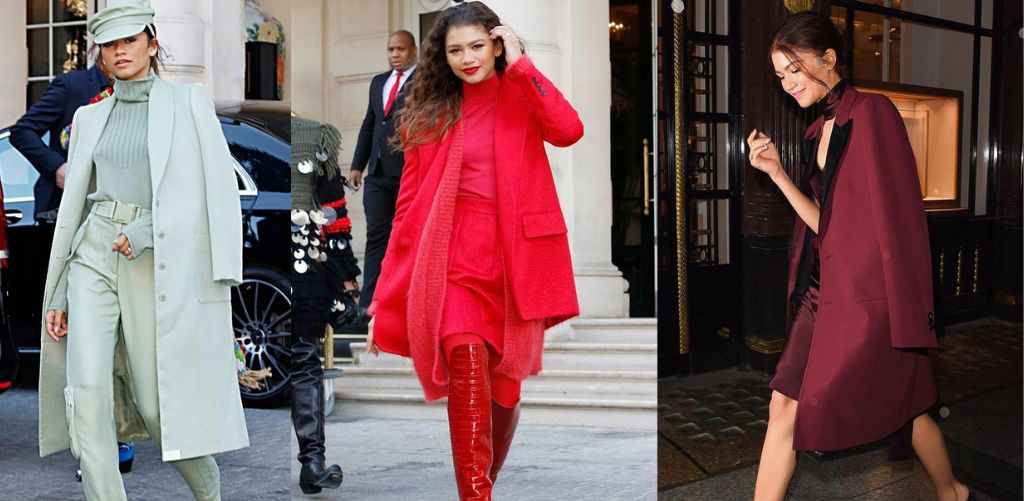
Zendaya’s red-carpet looks often incorporate layering with capes or sheer overlays, adding elegance while complementing her tall frame.

Play with Prints: Take Cues from Mindy Kaling and Lizzo Richard

Mindy Kaling’s wardrobe is filled with bold prints and patterns that reflect her vibrant personality. From polka dots to florals, she knows how to use prints to highlight her best features.

Tip: Vertical stripes elongate the figure, ideal for petite individuals, while larger prints can add drama to simpler outfits. For plus-sized individuals, symmetrical patterns work wonders in creating a cohesive look.

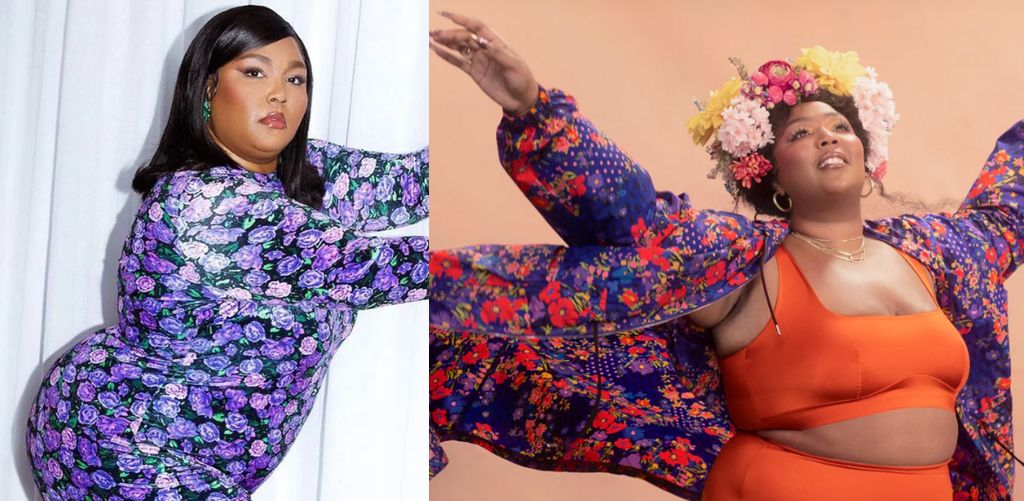
Lizzo embraces oversized floral prints, showing how larger patterns can be both stylish and flattering. At JD Institute  students explore the psychology of prints and patterns, understanding how they can impact body perception and mood.

Highlight the Right Areas: Rihanna and Taylor Swift’s Style

Rihanna’s maternity looks broke barriers, proving that highlighting your favorite features is always in style. She wore sheer fabrics and crop tops to proudly display her baby bump, redefining maternity fashion.

Tip: Focus on the areas you love. For example, wear off-shoulder tops to accentuate your shoulders or slit skirts to highlight your legs. Adding belts to dresses can create a flattering waistline.

Taylor Swift often highlights her long legs with short dresses, while adding accessories to draw attention to other areas.

Accessorize Smartly: The Meghan Markle and Kim Kardashian Approach

Meghan Markle’s minimalist accessory choices are a testament to the idea that less is more. She uses accessories to complement her outfits without overpowering them, creating a timeless look.

Tip: Accessories can shape the overall impression of your outfit. For round faces, long earrings can add definition, while chunky bracelets draw attention to slim arms.

Kim Kardashian frequently uses belts to enhance her hourglass silhouette, demonstrating how a single accessory can transform a look.

Prioritize Comfort and Confidence: Lessons from Serena Williams and Emma Stone

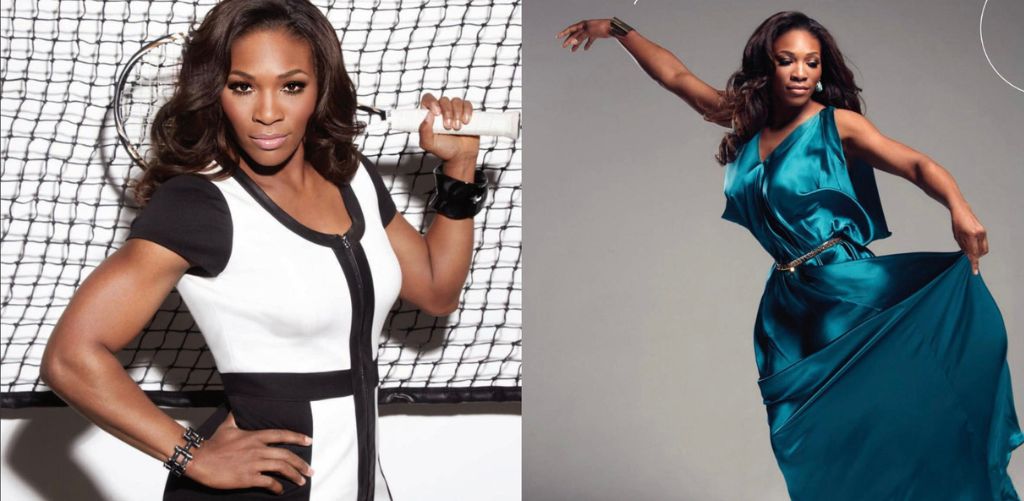
Serena Williams blends comfort and style seamlessly, whether she’s wearing athleisure or glamorous gowns. Her confidence shines through every outfit, emphasizing that feeling good is key to looking good.

Tip: Choose fabrics that suit your lifestyle and preferences. Stretchable, breathable materials like cotton and jersey ensure both comfort and style. Tailored pieces like blazers and trousers offer a polished yet practical look.

Emma Stone frequently opts for well-fitted blazers and trousers, showcasing how tailored comfort can work for formal and casual settings alike.

Style Beyond Boundaries

Styling for diverse body types is about more than just following trends; it’s about celebrating individuality and empowering people through fashion. Icons like Ashley Graham, Rihanna, and Serena Williams have shown us that everybody is beautiful, inspiring stylists to think beyond conventional norms.

If you’re passionate about Fashion Styling, JD Institute of Fashion Technology is your gateway to success. With expert training and real-world exposure, you can transform your passion into a career that redefines fashion for everyone. Join JD Institute and be part of the future of inclusive styling!

Sponsorship Smarts: What You Can Learn from Big Brands

Friday, March 7th, 2025

Would You Spend Millions on a Party You Don’t Attend?

Sounds crazy, right? Yet, brands like Nike, Coca-Cola, and Red Bull invest billions in events they don’t even organize. Why? Because sponsorship is more than just slapping a logo on a banner—it’s a calculated business strategy. Understanding how big brands pick events to fund can unlock a world of opportunities for event planners, businesses, and aspiring professionals. Let’s break it down.

The Power of Audience Fit: Coca-Cola and the Olympics

Brands don’t sponsor just any event—they target their ideal audience. Coca-Cola, a long-time sponsor of the Olympics, isn’t just there for visibility. It’s about association. The Olympics represent unity, global reach, and celebration—values Coca-Cola aligns with perfectly. Through this, Coca-Cola strengthens its brand as a symbol of joy and togetherness worldwide.

The same principle applies to event planners. At JD Institute, students in the Global Event Management program learn how to identify the right audience and craft sponsorship pitches that appeal to major brands. By studying real-life case studies, they develop the skills to align events with the right sponsors and maximize commercial potential.

What to Learn: If you want sponsors, think about your audience. Does your event align with a brand’s values and target customers? The stronger the match, the higher the chances of sponsorship.

Storytelling Through Sponsorship: Nike and Marathon Events

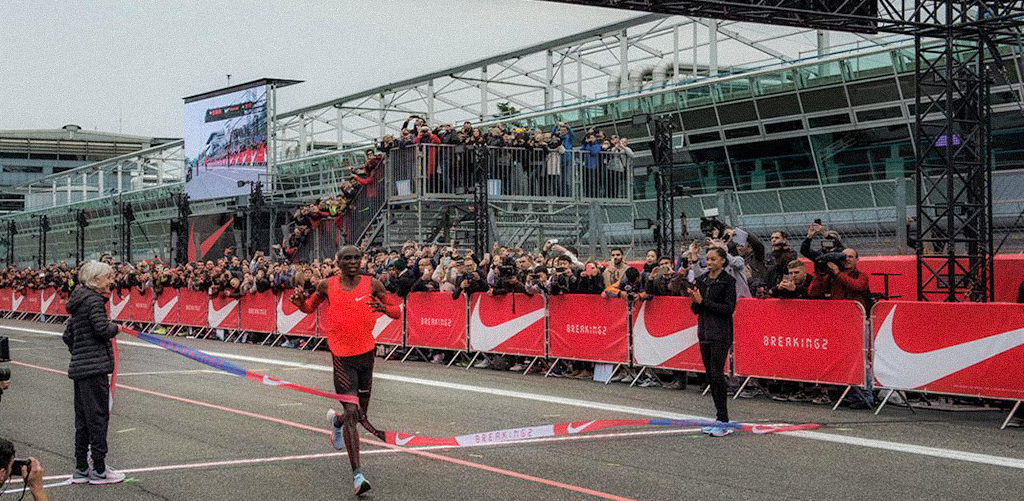
Nike isn’t just about selling shoes; it’s about selling a mindset. That’s why it sponsors marathons, track events, and sports teams—because endurance, strength, and victory are part of its brand DNA. Take the sponsorship of the Boston Marathon: Nike uses it to connect with athletes and fitness enthusiasts, reinforcing its position as the go-to brand for sportswear.

Sponsorship is about telling a brand’s story through an event, and this is where event planners play a key role. The Global Event Management course at JD Institute teaches students how to build strong narratives around their events, making them more attractive to big brands. Understanding branding, audience engagement, and sponsorship psychology gives students an edge in the competitive event industry.

What to Learn: Brands look for storytelling opportunities. If your event can help them tell a compelling story, sponsorship deals are much easier to secure.

Extreme Visibility: Red Bull and Adrenaline-Fueled Events

Red Bull doesn’t just sponsor events—it creates them. From Red Bull Flugtag to Red Bull Air Race, the brand invests in high-adrenaline sports that embody its “Gives You Wings” slogan. Unlike traditional sponsorships, Red Bull crafts experiences that make its product necessary to the event itself.

For event professionals, this highlights the importance of innovation in event sponsorships. Students should explore the concept of experiential marketing and how brands integrate themselves deeply into events, creating unforgettable sponsorship activations. 

What to Learn: If you’re seeking sponsorship, think beyond conventional models. Brands might be more interested in co-creating an event than just adding their name to it.

Cultural Impact: Pepsi and Music Festivals

Pepsi has long been a major player in music sponsorships, backing events like the Super Bowl Halftime Show and Coachella. Why? Because music is a universal connector, and Pepsi taps into youth culture through these sponsorships. By associating itself with top artists and trending music festivals, Pepsi stays relevant and appealing to younger demographics.

What to Learn: Think about cultural relevance. If your event aligns with entertainment, fashion, or lifestyle trends, it becomes more attractive to brands that want cultural capital.

Social Responsibility: Adidas and Sustainable Events

Sponsorships aren’t just about sales—they can also be about values. Adidas, for example, sponsors eco-friendly initiatives and sustainability-focused events like Run for the Oceans. This allows the brand to position itself as a leader in ethical fashion and sustainable sportswear.

Modern event managers need to understand how corporate social responsibility (CSR) shapes sponsorship choices. At JD Institute, students learn how sustainability, social causes, and ethical branding influence event partnerships. This knowledge is crucial for creating events that attract sponsors looking to make an impact beyond just marketing. 

What to Learn: Brands today care about social causes. If your event promotes sustainability, diversity, or community development, it increases your chances of getting sponsorships from value-driven companies.

Final Thought: How Would You Sell Your Event?

If you were a brand, would you sponsor your own event? If the answer isn’t a confident yes, it’s time to rethink your strategy. Sponsorship is about value exchange—brands don’t just give money; they look for impact. Understanding this balance is what separates a good event planner from a great one. And if you want to be the latter, learning from industry experts at JD Institute might just be your best move yet.

Exploring Tradition: Jediiians at Surajkund International Crafts Mela

Thursday, March 6th, 2025

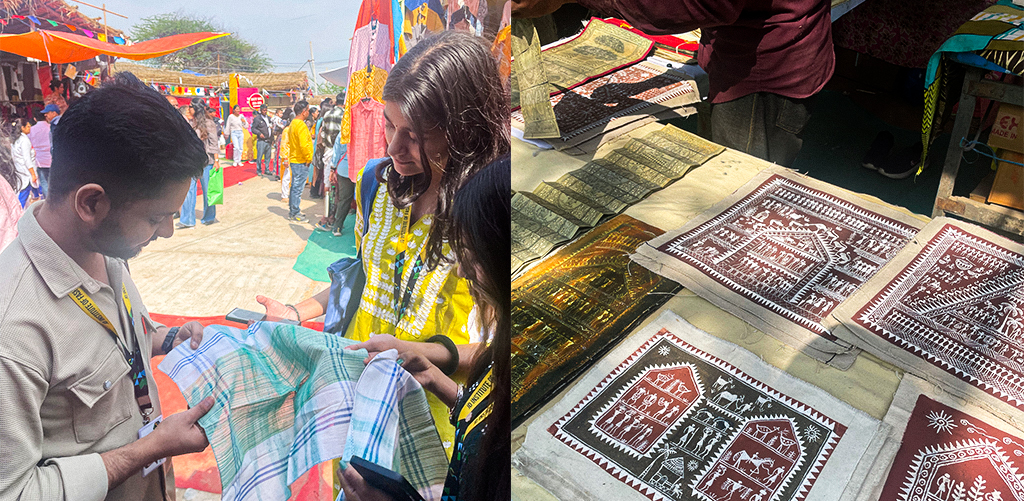
Amidst the vibrant hues and intricate artistry of the Surajkund International Crafts Mela, students of JD Institute of Fashion Technology immersed themselves in a world where tradition meets creativity. This globally celebrated festival provided them with an extraordinary opportunity to interact with artisans, witness time-honored craftsmanship, and gain a deeper understanding of India’s cultural heritage firsthand.

Firsthand Interaction with Skilled Artisans

One of the most valuable aspects of the visit was the opportunity for students to interact directly with skilled artisans from across the country. Through these conversations, they gained deep insights into traditional techniques that have been passed down for generations. From intricate handloom weaving to fine embroidery, every stall reflected the artisans’ dedication to preserving India’s artistic traditions.

A Walk Through Vibrant Craftsmanship

As students explored the numerous stalls, they encountered an array of handcrafted artifacts, showcasing the meticulous skills behind each creation. Exquisite embroidery, detailed pottery, delicate woodwork, and unique textile patterns unfolded before their eyes, each piece narrating a story of heritage and craftsmanship. The experience allowed them to witness the blend of history and creativity that shapes India’s diverse artistic landscape. This visit not only enriched students’ understanding of traditional art forms but also inspired them to incorporate indigenous craftsmanship into contemporary fashion and interior design. The fusion of age-old techniques with modern aesthetics opened new avenues for innovation, encouraging students to integrate heritage into their creative pursuits.

Live Demonstrations: Learning Beyond Books

A major highlight of the visit was the live demonstrations by artisans. Students observed firsthand the detailed processes involved in weaving, pottery, and woodwork, gaining a deeper appreciation for the labor-intensive techniques that bring these creations to life. The hands-on exposure provided them with invaluable knowledge beyond the confines of a classroom, making their learning experience more dynamic and immersive.

Embracing Cultural Artistry for the Future

The Surajkund International Crafts Mela proved to be more than just an exhibition—it became a living, breathing classroom where creativity met culture. As students left the event, they carried with them not only admiration for India’s artistic legacy but also the inspiration to keep traditional crafts alive through modern design solutions.

By engaging with artisans and experiencing their craft up close, students of JD Institute gained more than knowledge—they discovered a newfound respect for the stories woven into every piece of art. The visit reinforced the importance of preserving traditional craftsmanship while adapting it to contemporary design landscapes, ensuring that these skills continue to thrive for generations to come.

Copyright © 2025 JD Institute of Fashion. All Right Reserved

Designed by Red Lemon

Whatsapp icon
Apply Now
Enquire
Quick Enquiry