
Apply Now

Author Archive

The Psychology of Events: Why We Just Can’t Say No

Friday, March 28th, 2025

Have you ever wondered why people rush to buy tickets for concerts, fashion shows, or conferences? What makes events so exciting that we plan our schedules around them? It’s not just about entertainment—there’s real psychology at play. From the fear of missing out (FOMO) to the emotional connections we form, events have a way of drawing people in.

For aspiring event planners, understanding this psychology is key to creating successful events. The Global Event Management course at JD Institute teaches students how to use these insights to design impactful and memorable experiences.

The Power of FOMO: Why No One Wants to Be Left Out

Fear of Missing Out (FOMO) is a major reason why people attend events. They don’t just want to go—they need to be there. Coachella is a great example. It’s not just about music; it’s about being part of an exclusive experience. Social media, limited tickets, and celebrity presence all make it irresistible.
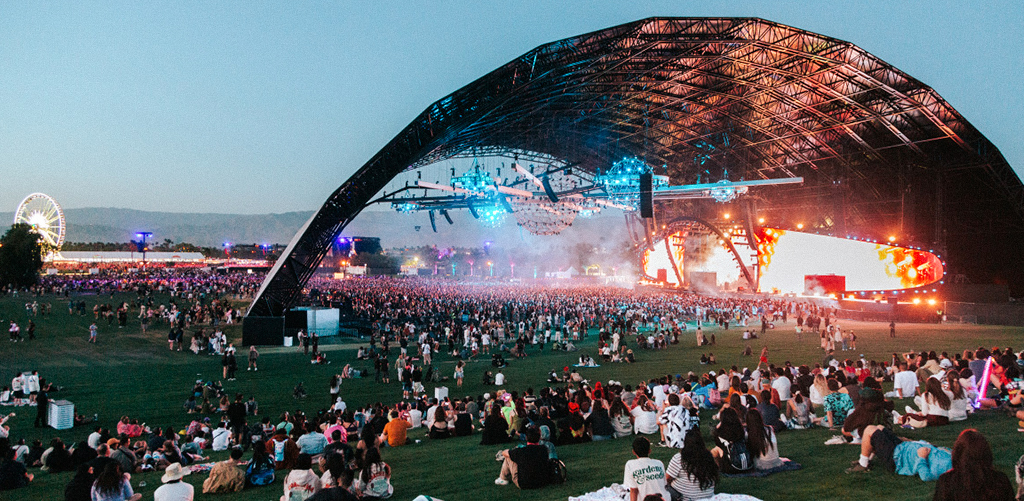
Learning for Event Managers: Create urgency. Offer early-bird discounts, VIP access, or special perks to make people feel they can’t afford to miss out. The JD Institute’s curriculum teaches students how to create demand for events using these strategies.

Emotional Connection: Creating Meaningful Experiences

People remember events that make them feel something. Whether it’s excitement, nostalgia, or inspiration, emotions play a huge role in event success. TED Talks are popular because they inspire people. The powerful storytelling and motivational speakers create a deep emotional connection.
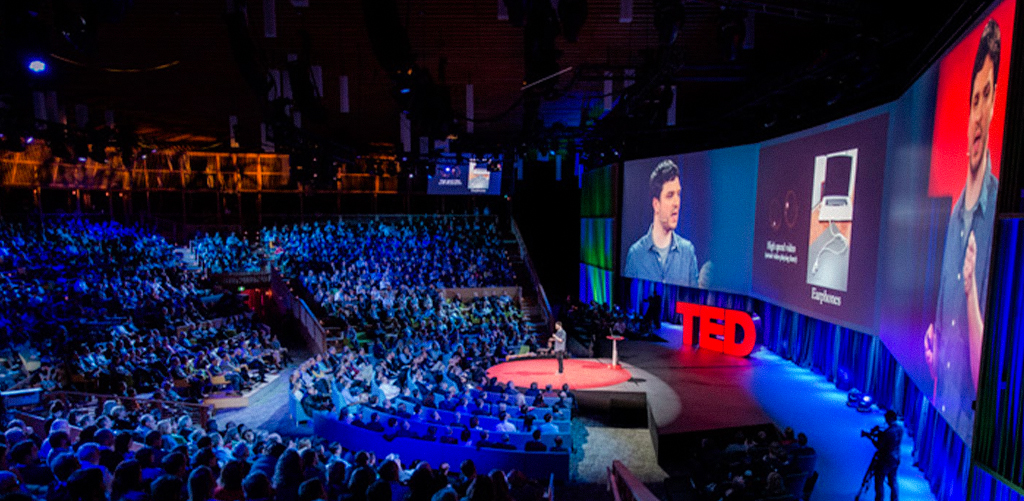
Learning for Event Managers: Focus on the experience. Whether it’s a moving speech, interactive activity, or themed decor, emotions make an event unforgettable. Students must learn how to craft such meaningful experiences that engage attendees.

Social Influence: Who Else Is Going?

People want to be where others are. If an event is attended by influencers, celebrities, or a well-known crowd, more people will want to join. The Met Gala thrives on exclusivity. With top designers and celebrities attending, it becomes an event everyone talks about.
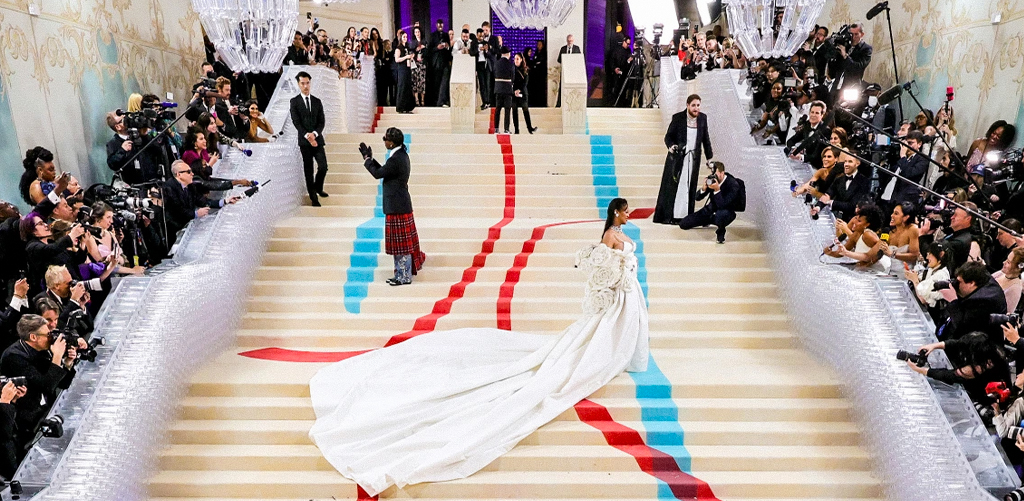
Learning for Event Managers: Leverage social proof. Collaborate with influencers, encourage user-generated content, and showcase testimonials to increase credibility.

Engaging the Senses: Creating an Unforgettable Atmosphere

Great events don’t just entertain—they immerse people. Using lighting, music, visuals, and even scents can make an event feel special. Tomorrowland, the world-famous music festival, is a sensory experience. With elaborate stage designs, fireworks, and immersive soundscapes, it transports attendees into another world.
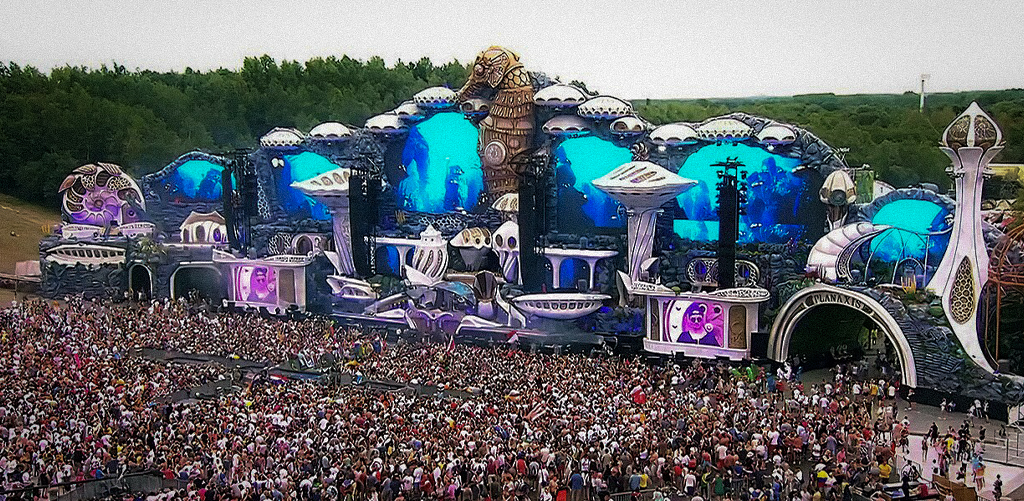
Learning for Event Managers: Focus on every detail. The way an event looks, sounds, and feels makes a huge difference. The Global Event Management course at JD Institute teaches students how to design immersive experiences that leave lasting impressions.

The Surprise Factor: Keep Guests Guessing

Surprises keep people engaged. Whether it’s an unannounced performance, a celebrity guest, or an unexpected giveaway, the element of surprise makes events exciting. Apple product launches are legendary for their secrecy. By keeping details under wraps, Apple ensures a high level of anticipation and buzz.

Learning for Event Managers: Add unexpected elements. It could be a surprise guest, a pop-up experience, or exclusive content that attendees didn’t expect.

The After-Event Effect: Keeping the Buzz Alive

Great events don’t end when the lights go out. Keeping attendees engaged through social media, content sharing, and follow-ups ensures long-term impact. Comic-Con continues the excitement long after the event ends. Fans share their experiences online, post photos, and keep discussions alive.

Learning for Event Managers: Use social media, post-event emails, and interactive content to extend the experience.

At JD Institute, students don’t just learn event planning—they master the art of keeping audiences hooked long after the curtains close. The Global Event Management course equips future event planners with innovative strategies to make every event unforgettable.

Final Takeaway: Master the Art of Event Planning

Event planning is more than just organizing logistics—it’s about understanding what makes people excited to attend. Whether it’s tapping into FOMO, creating emotional connections, or leveraging social influence, successful event managers use psychology to their advantage.

If you dream of planning unforgettable events, the JD Institute’s Global Event Management course can give you the skills and knowledge to make it happen. Ready to create events that everyone talks about? The journey starts here!

Ads You Can Feel: How 3D & AR Are Changing Branding

Thursday, March 27th, 2025

Picture this: You walk past a store, and instead of a regular display, a sneaker hovers in mid-air, rotating as if it’s calling out to you. Or imagine scrolling through your phone and suddenly being able to “smell” a virtual fragrance through a multisensory ad. Sounds futuristic? Well, the future is here. Welcome to the realm of multisensory branding—where advertising isn’t just seen or heard but felt, making every interaction unforgettable.

Why Multisensory Branding Matters

Traditional ads have relied heavily on sight and sound, but brands are now using technology to engage more senses. Studies show that consumers remember multisensory experiences far better than standard digital ads. By integrating 3D visuals, augmented reality (AR), and even haptic feedback, advertisers are creating immersive campaigns that leave a lasting impact.

Retail Reinvented: How Brands Are Using 3D and AR

Luxury fashion houses, automotive giants, and even fast-food chains are embracing 3D and AR ads to engage consumers in ways never seen before.

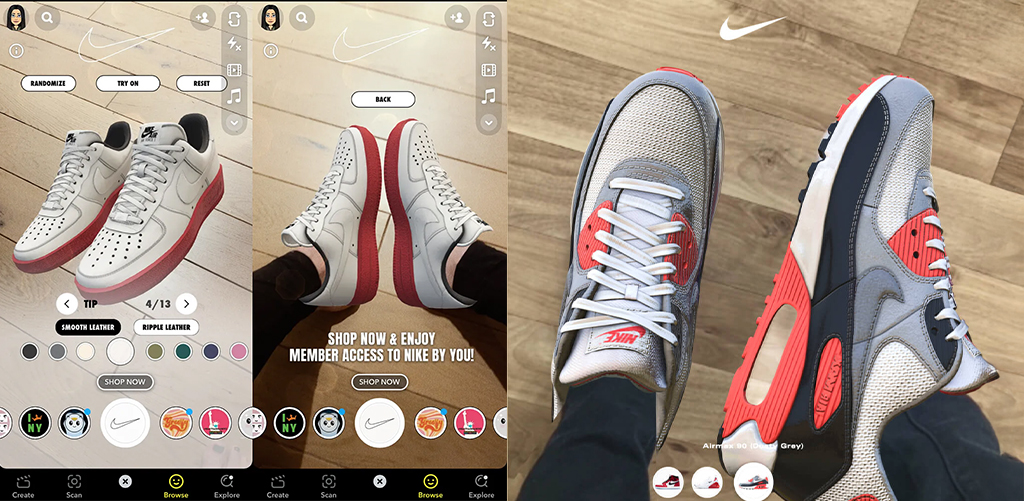
  • Nike’s AR Try-On Feature: Nike introduced an AR feature in its app that allows users to try on shoes virtually. By using their smartphone camera, customers can see how different sneakers look on their feet, making online shopping more reliable and exciting.
  • IKEA Place App: IKEA revolutionized furniture shopping with its AR-powered app that lets users visualize how furniture would look in their homes before purchasing. This not only enhances customer confidence but also reduces return rates.

At JD Institute, the Communication Design course explores how digital storytelling and interactive media shape brand experiences. Learning such cutting-edge techniques prepares students to lead the future of advertising.

Enhancing Customer Experience Through Immersion

Multisensory ads seamlessly blend online and offline shopping, offering consumers an interactive way to explore products. AR allows brands to bring items to life in real-time, letting customers see, try, and even experience products in their personal space before making a purchase decision. 

  • Coca-Cola’s AR Vending Machines: Coca-Cola installed AR vending machines that allowed users to interact with animated characters, making the simple act of buying a drink fun and memorable.
  • L’Oréal’s Virtual Makeup Try-On: The beauty giant introduced the ModiFace app, enabling customers to try different shades of lipstick and foundation through AR before making a purchase decision.

With brands pushing creative boundaries, mastering these innovations is essential and with JD Institute one can learn through hands-on experience.

Social Media and Multisensory Ads: A Game-Changer

Platforms like Instagram, Snapchat, and TikTok are now integrating AR filters and interactive 3D elements into their ad formats, making ads more shareable and engaging.

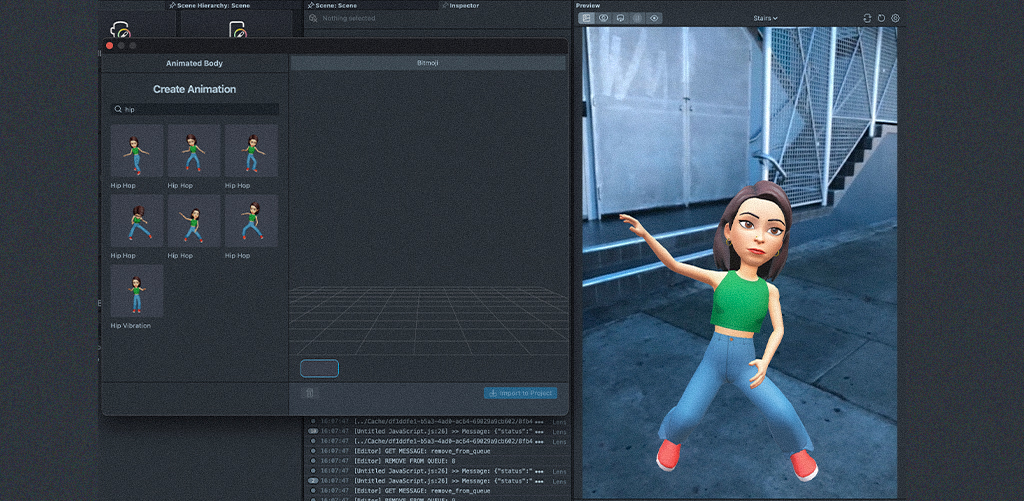
  • Snapchat’s 3D Bitmoji and Lens Studio: Brands can create custom AR lenses, allowing users to try on sunglasses, hats, or even preview car models in 3D before purchasing.
  • Burberry’s AR Shopping Tool: The luxury brand launched an AR tool where users could visualize products in their real-world surroundings, enhancing the online shopping experience.

If you want to gain hands-on experience in designing digital campaigns that resonate with today’s tech-savvy audience, Communication Design at JD Institute is your launchpad.

The Future of Multisensory Branding

The possibilities of 3D and AR advertising are endless. As AI, VR, and AR technologies evolve, brands will create even more personalized and engaging experiences.

  • Metaverse Shopping: Companies are developing virtual stores where customers can walk through digital aisles, interact with products, and make purchases—all from their homes.
  • Haptic Feedback Ads: Imagine feeling the texture of a handbag or the softness of a sweater through your screen. This could be the next big thing in online retail.

As brands continue to explore these innovations, consumers will experience advertising in ways that engage not just their eyes and ears but their sense of touch as well. The future of branding is about creating experiences that go beyond the screen, making every interaction more personal and immersive.

Becoming the Future of Advertising at JD Institute

The next era of advertising belongs to those who can think beyond traditional formats and embrace immersive storytelling. If you’re ready to push creative boundaries and lead the future of digital marketing, JD Institute is where your journey begins.

Neuroarchitecture: How Interior Design Affects Brain Function and Productivity

Wednesday, March 26th, 2025

Your brain is a storyteller, constantly interpreting its surroundings. The walls around you, the lighting above, the textures beneath your fingertips—all of these elements are feeding your subconscious, influencing your emotions, focus, and productivity. Ever wondered why you feel energized in some places and drained in others? Welcome to the world of neuroarchitecture—a fascinating intersection of neuroscience and interior design that explores how spaces shape human behavior.

For aspiring interior designers, mastering this concept is key to crafting spaces that enhance well-being and efficiency. At JD Institute of Fashion Technology, students learn to blend psychology with design, creating environments that are not only aesthetically pleasing but also cognitively enriching.

The Power of Light: Bright Ideas for a Brighter Mind

Lighting is not just about visibility—it affects cognitive function, mood, and sleep cycles. Natural light boosts serotonin levels, enhancing focus and happiness, while dim lighting can induce relaxation. The Apple Park campus in California is a great example of using abundant natural light to promote employee well-being and efficiency.

Aspiring designers at JD Institute of Fashion Technology learn the science of lighting design, understanding how different light temperatures and intensities can shape human experiences in a space.

Spatial Planning: The Psychology of Flow and Function

Cramped spaces can cause anxiety, while open, well-organized layouts promote clarity of thought and collaboration. Consider the Guggenheim Museum in New York—its spiral design encourages seamless movement and exploration, mirroring how our brain prefers structured yet fluid environments.

A smart designer knows how to use spatial organization to balance privacy and connectivity. Interior design at JD Institute emphasises practical techniques and hands-on training to optimize student’s experience and learning in any setting.

Material Matters: The Texture of Thought

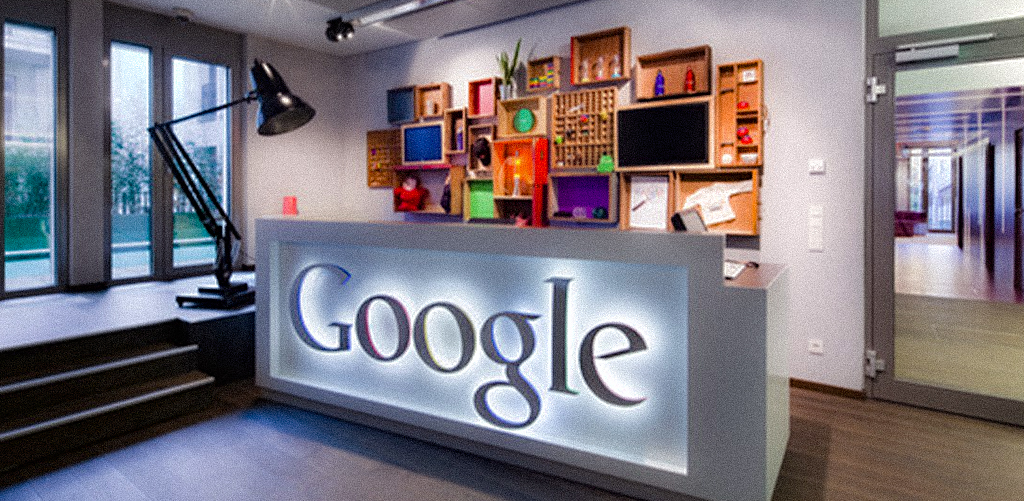
The surfaces we touch and the materials we see impact our emotions. Warm woods evoke comfort, while cold metals bring a sense of modernity. Google’s offices worldwide incorporate soft textures, natural elements, and vibrant colors to enhance creativity and reduce stress. Students must be trained to understand the psychology of materials—how a choice of wood, stone, or fabric can subconsciously shape a person’s perception and response to a space.

Color Psychology: The Art of Emotional Influence

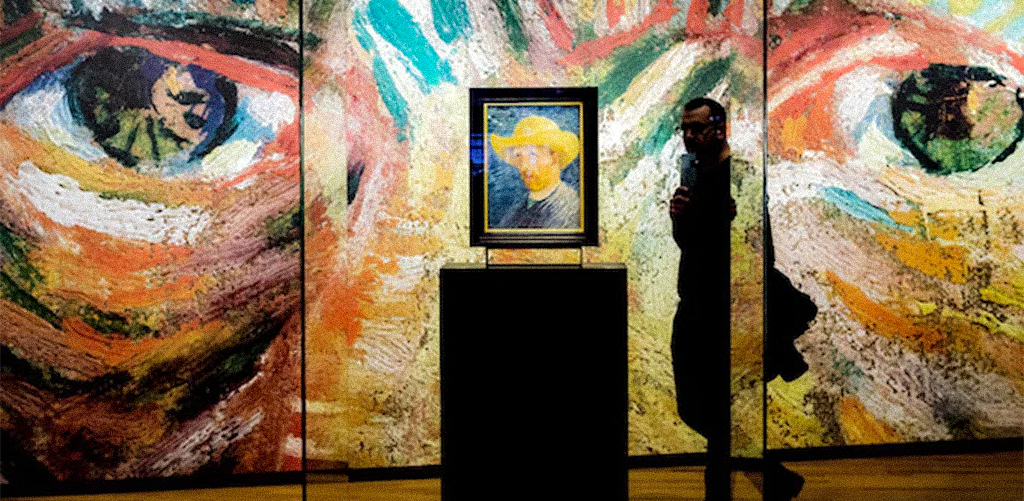
Colors can stimulate or soothe the brain. Blue enhances productivity, yellow sparks creativity, and green promotes relaxation. The Van Gogh Museum in Amsterdam uses strategic color palettes to evoke different emotional responses throughout its exhibits. Students who inspire to be interior designers must learn color theory, and also how to create atmospheres that align with a space’s intended purpose, whether it’s a high-energy retail store or a calming wellness retreat. 

Acoustics and Productivity: Designing for Sound Mind

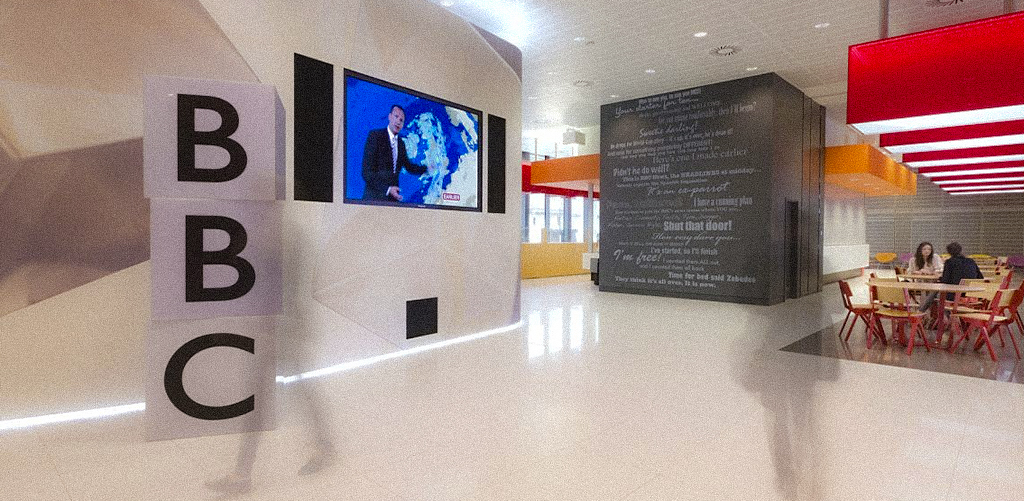
Noise pollution can be a silent productivity killer. Offices like the BBC Broadcasting House in London use soundproofing and strategic material placement to create an acoustically balanced environment.

Acoustic solutions play a vital role in interior design, helping to reduce noise pollution and create environments that support focus and relaxation. Thoughtful use of materials like carpets, curtains, and acoustic panels can make a significant difference in how a space feels and functions.

Biophilic Design: Nature’s Role in Brain Health

Bringing the outdoors inside can significantly reduce stress and boost cognitive function. Amazon’s Spheres in Seattle, filled with lush greenery, exemplify how nature-infused spaces can enhance mental well-being and creativity. Through JD Institute’s interior design curriculum, students explore how to incorporate such principles to create sustainable and psychologically enriching interiors.

A Mindfully Designed Future

Interior design is more than just aesthetics—it’s about shaping spaces that support mental well-being, productivity, and happiness. Understanding the science behind neuroarchitecture gives designers an edge in crafting impactful environments.

For students looking to master this transformative approach, the JD Institute of Fashion Technology provides an in-depth, hands-on learning experience, equipping them with the knowledge and skills to design spaces that truly enhance lives.

If you’re passionate about creating spaces that don’t just look good but feel good, JD Institute is the place where your journey begins!

Think You Know Visual Merchandising? This Evolution Will Change Your Perspective

Tuesday, March 25th, 2025

Ever stopped in front of a store window, completely drawn in by a stunning display? That’s the power of visual merchandising. It’s not just about placing products; it’s about telling a story, creating an experience, and influencing decisions. From the bustling markets of ancient civilizations to today’s high-tech digital showrooms, the way we present products has shaped the way we shop. But where did it all start, and what lessons can modern visual merchandisers take from its incredible evolution?

Ancient Markets: The First Retail Displays

Long before malls and showrooms, trade happened in open-air markets. Ancient merchants in Mesopotamia, Egypt, and Greece quickly realized that the way they displayed their goods could attract more customers. Brightly colored fabrics, neatly arranged spices, and shiny jewelry were all placed strategically to catch the eye of passersby.

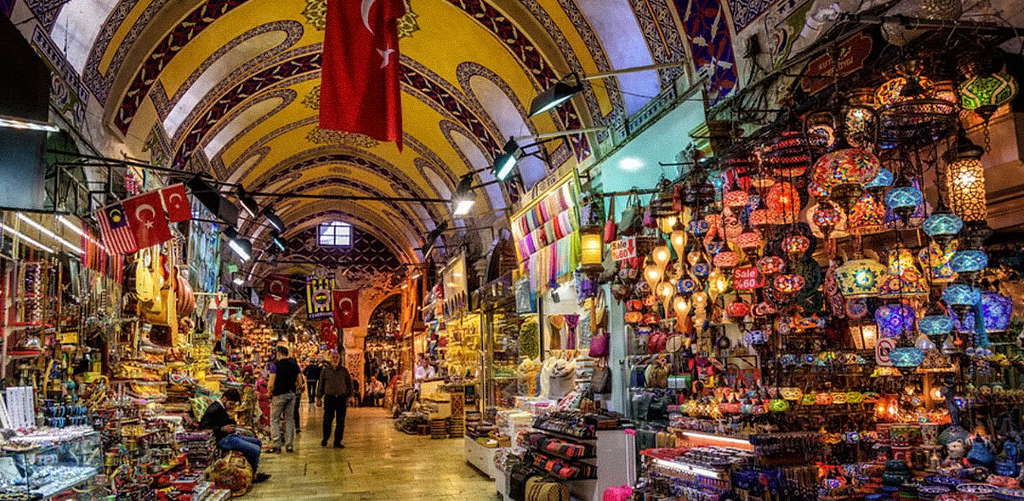
A famous example is the Grand Bazaar of Istanbul, which has been a shopping hub since the 15th century. Even back then, merchants understood the importance of colors, lighting, and placement. Today, these same principles are used in modern retail, and students at JD Institute of Fashion Technology learn how these early techniques continue to shape today’s merchandising strategies.

The Rise of Department Stores: Retail Becomes an Experience

In the 19th century, department stores like Harrods in London and Macy’s in New York transformed shopping. Instead of small, cluttered stalls, they created luxurious spaces where customers could browse freely. 

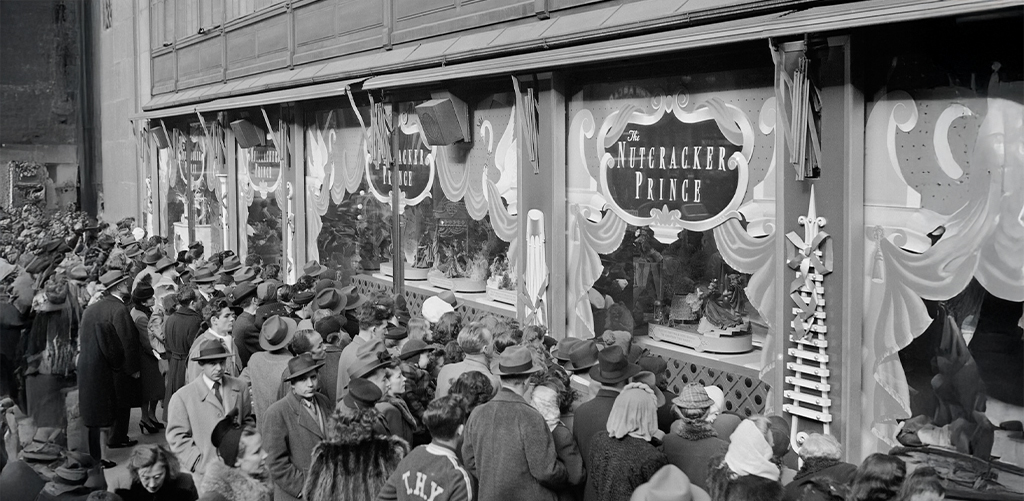
One of the most iconic innovations was Macy’s Christmas window displays, which started in the late 1800s. These elaborate setups told stories, engaged emotions, and made shopping more than just a transaction—it became an experience.

Aspiring visual merchandisers can learn an important lesson here: storytelling matters. The way products are displayed should create an emotional connection.

At JD Institute, students in the Visual Merchandising course are trained to design immersive shopping environments that captivate customers.

Showrooms & Flagship Stores: Selling a Lifestyle

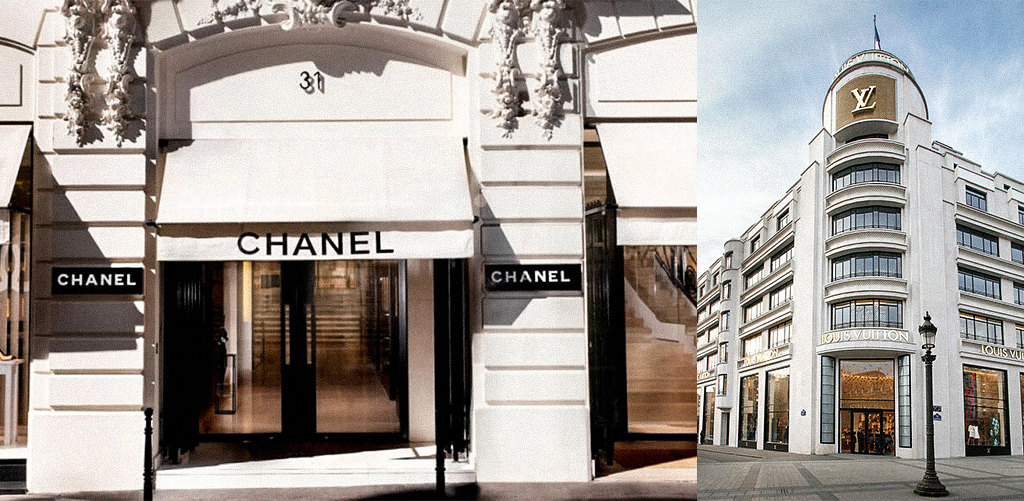
By the mid-20th century, brands realized that people don’t just buy products—they buy lifestyles. Stores like IKEA created life-size setups where customers could walk through furnished rooms, imagining how products would look in their own homes. Luxury brands like Chanel and Louis Vuitton took a different approach, making their flagship stores feel exclusive and aspirational.

This shift taught an essential lesson: shopping is about emotions. If customers can see themselves using a product, they are more likely to buy it. This idea is central to modern visual merchandising, and students must learn how to curate store layouts that enhance customer engagement.

The Digital Era: Visual Merchandising Goes Online

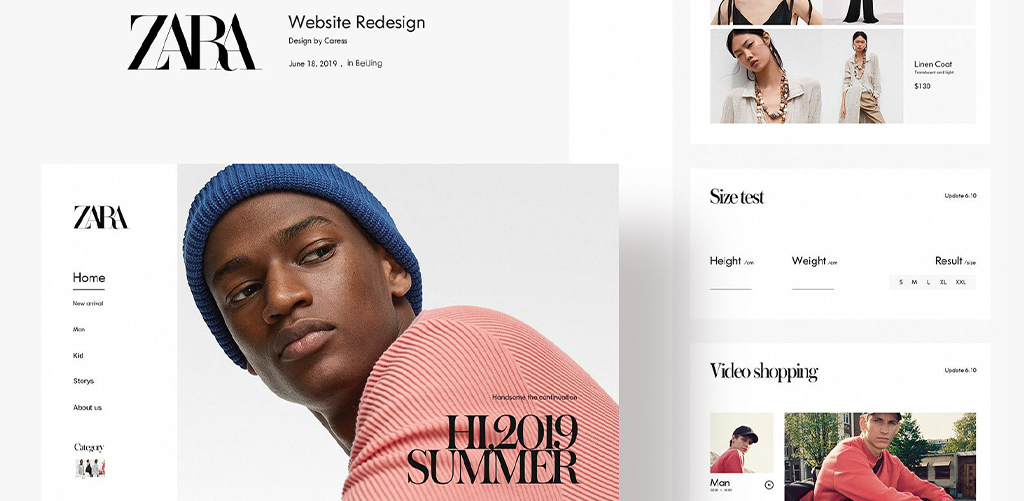
With the rise of e-commerce, visual merchandising is no longer limited to physical stores. Brands like Apple and Zara use high-quality images, videos, and interactive designs to make online shopping feel just as immersive as in-store browsing. Augmented reality (AR) is now being used by brands like Gucci, allowing customers to virtually try on shoes before purchasing.

The key lesson here? Technology is the future of visual merchandising. Successful professionals must understand digital tools, UI/UX design, and virtual store layouts—skills that are an integral part of the Visual Merchandising curriculum at JD Institute.

Key Takeaways for Future Visual Merchandisers

The evolution of visual merchandising offers valuable insights:

  • Storytelling is powerful: Whether in a store or online, creating a narrative around products boosts engagement.
  • Psychology influences sales: Colors, lighting, and layout impact purchasing decisions.
  • Trends change—stay adaptable: Visual merchandising has evolved for centuries, and future professionals must be ready to embrace change.
  • Technology is shaping the industry: AR, VR, and AI-driven merchandising are the next big thing.

Students must get hands-on experience in these areas, and must prepare themselves for successful careers in the ever-evolving world of retail.

Your Future in Visual Merchandising Starts Here

Visual merchandising is more than just arranging products—it’s about creating unforgettable experiences. Whether designing a window display, setting up a showroom, or crafting a digital storefront, the right skills make all the difference.

For those who want to master this art, there’s no better place to start than JD Institute of Fashion Technology.

Ready to shape the future of retail? The journey begins now!

Smart Fabrics: The Intersection of Fashion and Technology Designers Need to Learn

Monday, March 24th, 2025

What If Your Clothes Could Do More Than Just Look Good?

Picture this: You spill coffee on your shirt, but instead of a stain, the liquid slides right off. Or imagine a jacket that senses a sudden temperature drop and warms you up instantly. Sounds futuristic? Well, the future is already here. Smart fabrics are revolutionizing the fashion industry by blending design with technology, making clothing not just stylish but also highly functional. From self-cleaning to temperature-regulating textiles, these innovations are transforming the way we experience fashion.

Self-Cleaning Fabrics: Fashion That Stays Fresh

Tired of laundry days? Self-cleaning fabrics are here to rescue you. These textiles are treated with nanotechnology to repel dirt, stains, and even bacteria. One of the most famous innovations in this category is Silic, a hydrophobic T-shirt that repels liquids, making spills a thing of the past. Similarly, Pangaia, a sustainable fashion brand, uses peppermint oil treatment to keep clothes fresh for longer, reducing the need for frequent washing.

Students at JD Institute of Fashion Design learn how technology transforms the way garments are created and maintained.

Temperature-Regulating Textiles: Smart Comfort for Every Season

Wouldn’t it be great if your clothes adjusted to the temperature around you? Smart fabrics infused with phase-change materials (PCMs) can do just that. Originally developed by NASA, these textiles absorb and release heat as needed. Brands like Outlast and Ministry of Supply have integrated this technology into their apparel, ensuring wearers remain comfortable no matter the climate.

With Fashion Design education evolving rapidly, students at JD Institute get hands-on experience to learn and thus create garments that enhance everyday comfort.

Bioengineered Fabrics: The Future of Sustainable Fashion

Fashion and sustainability are no longer two separate entities. Bioengineered fabrics, grown using biotechnology, are paving the way for an eco-friendly future. Bolt Threads, for example, has developed Mylo, a mushroom-based leather alternative, while Modern Meadow is creating biofabricated leather without harming animals. Additionally, Orange Fiber, an Italian startup, produces silky fabrics from citrus juice byproducts, blending luxury with sustainability.

Understanding these materials is crucial for designers of the future, and students must be equipped with the latest knowledge in biofashion, thereby having an edge in sustainability.

Color-Changing Fabrics: Fashion That Adapts to You

Imagine wearing a dress that shifts colors based on your mood or surroundings. E-ink fabrics and thermochromic textiles make this possible. Designers like Lauren Bowker, known as “The Alchemist,” have pioneered color-changing fashion through heat-sensitive inks. Similarly, Vollebak’s Black Squid Jacket mimics the adaptive camouflage of cephalopods, reflecting vibrant colors under different lighting.

With courses that encourage experimentation, JD Institute fosters a creative environment where students explore innovative Fashion Design concepts, preparing them to lead the industry’s next evolution.

The Next Big Step in Fashion Education

Smart fabrics are redefining fashion, making it more interactive, sustainable, and intelligent. As technology continues to push boundaries, designers who understand and adapt to these changes will shape the industry’s future.

JD Institute of Fashion Technology provides the perfect platform for aspiring designers to learn, innovate, and experiment with Fashion Design concepts. If you’re ready to be part of fashion’s smart revolution, this is where your journey begins!

University of Haifa Students Explore Indian Batik at JD Institute

Monday, March 24th, 2025

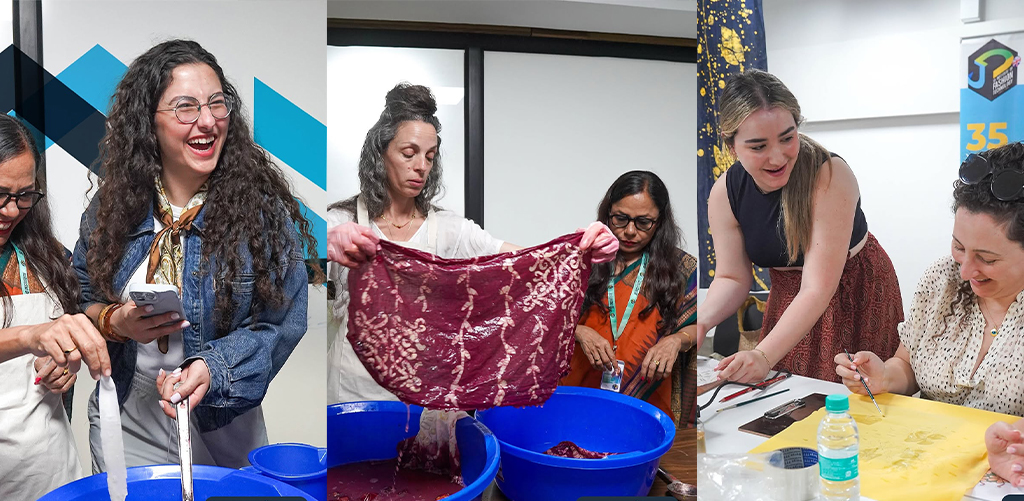
As part of a cultural exchange program, students and faculty from the Department of Fashion Design, University of Haifa, embarked on a journey into the world of Indian craftsmanship. Hosted by the JD Institute, this special workshop introduced them to Batik, an ancient textile art form that has been practiced for centuries in India. The technique involves using wax to create patterns on fabric, which is then dyed to produce intricate and colorful designs. Through this immersive experience, the participants gained a deeper understanding of India’s rich textile heritage, learning how tradition and innovation coexist in the realm of fashion and design.

A Hands-On Learning Experience

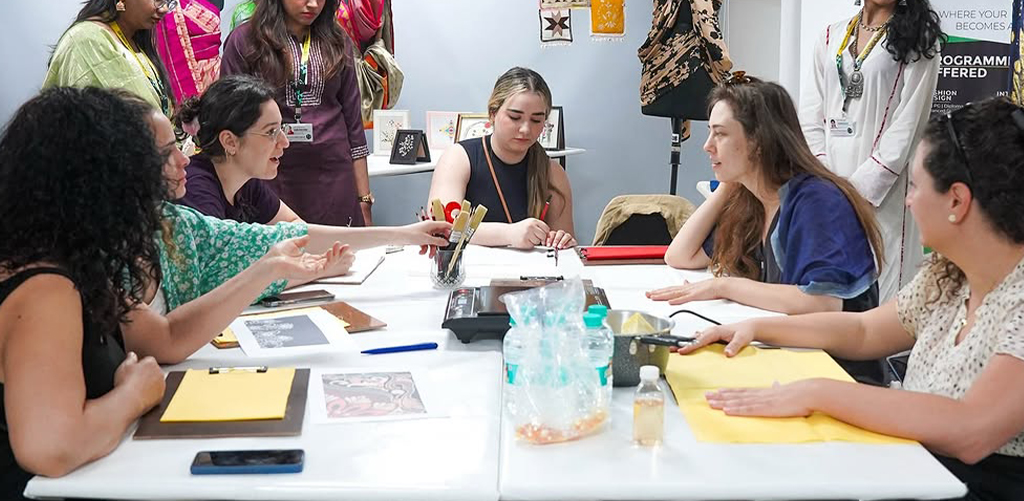
The workshop was designed to be interactive, allowing the participants to experience Batik beyond just theory. The students and faculty actively engaged in the step-by-step process, starting with sketching patterns, applying wax with precision, and then dyeing the fabric to reveal stunning motifs. Each step required patience and skill, and the participants showed remarkable dedication. Their enthusiasm was palpable as they explored the delicate balance of artistry and technique that defines Batik. The faculty, too, took a keen interest in understanding the historical and cultural significance of the craft, making the session an enriching exchange of knowledge and ideas.

An Exchange of Creativity and Fun

More than just a learning experience, the workshop fostered a dynamic environment where creativity and cultural appreciation flourished. The students found immense joy in experimenting with different patterns, blending their artistic instincts with the traditional techniques they were learning. They shared their experiences with excitement, discussing their challenges and successes throughout the process. The energy in the room was infectious, as the participants supported each other, exchanged creative insights, and celebrated their progress. It was not just about mastering a craft but about forming meaningful connections and understanding the essence of cultural exchange through art.

A Remarkable Outcome

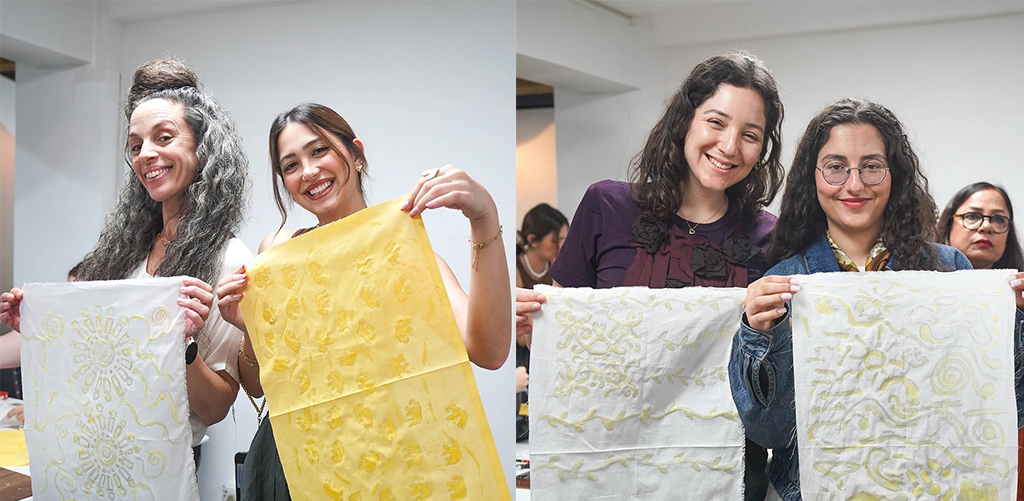
The final results of the workshop were nothing short of extraordinary. The textiles produced during the session stood as a testament to the dedication and enthusiasm of the participants. Each piece reflected a beautiful fusion of individual creativity and Indian artistry, illustrating how cross-cultural learning can inspire innovative designs. The participants took pride in their creations, appreciating the complexity and effort involved in the Batik process. Beyond the textiles, they left with a deeper appreciation for the artisans who have preserved this craft for generations and the role of traditional techniques in contemporary fashion.

Strengthening International Collaborations

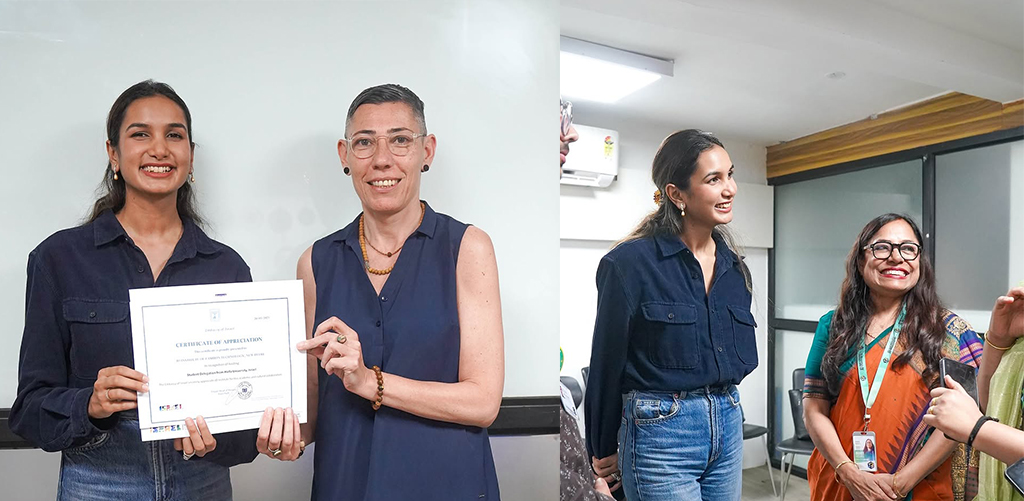
This workshop was a significant milestone in the institute’s collaboration with the University of Haifa, reinforcing a shared commitment to global engagement in design education. Such initiatives are vital in bridging geographical and cultural gaps, providing students with exposure to diverse artistic traditions. By integrating international perspectives into design learning, the institute continues to create meaningful opportunities for students and faculty to explore new dimensions of creativity. These exchanges not only enhance technical skills but also cultivate a broader understanding of cultural sustainability in fashion and design.

Looking Ahead

With the success of this workshop, the institute is eager to organize more such transformative experiences that celebrate the intersection of heritage and innovation. These programs are not just about learning a craft; they are about building global networks, exchanging creative visions, and inspiring future collaborations. As we look forward to more cross-cultural engagements, we invite designers, educators, and students from around the world to join us in exploring the endless possibilities of design. The journey of creativity has no borders—let’s craft the future together!

Graphic Design in the Age of Memes: Creativity, Trends, and Impact

Friday, March 21st, 2025

“Design is thinking made visual.”

This quote by Saul Bass highlights the essence of graphic design, but in today’s internet-driven world, design is also about humor, relatability, and engagement. Enter the era of meme marketing and viral visuals, where unconventional, humorous, and sometimes chaotic designs create the biggest impact. What started as playful internet jokes has evolved into a serious branding tool, shaping everything from marketing strategies to UI/UX design. Let’s explore how meme marketing and viral content are transforming modern design trends and why learning Communication Design from JD Institute can give students an edge in this digital revolution.

The Rise of Viral Aesthetics in Branding

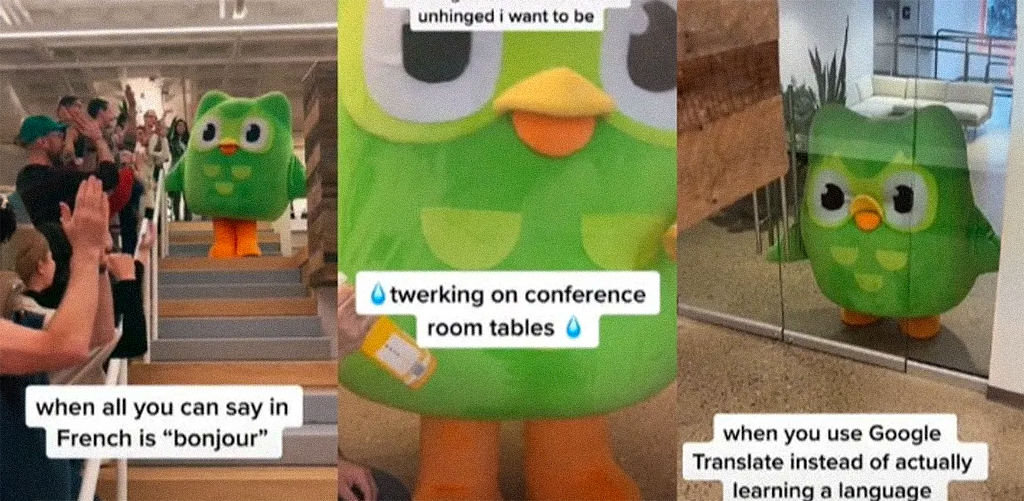
Brands today don’t just sell products; they sell personality. Companies like Wendy’s and Duolingo have turned meme marketing into an art form, using humor and internet trends to connect with audiences. Wendy’s witty Twitter comebacks and Duolingo’s quirky TikTok videos have made them stand out in the crowded digital space. This shift means graphic designers need to understand internet culture, humor, and storytelling—skills that students can develop through Communication Design at JD Institute.

The Art of Imperfection in Modern Graphics

Remember Crocs? Once seen as uncool, they became a global trend thanks to meme culture. A similar shift is happening in graphic design. The ‘ugly design’ trend—bold colors, odd fonts, and chaotic layouts—is gaining popularity as a response to overly polished aesthetics. This style thrives on being deliberately messy, unpredictable, and visually jarring, making it perfect for grabbing attention in the fast-paced world of social media. Brands like Balenciaga and MSCHF embrace this aesthetic, using unconventional designs to make bold statements. 

Nostalgia & Retro Influences from Internet Culture

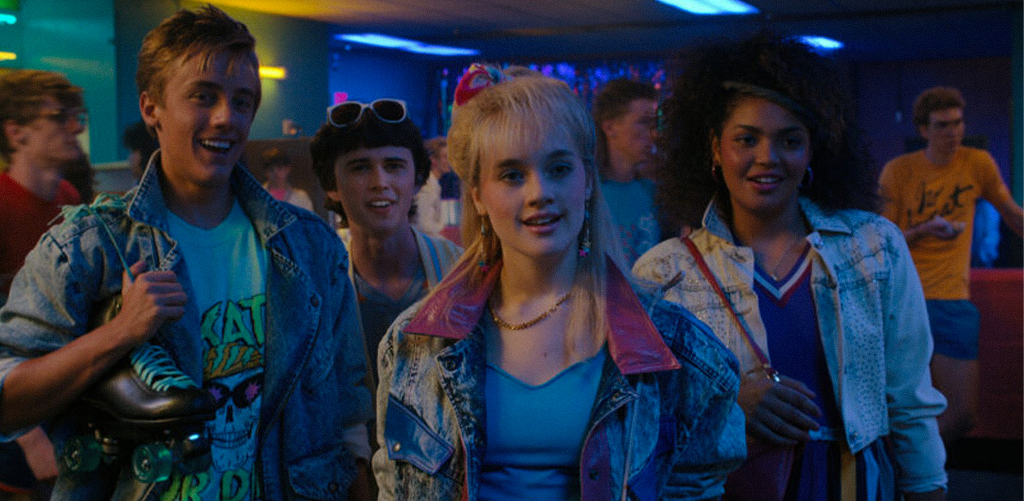
Memes often bring old design trends back into the spotlight, reviving styles like Y2K aesthetics, vaporwave, and pixel art. Think about how Stranger Things’ 80s-inspired visuals or TikTok’s obsession with VHS filters have influenced modern design. The growing popularity of lo-fi graphics, grainy textures, and neon color palettes is a direct result of nostalgia-driven content that spreads across social media. Brands like Nike and Adidas have capitalized on this trend, incorporating retro elements into their digital campaigns to create a sense of familiarity and emotional connection with their audience. Understanding this cycle of cultural revival allows designers to create visuals that feel both fresh and familiar, increasing audience engagement. 

Social Media Graphics: Fast, Engaging, and Shareable

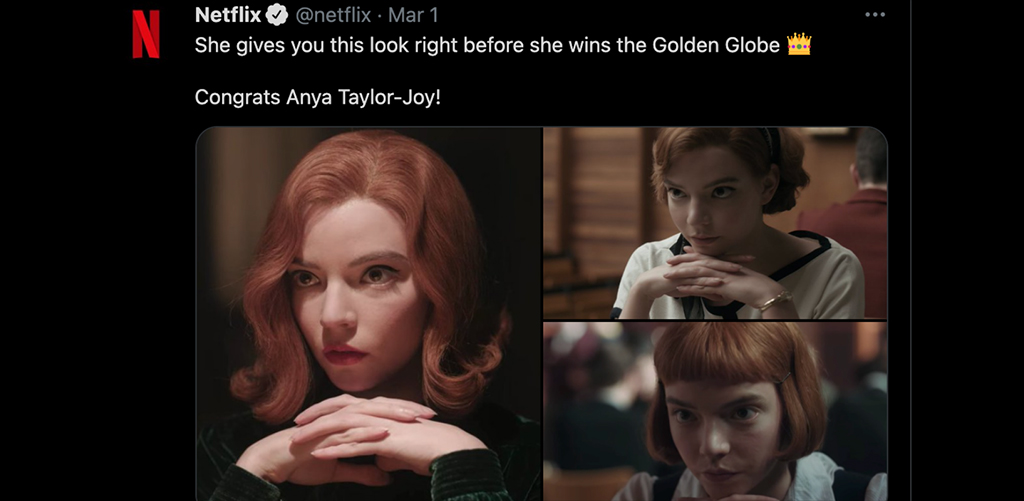
Graphic designers today must create content that stops the scroll. Instagram carousels, Twitter graphics, and TikTok thumbnails require a mix of bold typography, eye-catching visuals, and a deep understanding of trends. Netflix’s marketing, which often features meme-worthy visuals, showcases how brands use digital-first design strategies to stay relevant. Communication Design at JD Institute equips students with real-world skills to master such dynamic design approaches.

GIFs, Stickers & Motion Graphics

A static image can go viral, but a well-timed GIF or sticker? That’s next-level engagement. Giphy, Tenor, and Instagram stickers have turned motion design into a crucial skill for designers. The ability to create short, looping animations has become essential for grabbing attention in the fast-scrolling world of social media. Brands like Apple and Nike seamlessly integrate subtle animations into their campaigns, using motion graphics to enhance user interaction and create a more immersive experience.

The Rise of AI-Generated Memes & Design Automation

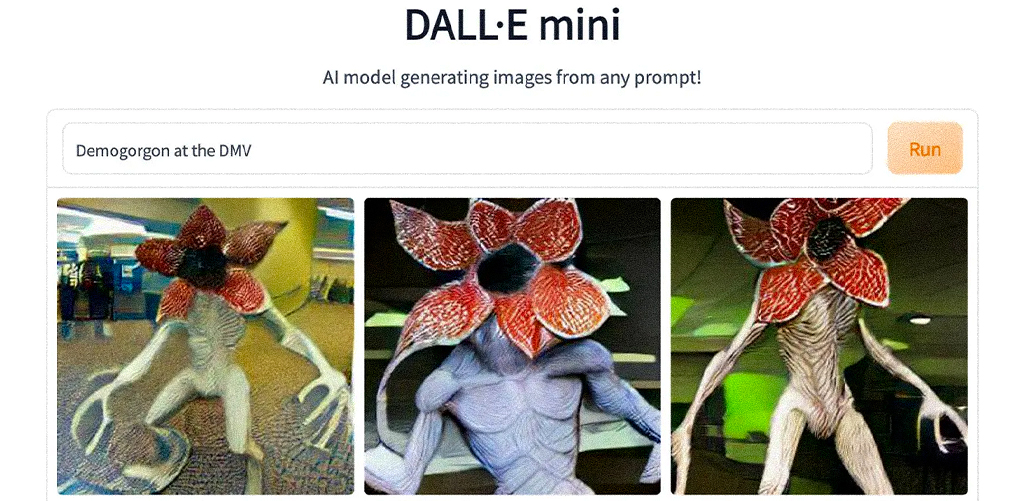
With AI tools like DALL·E and Midjourney generating art in seconds, graphic designers must adapt to a rapidly evolving landscape. AI can create visuals, but it lacks the ability to deeply understand cultural nuances, emotions, and humor, which are essential in creating truly impactful designs. This shift presents both a challenge and an opportunity—designers who can blend AI efficiency with creative storytelling will be in high demand. By mastering AI-assisted design while maintaining a strong creative vision, designers can push the boundaries of innovation.

Designing the Future with Internet Culture

Graphic design is no longer just about aesthetics; it’s about storytelling, engagement, and cultural relevance. Whether it’s meme marketing, motion graphics, or AI-generated visuals, designers who stay ahead of these trends will lead the industry. If you’re looking to master these skills and turn your passion into a thriving career, the Communication Design course at JD Institute provides the perfect launchpad. The internet is shaping design—are you ready to shape its future?

Heritage x Innovation- The Secret Language of Design

Thursday, March 20th, 2025

What if the past wasn’t something to leave behind but rather a blueprint for the future? Imagine design that doesn’t just predict trends but reshapes narratives—where heritage, diversity, and innovation collide to build a new world. This is exactly what Afrofuturism, Indigenous design, and Cultural Storytelling do. They take the wisdom of our ancestors and craft it into something futuristic, thought-provoking, and deeply personal. 

Afrofuturism: Where History Meets Sci-Fi

Afrofuturism is more than just a genre—it’s a movement. It blends African traditions with futuristic elements, reimagining Black identity in science fiction, music, art, and fashion. Think of Marvel’s Black Panther and the breathtaking city of Wakanda. This isn’t just a fantasy world; it’s a design revolution showcasing the power of African heritage fused with technology.

Fashion designers like Virgil Abloh and Selly Raby Kane have pushed Afrofuturism into global conversations. Their work reinvents African aesthetics in a modern, boundary-pushing way, proving that history and the future can coexist seamlessly. At JD Institute, students dive into such revolutionary design concepts, learning how to integrate cultural narratives into contemporary creations.

Indigenous Design: Echoes of Ancestry in Modern Art

Indigenous design is a living archive of history, where each pattern, motif, and material tells a story. Whether it’s the bold geometric beadwork of the Maasai tribe or the intricate weaving of the Navajo, indigenous art is a testament to sustainability and craftsmanship.

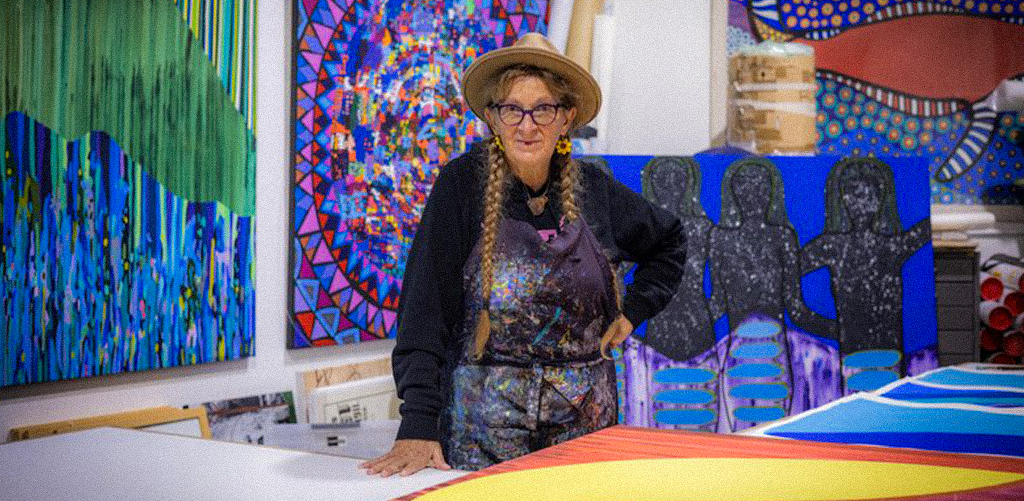
One stunning example is the work of Indigenous Australian artist Dr. Bronwyn Bancroft, who fuses Aboriginal storytelling with modern illustration. Another is the architecture of Douglas Cardinal, whose organic structures reflect the flowing landscapes of Indigenous lands. These designs are not just visually striking; they challenge mainstream narratives and celebrate authenticity.

Students at JD Institute get hands-on experience in exploring indigenous crafts, understanding their significance, and incorporating these techniques into modern design while respecting their origins.

Cultural Storytelling: Weaving Narratives into Design

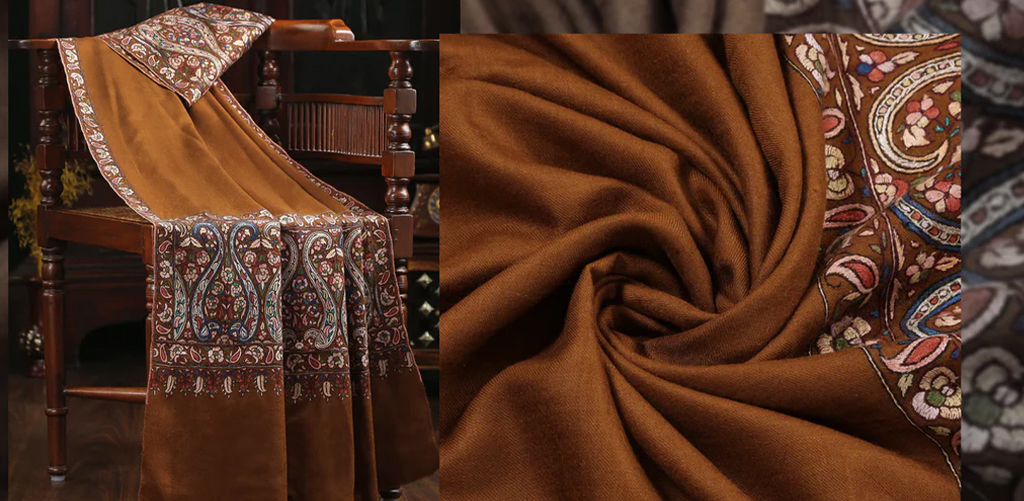
Every culture has stories, and the best designs tell them without words. Whether it’s the intricate embroidery of Kashmiri Pashmina shawls or the vibrant Mexican alebrijes, cultural storytelling in design bridges generations and geographies.

Take Dior’s Cruise 2020 Collection, which celebrated Mexican artisanship, or Beyoncé’s Black Is King, a visual album that redefined African heritage through stunning visuals and costumes. These examples prove that cultural storytelling is not just about nostalgia—it’s about reshaping perspectives.

Aspiring designers at JD Institute learn to use design as a medium to tell meaningful stories, ensuring that every creation has a soul and a purpose. From textile design to digital fashion, students explore how heritage can inform the future in innovative ways.

Merging Tradition with Future: A New Design Ethos

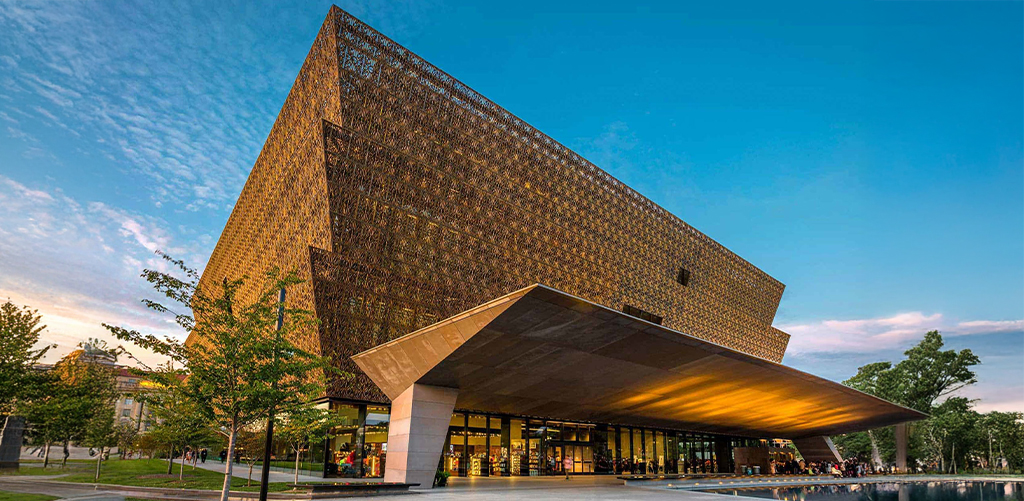
The future of design is not about discarding tradition—it’s about reimagining it. Fashion brands like Stella McCartney and Eileen Fisher are combining indigenous textile techniques with modern silhouettes. Similarly, architects like David Adjaye blend African tribal elements with contemporary structures, proving that history can be a guiding force for futuristic visions.

The principles of design are deeply embedded in JD Institute’s curriculum, where students don’t just learn design; they understand its roots, evolution, and possibilities.

The Future of Design is in Your Hands

As the world moves towards more inclusive and sustainable creativity, the ability to blend cultural heritage with futuristic concepts is a game-changer. Whether it’s fashion, interior design, or visual arts, the next generation of designers must master this balance.

At JD Institute, students are not just taught how to design; they are encouraged to think, innovate, and tell stories through their work. If you’re ready to explore the intersection of tradition and the future, this is where your journey begins.

Is Fashion the New Political Power Move?

Wednesday, March 19th, 2025

“Power is not just in the words spoken but in the image projected.” 

In today’s political arena, fashion is no longer just a personal choice—it’s a strategic weapon. From suffragettes donning white as a symbol of resistance to world leaders using colors, fabrics, and silhouettes to convey authority, clothing has become a calculated strategy. But why does it matter? And what can an aspiring fashion entrepreneur learn from it?

The Psychology of Power Dressing: Why It Works

Fashion is more than fabric—it’s communication. Political figures understand that their attire can set the tone of a speech, evoke emotions, or even challenge the status quo. When Kamala Harris wore her white pantsuit during her victory speech, she paid homage to the suffragette movement, reinforcing her role in breaking barriers. Similarly, Narendra Modi’s signature half-sleeve kurta and vibrant Nehru jackets have become synonymous with modern Indian leadership. These choices aren’t just about personal style; they’re calculated moves to resonate with people.

For aspiring fashion business students, the lesson is clear—fashion isn’t just about trends; it’s about crafting an identity. The Fashion Business Management course at JD Institute teaches how to decode these subtle messages and apply them to brand storytelling and consumer psychology.

Colors Speak Louder Than Words

Colors carry powerful connotations, and politicians use them deliberately. Michelle Obama’s elegant yet bold choices—like her deep purple inauguration outfit—signified unity between political parties. On the other hand, Angela Merkel’s monochrome pantsuits in shades of blue and grey projected authority, consistency, and reliability. 

For fashion entrepreneurs, understanding color psychology is essential. The right palette can influence consumer perception, whether it’s in political campaigns or brand marketing.

The Evolution of Traditional Attire into Political Branding

Many world leaders have leveraged traditional clothing to reinforce cultural pride and leadership. Take Sheikh Mohammed bin Rashid Al Maktoum, the ruler of Dubai, whose impeccably tailored kanduras symbolize sophistication and tradition. Similarly, Volodymyr Zelenskyy’s switch to olive-green military-style clothing since the Russia-Ukraine conflict began has been a strategic move to project resilience and wartime leadership.

In the business of fashion, heritage and culture can be key selling points. JD Institute’s Fashion Business Management program emphasizes how integrating such narratives into fashion can create globally recognized brands. 

The Power of Repeating a Signature Look

Consistency in dressing builds a strong personal brand. Steve Jobs’ black turtleneck is a corporate example, but political figures follow the same rule. Former UK Prime Minister Margaret Thatcher’s structured suits and pearl necklaces became symbols of her iron-fisted leadership. Russian President Vladimir Putin’s sharp, dark suits exude dominance and control.

For fashion professionals, this highlights the importance of branding. Whether for a political leader or a luxury fashion house, a consistent look fosters recognition and trust.

Fashion as Silent Protest and Symbolism

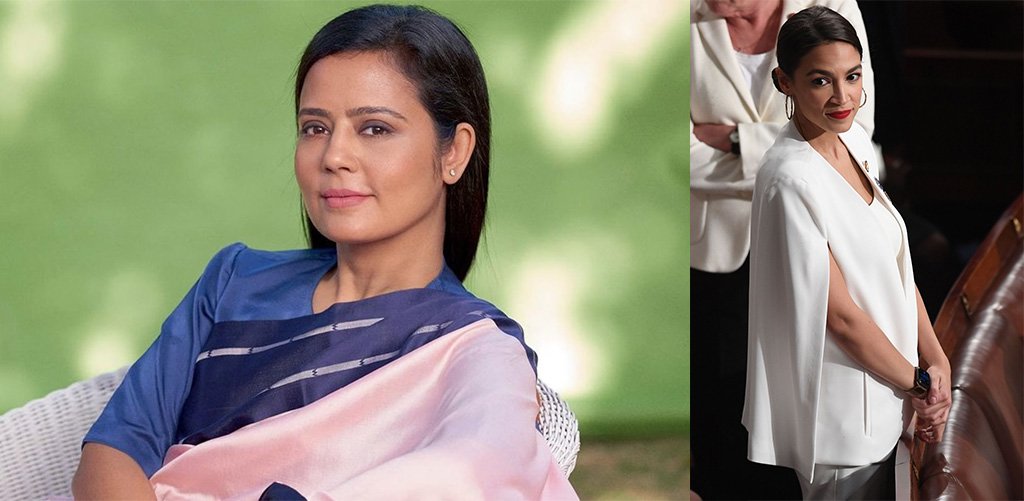
Fashion has often been used as a tool of resistance. Take the example of Alexandria Ocasio-Cortez wearing a white cape suit to Congress to echo the suffragette movement, or Indian activist-politician Mahua Moitra sporting handwoven sarees to promote indigenous textiles. These subtle choices speak volumes about their standpoints.

For fashion business enthusiasts, this reinforces the idea that fashion isn’t just commerce—it’s a statement. Understanding socio-political influences on fashion can help in predicting trends and shaping brand narratives.

The Rise of Sustainable and Conscious Fashion in Politics

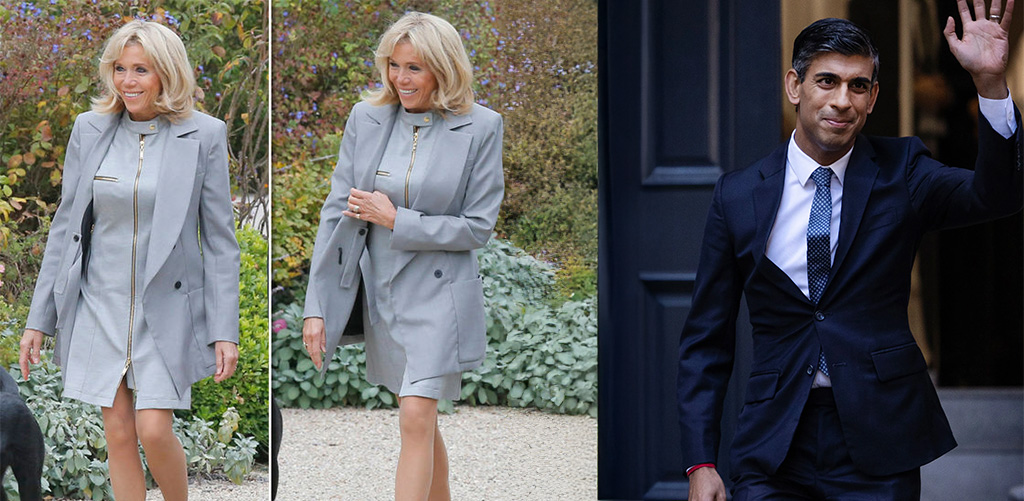
With climate change being a global concern, political figures are now advocating sustainable fashion. French First Lady Brigitte Macron often wears Louis Vuitton pieces that align with luxury yet sustainable craftsmanship. Rishi Sunak, the UK Prime Minister, opts for tailored suits from ethical brands.

For those entering the fashion industry, sustainability is no longer optional—it’s the future. Institutions like JD Institute equip students with knowledge on ethical fashion and how to build businesses aligned with modern consumer values.

Beyond the Fabric: The Politics of Fashion

In politics, fashion is a language, a tool, and sometimes even a weapon. Understanding how global leaders use it to communicate power can give fashion entrepreneurs a strategic edge. The key is to recognize that fashion influences perception—whether for a politician shaping public opinion or a designer creating a brand identity. For those who want to master this art, JD Institute’s Fashion Business Management program offers deep insights into the intersection of politics, culture, and fashion. If you want to build a brand that speaks volumes without saying a word, this is where your journey begins.

When Events Go South: Crisis Management Lessons Every Planner Needs

Tuesday, March 18th, 2025

What do the FIFA World Cup, the Olympics, and Coachella have in common? They bring together thousands—sometimes millions—of people from around the world, uniting them through sports, culture, and music. But with such massive gatherings comes an equally massive responsibility: ensuring safety. From stampedes to terror threats and health crises, disaster management is the unsung hero of every successful Global Event Management. Let’s dive into real case studies to understand how these high-risk scenarios were handled and what future event managers can learn from them.

Crowd Control: The Hillsborough Tragedy & The Hajj Stampede

In 1989, the Hillsborough disaster in England shook the football world when overcrowding at an FA Cup semi-final led to the deaths of 97 fans. Poor crowd management, lack of emergency exits, and failure to monitor attendee movement turned excitement into tragedy. Similarly, the 2015 Hajj stampede saw over 2,000 fatalities due to overcrowding and miscommunication among authorities.

What aspiring event managers must learn:

  • Use modern crowd simulation tools to predict movement patterns.
  • Implement multiple entry and exit points to prevent bottlenecks.
  • Train security personnel for immediate crisis intervention.

The Global Event Management program at JD Institute prepares students to get hands-on training in crisis control, ensuring they are prepared for such high-stakes situations.

Security Threats: The 1996 Olympics Bombing & The Ariana Grande Concert Attack

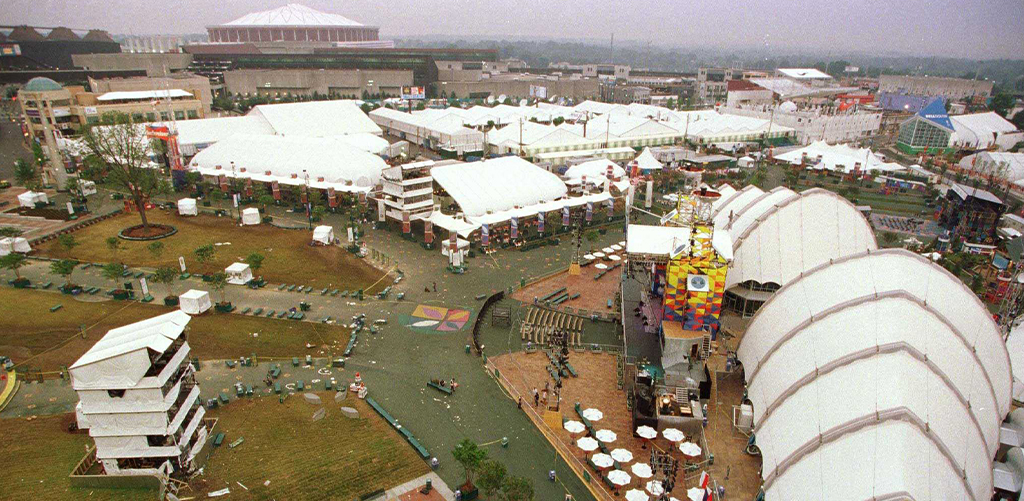
The 1996 Atlanta Olympics saw a horrifying moment when a homemade bomb exploded, killing two and injuring over 100 attendees. A similar security lapse occurred at Ariana Grande’s 2017 Manchester concert when a suicide bombing claimed 22 lives. These incidents underscored the urgent need for high-alert security measures at public gatherings.

Lessons for event managers:

  • Conduct thorough venue risk assessments before the event.
  • Utilize AI-driven surveillance to detect unusual activity in real time.
  • Ensure quick-response teams are strategically positioned for emergency actions.

At JD Institute, students are trained with the knowledge of foolproof security frameworks, helping them master the art of risk reduction in high-profile events.

Health Crises: COVID-19 at the Tokyo Olympics & The 2009 Glastonbury Flu Outbreak

Global events became a battlefield for health safety during the pandemic. The 2021 Tokyo Olympics had to enforce strict bio-bubbles, daily testing, and crowd restrictions to prevent mass infections. Similarly, the 2009 Glastonbury Festival saw a major H1N1 flu outbreak, causing panic among attendees.

What future event managers must prioritize:

  • Implement real-time health monitoring through digital tracking tools.
  • Ensure sufficient medical response units on site.
  • Develop an adaptable contingency plan for sudden health emergencies, including protocols for quarantine zones, rapid medical response teams, and seamless communication with local health authorities.

A skilled event manager isn’t just responsible for creating unforgettable experiences but also for safeguarding lives.

Weather Disasters: Tomorrowland’s Storm Evacuation & The 2010 Commonwealth Games Flooding

Weather is an unpredictable guest at every outdoor event. Tomorrowland, one of the world’s largest music festivals, faced a severe storm in 2019, leading to a swift evacuation of over 60,000 attendees. Meanwhile, the 2010 Commonwealth Games in Delhi struggled with last-minute venue damage due to unexpected floods.

Key takeaways for event managers:

  • Have a well-documented evacuation plan and trained staff to execute it.
  • Use advanced weather tracking systems to anticipate risks.
  • Secure insurance coverage to mitigate financial losses due to natural disasters.

Always remember, the best event managers are not just planners; they are crisis strategists, risk analysts, and problem solvers who anticipate disasters before they strike.

Fire & Structural Hazards: The 2016 Oakland Ghost Ship Tragedy & Brazil’s Kiss Nightclub Fire

A party turned deadly in 2016 when a warehouse-turned-venue in Oakland caught fire, killing 36 attendees. Similarly, the 2013 Kiss Nightclub fire in Brazil saw over 240 deaths due to toxic smoke and blocked emergency exits.

What aspiring event managers should focus on:

  • Enforce strict fire safety compliance and conduct regular venue inspections.
  • Install smoke detectors and multiple emergency exits in all event spaces.
  • Train staff and volunteers in fire safety protocols.

JD Institute’s program equips students with expertise in event logistics, safety compliance, and risk assessment—crucial skills to prevent such disasters.

Final Call: Learning from the Best

Every global event is a blend of celebration and calculated risk. While fans see the glitz, event managers see the game plan behind every safety measure. Disaster management is not just about responding to emergencies but preventing them in the first place. If you’re passionate about orchestrating world-class events with precision and safety, learning from industry leaders is the way forward.

JD Institute’s Global Event Management program doesn’t just teach event planning—it prepares you for real-world challenges, ensuring you become the expert who can handle the unexpected. Are you ready to be the mastermind behind the world’s biggest events?

Copyright © 2025 JD Institute of Fashion. All Right Reserved

Designed by Red Lemon

Whatsapp icon
Apply Now
Enquire
Quick Enquiry