
Apply Now

Author Archive

Building a Fashion Startup Starts in College — Here’s How

Friday, June 6th, 2025

Ever thought your class project could land you an investor instead of just a grade?
College fashion projects are no longer just academic exercises. They are now potential products for real customers. Fashion institutes are becoming incubators for startups, where coursework can evolve into a minimum viable product (MVP) and ultimately find its way to stores and online platforms. This new approach transforms fashion education into a tangible entrepreneurial experience.

And the best part? You don’t need a million-dollar idea to start. You just need the right mindset, the right environment — and maybe a solid course like Fashion Business Management at JD Institute to give your pitch a proper runway.

Design Thinking = Business Thinking

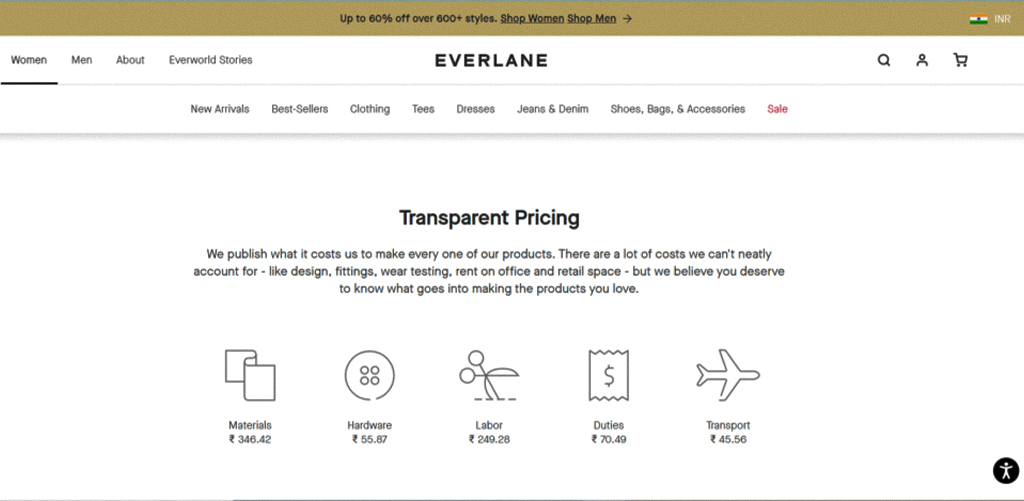
Famous Example: Everlane — started with a simple idea: radical transparency in fashion.
What began as a storytelling approach to pricing evolved into a multi-million dollar brand.
Fashion students spend hours sketching, mood-boarding, and creating — but what if you saw that as market research and product development instead of just classwork? This shift in thinking is gold for aspiring founders. Every drape, cut, or silhouette you build is an opportunity to solve a fashion problem — sustainably, ethically, or innovatively.

In the Fashion Business Management course at JD Institute, this kind of approach is encouraged. Students learn not just how to design, but how to think — with a business lens. That means understanding customer pain points, industry gaps, and how to prototype your idea on a lean budget.

Think of Your Presentation As a Sales Pitch

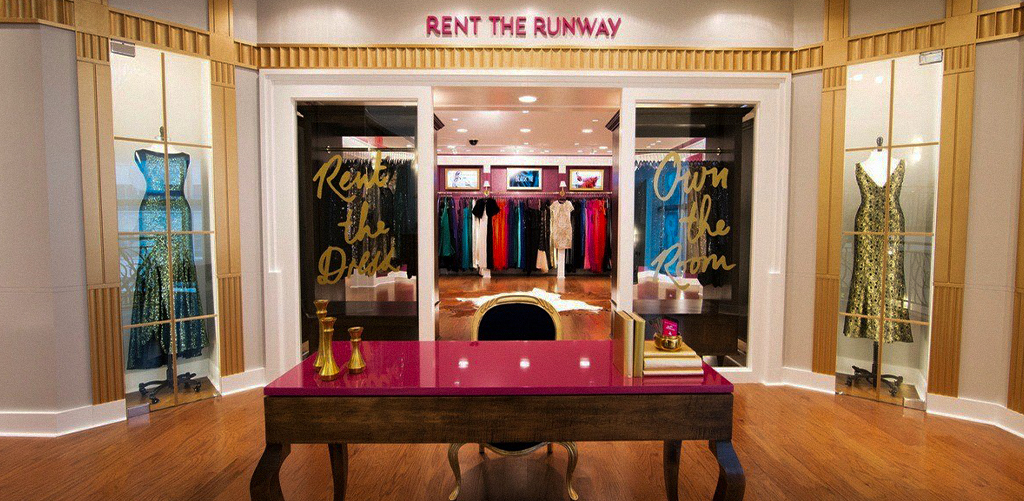
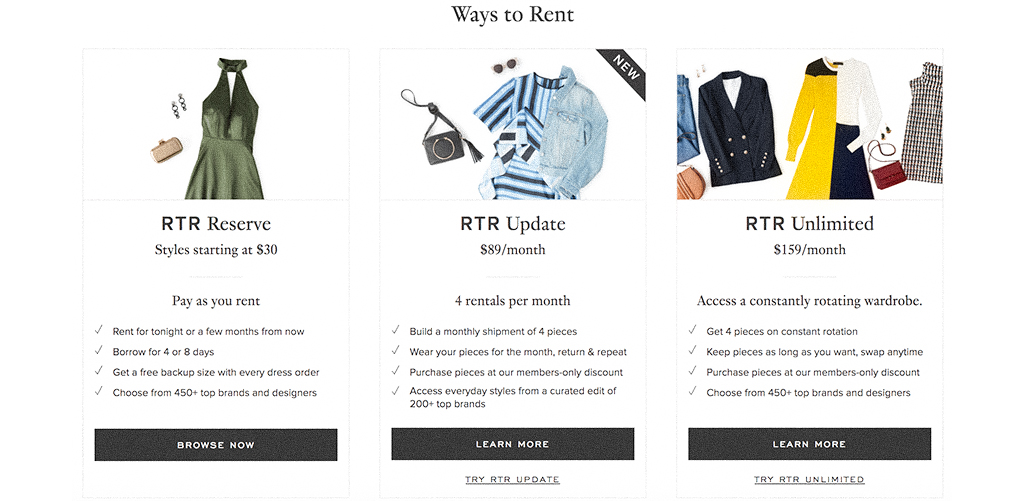
Famous Example: Rent the Runway — started as a Harvard class project, now a global rental empire.

Presentations in college aren’t just about marks anymore. They’re dry runs for investor pitches. When you explain your design rationale, your customer profile, and your market positioning — you’re actually doing the work of a real founder.
Use this space to practice storytelling. Talk data. Show numbers. Add research. And most importantly, treat feedback as invaluable, not criticism. Feedback is exactly what makes an MVP grow.

Team Assignments = Future Co-Founders in Disguise

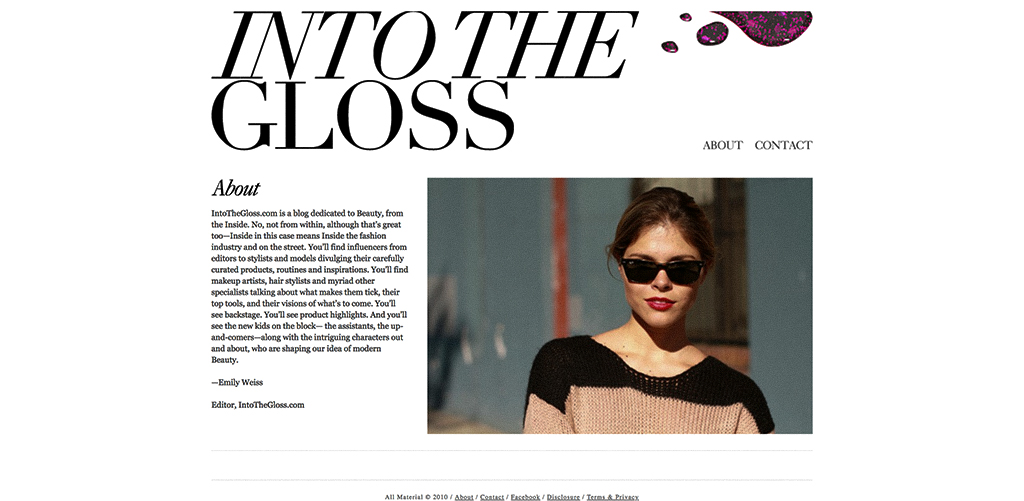
Famous Example: Glossier — Emily Weiss built a cult following by listening to her blog readers first.

Let’s be real: group projects can be exhausting. But they also teach you how to work with different minds — and that’s the whole game in business. The same classmate who handled your marketing presentation could later co-run your e-commerce startup.
In fashion colleges, these collaborations are perfect test labs for roles: who’s the operations brain, who’s the finance person, who’s got the vision? When done right, this can lead to post-college ventures with your batchmates — ones that don’t die after the semester ends.

Runway Shows, Exhibits, and College Events Are Mini-Marketplaces

Famous Example: DailyObjects — started selling small accessories and evolved into a design-led lifestyle brand.

Your annual fest or fashion show isn’t just an event; it’s a live product test. From ticketing to showcasing, styling to logistics — every part can teach you about how businesses work in the real world. Students who take initiative in managing or innovating these events get a taste of actual entrepreneurship.
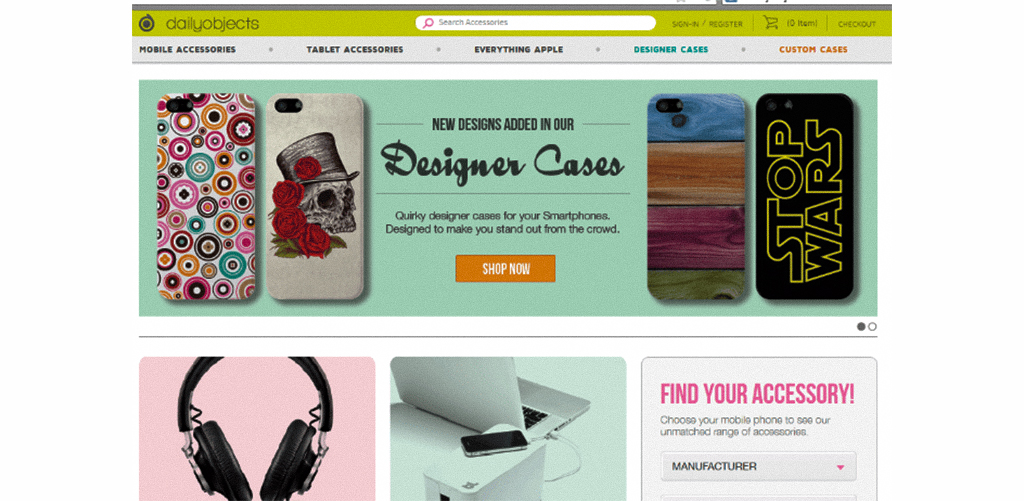
Many fashion colleges now allow students to test out product prototypes or capsule collections during exhibitions — and JD Institute is known for encouraging students to explore these creative business models through real-life fashion weeks, pop-ups, and student-led ventures.

Final Thread to Stitch It All Together

So here’s your next assignment — but this time, make it for you. Look at your current college work and ask yourself: If I had to pitch this to an investor, what would I say?

Because the truth is, the industry isn’t just looking for great designers anymore — it’s searching for designer-founders, ones who understand the market and have the guts to build something from scratch. And that’s why it’s smart — seriously smart — to learn from a place like JD Institute that not only sharpens your skills but also gives your ideas the wings (and wardrobe) they need to fly.
Behind Every Outfit Is a Feeling — What Aspiring Stylists Should Never Ignore

Thursday, June 5th, 2025

Have you ever stood in front of a mirror, trying on five outfits and still feeling unsure? You’re not alone. Clothing isn’t just something we wear — it’s how we show the world who we are. That’s why the wrong outfit or too much pressure to look good can lead to something real and serious: fashion-induced stress. For personal stylists, this isn’t just a side concern. It’s something you need to understand, handle, and work around every day. And if you’re dreaming of becoming a stylist, learning how fashion impacts mental health is just as important as knowing what colors go together.

That’s exactly why education places like the JD Institute of Fashion Technology teach styling with a focus on real-life challenges — not just runway looks.

What Is Fashion-Induced Stress?

Fashion-induced stress happens when someone feels anxious, nervous, or pressured because of how they look or what they wear. This can come from fear of judgment, trying to keep up with trends, body image issues, or just not feeling “good enough” in a certain outfit.

Stylists often meet clients during important life events — weddings, public appearances, interviews. These moments come with high emotions, and how someone looks becomes a big deal. As a stylist, you need to recognize when a client is feeling stressed and know how to help, not add more pressure.

Stylists Are Not Just Outfit Experts — They’re Listeners Too

Today, clients are looking for more than just a well-matched look. They want to feel understood, confident, and comfortable. That’s where you, the stylist, come in.

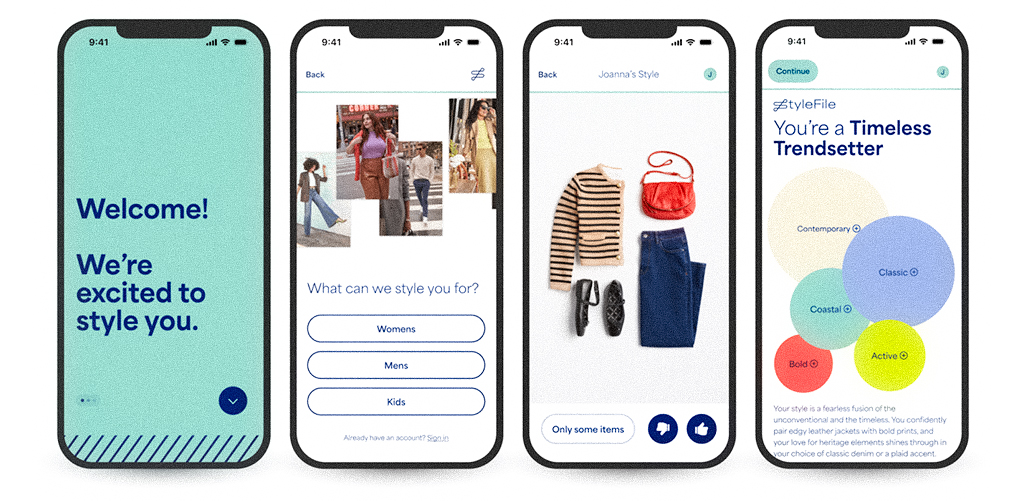
Companies like Stitch Fix have grown fast because they use both tech and personal touch to create stress-free fashion experiences. They ask real questions, listen to people’s needs, and suggest looks that suit their lifestyle and emotions — not just what’s trendy.

If you want to work in styling, it’s important to learn these soft skills — like empathy, active listening, and reading body language. This is something taught deeply in the JD Institute’s Fashion Styling course, where students learn not just how to dress people, but how to connect with them.

Looks Are Linked to Identity — And That’s Personal

What someone wears says a lot about who they are. So if you tell a client to wear something that doesn’t match how they see themselves, it could make them feel uncomfortable or even anxious. On the other hand, the right outfit can make someone feel proud and strong.

This is why brands like Rent the Runway are so successful — they give people options to try new styles without pressure, making fashion feel fun instead of scary. They also include the subscription model for the same. Stylists need to adopt the same idea: offer choices, make the process exciting, and help people express their true selves.

If you’re serious about becoming a stylist, remember: it’s not just about creating a look — it’s about creating trust. And trust is built when you respect how personal fashion really is.

Social Media Adds Pressure — Stylists Can Reduce It

With social media, people are constantly comparing their looks with others. This has made fashion more visible — but also more stressful. Your clients might feel like they have to wear something new every time they post a picture or worry about not being “on trend.”

As a personal stylist, you can ease that pressure. Help clients find timeless pieces that reflect who they are, not just what’s popular. Encourage them to love what they wear — not wear what others love.

Modern stylists need to be more mindful than ever. At JD Institute, students in Fashion Styling are taught to think about these social and emotional pressures while building their skills in personal styling. It’s not just about fashion anymore — it’s about helping people feel good in their own skin.

The Future Stylist Is a Confidence Booster

A great personal stylist doesn’t just pick clothes — they lift spirits. Whether you’re helping someone dress for a job interview, a wedding, or just daily life, your role is bigger than you might think. You are helping someone show up with confidence.

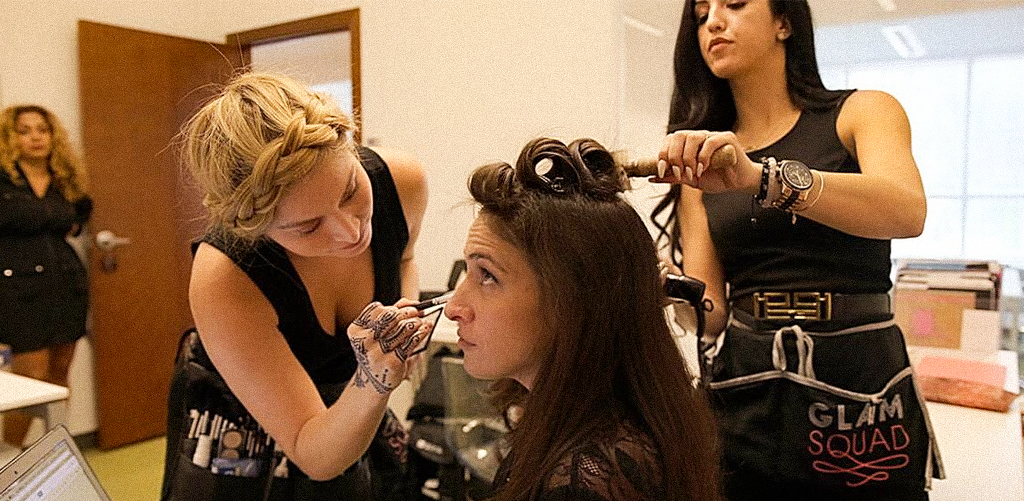
Think about companies like Glamsquad, who send stylists to people’s homes not just to glam them up — but to make them feel their best before big moments. That’s the energy every new stylist should bring. If you want to make it in this field, you need to go beyond trends. You need to be kind, patient, and aware of the emotional impact of fashion. That’s the kind of Fashion Stylist the world needs — and the kind JD Institute trains.

So, What If Your Festival Venue Catches Fire? Let’s Talk Event Planning in Danger Zones

Thursday, June 5th, 2025

Unexpected natural events, like volcanic eruptions, are becoming increasingly common challenges for event planners, particularly in areas like Iceland and Hawaii. Modern event managers now require training beyond logistics, focusing on forecasting, adapting, and planning around environmental disruptions. The Global Event Management course by JD Institute addresses these issues, covering climate change, ecological disruption, and risk forecasting, which are essential for future event managers. This focus on managing events in ecologically sensitive areas represents a vital new direction in the field.

Let’s take a closer look at why managing events in ecologically sensitive areas is the new frontier — and how smart students and professionals can prepare for it.

Iceland’s Eruptions: More Than Just Fire and Ice

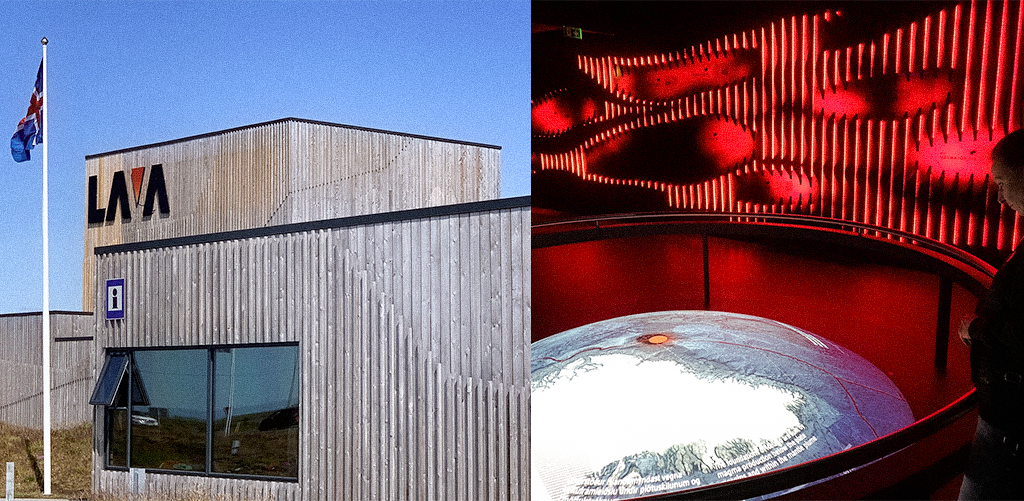
Startup Spotlight: Lava Centre, Iceland
This innovative museum-slash-educational space isn’t just a tourist attraction — it’s a model for how to work with volatile environments rather than against them. Their live geological data feeds have helped organizers time cultural events and exhibits around seismic activity.

Iceland’s frequent volcanic activity affects everything — from air traffic to outdoor concerts. The real issue? Planning. Events that don’t factor in geological forecasts are often cancelled last minute, wasting time, money, and resources. That’s why risk forecasting is a skill every modern event manager must master.

The Hawaii’s Wildfires

Startup Spotlight: FireHydrant, USA
Originating from digital disaster response, FireHydrant’s swift alert systems are now employed by event organizers in regions susceptible to wildfires for schedule adjustments and safe crowd evacuations.

The catastrophic 2023 Maui wildfires heavily impacted tourism and cultural events, significantly affecting the economy. Consequently, event planners must possess robust event insurance and versatile backup strategies. Ecological uncertainty is no longer theoretical, but a genuine financial risk. Wise planning and immediate reactions are vital for both safety and successful events. Notably, the JD Institute’s Global event management program equips students with the ability to create and execute these safeguards with composed innovation.

Antarctica Cruises: The Ice Is Melting, So Are Schedules

Startup Spotlight: Hurtigruten Expeditions
Specializing in eco-cruises to fragile zones like Antarctica, this company uses AI-powered mapping tools to chart safe, adaptable routes in real-time. Their experiences have shaped how planners deal with glacial shifts and unstable terrains. 

Antarctica might not be a wedding hotspot, but expedition-style tourism events are booming. However, melting ice caps and floating icebergs mean routes and landing zones change frequently. Understanding ecological mapping — the ability to read and react to real-time environmental data — is becoming critical. Students learning event management today need this skill in their toolkit if they want to work in destinations beyond four walls.

Rajasthan’s Dust Storms: Culture Meets Chaos

Startup Spotlight: The Desert Festival, Jaisalmer
This iconic festival showcases how culture-rich events can still be pulled off in extreme climates — with the help of real-time weather tracking and smart structure setups.

Dust storms can roll in uninvited, destroying setups in minutes. But the planners behind the Desert Festival know how to dance with the desert — literally and logistically. From adaptive stage designs to early warning systems, managing localized climate extremes is now part of every event brief.
These aren’t exceptions anymore — they’re becoming the norm. Aspiring planners, especially those targeting luxury, destination, or cultural events, need to evolve their toolkits to survive (and thrive) in these conditions.

Philippines’ Typhoon Seasons: Events on the Edge

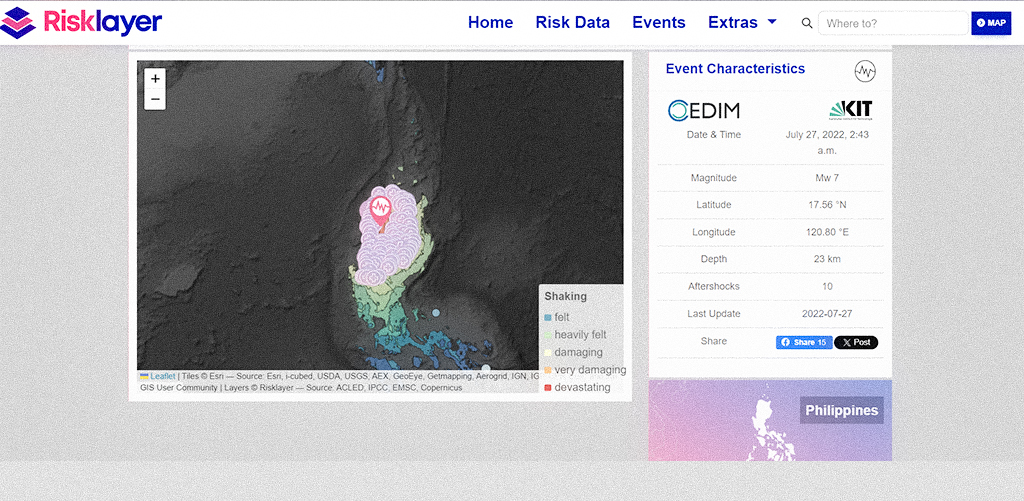
Startup Spotlight: RiskLayer, Philippines
This startup supports disaster-prep by offering localized typhoon tracking, which event planners now use to shift venue dates or even take their events virtual in hours.

The Philippines faces multiple typhoons annually, making consistent outdoor planning a logistical maze. But what do the best planners do? They plan for the chaos. That’s where future-focused education makes a difference. The Global Event Management course by JD Institute emphasizes strategic scenario planning and geo-sensitive scheduling — essential if your dreams involve planning international festivals, beachside weddings, or global art summits.

So Why Should Future Event Planners Even Care?

Because it’s not about “if” but “when.” The events industry is no longer immune to climate chaos. From wedding planners to corporate summit organizers, everyone must learn to forecast, adapt, and respond with precision. You can’t just rely on Plan A anymore. You need A through Z — backed by data, science, and creativity. That’s where institutions like JD Institute give future planners an edge — by offering a curriculum that goes beyond glitz and into the grit of managing events in volatile ecological zones. You’re not just planning parties — you’re shaping experiences that withstand the elements, literally.

How Interactive Web Design Is Creating New Storytelling Jobs for Communication Designers

Wednesday, June 4th, 2025

Have you ever read a story… by scrolling?
You’re just casually moving down a website, and suddenly — the background changes, music starts playing, a character walks into your screen, and boom — you’re part of a story. That’s not just design. That’s interactive storytelling.

How Interactive Web Design Is Creating New Storytelling Jobs is more than a trend — it’s a whole new career path for creative minds.

With the Communication Design course at JD Institute, students are learning how websites are no longer just places for information- they’re turning into digital stages for stories, characters, emotions, and experiences. Let’s explore how this shift is opening up brand-new roles, and what students need to learn to keep up.

Scrolly Telling: A Story You Scroll Through

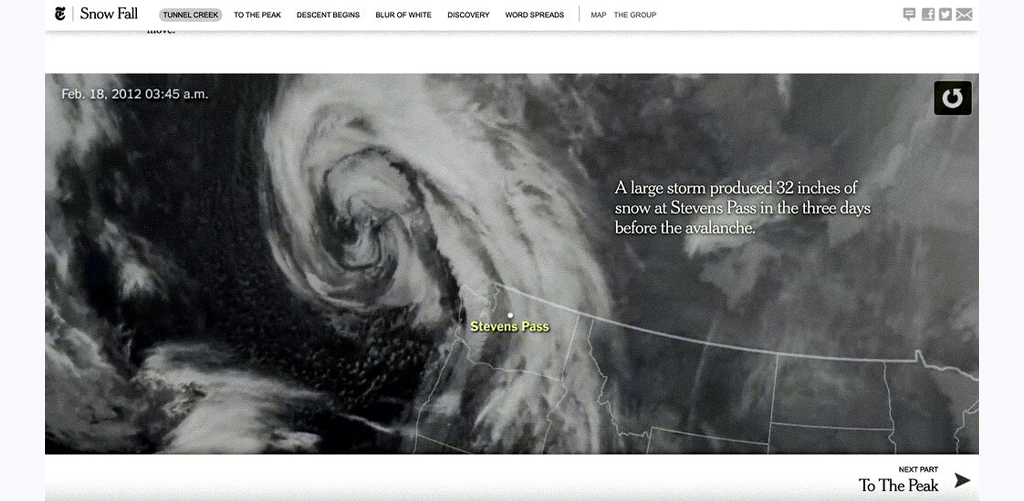
Example: NYT’s “Snow Fall”
This form of storytelling uses motion, animation, and sound — all triggered as you scroll. It’s like directing a short film, but the viewer controls the pace. Companies like New York Times now hire interactive storytellers, web animators, and UX content designers.

What to learn? Tools like Scrollama, Adobe XD, and a basic understanding of HTML/CSS can help students bring these effects to life.

Web Comics & Graphic Novels

Featured Example: Webtoon & Lore Olympus
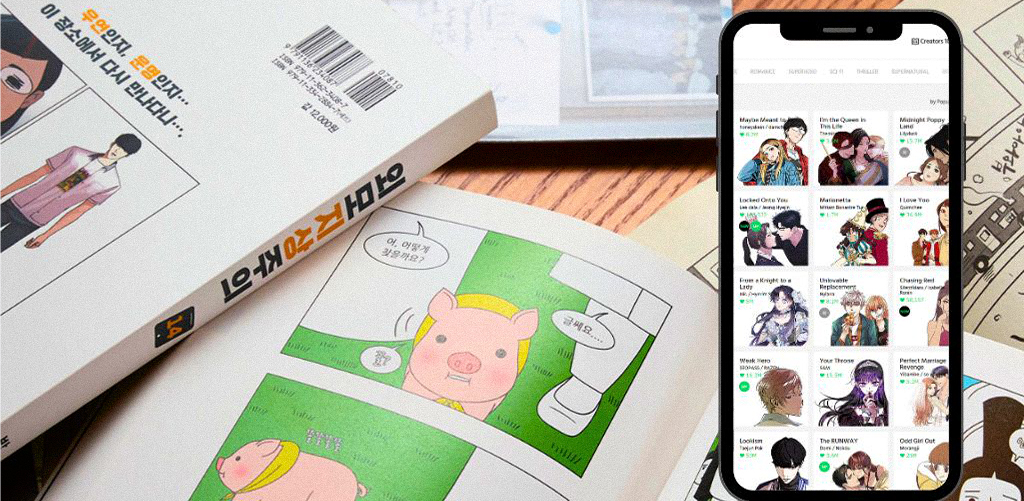
Comics aren’t just printed anymore — they live, move, and sometimes glow online. Platforms like Webtoon have made interactive digital comics huge, giving rise to fresh job titles: Digital Comic Artist, Interactive Narrative Editor, and even Motion Comic Developer.

“Lore Olympus,” a modern-day Greek mythology comic on Webtoon, has over a billion reads — all happening via vertical scrolls and vibrant visuals. The creators behind this are not just artists but layout designers, colorists, animators, and UX thinkers all rolled into one.

If you want to study communication design, especially at institutions like JD Institute, this is your cue to explore narrative layout, color psychology, and how to build motion into still frames.

Experiential Portfolios That Feel Like Video Games

Featured Example: Bruno Simon’s 3D Portfolio
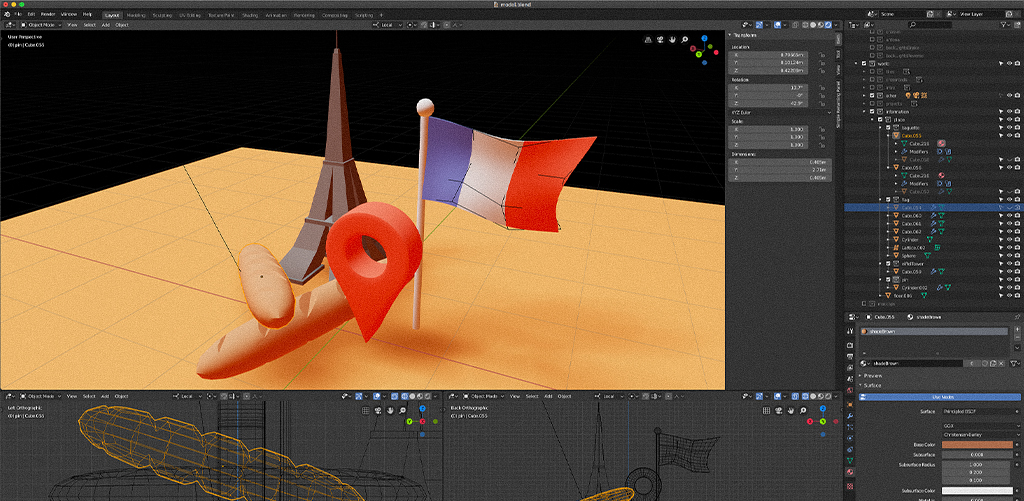
Forget plain white backgrounds and PDF links. Designer Bruno Simon built a portfolio that feels like a racing game. As visitors drive a mini 3D car, they uncover his skills, case studies, and contact info.

This style isn’t just cool — it shows creativity, coding ability, and storytelling in one shot. Experiential portfolios are living proof that you know how to capture attention.

Jobs created:

  • WebGL developer
  • Interactive brand designer
  • 3D UI/UX designer
  • Creative technologist

Students should learn:
Story-based web design, Three.js, Blender basics, and how to script creative user journeys. Portfolios like these stand out in any industry — from fashion to gaming.

Data Stories in Interactive Journalism

Example: The Pudding – “How Music Taste Evolves with Age”
Interactive storytelling isn’t only for entertainment. Websites like The Pudding use motion graphics and data visualization to make research-based stories come alive. In their piece on how music taste changes with age, graphs shift and transform based on the user’s clicks.

It’s data, yes — but it feels like art.

Jobs created:

  • Data storyteller
  • Visual journalist
  • Interaction designer
  • Infographic developer

Students should learn:
Data tools like Flourish or Tableau, how to simplify numbers visually, and how to add movement for emotional impact. Communication designers trained in this are in demand for NGOs, media houses, and education platforms.

Branded Interactive Campaigns

Example: Nike – “You Can’t Stop Us” Campaign Page
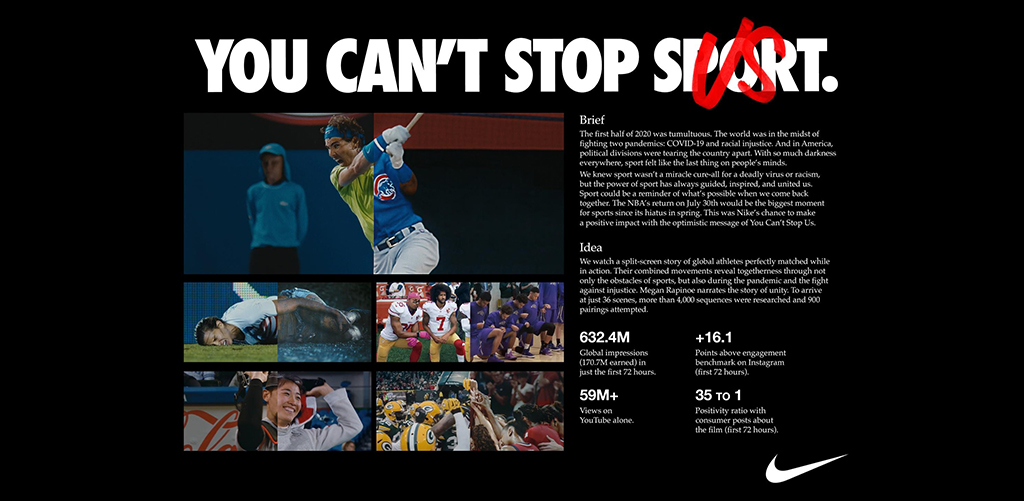
Nike doesn’t just sell shoes — it sells stories. On its campaign page, you scroll through videos, layered graphics, athlete sound bites, and dynamic transitions that leave you feeling something. Brands now want designers who can emotionally connect with users.

Jobs created:

  • Interactive campaign designer
  • UX motion expert
  • Digital art director
  • Web brand strategist

Students should learn:
Storyboarding for web, layering techniques, brand storytelling, and how to use interaction for impact. The Communication Design course at JD Institute teaches how to link brand emotion with design thinking.

Want to Be a Storyteller with a Mouse Instead of a Mic?

Start by learning how to mix design, emotion, and tech. Whether you’re styling clothes, building interiors, or dreaming up a brand — storytelling through interactivity will set you apart.

Your future isn’t just in fashion or graphics — it could be in story-based portfolios, scrollable comics, or immersive brand pages. And the smart place to start? With mentors and training that get it – like at JD Institute.

Now go ahead — scroll your story into the future.

2025’s Coolest Interior Design Platforms You Can’t Miss

Tuesday, June 3rd, 2025

Ever get lost on Pinterest, saving stunning room designs but wondering about their creators and how to learn more? You’re not alone. Great design sparks inspiration and curiosity. For aspiring interior designers navigating trends, techniques, and tools in 2025, the internet can be a valuable guide.

It’s time to explore the international design world. From blogs unraveling minimalist secrets to platforms displaying incredible architecture, this blog talks about some of the Top Interior Design Websites & Platforms Every Student Should Bookmark in 2025.

And if you’re aiming for an Interior Design career, consider that institutions like JD Institute of Fashion Technology already integrate these digital resources into their curriculum, blending trends, creativity, and technology for a comprehensive education.

Let’s explore the essential online destinations!

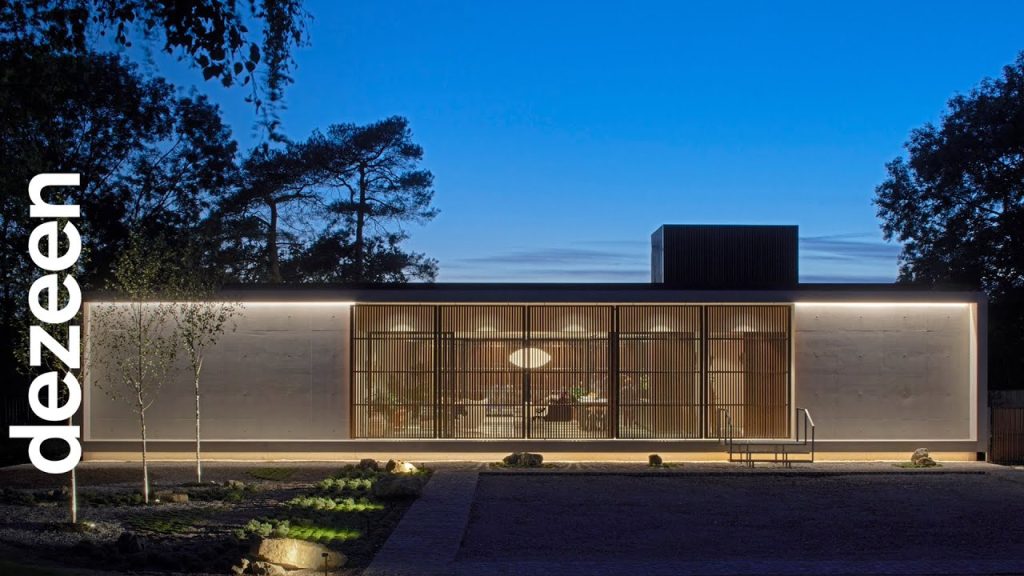
Dezeen – The OG of Design Cool

Startup Spotlight: IKEA’s collab with space scientists
Embrace the space pod aesthetic for your small urban dwelling! Dezeen highlighted IKEA’s innovative and functional design solutions for compact living.

More than just a website, Dezeen offers a comprehensive exploration of architecture, interiors, and cutting-edge concepts. Its streamlined design and high-quality content feature design awards, project spotlights, and insightful interviews with leading figures in the interior design world. For those seeking a blend of style and meaningful content, Dezeen is an essential online resource.

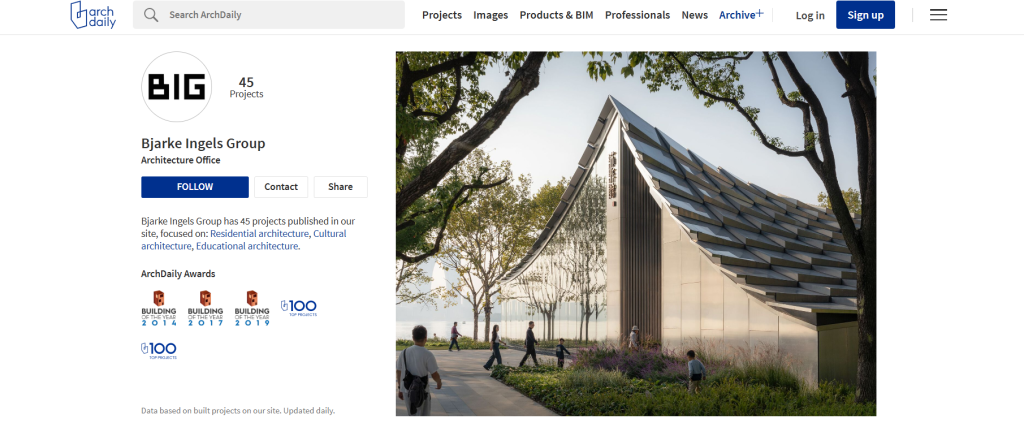
ArchDaily – Where Form Meets Function

Startup Spotlight: BIG (Bjarke Ingels Group)
This global architectural firm has been spotlighted multiple times on ArchDaily—and for good reason. Their designs don’t just look good; they work.

ArchDaily brings the kind of deep, detailed content that helps students understand not just what works, but why it works. Perfect for those enrolled in courses like the Interior Design program at JD Institute, which encourages analytical thinking along with aesthetic flair. Design is not just about looks—it’s about life. ArchDaily breaks that down beautifully.

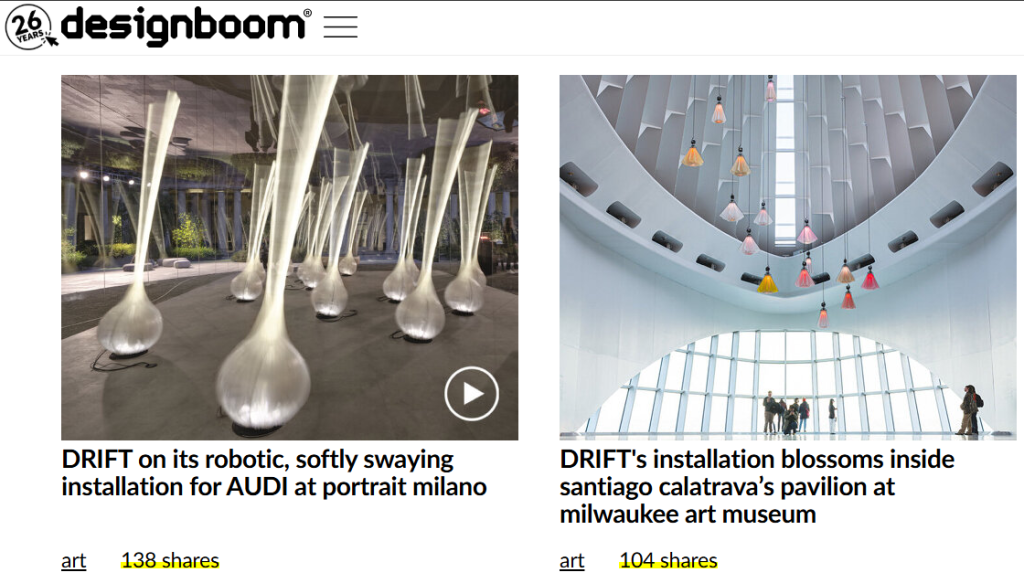
DesignBoom – Where Art Meets Interiors

Startup Spotlight: Studio Drift
This Amsterdam studio designs floating sculptures and kinetic light art, frequently highlighted on DesignBoom, that blend art, technology, and interior design.

DesignBoom is a comprehensive resource for design, covering tech installations and conceptual furniture. It demonstrates the convergence of storytelling, science, and style in design, making it ideal for those interested in experimental interiors or working with lighting, textures, and spatial psychology.

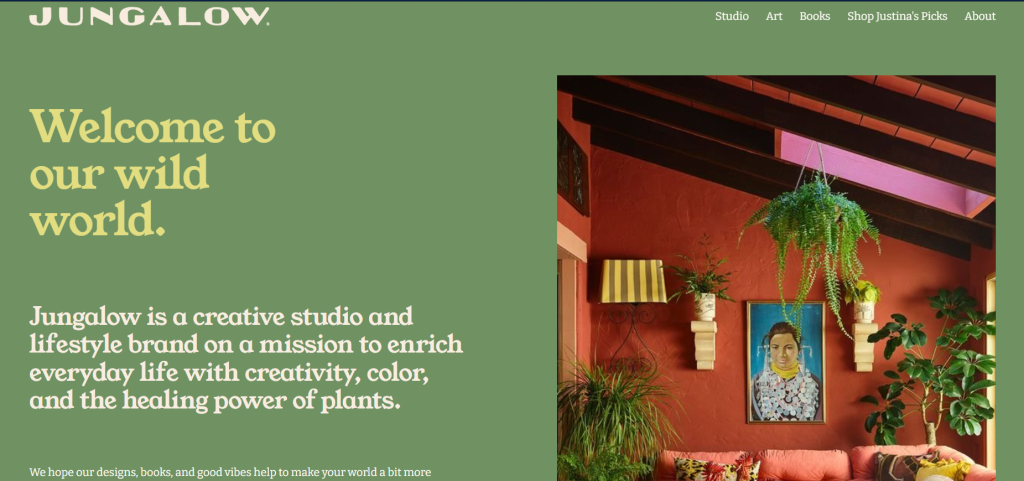
Interior Blogs – The Secret Sauce of Every Trendsetter

Startup Spotlight: The Jungalow
Justina Blakeney’s The Jungalow is more than a blog—it’s a design movement. With its focus on bold prints, plants, and personality, this blog made maximalism cool again.

Interior blogs often come straight from the minds of individual designers, meaning they’re raw, real, and ridiculously relevant. These blogs give you insider looks into projects, mood boards, client struggles, and even sourcing hacks. For students, they’re like having a design mentor on demand.

Follow a few. Read regularly. You’ll learn more than you think.

Pinterest (Yes, Really) – A Living, Breathing Moodboard

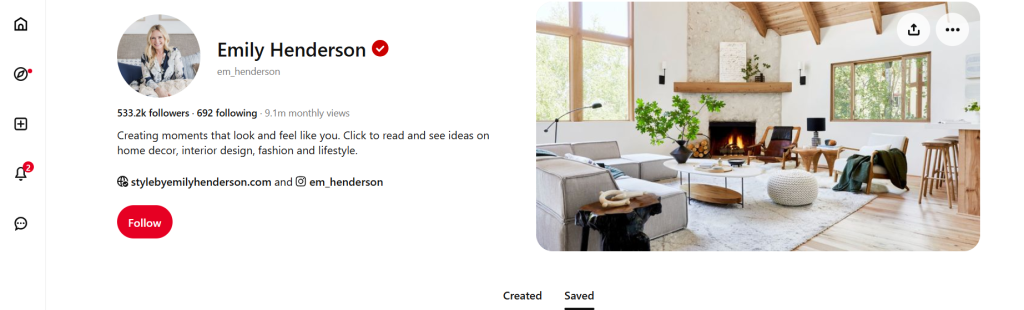
Startup Spotlight: Emily Henderson’s curated boards
Emily’s pins are a masterclass in color palettes and space styling. Her boards have helped millions visualize and learn good design.

Okay, it’s not technically a website just for interiors, but if you’re not using Pinterest right, you’re missing out. It’s more than aesthetic—it’s strategic. Use it to build idea boards for color schemes, spatial layouts, materials, and even to follow niche interior blogs that don’t have their own domains.

And when you’re studying interior design through a future-ready institute like JD Institute, you’ll find your Pinterest boards becoming part of your research collection.

Why Students Need These Platforms in 2025 (and Beyond)

Let’s be honest—textbooks are good for basics, but the world of interior design is fast, fluid, and ever-evolving. These platforms:

  • Show what’s trending globally
  • Teach how to design through real projects
  • Help build a network of designers, studios, and inspiration
  • Offer digital learning for designers anytime, anywhere

With AI tools, virtual walkthroughs, and interactive design apps now part of the game, future designers have to be digitally fluent. That’s why courses like the one at JD Institute are built around industry-ready digital tools and research.

The Final Scroll: Achieving Breakthroughs from Bookmarks

Here’s the thing: anyone can save a link. But not everyone knows what to do with it.
If you really want to level up, don’t just bookmark these platforms—engage with them. Sketch from them. Research through them. Get inspired and then get going. And if you want to turn your passion into a profession, JD Institute of Fashion Technology might just be your launchpad. The world doesn’t need more decorators—it needs designers who think big, scroll smart, and dream real. So go ahead—bookmark now, design forever.

The Monsoon Hack Every Smart Retail Brand Swears By

Tuesday, June 3rd, 2025

Indian smart retailers are using weather-based visual merchandising, especially during the monsoon, to connect with customers and boost sales. By adapting displays to match rainy weather, they showcase relevant products like rain gear and indoor activities, and adjust the ambiance with colors and lighting to create an immersive experience. This approach aligns with the Visual Merchandising curriculum at JD Institute, which teaches students to analyze seasonal trends, understand consumer psychology, and create displays that drive sales. This knowledge equips professionals to create impactful retail environments that resonate with customers during India’s diverse seasons.

Monsoon Isn’t One Size Fits All: Go Local with Displays

Brand Example: FabIndia & Taneira

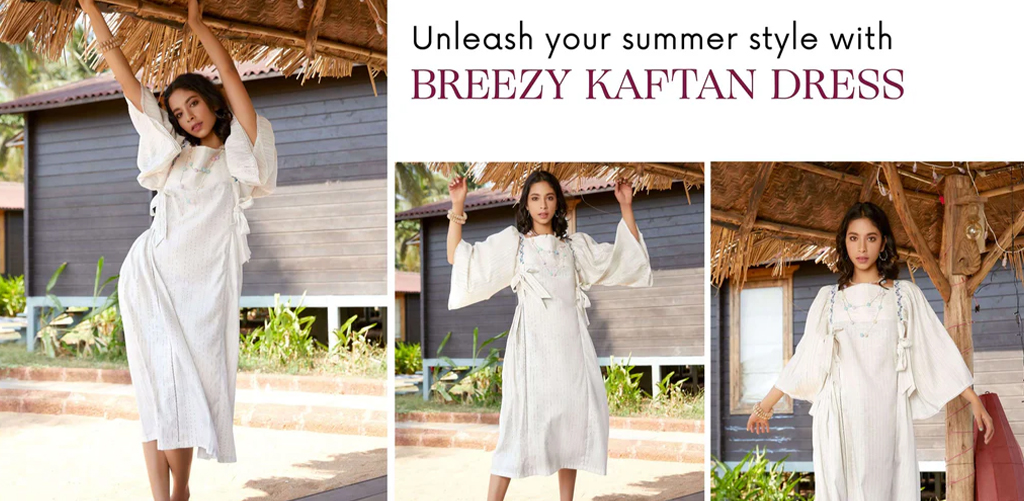
FabIndia doesn’t set up the same monsoon display across all its stores. A store in Goa highlights breezy kaftans and umbrellas, while a Delhi outlet puts earthy home linens front and center. Taneira does the same with its region-specific saree styles, depending on how wet or humid the city gets.

This is what we call localised display strategy. Every city has its own monsoon personality, and great visual merchandising understands that.

Tip for students: If you want to stand out, learn to study local cultures, habits, and even the weather forecast. That’s what makes a display truly connect.

Let the Mood Lead, Not the Merchandise

Brand Example: Chumbak

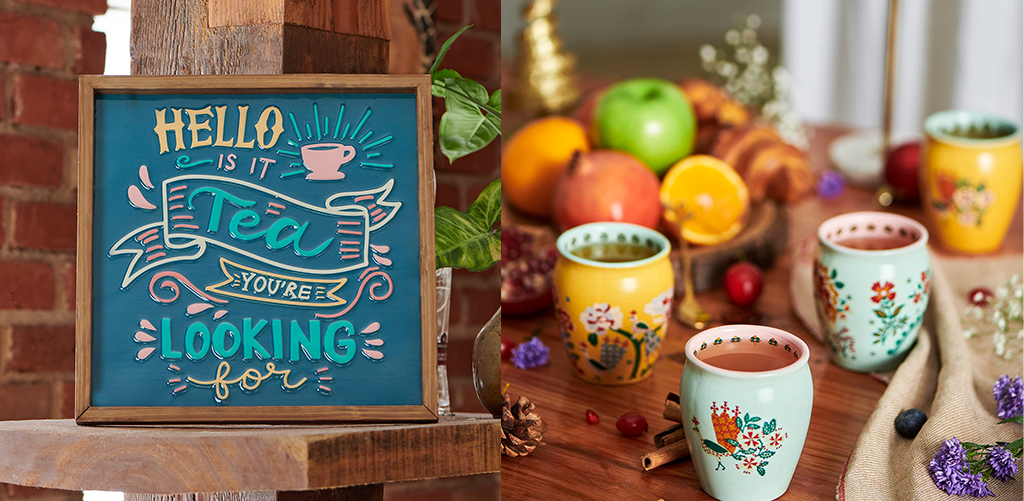
Chumbak gets it. Their monsoon windows feature funny rain quotes, splashy visuals, and chai-themed mugs. You walk in smiling, not even realizing you’ve been sold a mood before a product.

This is an emotional weather-based VM — something students of visual merchandising must get comfortable with. You’re not just arranging items; you’re creating a feeling. And during rainy days, feelings sell faster than umbrellas.

Be Ready to Flip the Floor Fast

Brand Example: The Souled Store

When monsoon hits, The Souled Store wastes no time. Within days, stores feature new T-shirts with rain puns, waterproof bags, and quick pop-ups. They even switch product placement based on the week’s weather forecast.

That’s seasonal strategy done right — fast, relevant, and flexible.

For students, the lesson is clear: Visual merchandising today is not a static skill. It’s fast-moving, and you have to keep up. That’s why the Visual Merchandising course at JD Institute includes trend analysis, forecasting tools, and hands-on display building — so you can learn how to act, not just react.

Make the Window Talk Without Saying “SALE”

Brand Example: Forest Essentials

Instead of loud tags and flashy signs, Forest Essentials uses calm, soothing monsoon visuals — think fresh herbs, dewy leaves, and water-toned lighting. It invites customers in with a feeling, not a discount.

This kind of storytelling through display is what separates basic window dressing from professional VM.

Students must train their eyes for detail and atmosphere. A good visual merchandiser uses every corner — light, shadow, props, fonts — to tell a story that fits the season.

Think Monsoon, Think Green

Brand Example: Nicobar

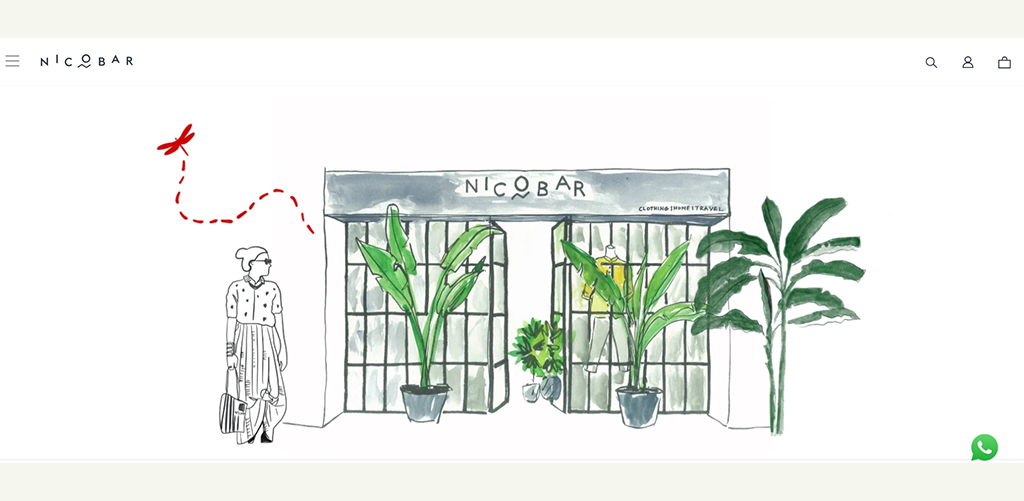
Nicobar uses the rainy season to spotlight sustainable living. Their VM includes reusable monsoon bags, rain-friendly biodegradable packaging, and messages about eco-conscious living. Their display matches both mood and mindset.

That’s how weather-based VM merges with larger brand values. Sustainability isn’t just a product feature — it’s in the experience.

Why Wait to Get Weather-Smart?

Monsoon is messy, unpredictable, and emotional. So is fashion retail. But that’s exactly what makes it exciting.

If you’re planning to enter this field, don’t wait for the weather to change — start now. Learn how to read the sky and rework the shelf. Let the rain teach you how to design with feeling.

Because at JD Institute, you don’t just learn how to arrange products — you learn how to set the mood, season after season. Ready to turn rain into retail magic? Let’s get you under the right umbrella. It’s something the Visual Merchandising course at JD Institute encourages — connecting display ideas to big-picture themes like sustainability, cultural trends, and customer values.

Designers, Know Your Language! The Fashion Glossary You Can’t Miss

Monday, June 2nd, 2025

Ever felt lost when someone talks about fashion using words like ‘peplum,’ ‘twill,’ or ‘bias cut’?”
If you’re a fashion student or planning to become one, you’ve probably heard some terms that sound confusing at first. But here’s the thing — knowing the right fashion words isn’t just for sounding smart. It actually helps you explain your designs clearly, work better with others, and avoid big (and expensive) mistakes.

That’s why this blog is all about Decoding Fashion Terminology— a must-have guide for every future fashion designer. And if you’re studying at a place like JD Institute’s Fashion Design course, you’ll be learning all this and more in the most practical and creative way.

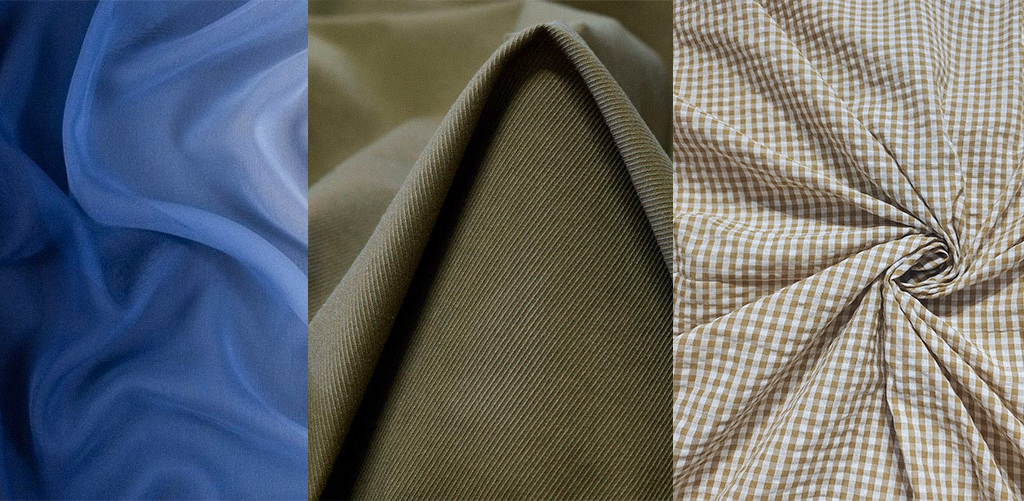
Fabrics That Talk: From Chiffon to Corduroy

You don’t need to be a textile engineer, but you do need to know your materials. Fashion startups like Rituals & Runways and Pangaia have made a mark by blending science with style — and they started with understanding the fabric game.

  • Chiffon: Lightweight, sheer, floaty – great for drapes and delicate dresses.
  • Twill: Diagonal weave, durable – think trench coats and structured pants.
  • Seersucker: Crinkled cotton, breezy – a summer staple.

Fabrics aren’t just materials; they’re your storytelling tools. Knowing them helps you pick the right vibe for your design — dramatic, casual, eco-chic, or luxe.

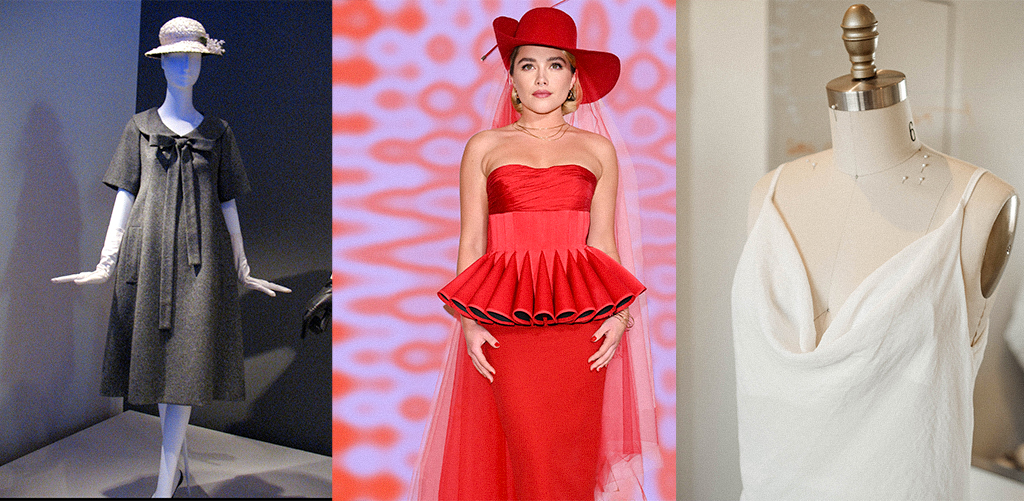
Cuts, Silhouettes & Shapes: Speak Pattern-Maker-ish

Heard of the startup Styched? They’re redefining fast fashion using technology and data, but even they follow old-school rules when it comes to cuts and shapes.

  • A-line: Narrow at the top, widens towards the hem – think easy elegance.
  • Peplum: That frilly extension at the waist – adds flare and flair!
  • Bias Cut: Fabric cut diagonally, giving garments flow and stretch.

Knowing silhouettes helps you create designs that flatter, not frustrate. Whether it’s a power shoulder or a mermaid gown, the shape can make or break your idea.

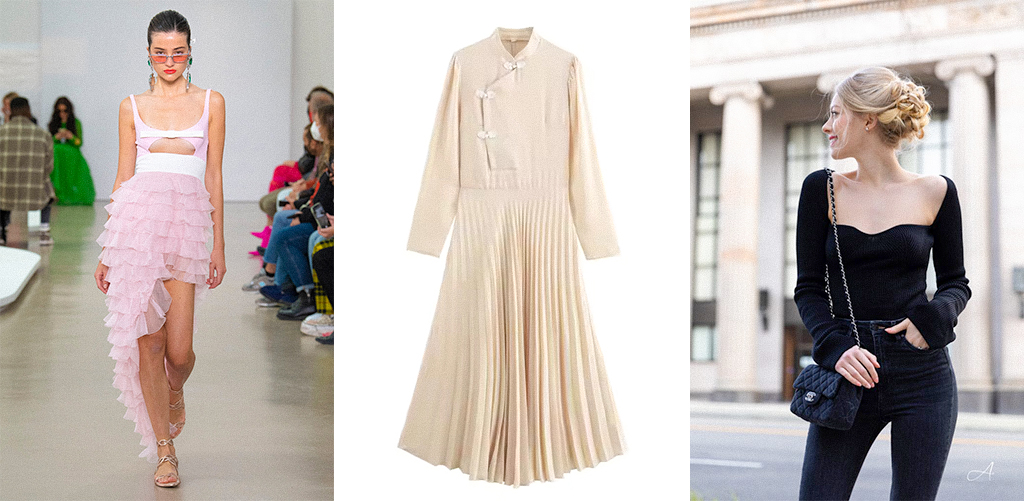
Details That Define: Hems, Pleats & Necklines

Sometimes, it’s the tiny things that pack the biggest punch. Case in point: The Label Life, co-founded by celebrity stylists, thrives on detailed aesthetics that make basics look boujee.

  • Hemline: The lower edge – mini, midi, or maxi, each tells a different story.
  • Pleats: Folds of fabric – knife, box, or accordion.
  • Sweetheart Neckline: Romantic, heart-shaped neckline.

Details matter. They show your eye for design and precision. And when you learn these in the Fashion Design course at JD Institute, you’re not just learning terms – you’re learning how to design with intention.

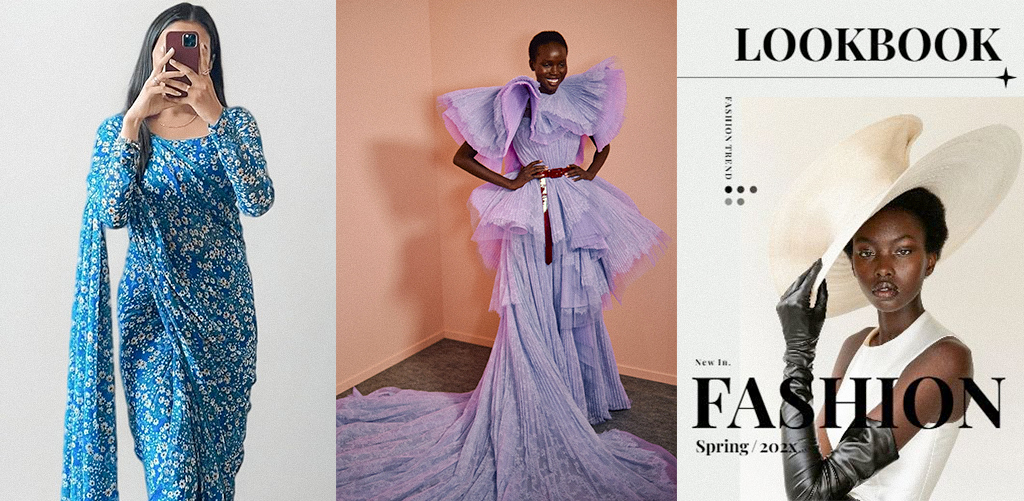
Fashion Show Must-Knows: RTW, Couture & More

The runway has its own dictionary. Just ask Falguni Shane Peacock — this luxury label’s global success started with knowing how to balance haute couture and ready-to-wear.

  • RTW (Ready-to-Wear): Made in standard sizes, not tailored to an individual.
  • Haute Couture: Custom-made, extravagant, often handmade pieces.
  • Lookbook: A collection of styled photos showcasing a designer’s pieces.

If you’re planning your own fashion show someday (which, yes, you totally can), knowing these helps you plan, present, and promote your collection like a pro. 

Styling Vocab: From Monochrome to Statement Pieces

Styling is storytelling — and no one does it better than digital-first brands like Nykaa Fashion or Zara, who play with color, texture, and mood using just the right fashion terms.

  • Monochrome: Wearing one color head to toe.
  • Capsule Wardrobe: Minimal but versatile outfits you can mix & match.
  • Statement Piece: One bold item that steals the show — a neon blazer, chunky necklace, or those wild platform shoes.

Styling vocabulary helps you sell the look and elevate your designs into wearable art.

Learn It, Flaunt It, Create With It

If you dream of being more than just a sketchbook designer — someone who can visualize, verbalize, and actualize ideas — then learning fashion terminology is your first power move. The Fashion Design world is exciting but fast-paced, and those who know the language can ride the wave with style.

And if you’re looking for the perfect place to build that foundation, where creativity meets clarity and style meets strategy — JD Institute is where your fashion vocabulary becomes your fashion voice. So go ahead, stitch those words into your skill set. Because in fashion, the ones who speak it well, create it better.

Must-Read: How Indian Women Are Changing the Rules of Fashion Business

Saturday, May 31st, 2025

Ever styled your outfit, posted it online, and thought — “I could sell this”?
That tiny moment of confidence? That’s how a lot of real fashion empires start. No huge factories, no investors — just creativity, consistency, and courage.

And guess what? Indian women are doing this better than ever. They’re not just wearing fashion — they’re owning the business behind it. They’re leading brands, launching startups, and changing what fashion entrepreneurship looks like.

It’s a powerful shift — and it’s something every fashion student or aspiring entrepreneur should be learning from. That’s why courses like Fashion Business Management at JD Institute are more relevant than ever. They don’t just teach design — they teach how to turn that design into a full-on brand.

Let’s take a closer look at how women like the founders of House of Misu, Shereen Lovebug, and the genius behind Papa Don’t Preach are changing the game — and what you should be learning from their journey.

House of Misu: Turning Aesthetic into Enterprise

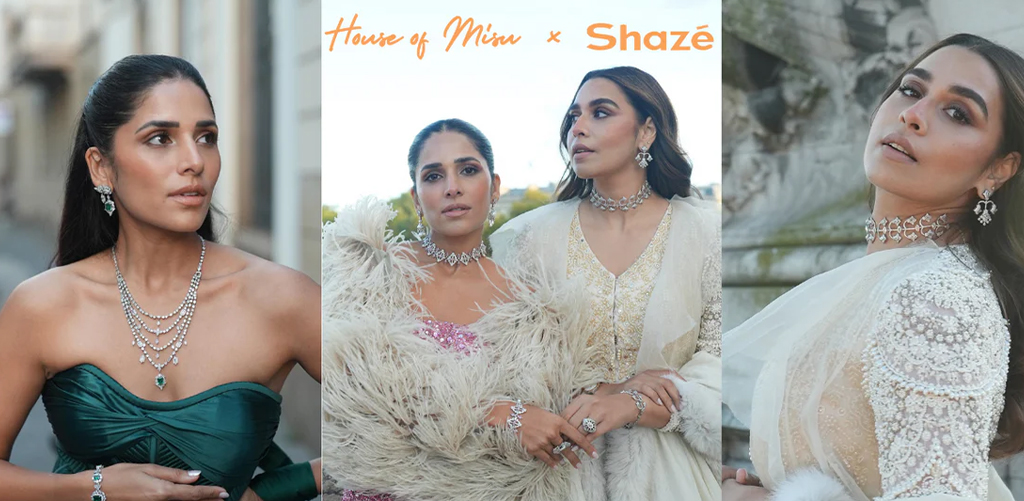
When Mitali and Summiyya started House of Misu, it was just two friends sharing their love for fashion and lifestyle. But they didn’t stop there. They grew into full-blown content creators, brand consultants, and digital entrepreneurs.

They showed us that social media is not just for scrolling — it’s a goldmine if you know how to build a brand voice and connect with an audience.

Want to run a fashion brand in today’s world? You’ve got to know how to market it. That’s why Fashion Business Management at JD Institute teaches you more than fabrics — it teaches branding, digital strategy, and consumer behavior. You learn how to create a vibe and manage the backend.

Shereen Lovebug: Real, Raw, and Really Smart

Shereen Sikka, also known as Shereen Lovebug, didn’t build her brand by pretending to be perfect. She shared real struggles, real wins, and created content that people related to. That honesty builds trust — and trust builds business.

Her story proves that being yourself can be a serious business tool. But it also shows the importance of knowing how to handle collaborations, campaigns, and logistics like a pro.

Fashion entrepreneurs today need to know both sides: the heart and the hustle. Learn how to pitch, price, plan, and promote-not just pose. 

Papa Don’t Preach: Loud, Bold, and Global

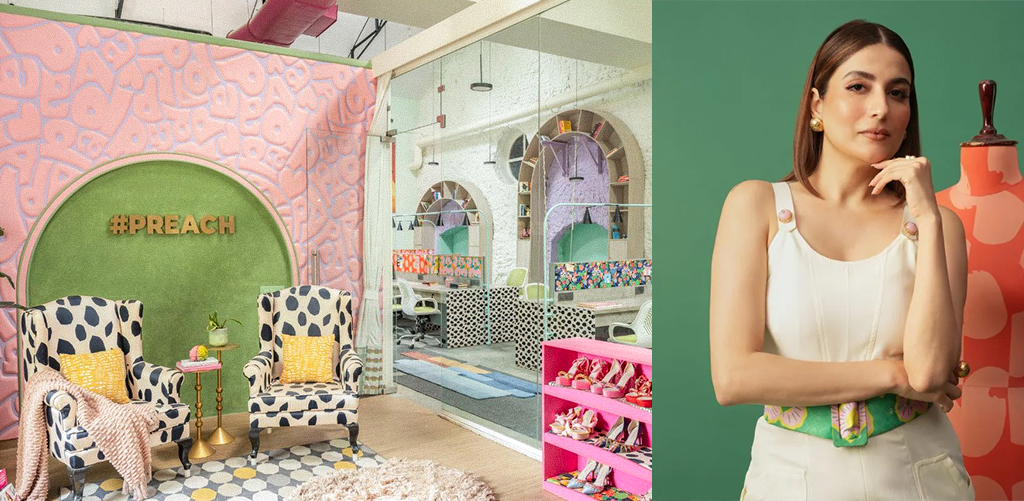
Shubhika’s brand, Papa Don’t Preach, didn’t play it safe — and that’s exactly why it worked. With neon colors, metallics, and edgy designs, she created a new voice in Indian fashion. But going global didn’t just need bold ideas — it needed strategy, networking, and supply chain management.

The brand is now seen on international red carpets and fashion weeks. That kind of reach takes business sense, not just design talent.

That’s where a structured course like Fashion Business Management at JD Institute helps- it gives you the tools to take big ideas and make them bigger realities.

Payal Singhal: The Power of Heritage Meets Modern Business

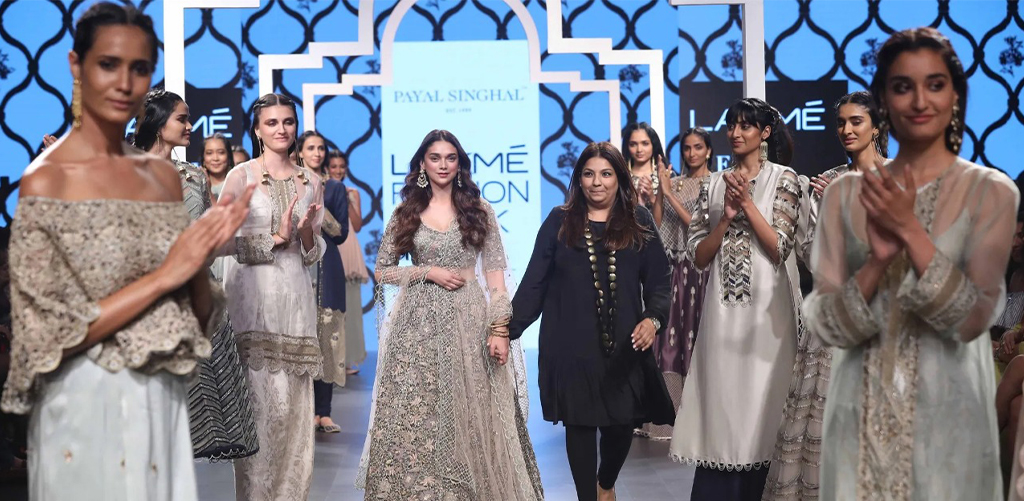
Designer Payal Singhal is a perfect mix of tradition and trend. She turned her fashion legacy into a modern business by expanding beyond clothing. Her label now includes accessories, home decor, and even collabs with beauty brands.

The key lesson here? Diversify.
Fashion entrepreneurs must think beyond just dresses. Think of your brand as a lifestyle. If your audience loves your vibe, they’ll want more of it — and you need to be ready with products, partners, and plans.

Learning how to grow your fashion brand in multiple directions is exactly the kind of skill students gain in business-focused fashion courses.

Here’s the Smart Move for Future Fashion Entrepreneurs

You could keep following these icons on Instagram and feeling inspired. Or — you could start building your own path with the right tools, mentors, and skills.

A program like Fashion Business Management at JD Institute isn’t just a course — it’s a launchpad. You’ll learn how the industry really works, and how to bring your creative ideas to life and market. Think of it as your behind-the-scenes pass to the fashion business world.

Because the future of fashion is already changing — and it’s wearing sneakers, taking calls, closing deals, and rewriting the rulebook. The question is — will you be ready to join them?

Why Future Designers Must Learn to Stir, Shake & Speak Through Design

Friday, May 30th, 2025

What if your T-shirt could talk?

Design transcends aesthetics; it serves as a potent instrument of protest. Utilizing mediums ranging from printed materials to public art and attire, design empowers social movements seeking recognition and change. In the contemporary context, where passivity may be construed as complicity, design assumes the role of visual resistance. This explores the intersection of aesthetic principles and activist endeavors.

When Streets Became the Canvas: The Power of Protest Posters

During the Vietnam War in the 1960s and 70s, the streets of America exploded with bold, hand-painted posters bearing messages like “Make Love Not War.” Similarly, the “Hope” poster created by artist Shepard Fairey for Barack Obama’s 2008 campaign wasn’t just art—it became a symbol of political change.

Protest posters are more than paper and ink. They are history, outrage, and courage rolled into one. At JD Institute, the communication design course teaches how to translate powerful ideas into visuals that are sharp, direct, and impossible to ignore. That’s how future changemakers are shaped—not just through theory but by understanding the pulse of real-world design impact.

Fashion on the Frontlines: Dressing for the Revolution

In 2017, the Women’s March in Washington saw thousands of people wearing pink “pussyhats”—a statement of feminist solidarity and a visual protest against gender inequality. The design was simple, but its message was anything but.

Fashion has always been political. Think of Vivienne Westwood’s punk designs that screamed rebellion in 1970s London. Today, wearable protest is a thriving part of activism—from slogan tees to eco-conscious collections.

JD Institute understands this intersection deeply. Fashion design students are encouraged to think beyond trends and use garments as a language of social commentary—training them to create pieces that don’t just walk the ramp but march with a cause.

Murals, Messages & Movements: Graffiti as Protest Art

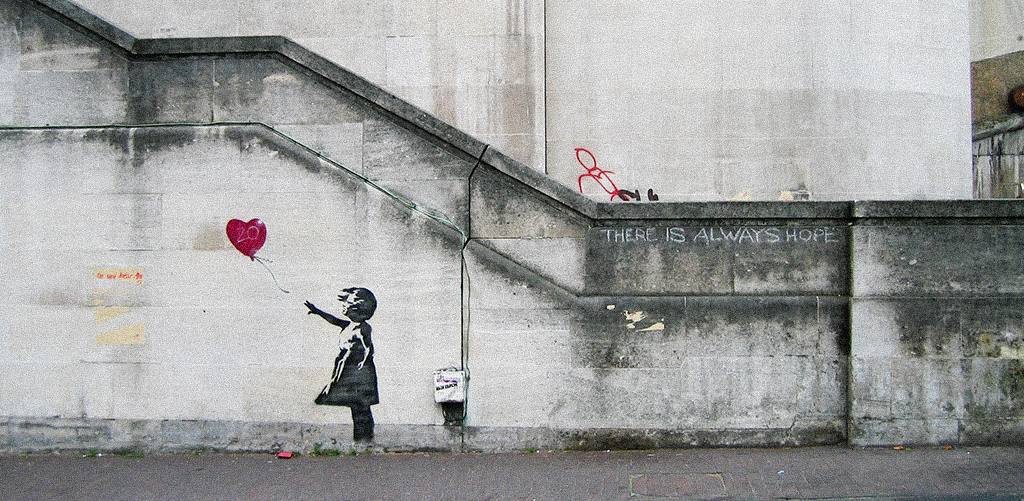
Banksy’s politically charged street art has become iconic. One of his most famous pieces—“Girl with a Balloon”—has been interpreted as a symbol of lost innocence and hope. In India, graffiti art in places like Delhi’s Lodhi Colony has taken on social issues ranging from caste discrimination to LGBTQ+ rights.

Walls are no longer blank spaces. They’re battlegrounds of expression. Through murals and street art, artists reclaim public spaces to speak truth to power.

Students at JD Institute specializing in interior and spatial design learn how environment shapes experience. The idea that design can alter the atmosphere and emotional impact of a space is core to how they’re trained to think—whether in a gallery or on a protest wall.

Typography That Talks Back: Words as Design Weapons

Ever noticed how the font in protest signs is never boring? From angry bold lettering to chaotic hand-drawn scrawls, typography adds emotion to the message. For example, the “I Am a Man” sign used during the Memphis Sanitation Strike in 1968 is etched into history—not just for what it said, but how it looked: strong, proud, unshakable.

Typography gives tone to text. It shouts, whispers, or demands. At JD Institute, such elements of design are not just taught but deeply dissected, helping students explore how font, color, and composition speak louder than words ever can.

Ready to Design the Change?

You don’t have to be a loudspeaker to be heard. Sometimes, your brushstroke, outfit, poster, or digital reel can do the talking. So, if you’ve ever wanted your creativity to be more than just pretty—to be powerful, thoughtful, and impactful—maybe it’s time you learn how to design the revolution. At JD Institute, you don’t just learn design. You learn to design for something bigger.

Why Costume Reuse Should Be on Every Stylist’s Radar

Thursday, May 29th, 2025

“Wait… isn’t that the same lehenga from that other movie?”

If you’ve ever had that moment of deja vu while watching a film, you’re not alone. In an era where audiences notice every tiny detail, from an actress’s earrings to the buttons on a jacket, costume reuse is no longer flying under the radar — and surprisingly, that’s not a bad thing.

It’s not just about saving budgets anymore. It’s about saving the planet — one sequin at a time. And if you’re an aspiring stylist, understanding this shift isn’t optional; it’s essential. That’s why courses like the Fashion Styling program at JD Institute now dive deeper into sustainability, conscious creativity, and the smart art of reuse.

Let’s unpack what’s really going on behind the scenes of your favorite films.

The Subtle Art of Costume Recycling

Case Study: Deepika Padukone’s Royal Revival in Padmaavat
The stunning red ensemble worn by Deepika Padukone in Padmaavat was reportedly reworked from earlier Rajasthani outfits seen in previous Bhansali productions. The fabric was dyed, layers were added, and voila — a brand-new look that paid homage to heritage while embracing reuse.

Why it matters:
It’s not just about budgets or nostalgia. Reusing pieces is about reducing the environmental footprint of costume design, a process that often involves heavy fabrics, excessive dyeing, and loads of water usage.

Takeaway for fashion students:
Learn how to reimagine, not just redesign. Styling isn’t just about fresh looks — it’s also about smart choices.

Not Just Bollywood: Hollywood’s Wardrobe Recycling Moments

Case Study: Keira Knightley’s Green Dress (Again!)
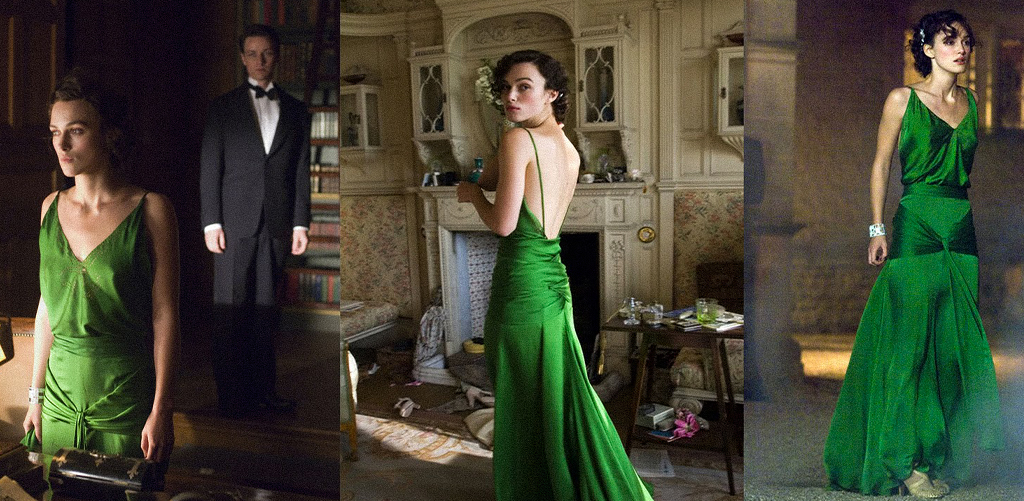
Keira Knightley famously rewore her iconic green Atonement gown on red carpets. This wasn’t just a fashion moment — it was a bold, ethical statement.

And in the world of superhero blockbusters?
Some Marvel characters have worn the same base costume across films, with minor tweaks. Iron Man’s suit is a layered evolution, not a replacement every time.

For styling students:
This teaches continuity and character building. A costume isn’t just clothing — it’s storytelling. That’s a major takeaway from institutes like JD Institute, where students are taught how wardrobe decisions shape screen impact.

Netflix and Reuse: Streaming Platforms Going Sustainable

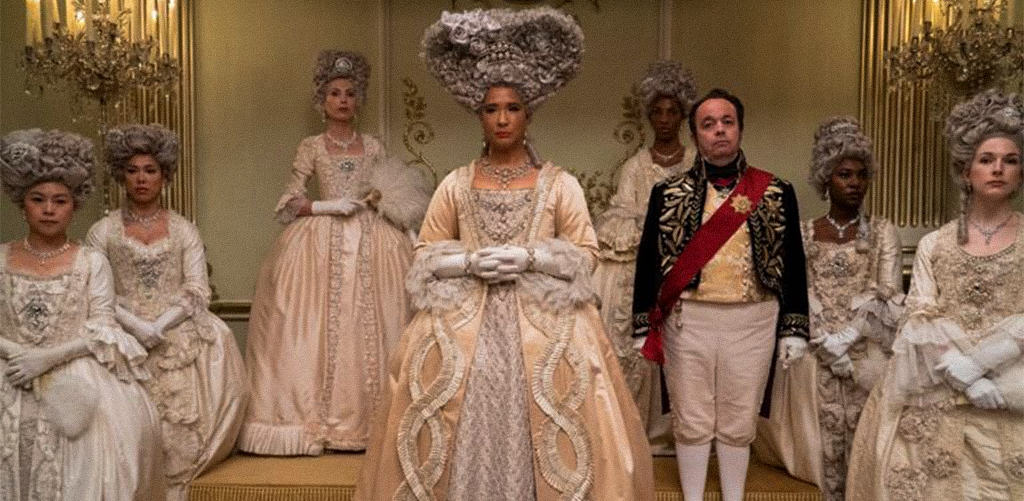
Case Study: Bridgerton’s Corset Comebacks
Netflix’s costume department is known for creatively reworking corsets and gowns. Rather than making 500 new dresses for every episode, stylists tweak existing ones with embroidery, new linings, or layer play.

Result?
Viewers get fresh visuals, but the industry reduces fabric waste and production pressure.

Lesson for future stylists:
You don’t need a giant closet — you need a bigger imagination. Styling is becoming a playground for upcycling, and being resourceful is cooler than ever.

But Is It Ethical? Let’s Talk Boundaries and Aesthetics

Costume reuse is brilliant — if done right. The ethics lie in:

  • Crediting original designers
  • Maintaining cultural sensitivity
  • Being honest about reuse when necessary

No one’s saying you can’t recycle — just don’t disrespect the original piece. And this nuance is exactly what you’ll learn during modules on fashion ethics and sustainability, now part of advanced Fashion Styling curriculums — including at JD Institute.

Why Reuse is the New Red Carpet

Fashion styling is increasingly focused on reducing waste by reusing costumes, opening up new creative possibilities. This shift reflects a move towards valuing sustainability, innovation, and environmentally conscious practices in the industry. The idea that reused items can become iconic highlights how styling is evolving beyond mere aesthetics to embody important values. So if you’re dreaming of dressing stars and building character wardrobes, don’t just chase trends — chase purpose. At education institutes like JD Institute, you’re not just learning how to dress people; you’re learning how to shape cultural conversations.

Copyright © 2025 JD Institute of Fashion. All Right Reserved

Designed by Red Lemon

Whatsapp icon
Apply Now
Enquire
Quick Enquiry