
Apply Now

Author Archive

Why Plant Styling Should Be in Every Interior Designer’s Toolkit

Tuesday, June 24th, 2025

“NASA once said that certain indoor plants can actually purify the air better than techy machines. So, if plants are out here doing the most, filtering air, boosting mood, and looking cute then why aren’t they your roommates yet?”

From turning dull corners into fresh Pinterest vibes to making a home feel alive, plants are no longer just background decor. They’re statement-makers. And if you’re someone who dreams of crafting beautiful living spaces professionally, this is the kind of design detail you can’t ignore. That’s exactly what students explore in the Interior Design course at JD Institute, where style meets smart choices, including plant styling that works with your space and the client’s lifestyle.

Know Your Light, Then Pick Your Leafy Partner

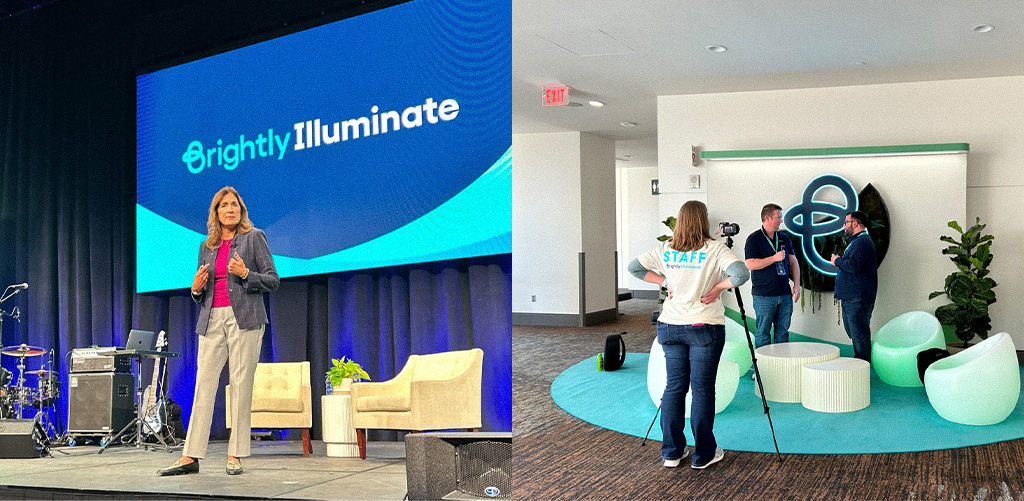
Startup Inspo: Brightly, is a sustainable living platform that started small and grew big on simple, daily changes.
Before you rush to buy that gorgeous fiddle-leaf fig, pause. Your space decides your plant and not the other way around. Is your room sun-soaked all day or does it feel like a moody movie set?

  • Bright light? Go for succulents, cacti, or rubber plants.
  • Medium light? Think peace lilies or pothos.
  • Low light? ZZ plants and snake plants are your no-fuss BFFs.

Knowing this is what makes interior spaces not just “aesthetic,” but functional and livable. Aspiring interior design students need to learn how to harmonize nature and interiors, which is why this is covered deeply in modules at JD Institute, where styling meets science.

Maintenance Should Match Your Lifestyle

Startup Inspo: LazyGardener, is a startup making plant care accessible for busy city folks.
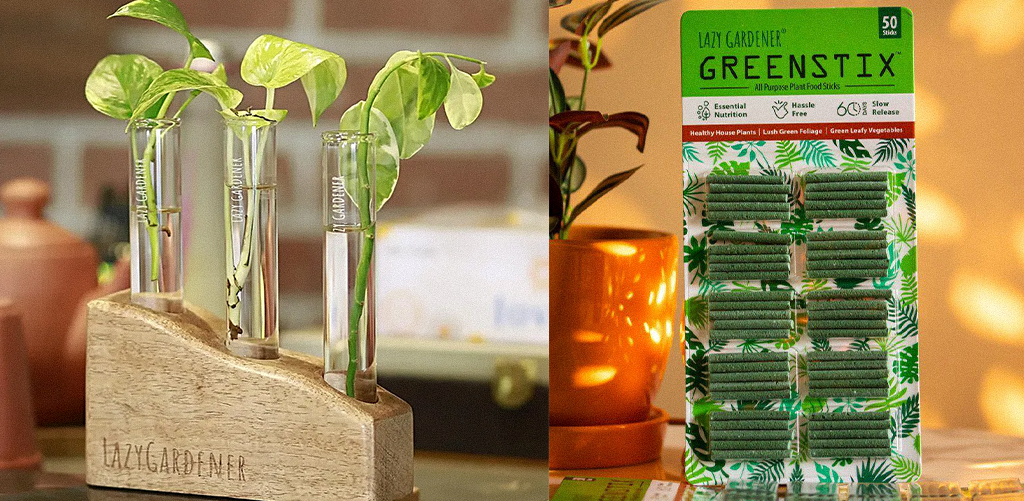
Let’s be honest: your plant shouldn’t feel like a clingy pet. Choose something that thrives on minimal effort if you’re often out or forgetful.

  • Low-maintenance decor picks: Snake plant, aloe vera, ZZ plant.
  • More TLC-needed types: Ferns, calatheas, or bonsais.

These choices aren’t just for the plant-obsessed, but they reflect smart, sustainable living. And for interior design professionals, understanding the psychology and behavior of their clients helps in selecting plants that won’t just survive, but belong.

Clustering Plants for Visual Drama

Startup Inspo: The Sill, is a plant company that teaches urban dwellers how to decorate and design with plants.
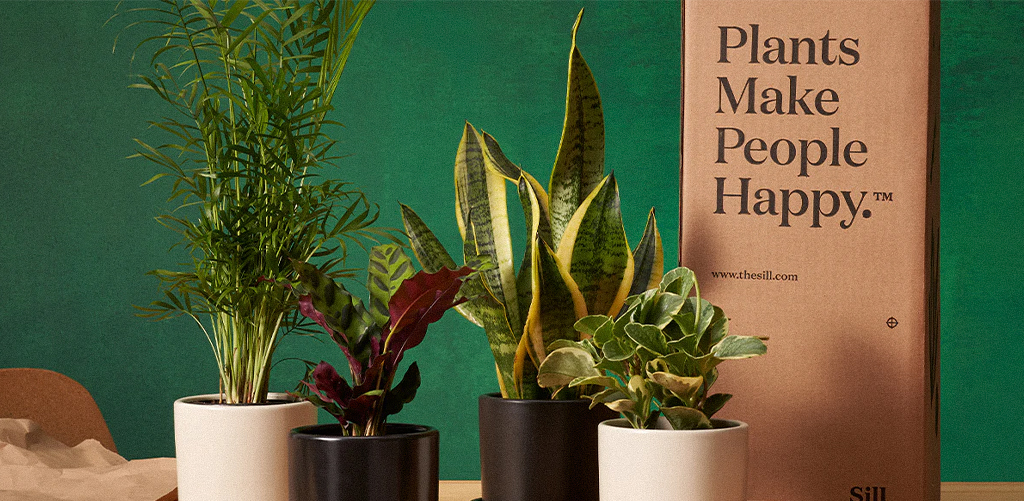
Want your plant zone to pop? Don’t just scatter them like confetti. Group them! Use different heights, leaf textures, and pot sizes.

  • Tall in the back (rubber plant)
  • Medium in the middle (monstera)
  • Small in the front (succulent)

This styling technique, also known as “plant layering”, instantly turns any corner into a green paradise. And yes, this is something interior design students must actually learn. 

Choose Plants That Reflect the Room Energy

Startup Inspo: Bloomscape, is a brand that recommends plants based on your personality and room type.
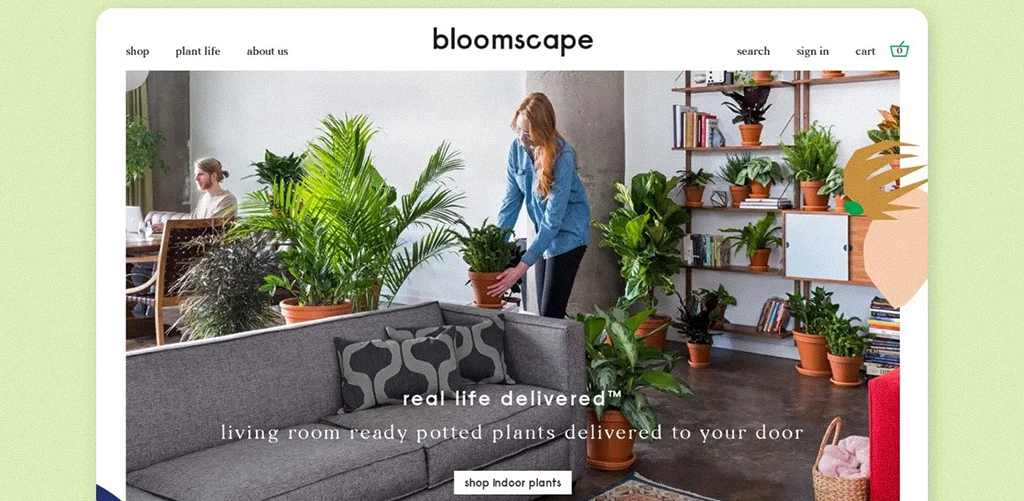
Just like you wouldn’t wear heels on a trek, don’t force a tropical plant in a dry, air-conditioned room. Match your plant energy to the room’s function.

  • Bedroom: Lavender or jasmine for calming vibes
  • Bathroom: Ferns or bamboo (they love humidity)
  • Work-from-home desk: Aloe vera or lucky bamboo for focus

This is the part where creativity meets practicality, an essential combo for any interior designer-in-the-making.

Don’t Ignore the Pot

Startup Inspo: Ugaoo, is an Indian plant decor brand that makes pots as stylish as plants.
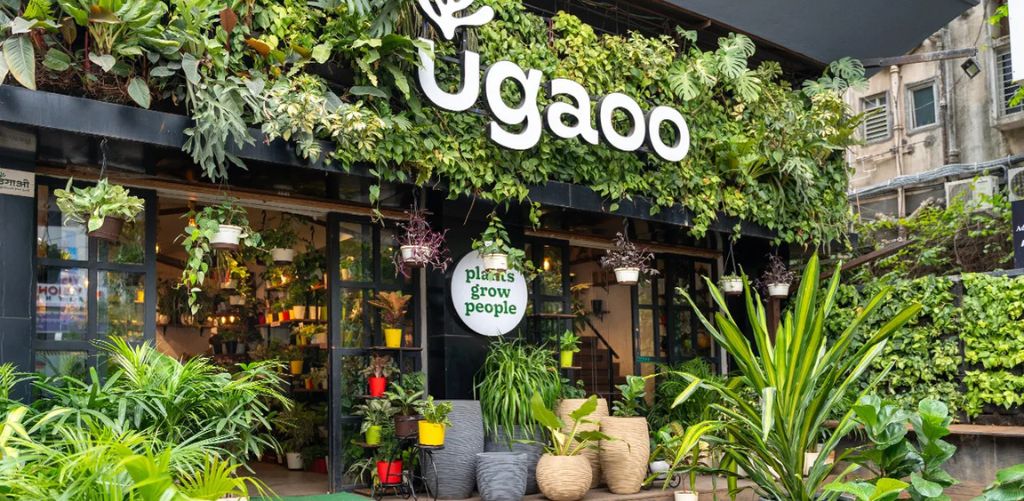
Your plant’s outfit (aka pot) matters. Match it to your interior theme be it ceramic for minimalists, terracotta for rustic lovers, metallics for luxe seekers. Bonus: The right pot also ensures proper drainage and growth.
Interior design isn’t just about choosing colors and furniture. It’s about styling every element. When students dive deep into design theory and practical modules at JD Institute, they realize that even a small pot can make or break the aesthetic.

Your next big idea might be sitting in a pot

Don’t wait for a design trend to tell you what’s fresh. Be the trend. Explore how to style spaces with intelligence, emotion, and eco-sensitivity. Whether you’re planning to be the next big name in interiors or just making your own space better, one thing’s clear: a green home is always in style. And if you want to master the art of creating stunning, soul-soothing spaces, plant-filled or not, the design journey begins at JD Institute.
Why Every Visual Merchandiser Should Master the Art of Compact Store Design

Tuesday, June 24th, 2025

Ever walked into a store the size of your bedroom… but walked out totally impressed?
You know the kind, you step in expecting clutter, and instead, you get a stylish little universe of perfectly placed lights, shelves, and colours that just work. It’s not magic, it’s smart visual merchandising, especially designed for compact spaces.

Now here’s the truth: when you’re working with a small store, you don’t have room for mistakes (literally). Every inch matters. And that’s exactly why aspiring visual merchandisers need to know the science of small space design, the psychology behind customer flow, and some seriously clever display hacks. This is the kind of insight you get to learn hands-on in courses like the Visual Merchandising program at JD Institute, where design isn’t just taught, it’s experienced.

Start Small, Think Tall: Go Vertical

When space is limited, don’t spread stack. Use your wall height to create levels of interest.

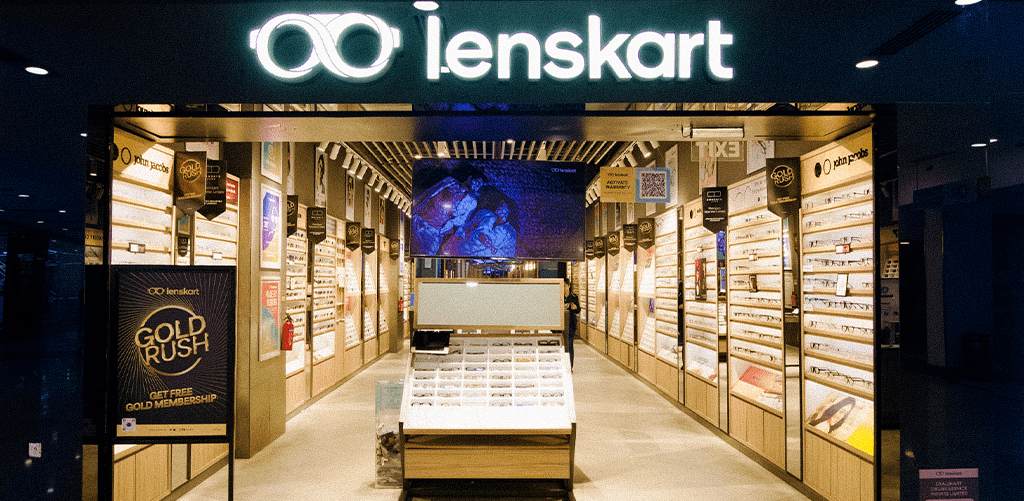
Startup Spotlight: Lenskart
Their compact outlets in malls and airports show how vertical shelving and smart lighting can make eyewear displays feel premium and spacious. Mirrors placed at angles also visually expand the room.

Display Hack Tip: Use tiered shelving, peg boards, and even hanging plants to build height as it draws the eyes up and gives a small shop a layered, well-curated look.

The Power of One: Hero Products on Spotlight

Too many things means visual overload. Instead, choose a “hero product” each week and style your display around it. Minimalism works wonders in tight spaces.

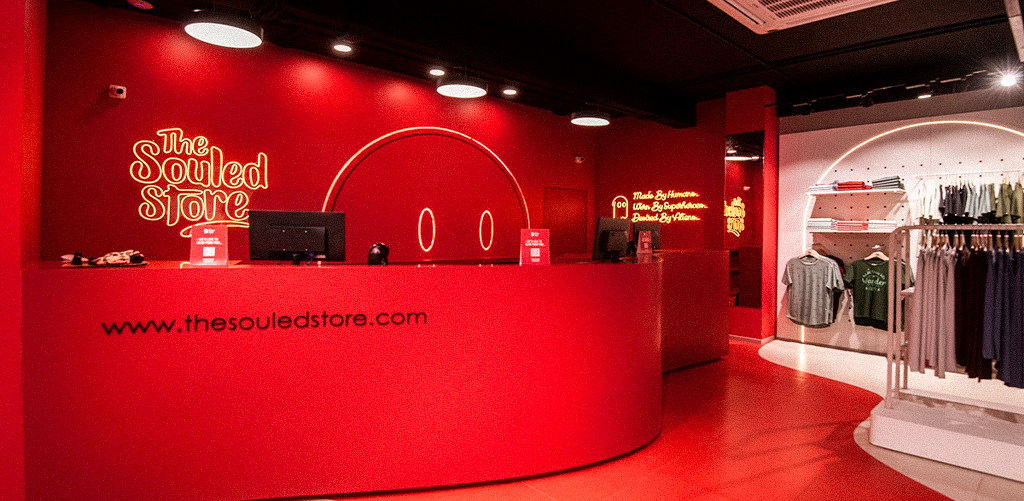
Startup Spotlight: The Souled Store
Whether it’s pop culture tees or quirky mugs, they rotate focus areas, using just one spotlighted rack at a time. This not only declutters but makes each visit feel fresh.

Compact Visual Merchandising Tip: Use spotlight lighting, small platforms, and minimal props to hero one item or collection. This also lets customers actually notice what’s special.

Flow is Everything: Map Out Movement

In a small store, even 5 customers can feel like a crowd. That’s why creating a clear path matters more than you think. A clean store layout avoids traffic jams and guides customers to your bestsellers.

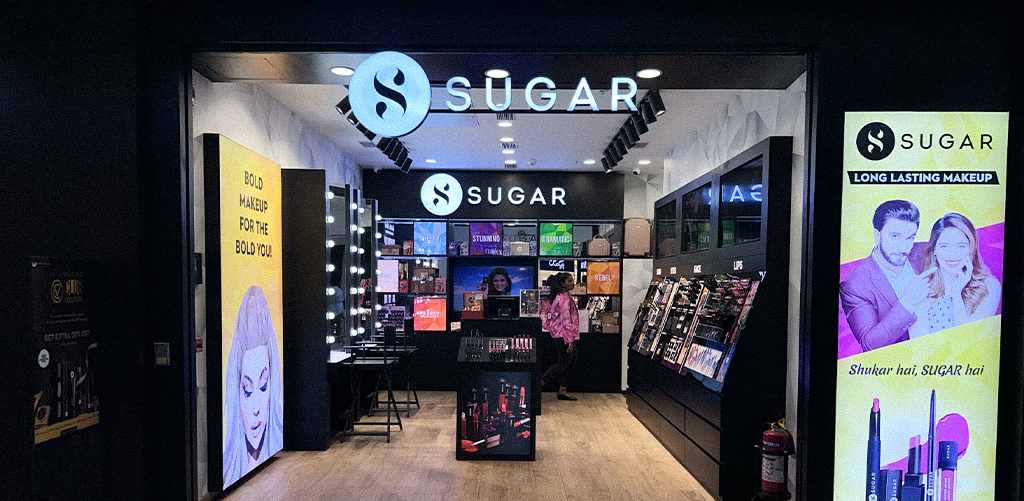
Startup Spotlight: Sugar Cosmetics
With small-format pop-ups across India, Sugar designs every booth with clear movement, like testers on one side, mirrors on another, checkout in a corner. Smooth, no-stress shopping.

Small Space Design Hack: Use floor decals or visual cues to direct foot traffic. Even rugs or tiles in different patterns can subtly show “walk this way.”

And if you ever wondered how people learn this kind of creative, space-savvy thinking, it’s taught right in the middle of the Visual Merchandising curriculum at JD Institute.
Double the Look Without Doubling the Space

Here’s an old trick, but when done right, it’s gold. Mirrors don’t just make rooms feel larger, they also reflect products, lights, and customer movement, making a space feel dynamic and open.

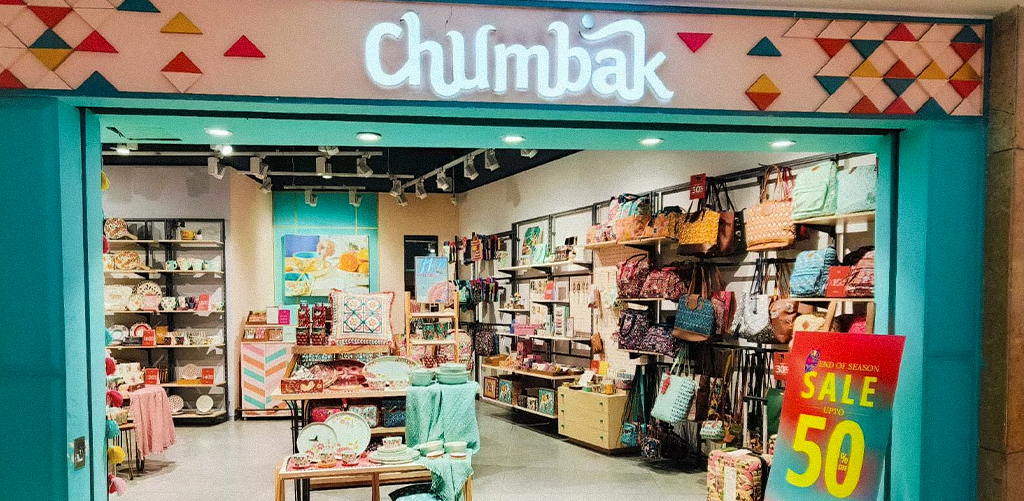
Startup Spotlight: Chumbak
Their tiny gift shops often use decorative mirrors to bounce light, show off colourful displays, and create an illusion of space, thus making the store look quirky yet breathable.

Display Hack: Avoid huge plain mirrors. Go for quirky, on-brand shapes. Even mirrored display trays can add depth.

Layered Lighting Works Wonders

Lighting isn’t just for visibility, it’s a vibe-setter. Especially in small spaces, using a combo of ambient, accent, and task lighting adds drama and direction.

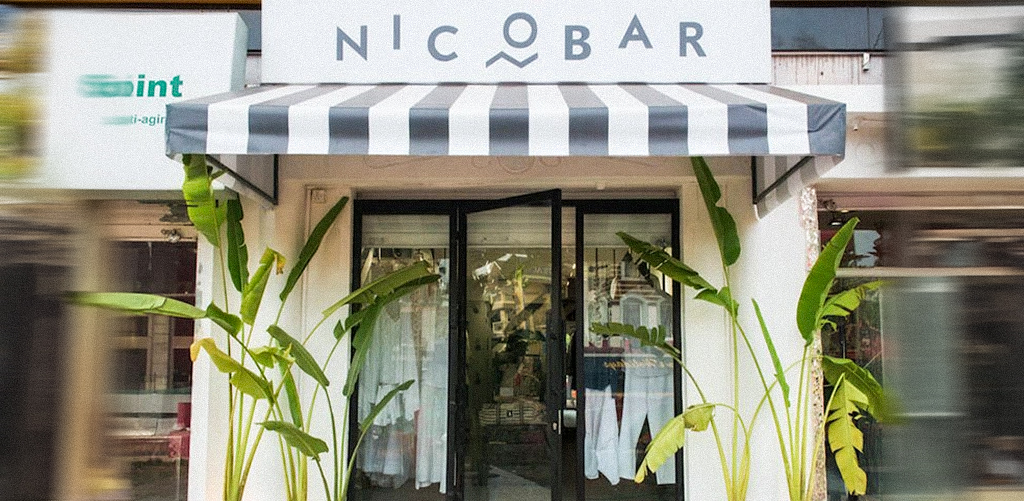
Startup Spotlight: Nicobar
Their stores are known for their soft, layered lighting that highlights products and calms the shopping experience. Even small stores feel like a serene escape.

Pro Tip: Warm lighting near the entrance makes it welcoming, spotlights highlight key products, and soft LED strips under shelves add depth.

So, Why Should You Care?

Here’s the deal, in today’s world of pop-ups, kiosks, boutique brands, and concept stores, space is often limited, but ideas can’t be. That’s why any fashion or design student must understand the art of compact visual merchandising. It’s not just about decorating — it’s about storytelling, psychology, and business smarts rolled into one creative skillset. And if you’re serious about mastering it, few places do it better than JD Institute’s Visual Merchandising course, where theory meets studio, and students don’t just design for paper, but for actual walk-through spaces.

If You’re a Fashion Designer and You Haven’t Studied Exhibitions…You’re Missing Out

Tuesday, June 24th, 2025

“Fashion is not something that exists in dresses only. Fashion is in the sky, in the street, fashion has to do with ideas.”— Coco Chanel

Now imagine this, what if those ideas were explained through real clothes, in real time, right in front of you? That’s exactly what fashion exhibitions are doing today. They’re not just about showcasing style anymore. They’re telling stories, teaching history, sparking ideas, and they’re doing it all through fabric, stitches, and design.

For any aspiring fashion designer, this is huge. Because learning how to curate fashion, and tell stories through clothing, is just as important as learning how to sketch or sew. That’s why at JD Institute’s Fashion Design course, students don’t only focus on garment construction, they explore how exhibitions and fashion museums can shape public knowledge and perception.

Fashion Museums Are Teaching More Than You Think

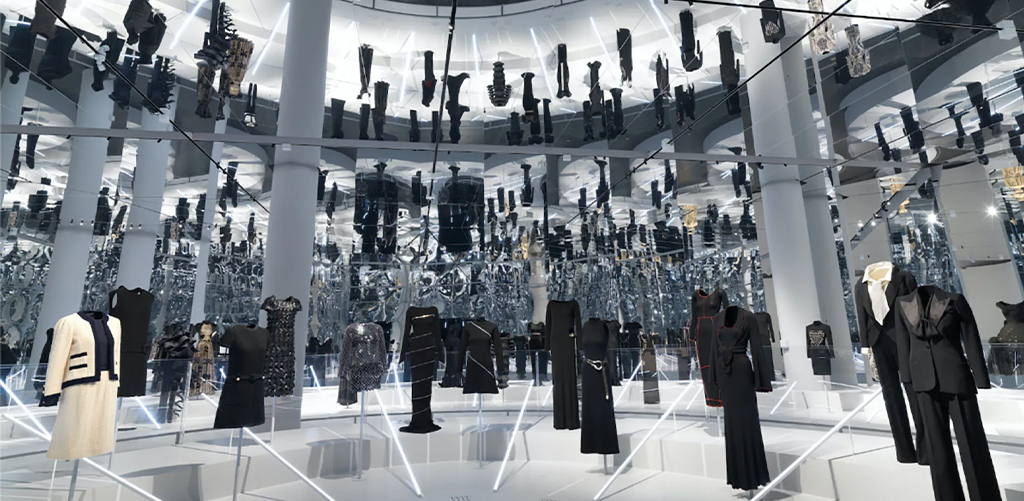
Example: The Costume Institute at The Met (New York)

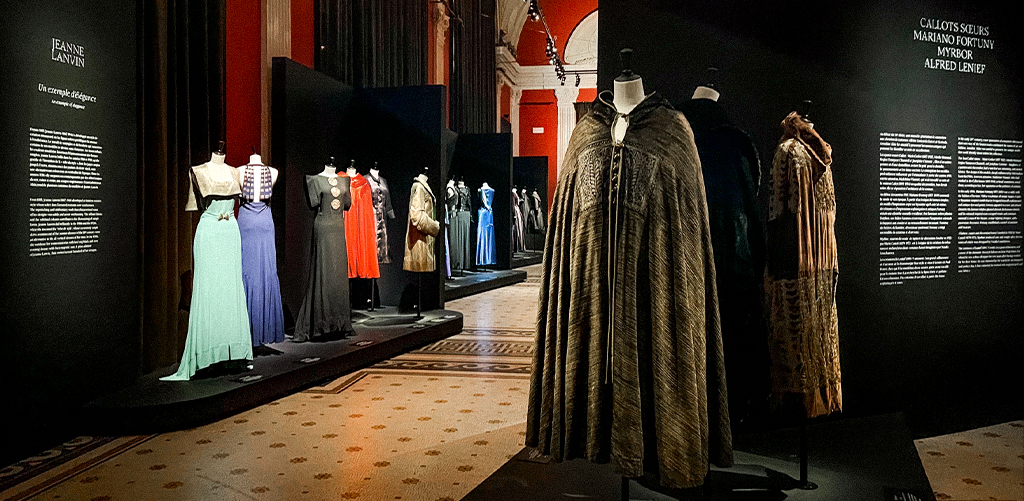
When people think of museums, they imagine paintings and sculptures. But fashion museums are changing that idea. At The Met’s Costume Institute, fashion exhibitions like “Camp” and “In America” are not just about pretty clothes they’re about gender, identity, politics, and culture.

Visitors walk away learning how fashion has shaped the world. From historical corsets to modern gender-neutral pieces, these exhibitions explain how clothing reflects society.

For designers, this is a goldmine. You get to understand how fashion speaks to people. If you’re studying design, observing how these exhibitions tell stories can give you fresh ideas on how to make your collections more meaningful, not just beautiful.

Storytelling Through Clothing Is a Real Skill

Example: Palais Galliera (Paris)

Palais Galliera, the fashion museum of Paris, is famous for its rich storytelling. Their exhibitions focus on themes like how women’s fashion changed after World War II, or how Paris became the capital of fashion. These exhibitions are more than visual, they’re emotional. Every outfit is placed for a reason. Every light, every text panel, every color tells a story.

As a designer, this helps you learn fashion curation, as to how to place garments in context. You learn to design not just for looks, but for impact. That’s why at JD Institute, the Fashion Design course teaches you how design connects with culture, history, and emotion and not just trends.

Interactive Fashion Exhibits Make Learning Fun

Example: Gucci Garden (Florence) and Louis Vuitton’s Traveling Exhibits

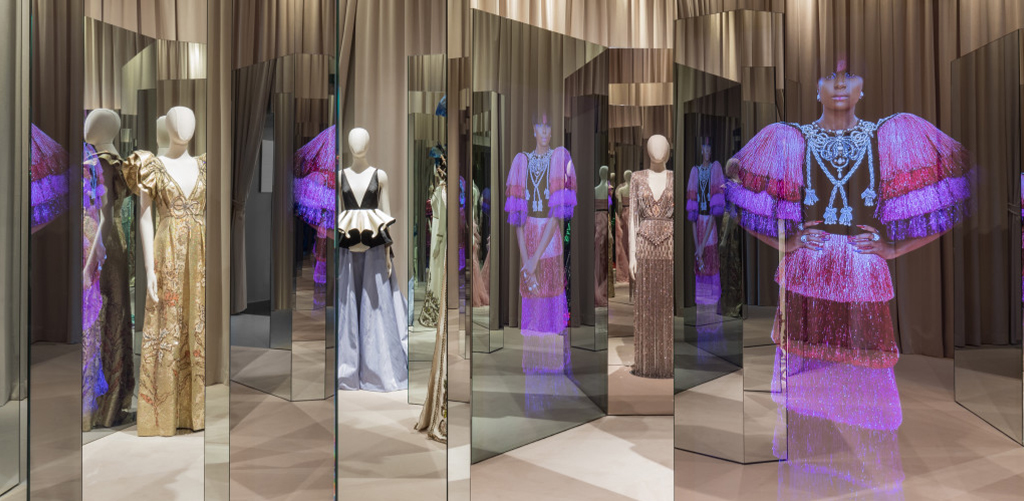
Brands like Gucci and Louis Vuitton are taking fashion exhibitions to the next level. At Gucci Garden in Florence, you don’t just look at clothes, you walk through an experience. Rooms filled with music, videos, and digital displays tell the story of the brand’s journey.

Louis Vuitton’s traveling exhibitions combine art, sound, light, and even virtual reality to explain their craft and history.

This is how fashion exhibitions educate in a whole new way. Visitors remember feelings, moments, and ideas and not just designs.

Fashion Exhibitions Spark Social Conversations

Example: “Africa Fashion” at the V&A Museum (London)

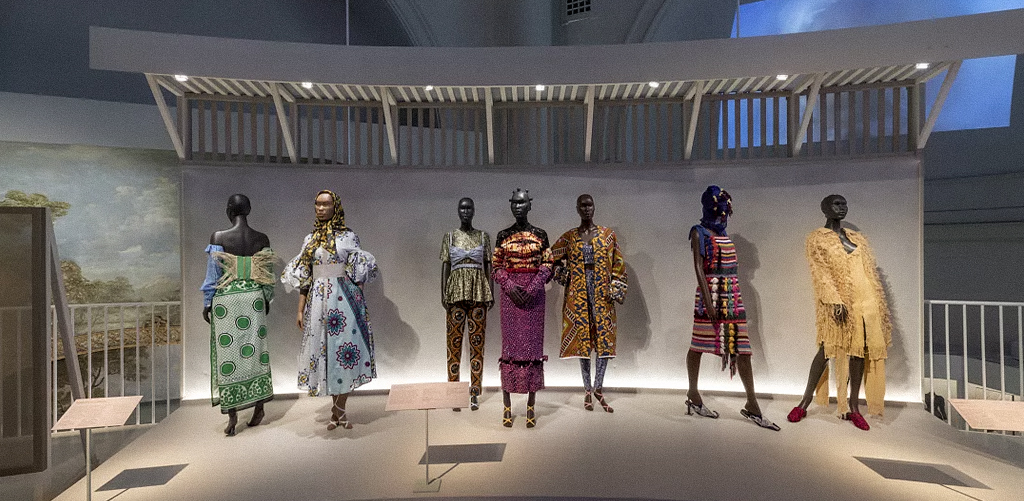
The “Africa Fashion” exhibition at the V&A didn’t just showcase bold prints and patterns, but it told powerful stories of identity, resistance, and pride. It showed how African designers are changing the narrative around what fashion means.

This kind of exhibition educates people on real-world issues like colonialism, representation, and cultural heritage, all through fashion.

If you’re a student of design, this is a strong lesson: fashion has power. It can raise voices. It can inspire change. At JD Institute, students are encouraged to explore global design voices, think critically, and use their talent to say something meaningful.

Digital Fashion Exhibits Are the Future of Learning

Example: The Fabricant and DressX

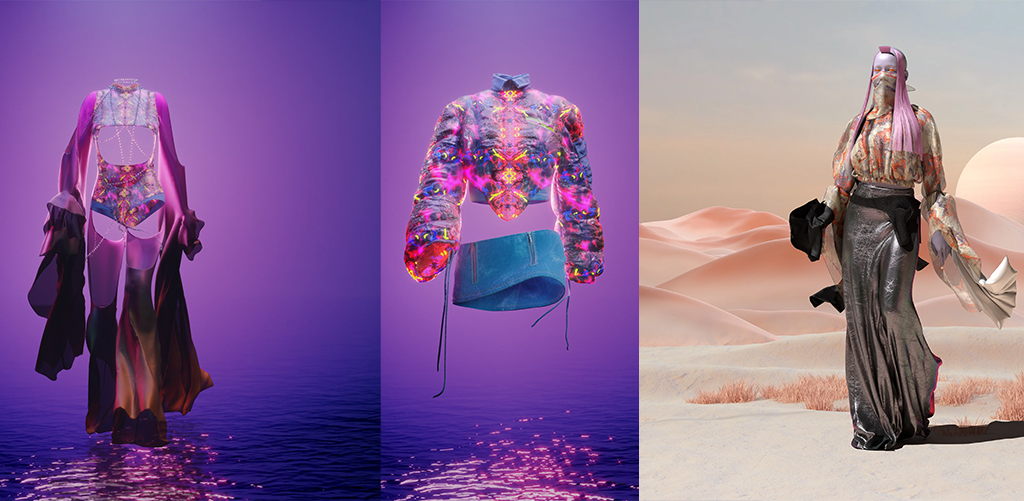
Ever heard of The Fabricant? Or DressX? These startups don’t make physical clothes at all. They design digital fashion and showcase them online or in virtual exhibitions.

Visitors can try on digital garments using AR (Augmented Reality), or walk through fashion exhibitions on their phones. The learning? Still the same, except it’s quicker, more interactive, and easily accessible.

This is the future. And it’s teaching people about sustainability, design process, and fashion innovation in a way textbooks can’t. As a fashion designer, it’s time to think beyond fabric. You need to understand how technology and exhibitions are changing the way fashion is consumed, and how you can lead that change.

Final Thought

Clothes don’t just cover us. They tell stories. And exhibitions are where those stories come alive.
So, if you’re dreaming of becoming a Fashion Designer who does more than just follow trends, then start here. Explore fashion beyond the runway. Study how it speaks. Learn how to make it matter.
And if you’re serious about learning it the smart way, JD Institute is where the real lesson begins.

Why Fashion Pop-Ups Are the Real Launchpads for Business in Fashion

Sunday, June 22nd, 2025

Imagine you walk into a cozy cafe and suddenly see a rack of cool jackets, someone styling people on the spot, and music that makes you stop scrolling on your phone.
It’s not a shop. It’s not an event. It’s a fashion pop-up and it’s quickly becoming the smartest way for new fashion entrepreneurs to launch their brand.

Fashion pop-up shops are short-term stores that give you the chance to show off your collection, connect with people, and make an impact, all without the big cost of setting up a permanent store.

If you’re planning to start a fashion brand or currently studying fashion business, this is one of the most exciting and useful tools to know. It’s why courses like Fashion Business Management at JD Institute include real-life event training, because in today’s world, pop-ups aren’t just fun; they’re essential.

Here’s why fashion pop-up shops are a perfect fit for anyone starting out.

Pop-Ups Are Affordable But Powerful

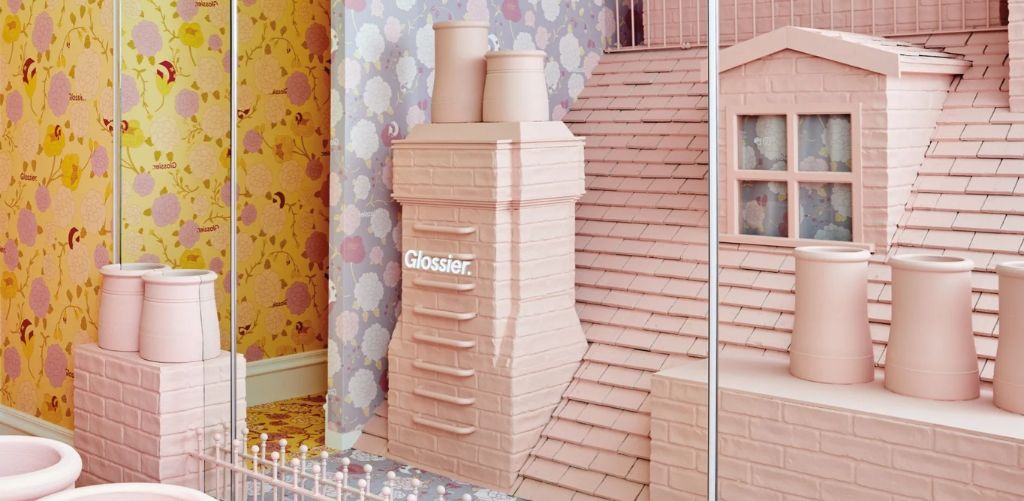
Startup example: Glossier
Before it became a huge beauty brand, Glossier used small pop-up stores to try out its products. It saved money, got real feedback, and created a buzz.

That’s the best part — you don’t need a fancy showroom to get noticed. A temporary retail setup in the right place with the right vibe can do wonders. It’s less risky and still gets people talking.

If you’re just starting out, this is the smart way to test your ideas and see what works without burning through all your savings.

Your Brand Becomes an Event

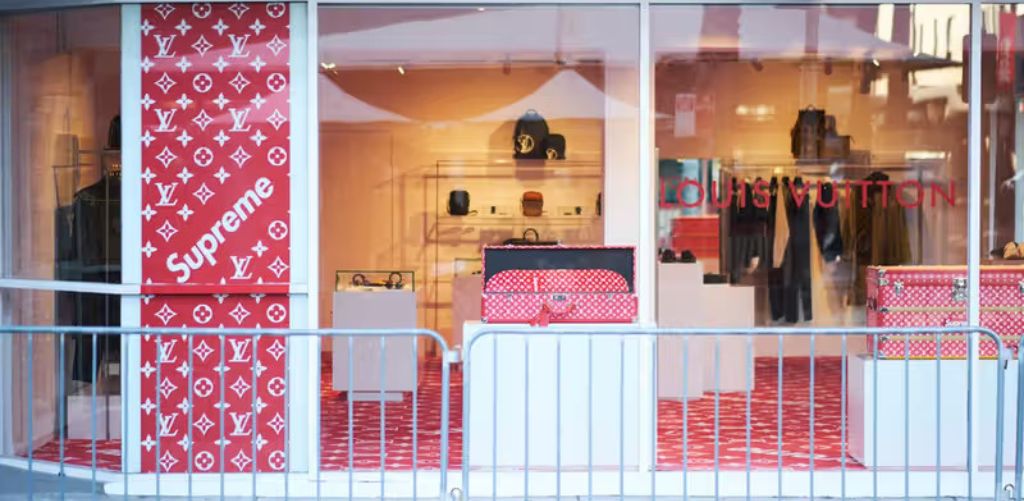
Startup example: Supreme x Louis Vuitton
This collaboration made headlines. Their pop-up had people camping outside — just for a chance to shop limited items.

When you host a fashion pop-up, you’re not just opening a store. You’re throwing a mini party. It’s all about the look, the music, the setup — the experience. And when people enjoy the experience, they remember your brand.

In the Fashion Business Management course at JD Institute, students learn how to plan and run these exciting brand events — from location selection to customer engagement.

You Get Real Feedback, Fast

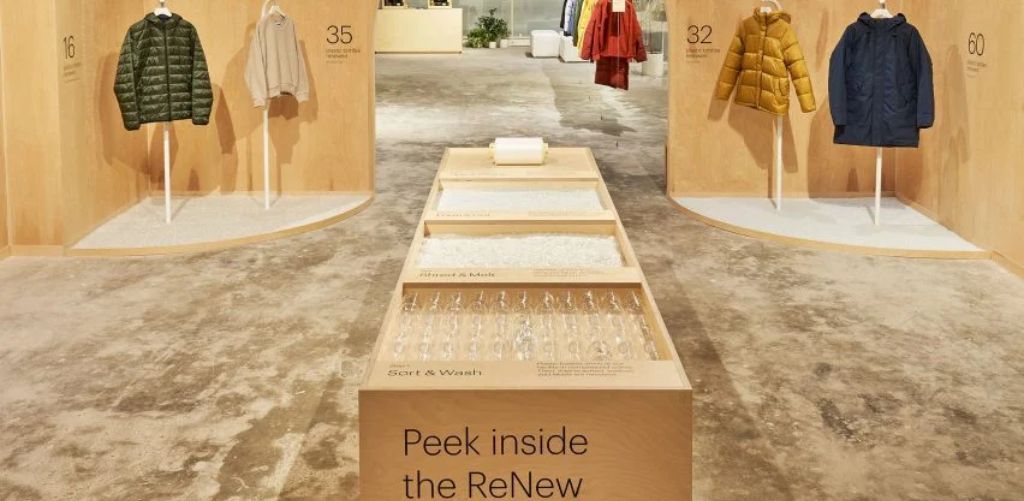
Startup example: Everlane
They used their pop-up shops to talk to customers directly. What did people love? What didn’t work? They used this information to improve their brand.

As a new entrepreneur, hearing what people actually think right there, in real-time is super helpful. You don’t get that kind of honesty online.

Understanding your customer is a big part of growing any fashion business. And guess what? It’s something you’ll practice while studying at JD Institute, too.

Limited-Time Only = Big Hype

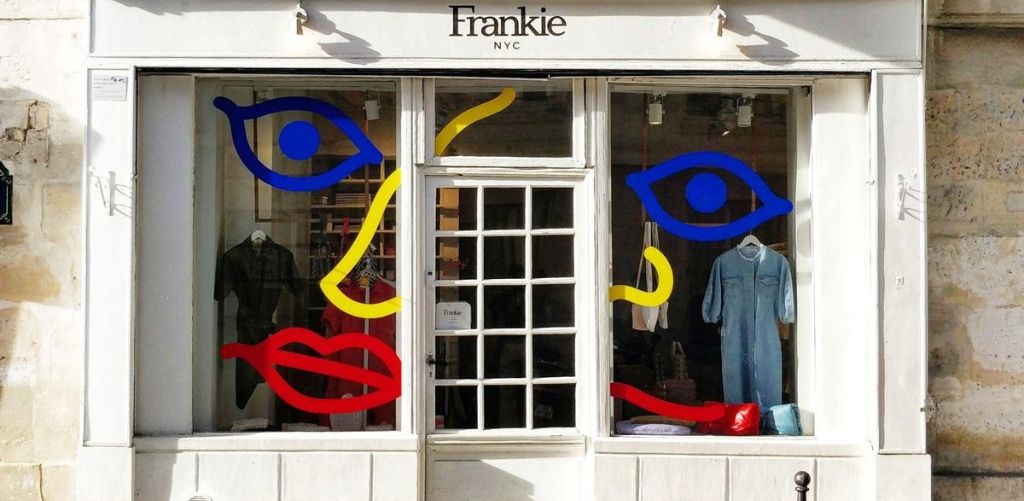
Startup example: The Frankie Shop
They’re known for collections that drop only for a short time. Their pop-up stores often sell out fast.

Why? Because people love what’s exclusive. When you say “only this weekend” or “only 30 pieces,” people pay attention. It feels special. And when it’s gone, it’s gone.

This kind of excitement and urgency is a marketing trick that works really well.

Ready to Pop? Let the World See What You’ve Got

Whether you’re starting your own fashion label or want to learn the business side of style, understanding pop-ups is a smart move. They’re quick to set up, great for building a fan base, and perfect for learning what works, and what doesn’t. So go ahead and sketch the designs, plan the vibe, and set the date. But most importantly, learn the right way to do it from the experts. JD Institute is where fashion dreams learn to walk, talk, and pop.

Want to Make Designs That Trend? Read This First

Friday, June 20th, 2025

“Why did that go viral?”
Ever scrolled through Instagram and wondered why a random doodle, poster, or reel gained millions of shares, while something more “technically perfect” barely got noticed? That’s not luck. That’s design with a hook. The kind that doesn’t just look good but feels right, resonates fast, and sticks in your brain like a catchy slogan.

But what exactly makes a design go viral? Let’s break it down, trend by trend, pixel by pixel.

A Strong Hook Grabs Fast

In the world of content, attention is currency. Viral designs always have one thing in common: a powerful visual hook. Something that makes you stop scrolling.

Think of Spotify Wrapped’s yearly graphics, the color palette, the layout, the snappy typography. It’s not just data, it’s FOMO in design form. Everyone wants to share their version.

Design hooks could be:

  • A clever twist (like the “Barbie” movie’s pink explosion in promo posters)
  • A shock factor (remember Nike’s Colin Kaepernick ad?)
  • Or just being so aesthetically satisfying it demands to be reposted.

At JD Institute, students across fashion, interior, and communication design are trained not just to create, but to communicate. From understanding behavioral psychology to visual triggers, they’re taught how to build designs that don’t whisper but shout, elegantly, of course.

Simplicity is the Secret Sauce

You might think going viral requires being wild and over-the-top. But often, it’s the simplest visuals that go the farthest.

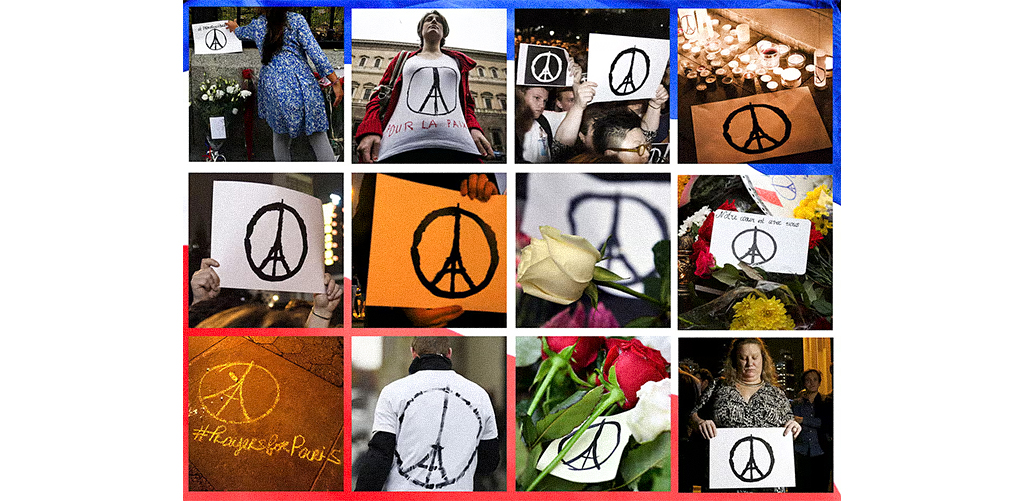
Take the iconic “Peace for Paris” symbol by Jean Jullien after the 2015 attacks a hand-drawn Eiffel Tower turned into a peace sign. No words. No explanation. Just instant emotional resonance.

Viral content doesn’t ask for effort. It gets understood in seconds.

Make It Personal or Make It Universal

Design that gets shared often speaks to something deeply personal a feeling, a moment, a belief or collectively universal, a social movement, a celebration, an emotion.

Think:

  • The minimal black square during the Black Lives Matter movement
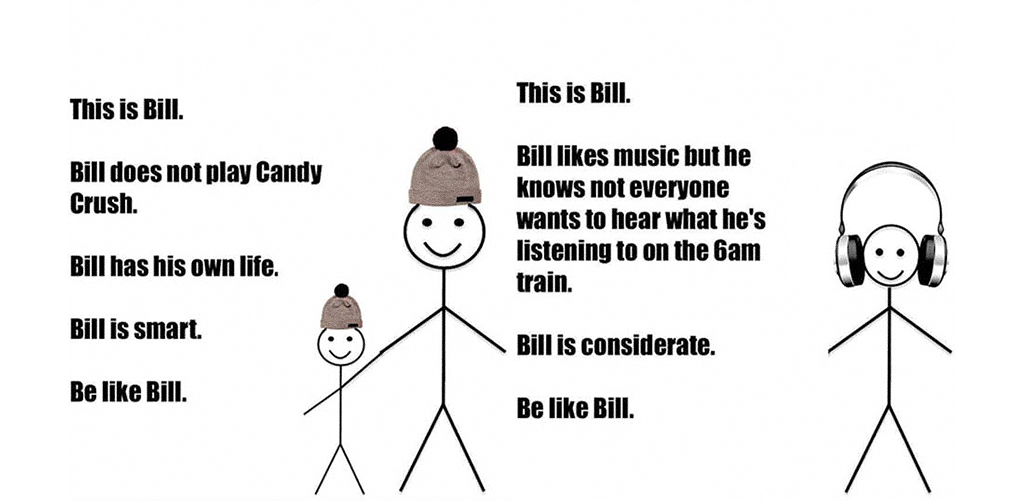
  • The quirky “Be Like Bill” stick figure memes
  • Even Pantone’s annual Color of the Year poster, it’s universal, it’s timely, it’s personal for designers

JD Institute ensures that students not only develop creative skills but also understand cultural cues. Whether it’s a Fashion Styling project or a Fashion Design campaign, they learn how to embed meaning into aesthetics, making every design not just seen, but felt.

Timing Is Everything

A design trend shared at the right moment explodes. Miss the moment and even the best design might flop.

When the “Met Gala” drops, you’ll instantly see Twitter filled with memes remixing celebrity outfits with iconic objects like turning Rihanna’s yellow gown into a pizza. It’s fast, fun, and feeds into a collective pop culture moment.

Trending design = Relevance + Speed.

Emotion Drives Design

People don’t share content, they share emotions. Designs that go viral evoke:

  • Laughter
  • Empathy
  • Shock
  • Hope

Remember the “Thank You, Frontliners” posters in 2020? Some were handwritten, some digitally illustrated, but all carried heart. That’s what made them viral.

Viral is Visual, But Also Thoughtful

In the end, a viral design is more than just a lucky moment. It’s a smart blend of timing, emotion, simplicity, and story. And while not every design may become an overnight sensation, every good design has the potential to connect deeply and widely. At JD Institute, students don’t just chase trends, they learn how to create them. With the guidance of expert mentors, real-world exposure, and interdisciplinary training across fashion, interiors, and communication design, JD shapes creators who understand not just how design works, but why it matters.

Balance Before Beauty: The Secret Every Fashion Stylist Swears By

Thursday, June 19th, 2025

Coco Chanel once said, ‘Fashion is architecture: it is a matter of proportions.
Now, she wasn’t being metaphorical. Fashion, just like buildings, needs the right structure, too top-heavy and it’ll collapse; too bottom-heavy and it feels off. That’s exactly where silhouette balance and fashion proportions come in. They’re the quiet heroes behind every outfit that makes people stop and stare and for the right reasons. 

Welcome to the world of silhouette balance and proportion in fashion styling, a concept that’s less about memorizing fashion rules and more about learning the art of illusion, intention, and expression. And yes, it’s one of the major things you deep dive into in the Fashion Styling course at JD Institute of Fashion Technology.

Let’s decode the magic behind proportion and silhouettes and why styling students must master this not-so-secret science.

What Are Silhouettes in Fashion Styling Anyway?

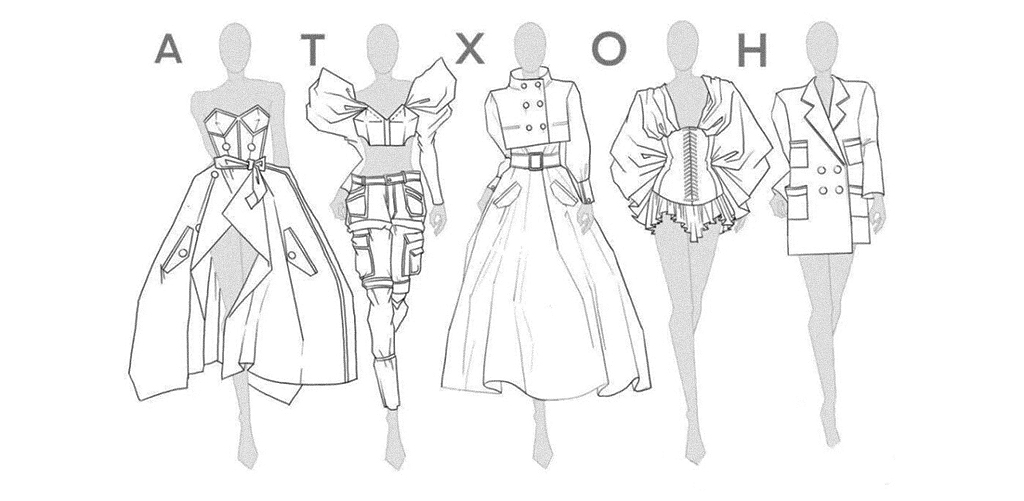
Silhouettes are the basic shapes your outfit creates when someone looks at you from a distance. Are you giving an hourglass vibe? Is your outfit flowing like a bohemian A-line? Or are you channeling the bold power of a structured rectangle?

Common silhouette types include:

  • A-line – fitted at the top, flaring out like a skirt.
  • H-line – straight up and down, very editorial.
  • X-shape – classic hourglass, cinched waist.
  • O-shape – oversized, cocoon-like.
  • Y-shape – broad on top, narrow at the bottom.
  • V-shape – athletic, inverted triangle structure.

Each silhouette has its own story and purpose, and matching it with the right body shape styling is where the real creativity comes in.

Proportion Is the Secret Sauce

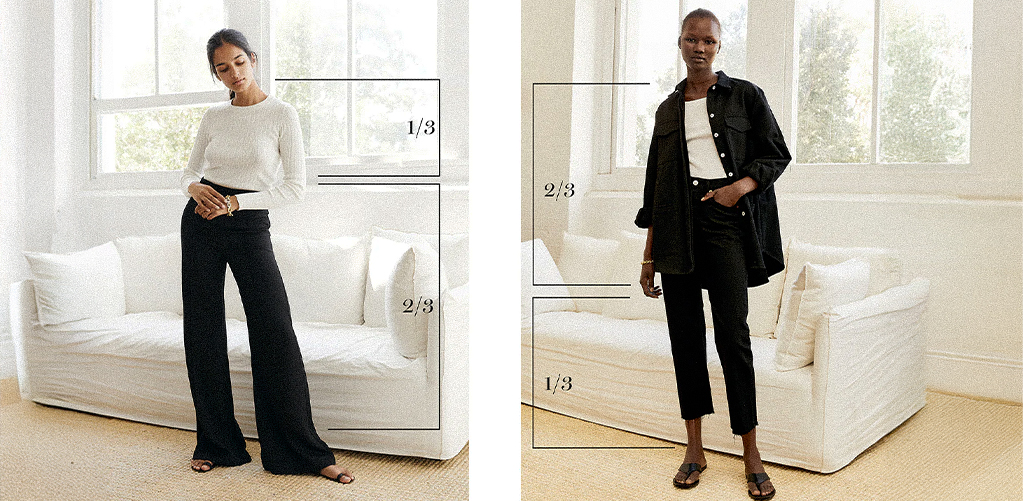
Have you ever seen someone wearing an oversized hoodie and tiny shorts and thought, “Why does that look so good?” That’s proportion. Stylists swear by the ⅓ to ⅔ rule: balancing a smaller section of the body like a cropped jacket with a longer one like high-waisted wide-leg pants to create harmony.

Startups like Aritzia and The Frankie Shop built their viral collections based on this principle, think power-shoulder blazers paired with tailored pants to give a strong Y-silhouette that flatters many body types.

For fashion styling students, understanding these proportions is like learning grammar before writing poetry. Once you get it, you can break the rules beautifully.

Why Oversized Isn’t Overrated

The oversized trend is everywhere, from Hailey Bieber’s closet to high-street fashion. But here’s the kicker: not all oversized is flattering unless styled with intention.

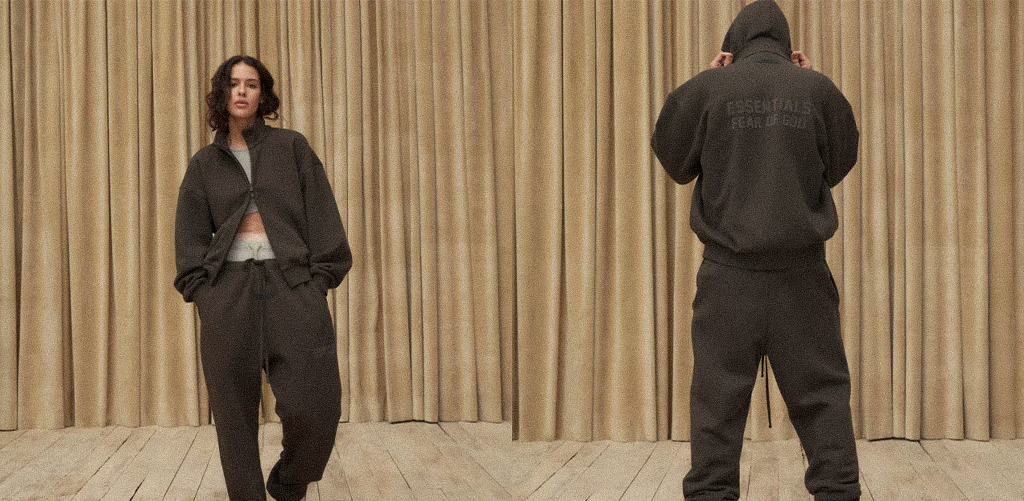
Brands like Fear of God and Balenciaga have played with exaggerated volumes but paired them smartly, with skinny bottoms, cropped layers, or cinched waists, to maintain visual balance and avoid looking swallowed.

Styling students need to decode this trend through the lens of silhouette and proportion: how to balance a loose fit with structure, or how to add edge without bulk.

Dressing the Body, Not the Trend

One major styling fail? Blindly following trends that don’t flatter your body shape. Oversized is in? Great, but how are you styling it on a petite frame?

This is why fashion proportions and body shape styling are key. Understanding how to highlight the waist, lengthen the legs, or add structure to the shoulders helps you style anyone with confidence.

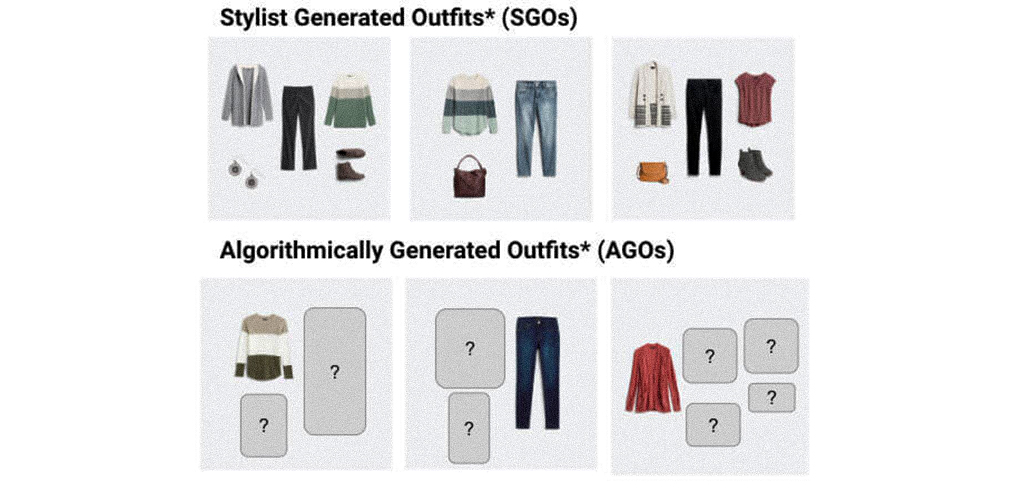
Case in point: Stitch Fix, the fashion tech company, uses AI + stylists to recommend clothes based on body type and preference because personalized proportion = confidence.

The Power of Structured Silhouettes

Fashion might look spontaneous, but behind the most iconic looks is a deep understanding of structure. Designers and stylists often use structured silhouettes like boxy blazers, tailored trousers, and sharp collars to control the chaos and draw attention to specific parts of the body.

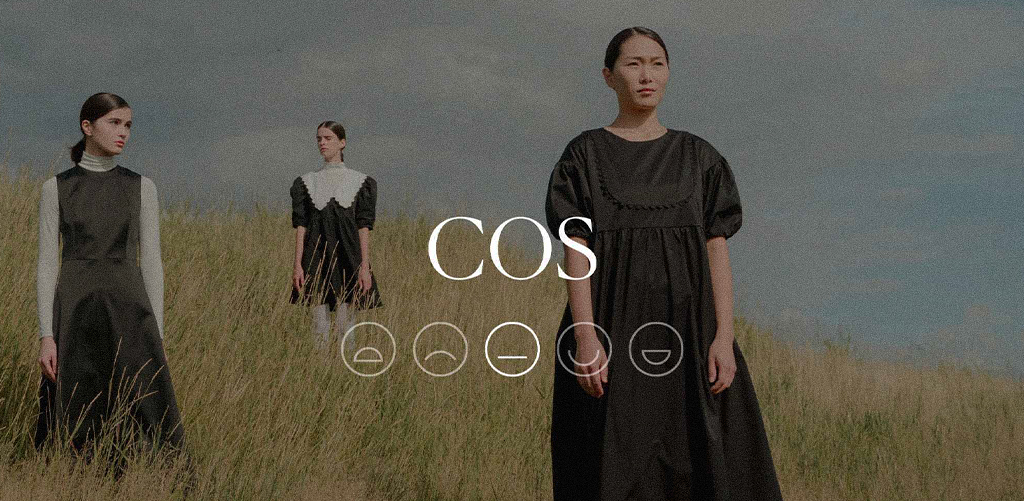
Look at COS (Collection of Style), the Swedish brand has made minimalism mainstream with architectural cuts that are all about perfect proportions and clean lines. Even a simple white shirt feels like a style statement when the silhouette is intentional.

For fashion styling students, this is a crucial lesson as mastering proportion isn’t about trends, but about direction and purpose something that’s built into the practical modules at the JD Institute of Fashion Technology.

Don’t Just Wear Fashion. Sculpt It

Whether you dream of being a celeb stylist, working with brands, or becoming a fashion content creator, understanding silhouette balance and proportion in fashion styling is your entry ticket.

So, next time you style a look, ask yourself, Is it balanced? Is it telling the right story? And if you’re thinking of building a strong styling career from the ground up, why not start at the institute that knows how to blend art, science, and business in one stylish frame? Get behind the seams with JD Institute, and let your fashion journey be as structured, stylish, and sensational as the silhouettes you create.

Don’t Plan an Event Without Reading This About Themes

Thursday, June 19th, 2025

“In 1984, the Summer Olympics didn’t just host games—it hosted a design revolution.”
That year, legendary designer Deborah Sussman transformed Los Angeles with bold colors, symbols, and a city-wide visual language. The takeaway? People don’t just remember what happened at an event. They remember how it felt. And that feeling? It all starts with a theme.

Welcome to the world where themes aren’t just decorative but they’re directional. In the high-stakes game of event planning, your theme isn’t fluff; it’s the backbone. Let’s break down how a theme can make or break your event, why you should care as an aspiring event planner, and how top pros (and students from JD Institute’s Global Event Management course) are winning big by thinking creative from the very start.

The Theme Sets the Moodboard of the Mind

Have you ever walked into a space and instantly felt something excitement, elegance, or even confusion? That’s the power of event aesthetics tied to a strong theme.

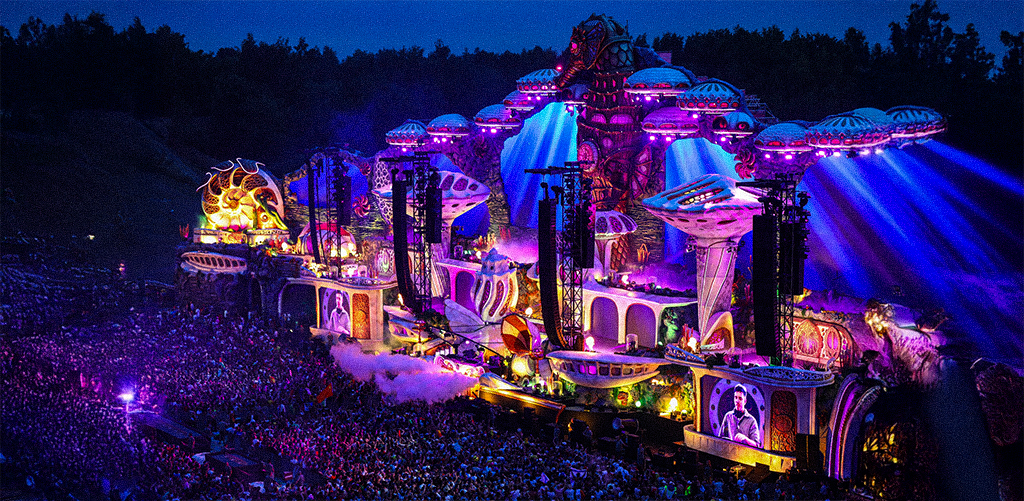
Take Tomorrowland, for instance, is one of the most iconic music festivals globally. Its success isn’t just about lineups. It’s about fantasy-driven visuals, consistent storytelling, and immersive design. Every year’s theme from “The Story of Planaxis” to “Adscendo”, transforms the entire experience.

Why this matters to students: If you’re studying themed event planning, your job is not just to organize; it’s to emotionally guide your audience. JD Institute’s Global Event Management course helps students understand the psychology behind event aesthetics, so your events feel as good as they look.

Your Theme Is Your Brand Voice in Action

A well-picked theme does more than look good—it speaks. It tells people what your event stands for and who it’s for.

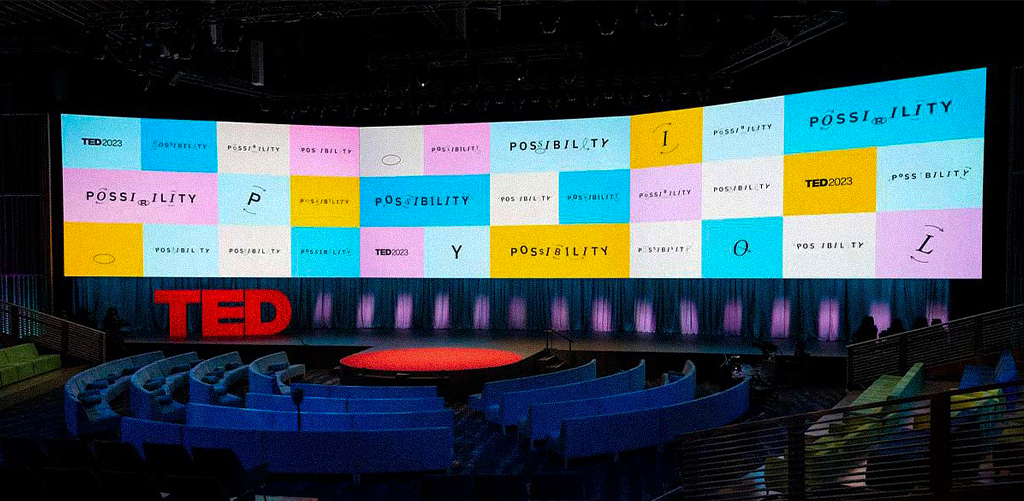
Example? TEDx Events. Whether it’s “Fearless Futures” or “Metamorphosis,” each theme aligns talks, visuals, and even the venue’s vibe to one central idea. That’s powerful branding.

Students need to learn this early: Creative event ideas aren’t just random, they’re strategic. Themes help you design better invites, backdrops, speaker line-ups, and even hashtags. In JD Institute’s program, you’ll actually get hands-on with this kind of event storytelling, and learn how to use themes to speak louder than words.

Good Themes Create Shareable Moments

In the Instagram age, events must be camera-ready. A well-executed theme can go viral faster than the event ends. Think of Coachella’s iconic installations or Met Gala’s daring yearly dress codes like “Camp” or “Heavenly Bodies.” These themes drive conversation.

Design elements in event management are no longer optional, they’re essential. Every corner must be Insta-worthy. Students who understand how to visually translate a theme will always be a step ahead. Let’s be real, no one wants to share a boring backdrop.

Themes Help with Budgeting and Decision-Making

Surprised? A strong theme doesn’t just spark creativity, it streamlines it. When you’ve nailed down a theme, you don’t waste money trying out 10 random ideas. Every choice, from lighting to food styling, follows the main concept.

Take the startup Airbnb Open, which themed its community event around “Belong Anywhere.” This shaped their design, speaker selection, even the venues, open homes across the host city. Less confusion, more unity. 

As students in Global Event Management at JD Institute learn, themes aren’t creative constraints, they’re creative frameworks. They help you say no to distractions and yes to everything that fits the vision and budget.

Without a Theme, It’s Just a Gathering, Not an Experience

It’s easy to book a venue and call it an event. But it takes vision to transform that venue into something unforgettable. A generic setup feels empty. But when you have a unifying theme, people walk in and feel part of something.

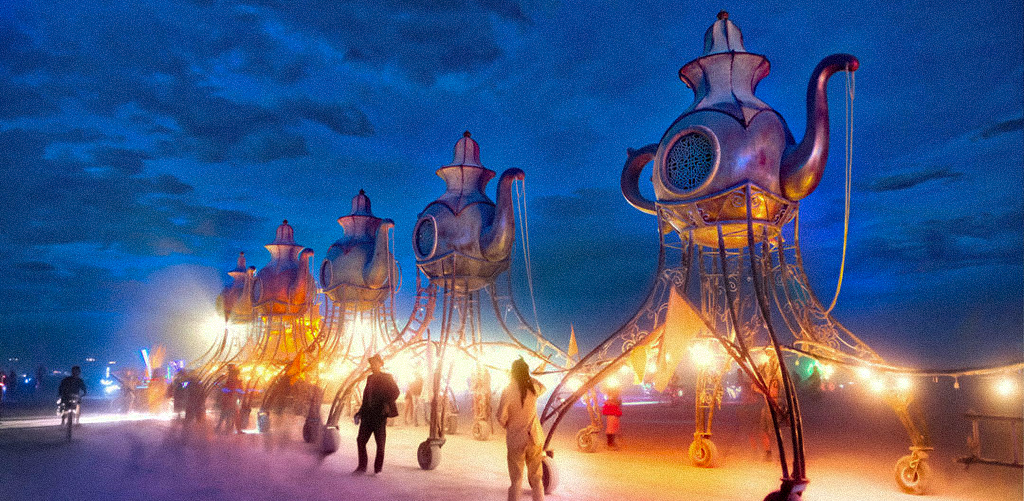
Just look at Burning Man. Every year, the temporary desert city rises around a new theme. That one line guides thousands of artists and designers as they co-create something wild and memorable.

And that’s the lesson: whether it’s 50 guests or 5,000, your theme is the difference between something people attend and something people remember.

Here’s the Bigger Picture

If you’re dreaming of creating events that aren’t just pretty, but powerful, then knowing how a theme can make or break your event isn’t optional, it’s foundational. That’s why places like JD Institute are pushing students to blend creativity with practicality from day one. You’ll learn not just how to brainstorm big ideas, but how to bring them to life under real-world event conditions. Themes aren’t just for decor, they’re for direction, emotion, budgeting, branding, and storytelling. And if you want to become an event planner who gets hired for more than logistics then you’ve got to master the art of the theme.

What Every Communication Design Student Should Know About Type Emotions

Wednesday, June 18th, 2025

“You can say the same thing in Helvetica or Comic Sans, but only one gets taken seriously.”
We often think of fonts as just… fonts. But imagine this- a breakup text in Papyrus. Or a funeral invite in Curlz MT. Cringe, right? That’s because fonts speak. And they speak loud, where typography is a surprisingly powerful area where design meets human emotion.

Whether you’re just stepping into the world of communication design or already experimenting with poster layouts, understanding how typefaces influence perception is not optional anymore. Especially in today’s digital-first world, where words aren’t just read, they’re felt. That’s why institutes like JD Institute of Fashion Technology, through their Communication Design course, ensure students are not just choosing fonts but they’re choosing feelings.

What Even Is Type Psychology?

Fonts aren’t just about looking pretty. They’re about feeling right. Type psychology is the study of how different typefaces impact people emotionally and cognitively. A font can make a message feel elegant, energetic, nostalgic, or even aggressive.

Example in Action: Airbnb’s Rebrand
When Airbnb shifted to a friendlier, rounder typeface in its rebranding, it wasn’t just for style. They wanted to appear more inclusive and approachable. And the type did the trick. That’s typography psychology at work — shaping how you perceive a brand even before you read what they’re saying.

Perception Starts Before You Even Read

Typefaces guide our brains into making snap judgments. Before reading a single word, your eyes feel something. This is crucial in poster design, UX, logos, or even magazine layouts.

Case Study: Medium’s Editorial Fonts
Medium uses clean, minimalist serif fonts to build a sense of calm, intelligence, and credibility. Their audience reads more, scrolls more, and feels smarter doing it. Design students need to understand how font choice becomes an emotional compass, guiding the reader’s mood even before the message kicks in.

Readability = Emotional Ease

If you’ve ever struggled through a fancy-but-illegible script font, you know how frustrating it can be. Readability is directly tied to trust and emotional comfort. Poor font choices not only confuse but they repel.

Startup in Spotlight: Duolingo
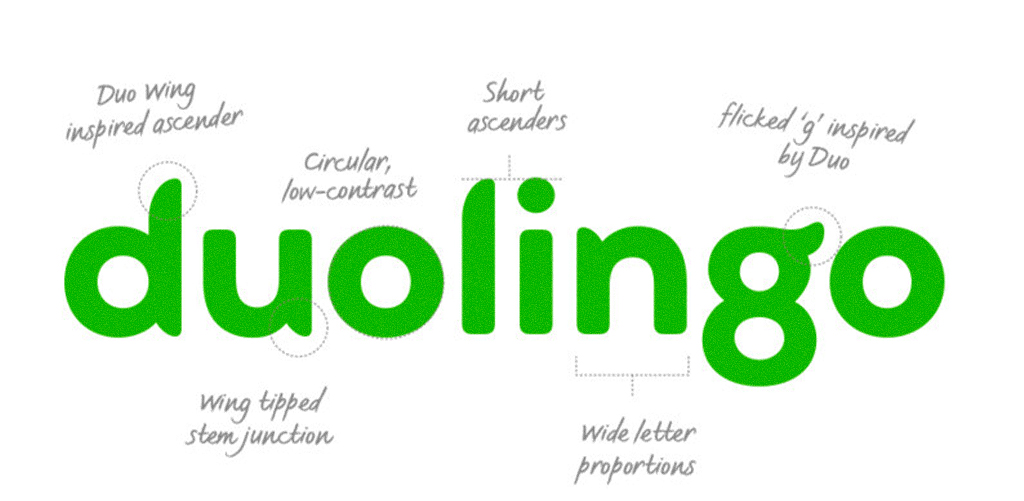
Duolingo’s use of round, friendly sans-serif fonts matches its playful tone and learning philosophy. Their typography choices make users want to stay. As a Communication Design student, this is where you realize type isn’t decoration, it’s UX.

And yes, JD Institute’s Communication Design course ensures that students don’t just use type, they understand it. From micro-interactions to macro layouts, emotional readability is at the core of modern design learning.

Emotional Branding Through Type

Fonts play a major role in brand storytelling. You wouldn’t trust a luxury perfume brand using a default Arial font, would you? Typography sets the tone before anything else does.

Brand Masterclass: Glossier
Glossier’s soft and minimal sans-serif fonts scream (or rather whisper) “clean beauty.” It’s intentional that their brand voice is subtle, approachable, and inclusive. Typography is their emotional handshake. That’s the kind of insight you get when you dive deep into Typography as one of the major aspects of psychological influences. 

What Design Students Must Learn from This

This is where you, the future creative director or branding expert, come in. You must know that:

  • Fonts have weight, mood, and voice.
  • Good typography creates comfort, trust, and connection.
  • The wrong font can wreck the right message.

These are not just creative choices, they’re psychological strategies. Learning how to wield them is essential.

And institutes like JD Institute of Fashion Technology don’t leave these things to chance. Their Communication Design curriculum mixes creative exploration with real-world relevance that will help students to back every font decision with purpose.

Why Should Future Designers Care?

Because typography isn’t just about aesthetics. It’s psychology. It’s strategy. It’s emotional engineering. Whether you’re designing a portfolio, a pitch, or a packaging label, your fonts are your first impression.

If you’re a student dreaming of designing for brands that move people and not just visually but emotionally, then start treating fonts like feelings. Because in design, every curve speaks. And if you want to learn from the best, maybe it’s time to explore where communication design meets emotion-led creativity, maybe it’s time to explore JD Institute.
The Secret Language of Spaces: Floor Plans Decoded for Interior Aspirants

Tuesday, June 17th, 2025

“Ever tried assembling IKEA furniture without instructions? That’s exactly what designing without a floor plan feels like.”

It’s all fun and games until you realize your fabulous velvet couch blocks the door and your coffee table floats awkwardly in the middle of nowhere. Welcome to the chaos that happens when you don’t understand floor plans.

Learning how to read a floor plan like a pro isn’t just for architects, it’s a superpower every design student needs. Whether you’re sketching dreamy interiors or crafting functional spaces, mastering the art of floor plan reading is where it all begins. If you’re enrolled in an interior design course like the one offered by JD Institute, this is probably one of the first and most essential tools you’ll be handed and rightly so!

Let’s break it down like pros (but in beginner-friendly language), so you don’t just look at those black lines on white paper… you read them like a seasoned designer.

What Even Is a Floor Plan?

A floor plan is basically the Google Maps of a room or a building, it shows where everything is, but in 2D. You’ll see walls, doors, windows, furniture placements, and often dimensions. It’s your interior layout’s master key.

Why should a design student care? Because every smart design starts with smart space planning. Floor plans tell you the story of space, where it breathes, where it clutters, and how it flows. If you miss the story, you miss the design.

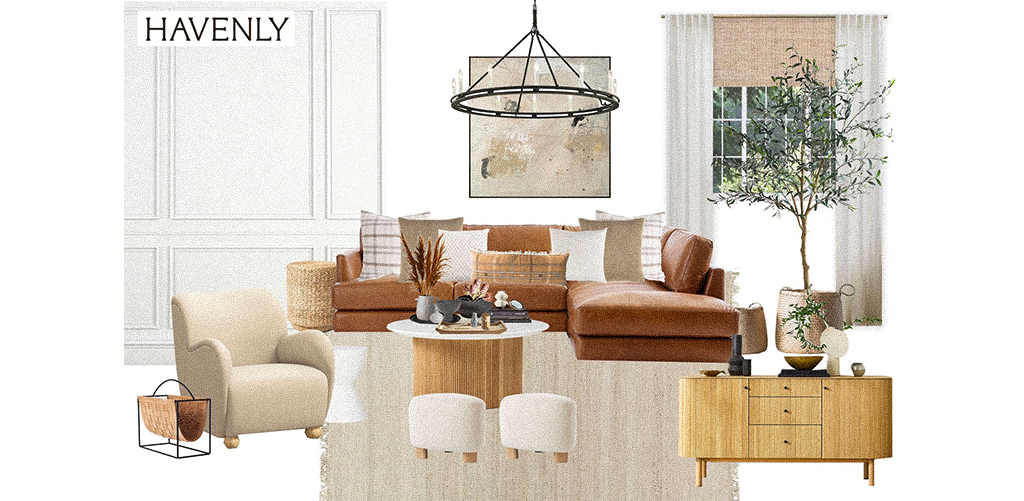
Famous Startup Lens: Havenly, an online interior design platform, makes its services accessible to users by starting every design with a digital floor plan. It’s how they personalize at scale, and it all begins with knowing the basics.

Lines, Symbols & Secret Codes

Reading a floor plan is a bit like reading a comic strip. Every line, dot, or squiggle has a meaning:

  • Thick lines = walls
  • Dashed lines = items above or below (like ceiling beams or rugs)
  • Arcs = door swings
  • Squares with X = windows

Furniture outlines help visualize how big a space really feels. And those little numbers? They’re measurements is golden keys to proportion and function.

At JD Institute’s interior design course, students practice interpreting these elements hands-on. Because when you see the space on paper, your design mind begins to stretch beyond Pinterest boards.

Understanding Measurements and Proportions

Here’s the reality, a king-sized bed looks great in your imagination until it leaves no space for your feet to walk. That’s where scale steps in.

Understanding how measurements translate into real life is essential for good space planning. Reading the scale on a plan helps you figure out what fits where and how to keep your designs practical and not just pretty.

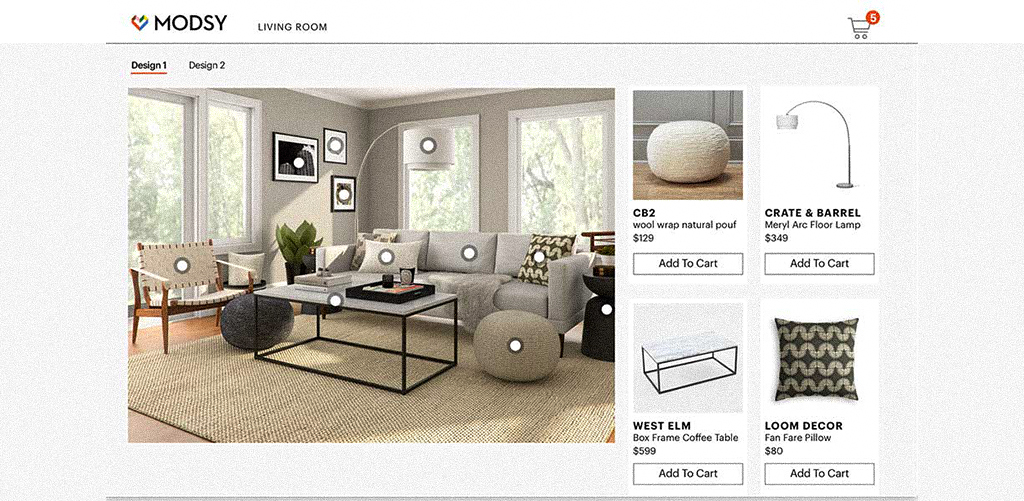
Startup Inspiration: Modsy, a virtual interior design service, uses scaled 3D floor plans to show users exactly how furniture will fit. Their realistic renderings wouldn’t work without a precise grip on floor plan proportions.

How to Actually Get Good at Reading Floor Plans

Like any language, the more you read floor plans, the more fluent you become. Here’s how:

  • Study real estate brochures or architectural magazines.
  • Try drawing your room’s layout and comparing it with actual measurements.
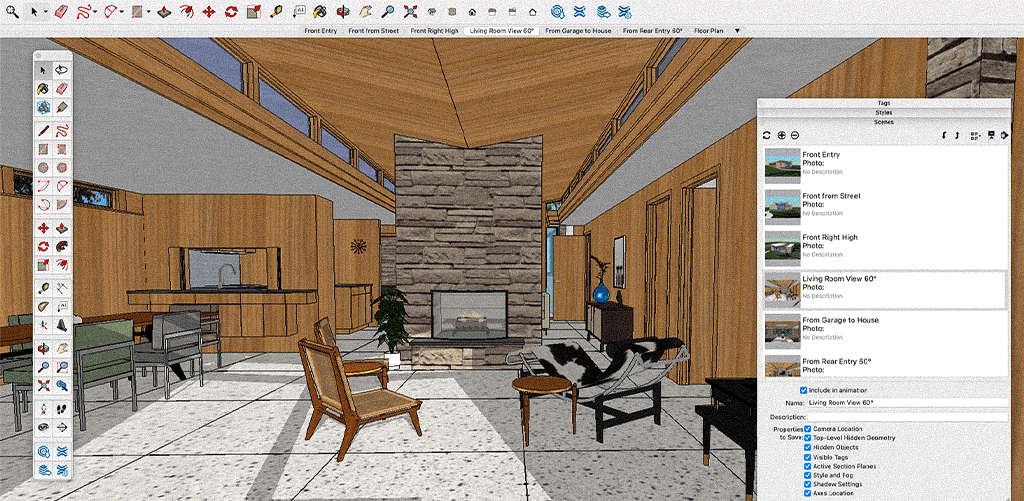
  • Use design tools like SketchUp or Floorplanner to play around with virtual layouts.
  • Take on mock design challenges — how would you redesign a tiny café, a studio apartment, or even your college library?

Real World Relevance: IKEA uses super-efficient layouts in both stores and product manuals, and their design teams swear by accurate floor planning. That’s how they keep their furniture universal and their stores like maze-like dreamlands.

Final Word

If you can read a floor plan, you’re not just reading a drawing, you’re reading someone’s lifestyle, their movement, their needs, their comfort. And when you get that, you’re already one step closer to being a design gamechanger. So grab that layout, pull up your sleeves, and start reading like a design detective. And if you’re wondering where to truly sharpen this skill, maybe it’s time to check out the way JD Institute turns students into spatial storytellers.

Sculptural Tricks Every Visual Merchandiser Should Know

Tuesday, June 17th, 2025

Ever stopped in front of a store just because the window display looked so good you couldn’t ignore it?
That’s not luck, that’s visual merchandising done right.

But here’s something most people don’t realize: the secret behind those eye-catching displays often comes from the world of fine arts. Yes, the same techniques used by sculptors and installation artists like 3D composition, form, and balance are what make modern storefronts look like mini art galleries.

For students stepping into the world of visual merchandising, understanding these artistic principles isn’t just “nice to have”, it’s essential. And that’s exactly what the Visual Merchandising course at JD Institute helps you explore in a creative, hands-on way.

Let’s look at how sculpture and art are quietly shaping the future of retail design, from gallery to glass window.

Using 3D Composition to Create Visual Narratives

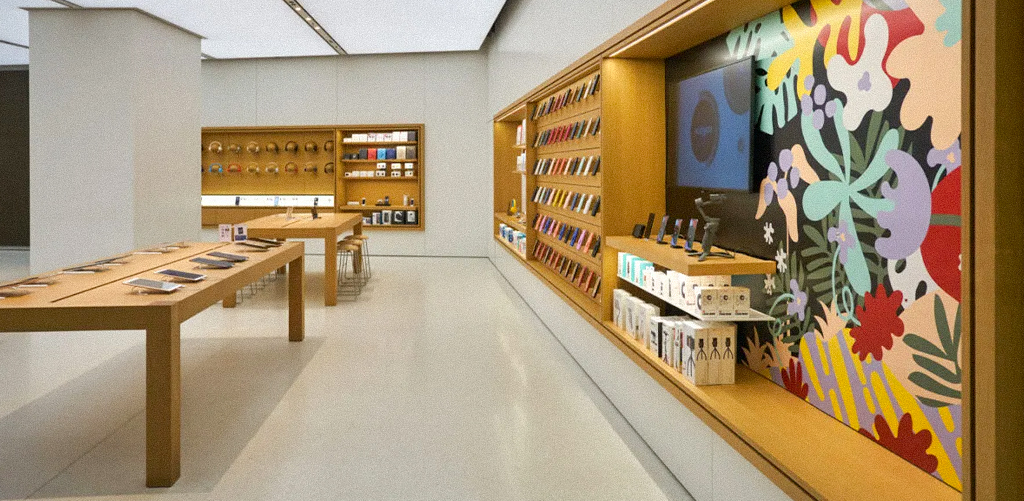
Ever noticed how Apple stores feel like modern art galleries? That’s no accident.

Companies like Apple use 3D composition not just for aesthetic value, but to guide your eye and your emotions through the space. The layout, the proportions, the emptiness around a single object, it’s not just clean design. It’s sculpture logic at play.

In visual merchandising, 3D composition helps create a rhythm. It builds harmony between mannequins, shelves, lighting, and even air. Think of each product as a sculpture, and the storefront as your gallery. Suddenly, your display isn’t just a setup it’s a show.

Aspiring visual merchandising students must learn this artistic trick to stand out. Why? Because today’s consumers don’t just shop, they scroll, scan, and swipe. Only sculpted storytelling grabs their focus.

Balance is the New Bold

Fine art is obsessed with form and balance, and so is your brain.

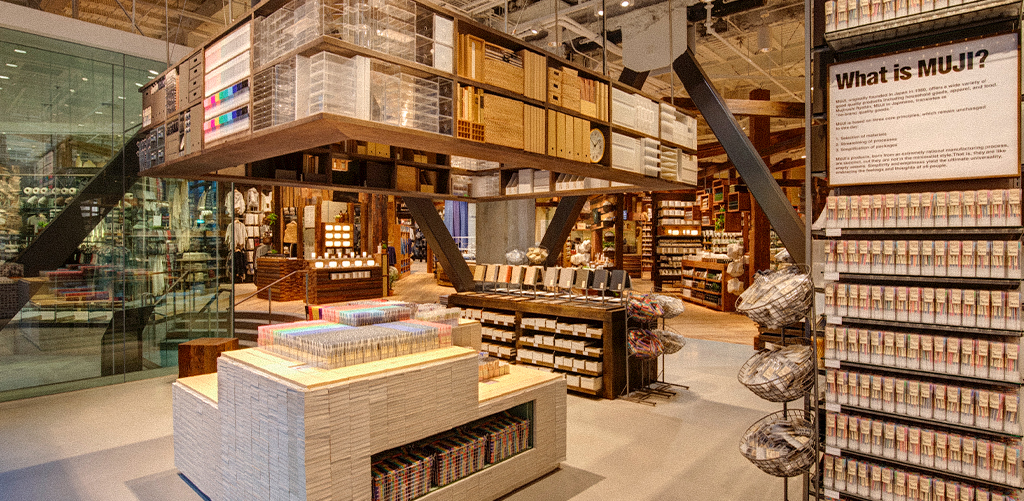
Take Muji, for instance. Their displays feel calm, symmetrical, and soothing. That’s intentional. They use form and balance in VM to reflect their minimalist brand identity.

Understanding these design principles is like learning the emotional math behind space. You’re not just arranging products, you’re setting a mood, an experience, a feeling. And customers respond more positively to well-balanced displays without even realizing why.

Why Sculpture Design is the Blueprint of Retail Impact

Let’s talk sculpture design, the OG of physical storytelling.

Take a cue from Anthropologie, a brand known for building its window displays using materials like wood, metal, paper, and even clay, literally sculpting the retail environment. These installations don’t just look pretty; they speak to passersby, inviting them in with curiosity.

When visual merchandisers understand the basics of sculpture design, weight distribution, proportion, texture, and tension, they create retail displays that feel alive. They become builders of mood, not just decorators of space.

Layering Spaces Like Dior’s Flagship Visuals

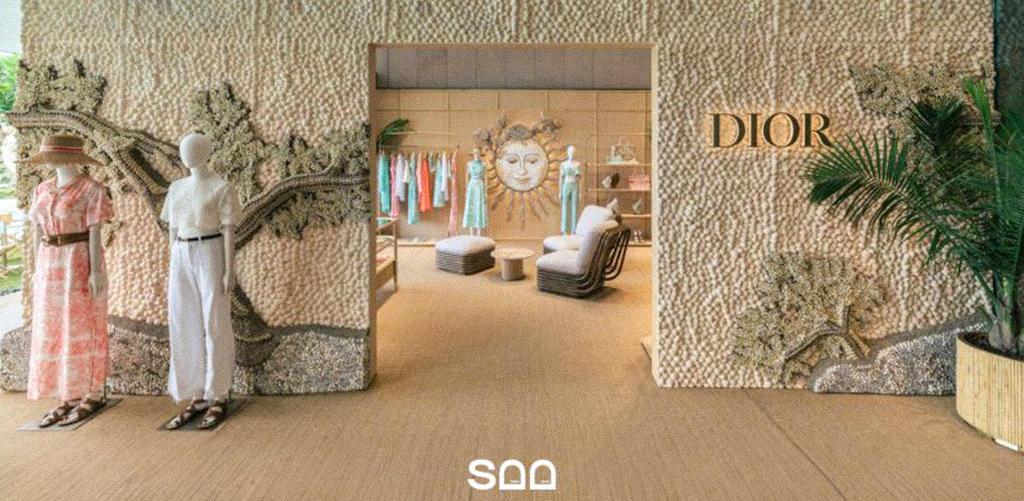
Step inside a Dior flagship store, and you’ll notice something striking, the displays don’t sit flat against the wall. Instead, they breathe in layers.

This is a classic technique borrowed from fine art installations, where artists build depth using foreground, middle ground, and background. Dior uses this in their product placements, bags floating at eye level, heels sitting lower, and soft backdrops behind them.

This layered composition creates visual drama, guiding your eye and curiosity. In visual merchandising, learning this 3D layering technique is crucial for making static products feel dynamic and luxurious.

How Gentle Kinetic Elements Elevate Brand Spaces

Not all sculptures are still. And not all displays should be either.

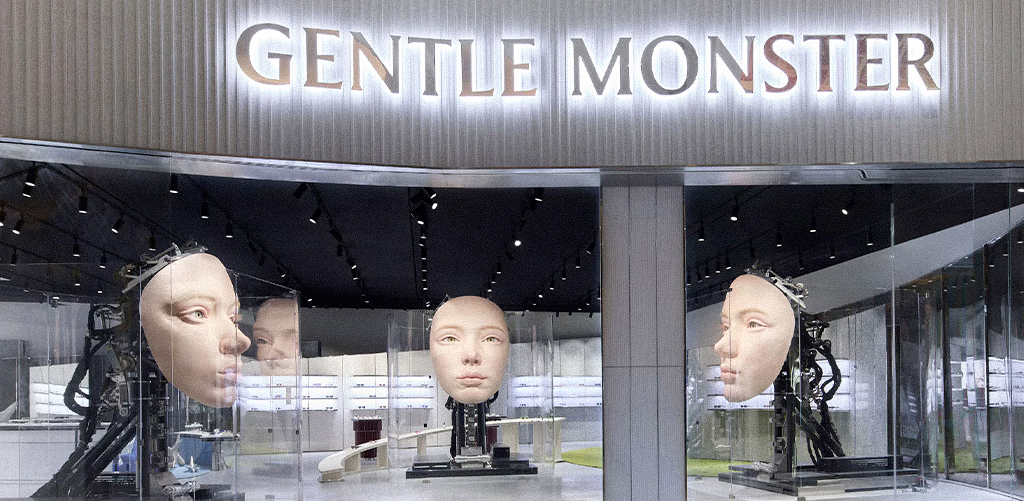
Take Gentle Monster, the avant-garde Korean eyewear brand. Their VM is a performance, rotating heads, floating arms, slow-moving mechanical art. It’s surreal, it’s sculptural, and it makes you feel.

By bringing in kinetic art elements, they blur the line between gallery and boutique. And that emotional reaction? It makes people stay longer, click more photos, and ultimately, buy.

Understanding movement, pacing, and interactive form is a major edge for any merchandiser who wants to play big.

Make Your Display Talk, Not Just Sell

The best storefronts don’t scream discounts. They whisper desire.
And the merchandisers behind them? They’re part artist, part magician, part strategist. If you’re dreaming of crafting windows that wow, corners that convert, and spaces that stop scrolls in real life, learning from a place like JD Institute is a no-brainer. Here, they don’t just teach you how to arrange. They teach you how to sculpt success.

Copyright © 2025 JD Institute of Fashion. All Right Reserved

Designed by Red Lemon

Whatsapp icon
Apply Now
Enquire
Quick Enquiry