


Did you know the first high heels were worn by men in the 10th century? That’s right, fashion hasn’t always played by today’s gender rules. In fact, the line between men’s and women’s clothing was way blurrier back then. Today, it’s blurring again, and this time, it’s on purpose.
And if you’re thinking about diving into this space, the Fashion Business Management course at JD Institute is a smart place to start. It doesn’t just teach you how to sell clothes, it teaches you how to build movements, understand emerging markets, and launch fashion startups with purpose.
Gender-neutral fashion is all about breaking traditional fashion rules. Forget men’s shirts or women’s trousers, it’s about offering designs that feel good and look good on anyone.
Brands like TomboyX began by designing underwear that wasn’t tied to gender norms, and are now global players in the inclusive clothing space. They’ve shown that people are hungry for fashion that celebrates diversity.
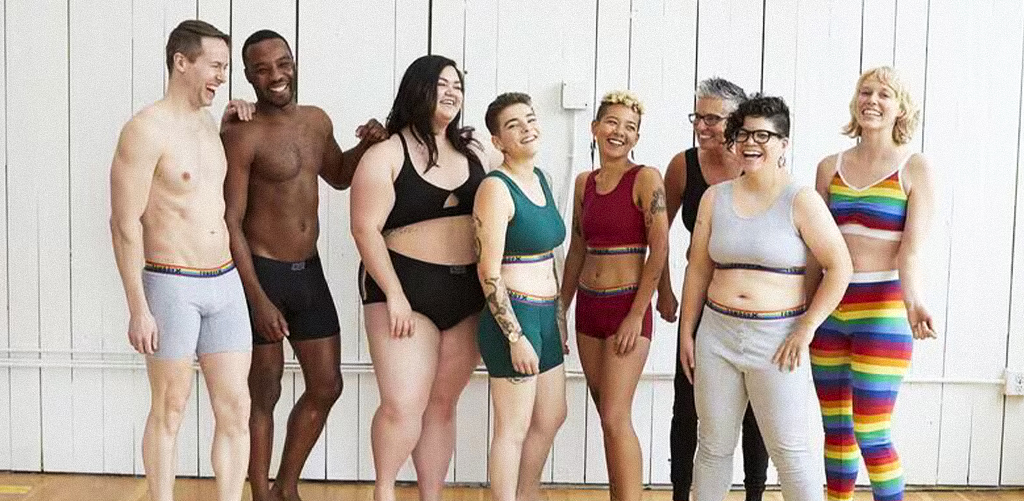
If you’re starting out, don’t just design differently, think differently. Start with the belief that fashion doesn’t need a gender tag to make someone feel seen.
In gender-free fashion, comfort isn’t just physical, it’s emotional. That’s why brands like One DNA focus on versatile fits and soft, breathable fabrics that feel like home for every body type.
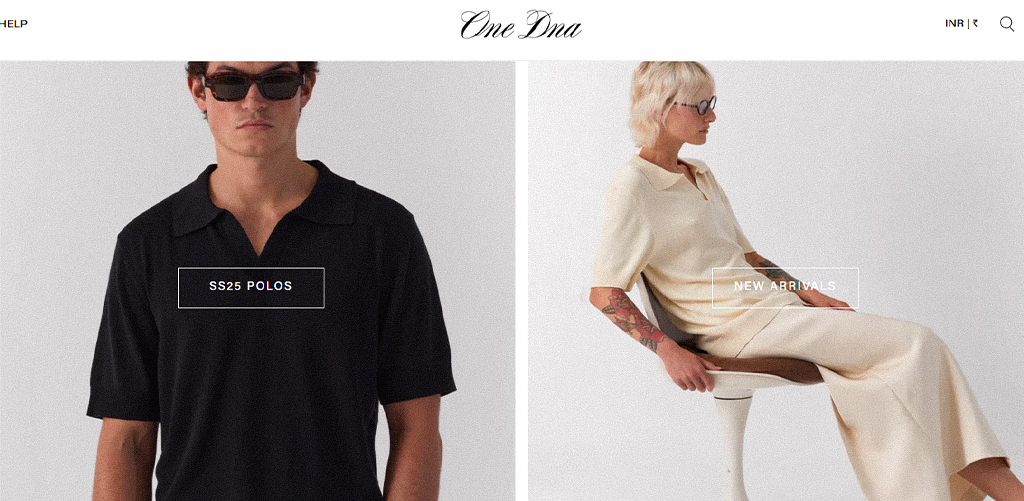
Aspiring fashion entrepreneurs need to understand consumer psychology. Why does someone choose a hoodie over a shirt? What kind of fit makes someone feel like themselves? These insights aren’t taught by chance, they’re learned intentionally, and that’s what makes courses like Fashion Business Management at JD Institute so relevant. You don’t just learn design, you learn people.
You could design the most amazing unisex jacket ever, but if your packaging screams men only, you’ve lost the plot.
Phluid Project, a pioneer in gender-neutral retail, cracked the code by building a brand where every label, every product, and every campaign feels welcoming. It’s not just about the clothes, it’s about the entire experience.
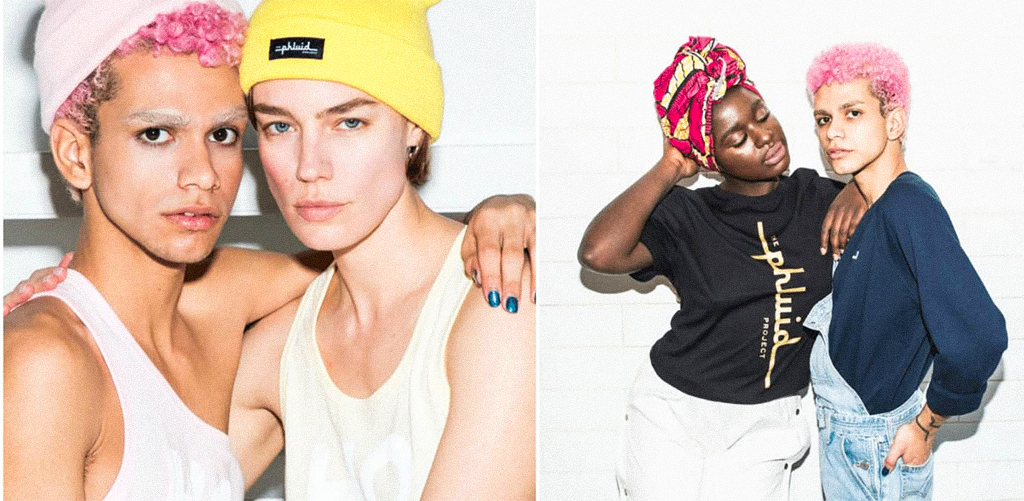
So, when you’re launching your modern clothing startup, think beyond the product. Your brand story, your social media tone, even your return policy, everything should reflect the same inclusive vibe.
One big lesson new entrepreneurs must learn? Don’t overproduce. Gender-free fashion is often more minimalist, fewer pieces, smarter cuts, longer shelf life.
Look at Olderbrother, a sustainable unisex brand that’s built around slow fashion and natural dyes. They’re not trying to produce 500 styles a month. They’re focusing on quality, ethics, and environmental impact, and guess what? Customers love it.

If you’re planning to launch your line, take the smart route. Do your market research. Understand slow fashion strategies.
Let’s be honest, not everyone understands inclusive clothing yet. So, as a fashion entrepreneur, you’ve also got to be an educator. Use your social platforms, your website, and your campaigns to tell stories, about body diversity, about gender identity, about choice.
That’s what makes Wildfang so powerful. They built a cult following not just through their jackets and jumpsuits, but by championing gender equality, supporting queer voices, and owning their narrative.
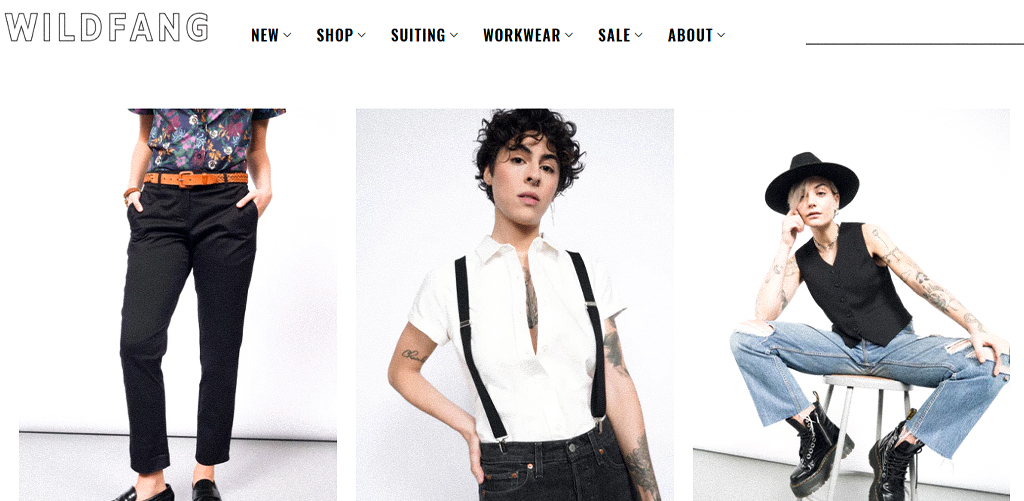
Fashion is not just visual, it’s emotional, cultural, and political. Your brand needs to say something. That’s what truly connects with the modern audience.
If you’re thinking about starting a gender-neutral clothing line, remember this that you’re not just launching a brand, you’re building a bridge between comfort and identity, between fashion and freedom.
And to do it well, you need more than talent, you need training, insight, and smart business know-how. That’s why the Fashion Business Management course at JD Institute isn’t just another fashion program. It’s your blueprint for building a relevant, future-ready fashion startup.
So go ahead, rethink the rules, break the binaries, and design for everyone.
 Design Blogs
 Watch on youtube


 Downloads

Copyright © 2025 JD Institute of Fashion. All Right Reserved
Designed by




 Quick Menu