


“The future is already here, it’s just not evenly distributed.”
This quote by William Gibson isn’t about fashion, but it might as well be. Walk into a streetwear store in Seoul, a resale boutique in Paris, or open your favorite fashion app, and you’ll see tomorrow’s fashion businesses already in motion. 2025 is shaping up to be a bold, tech-savvy, and sustainability-driven year for fashion startups.
In this blog, we’re diving into the top fashion startup trends to watch in 2025, the ones changing the game, breaking the rules, and shaping how fashion will be created, bought, and worn.
Meet your new fashion best friend: an AI. Brands like Vue.ai and Lily AI are building smart platforms that help users find clothes based on mood, body type, or even Instagram vibes. These AI-powered assistants not only style customers but also help brands predict demand, reduce overproduction, and personalize experiences.
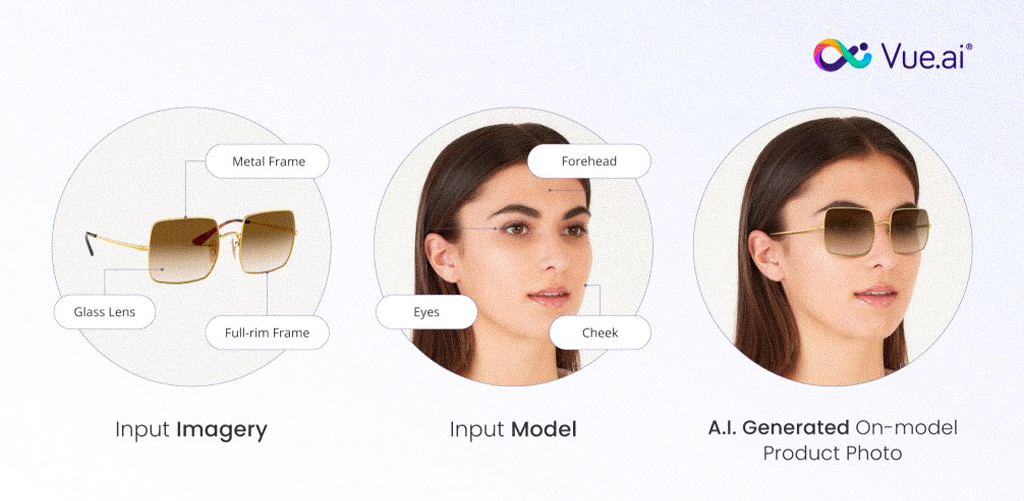
For fashion entrepreneurs, understanding how AI is reshaping style isn’t optional, it’s essential. Learning how data works, how AI tools function, and how to pair them with creativity is something you can explore in-depth through Fashion Business Management course like the one at JD Institute.
Fashion in 2025 is about doing good and looking good. Think of Pangaia, which makes high-performance eco-wear using bio-engineered materials. Or Reformation, where AI tracks fabric impact, and everything’s made-to-order.
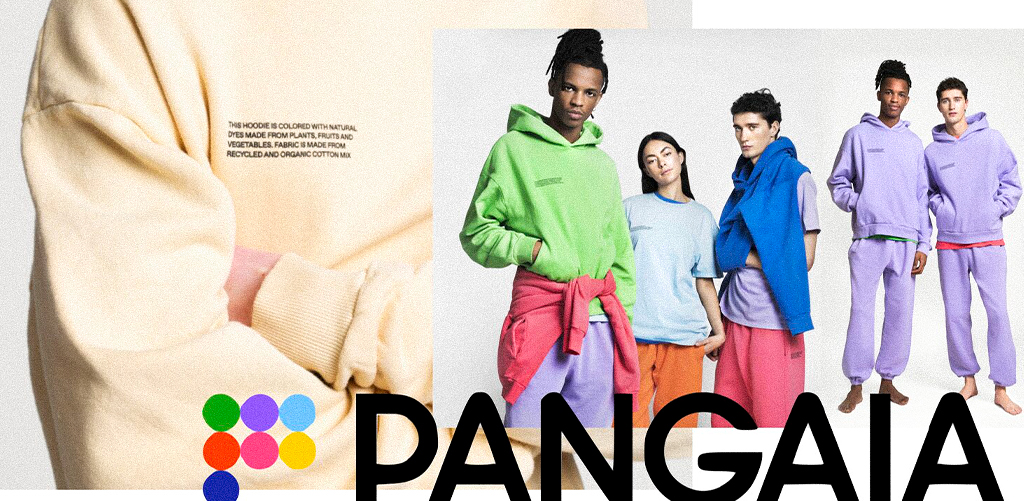
The trend? Startups are shifting from “less harm” to “net good.” Aspiring founders need to learn about circular design, ethical sourcing, and green manufacturing early on, because conscious consumers are not slowing down.
NFTs and digital wearables aren’t just buzzwords anymore. Platforms like DressX are letting people buy and wear virtual outfits on social media. And digital fashion houses like The Fabricant are collaborating with brands for limited-edition digital drops.
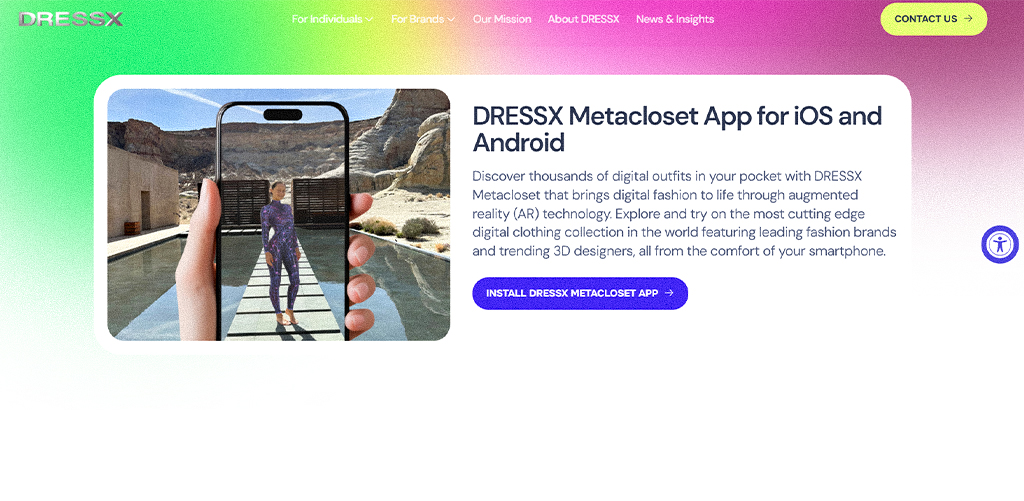
In 2025, expect fashion startups to explore metaverse wardrobes, AR fitting rooms, and hybrid phygital clothing lines. If you want to launch something exciting, learning how tech and fashion intersect could be your golden ticket.
Thrift is now trendy, not just economical. Apps like Depop, Rent the Runway, and Trove are showing how big the resale and rental economy has become. In fact, many Gen Z fashion startups are building community-first, resale-based platforms to offer style minus the waste.
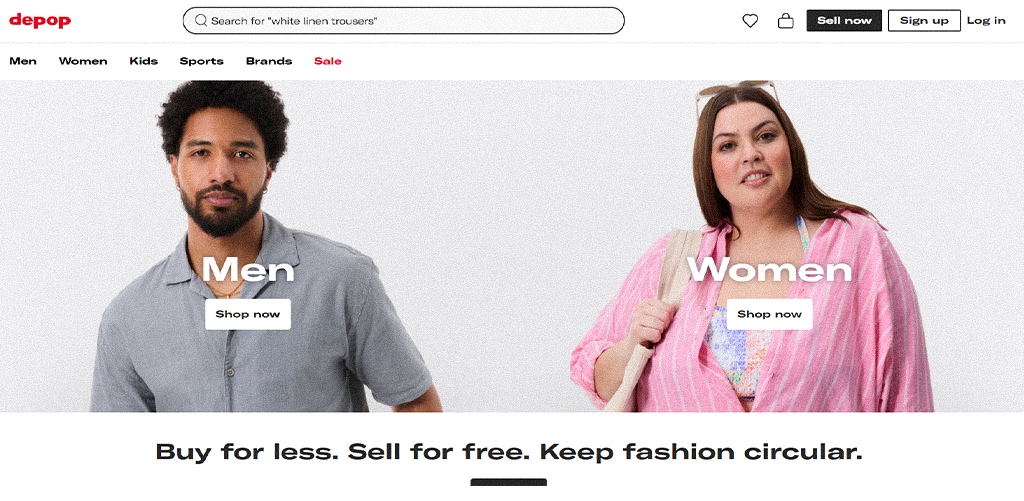
For anyone building a brand in 2025, knowing how to tap into pre-loved culture is a major skill. You’ll need to understand pricing, logistics, and consumer psychology, something Fashion Business students at JD Institute get hands-on training with during brand strategy and retail modules.
Not every brand needs to go global. In fact, local pride and micro-communities are pushing fashion brands to niche down. Examples? Telfar (NYC’s own “Bushwick Birkin”) and Neem London, which speaks only to mindful male shoppers.
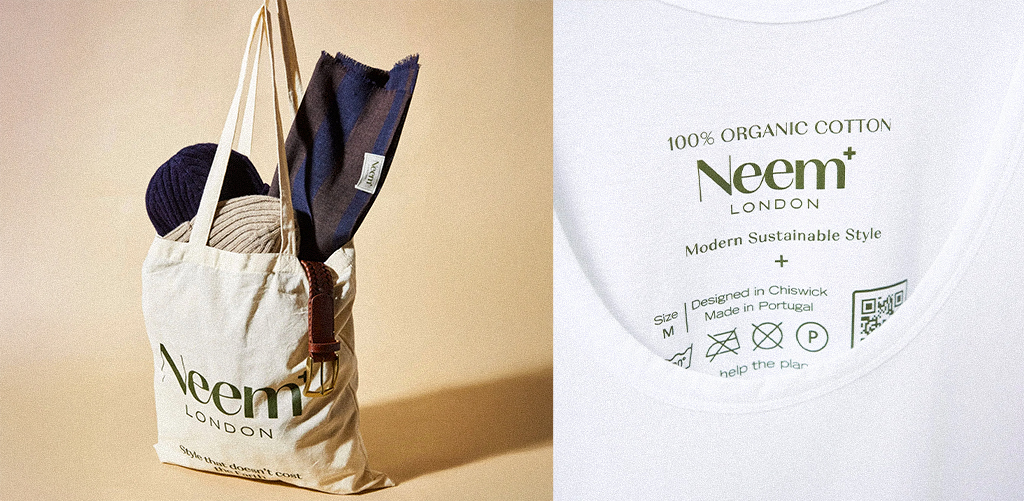
2025 startups will win by being specific knowing their people, values, and purpose. Business students today need to learn branding that’s culturally connected and emotionally intelligent.
This one’s huge. In 2025, if you’re building a fashion brand, you’re also building an audience. Look at how Matilda Djerf’s Djerf Avenue grew on the back of her aesthetic storytelling. Fashion startups are becoming media companies.
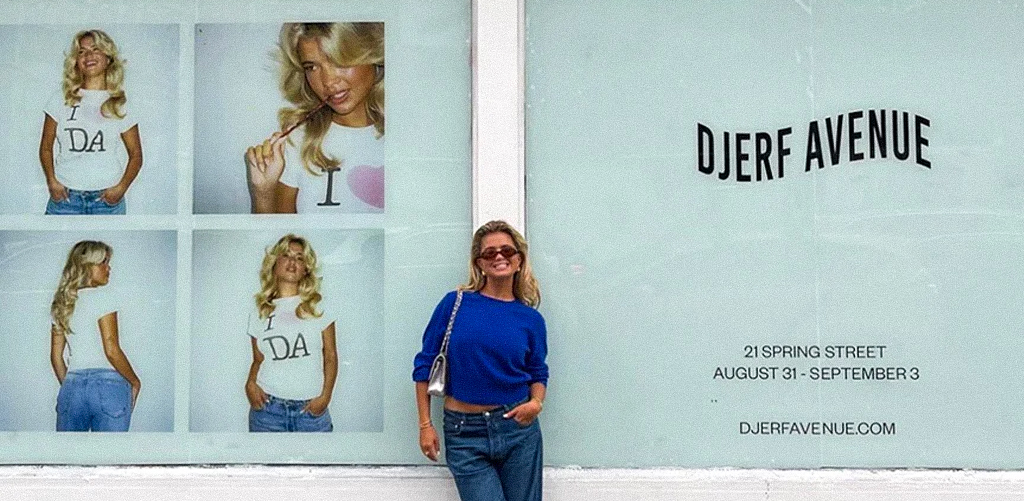
Knowing how to create viral campaigns, speak on reels, or even host online events is key. And that’s where fashion business education from JD Institute comes in handy, it doesn’t just teach the “what,” but also the “how” of digital brand building.
If there’s one thing these trends teach us, it’s this: The future of fashion business isn’t about copying the runway. It’s about building your own. Whether you want to start a sustainable label, a tech-powered fashion platform, or the next big resale app, the best investment is to learn how real-world fashion business works, and JD Institute’s Fashion Business Management course is a power-packed way to begin.
 Design Blogs
 Watch on youtube


 Downloads

Copyright © 2025 JD Institute of Fashion. All Right Reserved
Designed by




 Quick Menu