

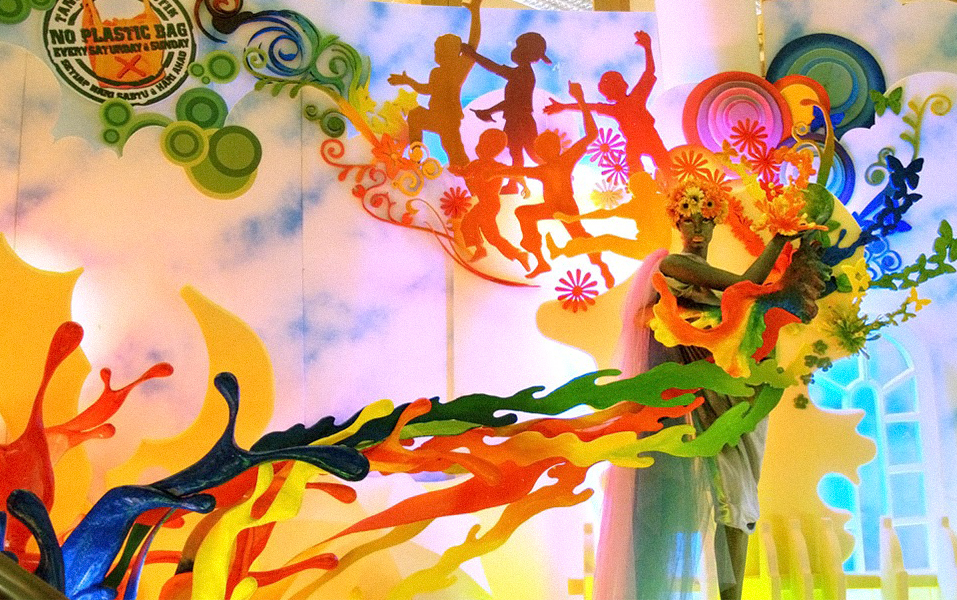
Did you know some stores are now using real plants and recycled cardboard to decorate their windows?
Yup, no glitter, no plastic, just smart design and conscious choices. It’s not just about looking good anymore. It’s about doing good. Retailers across the world are switching to eco-friendly displays, and it’s not just a trend, it’s becoming the norm.
If you’re someone dreaming of becoming a visual merchandiser or planning to build a career in fashion and display design, this shift matters a lot. Why? Because the way stores present their products is changing, and you’ll need to learn how to keep up.
That’s exactly what JD Institute’s Visual Merchandising course focuses on, teaching students how to design innovative, impactful displays that are also sustainable. So let’s break down how stores are going green with their displays and what you need to learn from them.
Many stores are now ditching single-use display materials and choosing to reuse what they already have. A great example is Patagonia, a brand known for its love for the environment. They build their store fixtures using reclaimed wood and recycled metal. Nothing goes to waste.
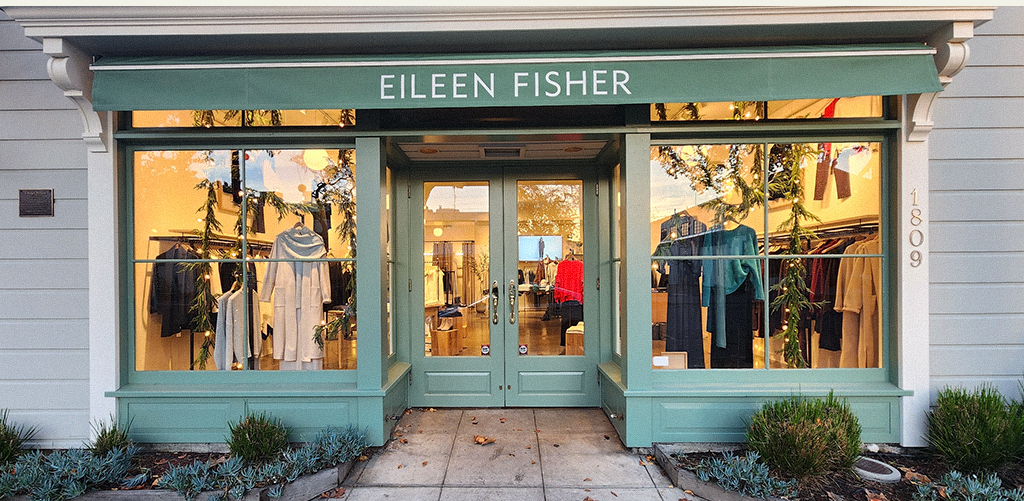
Eileen Fisher also launched a project where old clothes are turned into new window displays. These displays tell a powerful story about sustainability and style.
As a visual merchandiser, you must start thinking beyond new props every season. Ask yourself tha can I reuse this next season? Can I build something new out of something old? This kind of thinking is what makes you future-ready.
Have you seen a store window with a wall full of plants? It’s not just for decoration, it’s part of green retail design. Brands like Lush Cosmetics use moss, ferns, and small trees in their stores. These displays not only look beautiful but also clean the air and make shoppers feel more relaxed.
If you’re learning display design, make sure you understand how to blend nature with creativity. It’s something that’s taught in detail in the JD Institute’s Visual Merchandising course, where you get hands-on practice building displays using both design and natural elements.
Another smart way stores are reducing waste is by going digital. Brands like Everlane and Nike have replaced printed posters with digital screens. This means fewer paper signs and less printing waste every season.
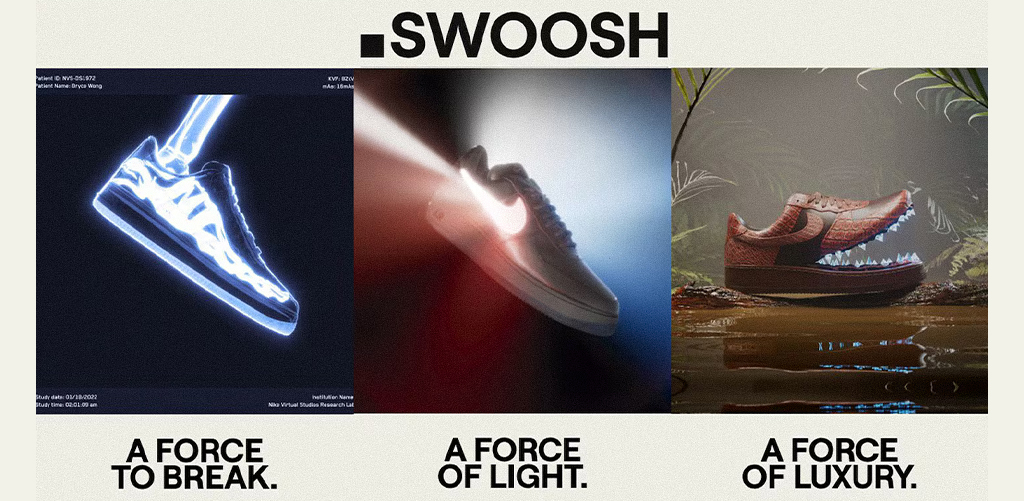
The cool part? These screens can be updated in seconds. Whether it’s a sale or a new launch, the content can change instantly without any physical waste. It also keeps the display fresh and exciting all the time.
For visual merchandisers, learning how to use tech in a sustainable way is a big skill. It’s not just about arranging mannequins anymore, it’s about mixing design with innovation.
Let’s say you design a beautiful display for summer. Once the season ends, do you throw everything out? Not anymore. Brands like Uniqlo use modular displays. This means they create props and stands that can be rearranged and reused throughout the year.
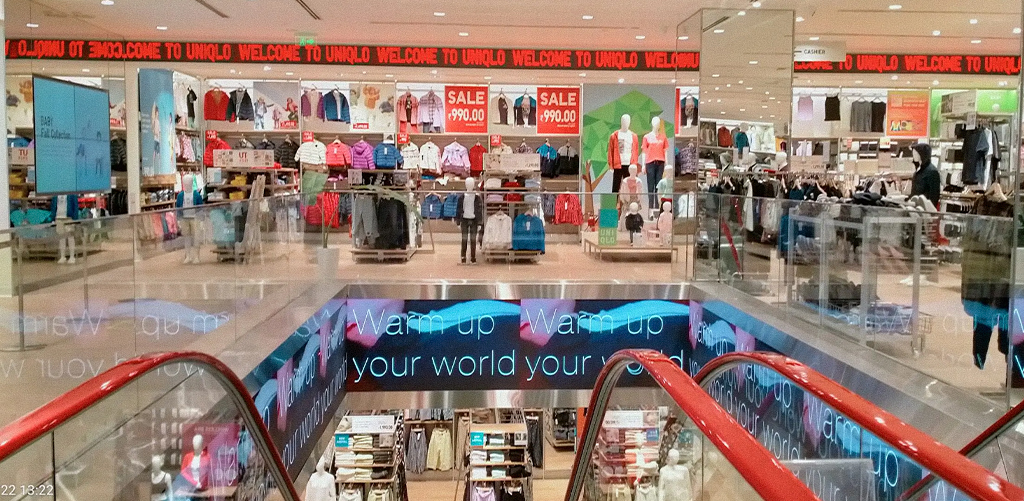
This saves time, money, and materials. It’s a big win for both the brand and the environment.
As a student, you must learn to plan displays that are flexible. Think ahead. Can your display work for more than one theme? Learning this skill at places like JD Institute can really help you stay ahead in your career.
Some brands are making their eco-friendly displays part of their identity. One amazing example is the Package Free Shop in New York. Their entire store is designed with secondhand materials. Even the lighting is energy-efficient.
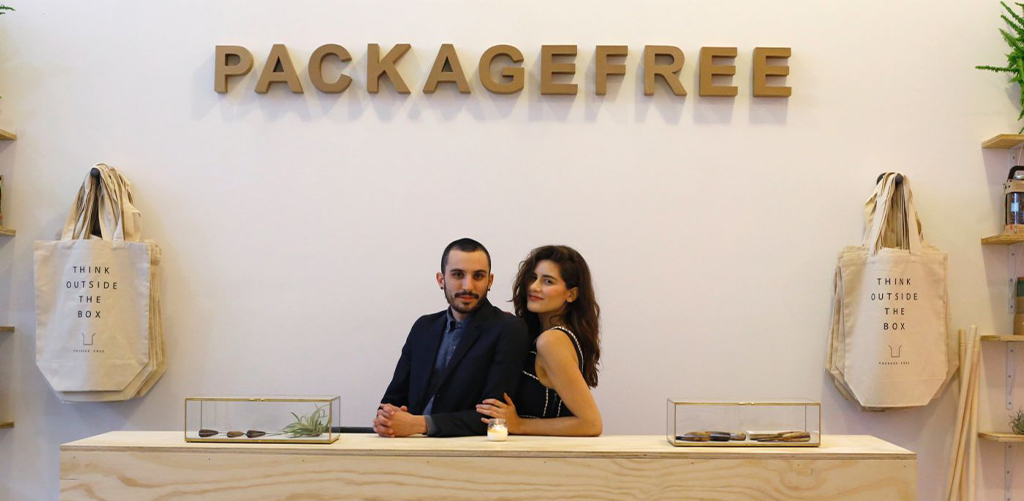
Their display tells customers: We don’t just sell green products, we believe in living green. This honesty builds trust and loyalty.
As a future visual merchandiser, you’ll need to create displays that speak for the brand. It’s not just about making things pretty. It’s about making a statement, and that statement should match what the brand stands for.
If you’ve ever dreamt of designing a window display that stops people in their tracks, imagine how powerful it would be if that display also helps the planet.
Going green isn’t a trend, it’s the direction the entire industry is moving in. And if you want to be the visual merchandiser everyone wants to hire, you need to get smart about it now. So go ahead. Learn, explore, create, and remember, the world doesn’t need more displays. It needs better ones.
And you can start building them at JD Institute.
 Design Blogs
 Watch on youtube


 Downloads

Copyright © 2025 JD Institute of Fashion. All Right Reserved
Designed by




 Quick Menu