

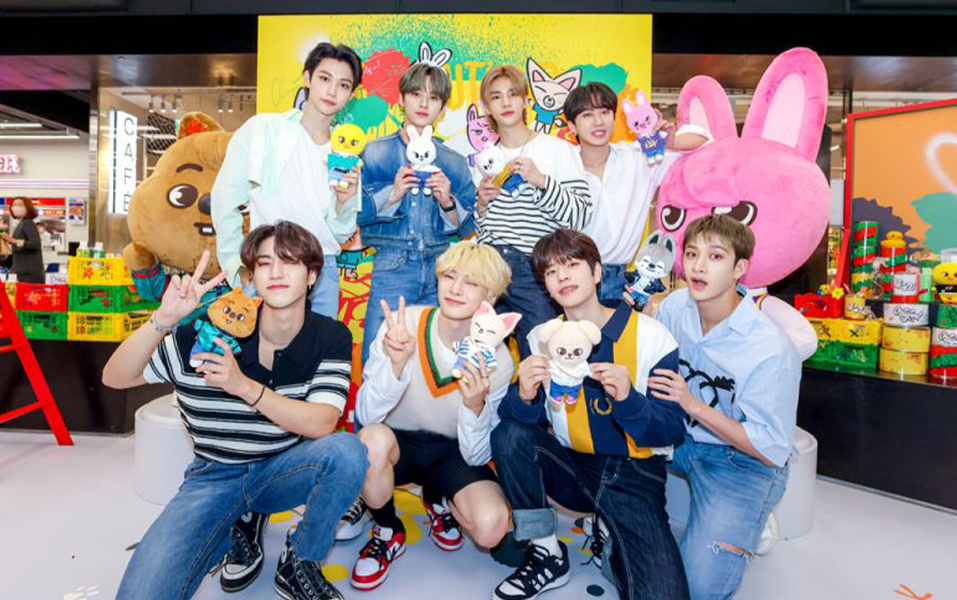
The Korean Wave, popularly known as Hallyu, has taken the world by storm, with K-Pop being one of its most vibrant and impactful aspects. The influence of K-Pop extends far beyond music and entertainment—it has revolutionized global fashion, culture, and even retail design. Visual Merchandising, in particular, has embraced K-Pop’s bold and dynamic style, creating immersive shopping experiences that resonate with fans.
For aspiring visual merchandisers, understanding these trends can unlock creative potential, and courses like the one offered by JD Institute of Fashion Technology equip students with the tools and insights to thrive in this space.
K-Pop is synonymous with vibrant aesthetics, and this is evident in how brands design their stores. Retail spaces inspired by K-Pop often use bold and energetic colors like neon pinks, blues, and yellows to create visually stimulating environments. These striking palettes reflect the playful and high-energy nature of K-Pop music videos.
For example, the Line Friends stores in Seoul and other global cities are heavily inspired by BTS, a global K-Pop sensation. These stores utilize bright colors, playful lighting, and larger-than-life character installations to attract fans and encourage them to immerse themselves in the shopping experience.
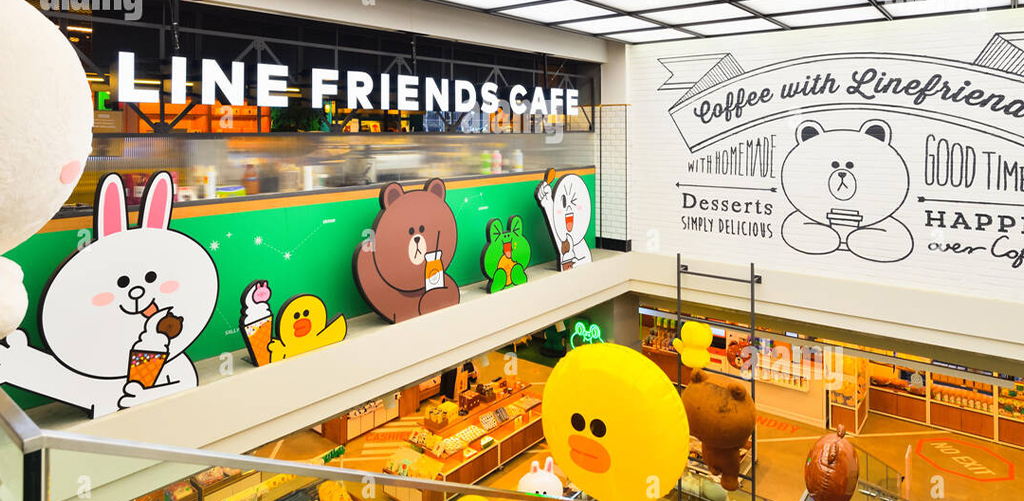
Visual Merchandising at JD Institute emphasises the importance of understanding color psychology, ensuring students can craft similar captivating designs that appeal to target audiences.
K-Pop fandoms, known as “stans,” are among the most loyal and passionate communities. Retailers have tapped into this by designing fan-centric store layouts that celebrate idols and their fans. Stores often feature exclusive merchandise, photo zones, and themed décor that reflect the personality of the artist or group they represent.
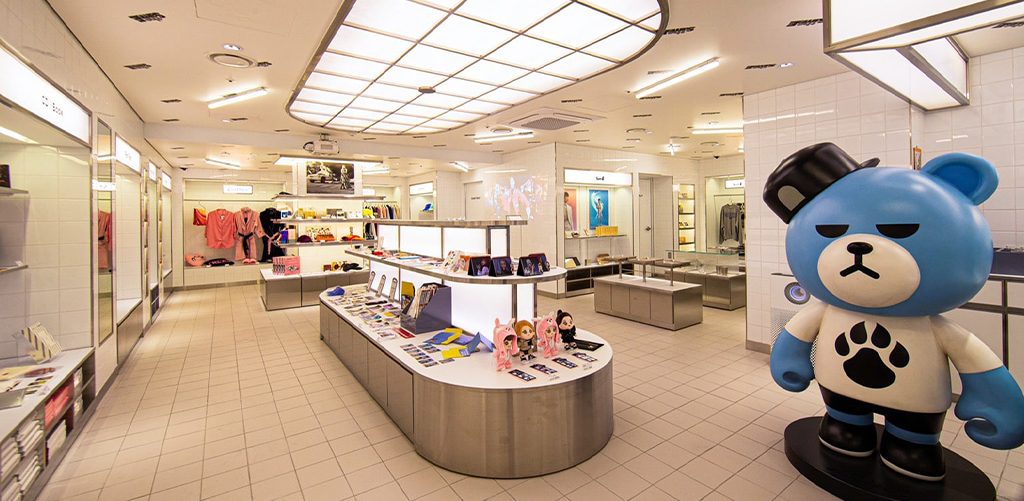
A great example is the YG Entertainment Store in Seoul, which is dedicated to groups like BLACKPINK and BIGBANG. The store offers fans a multi-sensory experience with exclusive merchandise, music, and visuals of their favorite idols. Similarly, pop-up stores for bands like SEVENTEEN often feature limited-edition products and interactive zones for fans to connect with their favorite artists.
K-Pop-inspired retail spaces often integrate cutting-edge technology to captivate audiences. From augmented reality (AR) displays to interactive video walls, these elements bring retail design to life. For instance, SMTOWN &STORE in Seoul uses holographic displays of idols and interactive screens for fans to browse music, videos, and merchandise in an innovative way.
Technology not only enhances the customer experience but also creates a deeper emotional connection, which is key to driving sales. JD Institute helps students explore how to use technology effectively to design engaging and future-ready retail spaces.
One of the most significant impacts of K-Pop on visual merchandising is the rise of exclusivity. K-Pop fans are always eager to purchase limited-edition merchandise, leading brands to design retail spaces that emphasize exclusivity. Pop-up stores, such as the BTS Map of the Soul Tour Pop-Up, are a testament to this trend. These stores are carefully curated, featuring themed zones and products that celebrate the group’s latest achievements.
By creating a sense of urgency and uniqueness, these stores generate excitement and foot traffic. JD Institute’s visual merchandising program empowers students to strategize layouts that prioritize exclusivity and enhance customer engagement.
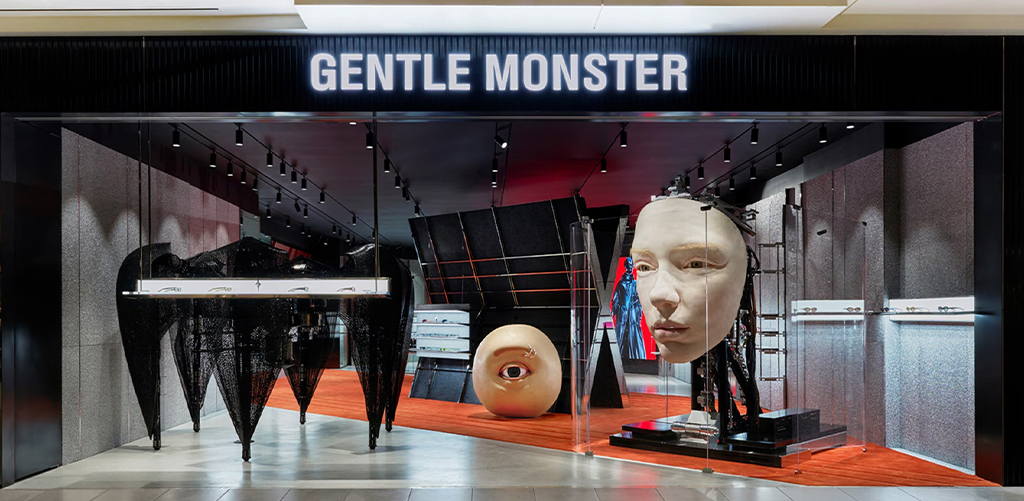
K-Pop’s global influence has encouraged retailers to incorporate elements of Korean culture while appealing to international audiences. For example, the Gentle Monster flagship stores blend contemporary Korean art and culture with innovative eyewear displays. Each store is designed like an art gallery, featuring bold installations and avant-garde designs that draw shoppers into an experiential journey.
The global phenomenon of K-Pop has transformed visual merchandising, inspiring bold colors, fan-centric layouts, innovative technology, and exclusive collections. Retail spaces are no longer just about selling products—they are about creating immersive experiences that resonate with fans and customers alike.
For aspiring visual merchandisers, understanding these trends is crucial to staying relevant in the fast-evolving retail industry. JD Institute of Fashion Technology aims to equip students with the skills to design innovative and impactful retail spaces. With its comprehensive curriculum and hands-on training, it’s the ideal choice for those looking to leave their mark in the world of retail design.
 Design Blogs
 Watch on youtube


 Downloads

Copyright © 2025 JD Institute of Fashion. All Right Reserved
Designed by




)

 Quick Menu