

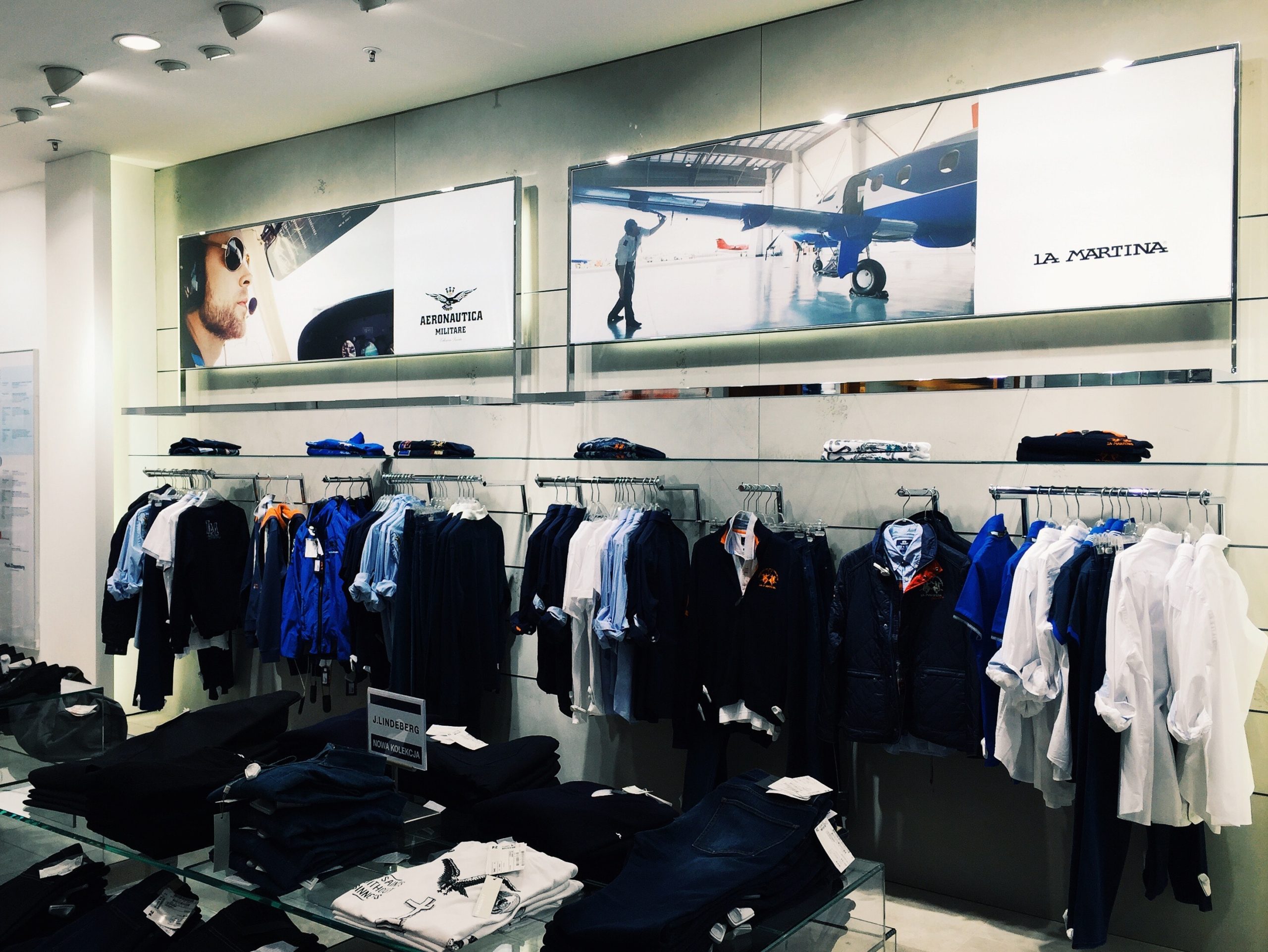
People in business use several techniques to enhance the quality and appeal of their products. The first step towards making a good trade is creating demand for your products. Gone are the days when people relied on traditional methods of doing business. Today, it’s all about style and fashion.
The concept of visual merchandising has been booming in every sector of the economy. Every business wants to include visual merchandising to get the aesthetic appeal for their products. The recent statistics prove that visual merchandising has helped businesses to attract customers and enhance their sales volume. Let’s get a better understanding of the concept and its elements.
The concept of visual merchandising emerged when people started using styles and techniques to attract customers and induce them to buy their products. Now, it has become a retail industry practice that optimizes how the products must be presented. The entire practice depends on three objectives:
Its history dates back to when the brick and mortar stores started using lights, colors, textures, decor, and other interior and exterior elements to persuade customers for sales. The idea worked positively, and today, we see that every retail business is adopting this practice.
The practice merged as a concept, but now it has become strategic. Various big businesses are formulating visual merchandising strategies to create a huge customer base for their products and services. Following are the points which make it relevant and significant in the business world,
The demand for burial merchandising has been increasing every day. Not just in the retail industry, but all in the education sector. More and more students are opting for visual merchandising courses in colleges.
This is because the opportunities for pursuing these courses are way better than other fashion technology and interior design courses. There are various essential elements of visual merchandising:
Visual merchandising is all about presenting the products visually. The first element of visual merchandising is the landscape. Whenever a customer enters the store, the first thing that he or she notices is the landscape. To make a perfect composition, various objects are manipulated in such dimensions that it creates an aesthetics appeal.
Some businesses go for symmetrical designs for landscape, while others choose asymmetrical visual merchandising techniques. Visual presentation needs to enhance and highlight the features of the product.
Many businesses have started creating texture In their landscape to bring their products to the focal point. The trick is to do less but make it noticeable. The target audience reacts differently to textures. Hence, it must be evaluated that what kind of customers reacts to a specific type of surface.
Textures in the landscape help enhance the visual appeal of your products. For instance, grainy textures will attract the light and gaze of customers, however, flat textures look sober and simple. Visual merchandising is all about combining all the textures in such a composition that they look appealing.
Color is one of the essential elements of visual merchandising. Long before landscapes and textures didn’t exist, it was the colors used to create a visual representation. The use of colors originates from conventional ideas.
Every human reacts to different colors differently. This is because of human psychology. Colors are used as a mode of symbolism in the retail industry and otherwise.
Combinations and compositions of colors can create a long term effect on the psychology of customers. That is why a lot of time and resources are spent to signify the colors of landscape and textures.
Initially, the text wasn’t a part of the visual presentation of products, but an urgent need was felt by the businesses to include text in visual merchandising.
The idea of the text came from advertising and billboards. The addition of text in the stores with different colors and styles can influence and attract many customers. It also helps create brand loyalty.
The most crucial advantage of color is that it helps to register the brand in customers’ minds. Consistency in the text is also essential because constant changes can trigger negative emotions in customers.
Every brand has a personality. In various visual merchandising courses, it is essentially taught how significant the decor is in attracting the customers.
Any customer will get attracted to the decor of the store before he looks into their product or services. The decor elaborates the personality and priority of the brand.
Floral elements are used to inspire freshness. However, wood, dark metal, and gold conjure the feel of dignity and style and quality. The investment put in the decor of the store never goes to waste; it always reaps returns.
What do you understand by creating a visual story? Visual displays and signboards play a very important role in creating an effective and alluring story for the retail store. It doesn’t have to look like an essay.
People who have done visual merchandising courses know that putting too much text can vilify customers. Less is more. The story must narrate and showcase the brand’s journey and how its products are beneficial for the customers.
Even though this is the last element of visual merchandising, it is certainly not trivial because many businesses have positively impacted the minds of customers with the inclusion of an appealing visual story.
 Design Blogs
 Watch on youtube


 Downloads

Copyright © 2025 JD Institute of Fashion. All Right Reserved
Designed by




 Quick Menu