

“It’s not just a trend. It’s a vibe.”
This line isn’t just floating on your Instagram Reels, it’s now the heart of modern design. Whether you’re decorating a space, styling a model, or creating an ad campaign, today everything boils down to one thing: what’s the vibe?
But wait, what even is a vibe in design? And why is everyone from global brands to design students talking about it?
Let’s break it down.
In simple words, a vibe is the feeling your design gives. It’s not just about colors or style, it’s the mood someone experiences when they look at, walk through, or interact with your design. It could be romantic, rebellious, clean, chaotic, dreamy, or nostalgic. The vibe is what turns ordinary visuals into something that people feel.
Real-world example:
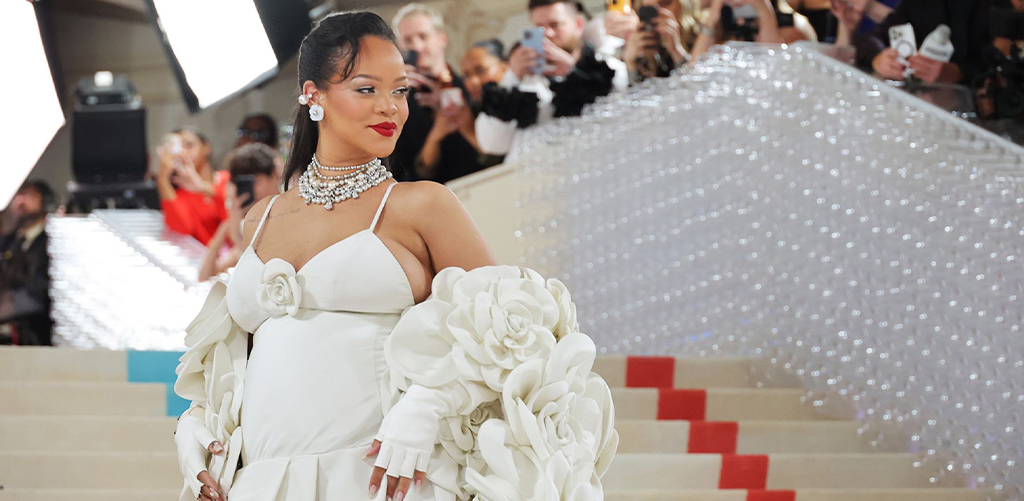
Rihanna’s 2023 Met Gala outfit in white Valentino gave “future bride meets space goddess” vibes. It wasn’t just about the dress—it was the flowers, the sunglasses, the attitude.
At JD Institute, students learn how to create this exact kind of emotional impact. Whether they’re in fashion, interiors, or communication design, the focus is on how to express ideas that connect deeply through color, layout, storytelling, and mood.
The term vibe shift was first used by culture experts who noticed how the overall mood of society changes over time. From early 2000s glitter and glam to today’s calm, minimal tones, vibes are always shifting.
Real-world example:
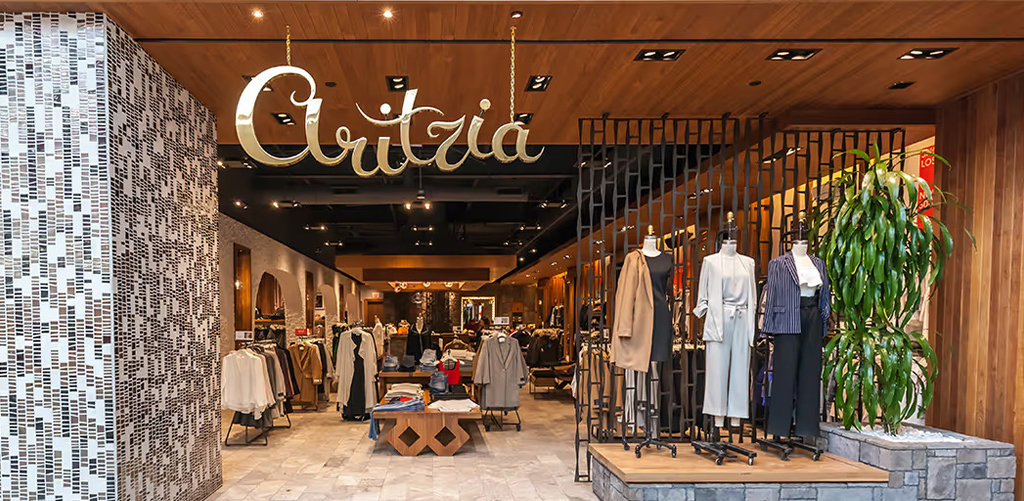
Look at how brands like Glossier and Aritzia created a soft, pastel vibe to match a minimalist, natural beauty mood. It’s not just branding, it’s an entire atmosphere.
Students must be taught to spot these shifts early, so they can create designs that are ahead of the curve, not behind it.
Ever noticed how Pinterest is filled with cozy boho bedrooms or dark academia study corners? That’s because people don’t search for products anymore, they search for vibes.
Real-world example:
The Scandinavian interior design trend which includes light wood, white walls, soft lighting gives a calm and clean vibe, that is perfect for people who want peace at home.
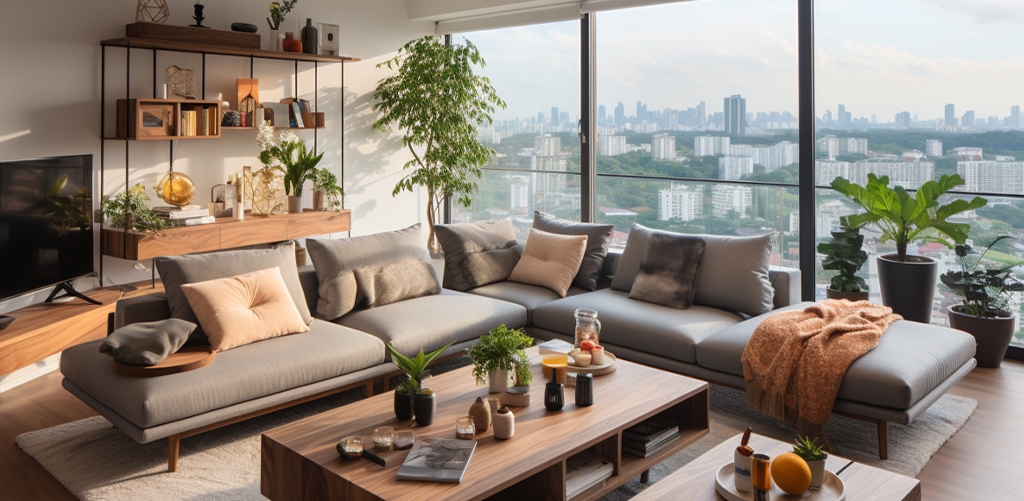
JD’s interior design students are trained to think beyond furniture, they learn to create a complete atmosphere using lighting, space planning, color tones, and even smell and sound.
Netflix isn’t just about movies, it’s about moods. Every thumbnail, title font, and trailer music is chosen to create a vibe.
Real-world example:
Shows like Stranger Things used retro colors, neon lights, and 80s music to create a nostalgic vibe. That’s what got people hooked even before watching the plot.
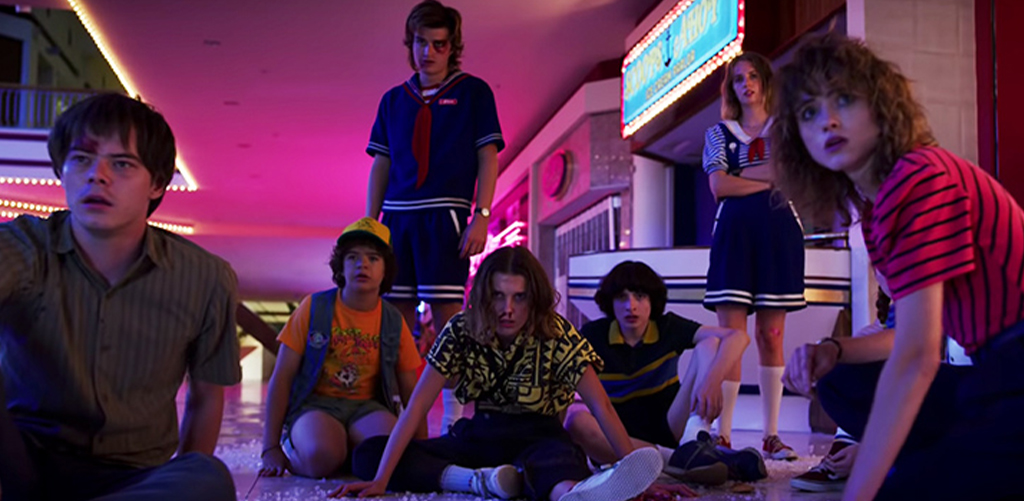
It is the communication design course where students explore how mood plays a big role in media campaigns, learning how to use fonts, visuals, and motion to create a vibe that communicates more than words.
Fashion is no longer just about outfits. It’s about the overall look and feel, what Gen Z calls as the main character energy.
Real-world example:
The clean girl aesthetic, slick buns, gold hoops, neutral makeup, became a viral vibe on TikTok. Fashion stylists now use this mood to style shoots and retail displays.
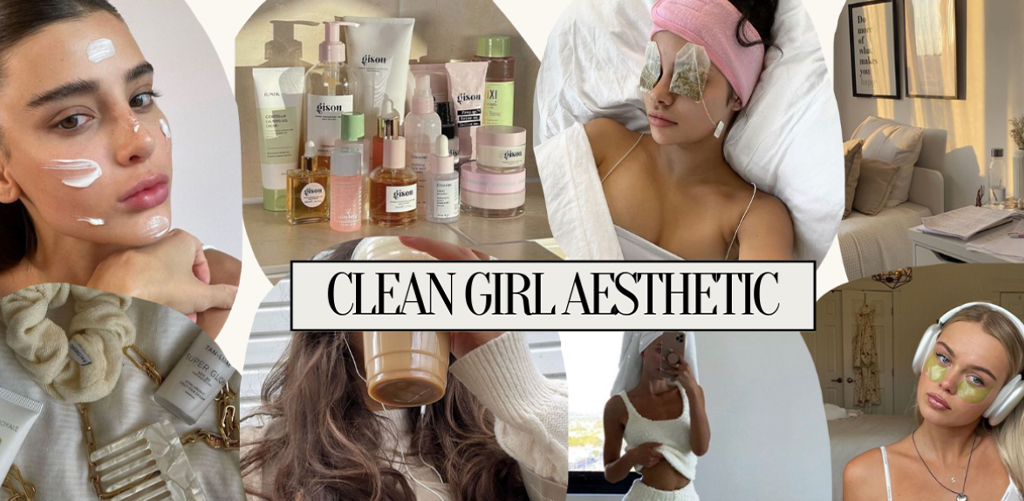
At JD Institute, fashion styling students learn how to read the current vibe, create mood boards, and style looks that match what people are feeling right now.
So the next time someone asks, what’s the vibe, remember, it’s not just slang. It’s a powerful design tool, a cultural compass, and a mood board rolled into one.
Whether you’re dressing a model, designing a cafe, or building a brand identity, the vibe is your first impression, and often your most lasting one.
 Design Blogs
 Watch on youtube


 Downloads

Copyright © 2025 JD Institute of Fashion. All Right Reserved
Designed by




 Quick Menu