

What do a Bollywood red carpet, a fashion runway, and a cricket stadium have in common?
They’re not just flashy moments—they’re mega-events that bring people together, create huge business, and make India shine globally.
From IIFA to Lakme Fashion Week to the IPL, India is becoming a top destination for world-class event planning.
And guess what? The real magic isn’t just in the stars or the clothes. It’s in the planning, creativity, and tech that go behind these events.
If you’re someone who dreams of working at big events, or creating your own—then this is your sign to get serious. That’s where the Global Event Management course at JD Institute comes in. It teaches you the behind-the-scenes action that brings these massive events to life.
The International Indian Film Academy Awards (IIFA) is not just another film awards show. It’s a moving festival of Indian cinema that takes place in different countries every year.
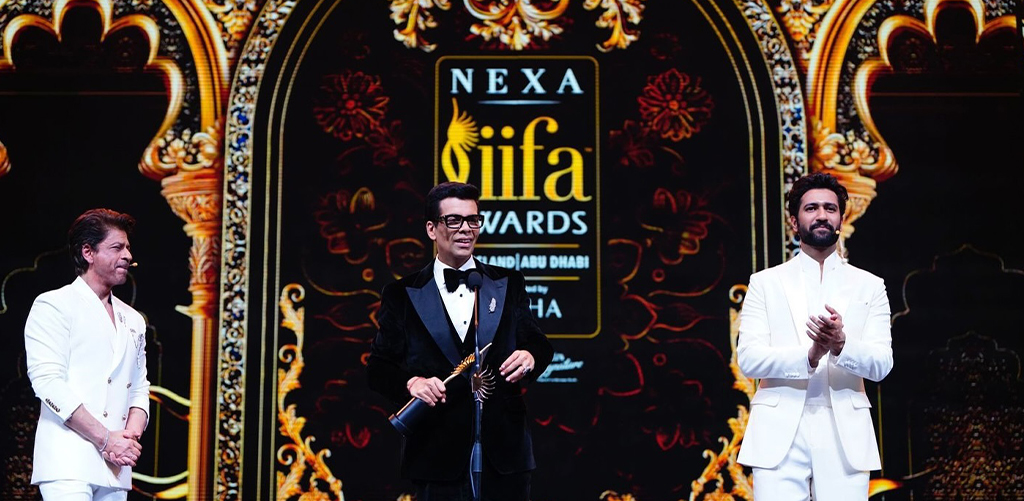
What makes it special?
Take a cue from BookMyShow, which started as a ticket booking app but now handles concerts, sports events, and even international shows.
Lesson for event planners? Think global, plan local. Always add a unique touch that fits the city and the crowd.
Lakme Fashion Week (LFW) is India’s biggest fashion event. But it’s not just about clothes—it’s a full-on experience.
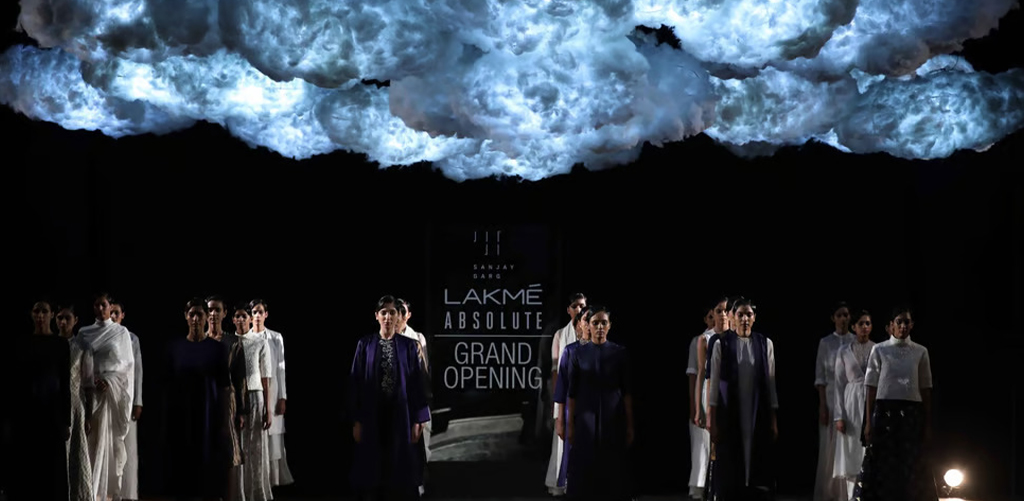
Why it’s cool:
Check out Fynd, a startup that blends fashion and tech. They’ve worked with designers at LFW to make fashion more interactive and shoppable.
If you’re studying at JD Institute, you don’t just watch these events—you can actually be part of them. The Global Event Management course connects students with live fashion weeks and shows, helping them learn by doing.
The Indian Premier League (IPL) isn’t just a cricket tournament. It’s a massive entertainment event watched by millions across the world.
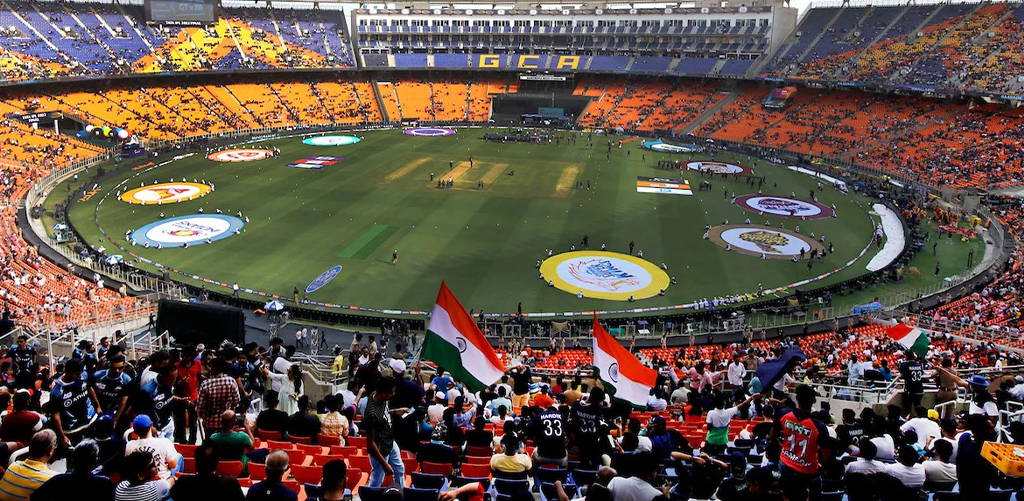
Why it’s a masterclass in event planning:
Think of Dream11, the fantasy sports platform that grew fast by riding the IPL wave. It added another fun layer to the game by letting fans feel like part of the action.
Takeaway? Turn your audience into your community. Make them feel involved.
You might have heard of Sunburn or NH7 Weekender—they’re India’s answer to Coachella and Tomorrowland.
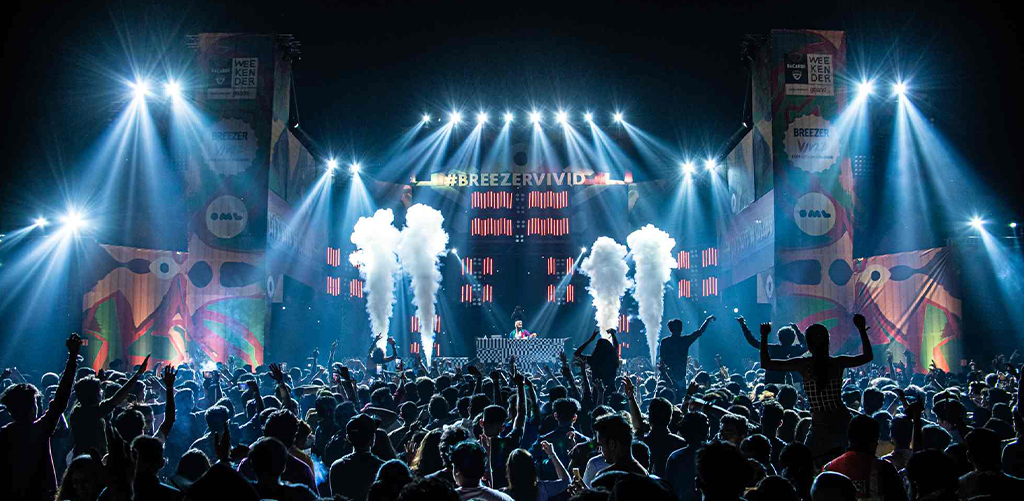
Why they matter:
Example? Winkl is a startup that helps connect event organizers with local influencers and micro-creators—perfect for promoting music events in a fun, organic way.
Future event managers can learn how to create experiences, not just shows. That’s something JD Institute helps you build through hands-on training and industry tie-ups in their Global Event Management course.
From college fests like Mood Indigo to large public festivals like Jaipur Literature Fest, these events mix education, performance, and networking.
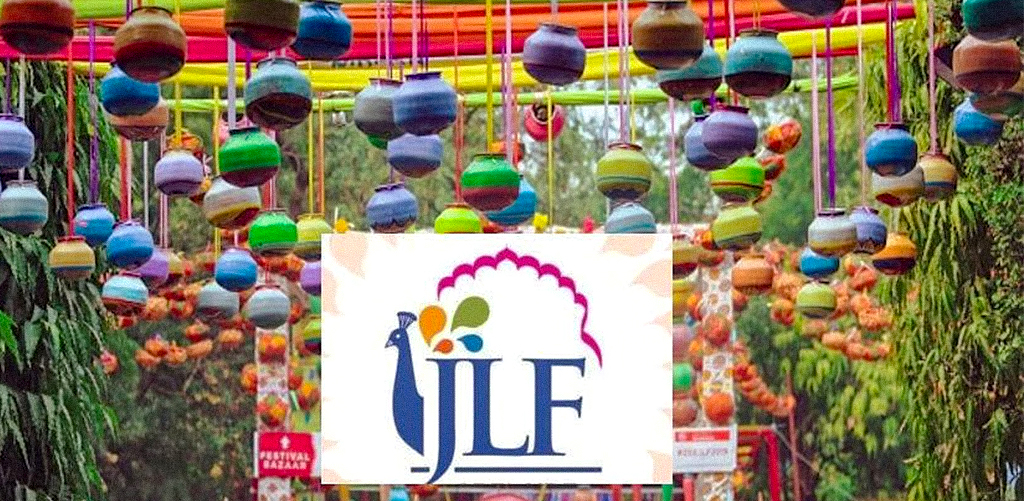
What they teach us:
Take a look at Altfest, a student-run festival that became a brand. With clever planning and bold creativity, it grabbed media attention and influencer partnerships.
Students in Global Event Management at JD Institute learn teamwork, budgeting, and creative thinking all in one place.
Planning events today is like running a startup. You need to think about everything:
It’s not just about being creative. You need project management, digital marketing, logistics, and design skills. That’s why the JD Institute’s Global Event Management course is designed to turn you into a complete professional—from pitching ideas to managing live events.
India’s rise as an event powerhouse is proof that events aren’t just background noise—they’re the main act. IIFA, Lakme, IPL, and many others have shown that good planning makes great experiences.
If you want to stand out in fashion, entertainment, or branding, start by learning how these mega-events work.
 Design Blogs
 Watch on youtube


 Downloads

Copyright © 2025 JD Institute of Fashion. All Right Reserved
Designed by




 Quick Menu