

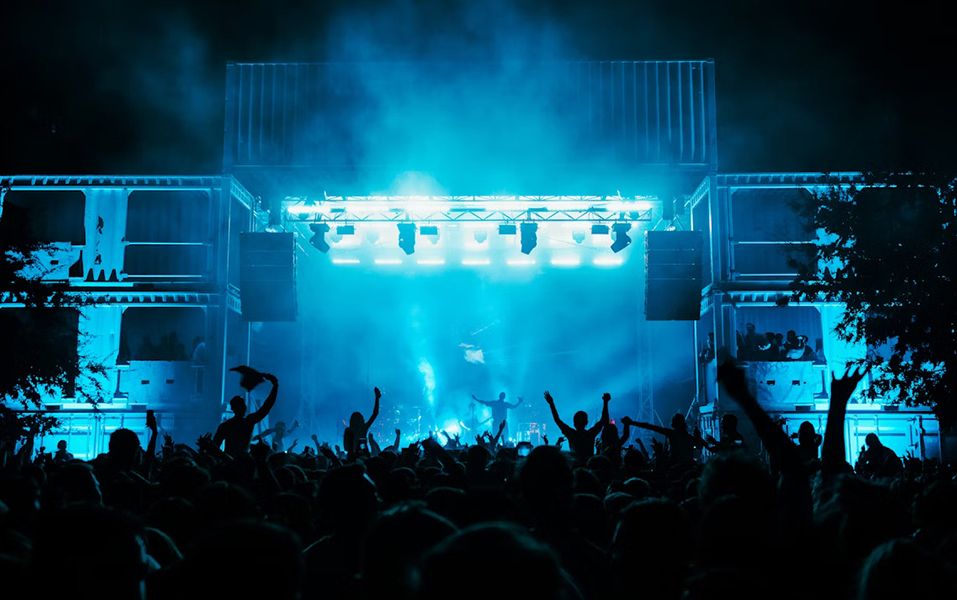
Ever bought sunglasses at midnight at a music fest? Sounds absurd, right? But here’s the thing, under neon lights, with pulsating beats, and a buzzing crowd, a cleverly designed stall can convince you that yes, those LED-rimmed sunglasses are exactly what you need right now. That’s the magic of visual merchandising at music events, it’s not just about selling products; it’s about selling moments.
In a world where music festivals are now lifestyle hubs, filled with fashion, tech, sustainability, and brand experiences, the stalls you see aren’t randomly thrown together. They’re curated brand stories, designed by experts trained to blend style, psychology, and storytelling.
And that’s exactly what aspiring visual merchandising students at places like JD Institute of Fashion Technology are learning.
Imagine walking into a stall that looks like a Moroccan tent with low seating, lanterns, and chilled herbal tea while chill beats flow in the background. It’s not just selling clothes, it’s selling escape.
Take Bohemian Groove by Boho Bazaar, which creates pop-up fashion stores inside indie music events. They use boho textiles, vintage furniture, and mood lighting to make you feel like you’re shopping at Coachella, in India.
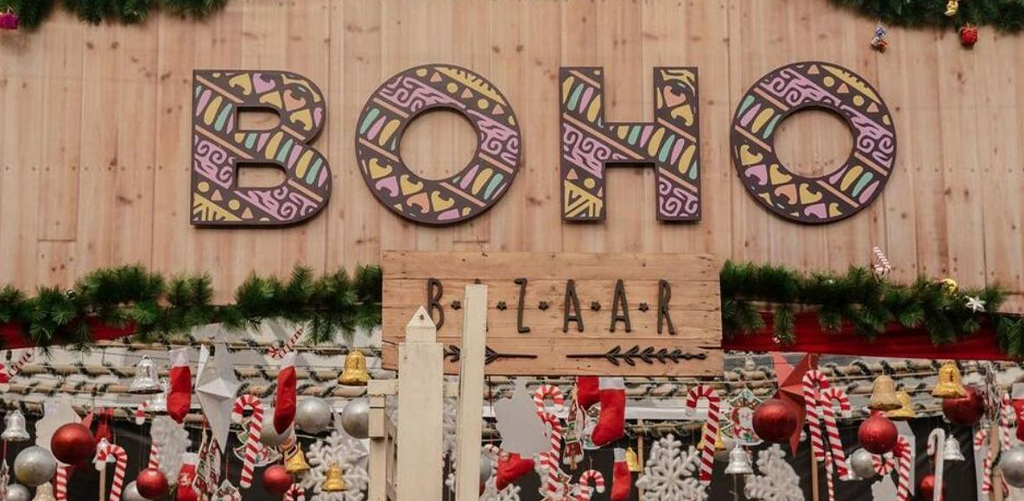
Lesson for students? Learn how to match stall design to the mood of the music and audience. JD Institute’s Visual Merchandising course emphasizes understanding customer psychology and how ambient design influences buying.
Forget boring brochures. Today’s best brand stalls invite you to do something, try on, touch, click, pose, share.
A perfect example is Sol de Janeiro’s “Casa Cheirosa” activation at Coachella, which featured six scented zones, music video booths, and photo areas, all wrapped in Brazilian flair. Guests didn’t just sample fragrances; they lived the brand. This is a true case of experiential branding that works beautifully in the music fest scene.
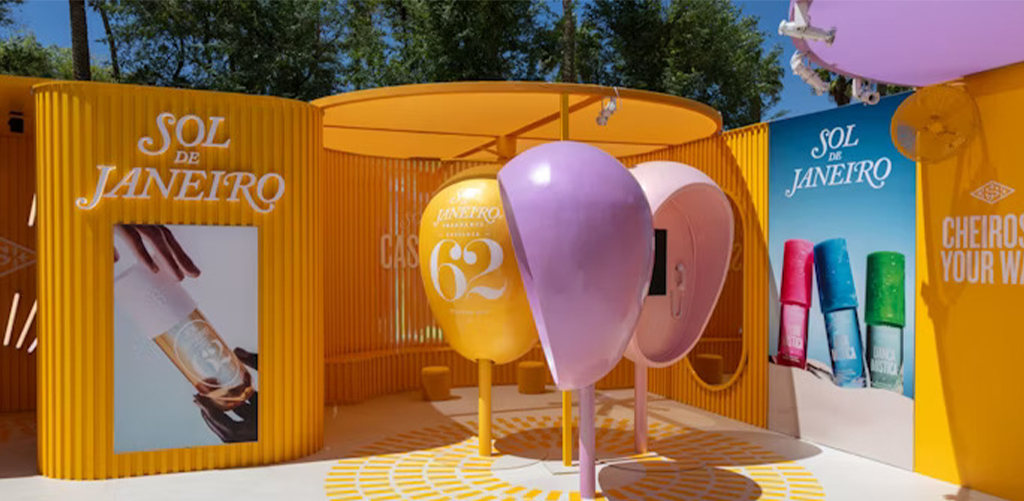
Why this matters: Interactive design increases engagement and sales. VM students need to learn how to integrate tech and interactivity into display planning, this is often a part of event merchandising modules in practical courses.
Good design grabs you. Great design makes you stay. The best brand stalls at music festivals use striking colors, sculptural elements, and Instagram-worthy photo spots.
Seltzer Land in the US had stalls shaped like giant cans, photo booths in coolers, and bar carts with actual rainbow fog. Why? Because they knew people would post it, and that’s free marketing.
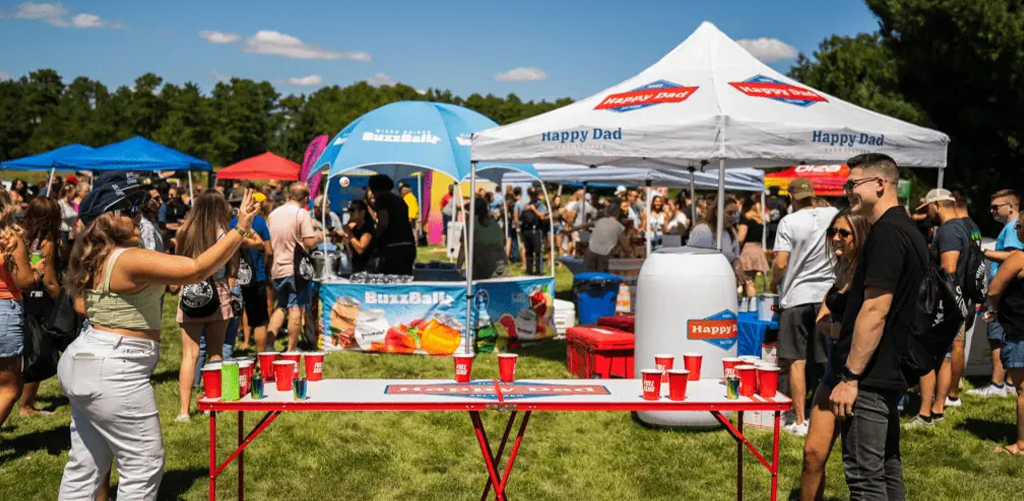
Designing for aesthetics means knowing spatial planning, trend forecasting, and storytelling, something that JD Institute subtly weaves into real-world assignments within its course.
Some of the smartest stalls aren’t just random products, they’re collabs with the performers themselves.
Bira 91, a homegrown beer brand, created limited-edition music-themed merch with festival artists, and their stalls doubled as pop-up lounges for mini gigs. That’s how they built serious street cred with Gen Z.
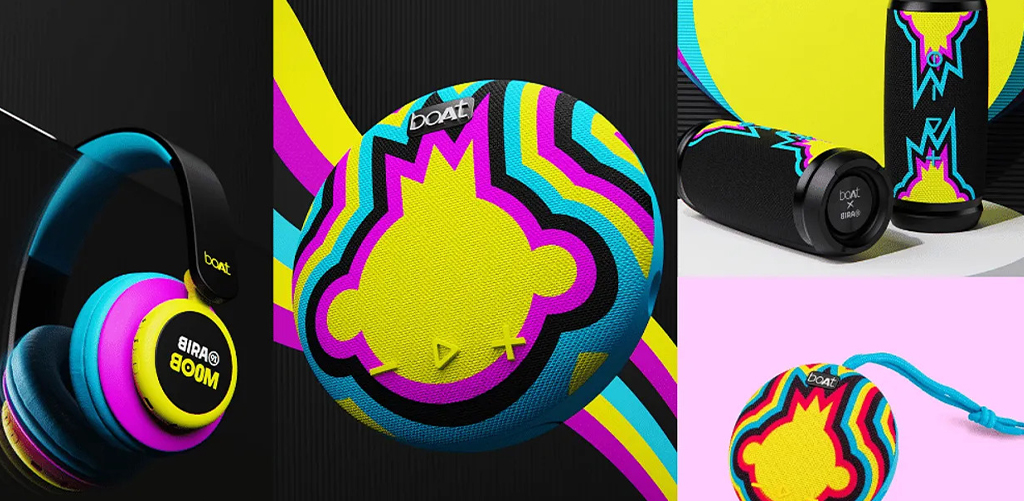
Key insight for students: Learn to design for both retail and relevance. Your displays must reflect current culture, whether that’s indie music, streetwear, or sustainable living.
Being eco-friendly is no longer optional, it’s expected. Brands that show up at music events in 2025 know that a sustainable stall gives them brownie points and customer loyalty.
No Nasties, an organic fashion label, built a stall entirely out of repurposed bamboo and jute, with solar lights and a “no plastic” rule, and still made it look fabulous. Visitors didn’t just shop; they asked questions and posted stories. Win-win.
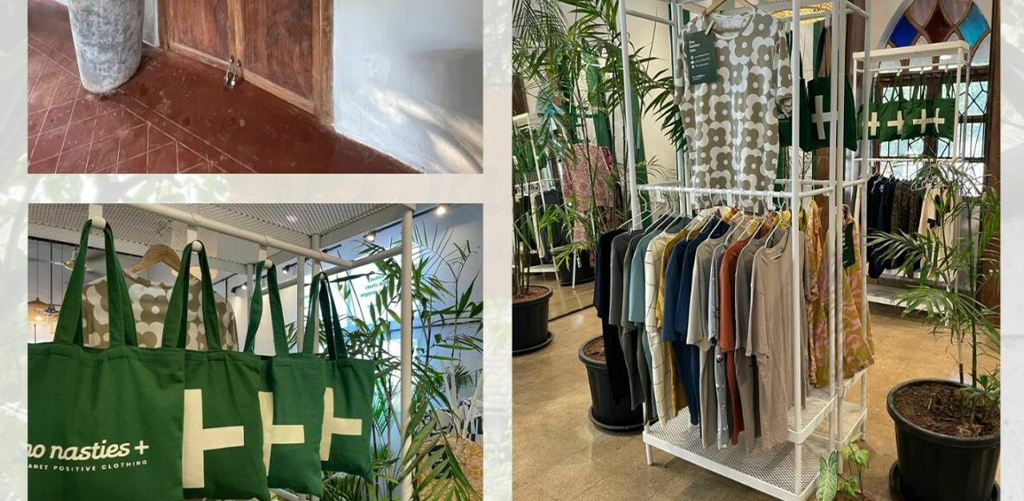
For VMs-in-training, this means learning not just style but sustainability. At JD Institute, students of Visual Merchandising explore how to incorporate green materials, zero-waste design, and circular concepts into visual merchandising for events.
If you’re dreaming of a career where creativity meets culture, where you can design spaces that make people buy, smile, and post it online, then maybe it’s time to rethink what a fashion career looks like. Don’t just follow the trends. Be the one who designs them.
Because out there, under the festival lights, your stall might just be the next big headline.
 Design Blogs
 Watch on youtube


 Downloads

Copyright © 2025 JD Institute of Fashion. All Right Reserved
Designed by




 Quick Menu