

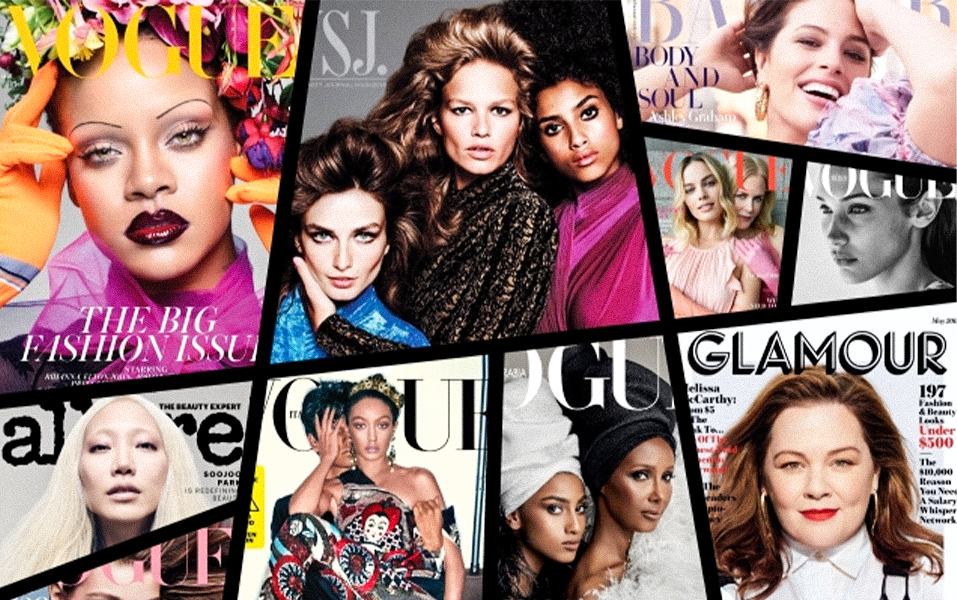
A great cover doesn’t just make you look, it makes you stop.
That’s the magic of a magazine cover. It’s not just a picture; it’s a silent conversation with the world, telling you this is the story you didn’t know you needed. From bold fashion statements to subtle beauty cues, the art of styling for magazine covers is a craft that blends creativity, psychology, and storytelling.
If you’re an aspiring fashion stylist, understanding how covers are made is like unlocking the cheat code to visual impact. This is exactly the kind of deep, hands-on insight students explore in the Fashion Styling course by JD Institute, where the runway meets the reality of professional shoots.
Every magazine cover has an emotion behind it; fierce confidence, dreamy romance, rebellious energy. Editorial styling starts with deciding what the cover needs to feel like, not just what it should look like.
Think about Rihanna’s British Vogue cover in a durag, which was a bold style choice that was as much about cultural commentary as it was about aesthetics. Or Zendaya’s Elle spread, which channeled retro glamour with modern flair. The clothing, makeup, and even lighting work together to send one clear message: this is the vibe.
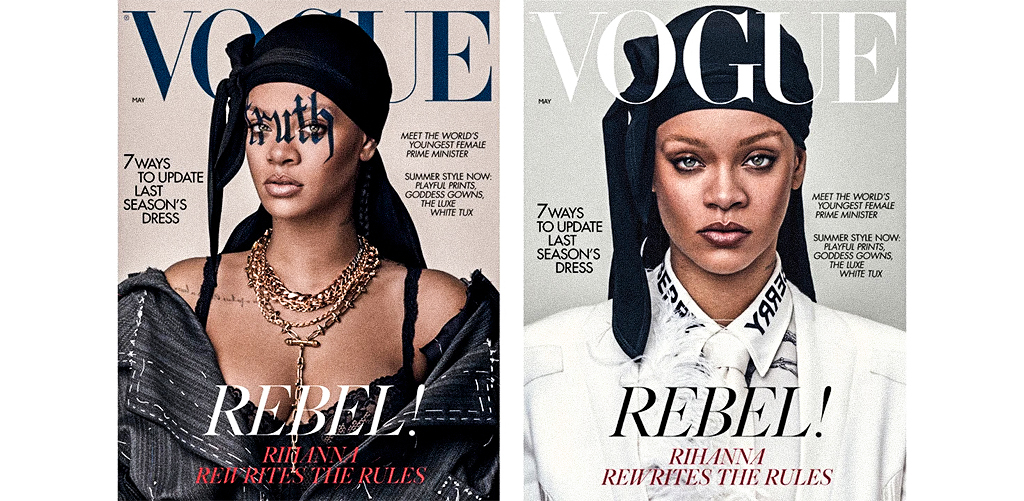
Aspiring stylists must learn how to build a mood board, research cultural trends, and guide the creative direction, that are the skills that go far beyond just picking outfits.
In magazine fashion shoots, nothing happens in isolation. The stylist collaborates with photographers, makeup artists, set designers, and even the editor-in-chief to ensure the “cover look creation” feels connected.
A great example? The Vogue September Issue cover with Beyonce, shot by Tyler Mitchell. The styling embraced natural tones and floral crowns, paired with minimal makeup, a result of tight teamwork between the creative and editorial teams.
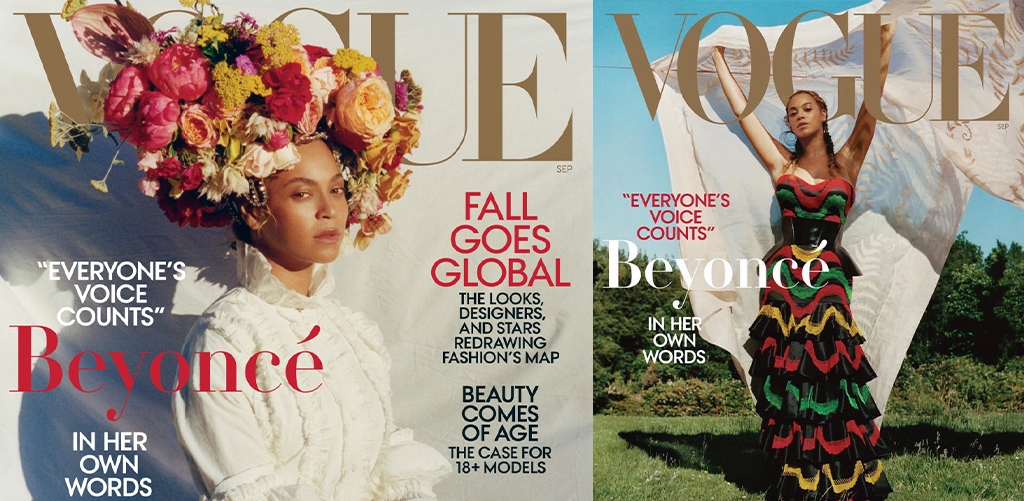
Future stylists must know how to communicate ideas, adapt on set, and solve last-minute problems, because a blow of wind or a wardrobe malfunction can happen anytime.
While trends influence editorial styling, the best covers don’t simply follow the trend, they set it. Think of Lady Gaga’s Vogue Japan cover where the metallic sculptural dress wasn’t “in season” yet, but became a fashion talking point for months.
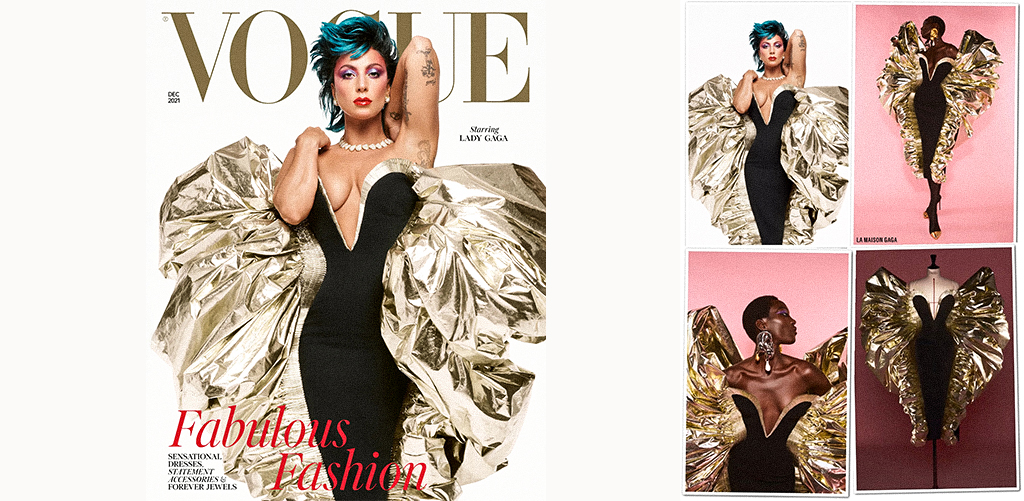
Learn how to predict the next big thing. That means reading fashion forecasts, observing street style, and experimenting with bold choices. In the Fashion Styling program at JD Institute, students explore these trend-spotting skills and practice making fashion decisions that feel fresh, not forced.
Look closely at any iconic cover, and you’ll notice the magic is in the details. A slightly tilted hat, the pop of a contrasting shoe, or the way a scarf drapes over a shoulder, these tiny decisions can make a cover unforgettable. For instance, on Lupita Nyong’o’s Vanity Fair cover, the choice to let a sheer lip color contrast with a muted dress gave the entire shot a stronger personality.
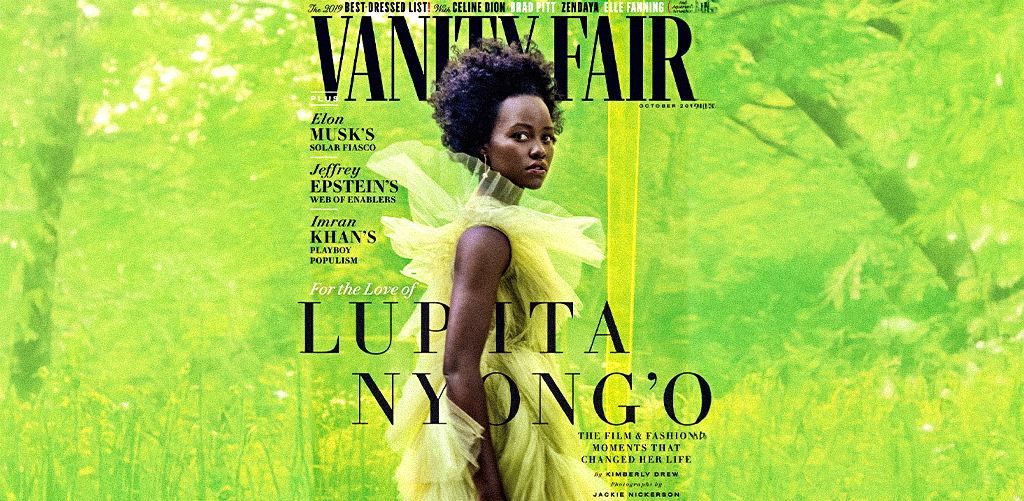
For students, this means training your eye to notice when “just okay” styling can be elevated to “wow”, something only practice and feedback can sharpen.
Unlike runway shows or fashion editorials with multiple pages, the cover has only one shot to grab attention. It’s storytelling in a single frame. Billie Eilish’s British Vogue transformation from oversized streetwear to old-Hollywood corsets is a perfect example of using styling to redefine a public image. The clothes weren’t random; they told a story of reinvention.
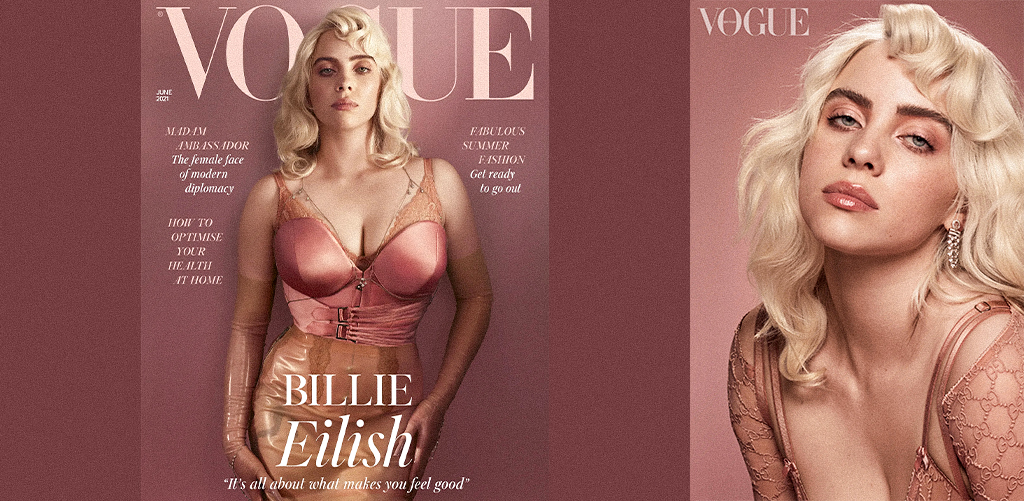
Aspiring stylists should master how to convey personality, mood, and message instantly because in magazine fashion shoots, you don’t get a second chance to make a first impression.
The world of fashion is competitive, but understanding the art of styling for magazine covers gives you an edge. It teaches you how to balance creativity with commercial appeal, how to adapt to different personalities, and how to use visual language to influence culture. It’s not just about making someone look good, it’s about making them unforgettable. And when you study with mentors at the JD Institute’s Fashion Styling course, you’re not just learning techniques; you’re gaining insider experience that mirrors the real industry.
 Design Blogs
 Watch on youtube


 Downloads

Copyright © 2025 JD Institute of Fashion. All Right Reserved
Designed by




 Quick Menu