

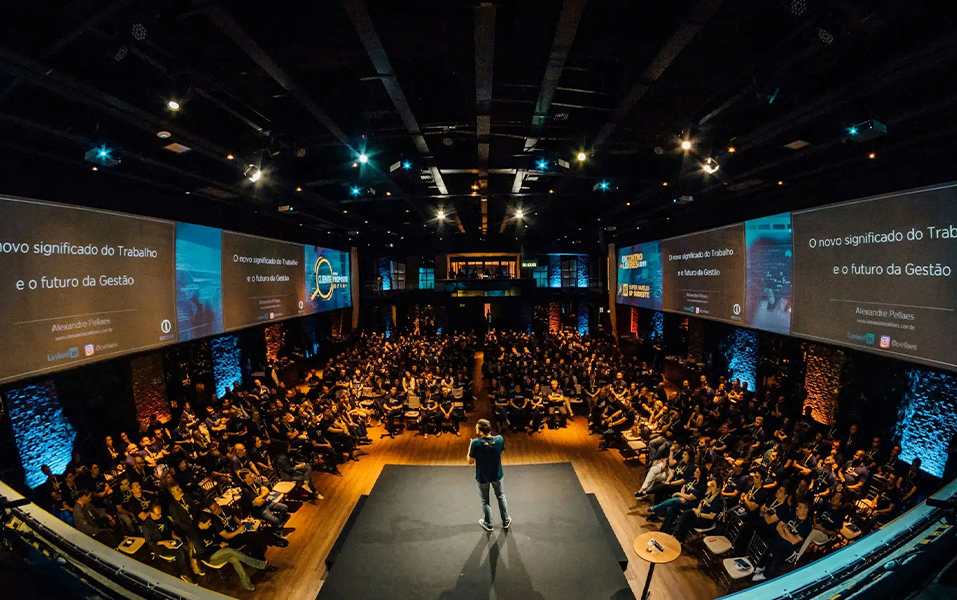
People often decide how they feel at an event before the event even begins. No speeches, no performances, just vibes.
Whether it’s a product launch, fashion show, wedding, or art fest, the colors you pick, the music playing in the background, and the way you set up your space are already speaking to your audience. That’s where event psychology comes in.
This is exactly the kind of cool, behind-the-scenes stuff you learn in the Global Event Management course by JD Institute of Fashion Technology, how to design events that feel right, not just look right.
You may think you’re picking colors just because they match your theme, but guess what? Colors play a big role in how people feel at your event. Red adds energy. Blue makes people feel calm. Yellow sparks creativity. Dark colors can feel serious, while pastels feel open and fun.
Airbnb’s Open event is a great example. They used soft blues and greens to make people feel relaxed, welcome, and connected, just like how they want you to feel when using their app.
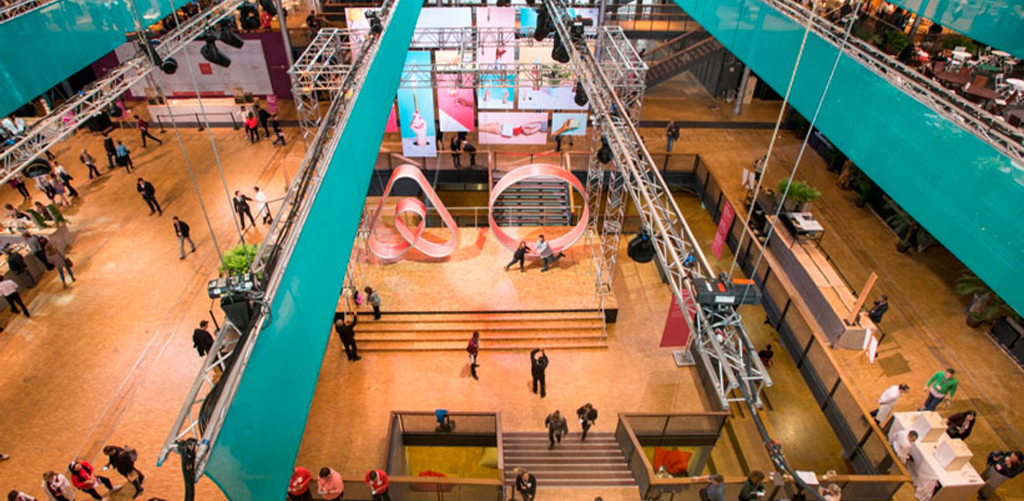
So, if you want people to mingle, go for warm tones. If your event is about elegance or art, think cooler shades or deep purples. It’s all about the psychology in events, colors speak a language your guests understand without words.
Have you ever walked into a room with soft jazz and just felt chill? That’s music doing its job. It sets the tone fast.
Music helps guide people through an event without them realizing it. If you’re throwing a networking event, keep it mellow so people can talk. If it’s a fashion runway, use something bold and dramatic.
Spotify’s Wrapped Live event did this really well. They used different music styles for different areas, relaxing beats for lounges, upbeat tracks for high-energy spaces. It made people feel like they were moving through a story.
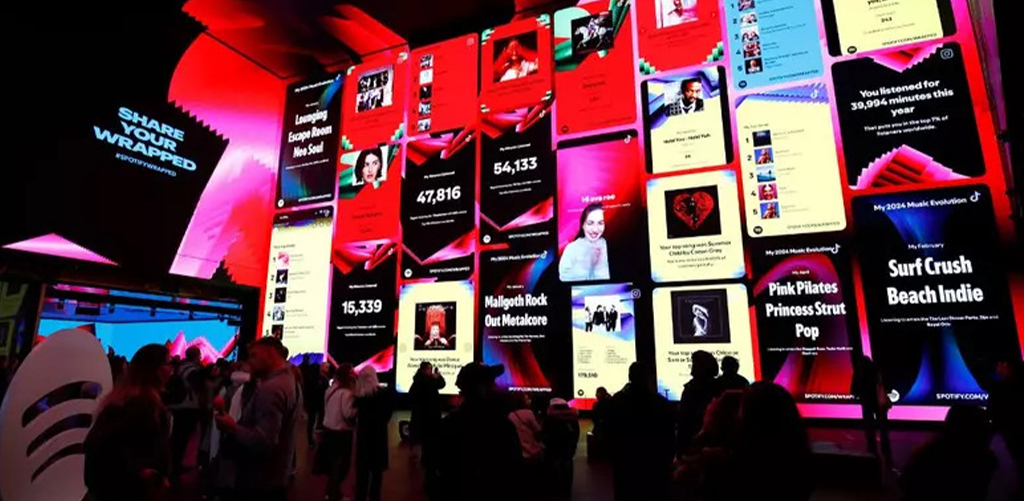
That’s event experience design at its best. And yes, it’s something event managers learn to plan, not just DJs.
It’s not just about “where should we put the chairs?”, it’s about how the space makes people feel and move.
Think about it:
Apple’s WWDC (Worldwide Developers Conference) nails this. They use clean layouts that guide people smoothly from talk to product demo. It feels organized and welcoming at the same time.
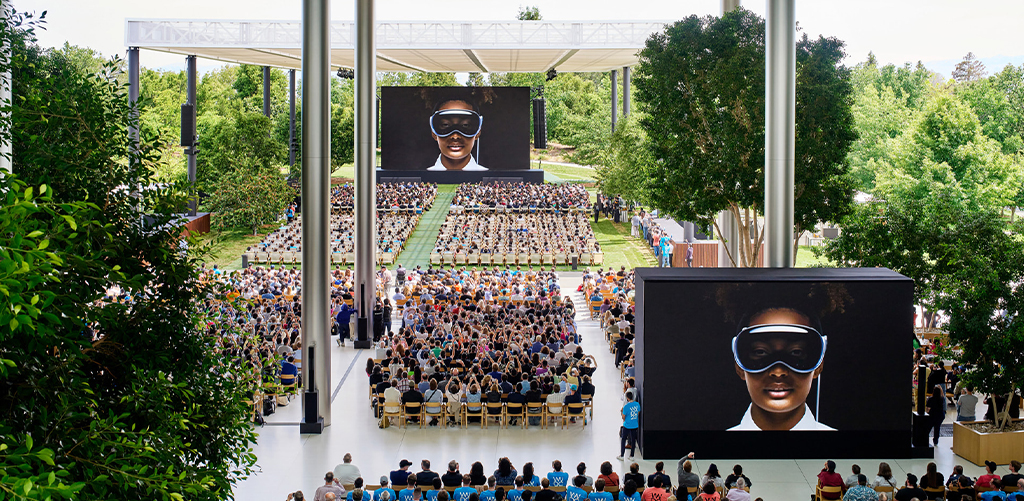
That’s why in the JD Institute’s Global Event Management course, students don’t just plan events, they design how people move, interact, and feel in a space.
Want your event to really stick in people’s minds? Think beyond just what they see.
Use smell, sound, lighting, and even touch to create a full experience.
Figma’s user events use this kind of sensory planning to make people feel immersed. They design every tiny detail so that nothing feels random.
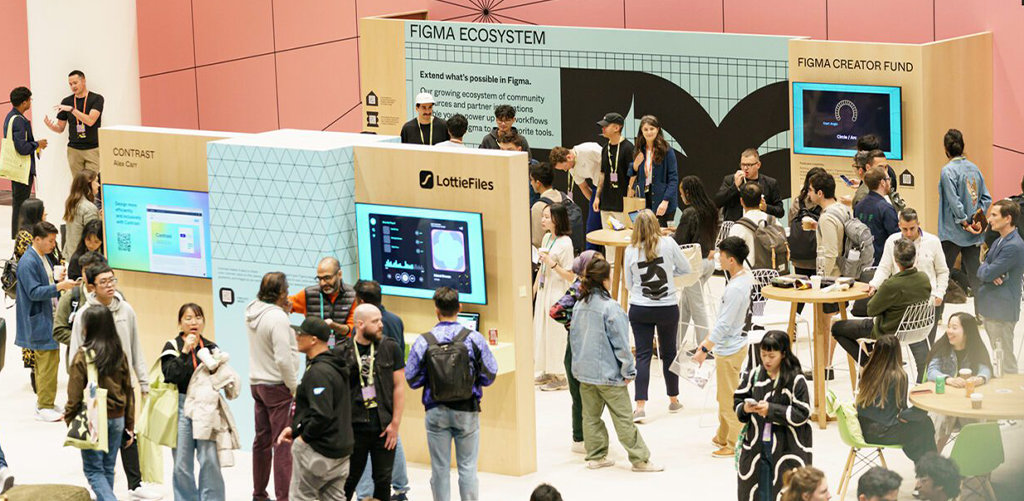
It’s these little touches that boost the audience response. When all senses are in sync, the event feels memorable and even magical.
If you want to be the kind of designer or event planner who creates goosebumps, you need more than a checklist. You need to understand why people feel what they feel.
And that’s where event experience design shines.
So, next time you walk into an event, ask yourself: “How does this place make me feel?” Then flip the script and imagine how your own event could speak through color, sound, and space. And if you’re serious about getting it right? Let JD Institute help you become the vibe creator you’re meant to be.
 Design Blogs
 Watch on youtube


 Downloads

Copyright © 2025 JD Institute of Fashion. All Right Reserved
Designed by




 Quick Menu