

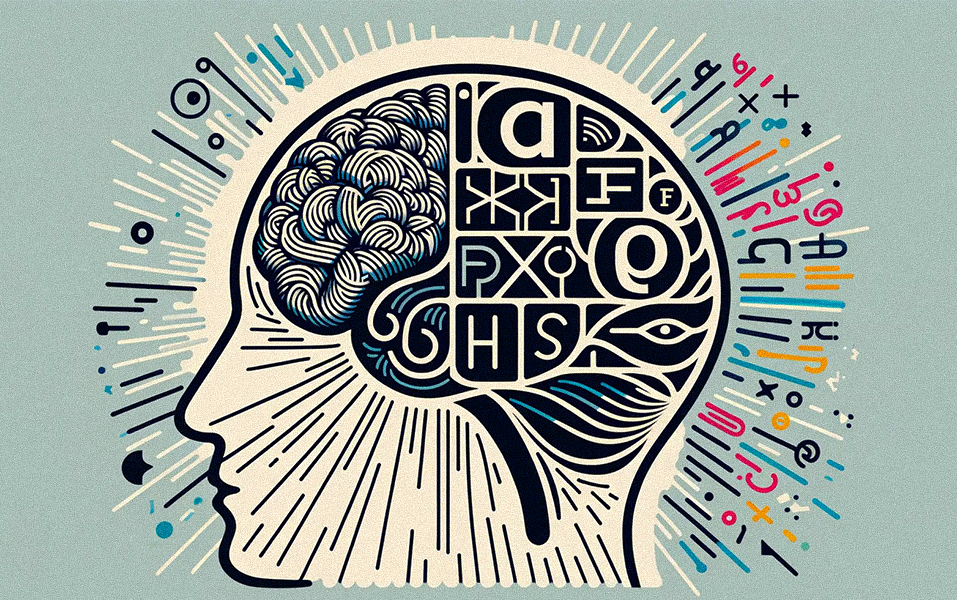
“You can say the same thing in Helvetica or Comic Sans, but only one gets taken seriously.”
We often think of fonts as just… fonts. But imagine this- a breakup text in Papyrus. Or a funeral invite in Curlz MT. Cringe, right? That’s because fonts speak. And they speak loud, where typography is a surprisingly powerful area where design meets human emotion.
Whether you’re just stepping into the world of communication design or already experimenting with poster layouts, understanding how typefaces influence perception is not optional anymore. Especially in today’s digital-first world, where words aren’t just read, they’re felt. That’s why institutes like JD Institute of Fashion Technology, through their Communication Design course, ensure students are not just choosing fonts but they’re choosing feelings.
Fonts aren’t just about looking pretty. They’re about feeling right. Type psychology is the study of how different typefaces impact people emotionally and cognitively. A font can make a message feel elegant, energetic, nostalgic, or even aggressive.
Example in Action: Airbnb’s Rebrand
When Airbnb shifted to a friendlier, rounder typeface in its rebranding, it wasn’t just for style. They wanted to appear more inclusive and approachable. And the type did the trick. That’s typography psychology at work — shaping how you perceive a brand even before you read what they’re saying.
Typefaces guide our brains into making snap judgments. Before reading a single word, your eyes feel something. This is crucial in poster design, UX, logos, or even magazine layouts.
Case Study: Medium’s Editorial Fonts
Medium uses clean, minimalist serif fonts to build a sense of calm, intelligence, and credibility. Their audience reads more, scrolls more, and feels smarter doing it. Design students need to understand how font choice becomes an emotional compass, guiding the reader’s mood even before the message kicks in.
If you’ve ever struggled through a fancy-but-illegible script font, you know how frustrating it can be. Readability is directly tied to trust and emotional comfort. Poor font choices not only confuse but they repel.
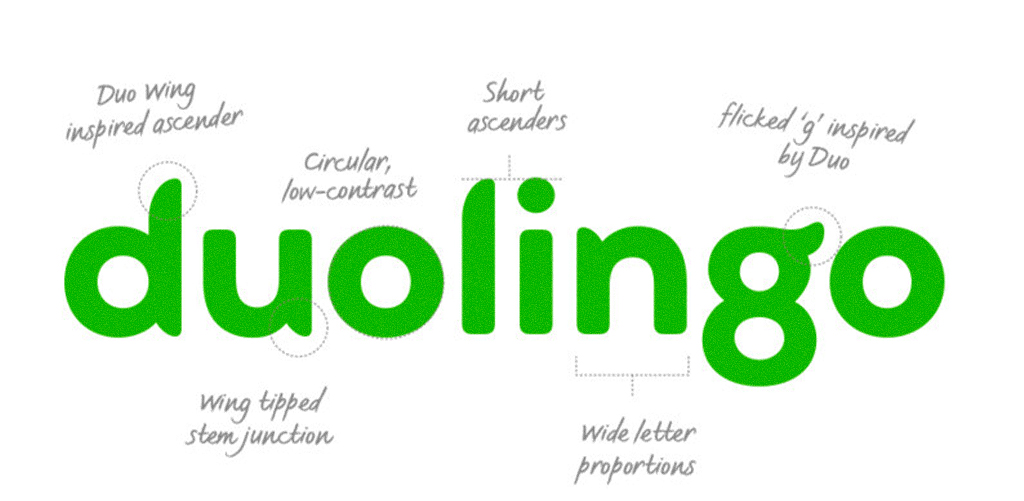
Startup in Spotlight: Duolingo
Duolingo’s use of round, friendly sans-serif fonts matches its playful tone and learning philosophy. Their typography choices make users want to stay. As a Communication Design student, this is where you realize type isn’t decoration, it’s UX.
And yes, JD Institute’s Communication Design course ensures that students don’t just use type, they understand it. From micro-interactions to macro layouts, emotional readability is at the core of modern design learning.
Fonts play a major role in brand storytelling. You wouldn’t trust a luxury perfume brand using a default Arial font, would you? Typography sets the tone before anything else does.
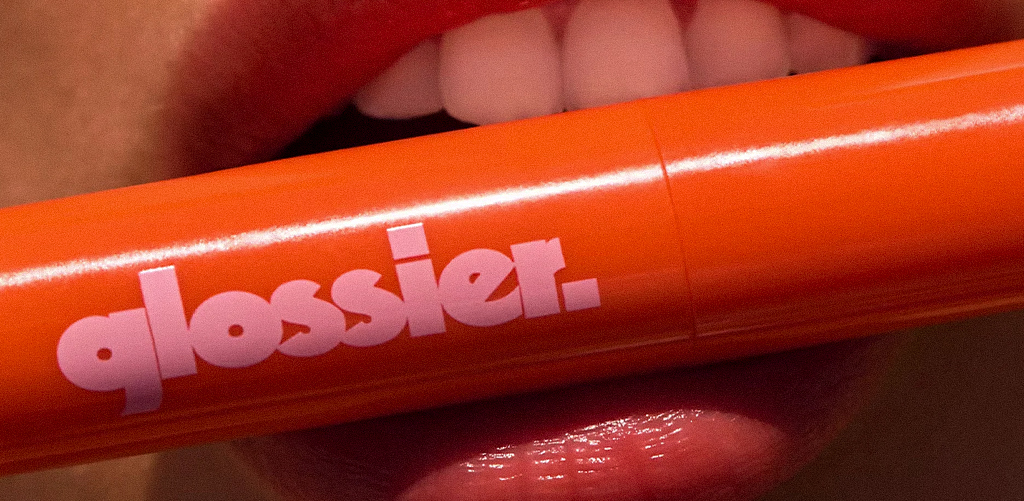
Brand Masterclass: Glossier
Glossier’s soft and minimal sans-serif fonts scream (or rather whisper) “clean beauty.” It’s intentional that their brand voice is subtle, approachable, and inclusive. Typography is their emotional handshake. That’s the kind of insight you get when you dive deep into Typography as one of the major aspects of psychological influences.
This is where you, the future creative director or branding expert, come in. You must know that:
These are not just creative choices, they’re psychological strategies. Learning how to wield them is essential.
And institutes like JD Institute of Fashion Technology don’t leave these things to chance. Their Communication Design curriculum mixes creative exploration with real-world relevance that will help students to back every font decision with purpose.
Because typography isn’t just about aesthetics. It’s psychology. It’s strategy. It’s emotional engineering. Whether you’re designing a portfolio, a pitch, or a packaging label, your fonts are your first impression.
If you’re a student dreaming of designing for brands that move people and not just visually but emotionally, then start treating fonts like feelings. Because in design, every curve speaks. And if you want to learn from the best, maybe it’s time to explore where communication design meets emotion-led creativity, maybe it’s time to explore JD Institute.
 Design Blogs
 Watch on youtube


 Downloads

Copyright © 2025 JD Institute of Fashion. All Right Reserved
Designed by




 Quick Menu