

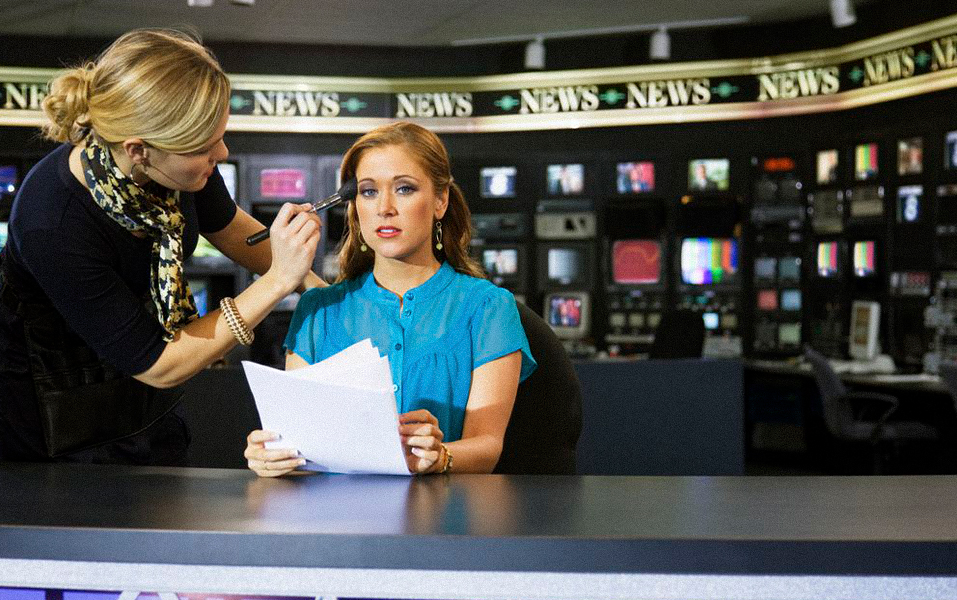
Whether it’s a live news debate or a political campaign speech, what public figures wear is part of their message. The right look can make someone appear trustworthy, confident, calm, or even powerful.
That’s where media styling for news anchors and political figures comes in. And guess what? If you’re studying fashion styling or even thinking about it, this is a career path that’s not only unique, but it’s growing fast.
At JD Institute of Fashion Technology, the Fashion Styling course opens doors to exactly these kinds of styling careers where you’re not just picking pretty clothes, but shaping public perception.
Let’s break down the behind-the-scenes world of media styling in real, simple terms, and how you can be a part of it.
Let’s be honest, when a politician walks into a room, they’ve already made a statement before saying anything. That’s power dressing. Whether it’s Modi’s half-sleeved kurtas or Obama’s sharp navy suits, their look is part of their identity.
Example: Narendra Modi’s Custom Look
Modi’s outfits often include symbolic elements, like the time he wore a pinstripe suit with his name woven into the stripes. Every detail is calculated to show authority, tradition, and pride.
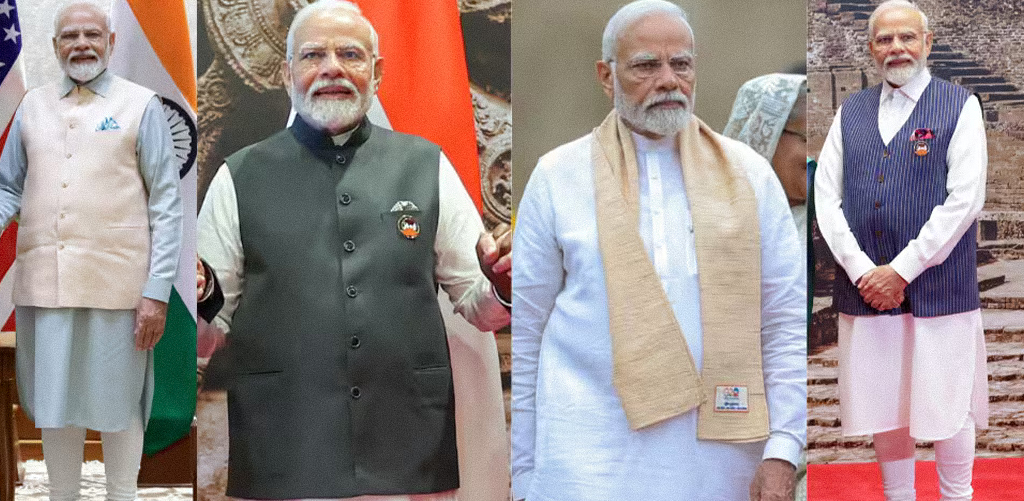
Fashion stylists help build this visual language. It’s not about what looks nice, it’s about what also feels right for their role. That’s exactly the kind of thing students at JD Institute learn through real-world styling tasks and media-focused projects.
Ever noticed how most news anchors wear solid colors, no wild prints, and very neat lines? That’s intentional. They need to look calm, clear, and focused because their job is to deliver news, not distract from it.
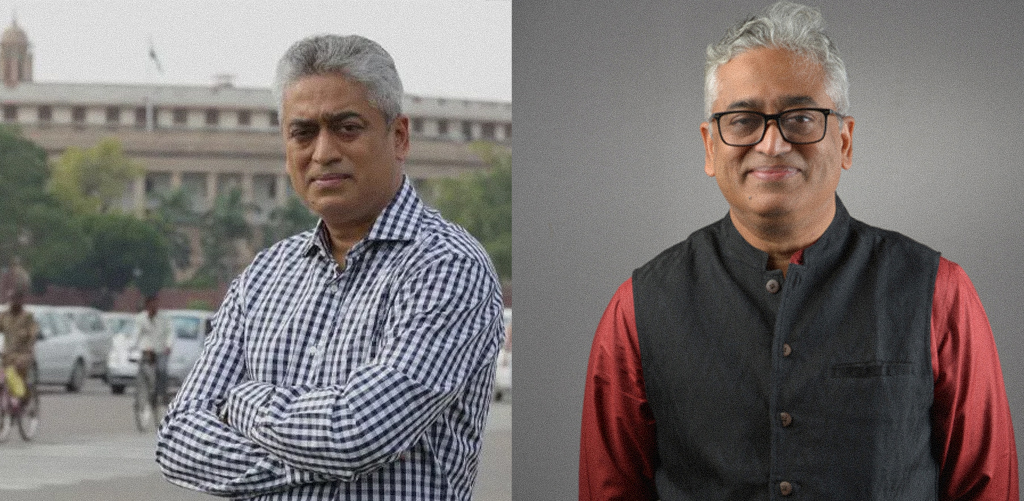
Example: Rajdeep Sardesai’s Simple, Crisp Style
Rajdeep often wears classic shirts and blazers that reflect seriousness. No loud colors, no shine, just credibility.
Stylists working with anchors have to consider:
This is why news media styling is a smart styling niche and student must be exposed to such real-world styling briefs. It’s not just fashion-forward, it’s media-smart.
Imagine having to appear in front of cameras every single day. You can’t pick your outfit randomly. That’s where wardrobe planning comes in. Stylists create a weekly uniform kind of clothing that feels fresh, but consistent.
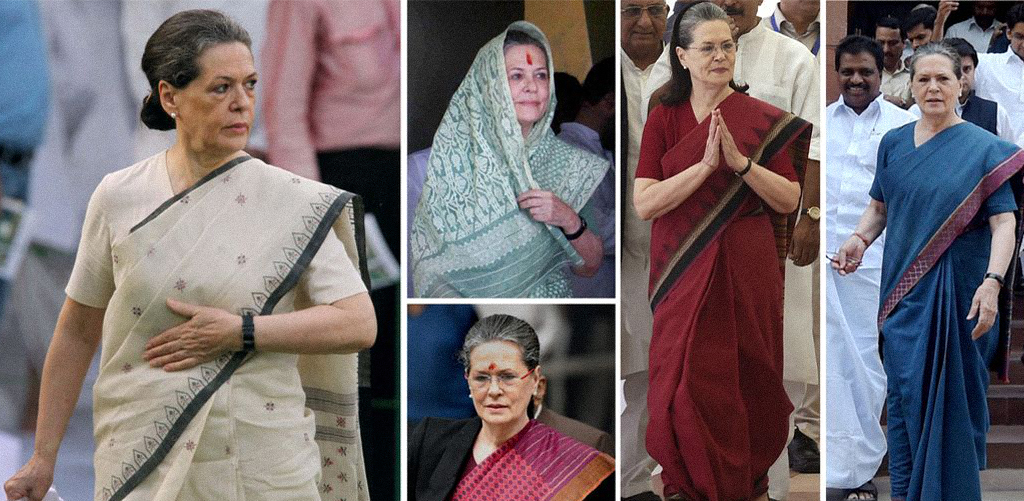
Example: Sonia Gandhi’s Handloom Sarees
She sticks to soft, earthy tones and traditional weaves, sending a message of simplicity and rootedness, again and again.
Stylists in media and politics often build capsule wardrobes with:
It’s part fashion, part strategy, and a huge career opportunity for anyone learning fashion styling.
Think pins, watches, dupattas, even footwear, all of these become part of the message. Political figures especially use small style elements to signal mood, values, or even protest.
Example: Priyanka Gandhi’s Cotton Dupattas
Often seen in white cotton suits with simple dupattas, her look speaks of accessibility and solidarity with the common people.
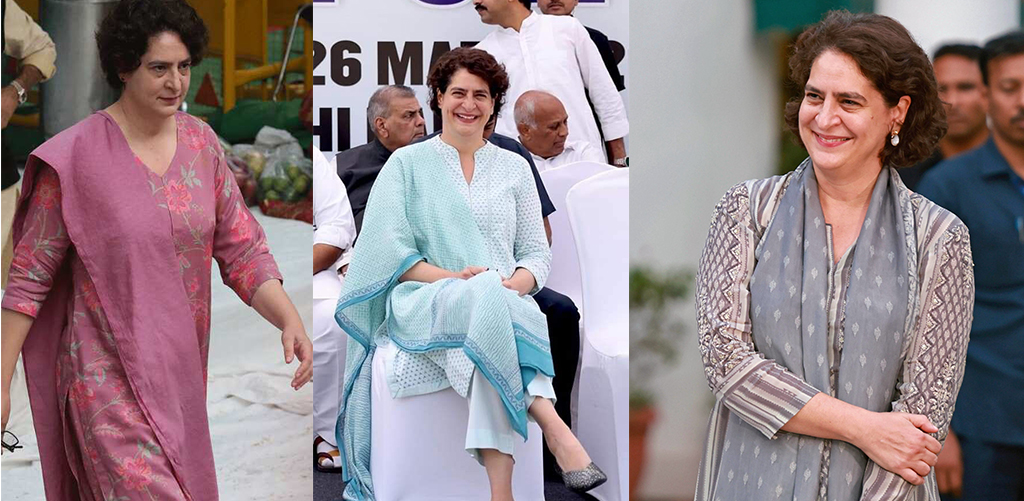
A good stylist helps build this image quietly. You don’t always need bling, sometimes, even a watch brand can say a lot.
At JD Institute, students of Fashion Styling learn this language of subtle styling through real-life briefs, photo styling sessions, and exposure to image management techniques.
Not all days are the same. Political leaders and media personalities attend everything from high-profile debates to casual town halls. Stylists make sure each look matches the mood and message.
Example: Shashi Tharoor’s Kolhapuri Chappals and Linen Kurtas
He blends Indian elegance with comfort, giving off a vibe that’s both intellectual and grounded, a stylist’s careful balance.
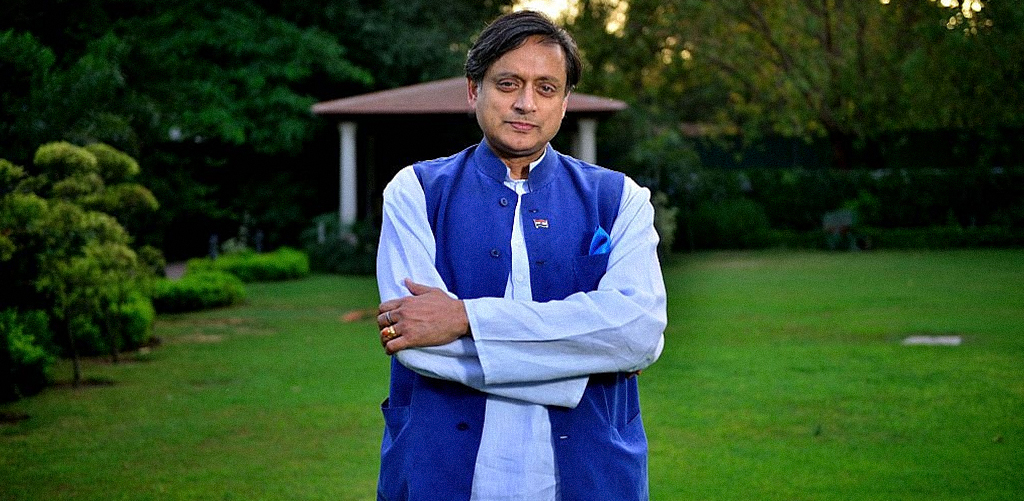
Media stylists need to:
This kind of detailed thinking is what future stylists must be trained for as it’s about real styling for real impact.
…then style where it matters the most on screens, in parliaments, and on public stages. Learn to mix creativity with clarity, and fashion with intention. Ready to create looks that don’t just trend, but lead? Start your journey at the place where smart styling meets real-world fashion, JD Institute of Fashion Technology.
 Design Blogs
 Watch on youtube


 Downloads

Copyright © 2025 JD Institute of Fashion. All Right Reserved
Designed by




 Quick Menu