

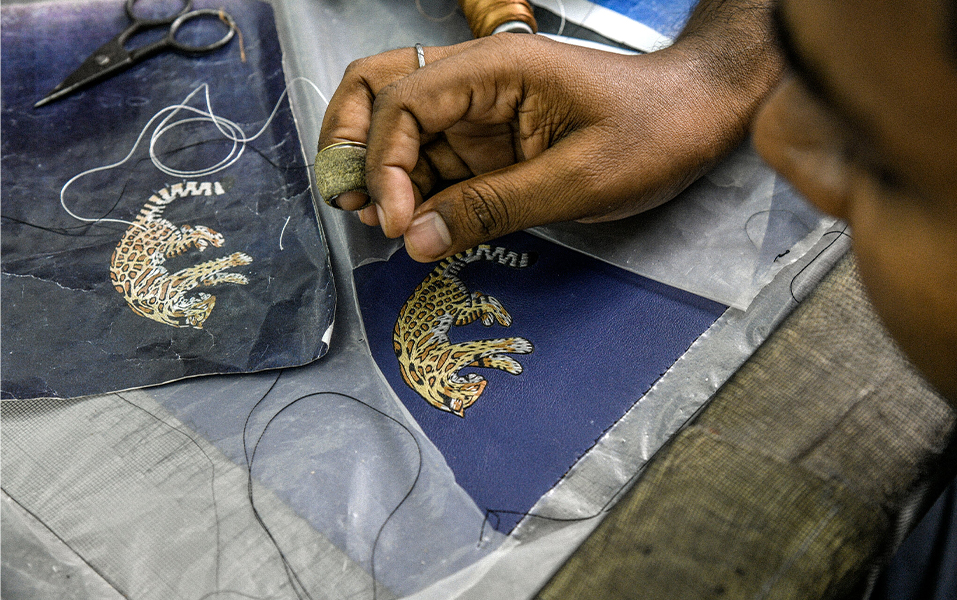
“Not every artist has a studio, some have a small room, a single thread, and centuries of tradition.”
Think about it, every time you wear a hand-embroidered kurta or a beautiful block-printed scarf, do you know who made it?
Behind many of the clothes we love is an Indian artisan, someone working quietly in a small town or village, keeping our culture alive through craft. But in today’s fast fashion world, these skilled hands often go unseen and underpaid. That’s where you come in.
If you’re an aspiring fashion entrepreneur or studying fashion business, now’s the perfect time to learn how to build something different, something that gives back. Courses like Fashion Business Management at JD Institute are teaching students how to combine creativity with impact, helping them create brands that not only look good but do good too.
So, how do you build a fashion brand that truly supports Indian artisans? Let’s walk through it, step by step.
You don’t need a fancy office in a big city to start your fashion brand. Start where the real magic happens, villages filled with amazing skills and traditions.
Take Okhai, for example. This brand began by working with rural women artisans in Gujarat, teaching them how to bring their embroidery and mirror work to modern designs. Today, they sell their products online and worldwide.
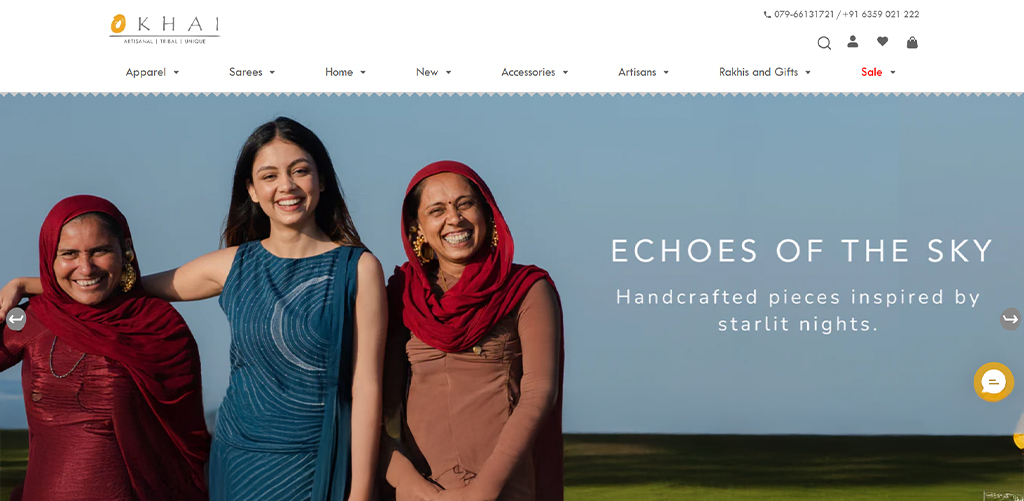
If you’re building your own brand, start by exploring handmade clothing techniques like block printing, weaving, and natural dyeing. Partner with artisans who already know these crafts better than anyone.
And if you’re in a course like Fashion Business Management at JD Institute, you’ll get to study real-life brand journeys like this and learn how to bring them to life, without losing the soul of the craft.
Why go handmade when machines are faster? Because people today want stories, not just styles.
Bunaai, a brand started in Jaipur, focused on handcrafted outfits made with love. The founder used local fabrics and simple cuts but made it shine online by sharing how each piece was made.
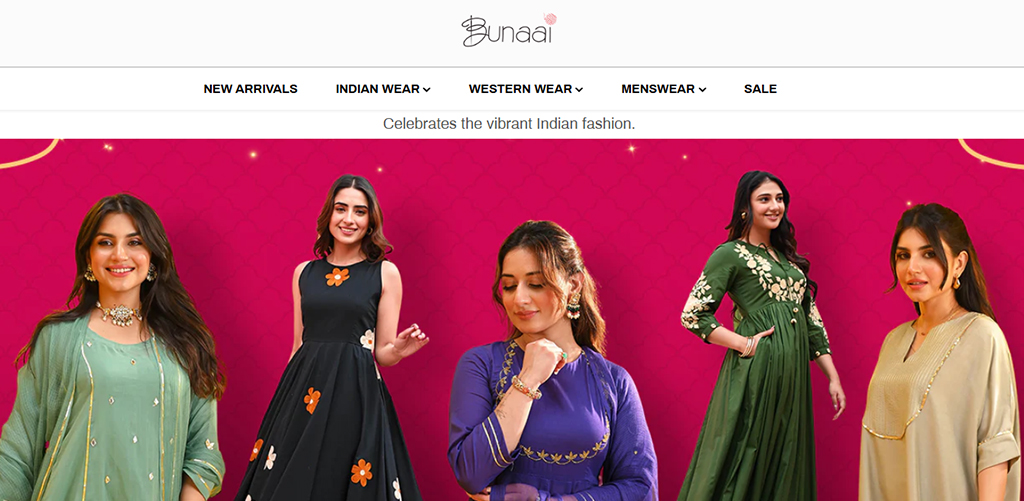
That’s the power of artisan fashion brands, they connect with people. And they support local talent.
If you’re planning your own brand, focus on handmade clothing. Not only is it more personal and eco-friendly, but customers are also willing to pay more for something with a real story.
Fashion can be fun and fair, just look at Suta, a brand started by two sisters who turned handwoven sarees into something modern and beautiful. They didn’t just buy fabrics from weavers, they spent time with them, made sure they were paid well, and even featured them in their campaigns.
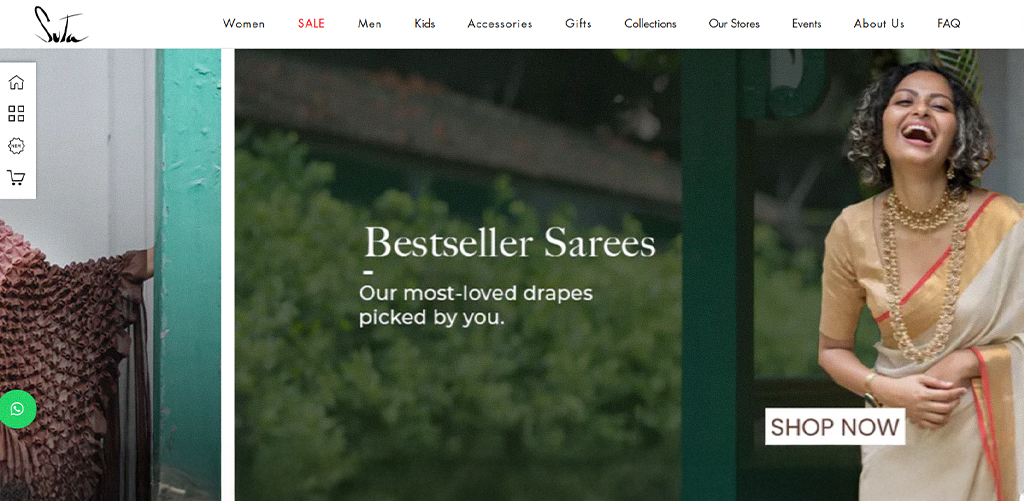
This is called ethical sourcing, and it’s super important. You can’t claim to support artisans if you’re not treating them right. The trust you build with them becomes the strength of your brand.
Want your brand to be cool and craft-based? Meet 11.11 / eleven eleven, a label that made simple fabrics like khadi look luxurious. They work with rural artisans but market it like high fashion.
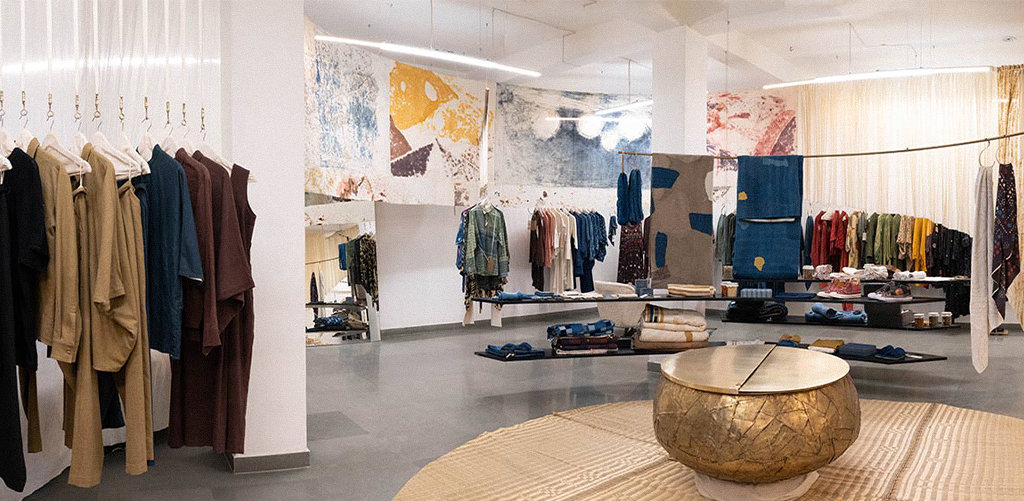
They didn’t change the craft; they changed the way people see the craft. So, if you’re thinking of starting a rural fashion business, think of how you can use modern design and storytelling to make these traditional techniques trendy again.
Creating a fashion brand that supports Indian artisans isn’t just about selling clothes, it’s about creating impact.
As a future fashion business owner, you need to know how to:
All this might sound big, but with the right guidance, it’s doable. Courses like Fashion Business Management at JD Institute are designed to help students turn these dreams into businesses, from learning sourcing to understanding how to price artisan work properly.
Supporting artisans isn’t just a trend. It’s a responsibility, and a beautiful opportunity.
When you build a brand with heart, you’re not just growing your business. You’re helping keep art, culture, and real stories alive. And who better to lead this than fashion students who actually care?
So, if you’re ready to design a future that matters, learn how to do it right, from the ground up, and with the right people. Because when you learn with JD Institute, you don’t just become an entrepreneur. You become a change-maker.
 Design Blogs
 Watch on youtube


 Downloads

Copyright © 2025 JD Institute of Fashion. All Right Reserved
Designed by




 Quick Menu