

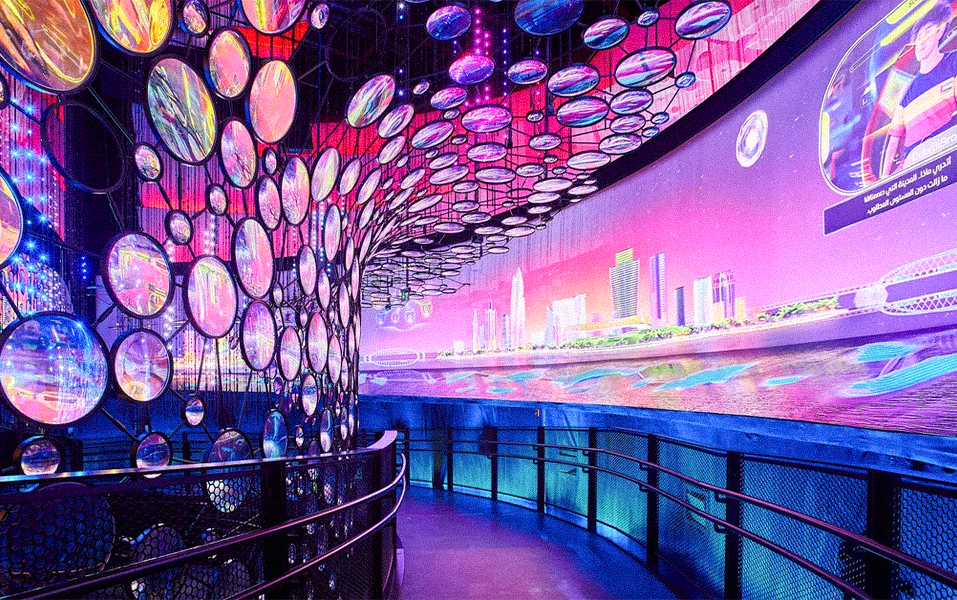
Ever wondered why you instinctively pull out your phone to snap a pic at certain retail displays?
It’s not just clever lighting or shiny props — it’s the power of visual merchandising. Now, imagine that same selfie-worthy experience on a global scale — not in a store, but at the World Expo. Yup, those massive international events where countries go all out to show who they are, what they stand for, and how they innovate. This is visual merchandising on steroids — and it’s changing the way the world sees brands and even nations.
Visual merchandising at the JD Institute of Fashion Technology is already diving into this world, learning how design decisions can shape perception on a global stage — not just inside malls but across international platforms like World Expos. So, what’s the real deal behind these amazing displays? Let’s break it down.
Dubai Expo 2020 wasn’t just about flying robots and future tech. The UAE Pavilion, designed by Santiago Calatrava, looked like a falcon in flight. But step inside, and you’d find a full-blown experience — projection mapping, aroma diffusers, interactive screens — all combining retail strategies with storytelling. Countries weren’t just showcasing products; they were selling identities.
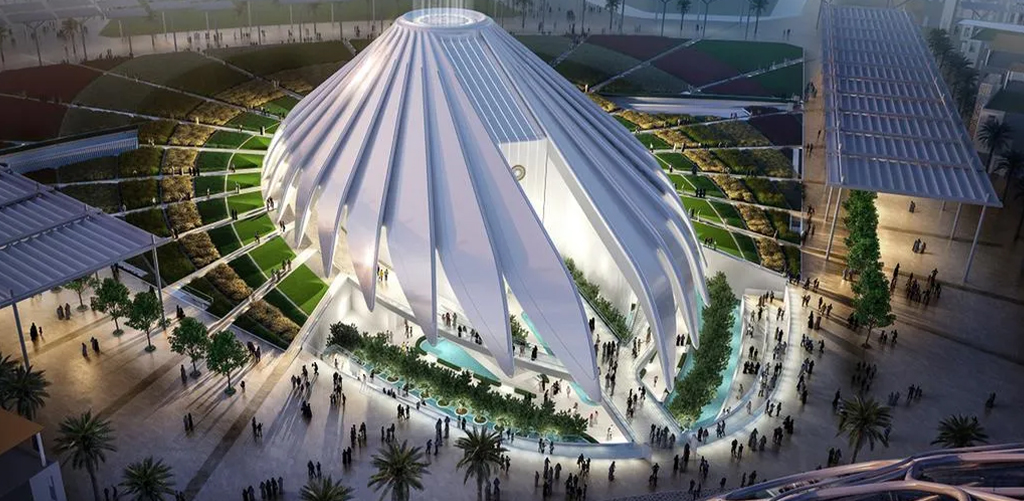
This is where international retail design plays a key role. From layout to lighting to scent, everything is designed to keep visitors immersed, engaged, and snapping photos. Think of it as visual merchandising on a country-sized canvas.
At these expos, it’s not just nations flexing. Startups often steal the show with bold design thinking.
Take Urban-Air Port, a UK startup that built the world’s first eVTOL infrastructure hub at Dubai Expo. Instead of posters and boring demos, they created a miniature airport experience. Visitors didn’t just learn — they lived the innovation.
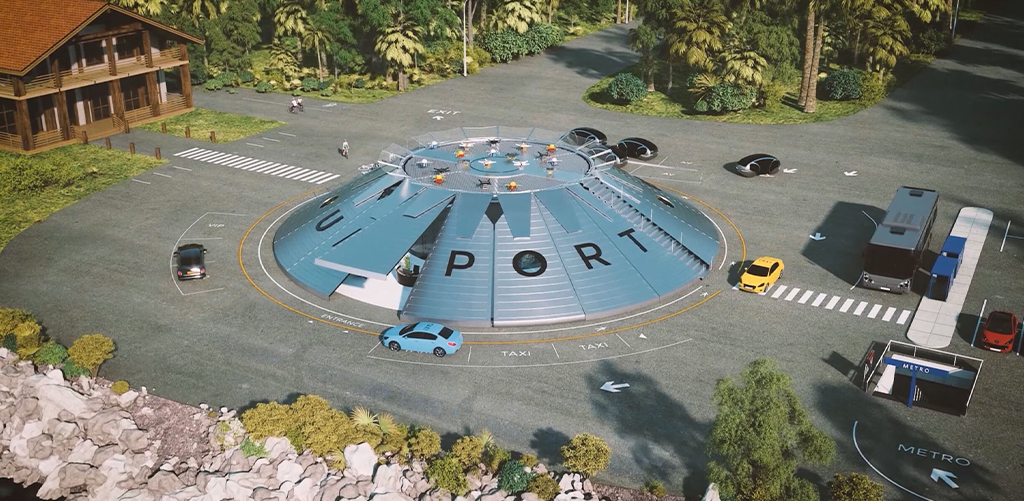
This kind of interactive design is exactly what the visual merchandising course offers at JD Institute — understanding how to translate abstract ideas into physical experiences that spark curiosity and communicate clearly.
With Osaka Expo 2025 around the corner, the buzz has already begun. Japan’s upcoming themes — like “Designing Future Society for Our Lives” — hint at deeper, more immersive experiences. Early concepts show country pavilions as living environments, mixing digital architecture with tactile engagement.
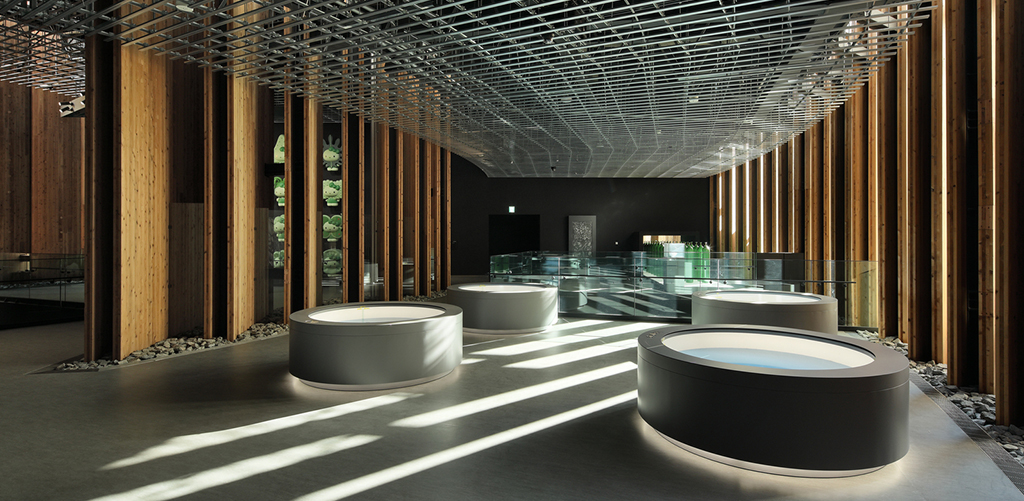
Expect AI-powered emotion sensors, real-time mood lighting, and retail corners using facial recognition to personalize product displays. It’s the future of shopping and storytelling — merging national branding with visual merchandising techniques.
For students looking to shape the future of international retail design, learning how global platforms like these operate is essential. And yes, the Visual Merchandising course at JD Institute helps to explore exactly that — how space, product, and story work together to leave a lasting impression.
Did you know that a country’s pavilion design can impact tourism and trade interest? That’s the essence of country branding.
Look at South Korea’s pavilion at Expo 2020. It had kinetic cubes that changed patterns with the wind — symbolizing adaptability and innovation. The display didn’t just look cool, it felt like Korea.
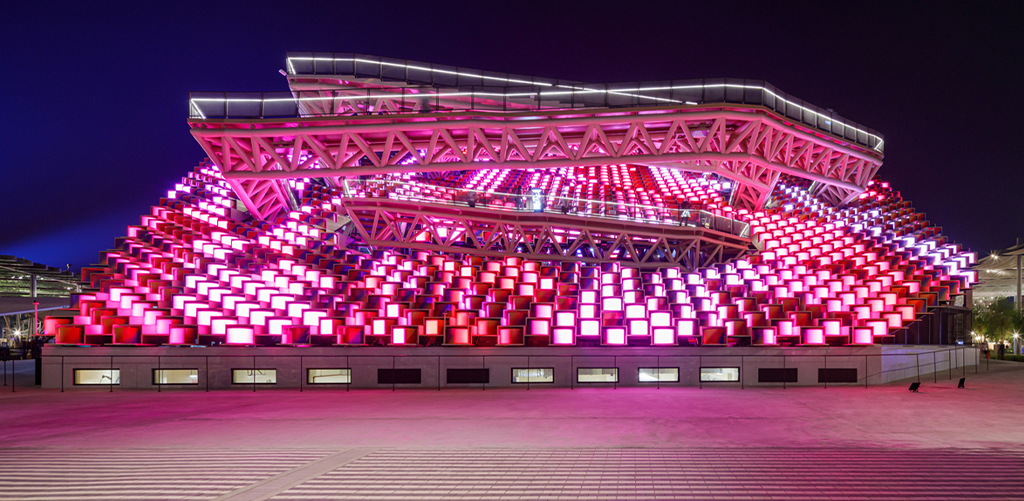
Visual merchandising here wasn’t about selling a product — it was about selling perception. That’s a valuable takeaway for any budding fashion or design student: you’re not just creating beauty; you’re shaping identities.
When a display can spark international conversation or a pop-up retail space goes viral globally, you know we’re way past mannequins and sale signs. From Dubai’s falcon pavilions to Osaka’s AI-driven displays, visual merchandising at world expos proves one thing — great design doesn’t whisper, it shouts. If you’re someone who loves visuals, vibes, and making an impact with creativity, don’t just scroll through expo reels — start learning how to build them. Let your next creative move be a bold one. Step into the world of global design with JD Institute, where students are not just learning retail — they’re crafting stories worth a million selfies.
 Design Blogs
 Watch on youtube


 Downloads

Copyright © 2025 JD Institute of Fashion. All Right Reserved
Designed by




 Quick Menu