

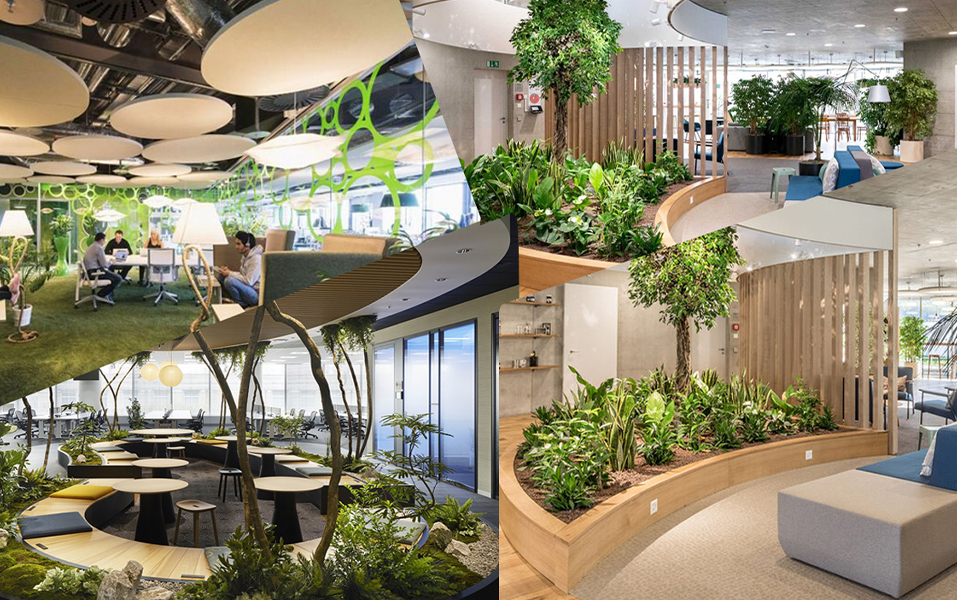
Ever walked into a store and felt an instant sense of calm, as if you were stepping into a lush green oasis? That’s not a coincidence. Retail brands are embracing biophilic design, integrating natural elements into their spaces to enhance customer experience, boost sales, and reinforce their brand identity. From luxury boutiques to global fast-fashion chains, nature is taking over stores in a big way.
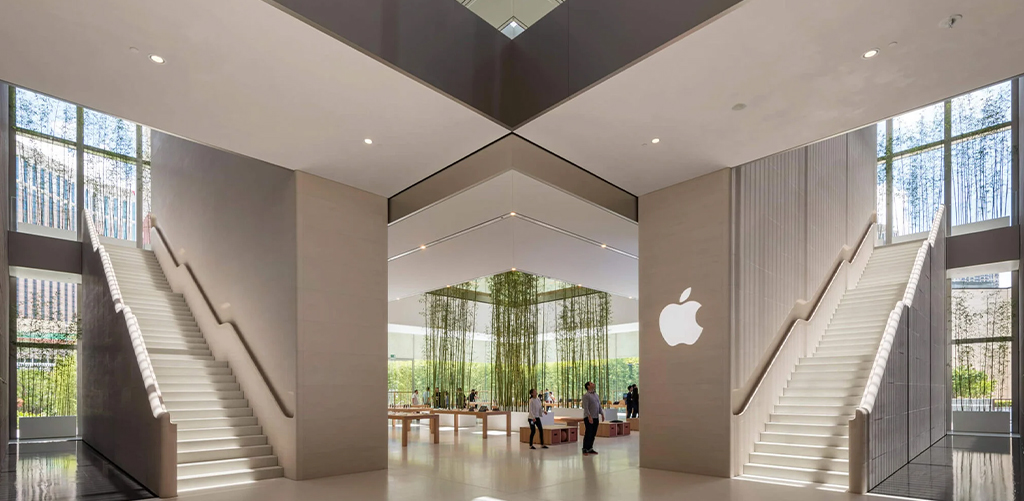
Humans have an innate connection with nature—known as biophilia—which explains why greenery and organic textures make us feel more at ease. Studies show that biophilic design can increase dwell time in stores, encourage purchases, and create a lasting brand impression. A prime example is Apple’s flagship stores, where indoor trees, wooden fixtures, and natural lighting create a stress-free shopping environment.
For students aiming to master the art of Visual Merchandising, understanding biophilic design is now essential. At JD Institute of Fashion Technology, students learn the knowledge to craft immersive store experiences that merge aesthetics with psychology, setting the foundation for a successful career in retail design.
High-end fashion houses were among the first to embrace biophilic retail. Louis Vuitton’s Singapore outlet, for instance, features an in-store tropical garden, blurring the lines between indoors and outdoors. Similarly, Aesop, the Australian skincare brand, is known for its minimalist yet plant-filled stores, where the scent of natural essential oils adds to the multisensory experience.

These brands prove that nature isn’t just décor—it’s a statement. Whether it’s cascading plants, green walls, or water features, biophilic elements signal exclusivity, sustainability, and a sense of tranquility that keeps customers coming back.
Even fast fashion retailers are hopping on the trend. H&M’s Stockholm store boasts a vertical garden, while Zara incorporates wooden panels and earthy tones to create a warm, welcoming atmosphere. These brands recognize that customers, especially younger generations, value sustainability and organic aesthetics.
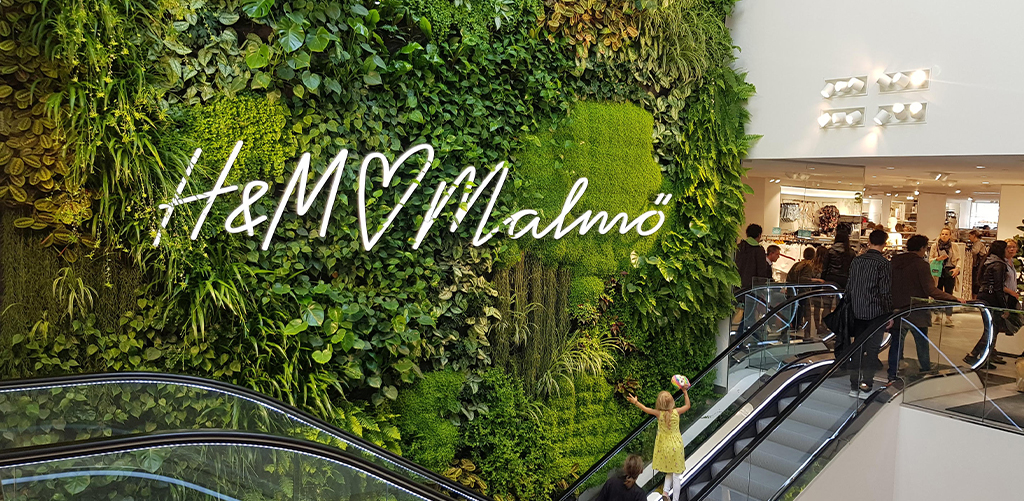
It’s not just about looking good—it’s about feeling good. Brands are realizing that shopping in a nature-infused space is more enjoyable, leading to increased foot traffic and greater customer satisfaction.
Retail spaces are no longer just about selling products; they’re about storytelling. Brands like Nike and Patagonia incorporate reclaimed wood, living walls, and nature-inspired installations to highlight their eco-conscious ethos. Patagonia’s New York store features a rustic, cabin-like interior, reinforcing its outdoor adventure identity.
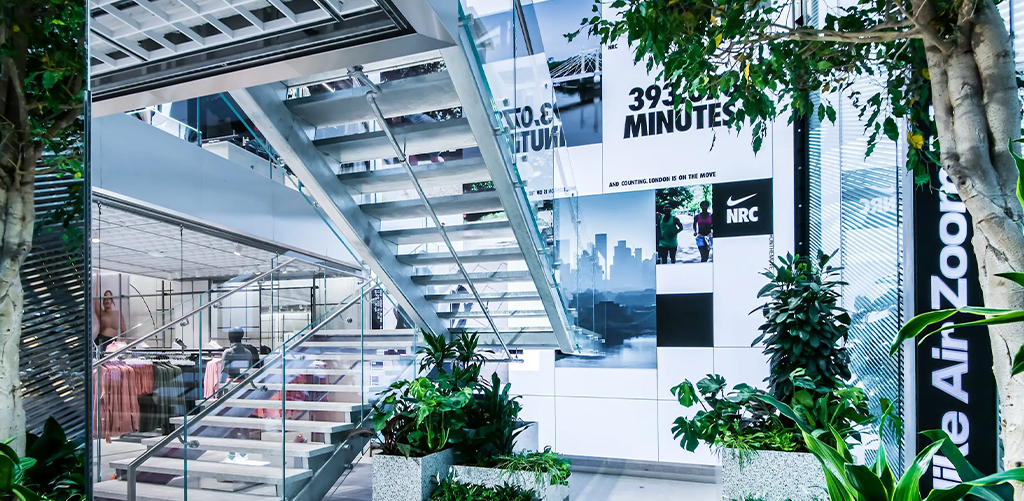
By blending sustainability with biophilic design, these brands appeal to conscious consumers who prefer shopping in stores that reflect their values.
Biophilic design is more than just a trend—it’s the future of retail. At JD Institute of Fashion Technology, students gain hands-on experience in creating retail environments that blend creativity, functionality, and sustainability. The Visual Merchandising curriculum covers everything from spatial planning and material selection to branding and consumer psychology, ensuring students are well-equipped to meet industry demands.
With expert faculty, industry collaborations, and real-world projects the institute prepares aspiring visual merchandisers to design store spaces that not only captivate customers but also align with global sustainability standards.
If you dream of designing immersive, nature-infused spaces that redefine shopping, JD Institute is your launchpad.
 Design Blogs
 Watch on youtube


 Downloads

Copyright © 2025 JD Institute of Fashion. All Right Reserved
Designed by




 Quick Menu