


“You never get a second chance to make a first impression.”
That quote? It’s not just for awkward job interviews or first dates, it’s the silent rule brands live and die by. And guess what makes that impression stick before a single word is spoken? Design.
From the soothing pastels of a skincare label to the commanding presence of a luxury car logo, your brain makes lightning-fast decisions about whether you trust a brand in under 50 milliseconds. That’s less than a blink.
So how does design convince you to click, buy, wear, or believe instantly? Let’s decode the psychology behind trust through design and how iconic brands have mastered the art of first impressions.
Before your brain processes the actual message, it reads the look of it. Color, layout, fonts, they’re all part of a brand’s visual identity, and they deeply influence how reliable or genuine it feels.
Example:
Think of Apple. Its minimalism isn’t accidental. The clean white backgrounds, precise spacing, and sleek typography all whisper: sophisticated, smart, secure. You don’t even need to read the text. You just know it’s Apple.
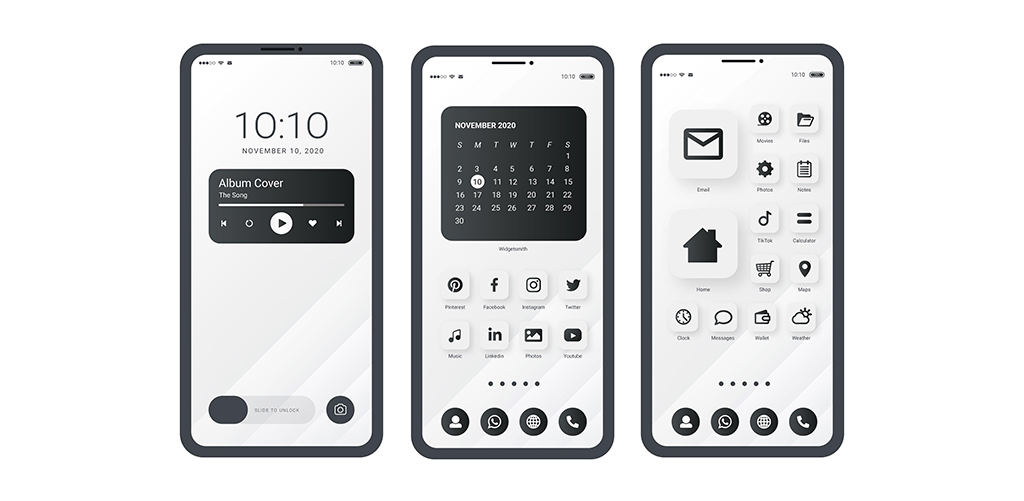
At JD Institute, students across Communication and Fashion design are trained to build trust through visual hierarchy, storytelling via color theory, and layout strategies. That’s not just design; it’s visual psychology in action.
Design psychology teaches us that colors speak louder than words. Blue is reliable. Green is organic. Black is luxe. A brand’s entire identity can depend on choosing the right shade.
Example:
The rebranding of Pepsi in the early 2000s leaned heavily into energetic reds and blues to fight Coca-Cola’s dominance subtle, strategic, and psychologically crafted to attract Gen Z and Millennials.
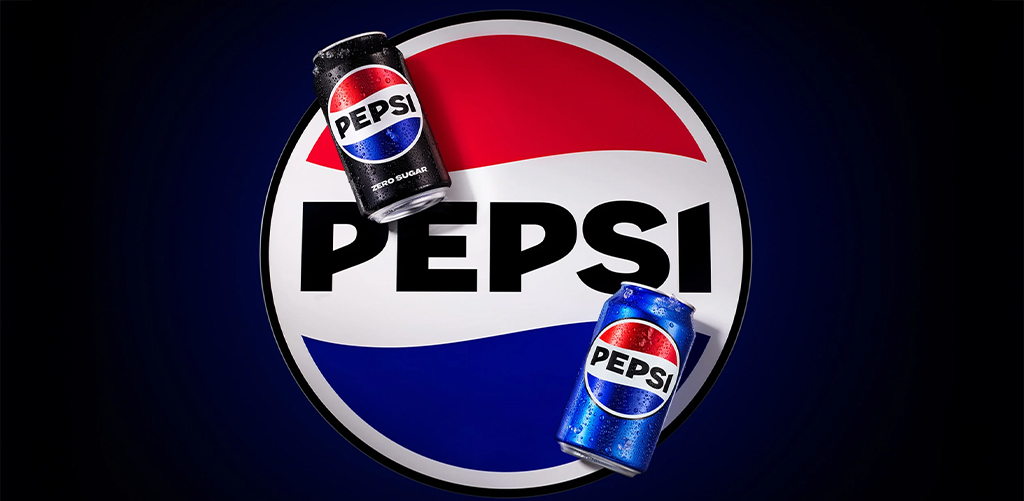
In JD Institute’s Interior design course, students explore how color influences behavior, and why an eco-friendly brand should never go neon, or how lighting and color can shift the feel of a space before you enter it.
If a brand’s fonts change daily, or its Instagram looks nothing like its packaging, we subconsciously think something’s off. Consistency builds familiarity, and familiarity builds trust.
Example:
Nike’s swoosh, bold typography, and black-and-white palette haven’t changed in decades. And whether it’s on a billboard or a water bottle, the moment you see it, you trust it.
That consistency is the backbone of branding design, and it’s not just about style. And the design students must learn to develop cohesive systems, from logo rules to social media templates, that echo across every touchpoint.
We’ve seen trends come and go, but what sticks is when a brand’s design feels genuine. That doesn’t mean boring, it means it aligns with the brand’s purpose and audience.
Example:
Glossier, a millennial cult favorite, blew up because of its “real girl” aesthetic. Soft blush tones, minimalist packaging, and user-generated content weren’t just pretty, they felt honest.
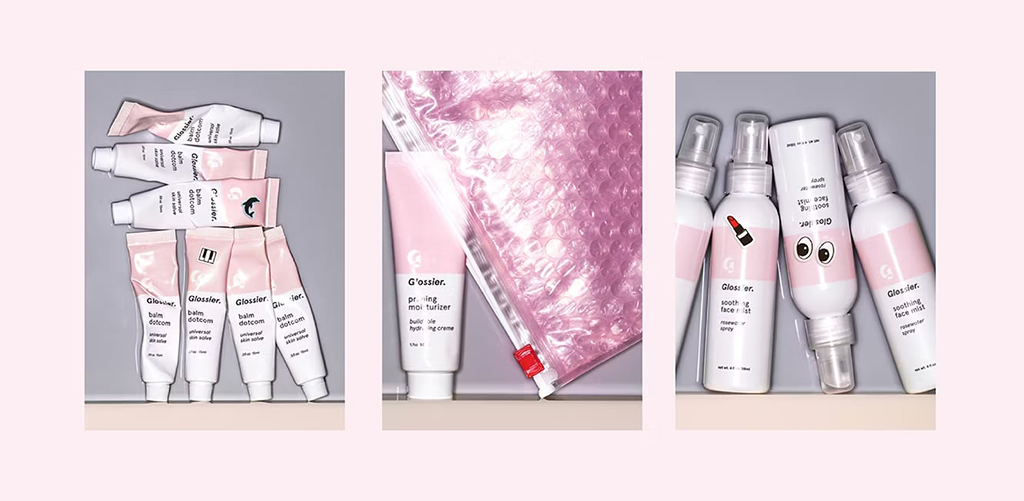
In design, this kind of alignment must be explored as in how garments, styling, and even runway presentation reinforce a brand’s authenticity. Students aren’t just learning how to look good; they’re learning how to connect.
Fonts can whisper elegance or scream chaos. Typography plays a crucial role in branding design by setting the tone before the copy does.
Example:
Vogue’s iconic serif font screams luxury, timelessness, and authority. Now imagine Vogue using Comic Sans? Naah, it just doesn’t feel trustworthy, does it?
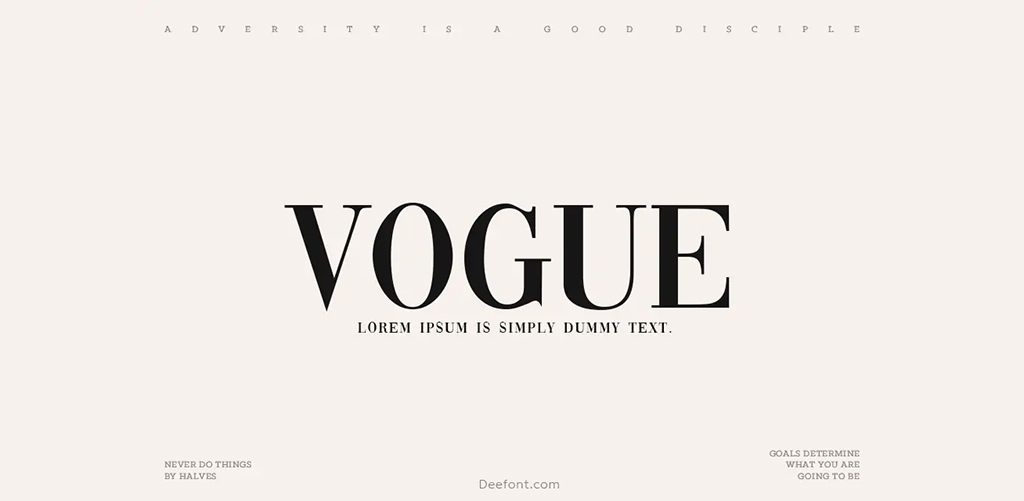
From menu design to fashion magazines, JD Institute students explore how typefaces convey voice, rhythm, and reliability, making them a core part of a brand’s personality.
In a world bombarded by brands, the ones we trust are the ones that feel right. And that feeling? It’s not a coincidence, it’s crafted. Through visuals, through consistency, through psychology.
Design doesn’t just sell, it builds trust, instantaneously and silently. It’s the language your brain understands before your mouth catches up. If you’re curious about how to craft these experiences, whether it’s a wardrobe that speaks luxury, a store that feels like home, or a logo that earns loyalty in seconds and don’t just watch it happen. Learn how to make it happen. Your brand trust-building journey starts with design. And design? It starts at JD Institute.
 Design Blogs
 Watch on youtube


 Downloads

Copyright © 2025 JD Institute of Fashion. All Right Reserved
Designed by




 Quick Menu