

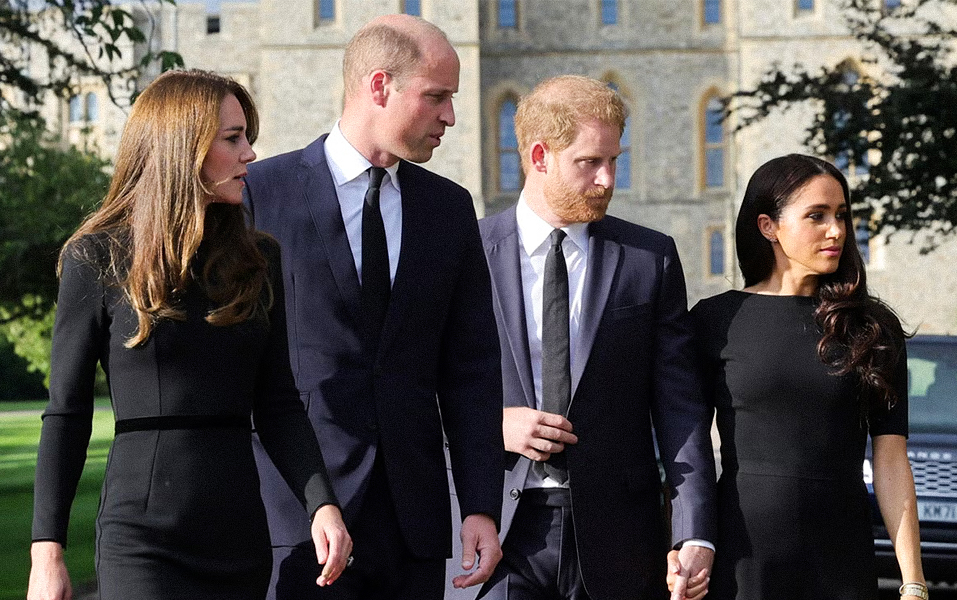
Ever looked at a celebrity after a tough moment in life? Think about it, how often do you see a celeb in all-black right after a public loss, breakup, or scandal? That’s not just a fashion choice. That’s emotional styling, when people use clothes to express feelings that words can’t.
Let’s break down how clothing communicates loss and recovery in public figures, and why it actually matters if you’re planning to work in fashion styling.
In fact, it’s something students at places like the JD Institute of Fashion Technology learn deeply when they study fashion styling, and not just what people wear, but why they wear it.
Take Jacqueline Kennedy, after President John F. Kennedy’s death, she wore black for months. Her outfits became a symbol of strength, sadness, and elegance, all at once.
Then there’s Princess Diana. After her marriage ended, she wore a daring black dress that shocked the media. They called it the “revenge dress”, but it was more than that. It was her way of saying, I’m still here. I’m strong.
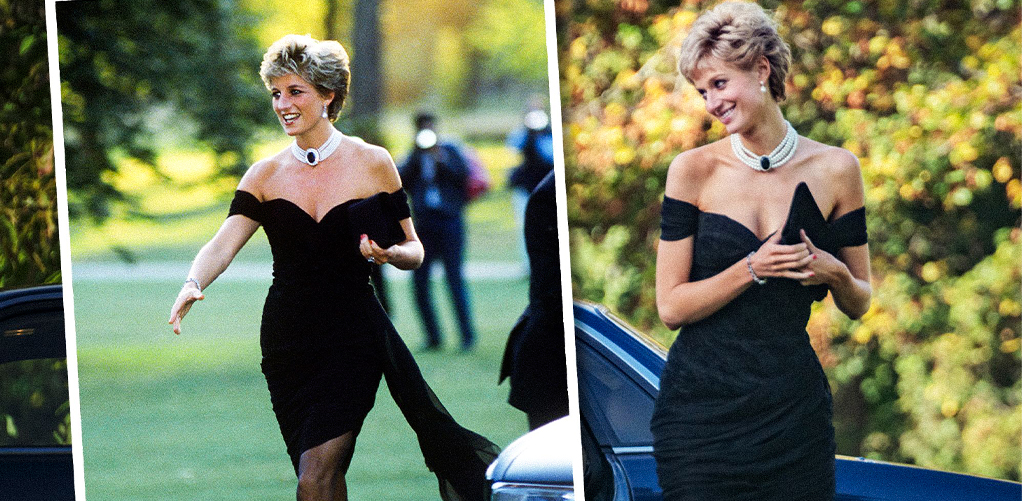
That’s mourning fashion, where clothes speak for the heart.
If you’re a stylist, you need to ask: What does this person feel? And how can their clothes reflect that without even saying a word?
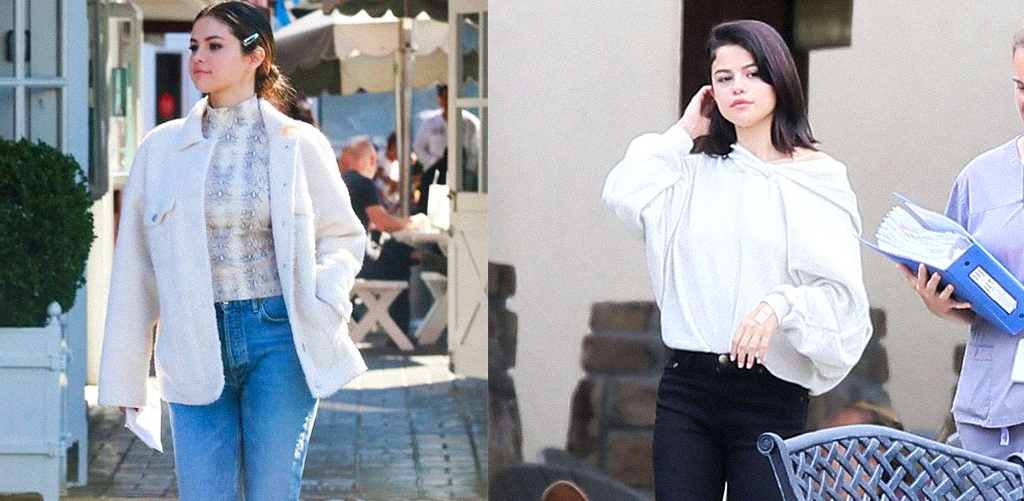
Look at Selena Gomez. After her breakups and mental health struggles, she started wearing softer, lighter colors. She slowly moved from hoodies and oversized looks to more polished but still calm styles.
Michelle Obama, too, once wore a classy black dress with pearls at Nancy Reagan’s funeral, respectful, powerful, and peaceful.
These examples show that fashion isn’t just about looking good, it’s also about feeling understood. As someone studying or entering the Fashion Styling field, like at JD Institute, you need to know how different colors and fabrics can reflect someone’s journey, especially in public.
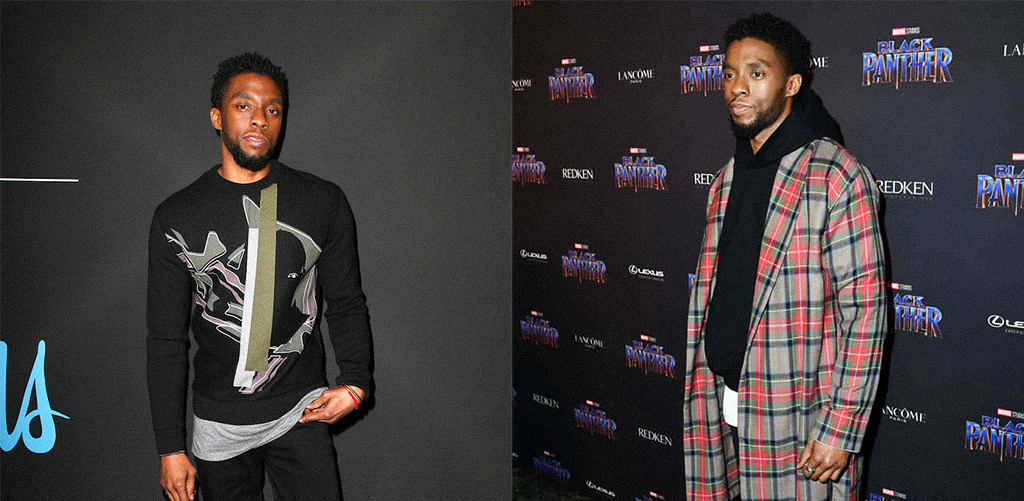
Before he passed away, Chadwick Boseman made several public appearances in powerful, often dark-toned clothes. Now we know he was silently battling cancer. But he never said it out loud, his fashion said it for him. His clothes were elegant, cultural, and filled with meaning.
Even designer Virgil Abloh, when he was quietly fighting illness, created collections full of spiritual symbols and quiet strength.
This is called symbolic dressing, when every detail of an outfit means something deeper.
Stylists must become storytellers. That’s the biggest takeaway. And that’s what real fashion styling courses teach, and not just styling for trends, but styling for emotions.
Beyonce after Lemonade.
Billie Eilish going from baggy clothes to body-positive styles.
Taylor Swift after every breakup album ever.

What’s the one thing they all do? They use clothes to mark a comeback. To say, I’ve been through something, but I’m stronger now.
And as a stylist, that’s where your role becomes more than just fashionable, it becomes personal. People lean on you to help them find themselves again. That’s the power of celebrity fashion psychology, knowing how the brain, heart, and outfit all connect.
Some celebs cry in public. Others show up to the Grammys in all black. Some wear pearls. Some wear power suits. But all of them are saying something with what they wear.
As a future fashion stylist, your job isn’t just about looking trendy. It’s about helping people be seen, without even speaking.
So the next time you see someone grieving, or coming back stronger, watch what they’re wearing.
Better yet, learn how to style it. Because stylists who understand emotions will always be one step ahead. Ready to learn how clothes can speak louder than words?
Maybe it’s time to explore a course like the one at JD Institute, where fashion styling meets real-life stories.
 Design Blogs
 Watch on youtube


 Downloads

Copyright © 2025 JD Institute of Fashion. All Right Reserved
Designed by




 Quick Menu