

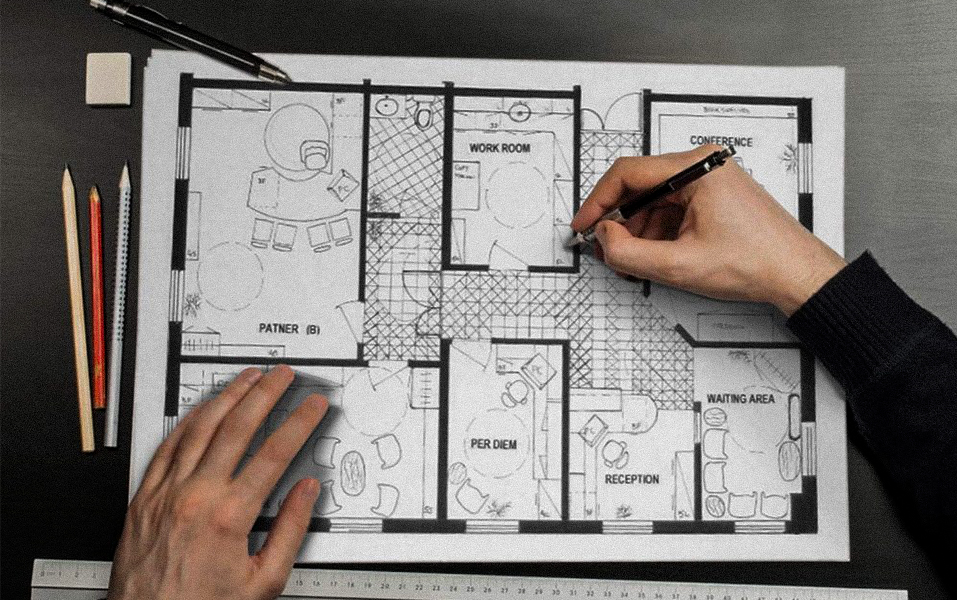
“Ever tried assembling IKEA furniture without instructions? That’s exactly what designing without a floor plan feels like.”
It’s all fun and games until you realize your fabulous velvet couch blocks the door and your coffee table floats awkwardly in the middle of nowhere. Welcome to the chaos that happens when you don’t understand floor plans.
Learning how to read a floor plan like a pro isn’t just for architects, it’s a superpower every design student needs. Whether you’re sketching dreamy interiors or crafting functional spaces, mastering the art of floor plan reading is where it all begins. If you’re enrolled in an interior design course like the one offered by JD Institute, this is probably one of the first and most essential tools you’ll be handed and rightly so!
Let’s break it down like pros (but in beginner-friendly language), so you don’t just look at those black lines on white paper… you read them like a seasoned designer.
A floor plan is basically the Google Maps of a room or a building, it shows where everything is, but in 2D. You’ll see walls, doors, windows, furniture placements, and often dimensions. It’s your interior layout’s master key.
Why should a design student care? Because every smart design starts with smart space planning. Floor plans tell you the story of space, where it breathes, where it clutters, and how it flows. If you miss the story, you miss the design.
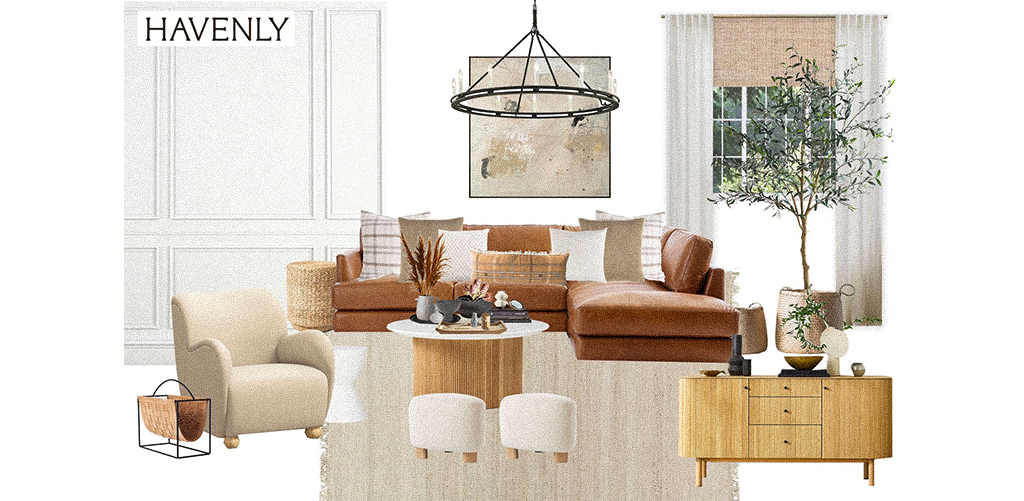
Famous Startup Lens: Havenly, an online interior design platform, makes its services accessible to users by starting every design with a digital floor plan. It’s how they personalize at scale, and it all begins with knowing the basics.
Reading a floor plan is a bit like reading a comic strip. Every line, dot, or squiggle has a meaning:
Furniture outlines help visualize how big a space really feels. And those little numbers? They’re measurements is golden keys to proportion and function.
At JD Institute’s interior design course, students practice interpreting these elements hands-on. Because when you see the space on paper, your design mind begins to stretch beyond Pinterest boards.
Here’s the reality, a king-sized bed looks great in your imagination until it leaves no space for your feet to walk. That’s where scale steps in.
Understanding how measurements translate into real life is essential for good space planning. Reading the scale on a plan helps you figure out what fits where and how to keep your designs practical and not just pretty.
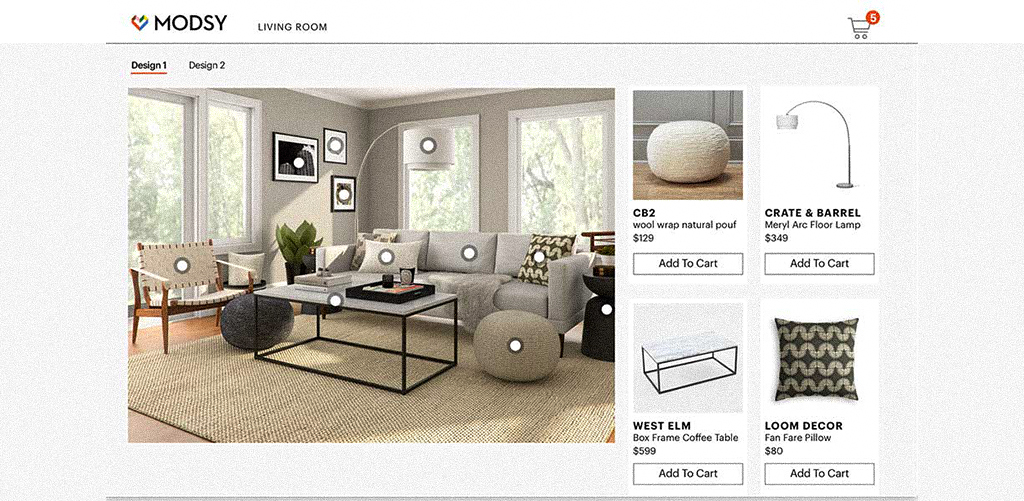
Startup Inspiration: Modsy, a virtual interior design service, uses scaled 3D floor plans to show users exactly how furniture will fit. Their realistic renderings wouldn’t work without a precise grip on floor plan proportions.
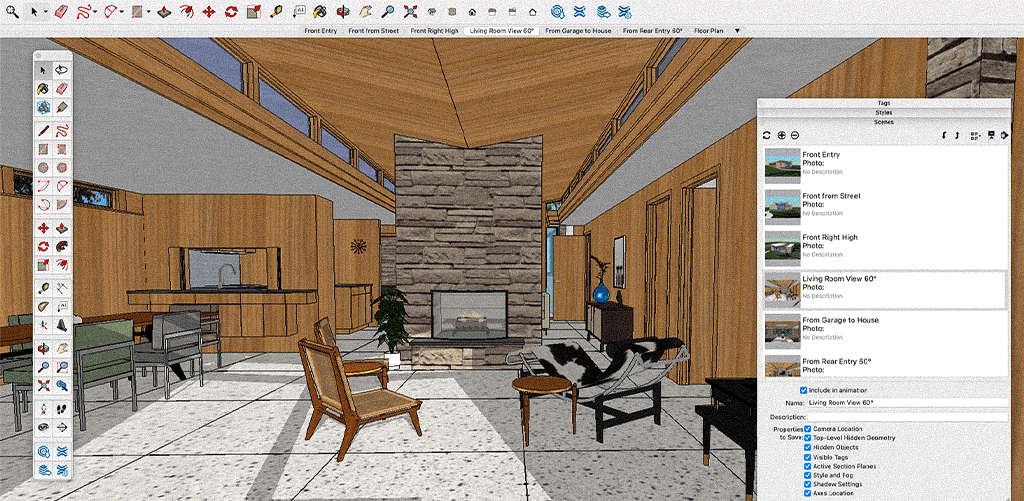
Like any language, the more you read floor plans, the more fluent you become. Here’s how:
Real World Relevance: IKEA uses super-efficient layouts in both stores and product manuals, and their design teams swear by accurate floor planning. That’s how they keep their furniture universal and their stores like maze-like dreamlands.
If you can read a floor plan, you’re not just reading a drawing, you’re reading someone’s lifestyle, their movement, their needs, their comfort. And when you get that, you’re already one step closer to being a design gamechanger. So grab that layout, pull up your sleeves, and start reading like a design detective. And if you’re wondering where to truly sharpen this skill, maybe it’s time to check out the way JD Institute turns students into spatial storytellers.
 Design Blogs
 Watch on youtube


 Downloads

Copyright © 2025 JD Institute of Fashion. All Right Reserved
Designed by




 Quick Menu