


Zebra stripes confuse lions. Imagine what your prints can do on the runway.
Sounds fun, right? But also very real. Prints aren’t just designs, they tell stories. And so do solid colors. Each of them changes how people feel when they wear or see a garment. That’s why every fashion designer needs to understand how to use both prints and solids smartly in a fashion collection.
This mix of creativity and decision-making is a core part of the Fashion Design course at JD Institute of Fashion Technology, where students learn how surface design impacts the entire feel and purpose of a collection.
Prints can be anything, florals, checks, graphics, tie-dye, digital art. They bring movement, emotion, and energy to a look.
Example: Sabyasachi Mukherjee
He’s famous for Indian heritage prints inspired by old textiles, paintings, and royal motifs. Each print tells a story and gives depth to his bridal collections.

Why prints work?
But too many prints can feel messy. That’s why designers have to use them thoughtfully.
Solid colors might look simple, but they carry serious power. A red gown. A black suit. A white kurta. No print, but maximum impact.
Example: Victoria Beckham
Her designs are often built on clean lines and solid color palettes. They highlight shape, silhouette, and structure without distracting prints.
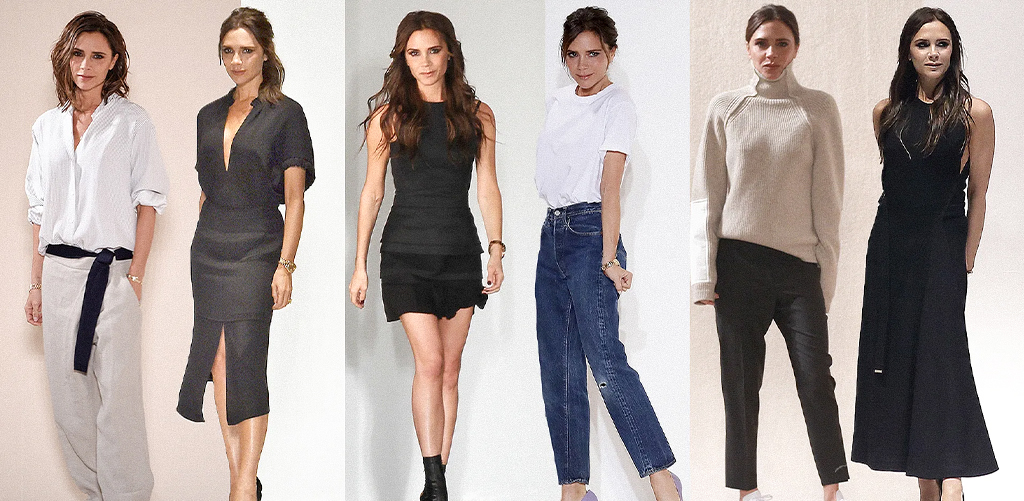
Why solids work?
A fashion collection that only has prints or only has solids might look incomplete. That’s where strategy steps in.
You don’t just pick a print or a color because you like it. You pick it because it supports your design idea.
Theme is Everything: Think about your concept. Is it playful and fun? Go bold with prints. Is it soft and minimal? Choose subtle solids. Example: House of Masaba
Masaba mixes quirky Indian prints with modern silhouettes. But even she adds solids in between to balance it all out.
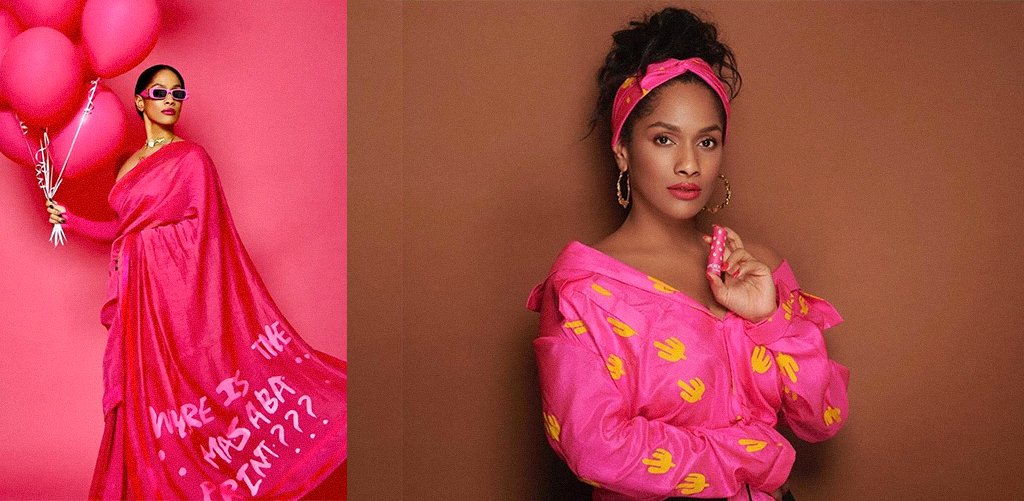
Your Audience Decides: Designing for young fashion lovers? They love bold graphics. Designing for working professionals? They might prefer classy solids.
Let Prints Shine with Solid Support: Use solids as a background for print-heavy designs. It avoids looking “too busy.”
Pro Insight: This balancing act is exactly what Fashion Design students learn at the JD Institute, where they get hands-on training in combining design creativity with smart styling decisions.
Because choosing between prints and solids isn’t a random task, it’s part of smart fashion thinking. Knowing what to use, when, and why sets you apart as a professional.
At JD Institute of Fashion Technology, students of Fashion Design learn exactly this kind of design thinking, through real-time projects, runway simulations, and expert mentoring. It’s not just about sketching clothes, its about crafting collections that feel complete, meaningful, and saleable.
Prints shout. Solids whisper. But both have a place in a powerful fashion story. The smartest designers know how to mix them, like music and silence, to create rhythm in their collection. So, if you’re ready to master this kind of smart decision-making, it’s time to learn from a place that turns fashion passion into real creative careers. JD Institute of Fashion Technology isn’t just about design, it’s about designing right.
 Design Blogs
 Watch on youtube


 Downloads

Copyright © 2025 JD Institute of Fashion. All Right Reserved
Designed by




 Quick Menu