

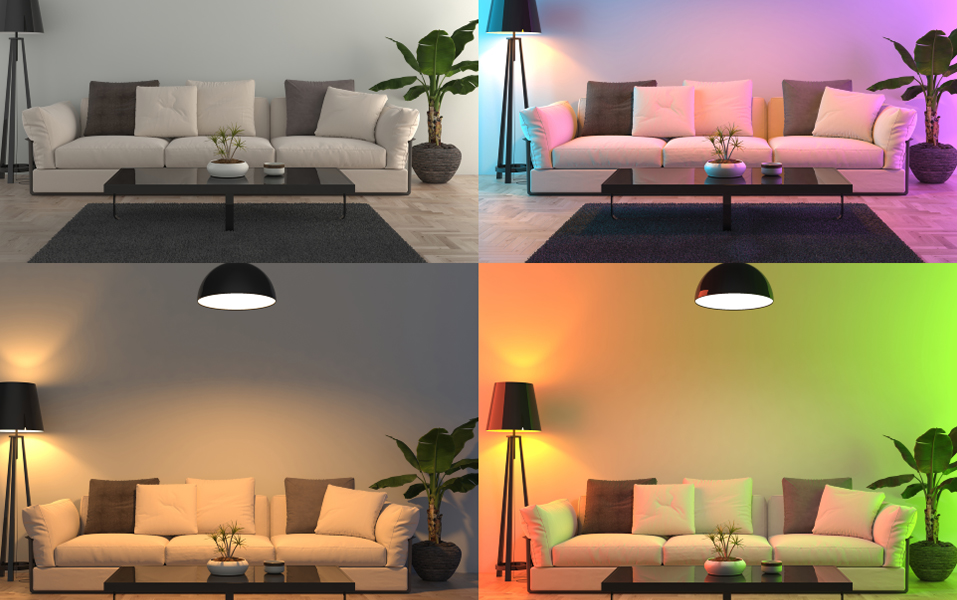
“There is no such thing as neutral light.” – James Turrell
Ever noticed how your room feels super cozy during golden hour, but kind of dull under white tube lights? That’s not your imagination, it’s the power of lighting. It’s not just about brightness, it’s about how lighting changes the look of a room. And if you’re dreaming of becoming a top-tier interior designer, understanding lighting isn’t optional, it’s essential. And guess what? Aspiring Interior Design students at places like the JD Institute of Fashion Technology are already learning these secrets through practical training and creative studio sessions.
Let’s start with a real-world stunner: Apple Stores. Ever walked into one and felt like everything looked like it belonged in a high-tech dream? That’s no accident. Apple uses a mix of natural and customized LED lighting calibrated to highlight product textures, colors, and reflections. Their lighting design isn’t just pretty, it sells.

For home interiors, the same principle applies. Warm lights give a cozy, lived-in feel, while cool whites make spaces look clean and alert. Want a relaxing evening? Dim the lights. Want to feel focused? Turn up the brightness. So yes, lighting literally sets the room mood.
Every light has a job.
A great example? IKEA’s showrooms. They create mini-room setups that use a mix of these lighting types so you see how different layers work together. It’s all designed to show you how lighting changes the look of a room you can imagine living in.
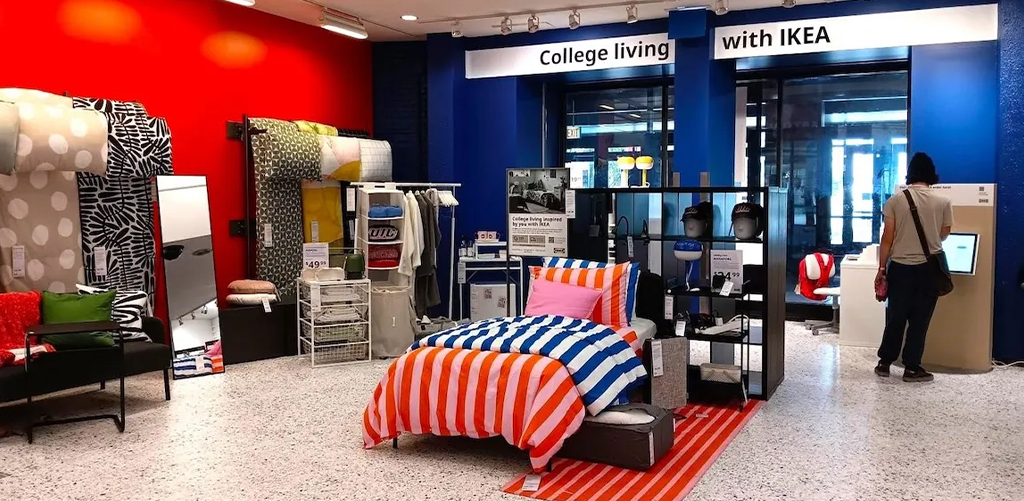
Students learning interior design need to be fluent in this lighting language. That’s why the JD Institute includes modules on residential and commercial lighting design as part of its Interior Design course.
Let’s talk windows and sunshine. Pinterest-worthy spaces often have one thing in common: natural light. Big windows, open curtains, skylights, they all make a room feel spacious, fresh, and full of life. Brands like Muji and Kinfolk Home thrive on minimal design, where light plays the main character.

Natural light also saves energy, boosts mood, and makes materials like wood and linen glow naturally. Interior Design students must learn to position furniture, choose materials, and plan layouts based on available sunlight.
Lighting doesn’t work in isolation. The color of your walls, furniture, and even the flooring will change based on the type of lighting you use. Ever tried on clothes in a store, loved them, but hated them at home? Blame the lighting.
Starbucks uses warm, indirect lighting with wood and dark tones to make their cafes feel like an inviting retreat. That’s strategic. Bright light on glossy white tiles? Not so chill.
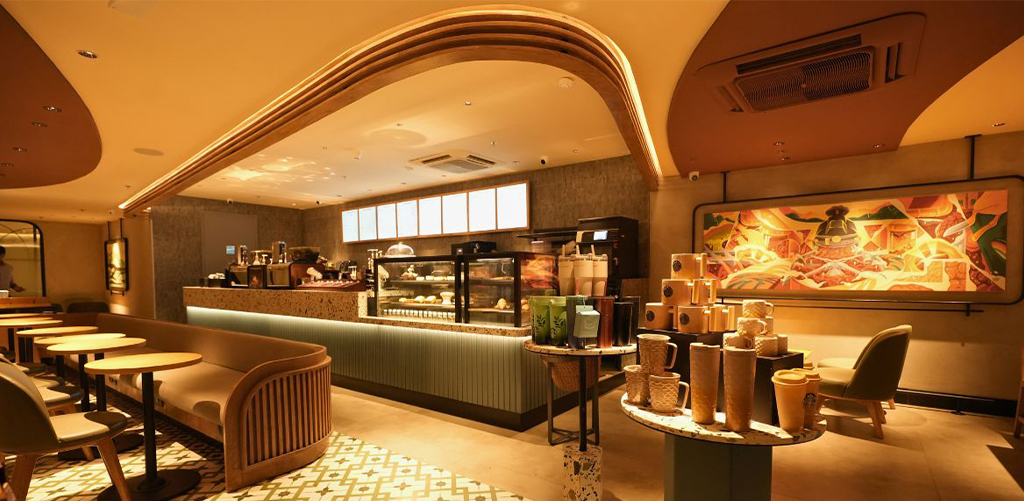
This is where interior designers must test how finishes reflect or absorb light. From matte walls to glossy countertops, each material interacts differently. Knowing this helps you avoid design disasters and build spaces people actually want to be in.
We can’t talk about lighting today without talking smart lighting. Companies like Philips Hue and Lutron have transformed the way we interact with lights. From app-controlled brightness to motion-sensor hallway lights, tech is changing the game.
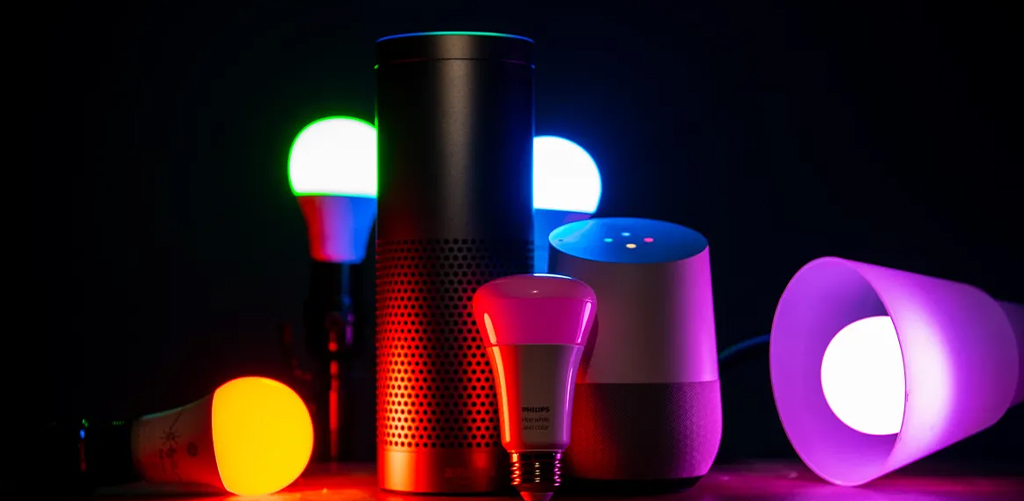
Designing for smart homes is now a vital skill. Aspiring interior designers need to understand how tech can be beautifully integrated into aesthetics and not just functionality.
Whether you want to design chic apartments, cozy cafes, or cutting-edge event spaces, lighting will be a key part of your toolkit. That’s why learning how to master light is part of the Interior Design curriculum at the JD Institute of Fashion Technology, where students aren’t just taught trends, they’re taught transformation.
 Design Blogs
 Watch on youtube


 Downloads

Copyright © 2025 JD Institute of Fashion. All Right Reserved
Designed by




 Quick Menu