


Indian smart retailers are using weather-based visual merchandising, especially during the monsoon, to connect with customers and boost sales. By adapting displays to match rainy weather, they showcase relevant products like rain gear and indoor activities, and adjust the ambiance with colors and lighting to create an immersive experience. This approach aligns with the Visual Merchandising curriculum at JD Institute, which teaches students to analyze seasonal trends, understand consumer psychology, and create displays that drive sales. This knowledge equips professionals to create impactful retail environments that resonate with customers during India’s diverse seasons.
Brand Example: FabIndia & Taneira
FabIndia doesn’t set up the same monsoon display across all its stores. A store in Goa highlights breezy kaftans and umbrellas, while a Delhi outlet puts earthy home linens front and center. Taneira does the same with its region-specific saree styles, depending on how wet or humid the city gets.
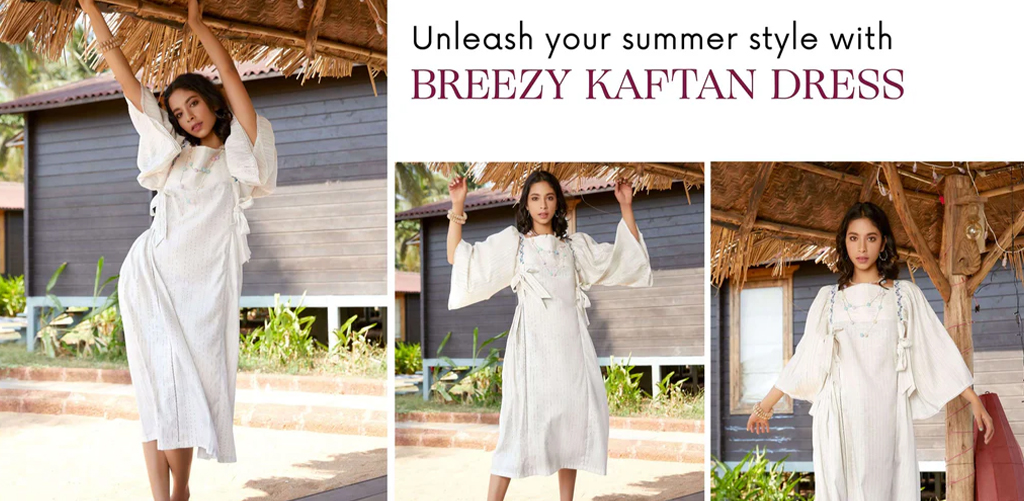
This is what we call localised display strategy. Every city has its own monsoon personality, and great visual merchandising understands that.
Tip for students: If you want to stand out, learn to study local cultures, habits, and even the weather forecast. That’s what makes a display truly connect.
Brand Example: Chumbak
Chumbak gets it. Their monsoon windows feature funny rain quotes, splashy visuals, and chai-themed mugs. You walk in smiling, not even realizing you’ve been sold a mood before a product.
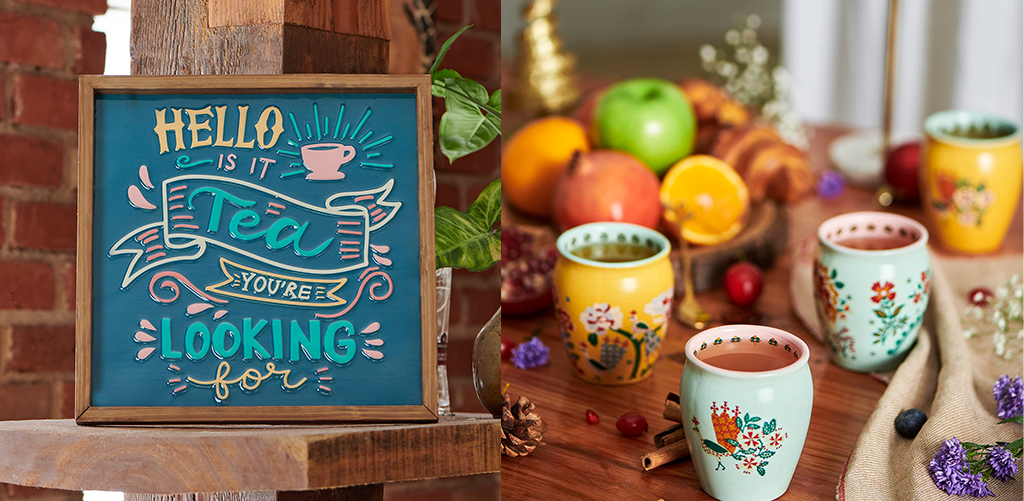
This is an emotional weather-based VM — something students of visual merchandising must get comfortable with. You’re not just arranging items; you’re creating a feeling. And during rainy days, feelings sell faster than umbrellas.
Brand Example: The Souled Store
When monsoon hits, The Souled Store wastes no time. Within days, stores feature new T-shirts with rain puns, waterproof bags, and quick pop-ups. They even switch product placement based on the week’s weather forecast.
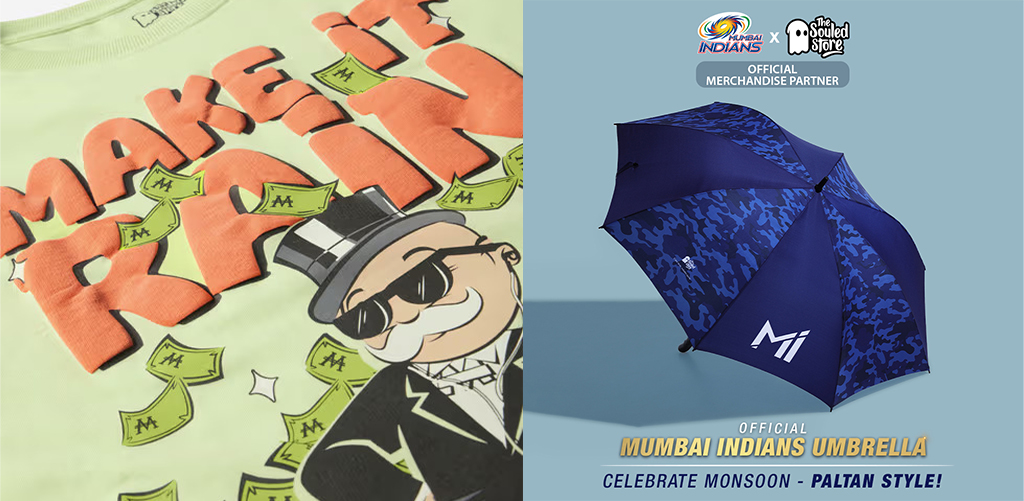
That’s seasonal strategy done right — fast, relevant, and flexible.
For students, the lesson is clear: Visual merchandising today is not a static skill. It’s fast-moving, and you have to keep up. That’s why the Visual Merchandising course at JD Institute includes trend analysis, forecasting tools, and hands-on display building — so you can learn how to act, not just react.
Brand Example: Forest Essentials
Instead of loud tags and flashy signs, Forest Essentials uses calm, soothing monsoon visuals — think fresh herbs, dewy leaves, and water-toned lighting. It invites customers in with a feeling, not a discount.

This kind of storytelling through display is what separates basic window dressing from professional VM.
Students must train their eyes for detail and atmosphere. A good visual merchandiser uses every corner — light, shadow, props, fonts — to tell a story that fits the season.
Brand Example: Nicobar
Nicobar uses the rainy season to spotlight sustainable living. Their VM includes reusable monsoon bags, rain-friendly biodegradable packaging, and messages about eco-conscious living. Their display matches both mood and mindset.
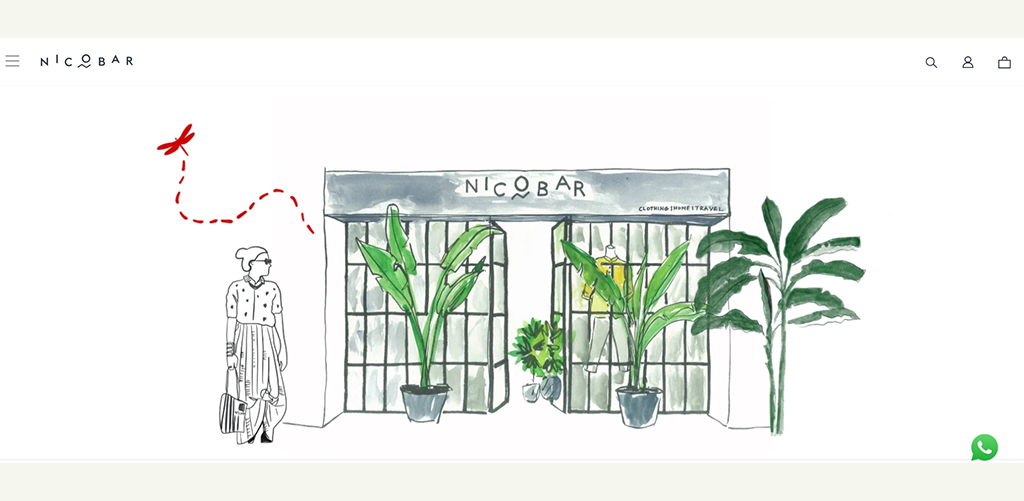
That’s how weather-based VM merges with larger brand values. Sustainability isn’t just a product feature — it’s in the experience.
Monsoon is messy, unpredictable, and emotional. So is fashion retail. But that’s exactly what makes it exciting.
If you’re planning to enter this field, don’t wait for the weather to change — start now. Learn how to read the sky and rework the shelf. Let the rain teach you how to design with feeling.
Because at JD Institute, you don’t just learn how to arrange products — you learn how to set the mood, season after season. Ready to turn rain into retail magic? Let’s get you under the right umbrella. It’s something the Visual Merchandising course at JD Institute encourages — connecting display ideas to big-picture themes like sustainability, cultural trends, and customer values.
 Design Blogs
 Watch on youtube


 Downloads

Copyright © 2025 JD Institute of Fashion. All Right Reserved
Designed by




 Quick Menu