

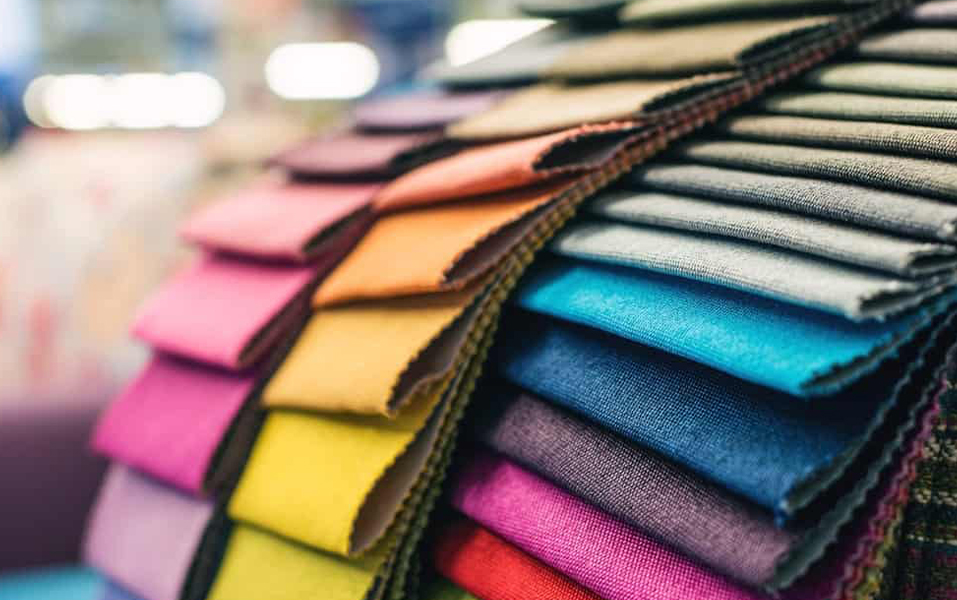
Ever twirled in a dress just to watch it swirl around you?
You’re not just having a moment — that beautiful movement is actually science at work. Fabric drape and flow are what make clothes move, fall, and feel the way they do. Designers who understand this can create garments that turn heads — not just for how they look, but how they behave.
Welcome to the Science Behind Fabric Drape and Flow and How It Impacts Design Aesthetics. This isn’t just technical talk. It’s real knowledge that helps designers create better fashion. And if you’re an aspiring designer, you need to care — because this can seriously level up your creativity and confidence.
That’s why the Fashion Design course at JD Institute of Fashion Technology gives students hands-on lessons in how fabric reacts to movement, shape, and even gravity. Let’s dig in and see why this matters so much.
Startup Example: Auroville Clothing
Auroville Clothing works with soft, natural fabrics to create clothes that look simple yet stunning. Their clean designs rely on how the fabric falls — that’s drape.
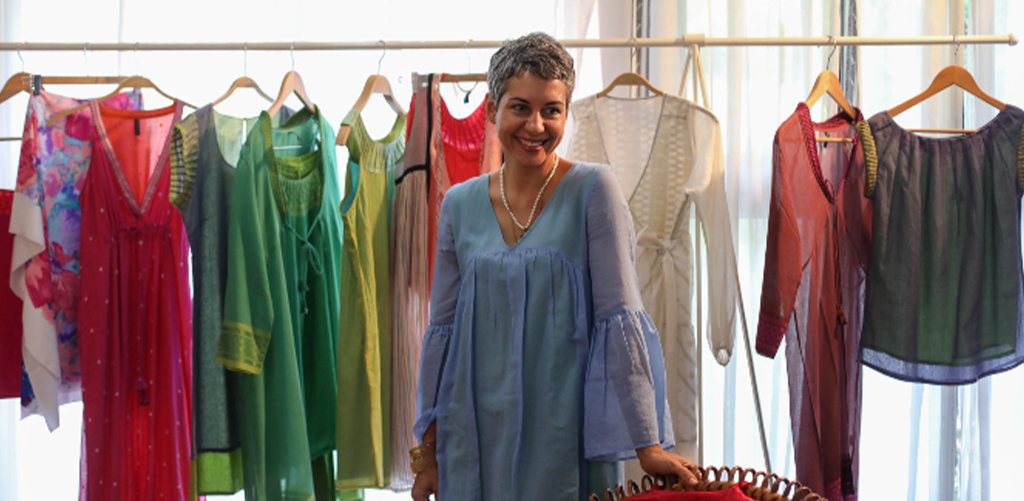
When a fabric drapes well, it hugs or flows away from the body in a smooth, natural way. That’s what makes a dress elegant or a sari graceful. Designers use drapes to bring emotion to clothes. A stiff fabric gives a bold vibe. A soft one brings calm and ease. Knowing how to control this makes your designs feel right, not just look right.
Startup Example: The Summer House
The Summer House chooses fabrics like linen, organic cotton, and modal for a reason — each one moves differently. Their laid-back styles wouldn’t work with stiff fabrics. They use drapes smartly to create soft, natural movement.
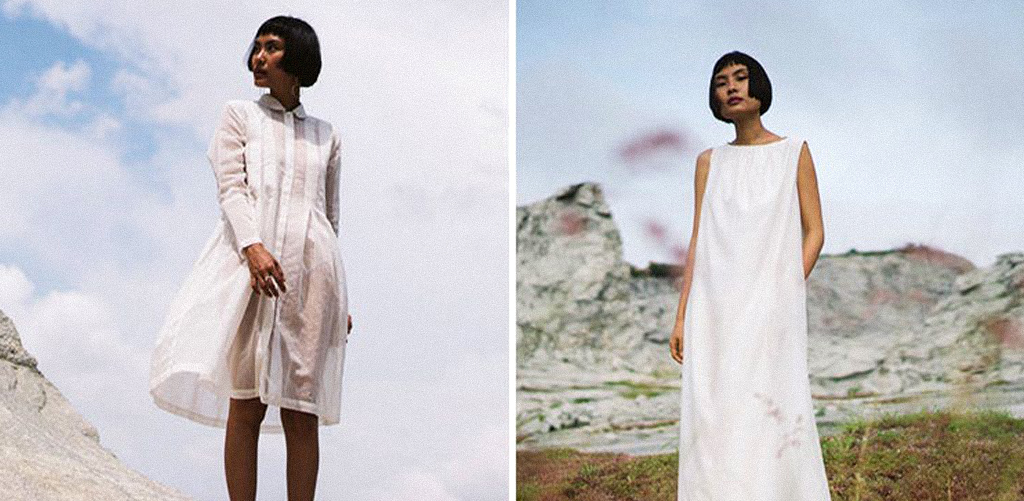
Why does this matter? Because silk behaves nothing like denim. If you’re designing a free-flowing gown, denim would ruin the effect. If you want a crisp blazer, silk would fall flat.
When you understand how fiber type, weave, and fabric weight affect drape, you make smarter design choices from the start.
That’s exactly what Fashion Design students at JD Institute learn through real-life fabric experiments — not just theory from books.
Startup Example: 11.11 / Eleven Eleven
This brand is all about handmade textiles and traditional weaving. But their clothes still look super modern and fluid. Why? Because they pay attention to how the fabric moves. Drape helps them add soul to every piece.
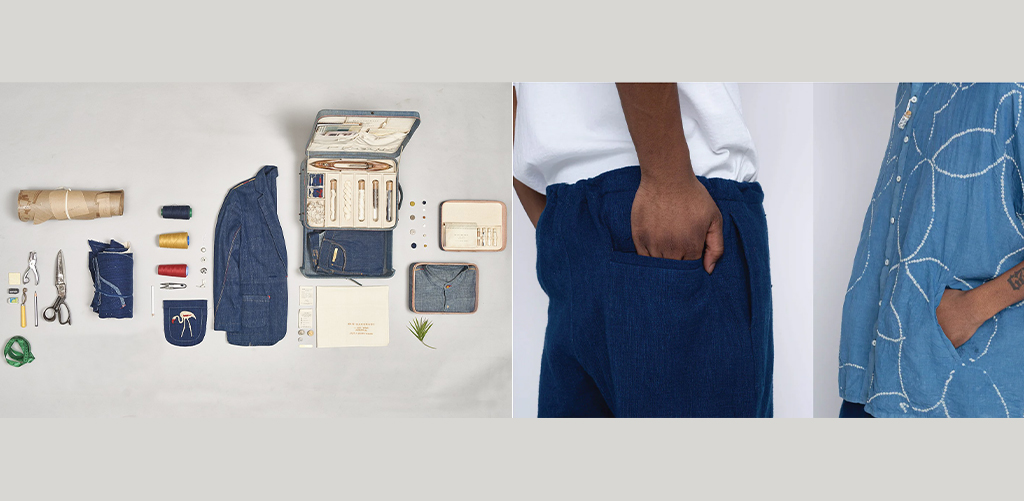
Designers use fabric flow to tell stories. A flowing cape says drama. A structured dress says power. A relaxed kurta says comfort.
When you plan your fabric and cut with movement in mind, your clothes won’t just sit — they’ll speak.
Startup Example: Bhaane
Bhaane’s streetwear is cool, comfortable, and always moving — because they pick fabrics that allow for it. You won’t find stiff, lifeless garments in their collection. They know their audience wants comfort and ease, so their design choices match that vibe.
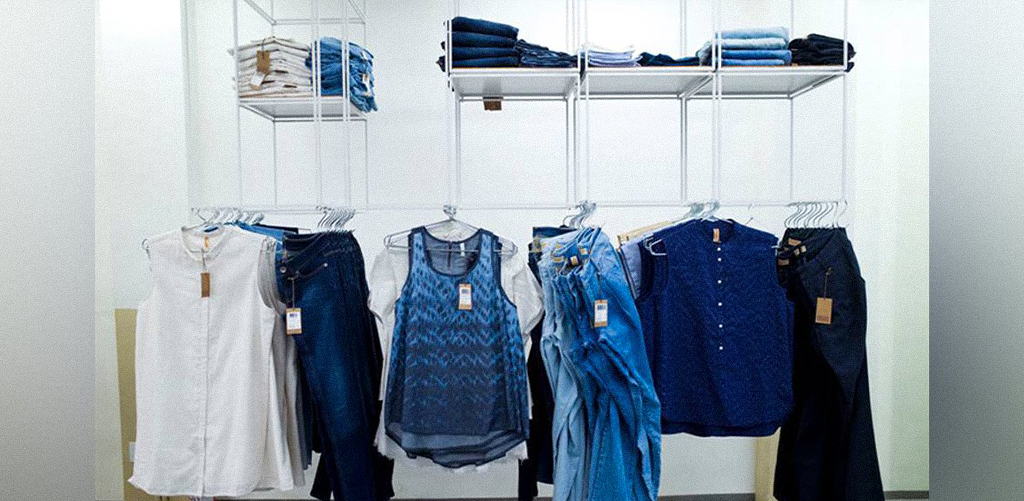
Your clothes should feel as good in real life as they do on a sketch. That means planning how they’ll move when someone walks, dances, or just sits down. Movement adds life — and people connect to clothes that move with them.
Startup Example: House of Three
House of Three experiments with Indo-western fusion. Their flowy jackets, saris, and layered looks depend heavily on fabric fall. If they had chosen the wrong material, their designs would look bulky or awkward.
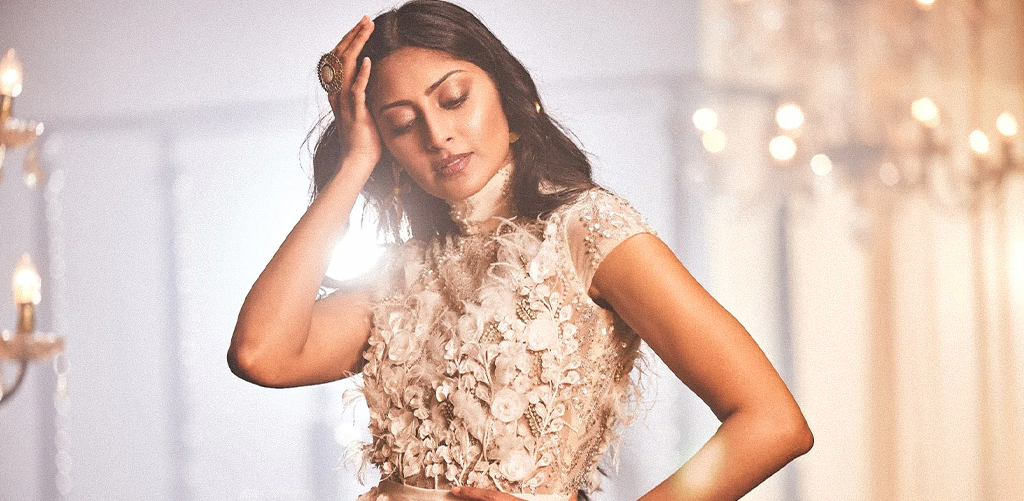
One of the biggest beginner mistakes is choosing the wrong fabric. A design that looks great in your head can turn into a disaster if the fabric doesn’t support it. That’s why knowing about fabric behavior is not optional — it’s essential.
At JD Institute of Fashion Technology, students go through fabric trials so they see and feel the difference firsthand. That way, when it’s time to design, they’re already a step ahead.
The way fabric flows can make your design dreamy, dramatic, or dull. If you understand the science behind it — even just the basics — you’ll be a smarter, more confident designer. You’ll save time, avoid mistakes, and create looks that actually work in real life.
Fashion Designing isn’t just about drawing pretty clothes. It’s about bringing those clothes to life — in motion, on bodies, in the world. And if you want to learn how to make your ideas move, JD Institute is where you should be looking. Their Fashion Design course doesn’t just teach trends — it trains future designers to understand what makes great design work.
 Design Blogs
 Watch on youtube


 Downloads

Copyright © 2025 JD Institute of Fashion. All Right Reserved
Designed by




 Quick Menu