

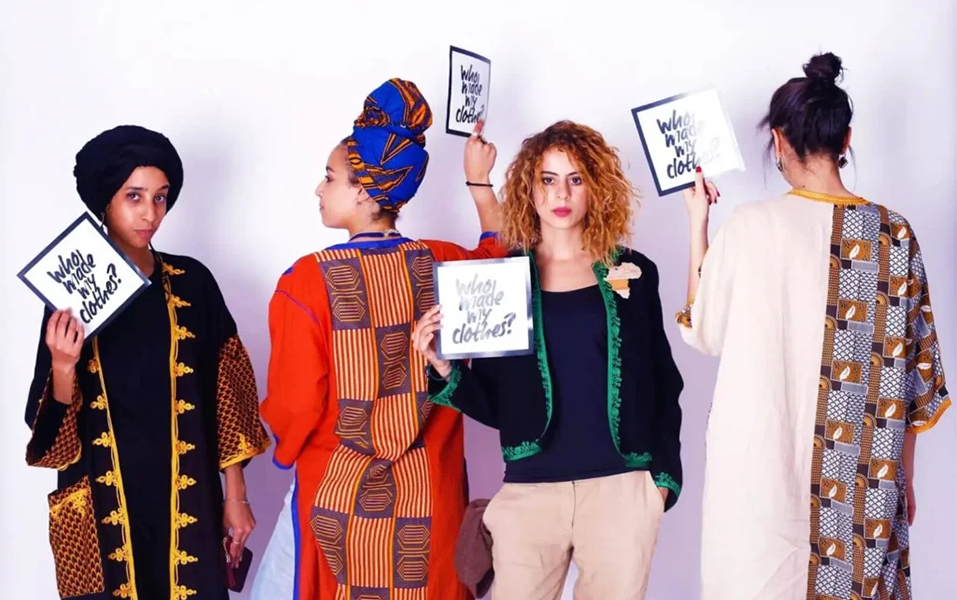
When people think of fashion stylists, they usually imagine someone picking out glamorous outfits, attending fancy events, or working behind the scenes at a photoshoot. And while all of that is true, there’s a lot more to styling than just clothes and accessories.
What many don’t see is the responsibility that comes with the job. Stylists often work closely with clients, handle sensitive information, and make important decisions that can affect a brand or public image. That’s why professional ethics are such a big deal in the world of fashion styling.
If you’re someone planning to make a career in styling, this blog will help you understand why ethics aren’t just important, they’re essential. In fact, it’s something that the Fashion Styling course at JD Institute teaches right from day one.
In the real world, “ethics” means more than good manners. For a stylist, it’s about how you treat clients, how you source outfits, and how you behave when no one’s watching. Whether you’re assisting on editorial shoots or managing a celebrity’s wardrobe, there’s always more happening behind the scenes.
Think about Law Roach, the stylist behind Zendaya’s unforgettable red carpet looks. His professionalism and ability to maintain discretion, even with A-list clients, made him legendary. He didn’t just have the eye; he had the ethics.
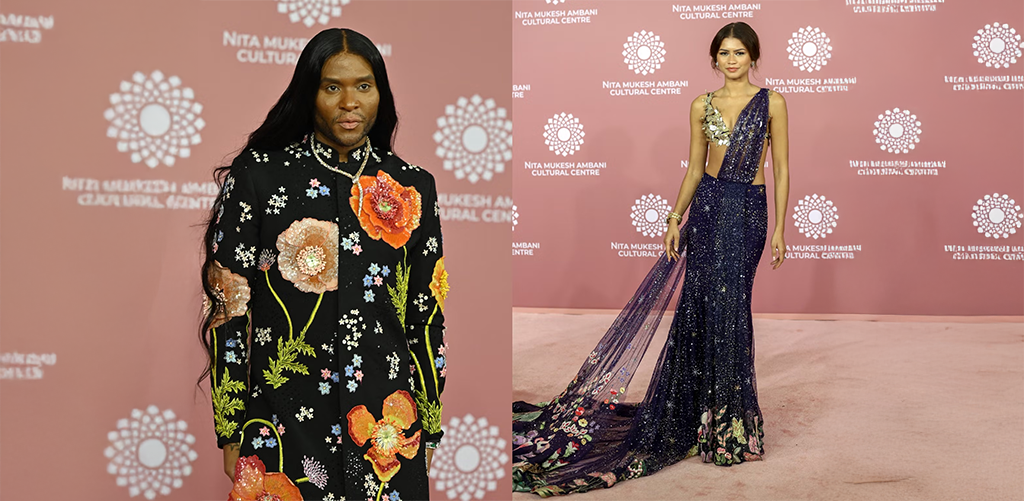
So, what does stylist ethics include?
If you’re studying at JD Institute, this is drilled into you early. They help you build not just a portfolio, but a personality that clients and teams can trust.
Let’s be real. Fashion styling isn’t always smooth. You’ll get last-minute cancellations, wardrobe malfunctions, brand conflicts, or even requests that push your boundaries. That’s when your fashion professionalism comes in.
Do you snap and panic? Or do you stay calm, ethical, and get the job done?
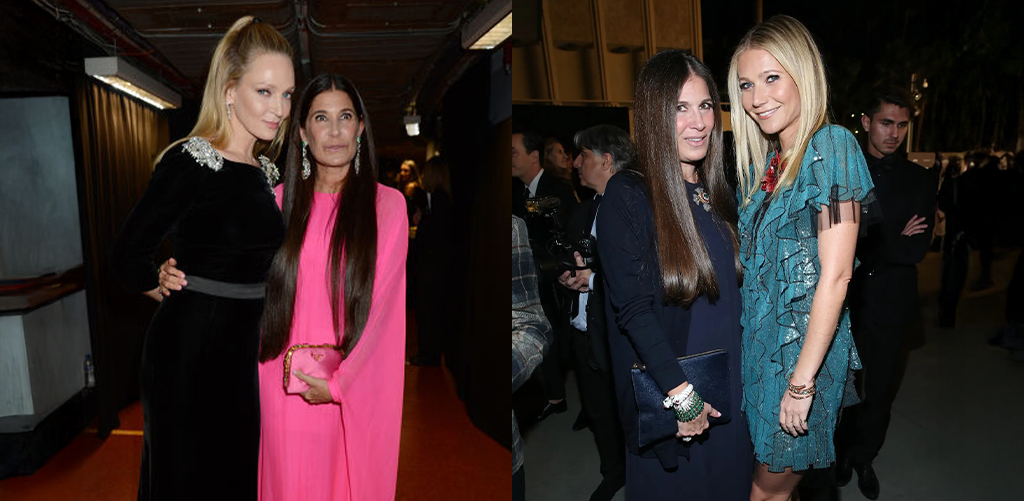
Top stylists like Elizabeth Saltzman, who’s styled Gwyneth Paltrow and Uma Thurman, are known for their cool head in tough moments. She once handled a red carpet disaster just minutes before a major event, without ever compromising her client’s privacy or confidence.
Here’s a golden rule: What happens in the dressing room, stays in the dressing room.
As a stylist, you’ll know more about your client than just their measurements. You’ll see their insecurities, their fears, and sometimes even their meltdowns. What you do with that information says everything about you.
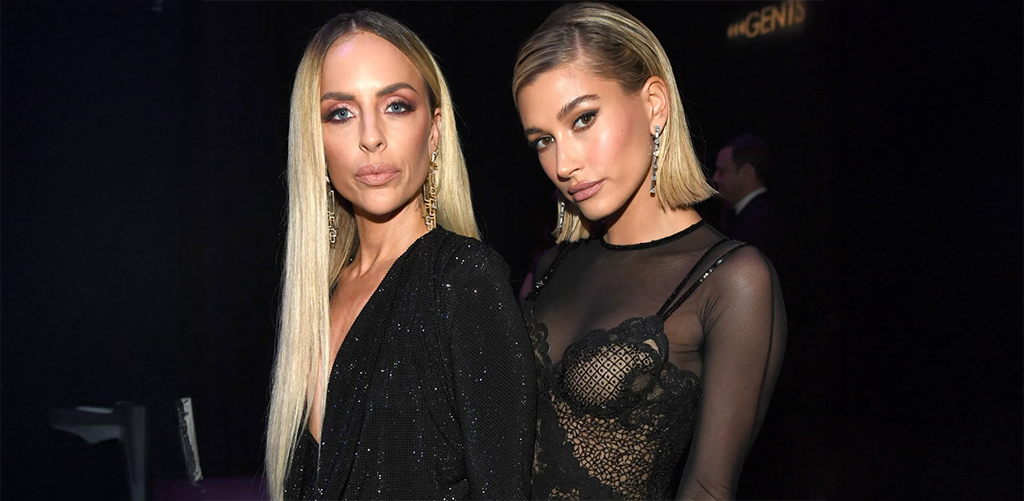
Maeve Reilly, who styles Hailey Bieber, never shares personal details, even when tabloids offer big money. That kind of client confidentiality in styling earns lifelong loyalty. It also means future clients know they can count on you to keep things private.
Now picture this: you’ve been asked to style a shoot using products from a brand known for unethical labor practices. Or worse, your team tells you to copy a look from an emerging designer without giving credit. What do you do?
These are ethical challenges that will test you. The easy route is to ignore it and follow orders. But the right route? That’s where you choose long-term reputation over short-term reward.
Stylists like Karla Welch, who has styled Justin Bieber and Tracee Ellis Ross, often speak about saying “no” to questionable collaborations. That’s how she’s built a brand that’s respected globally.
JD Institute ensures students explore these dilemmas during the course itself through debates, projects, and real-world scenarios, so they’re not just shocked when it happens in the industry. They’re ready.
Let’s face it, styling is competitive. Everyone wants to stand out. But here’s the truth no one tells you: It’s not the looks that build your legacy, it’s how you treat people while creating them.
Understanding the importance of professional ethics in fashion styling careers is what sets the good apart from the great. When clients trust you, brands respect you, and your reputation travels ahead of you, that’s when you’ve made it. And if you’re serious about building that kind of career, JD Institute is the place to start. Because here, you won’t just learn how to break trends but you’ll learn how to build character.
 Design Blogs
 Watch on youtube


 Downloads

Copyright © 2025 JD Institute of Fashion. All Right Reserved
Designed by




 Quick Menu