

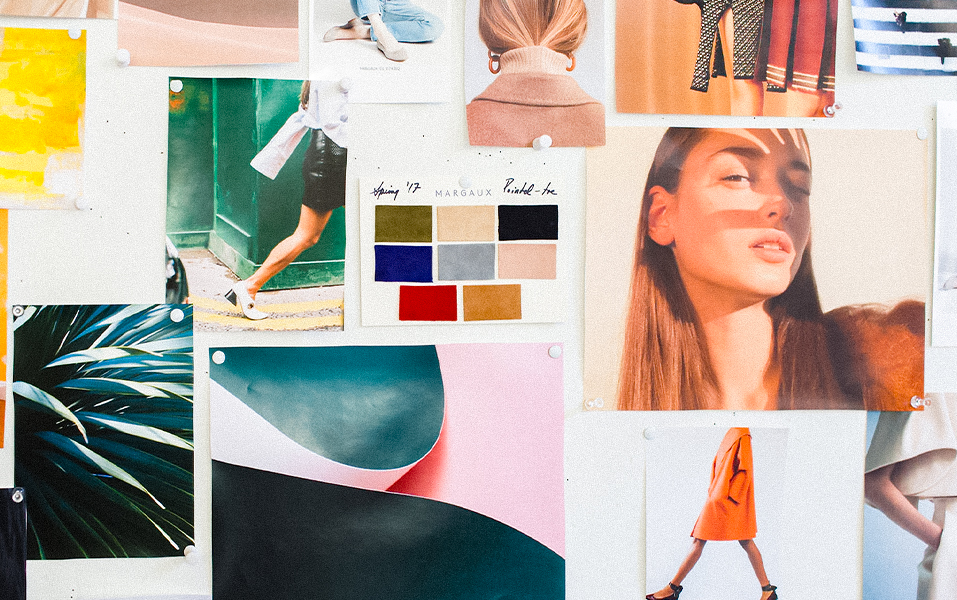
Revolutions can be sparked by a single pencil stroke, particularly when it appears on a fashion student’s mood board.
Ever wondered how that stunning outfit on the runway came to life? Was it magic? Not quite but the fashion design process comes pretty close. From scribbles on a page to swatches of fabric to a model strutting down the ramp, every garment has a backstory. And it all starts with a mood board.
This journey from idea to actual outfit is what every aspiring designer needs to master. In fact, the Fashion Design course at JD Institute makes this process an exciting part of learning, turning creative chaos into couture clarity. Let’s do it step-by-step and do it more at ease than in a classroom.
Imagine Pinterest, but for your brain. A mood board in fashion is where your ideas take their first breath. It’s a collection of images, colors, sketches, textures or anything that reflects the vibe of your upcoming collection.
Case in Point: Take a cue from Alexander McQueen. His mood boards were legendary, filled with antique prints, feathers, and emotionally-charged visuals that turned into hauntingly beautiful collections.
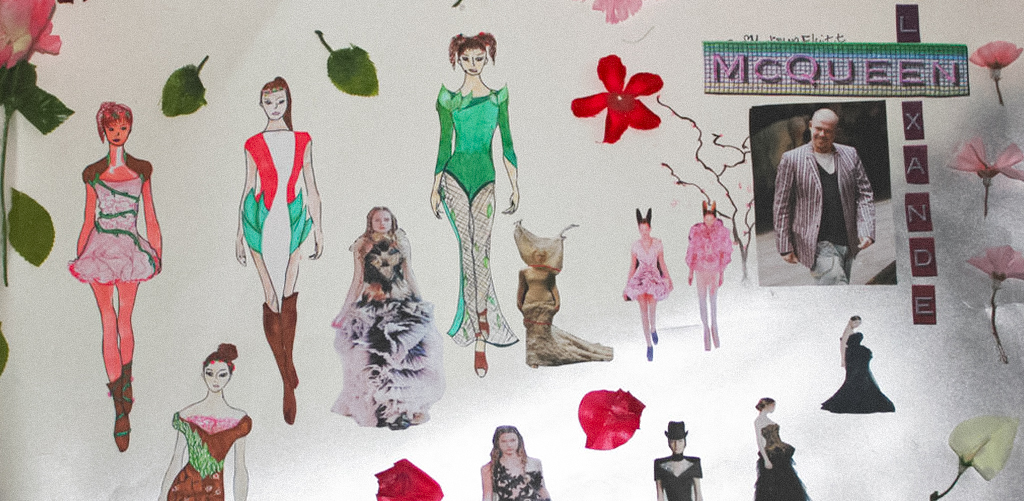
Why it matters: If you’re serious about fashion collection development, your mood board is your GPS. Without it, you’re just randomly sewing pretty things.
Tip: Always keep it focused. Your board sets the tone for everything that follows.
Now that you have a visual vibe, ask yourself that what’s the story? Fashion isn’t just about clothes, it’s about expressing an idea. Your theme connects your pieces like chapters in a book.
Startup Example: Look at Reclothing Bank, a sustainable fashion startup in China. Every collection tells a story of textile recycling and social change and it all starts with a powerful, clear theme.
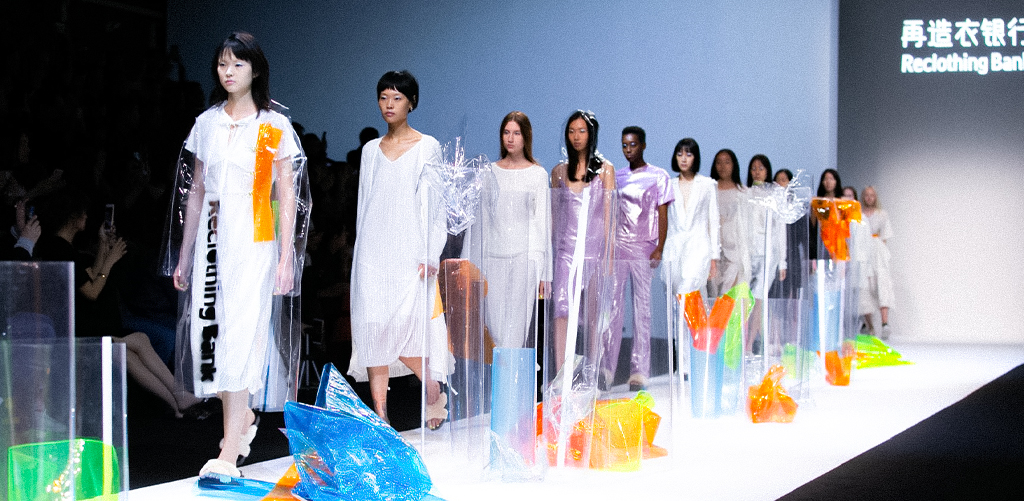
Aspiring designers often miss this step. But here’s where the JD Institute’s Fashion Design course makes a difference, students are trained to build narrative-driven collections that stand out.
Research isn’t just Googling pretty fabrics. It’s studying trends, understanding consumer behavior, decoding historical references, and even visiting fabric markets.
Inspo Alert: Think of Marine Serre, known for blending post-apocalyptic themes with high fashion. Her research into climate change, upcycling, and bodywear redefined how we see style.
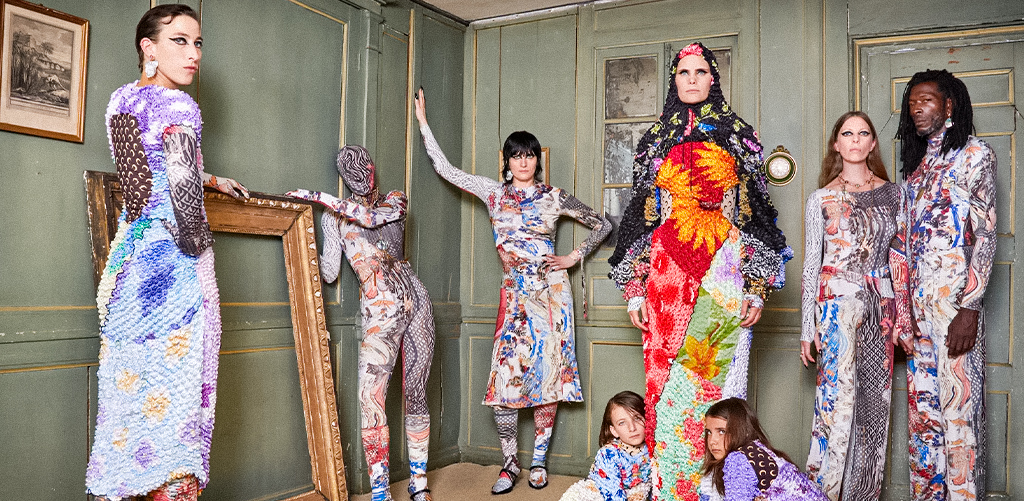
You’ll learn quickly that fashion research is less academic and more like solving a creative mystery. It also sets the ground for smarter choices in materials and techniques.
Once you’ve researched, it’s time to put pencil to paper. Start sketching! These rough visuals are then refined into technical drawings, flat sketches that detail stitching, measurements, and fabric notes.
Design Crush: Telfar Clemens, the mind behind the iconic “Bushwick Birkin,” is proof that clear design visuals and function-first thinking can turn a product into a global trend.
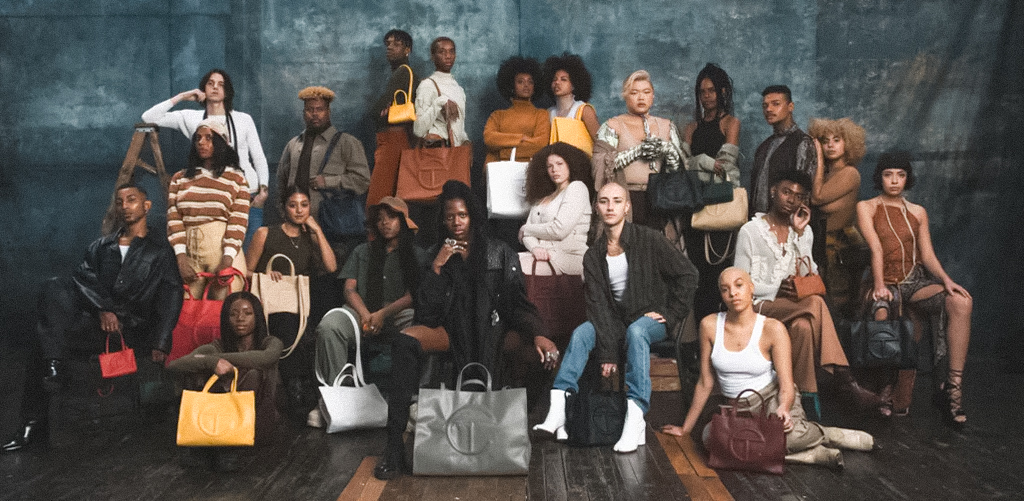
This is where your garment starts becoming real. Aspiring Fashion Design students must learn to master both hand sketching and digital fashion illustration so nothing gets lost between imagination and production.
You’ve sketched your vision, now make a sample. This is your prototype, the first wearable draft of your design. Fit issues? Color clashes? Fabric fails? Good, this is where you fix it.
Fashion Fact: Even giants like Dior don’t skip this step. Every haute couture piece goes through multiple fittings before it ever touches the runway.
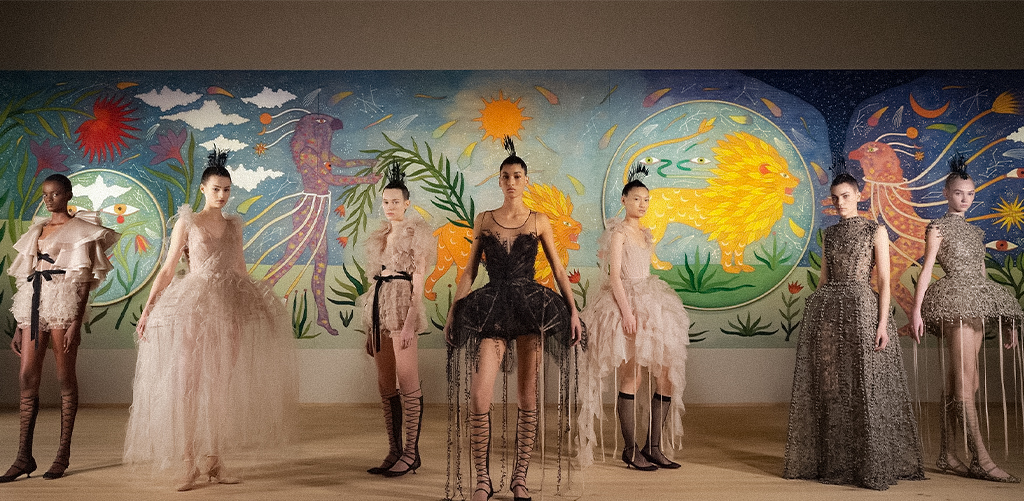
Getting feedback from mentors or professionals can save your design from flopping later. The fashion design process is about refining, not rushing.
Now comes the glam, stitching your final piece, adding embellishments, doing the finishing touches, and planning how it will be styled. This is what you’ve worked toward. Every pleat, drape, and button now carries your signature.
Real-World Example: Phoebe Philo’s minimal-yet-bold pieces are masterclasses in final execution. Clean lines, sharp silhouettes, her garments are proof that precision is the final magic trick.
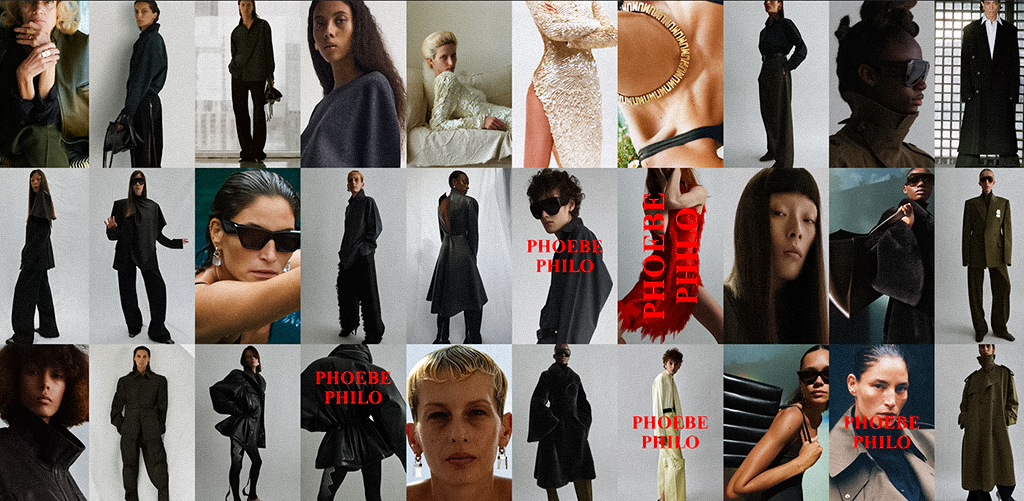
And when your final garment walks the ramp or gets featured in a lookbook, trust us, it’s better than your best Insta moment.
Great design isn’t about getting lucky with a pretty dress. It’s about building it, layer by layer like a cake, but chicer. That’s why top designers obsess over their process, and why you should, too.
Want to skip the trial-and-error phase and learn from the pros? Then take the clever route and let the JD Institute of Fashion Technology turn your Pinterest boards into portfolio pieces.
 Design Blogs
 Watch on youtube


 Downloads

Copyright © 2025 JD Institute of Fashion. All Right Reserved
Designed by




 Quick Menu