


“A house is made of bricks and beams, but a home is made of stories and dreams.”
Nowhere is this truer than in India’s historic havelis and palaces—architectural masterpieces that have preserved the essence of craftsmanship, culture, and sustainability for over a century. While modern design leans toward minimalism, a growing number of homeowners are reviving the grandeur of the past, integrating elements from these iconic structures into contemporary interiors.
For aspiring interior designers, understanding traditional Indian interiors is more than just an aesthetic exercise—it’s a lesson in timeless design, spatial planning, and cultural storytelling. The Interior Design course at JD Institute of Fashion Technology equips students with the knowledge to blend heritage with modernity, helping them create spaces that are as functional as they are breathtaking. Here’s what we can learn from India’s most magnificent havelis and palaces:
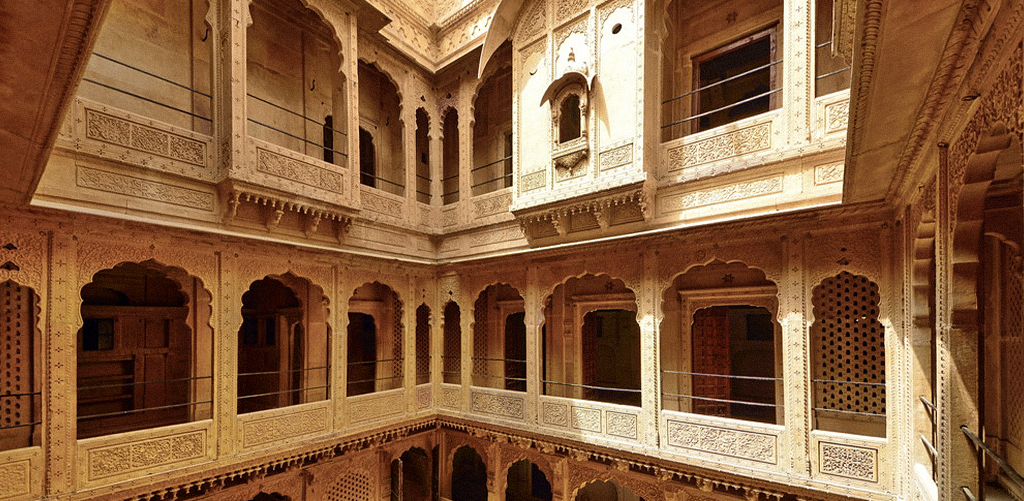
Example: Patwon Ki Haveli, Jaisalmer
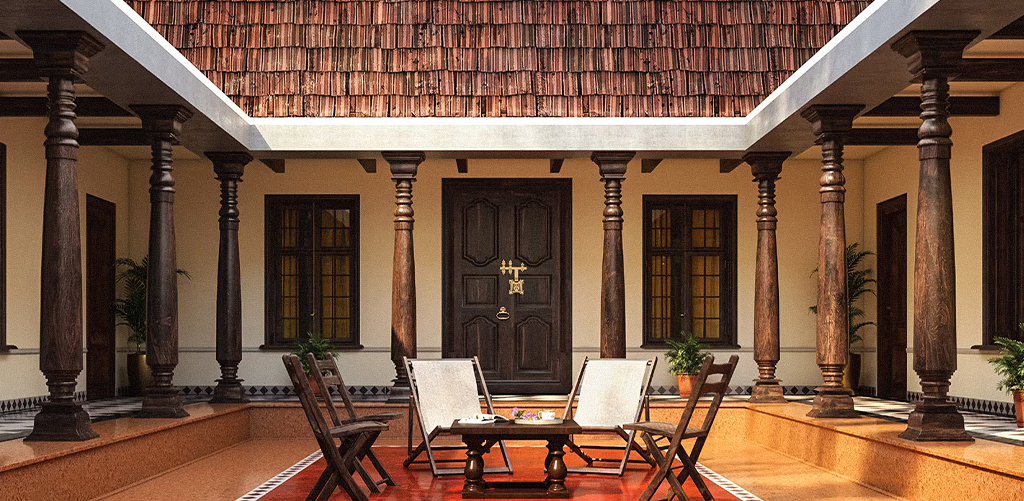
Traditional Indian homes were built around central courtyards (chowks), designed to facilitate airflow and regulate indoor temperatures. The Patwon Ki Haveli in Jaisalmer, with its interconnected courtyards, is a prime example of passive cooling techniques that kept interiors comfortable even in extreme climates.
Lesson for Interior Designers:
In contemporary homes, courtyards can be reimagined as green pockets or atriums, bringing in natural light and ventilation while fostering a connection with nature. Interior designers must explore biophilic design principles to create sustainable, energy-efficient spaces that enhance well-being.
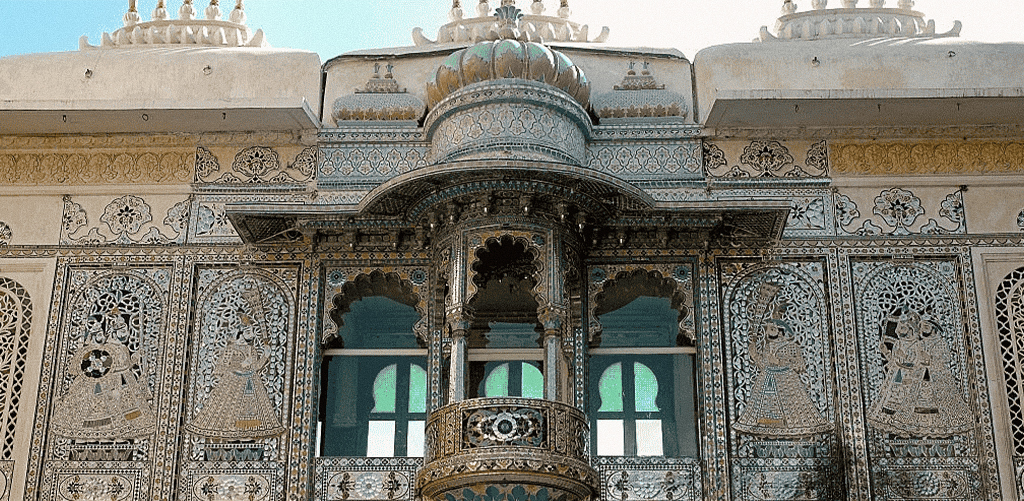
Example: City Palace, Udaipur
Jharokhas—ornate overhanging balconies—are an iconic feature of Rajasthan’s havelis and palaces. The City Palace of Udaipur showcases exquisite jharokhas and arched windows that frame breathtaking views while maintaining privacy and shade.
Lesson for Interior Designers:
These elements can be reinvented in modern homes as decorative window seats, extended balconies, or indoor partitions. By incorporating jharokha-inspired arches and screens, designers can add depth, dimension, and a royal touch to contemporary spaces.
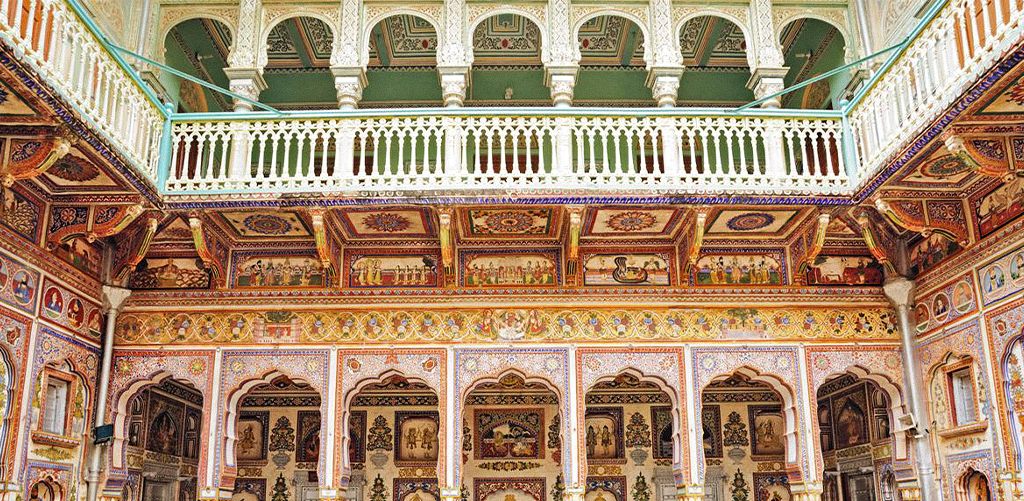
Example: Shekhawati Havelis, Rajasthan
The Shekhawati region is famous for its intricate frescoes that narrate mythological tales, historical events, and cultural traditions. These stunning hand-painted walls have made these havelis a living museum of art.
Lesson for Interior Designers:
Incorporating handcrafted murals, textured walls, and traditional motifs can make interiors more expressive. Designers should experiment with custom wallpapers, digital prints, or modern fresco adaptations to create walls that reflect personality and heritage.
Students at JD Institute gain hands-on experience learning how to integrate such techniques into modern architecture.
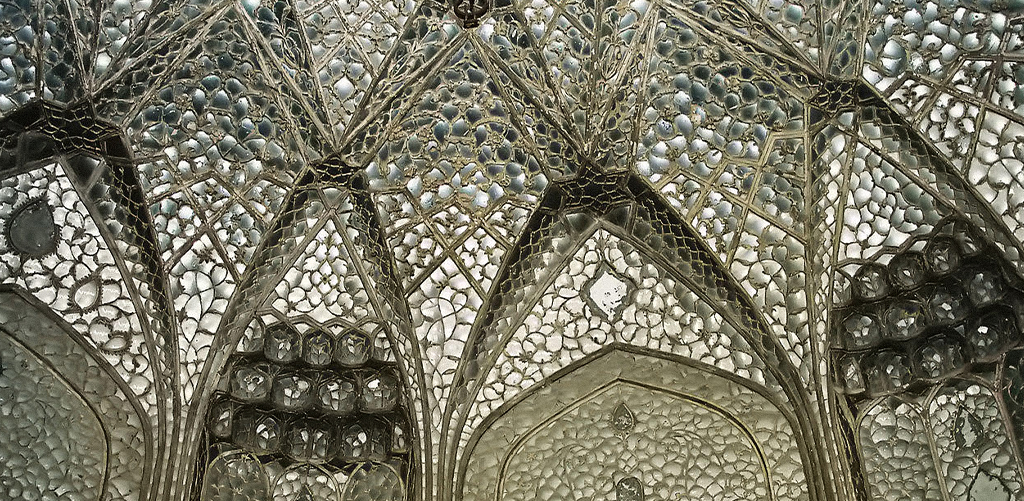
Example: Sheesh Mahal, Amer Fort
The Sheesh Mahal (Palace of Mirrors) in Amer Fort is a masterpiece of mirror inlay work, designed to reflect minimal light and create an illusion of infinite space. Similarly, intricate marble inlay flooring at places like the Taj Mahal showcases unmatched craftsmanship.
Lesson for Interior Designers:
Mirror work can be used strategically to enhance space and lighting, while inlay flooring can add a bespoke element to interiors. Aspiring designers should learn the art of material selection and detailing to create luxurious yet balanced aesthetics.
Example: Chettinad Mansions, Tamil Nadu
The Chettinad mansions are renowned for their elaborately carved wooden doors, pillars, and furniture, often crafted from teak and rosewood. These homes showcase how quality craftsmanship and durable materials can create heirloom-worthy pieces.
Lesson for Interior Designers:
Sustainability is at the heart of modern design, and the use of reclaimed wood, hand-carved elements, and traditional joinery techniques can elevate a space while promoting eco-friendly practices. Understanding traditional craftsmanship allows designers to curate custom furniture that lasts generations.
JD’s Interior Design curriculum covers these learnings, helping students master these aesthetics.
While history offers incredible design inspiration, knowing how to modernize and adapt these elements is what makes a great interior designer. At JD Institute of Fashion Technology, students get the best of both worlds—traditional knowledge and modern innovation.
If you’re passionate about creating Interior Designs that tell a story while staying future-ready, JD Institute is your gateway to mastering the art of design.
So, are you ready to bring history back to life in modern homes?
 Design Blogs
 Watch on youtube


 Downloads

Copyright © 2025 JD Institute of Fashion. All Right Reserved
Designed by




 Quick Menu