

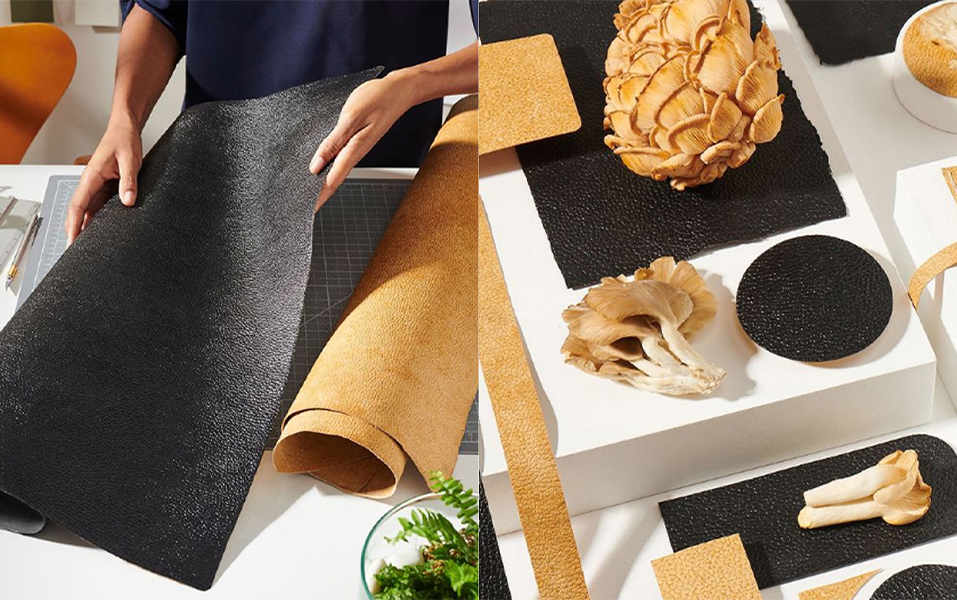
What if your next luxury handbag didn’t come from an animal but from fungi? Or what if your favorite leather jacket was crafted from lab-grown materials instead of harming the environment? The future of fashion is here, and it’s not made from traditional leather or synthetic plastic—it’s grown, cultivated, and completely sustainable. Welcome to the world of mushroom leather and lab-grown textiles!
Fashion has always been about innovation, and with sustainability taking center stage, brands are turning to ethical materials like Mylo (mushroom leather) and bio-fabricated silk to replace conventional textiles. This shift isn’t just a trend—it’s a revolution.
Mushroom leather, also known as Mylo, is a bio-based material derived from mycelium, the root structure of mushrooms. Unlike traditional leather, which requires animal farming and heavy chemical processing, mushroom leather grows in controlled environments, using significantly less water and resources. Students in Fashion Design curriculum at JD Institute, learn about such evolving materials as a crucial step in shaping the fashion industry’s future.
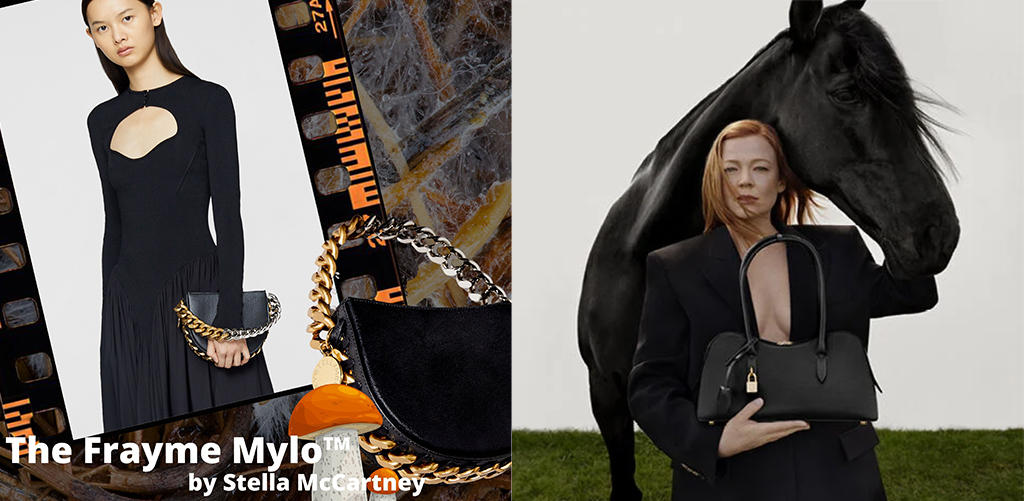
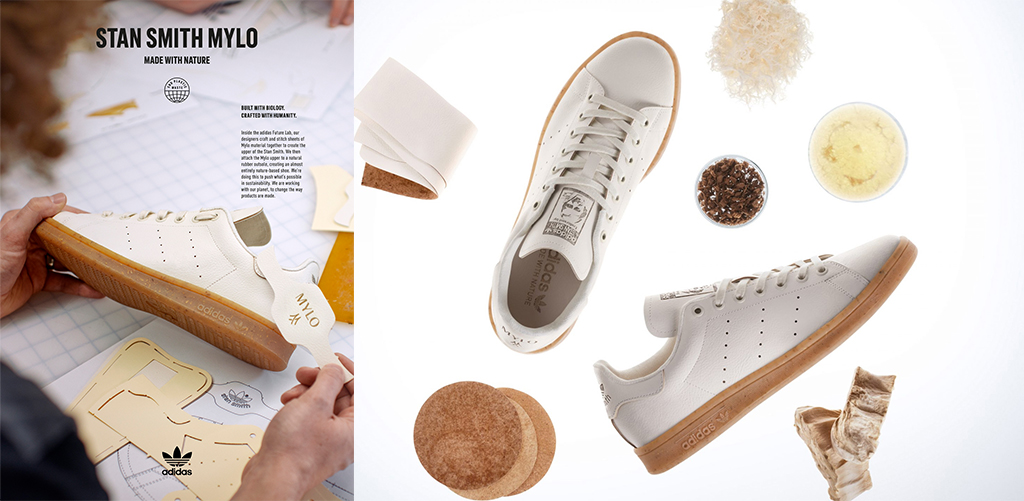
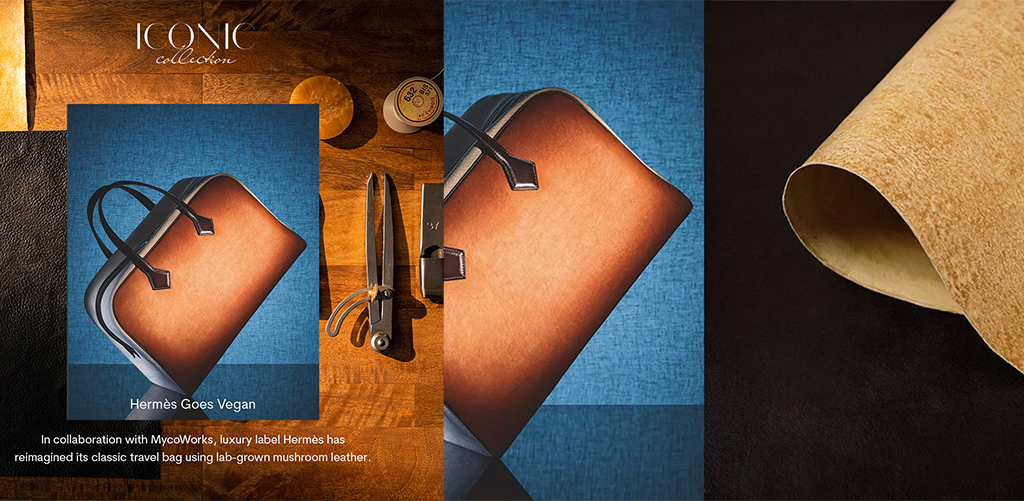
Famous Brands Using Mylo:
Lab-grown textiles are created using biotechnology, meaning they are engineered at the cellular level to mimic traditional fabrics like silk, wool, and even leather—without harming animals or the planet.
Examples of Lab-Grown Fabrics:
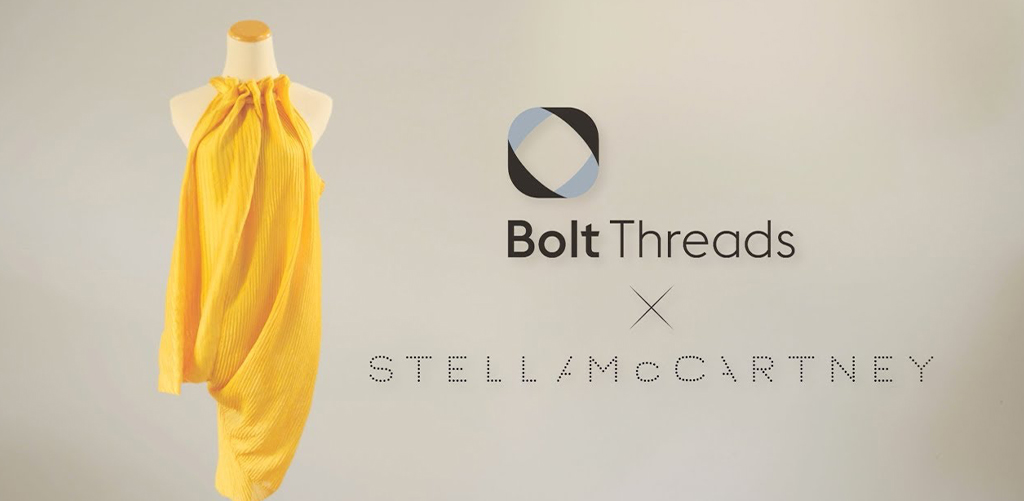
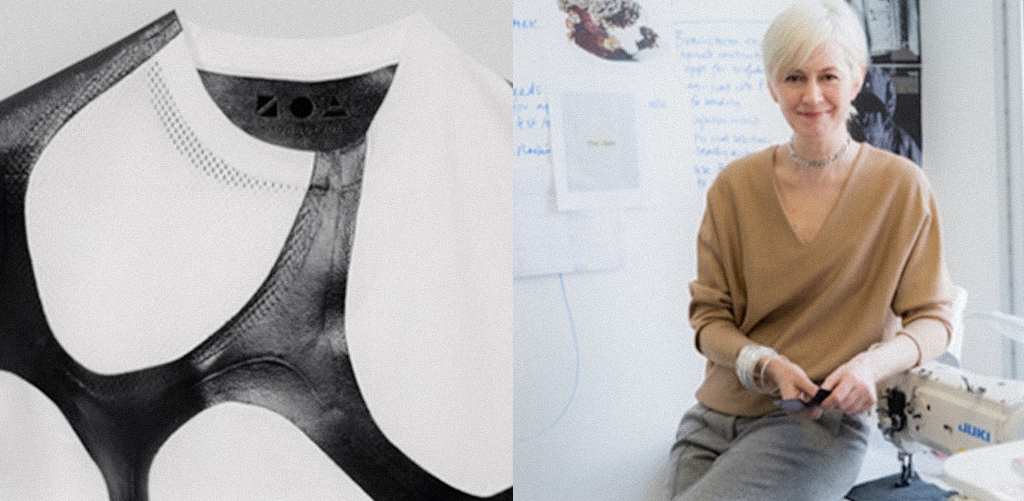
At JD Institute, students learn about such transforming materials, bridging traditional craftsmanship with futuristic textiles, preparing designers to embrace sustainable alternatives.
Fashion Design students at JD Institute are trained to stay ahead of these global industry shifts. Learning about sustainable materials gives them an edge in designing for an ethical, forward-thinking market.
Absolutely! With leading brands investing in bio-based materials, the future of fashion will be sustainable, ethical, and innovative. The industry is already witnessing a major transformation, and young designers play a crucial role in this change.
If you want to be part of this movement, the Fashion Design course at JD Institute is the perfect launchpad. The curriculum not only explores creative design but also integrates sustainable solutions, ensuring that students are industry-ready for this fashion revolution.
So, next time you admire a stylish leather bag or a silk dress, ask yourself—could it be made from mushrooms or grown in a lab? If the answer is yes, then you’re already thinking like a designer of the future!
 Design Blogs
 Watch on youtube


 Downloads

Copyright © 2025 JD Institute of Fashion. All Right Reserved
Designed by




 Quick Menu