

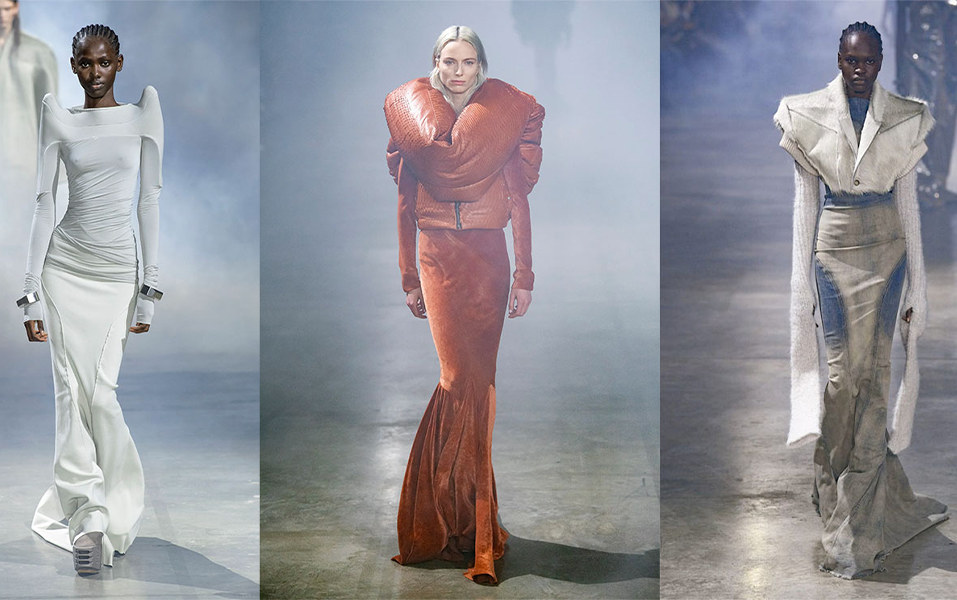
Ever noticed how a plain white T-shirt can look edgy on one person, romantic on another, and completely boring on someone else? That’s not magic, it’s design. More specifically, it’s the power of line, shape, and form. These three aren’t just fashion terms you scribble in a design notebook, they’re the building blocks of how fashion communicates.
For anyone studying fashion, understanding the basics of line, shape, and form in fashion design is like learning the alphabet before you write poetry. You can’t create breathtaking collections if you don’t know how the elements work together.
That’s why fashion schools like JD Institute’s Fashion Design course make them a core part of their syllabus, because this is where creative thinking starts.
In design language, a line isn’t just a stripe or a seam, it’s how your eyes travel across a garment. Lines create mood, movement, and structure.
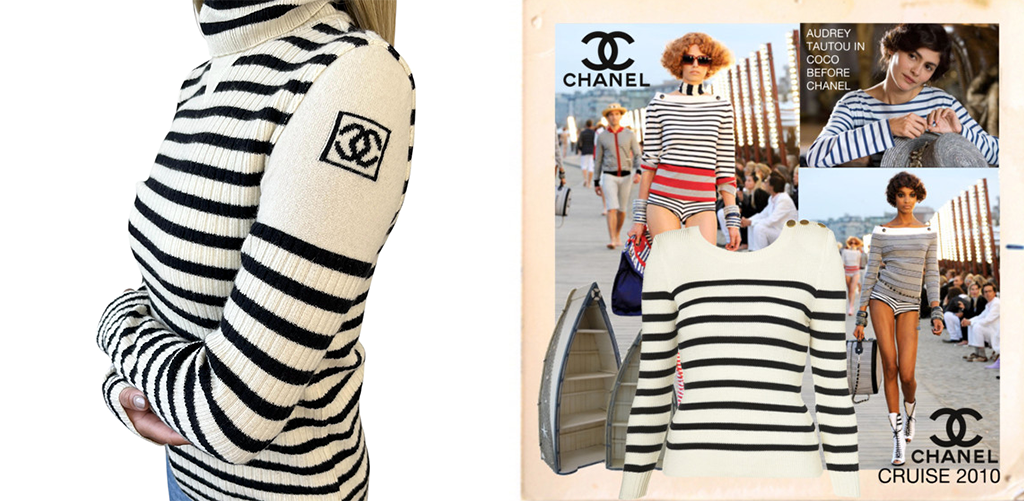
In fashion, if your lines are misplaced, the design “speaks” the wrong language. Aspiring designers who want to master fashion line and shape must first train their eyes to see these subtle cues before they start sketching.
Shape is the two-dimensional outline of a garment, the first thing someone notices even from across the street. It’s like the logo of a fashion piece; before anyone touches the fabric or checks the details, the shape makes them decide if they want to know more.
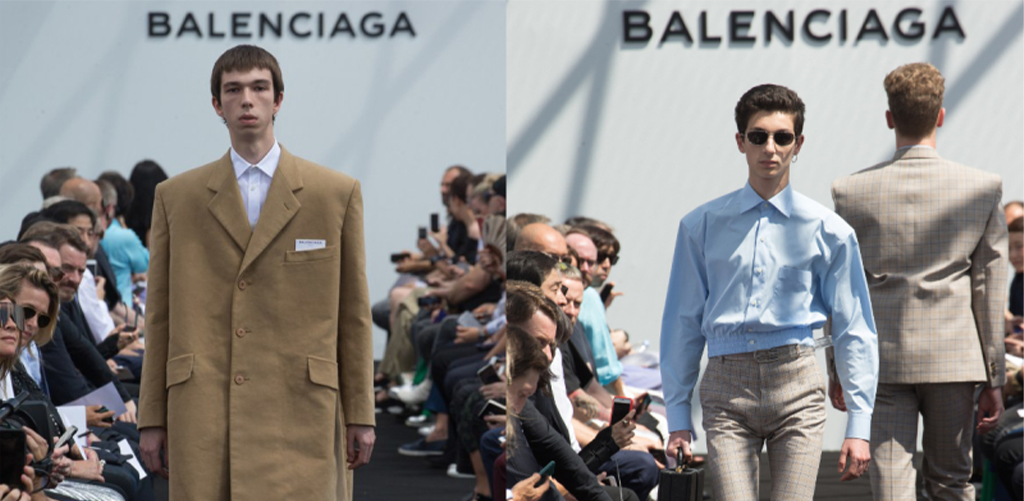
For a student, understanding shape means knowing how to control attention. If your outfit’s shape works, you’ve already won half the design battle. This is why halfway through their studies at JD Institute, students of Fashion Design course often realize that shape is not just about fashion sketches, it’s about predicting how real bodies move and interact with clothing.
Form takes shape into the third dimension, it’s about volume, depth, and how the garment interacts with space. Imagine a paper cut-out of a dress (shape) versus the same dress made with fabric, stitched, and worn by a model (form).
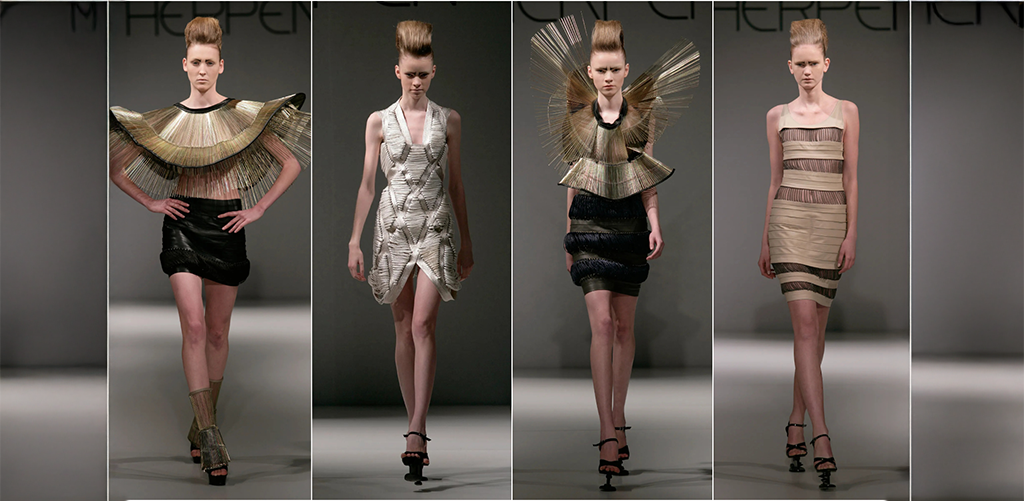
Form determines whether a gown feels airy like a Giambattista Valli tulle masterpiece or sculptural like an Iris van Herpen 3D-printed dress. It’s the moment your design comes alive, moving from flat sketches to real-world fashion.
Understanding fashion form basics also helps designers decide the right fabrics, construction methods, and fit. It’s a lot like architecture, you can’t just draw a pretty building, you need to know how it stands without collapsing.
Think of the legendary “bubble dress” by Comme des Garcons, a completely unexpected silhouette that looked more like wearable sculpture than conventional fashion. Why did it still work? Because the designer knew exactly how to manipulate form and shape without losing wearability.
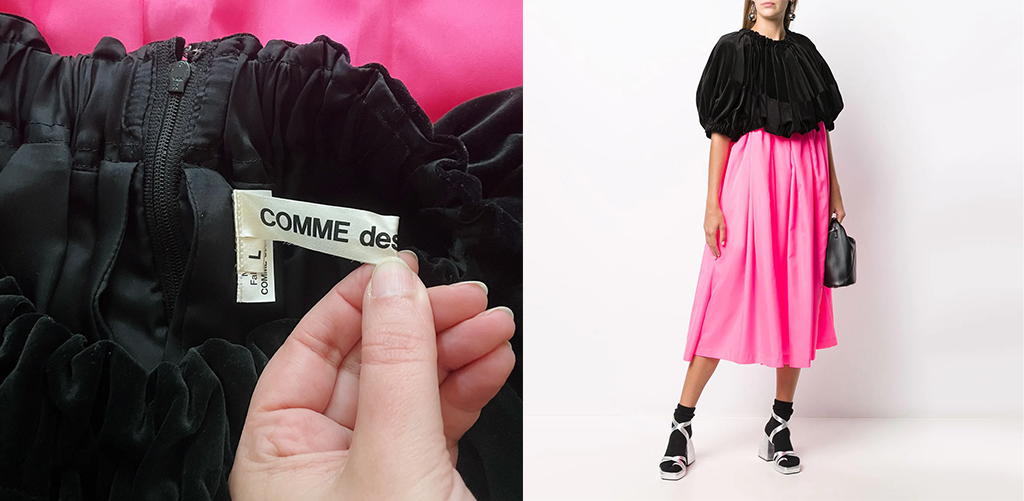
Or take the case of startup fashion labels like “The Row,” which made minimalism cool again by focusing obsessively on clean lines and perfectly balanced shapes. They didn’t reinvent fashion from scratch, they reinvented how the basics were applied. If you’re an aspiring designer, this is your takeaway: the designers you admire aren’t skipping fundamentals, they’re mastering them so well that they can twist them into something new.
The basics of line, shape, and form in fashion design aren’t just lessons from a textbook, they’re your lifelong design toolkit. They decide whether your sketches stay in your portfolio or make it onto a runway, into a boutique, and eventually into someone’s wardrobe.
So, pick up that sketchbook, train your eye, and let your ideas take form, literally. After all, the future of fashion isn’t just about trends; it’s about designers who know exactly what they’re doing before they dare to break the rules.
 Design Blogs
 Watch on youtube


 Downloads

Copyright © 2025 JD Institute of Fashion. All Right Reserved
Designed by




 Quick Menu