


Studies show that 94% of first impressions are based on design—but what happens after that first glance?
If your branding looks good but behaves badly, people walk away. That’s why today’s most powerful brands are putting ethics before aesthetics.
And if you’re a communication designer, that means your job is changing fast—and for the better. And if you’re learning through a creative course like the Communication Design program at JD Institute, you’re already a step ahead. Because this new wave in branding isn’t just cool—it’s career-defining.
Let’s break down the five pillars shaping the future of branding, all through the lens of ethical design.
Brands today are judged by their carbon footprints, not just their fonts. Take Patagonia, for example. Their “Don’t Buy This Jacket” campaign actually encouraged consumers to shop less. Wild, right? But it made their brand more trusted, not less.
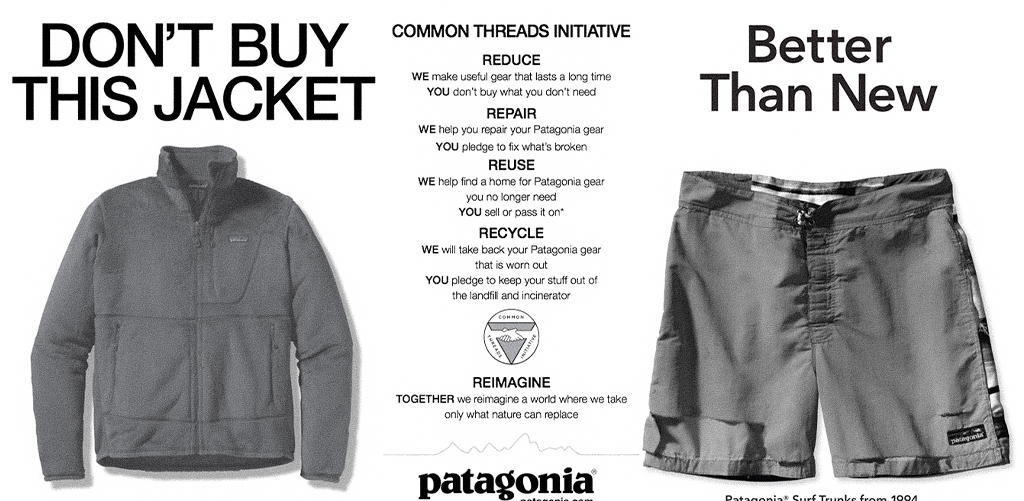
Lesson for designers? Ethical storytelling is your biggest power tool. You’re not just designing logos—you’re designing legacies. And in places like the JD Institute’s Communication Design course, you learn how to build those narratives with purpose and precision.
What’s more powerful than a beautiful website? One that everyone can use. Think about Microsoft. Their inclusive design toolkit and accessibility settings weren’t just a CSR move—they opened up their products to millions of new users. That’s smart business, rooted in human-centered design.
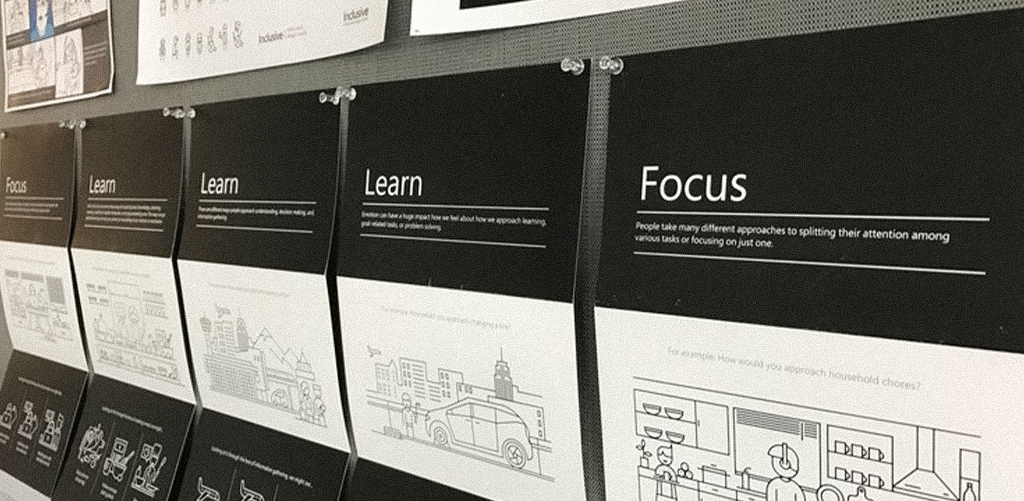
Aspiring designers should ask: Who’s left out of this experience? If your design can’t be used by someone with vision loss or neurodivergence, it’s not future-proof.
People don’t just want to buy stuff—they want to know who made it, how, and why.
Glossier, shares detailed information on how products are made, encourages real-time customer feedback, and openly discusses both wins and failures on their social media. Their “Skin First. Makeup Second” message is as transparent as their no-fluff packaging.
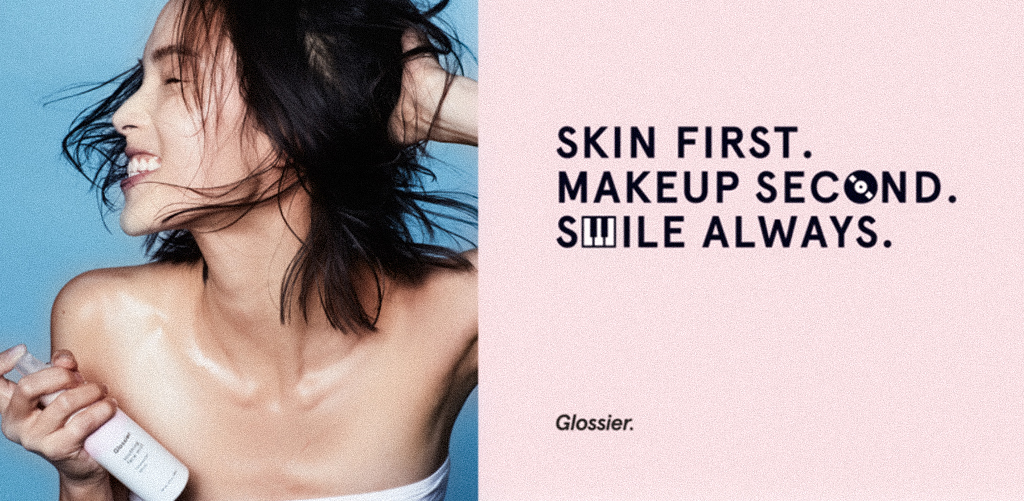
If you’re studying branding today, transparency needs to be in your toolkit. One must know how honest visuals and language build powerful, loyal communities.
Remember when a major brand got slammed for using sacred symbols as fashion prints? Consumers today aren’t forgiving about tone-deaf design.
Enter Fenty Beauty by Rihanna. The brand launched with 40 foundation shades—sending a strong message about inclusion. That design choice wasn’t just visual—it was cultural, emotional, and revolutionary.
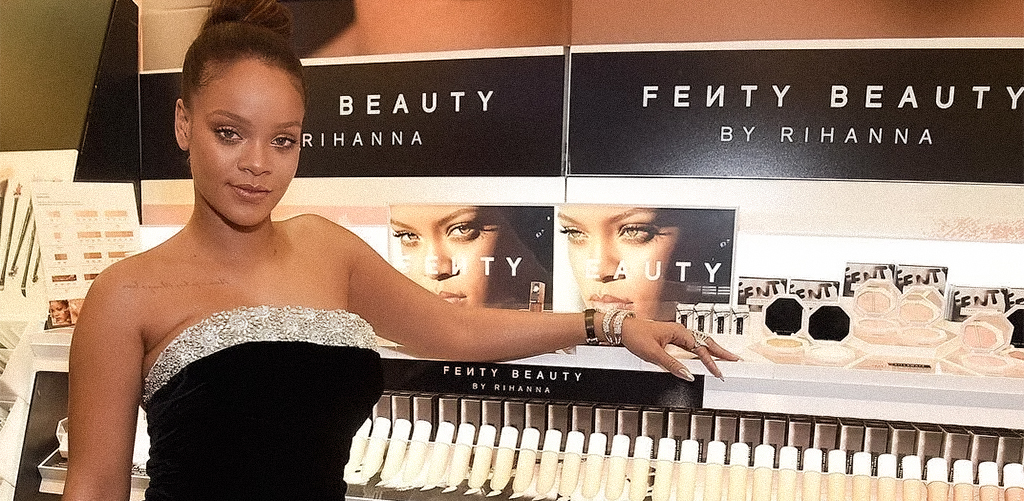
What to learn here: Aesthetics don’t exist in isolation. Every font, color, and image lives within a cultural context. Designers must research, respect, and represent thoughtfully.
Ever clicked on something and felt watched? That’s a creepy design. And it’s why ethical use of data is a growing responsibility in branding.
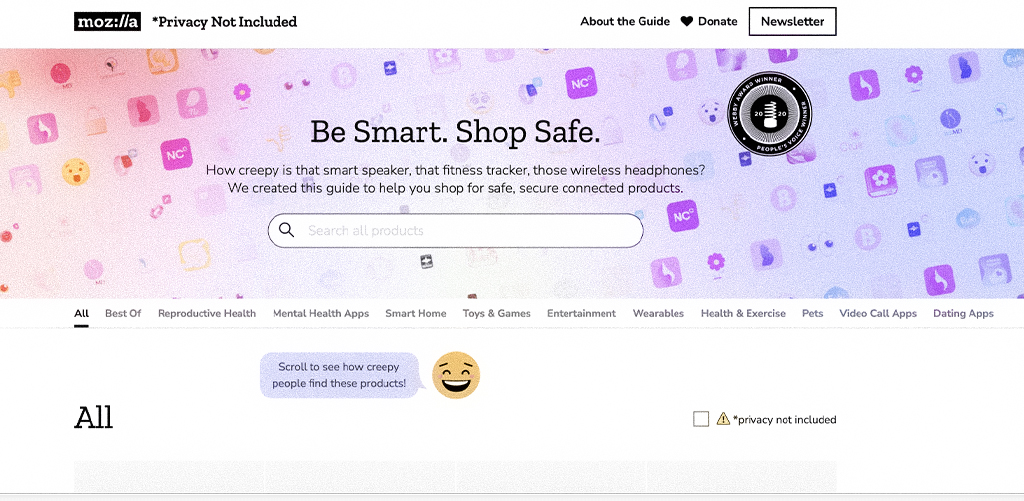
Mozilla Firefox, a browser built with user privacy at its core. Their design avoids dark UX patterns, and their “Privacy Not Included” campaign educates users on which products respect their data. As a designer, you’ll need to work with data analysts, marketers, and coders. Knowing how to visualize privacy without compromising trust? That’s a modern-day superpower.
Ethical design isn’t a trend. It’s the rulebook. And the brands that ignore it? They’re already fading out of consumer conversations.
If you’re a fashion designer, digital creator, or storyteller in the making—this is your blueprint. Learn to design with ethics, and your work won’t just be seen—it’ll be trusted.
Ready to craft brands that make the world better?
Start where it matters. Start at JD Institute.
 Design Blogs
 Watch on youtube


 Downloads

Copyright © 2025 JD Institute of Fashion. All Right Reserved
Designed by




 Quick Menu