

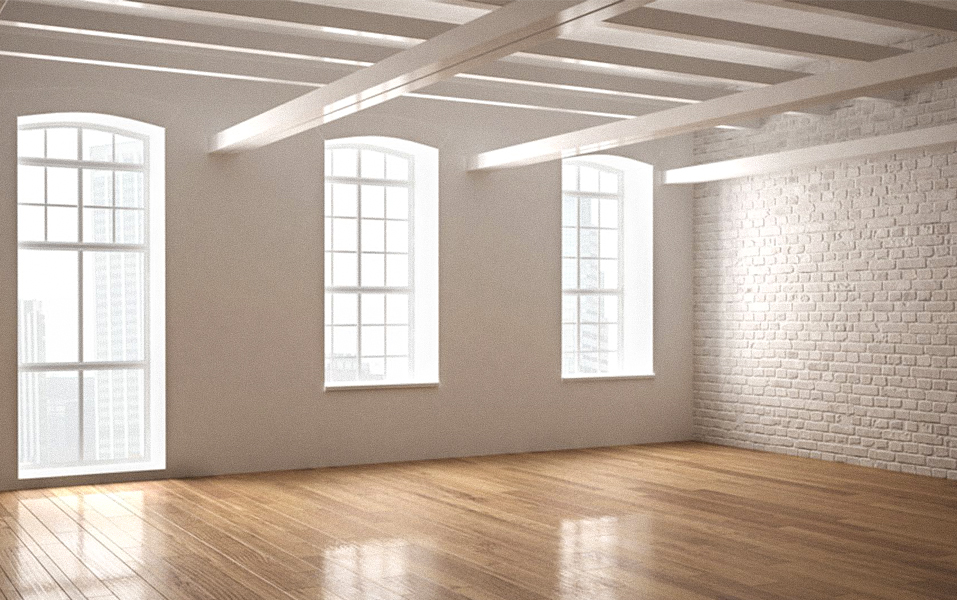
In a world obsessed with adding more, as in more cushions, more plants, more shelves, designers often get praised for what they leave out. That’s the magic of something known as negative space, also called white space. And no, it’s not always white, it’s simply the “breathing room” in a design.
If you’re dreaming of becoming an interior designer, understanding this concept is non-negotiable. The Interior Design course at JD Institute introduces students to this very idea early on, because mastering what not to put in a space is just as important as knowing what to put in.
Think about your favorite song, it’s not just the melody, but also the silent beats in between that make it memorable. Similarly, negative space is the “quiet” area in a room that lets the rest of the design shine.
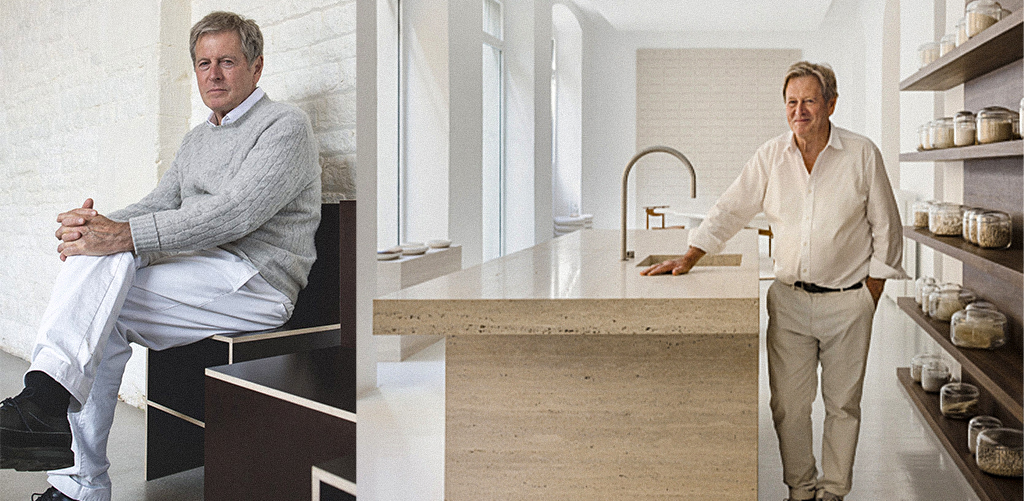
This empty zone brings visual balance, making sure your eyes aren’t overloaded with too much at once. It’s a principle even famous designers swear by, like John Pawson, the master of minimalist spaces, who uses emptiness to create calm and focus.
For students, learning this principle isn’t just about style, it’s about control. Without it, designs can feel messy and small. With it, they feel intentional, airy, and elegant.
Here’s a fun fact: our brains process uncluttered visuals faster and with less stress. That’s why high-end interiors often feel instantly relaxing.
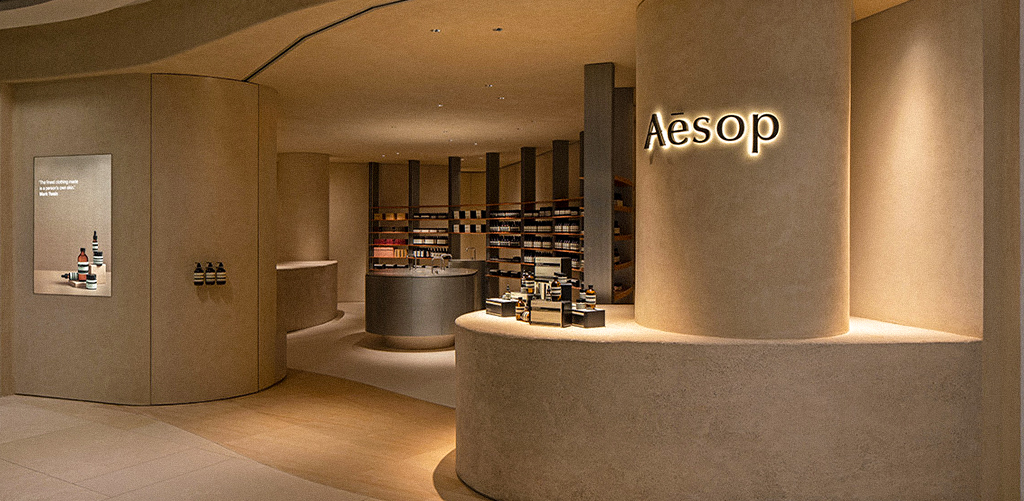
Take Aesop stores around the world, the luxury skincare brand is famous for its spacious layouts, calm lighting, and minimalist shelving. Each store uses generous negative space so customers focus on textures, scents, and the overall sensory experience, rather than being distracted by visual clutter.
Interior Design students need to understand that negative space is not wasted space. It’s a design tool which highlights the most important parts of a room, whether it’s a statement sofa, a work of art, or a feature wall.
One of the biggest beginner mistakes in design? Filling every single corner with something. It’s an easy trap, after all, empty spots can feel like they need “fixing.”
But look at the luxury brand Chanel’s flagship boutiques. The interiors are stylish yet intentionally sparse, allowing the eye to rest. The open areas give the impression of sophistication and confidence, because clutter often signals hesitation, not taste.

That’s why in the JD Institute’s Interior Design course, students explore spatial psychology, how emptiness can guide movement, mood, and even perceived value of a space.
Design principles for students often talk about balance, and negative space is a big part of that. Too many “busy” elements side by side cause chaos. White space acts like a buffer, making sure each design element has its moment.
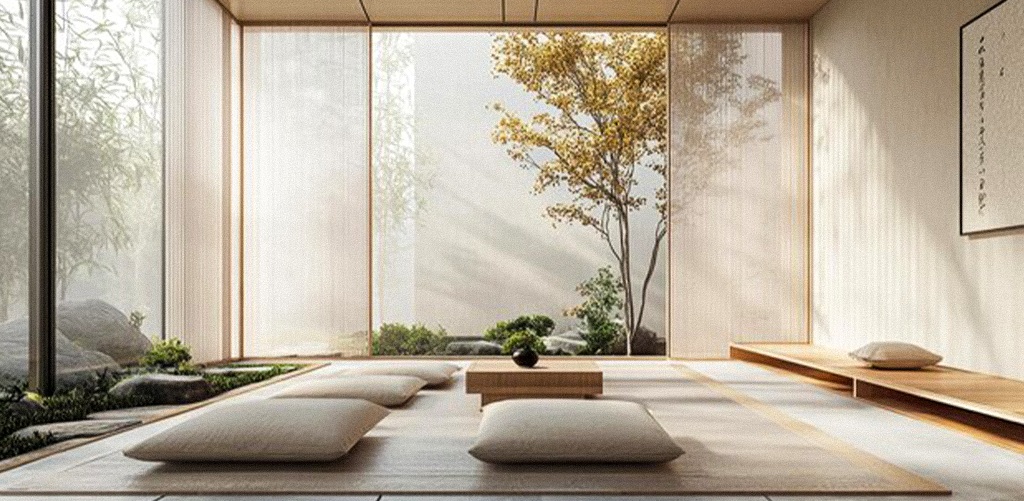
Japanese Zen interiors are a perfect example. Minimal furniture, natural light, and simple textures work together because they’re surrounded by breathing space. The result? A calm, harmonious environment that invites peace.
If you want your future clients to feel your designs instead of just looking at them, negative space is the way to go.
Here’s the twist, not all negative space has to be empty walls or floors. Sometimes it’s about how you frame a view, or the way a staircase has openness between steps.
Look at LEGO’s headquarters in Billund, Denmark, they use vast, open communal areas as “creative negative space” where people can meet, brainstorm, or simply pause. It’s not about decoration, it’s about giving the mind room to think and collaborate.
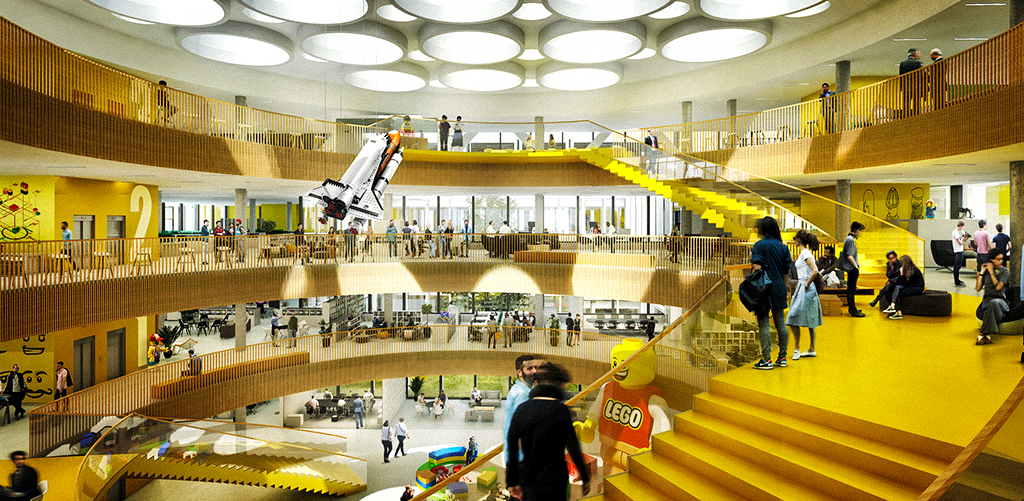
This is where interior design students can really innovate by learning to use emptiness not just for aesthetics, but for function and storytelling.
Negative space isn’t a trend, it’s a timeless design principle that can make or break a space. Mastering it means you’ll create interiors that look good, feel right, and leave a lasting impression.
If you want to be the kind of designer who knows why something works, not just how to make it look nice, don’t just browse Instagram for ideas. Learn the craft, practice the principles, and understand the psychology. Because the next big name in interior design? It could be you, especially if you start your journey at JD Institute, where creativity isn’t just taught, it’s trained into your design DNA.
 Design Blogs
 Watch on youtube


 Downloads

Copyright © 2025 JD Institute of Fashion. All Right Reserved
Designed by




 Quick Menu