

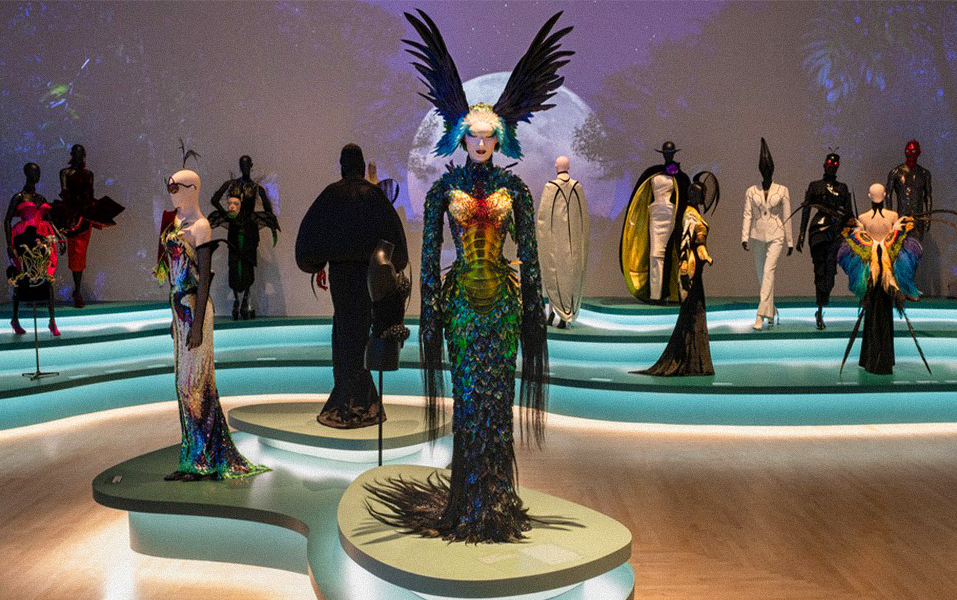
“Fashion is not something that exists in dresses only. Fashion is in the sky, in the street, fashion has to do with ideas.”— Coco Chanel
Now imagine this, what if those ideas were explained through real clothes, in real time, right in front of you? That’s exactly what fashion exhibitions are doing today. They’re not just about showcasing style anymore. They’re telling stories, teaching history, sparking ideas, and they’re doing it all through fabric, stitches, and design.
For any aspiring fashion designer, this is huge. Because learning how to curate fashion, and tell stories through clothing, is just as important as learning how to sketch or sew. That’s why at JD Institute’s Fashion Design course, students don’t only focus on garment construction, they explore how exhibitions and fashion museums can shape public knowledge and perception.
Example: The Costume Institute at The Met (New York)
When people think of museums, they imagine paintings and sculptures. But fashion museums are changing that idea. At The Met’s Costume Institute, fashion exhibitions like “Camp” and “In America” are not just about pretty clothes they’re about gender, identity, politics, and culture.
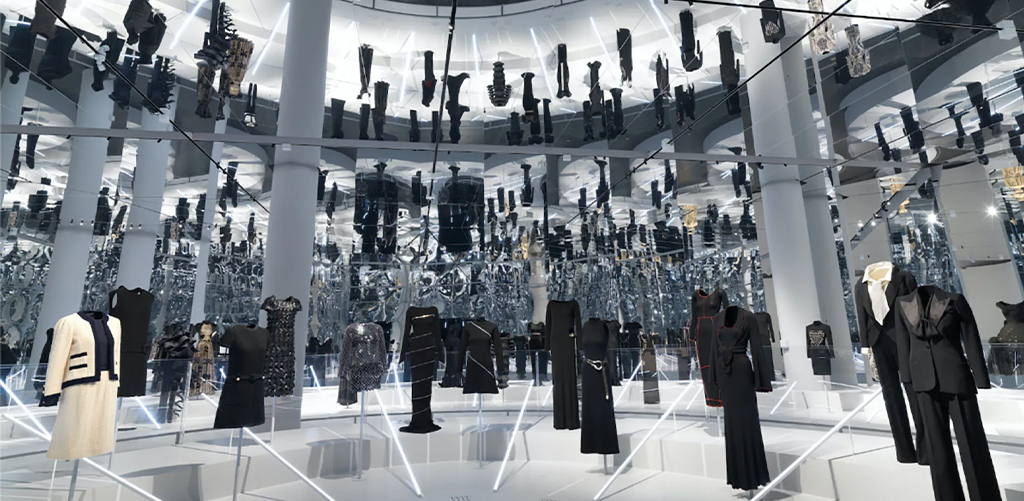
Visitors walk away learning how fashion has shaped the world. From historical corsets to modern gender-neutral pieces, these exhibitions explain how clothing reflects society.
For designers, this is a goldmine. You get to understand how fashion speaks to people. If you’re studying design, observing how these exhibitions tell stories can give you fresh ideas on how to make your collections more meaningful, not just beautiful.
Example: Palais Galliera (Paris)
Palais Galliera, the fashion museum of Paris, is famous for its rich storytelling. Their exhibitions focus on themes like how women’s fashion changed after World War II, or how Paris became the capital of fashion. These exhibitions are more than visual, they’re emotional. Every outfit is placed for a reason. Every light, every text panel, every color tells a story.
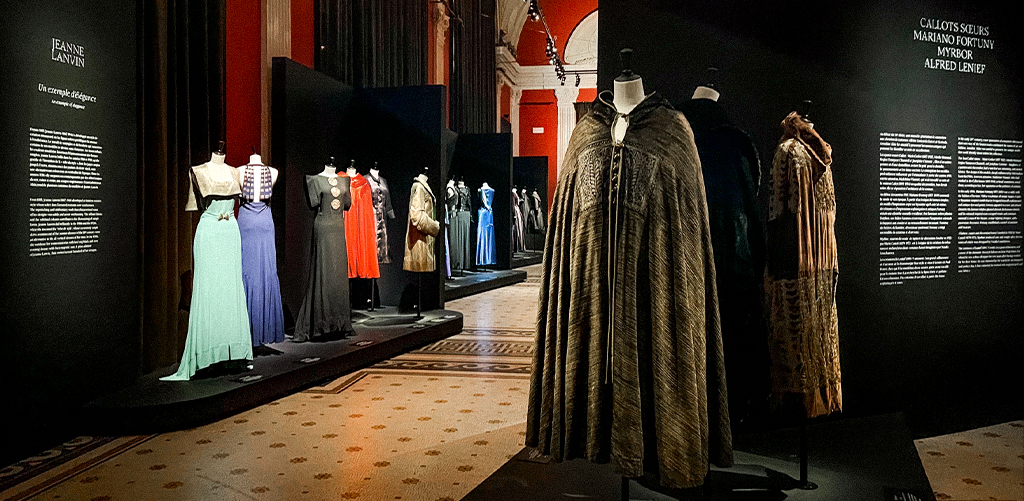
As a designer, this helps you learn fashion curation, as to how to place garments in context. You learn to design not just for looks, but for impact. That’s why at JD Institute, the Fashion Design course teaches you how design connects with culture, history, and emotion and not just trends.
Example: Gucci Garden (Florence) and Louis Vuitton’s Traveling Exhibits
Brands like Gucci and Louis Vuitton are taking fashion exhibitions to the next level. At Gucci Garden in Florence, you don’t just look at clothes, you walk through an experience. Rooms filled with music, videos, and digital displays tell the story of the brand’s journey.
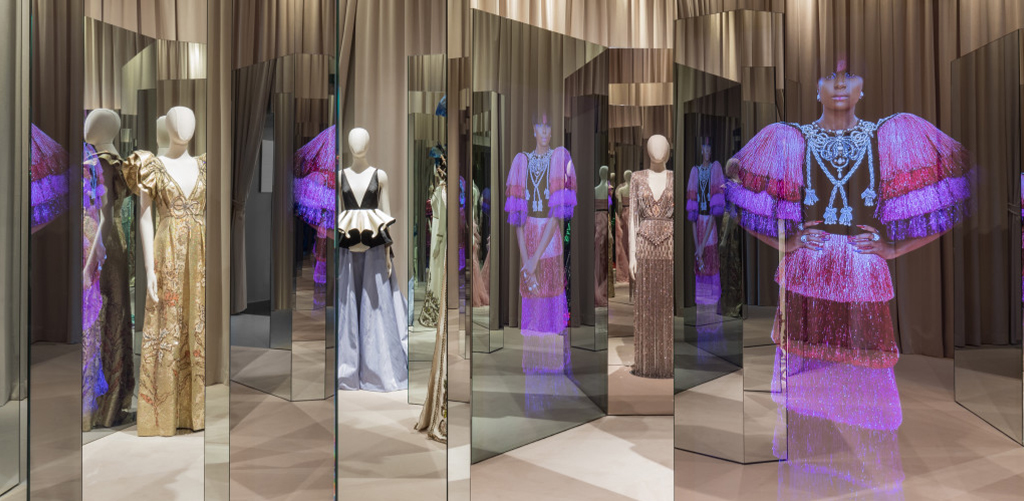
Louis Vuitton’s traveling exhibitions combine art, sound, light, and even virtual reality to explain their craft and history.
This is how fashion exhibitions educate in a whole new way. Visitors remember feelings, moments, and ideas and not just designs.
Example: “Africa Fashion” at the V&A Museum (London)
The “Africa Fashion” exhibition at the V&A didn’t just showcase bold prints and patterns, but it told powerful stories of identity, resistance, and pride. It showed how African designers are changing the narrative around what fashion means.
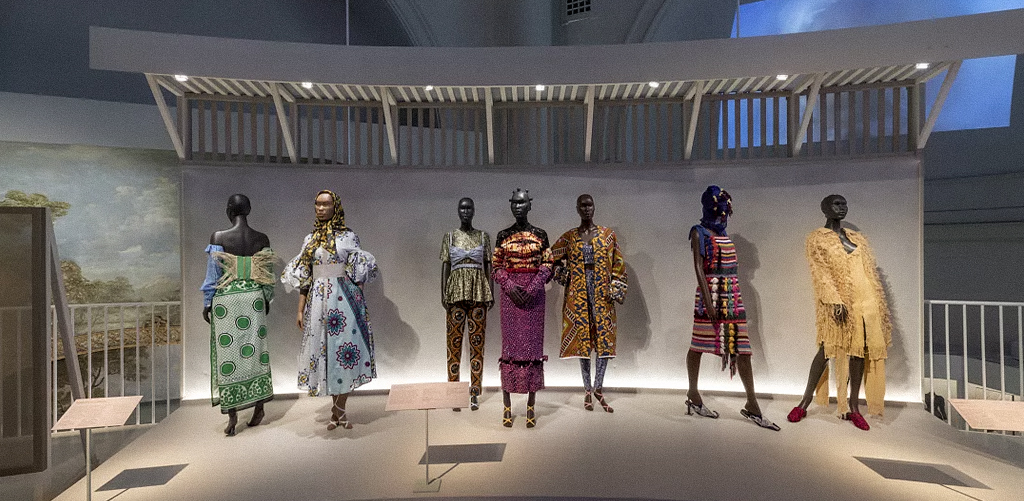
This kind of exhibition educates people on real-world issues like colonialism, representation, and cultural heritage, all through fashion.
If you’re a student of design, this is a strong lesson: fashion has power. It can raise voices. It can inspire change. At JD Institute, students are encouraged to explore global design voices, think critically, and use their talent to say something meaningful.
Example: The Fabricant and DressX
Ever heard of The Fabricant? Or DressX? These startups don’t make physical clothes at all. They design digital fashion and showcase them online or in virtual exhibitions.
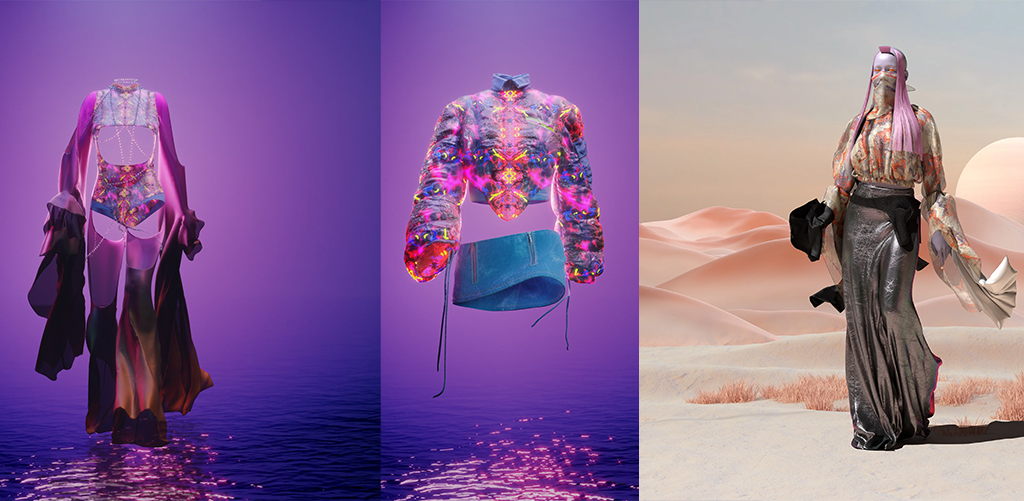
Visitors can try on digital garments using AR (Augmented Reality), or walk through fashion exhibitions on their phones. The learning? Still the same, except it’s quicker, more interactive, and easily accessible.
This is the future. And it’s teaching people about sustainability, design process, and fashion innovation in a way textbooks can’t. As a fashion designer, it’s time to think beyond fabric. You need to understand how technology and exhibitions are changing the way fashion is consumed, and how you can lead that change.
Clothes don’t just cover us. They tell stories. And exhibitions are where those stories come alive.
So, if you’re dreaming of becoming a Fashion Designer who does more than just follow trends, then start here. Explore fashion beyond the runway. Study how it speaks. Learn how to make it matter.
And if you’re serious about learning it the smart way, JD Institute is where the real lesson begins.
 Design Blogs
 Watch on youtube


 Downloads

Copyright © 2025 JD Institute of Fashion. All Right Reserved
Designed by




 Quick Menu