

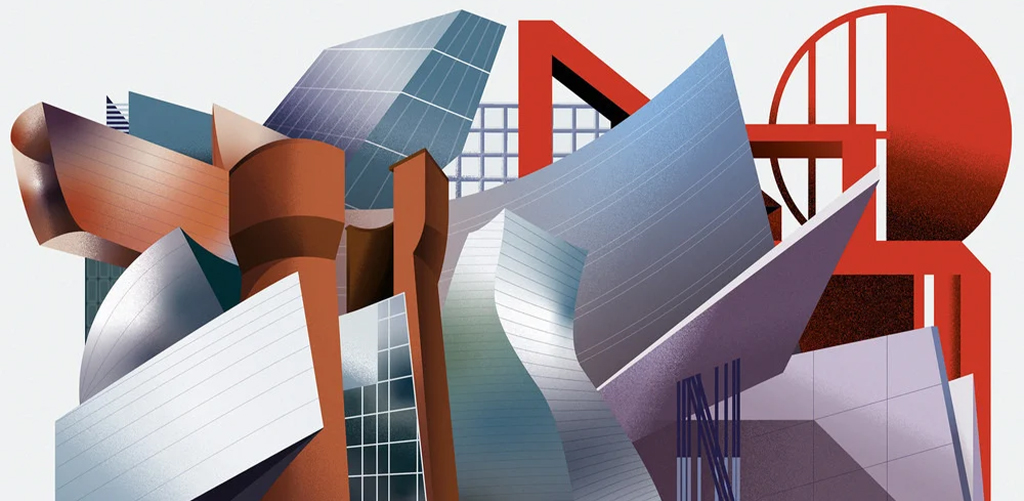
What if chaos wasn’t a flaw but a design principle? What if buildings could twist, fold, and explode into new dimensions, breaking every conventional rule of architecture? Welcome to the world of Deconstructivist Architecture—a radical movement that challenges symmetry, balance, and predictability. Much like how an artist turns a blank canvas into an evocative masterpiece, an interior designer must harness the unexpected to create immersive spaces.
At JD Institute of Fashion Technology, students don’t just learn Interior Design; they master the art of disruption, innovation, and storytelling through space. For aspiring interior designers, studying the masterminds of deconstructivism isn’t just inspiring—it’s essential. Let’s dive into the revolutionary minds shaping the future of architecture.
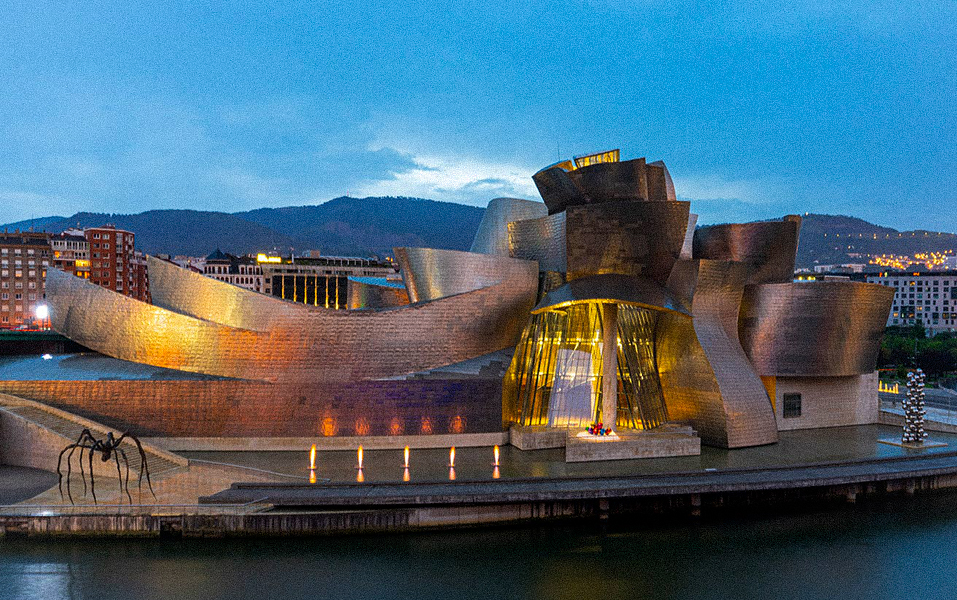
Imagine a building that looks like it’s melting, twisting, or even dancing. That’s the magic of Frank Gehry, the genius behind some of the world’s most unconventional structures. His masterpiece, the Guggenheim Museum Bilbao, is a prime example of deconstructivism—its whirling titanium curves defy traditional architectural norms. Gehry’s designs teach interior designers to embrace fluidity, unconventional materials, and organic forms. His Walt Disney Concert Hall in Los Angeles further proves that architecture can be both an art and an experience.
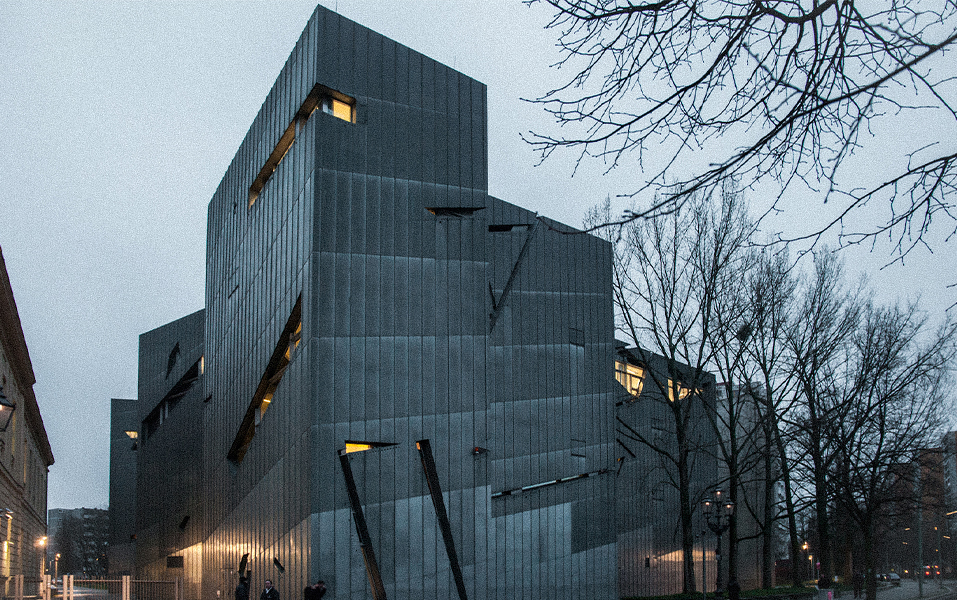
Libeskind doesn’t just design buildings; he narrates history through them. His Jewish Museum in Berlin is an emotional journey—its zigzagging, fragmented structure evokes deep feelings of loss and remembrance. Similarly, his work on the World Trade Center Master Plan in New York redefines how space can be used to symbolize resilience and rebirth. Aspiring designers can learn the power of storytelling through space, using angles, lighting, and movement to create immersive experiences.
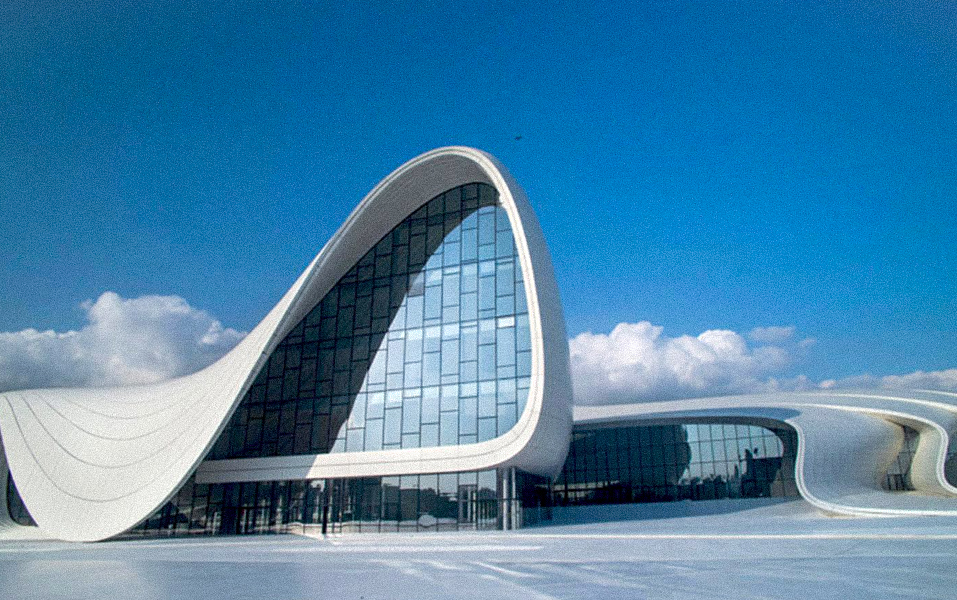
When you think of fluid, futuristic, and dynamic architecture, one name stands out—Zaha Hadid. Her designs seem to defy gravity, with sweeping curves and bold, asymmetrical forms. The Heydar Aliyev Center in Azerbaijan showcases her ability to dissolve the boundary between structure and sculpture. Another marvel, the Guangzhou Opera House, highlights her love for organic, free-flowing forms. For aspiring interior designers, Hadid’s work is a lesson in pushing creative boundaries, experimenting with futuristic aesthetics, and embracing digital design tools.
Eisenman treats architecture like a puzzle, deconstructing and reconstructing forms in unexpected ways. His Wexner Center for the Arts at Ohio State University breaks the mold of traditional design with its fragmented grid and incomplete forms. His City of Culture of Galicia in Spain merges the natural landscape with architectural abstraction. Eisenman’s philosophy teaches designers to challenge conventions, embrace asymmetry, and explore complex spatial narratives.

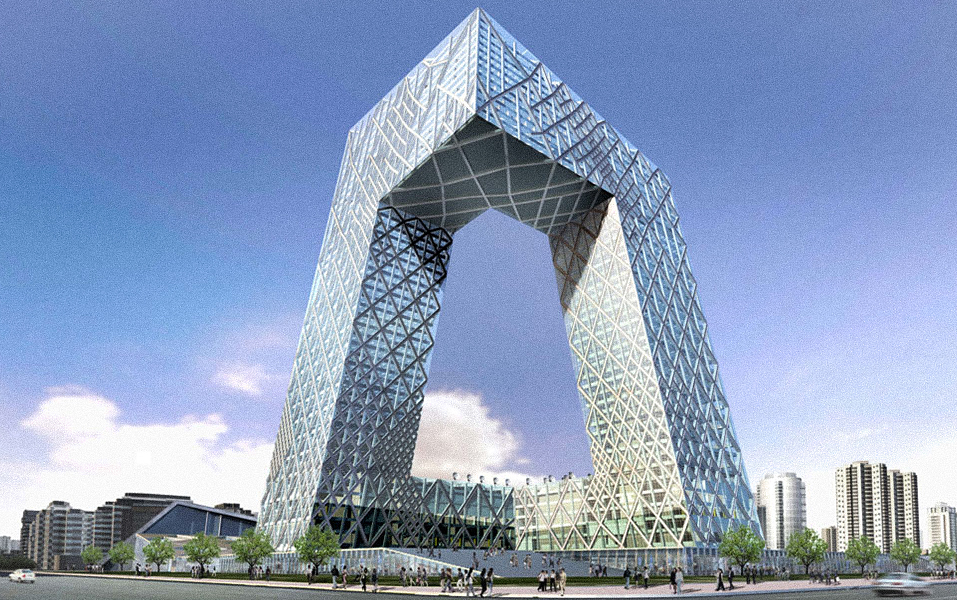
Rem Koolhaas is a master of controlled chaos, blending architecture with urban culture. His CCTV Headquarters in Beijing defies gravity with its looping, angular form, creating a structure that looks like it’s from another dimension. His Seattle Central Library reinvents how space can function, using unconventional layouts and deconstructed geometry to create an immersive experience. Koolhaas teaches interior designers the importance of integrating architecture with urbanism and pushing boundaries in spatial design.
Great design isn’t about playing it safe—it’s about pushing the limits of imagination. The legacy of Frank Gehry, Daniel Libeskind, Zaha Hadid, Peter Eisenman, and Rem Koolhaas proves that the boldest ideas shape the future of architecture and interior design.
If you’re ready to redefine spaces and break the mold, learning from these visionaries is just the beginning. And where better to embark on this creative journey than JD Institute, where innovation meets excellence?
 Design Blogs
 Watch on youtube


 Downloads

Copyright © 2025 JD Institute of Fashion. All Right Reserved
Designed by




 Quick Menu