

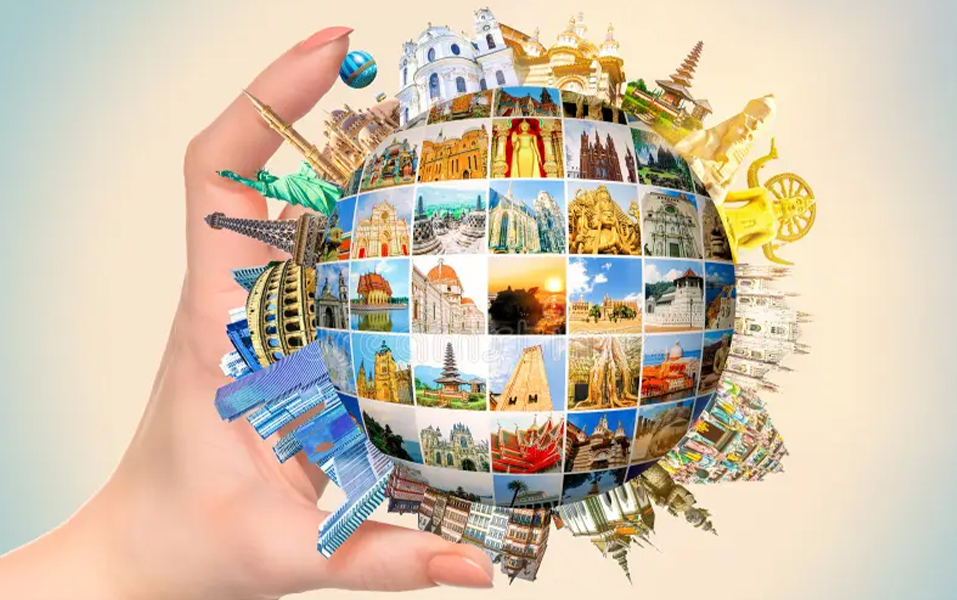
Imagine handling a crowd bigger than the population of Australia — all in one place, at one time.
No concert, football match, or fashion week comes close to the scale of religious gatherings like the Kumbh Mela, Hajj, or Vatican celebrations.
These aren’t just spiritual events — they are mega cultural operations involving crowd planning, security, public health, tech innovation, and a lot of coordination. That’s what makes them powerful examples of Global Religious Events as Cultural Mega-Strategies.
If you’re someone who dreams of working in events — whether fashion, festivals, or international expos — understanding how these large-scale events work is a smart move. It’s also why courses like the Global Event Management program at JD Institute include deep dives into these iconic global gatherings.
Held in India approximately every 6 or 12 years, the Kumbh Mela is considered the largest gathering of people on Earth, with over 200 million attendees.
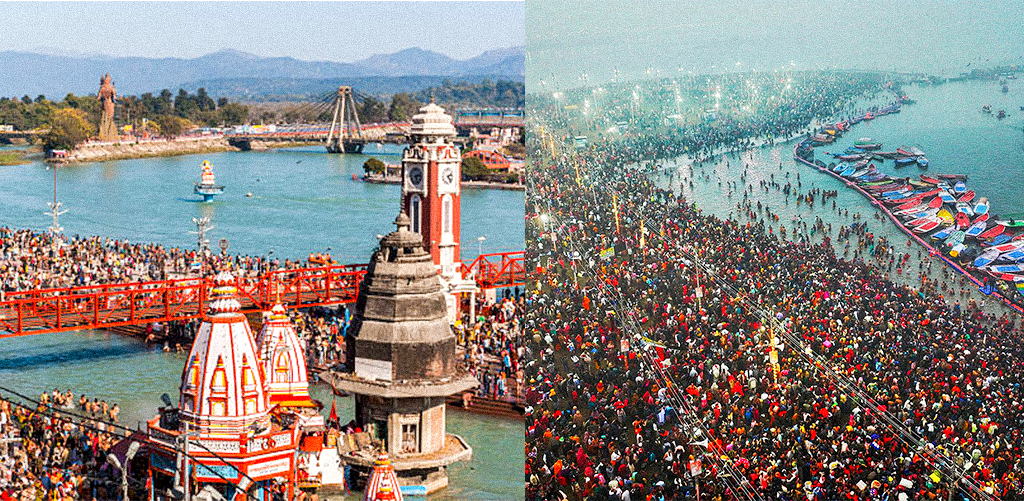
It’s like building a city from scratch — with roads, lights, tents, toilets, water, food stalls, and security — and then removing it all after the event ends.
Startup Spotlight – MapmyIndia: Their GPS tech helps visitors navigate and locate missing people. Their work at Kumbh shows how tech can transform public events.
Every year, around 2 million Muslims from across the world gather in Mecca, Saudi Arabia, to perform the Hajj.
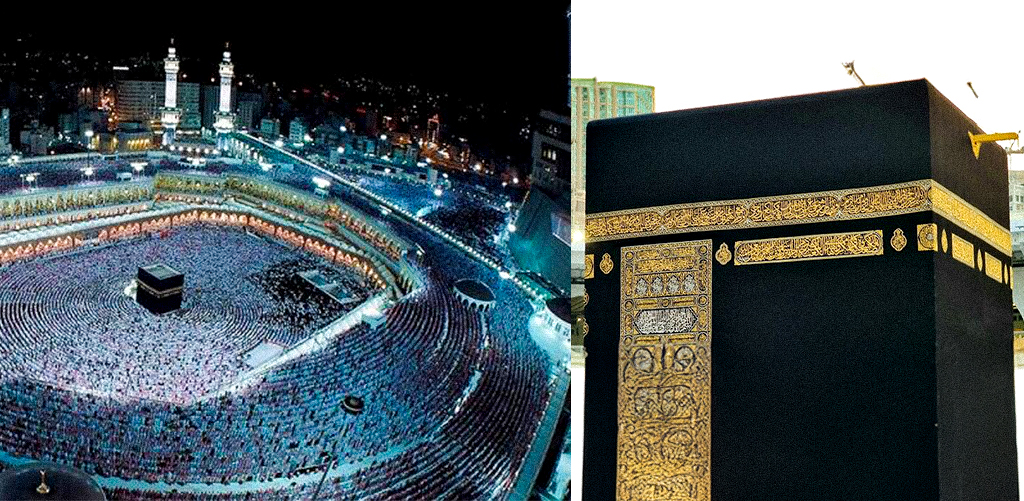
It’s not just spiritual — it’s also one of the best-managed crowd events in the world, requiring top-level coordination.
Startup Spotlight – CrowdVision: This company uses AI to monitor crowds and prevent stampedes. Saudi authorities use similar tools during Hajj to keep people safe.
From Christmas Mass to Easter Sunday, Vatican City transforms into a magnet for global pilgrims. The Pope’s public appearances demand ultra-high security, media coordination, and diplomacy — not to mention crowd control in a space that’s only 44 hectares wide!
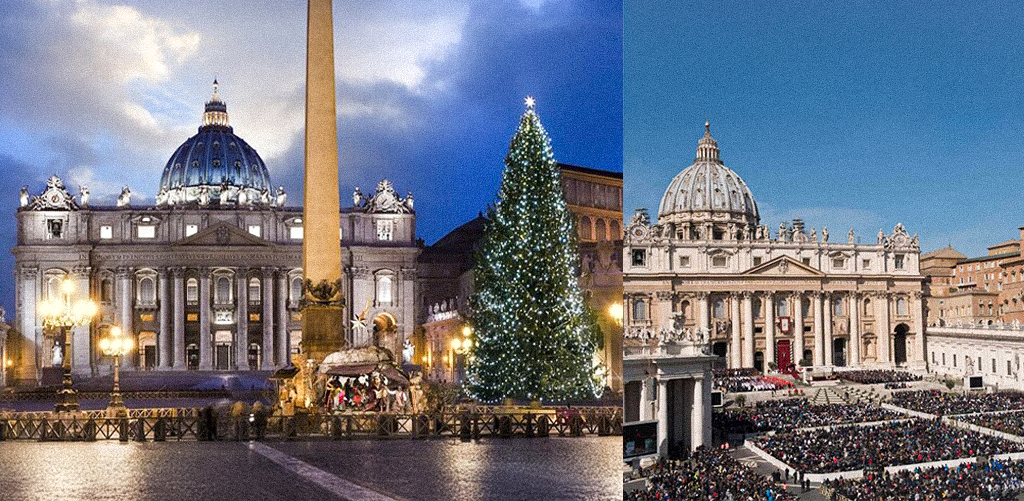
Economic buzz? These events boost Italy’s tourism, hospitality, and even fashion sectors. (Yep, fashion — clerical robes have had their runway moments too.)
Startup Spotlight: Scytl
This Spain-based startup helps governments with secure digital voting, but its encryption tech has been tested in high-profile events like papal visits, ensuring secure coordination and communication.
Thaipusam is a Hindu festival celebrated mainly in Malaysia and Singapore. It involves more than a million devotees, many of whom carry heavy decorated structures (kavadis) and walk barefoot for hours.
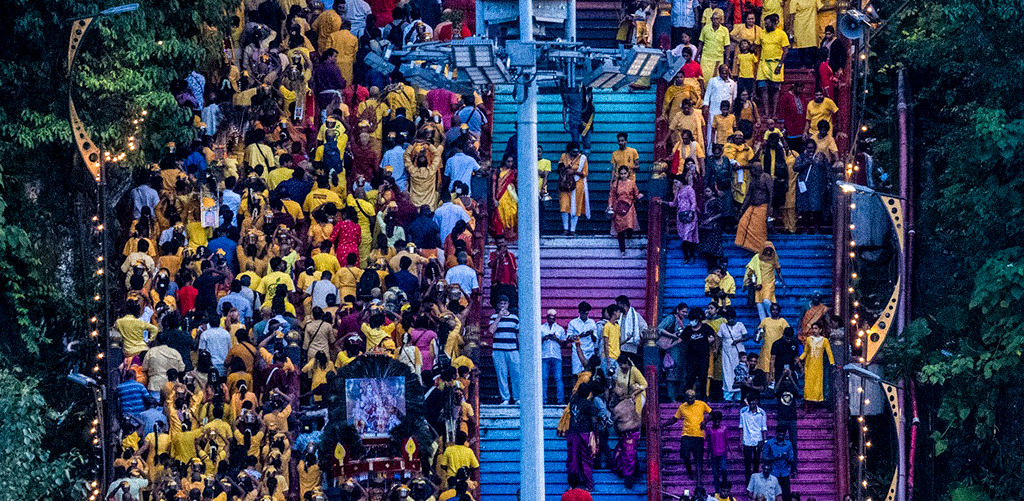
The Global Event Management course at JD Institute teaches future event planners how to manage culturally sensitive, high-energy festivals with large walking routes and massive public participation.
What started as a camel trading fair in the deserts of Rajasthan has now become a global tourist event.
The Pushkar Camel Fair attracts over 400,000 people and features camel races, cultural shows, art bazaars, and spiritual rituals — all in a small desert town.
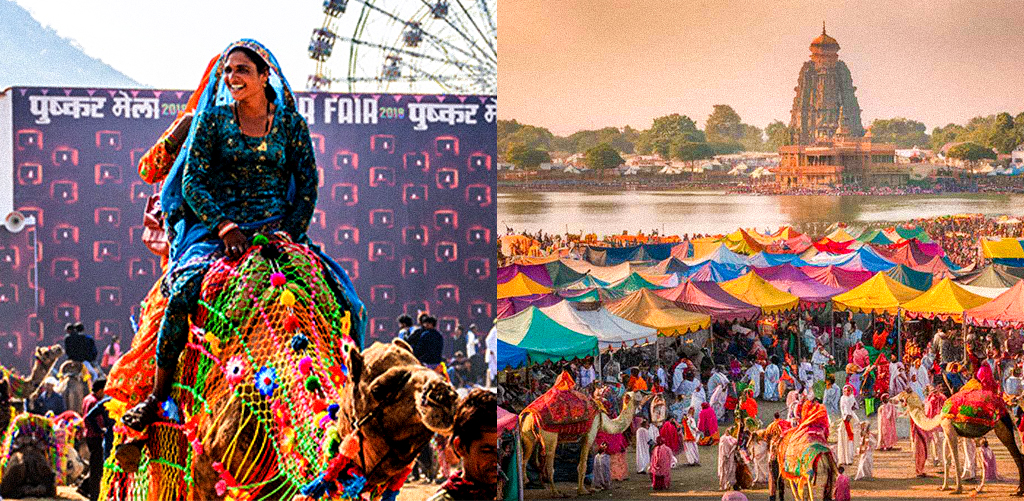
Learning from events like Pushkar helps students understand how small towns can host global-scale events — a learning also covered in the modules at the JD Institute’s Global Event Management course.
Because this isn’t just about religion — it’s about planning, people, policy, and profit. Whether you’re working on a design showcase, a fashion week, or a music festival, the same rules apply:
That’s why many fashion and event students at JD Institute learn how global spiritual events are planned — because that knowledge applies across industries, and it gives you a competitive edge in the real world.
If you’re dreaming of working at international festivals, fashion expos, or even government-level events, start by learning from the biggest gatherings in the world. Global Religious Events as Cultural Mega-Strategies give us the best examples of how to handle scale, emotion, and complexity. And if you’re looking for a place to learn all that with the right mix of creativity, culture, and practical tools — JD Institute’s Global Event Management course might just be your smartest next step.
 Design Blogs
 Watch on youtube


 Downloads

Copyright © 2025 JD Institute of Fashion. All Right Reserved
Designed by




 Quick Menu