


In 1975, Cher wore a naked dress at the Met Gala, and continues to wear striking, sheer, nude-illusion outfit, many designed by Bob Macki, well into her late 70s. Some things never change. Confidence, style, and the right attitude don’t age, and neither does fashion. But here’s the twist: while some rules of dressing evolve with every decade of life, others stay classic and eternal. That’s exactly what we’re exploring in this blog, styling for different age groups.
And if you’re an aspiring fashion stylist wondering why this matters, understanding age-based styling isn’t just good to know, it’s essential. If you’re studying fashion styling at places like the JD Institute, you’re already on the path to learning how to work with real people of all ages, not just models on runways. Because trust us, fashion isn’t one-size-fits-all, and neither is your career.
Think of brands like Depop and Urbanic that are closely driven almost entirely by Gen Z aesthetics. These age groups live for experimenting. Oversized everything? Neon? 2000s throwbacks? Yes, yes, and yes.
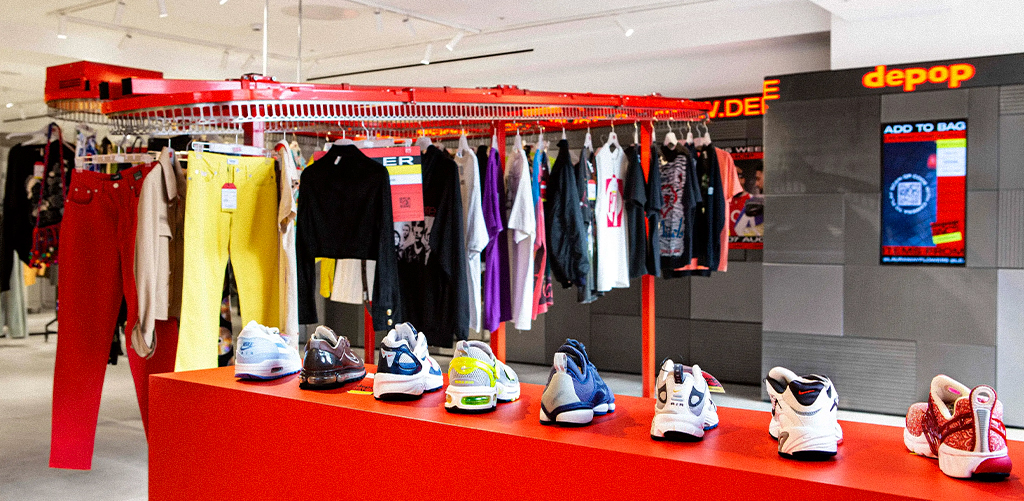
What Changes: Trends. Fast and furious. One month it’s cargo pants, the next it’s lace layering.
What Doesn’t: The hunger to stand out. No matter the trend, the goal is individuality.
Aspiring stylists should learn how to spot micro-trends, predict viral looks, and help young clients express who they are, or who they’re becoming.
Meet startups like Stitch Fix, which built a business around personalized fashion for adults who want style without stress. In your 30s and 40s, your look starts reflecting who you are, not who you’re trying to be.
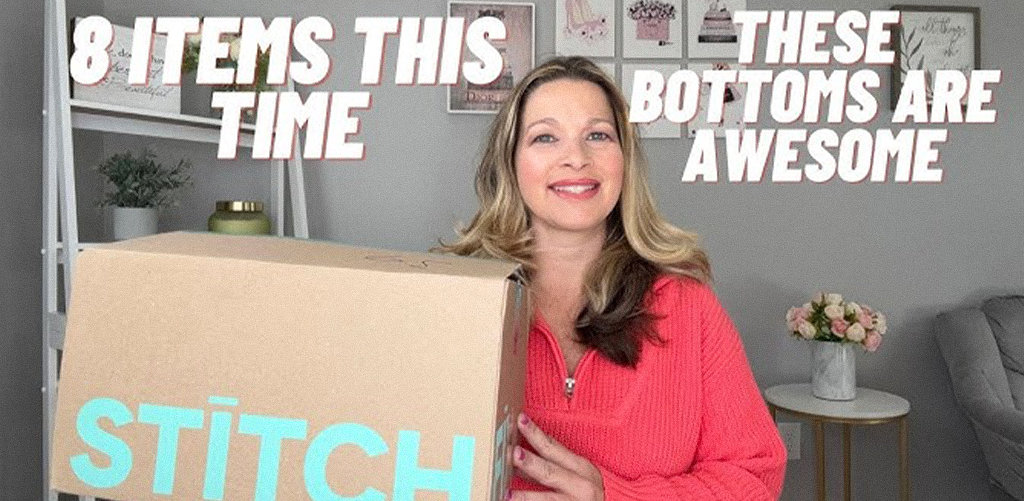
What Changes: There’s often a shift to structured silhouettes, quality fabrics, and timeless staples.
What Doesn’t: The love for experimenting never fully goes away. Now it’s about balancing edgy with elegant.
Fashion stylists, especially those trained in holistic styling through institutions like the JD Institute, learn how to read body types, lifestyle needs, and curate wardrobes that work, whether it’s power dressing for the boardroom or weekend brunch attire.
Think of icons like Iris Apfel, who proves every day that fashion is ageless. Or brands like Colleen Heidemann’s fashion line, which proudly features older women slaying runways and Instagram alike.
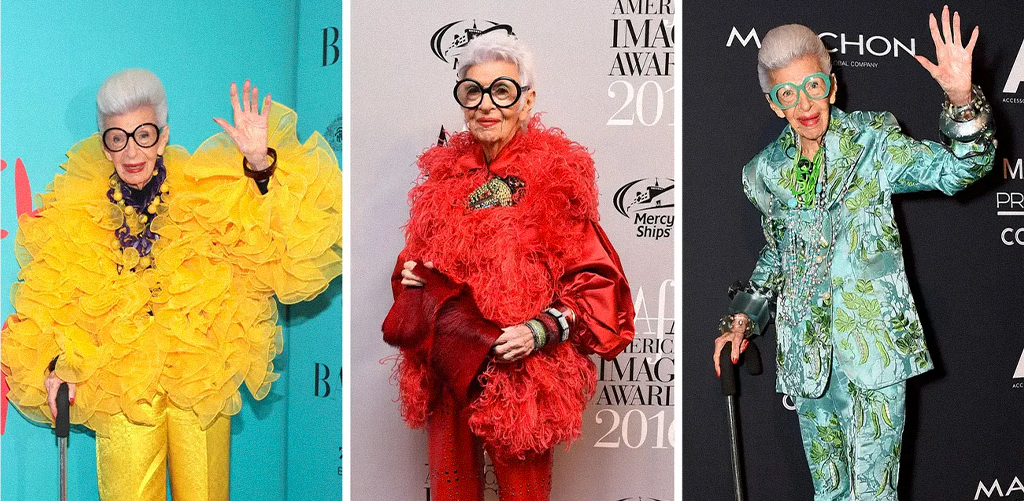
What Changes: Comfort becomes non-negotiable. But that doesn’t mean boring.
What Doesn’t: The desire to express personality through fashion, loud earrings, statement coats, luxurious scarves? Still in the game.
For stylists, this is where mature fashion styling comes into play. It’s not about covering up, it’s about enhancing what’s already fabulous. And yes, intergenerational style is real, fashion is now about celebrating every phase of life, equally.
Startups like Silver Disobedience and influencers like Grece Ghanem are flipping the script on aging. This is the age of freedom, no dress codes, no fashion rules.
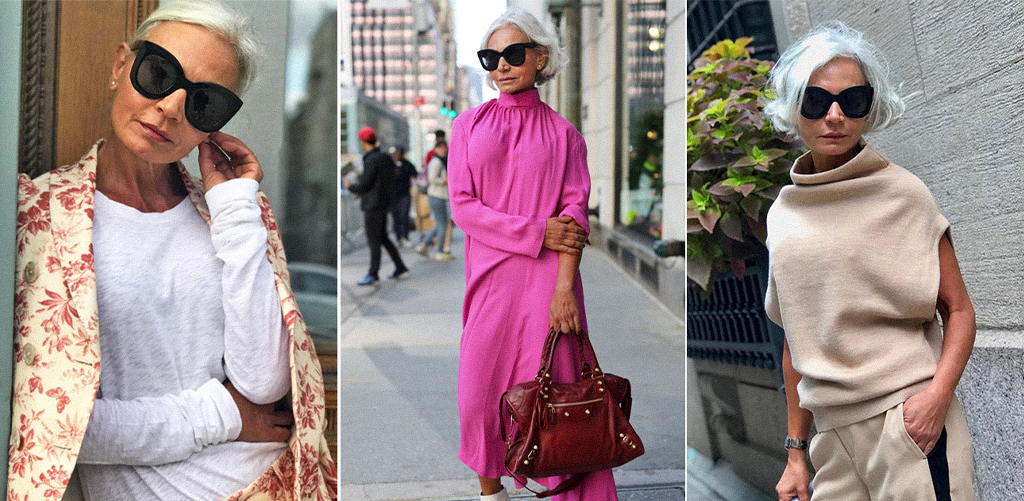
What Changes: Minimalist wardrobes often make a comeback but with a twist of luxury and statement.
What Doesn’t: The joy of dressing up. Whether it’s for a family dinner or a photoshoot, the sparkle is very much alive.
Stylists working with elder clients learn that less is more, but meaning is everything. Comfort, tradition, emotion, these become style pillars, and fashion must follow.
Age-inclusive fashion is the future, and those who understand it will shape tomorrow’s trends. If you’re serious about fashion styling, don’t just chase trends. Learn to style stories, shape identities, and connect generations. That’s what you’ll master at a place like JD Institute, where style meets substance.
 Design Blogs
 Watch on youtube


 Downloads

Copyright © 2025 JD Institute of Fashion. All Right Reserved
Designed by




 Quick Menu