


Ever worn something and suddenly felt 100x better?
Like that bright yellow shirt that makes you feel like sunshine, or your favorite jeans that magically boost your confidence? That’s not just in your head—it’s actually backed by science. It’s called dopamine dressing, and it’s one of the coolest ways fashion is connecting with mental health.
We’re now examining the connection between psychology, personal style, and brand marketing strategies like never before. This shift isn’t just a social media trend—it’s something smart fashion business managers should seriously care about. In fact, at JD Institute’s Fashion Business Management course, students are learning how emotions influence what people wear, and how brands use this to shape their identity and marketing.
Dopamine is your brain’s happy chemical—it’s what gives you those good vibes. Studies show that wearing bold colors, fun prints, or your favorite outfit can actually help boost your mood.
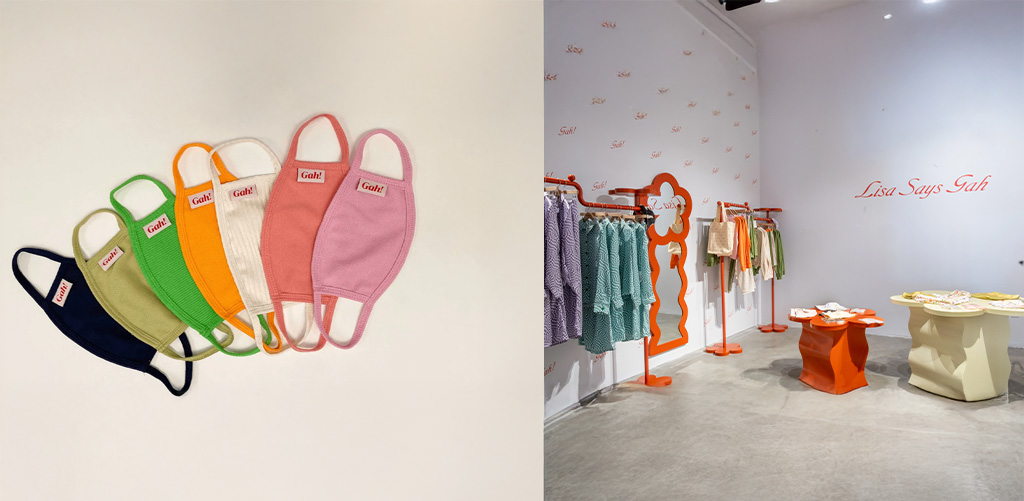
Take the brand Lisa Says Gah for example. During the lockdown, people were stuck indoors and feeling low. This brand dropped colorful, quirky clothes that made people feel seen and cheerful, especially her colourful masks. They didn’t just sell clothes—they sold joy. And they grew fast because they understood the emotional side of fashion.
Fashion isn’t just about trends anymore. It’s about how people feel. And when brands figure that out, they connect deeper with customers.
Today, customers don’t just buy clothes. They buy stories, values, and feelings.
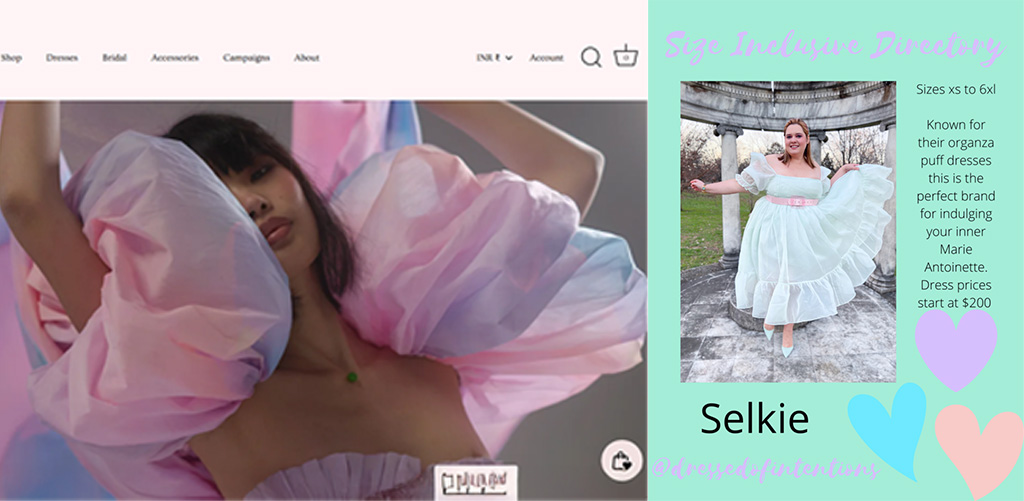
Look at Selkie. Their dresses are dreamy, dramatic, and full of emotion. People who wear them say it feels like self-care. Many customers even share emotional stories about how the clothes helped them feel strong or beautiful again.
That’s a perfect example of examining the connection between psychology, personal style, and brand marketing strategies. If you want to build a brand that sticks, you need to understand the emotions behind what people buy.
That’s why the JD Institute’s Fashion Business Management program doesn’t just teach how to sell products—it teaches how to build a brand that feels right to people.
Let’s be real—shopping is emotional. Ever bought something just because you were sad, bored, or happy? Brands are starting to design their whole shopping experience around this.
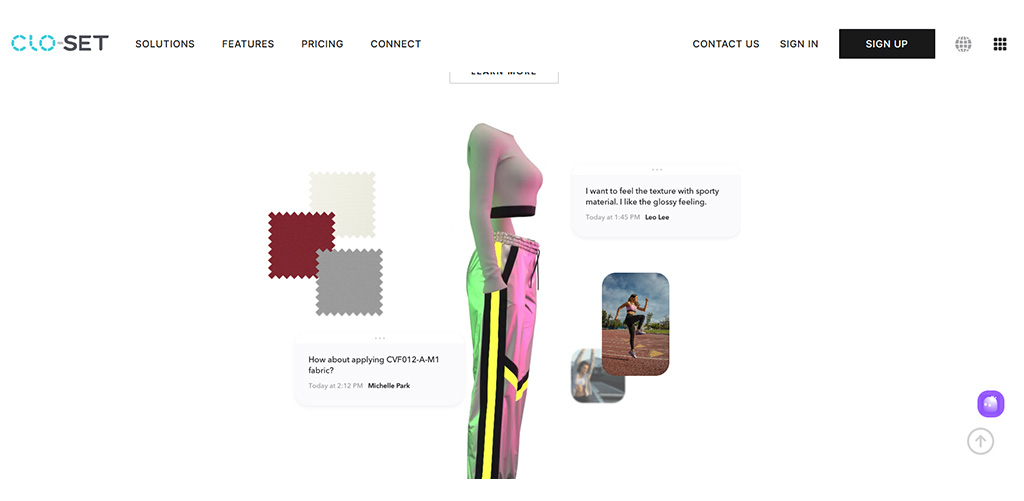
Startups like CLOSET let people choose outfits based on how they’re feeling that day. And major brands like Zara are using softer lighting and colorful displays during stressful seasons (like holidays or winter) to make people feel better—and spend more.
It’s not just clever marketing. It’s smart business. Fashion managers who understand emotional behavior are way ahead in the game.
Instagram and TikTok are filled with people showing off their “dopamine fits.” But it’s not just for clout—it’s how they express their feelings.
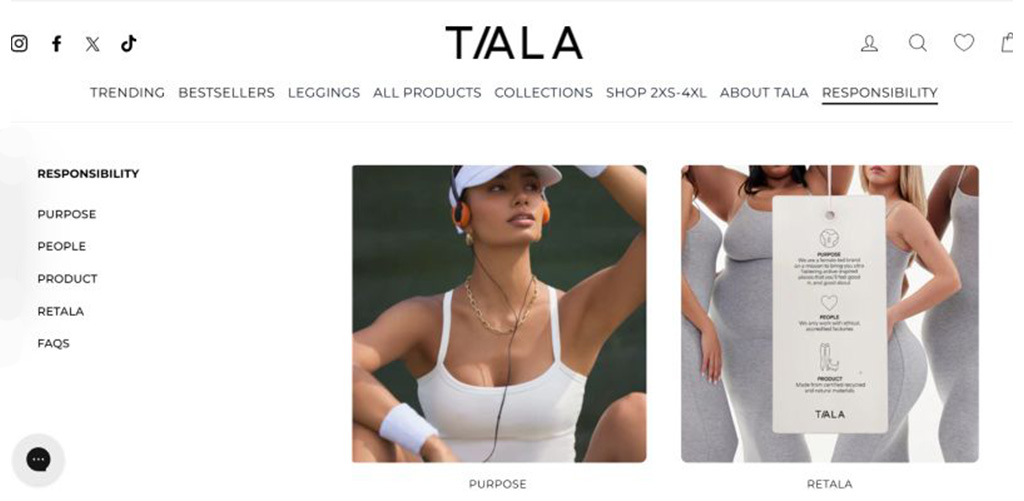
Brands like TALA and Alo Yoga know this. Their content is full of uplifting messages, real bodies, and clothes that scream confidence. They mix wellness, style, and positive vibes—making customers feel like part of something bigger.
If you’re aiming to grow a fashion business, this is where you play smart. It’s not only about good visuals anymore—it’s about real connection.
Dopamine dressing proves that fashion can be more than style—it can be healing, expressive, and powerful. So if you’re stepping into the fashion world, remember this:
You’re not just designing outfits. You’re designing how people feel.
If you’re someone who wants to build meaningful, trend-savvy, and emotionally smart brands—there’s no better place to learn than at JD Institute.
 Design Blogs
 Watch on youtube


 Downloads

Copyright © 2025 JD Institute of Fashion. All Right Reserved
Designed by




 Quick Menu