

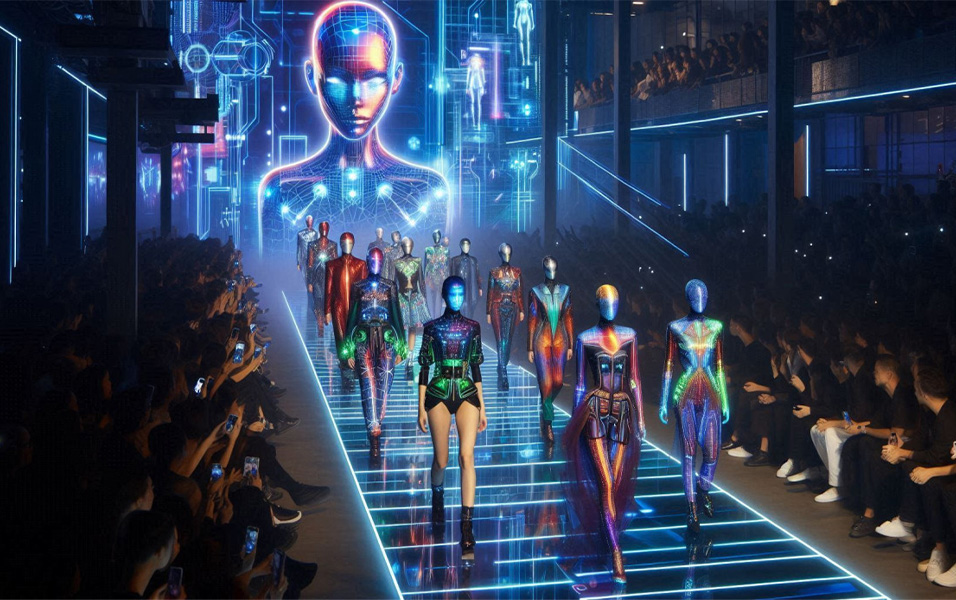
“If algorithms can compose music, write poems, and drive cars… can they dress you better than your BFF stylist?”
That thought might sound far-fetched, but it’s already happening. Fashion styling is entering a bold new era where artificial intelligence is curating looks, picking prints, and matching accessories—sometimes better than humans (ouch!).
But does that mean the future belongs to robots in Gucci? Or is there still room for the magic touch of human creativity? Let’s explore how AI is transforming the fashion styling landscape—and what it means for budding stylists everywhere.
AI-driven fashion apps use algorithms to analyze your preferences, body type, facial features, and even past shopping behavior to generate personalized outfit suggestions. Some standout examples include:
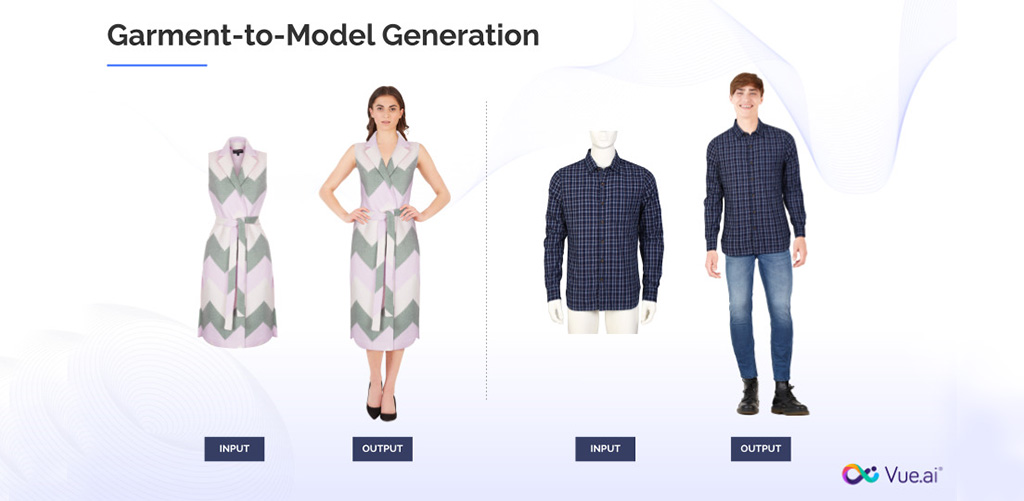
These tools save time, reduce decision fatigue, and often introduce users to combinations they wouldn’t consider otherwise. For brands, AI helps scale personalization like never before. For consumers, it’s like having a pocket stylist—one that never sleeps.
Here’s the catch: style isn’t just about fit and trends. It’s also about storytelling, emotions, identity, and culture. AI may understand that stripes are in this season, but it doesn’t know why you’re dressing up—be it a heartbreak brunch or a big date.
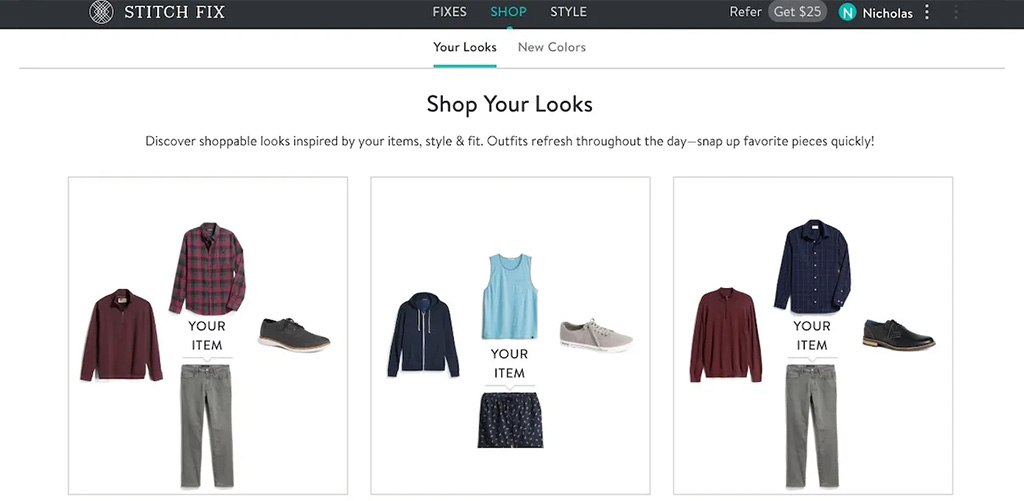
Take Stitch Fix—a hybrid model that uses data science to generate outfit options, but still needs human stylists to finalize selections. The reason? Empathy, intuition, and personality can’t be coded.
This is where students from JD Institute’s Fashion Styling course gain an edge—by learning both the artistic and analytical side of fashion, they become versatile creatives equipped for the evolving industry.
In today’s digital-first world, a stylist who doesn’t understand tech is like a DJ who can’t use Spotify. Aspiring stylists must get comfortable with tools like:
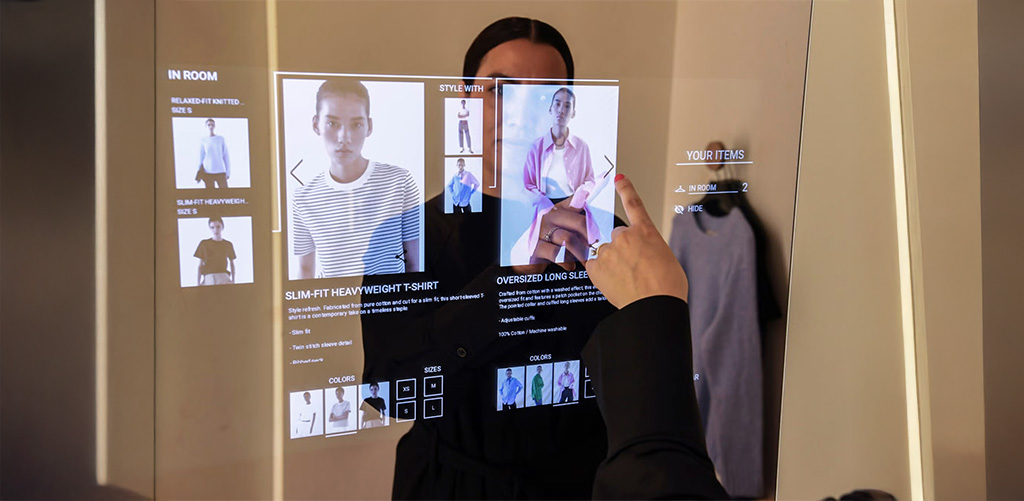
Understanding how these tools work helps stylists not only stay relevant but lead innovation. And let’s be honest—if you can speak fashion and tech, you’re automatically 10 steps ahead.
The real impact of AI styling lies in how it changes what people wear and why. Personalization algorithms influence everything from online browsing to buying decisions. You’re more likely to purchase an outfit if an app tells you it matches your “personal vibe”—even if you didn’t think of it yourself.
With platforms like Farfetch’s AI-powered concierge or Lenskart’s face-mapping try-ons, consumer choices are no longer just based on store visits or celebrity trends. They’re driven by data-backed suggestions made in real-time.
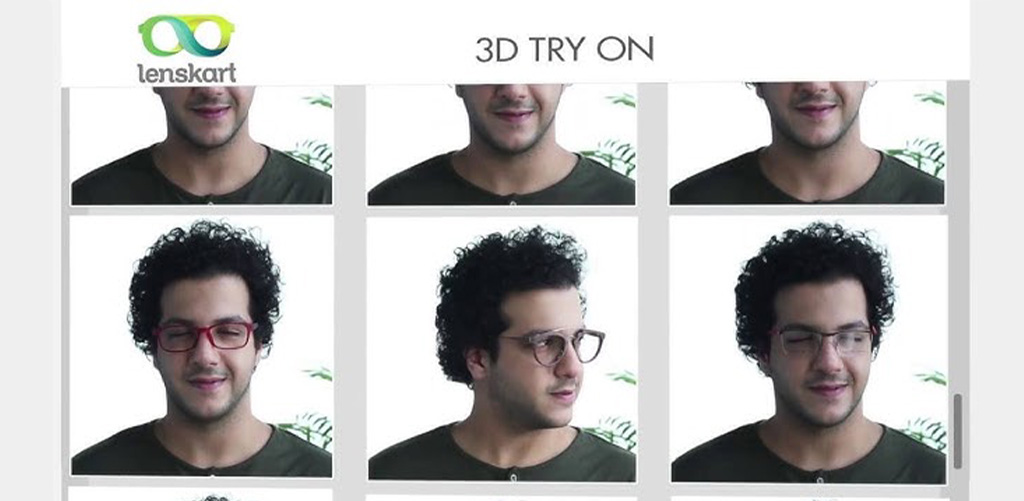
Stylists today must learn to decode how these algorithms work in order to influence, collaborate, or compete with them.
Rather than fearing replacement, the smarter question is—how will AI reshape what a stylist does?
Stylists will increasingly become style strategists—curating experiences, consulting on digital avatars, and working with both real and virtual wardrobes. From Metaverse fashion shows to AI-led campaigns, the role is expanding, not disappearing.
The human touch will always matter in moments that require emotion, sensitivity, and cultural insight—something no bot can replicate. AI can tell you what looks good; a human stylist can tell you what feels right.
So, are you ready to outsmart the machine? Or better yet—design with it? Time to plug into your fashion styling future. Learn. Adapt. Style smarter—with the right education, at JD Institute.
 Design Blogs
 Watch on youtube


 Downloads

Copyright © 2025 JD Institute of Fashion. All Right Reserved
Designed by




 Quick Menu