


What if the secret to better style wasn’t having more clothes—but having fewer?
Sounds wild, right? But it’s true. The trendiest thing in fashion today isn’t just the latest drop or runway moment—it’s conscious consumption.
We’re talking about the “Buy Less, Buy Better” movement—a global wave changing the way people shop, and shaking up how fashion businesses are run. From the boardrooms of luxury labels to the pop-ups of indie brands, everyone is talking sustainability, transparency, and longevity.
And for anyone studying Fashion Business Management, this isn’t just a buzzword—it’s your future workplace.
Let’s start with a shocker: Patagonia, one of the world’s most respected outdoor brands, once ran an ad that read “Don’t Buy This Jacket.” Why would a brand discourage you from shopping? Because Patagonia believes in reducing consumer waste. They offer repair services, resell pre-worn gear through Worn Wear, and even invest in environmental activism.
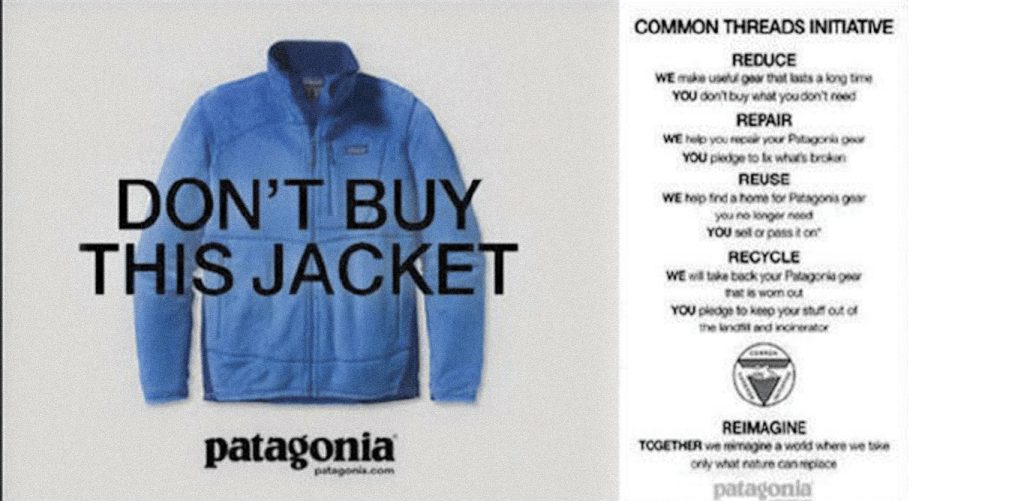
This isn’t just ethics—it’s strategy. Their customers trust them, which builds loyalty.
Lesson for students: Ethical branding is profitable branding. Building consumer trust today means being open, honest, and purpose-driven.
Another pioneer, Eileen Fisher, is famous for her “take-back” program. Old clothes get repaired, redesigned, or remade—turning waste into fresh inventory. Her brand works on circularity, where nothing goes to waste.
Fast fashion makes style accessible—but it also creates huge problems. Tons of unsold stock end up in landfills. Workers in underdeveloped countries are often underpaid. Fabrics used are cheap and unsustainable.
This is why many fashion-forward businesses are now embracing the slow fashion model—fewer launches, better quality, timeless designs.
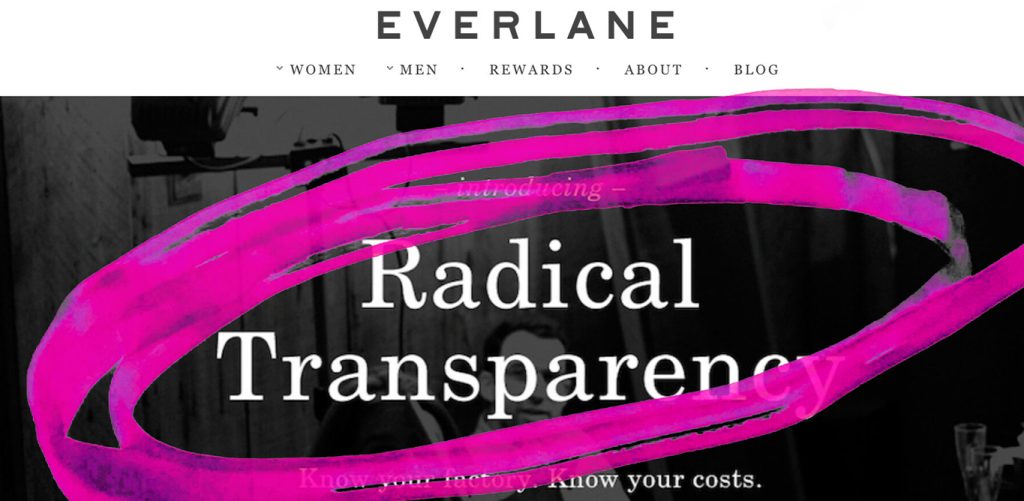
Take Everlane for example. Their “Radical Transparency” approach shows customers exactly how their clothes are made, where they’re made, and what they cost. This kind of openness is changing the way people trust brands.
Fashion Business Management students need to study these practices deeply—because tomorrow’s customers will expect brands to be open, sustainable, and honest. Students at the JD Institute of Fashion Technology are learning why this shift matters and how smart choices in design and planning can help both people and the planet.
Let’s talk about PANGAIA, a brand using scientific innovation to create fashion out of seaweed, eucalyptus, and even recycled plastic. They’re not just designing clothes—they’re solving problems. Their bio-based fabrics and botanical dyes are pushing fashion tech to new levels.
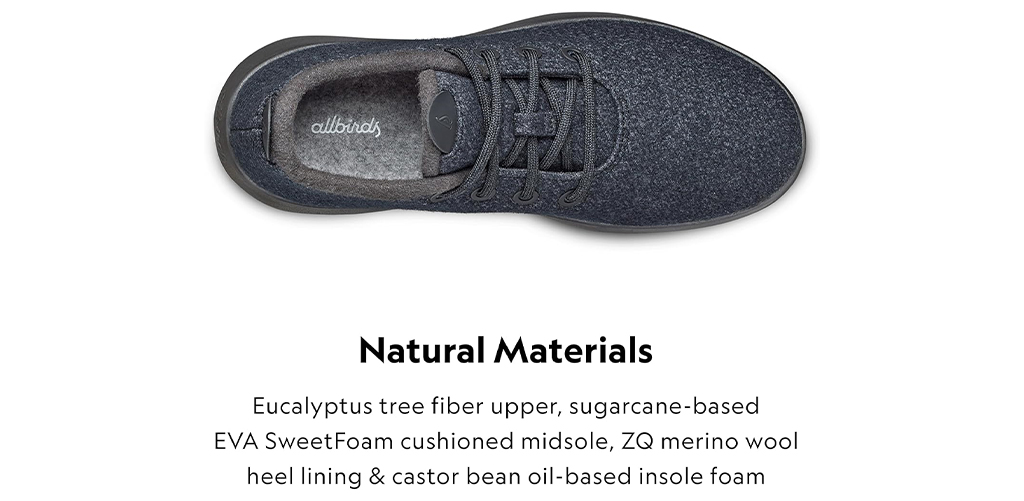
Another trailblazer is Allbirds, which makes shoes from sugarcane, wool, and tree fiber. Their simple designs, carbon labeling, and eco-friendly packaging have turned them into a case study in smart, sustainable branding.
Reformation, based in LA, uses deadstock fabrics (waste materials) to create stylish pieces with low environmental impact. Their website even shows the carbon footprint of each product.
Lesson for students: Fashion is now part of a bigger ecosystem. Understanding materials, supply chains, and consumer data is as crucial as knowing what’s trending.
Gone are the days when “new” meant “best.”
Today, second-hand fashion is first-class style.
Platforms like The RealReal, Vestiaire Collective, and ThredUp are turning resale into a billion-dollar market. They’ve turned luxury pre-owned goods into a status symbol.
Even luxury giants like Gucci and Balenciaga are collaborating with resale platforms to stay relevant with Gen Z and millennials who want sustainability with their status.
Then there’s Rent the Runway, a subscription-based model for renting designer outfits. This taps into a new kind of customer—those who want variety without ownership.

Students should explore: How different models (subscription, resale, rental) impact inventory planning, pricing strategies, and profit margins in modern fashion businesses.
The “Buy Less” philosophy isn’t just about saving the planet—it’s also about a smarter, more curated wardrobe. Welcome to the age of capsule wardrobes—where a few versatile, high-quality items can create endless outfit combinations.
This isn’t a trend—it’s a lifestyle. Customers now value versatility, comfort, quality, and ethics. They prefer stories over logos. They want to know: Who made my clothes? Is this brand greenwashing or real?
And that’s where education comes in. The Fashion Business Management course at JD Institute of Fashion Technology doesn’t just teach trends—it teaches you to read markets, understand consumer behaviour, plan sustainable supply chains, and build future-proof brands.
If you dream of launching a brand, managing one, or changing how people think about style—this is where you learn to do it right.
The fashion industry is in the middle of a massive transformation. Sustainability is no longer an option—it’s a must. Customers are smarter. Competition is global. And innovation is everything.
Ask yourself:
If the answer is yes, then your journey starts with learning.
And if you’re serious about being part of this change, JD Institute’s Fashion Business Management program could be your first smart choice—just like “buying better” over “buying more.”
 Design Blogs
 Watch on youtube


 Downloads

Copyright © 2025 JD Institute of Fashion. All Right Reserved
Designed by




 Quick Menu