


“In the age of Instagram, a Vogue cover still holds more weight than a million likes.”
The world is digital—fast, fleeting, and constantly updating. Brands battle for attention in a space where the next swipe is just a second away. Yet, when it comes to luxury, something surprising happens: the biggest names still swear by the elegance of print media. Chanel, Rolex, and Louis Vuitton aren’t just investing in digital; they are reserving premium pages in elite magazines. Why? Because print isn’t dead—it’s evolving, becoming rarer, and more coveted than ever.
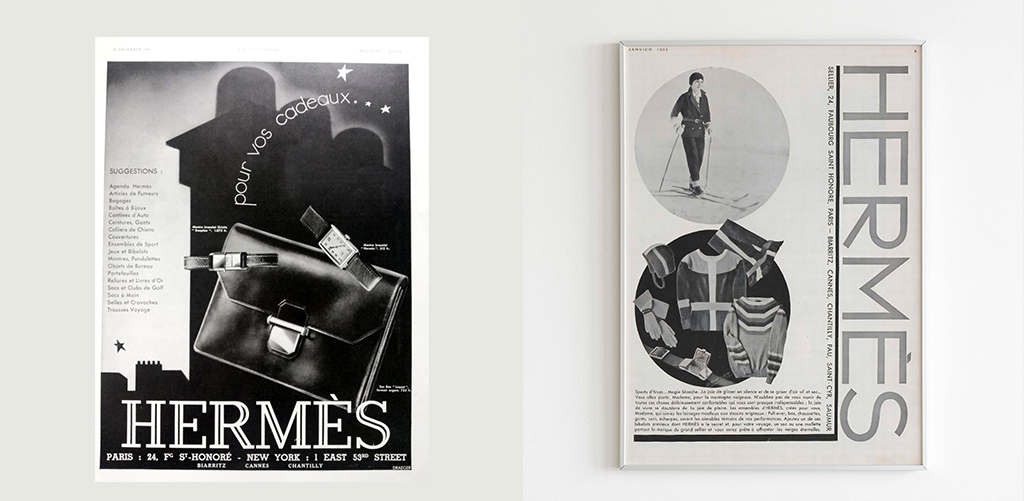
Luxury thrives on exclusivity, and nothing feels more premium than the glossy pages of a high-end magazine. Unlike digital ads, which vanish in seconds, a well-placed print ad lingers—on coffee tables, in private lounges, and inside collector’s editions. Hermes perfectly understands this, crafting magazine spreads that feel like a real experience, aligning with the brand’s handcrafted heritage. The weight of a magazine mirrors the weight of a luxury brand’s reputation—solid, lasting, and undeniable.
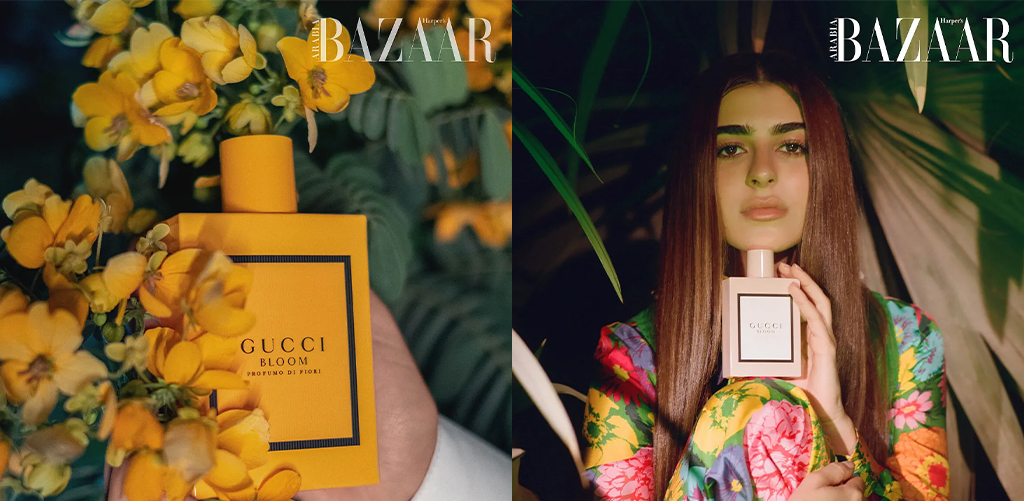
Print ads allow brands to tell a richer, more immersive story. In an industry where emotions drive purchases, storytelling is key. Take Gucci, for instance. Their full-page spreads in Harper’s Bazaar are not just advertisements; they are cinematic glimpses into the brand’s fantastical world. Unlike fleeting Instagram ads, print allows brands to craft a mood that lingers in the reader’s mind.
Communication Design plays a crucial role here, as designers shape how narratives unfold visually and emotionally. At JD Institute, students learn how to create compelling layouts that capture the essence of a brand, just like the world’s top luxury houses do.
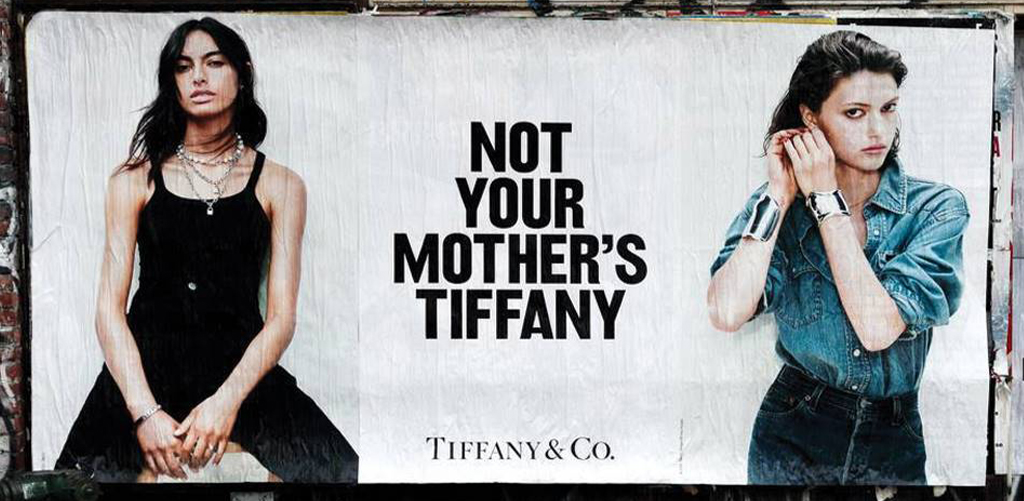
Would you trust an ad on a random website as much as one in Vogue? Probably not. Print media carries an inherent credibility that digital platforms struggle to match. When a brand appears in The New York Times Style Magazine or Tatler, it signals status and authenticity. Tiffany & Co. has long understood this, leveraging the power of established magazines to reinforce its legacy rather than relying solely on social media.
Luxury brands aren’t chasing mass appeal—they’re targeting a niche audience willing to invest. Print magazines cater to precisely that demographic. Whether it’s Robb Report for ultra-high-net-worth individuals or Architectural Digest for luxury home connoisseurs, brands can strategically place ads where they matter most. Bentley, for example, doesn’t need to reach millions—it needs to reach the right few thousand.

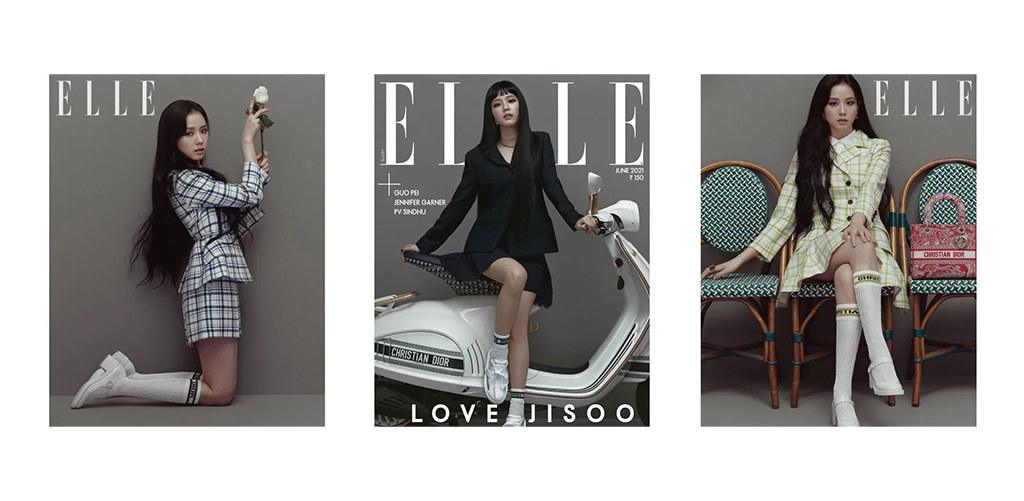
Digital ads are everywhere—pop-ups, banners, and video interruptions make online spaces feel chaotic. Print media, on the other hand, offers a calm, focused experience. Dior’s double-page spreads in Elle grab full attention, something rare in the digital world. Because print ads are less common today, they stand out even more, making them highly valuable.
Interestingly, the digital revolution hasn’t killed print—it has redefined it. Brands now integrate print campaigns with digital experiences, using QR codes or augmented reality to bridge the gap. Burberry’s AR-enabled ads in GQ let readers scan the page and see a campaign come to life on their phones. This fusion of traditional and modern techniques is exactly what students master in the Communication Design course at JD Institute, where they learn to evolve with the growing needs for the future.
Luxury isn’t about following trends—it’s about setting them. While digital marketing is essential, print remains a statement of prestige.
For students looking to craft the future of luxury advertising, mastering print media is just as important as understanding digital. At JD Institute, aspiring designers and marketers don’t just learn Communication Design—they learn how to create experiences, shape brand legacies, and turn visual storytelling into an art form.
 Design Blogs
 Watch on youtube


 Downloads

Copyright © 2025 JD Institute of Fashion. All Right Reserved
Designed by




 Quick Menu