

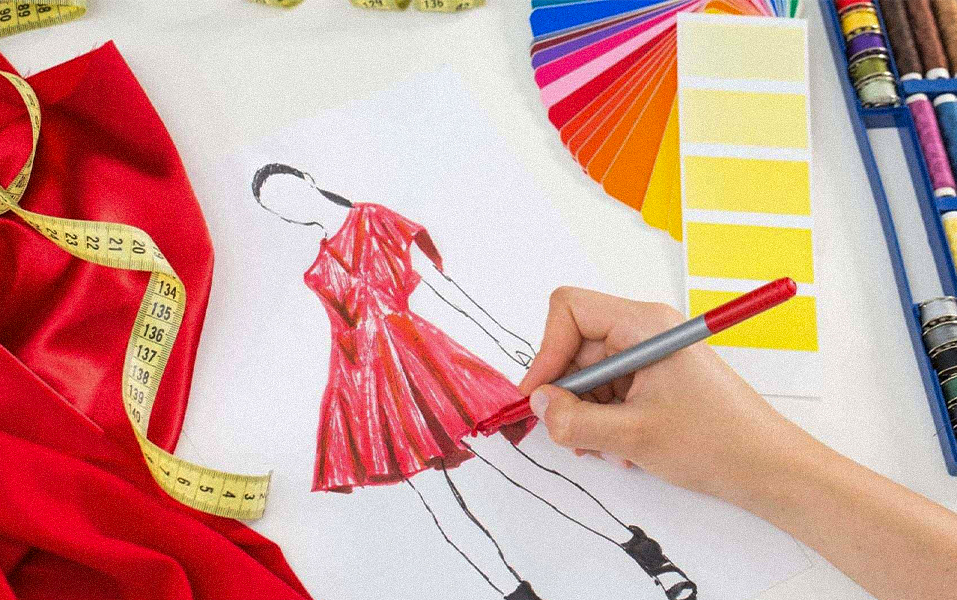
Coco Chanel once said, ‘Fashion is architecture: it is a matter of proportions.’
Now, she wasn’t being metaphorical. Fashion, just like buildings, needs the right structure, too top-heavy and it’ll collapse; too bottom-heavy and it feels off. That’s exactly where silhouette balance and fashion proportions come in. They’re the quiet heroes behind every outfit that makes people stop and stare and for the right reasons.
Welcome to the world of silhouette balance and proportion in fashion styling, a concept that’s less about memorizing fashion rules and more about learning the art of illusion, intention, and expression. And yes, it’s one of the major things you deep dive into in the Fashion Styling course at JD Institute of Fashion Technology.
Let’s decode the magic behind proportion and silhouettes and why styling students must master this not-so-secret science.
Silhouettes are the basic shapes your outfit creates when someone looks at you from a distance. Are you giving an hourglass vibe? Is your outfit flowing like a bohemian A-line? Or are you channeling the bold power of a structured rectangle?
Common silhouette types include:
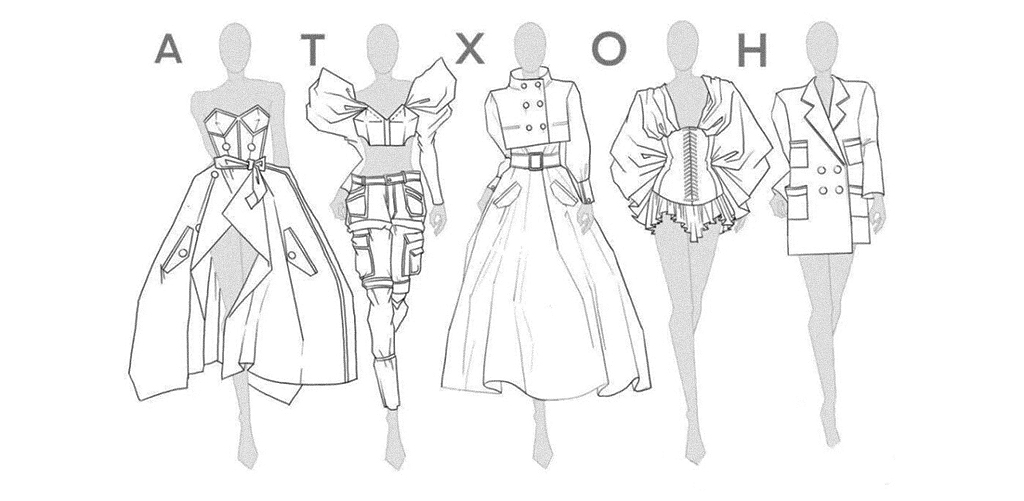
Each silhouette has its own story and purpose, and matching it with the right body shape styling is where the real creativity comes in.
Have you ever seen someone wearing an oversized hoodie and tiny shorts and thought, “Why does that look so good?” That’s proportion. Stylists swear by the ⅓ to ⅔ rule: balancing a smaller section of the body like a cropped jacket with a longer one like high-waisted wide-leg pants to create harmony.
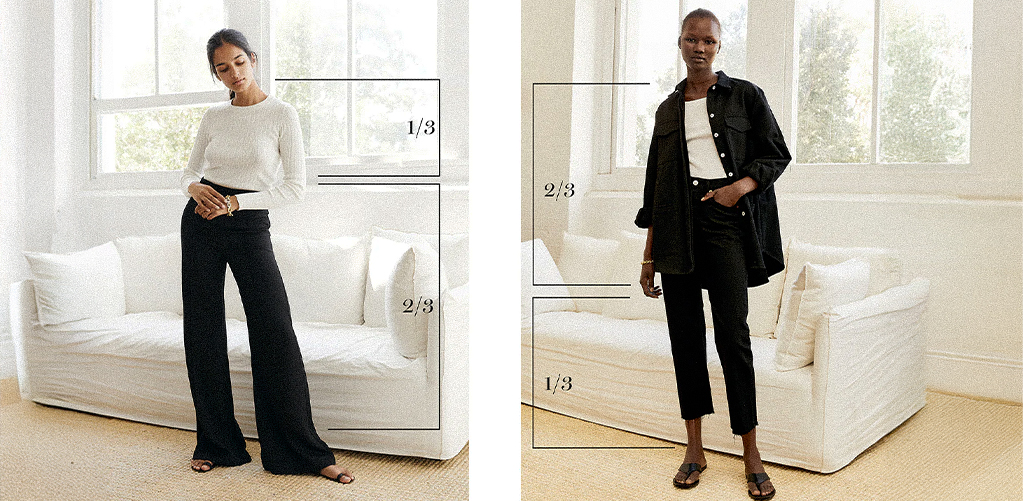
Startups like Aritzia and The Frankie Shop built their viral collections based on this principle, think power-shoulder blazers paired with tailored pants to give a strong Y-silhouette that flatters many body types.
For fashion styling students, understanding these proportions is like learning grammar before writing poetry. Once you get it, you can break the rules beautifully.
The oversized trend is everywhere, from Hailey Bieber’s closet to high-street fashion. But here’s the kicker: not all oversized is flattering unless styled with intention.
Brands like Fear of God and Balenciaga have played with exaggerated volumes but paired them smartly, with skinny bottoms, cropped layers, or cinched waists, to maintain visual balance and avoid looking swallowed.
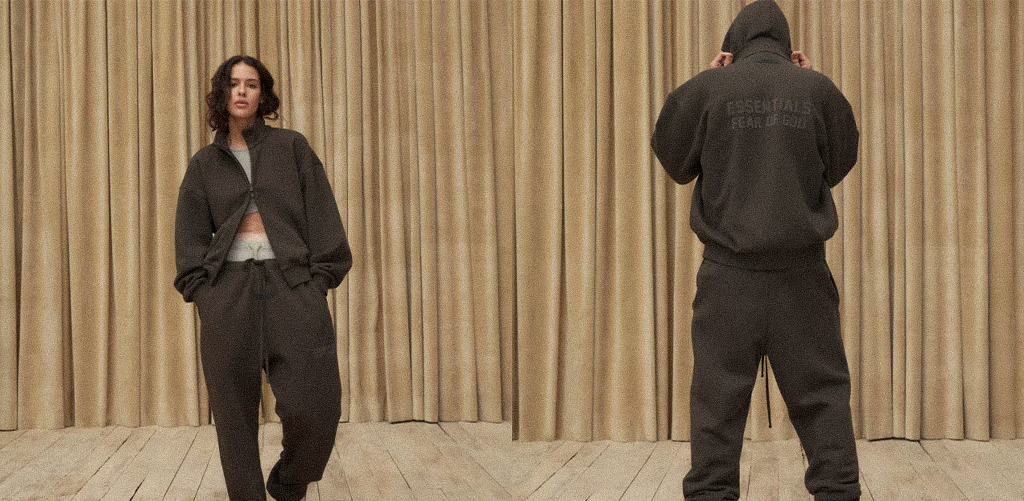
Styling students need to decode this trend through the lens of silhouette and proportion: how to balance a loose fit with structure, or how to add edge without bulk.
One major styling fail? Blindly following trends that don’t flatter your body shape. Oversized is in? Great, but how are you styling it on a petite frame?
This is why fashion proportions and body shape styling are key. Understanding how to highlight the waist, lengthen the legs, or add structure to the shoulders helps you style anyone with confidence.
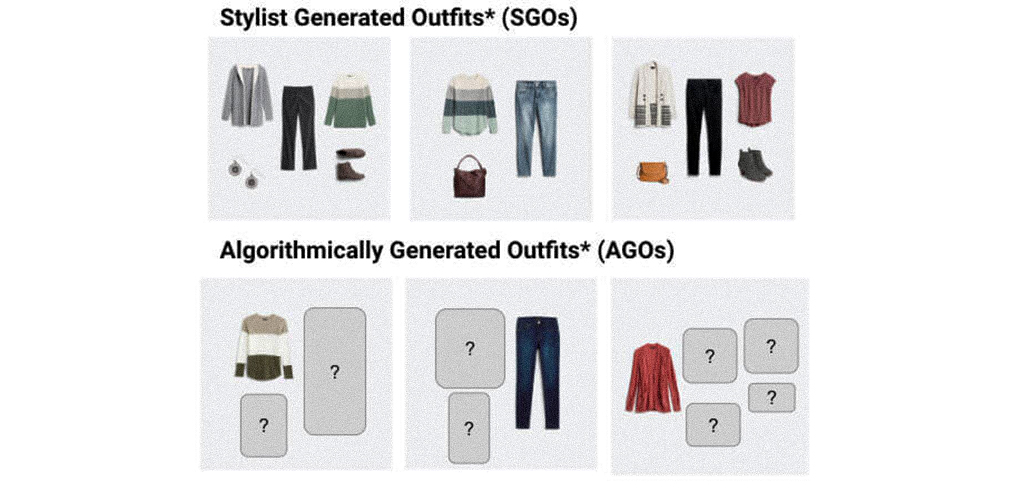
Case in point: Stitch Fix, the fashion tech company, uses AI + stylists to recommend clothes based on body type and preference because personalized proportion = confidence.
Fashion might look spontaneous, but behind the most iconic looks is a deep understanding of structure. Designers and stylists often use structured silhouettes like boxy blazers, tailored trousers, and sharp collars to control the chaos and draw attention to specific parts of the body.
Look at COS (Collection of Style), the Swedish brand has made minimalism mainstream with architectural cuts that are all about perfect proportions and clean lines. Even a simple white shirt feels like a style statement when the silhouette is intentional.

For fashion styling students, this is a crucial lesson as mastering proportion isn’t about trends, but about direction and purpose something that’s built into the practical modules at the JD Institute of Fashion Technology.
Whether you dream of being a celeb stylist, working with brands, or becoming a fashion content creator, understanding silhouette balance and proportion in fashion styling is your entry ticket.
So, next time you style a look, ask yourself, Is it balanced? Is it telling the right story? And if you’re thinking of building a strong styling career from the ground up, why not start at the institute that knows how to blend art, science, and business in one stylish frame? Get behind the seams with JD Institute, and let your fashion journey be as structured, stylish, and sensational as the silhouettes you create.
 Design Blogs
 Watch on youtube


 Downloads

Copyright © 2025 JD Institute of Fashion. All Right Reserved
Designed by




 Quick Menu