
Apply Now

Author Archive

Want Your Designs to Go Viral? Try This One Minimalist Trick

Saturday, July 19th, 2025

Ever noticed how Steve Jobs wore the same black turtleneck every day?

It wasn’t laziness, it was intentional simplicity. Just like Apple’s product design, his wardrobe was a minimalist power move that let his brain focus on what mattered most: innovation. In a world overwhelmed by noise, notifications, neon ads, and a thousand competing brands screaming for attention, simplicity doesn’t just stand out, it wins.

Whether it’s fashion, interiors, or digital experiences, minimal design cuts through the clutter. It’s not boring; it’s bold. And the best part? It works.

First Impressions Are Visual Aid

The human brain processes visuals 60,000 times faster than text. That means your design gets judged before anyone reads a single word. Now imagine giving someone a design cluttered with too many fonts, colors, or patterns, they’re likely to feel overwhelmed.

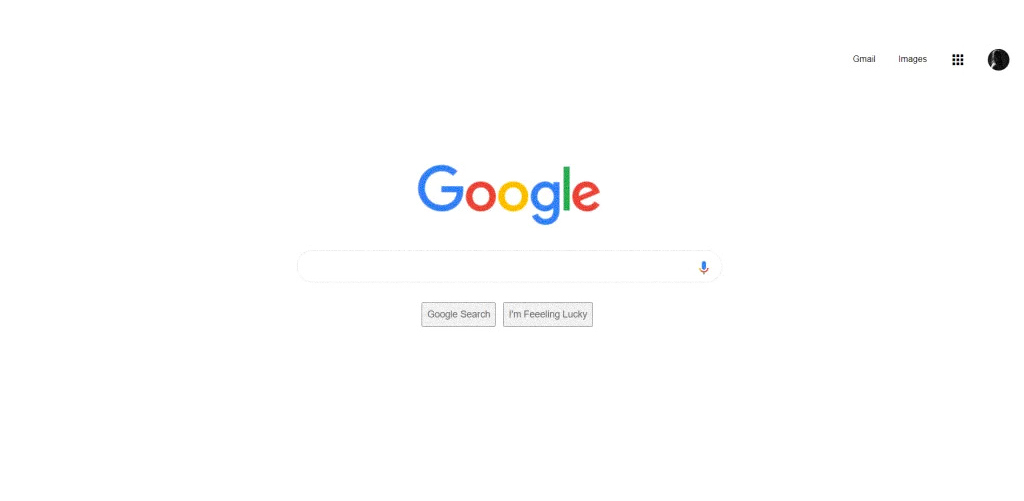
Take Google’s homepage. One logo, one search bar. That’s it. No chaos, no confusion. Just clarity.
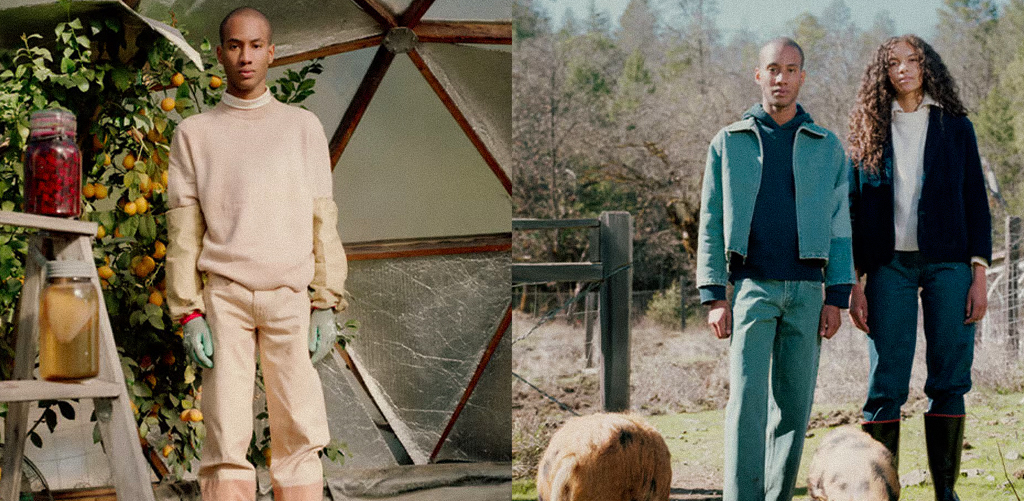
In fashion, think of The Row by Mary-Kate and Ashley Olsen, monochrome tones, structured silhouettes, clean cuts. Their collections never scream, but they always speak.

At JD Institute, this philosophy is taught early on in both fashion and interior programs. Students learn how to translate complexity into elegance, whether it’s creating a modular outfit that serves multiple purposes or designing an interior space where every object has meaning.

Simple Design = Focused Design

When design is clean, the message is clear.

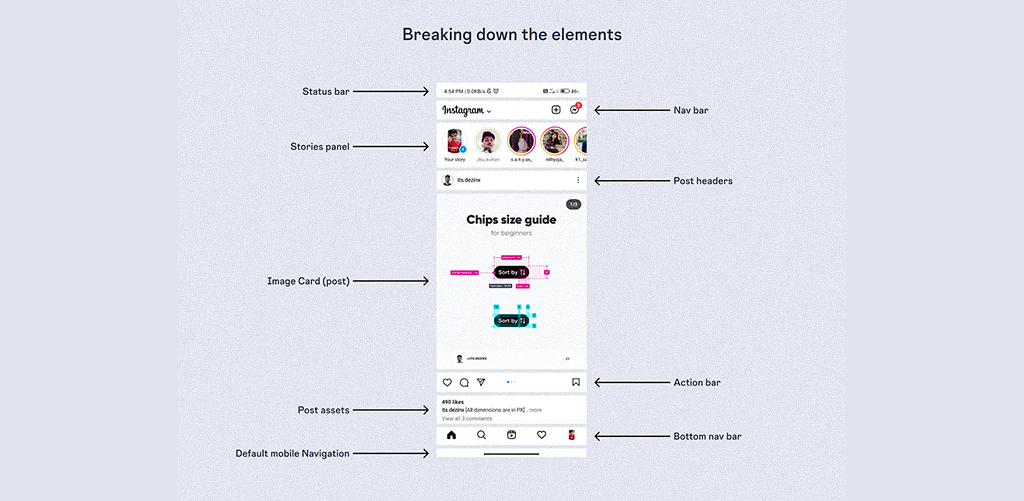
Minimalism helps the user focus on what really matters. This is especially important in UX design, where simplicity drives functionality. Ever used Instagram’s interface? Notice how intuitive it feels? That’s simplicity in UX working its magic.
IKEA’s interiors are another win for visual clarity, scandinavian minimalism that feels modern and livable. Their showrooms are proof that simplicity can still spark joy.

Viral Moments Speaks Clean Designs 

When Zendaya walked the 2024 Met Gala in a flowing, all-white sculptural gown, with zero embellishments, it broke the internet. Why? It was confident, pure, and effortless. Clean design is Instagram gold because it’s instantly shareable and universally appealing.
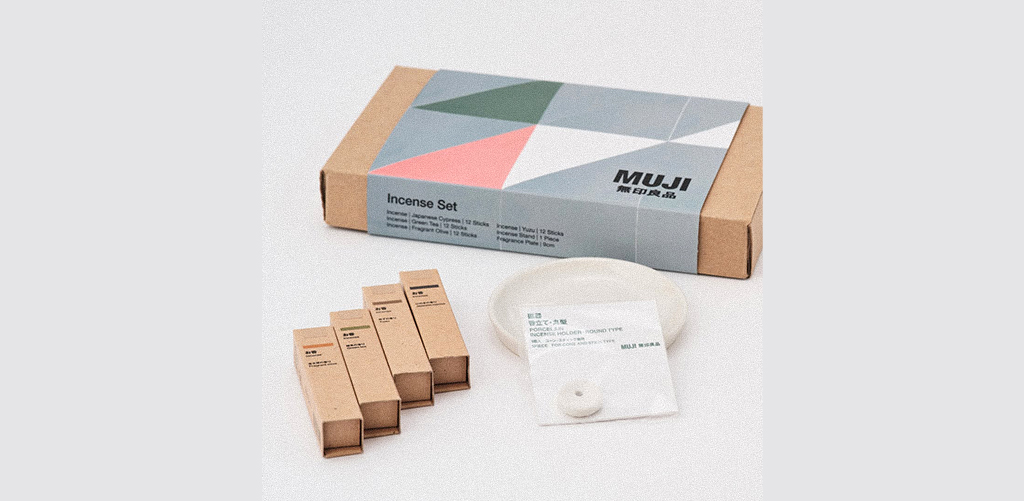
Look at Muji’s packaging, or Apple’s product boxes, white space, one logo, no distractions. This isn’t just branding, it’s a strategy. Viral design often relies on clean aesthetics to grab attention in milliseconds.

Clean Layouts Build Trust

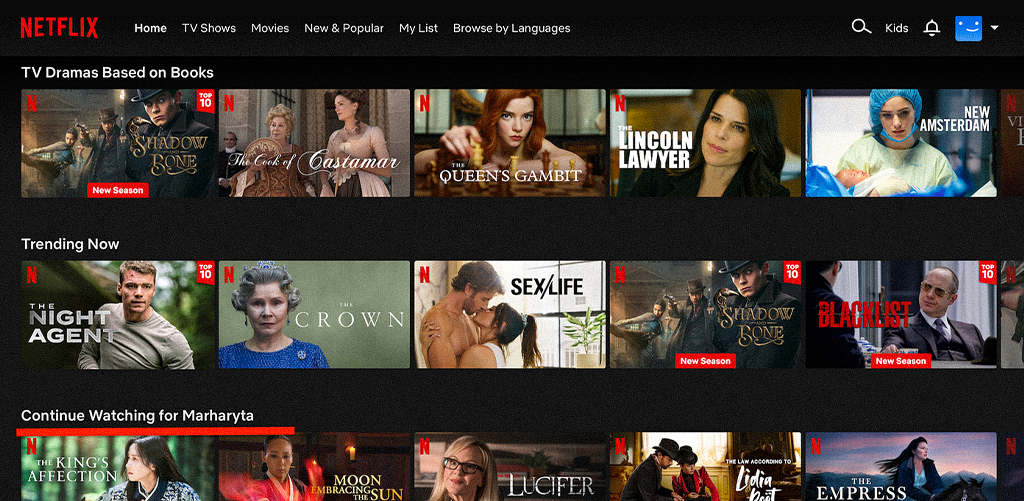
A clean layout signals professionalism, safety, and efficiency. Think about Netflix’s interface: minimal categories, strong visuals, zero fluff. It feels trustworthy.
In fashion branding too, brands like COS and Everlane use muted tones and clear typography. You instantly know they’re about quality and transparency.

At JD Institute, design students are also encouraged to design spaces that aren’t just aesthetic, but also user-conscious. That means layouts that breathe, light that flows, and objects that complement rather than compete. Simplicity becomes a habit, not a trend.

Simple Doesn’t Mean Easy—It Means Intentional

Here’s the twist, creating simple design is actually harder. It requires editing, decision-making, and a deep understanding of user needs.

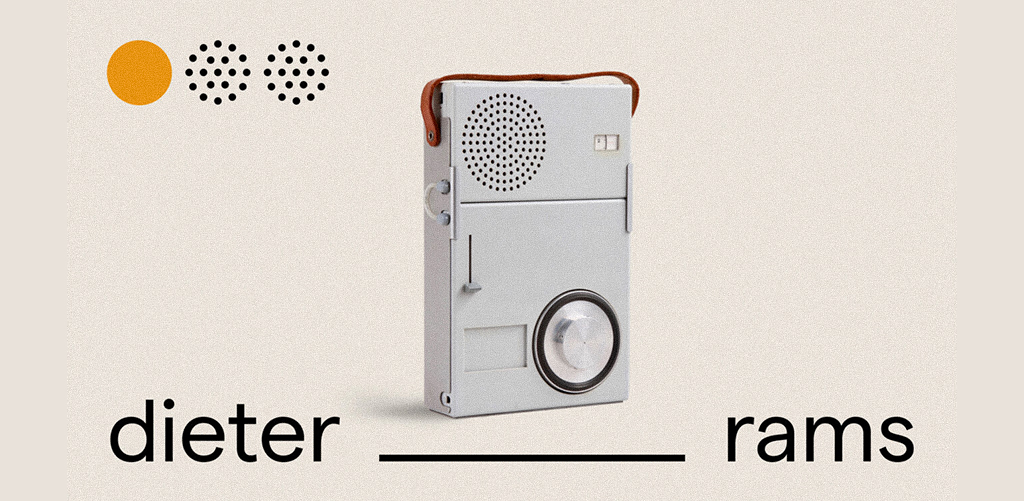
Dieter Rams, legendary designer for Braun, said: Good design is as little design as possible.” But to get to that point, you need to know what to eliminate and why. That’s where true design education comes in.
Whether you’re working on a fashion show lineup, a spatial layout, or a brand identity, visual clarity and user focus are skills that must be learned, practiced, and refined.

Keep It Sleek, Keep It Smart

In this busy world, people don’t have time to figure out your design. They need to feel it instantly.

So next time you sit down to create give your message space to breathe. Let your idea shine without the glitter. Because in the end, simple isn’t less, it’s everything. And if you want to master this art of clarity, confidence, and cool, maybe it’s time to learn where the next generation of minimalists are made, at JD Institute.
If You’re an Aspiring Fashion Stylist, This Is What You Must Know About Film Styling

Friday, July 18th, 2025

Ever heard of the term “character dressing” ? Here’s a quirky fact: the iconic Mean Girls pink-on-Wednesdays rule wasn’t just about fashion, it was a styling trick to visually bond the characters. Yup, what you see on-screen is far more planned than just throwing on clothes. Behind every iconic look in movies and shows, there’s a stylist working hard to tell a story, not with words, but with wardrobes.

So, how do stylists dress actors for movies and shows? Let’s unfold the magic of film costume styling and why every aspiring fashion styling student should pay attention to what happens behind the scenes.

Dressing the Character, Not the Actor

When a stylist works on a film, the mission isn’t to make the actor look trendy, it’s to make them believable in the role. Whether it’s a 1980s rockstar or a 2025 futuristic rebel, the outfit has to align with the character’s world, personality, and journey.

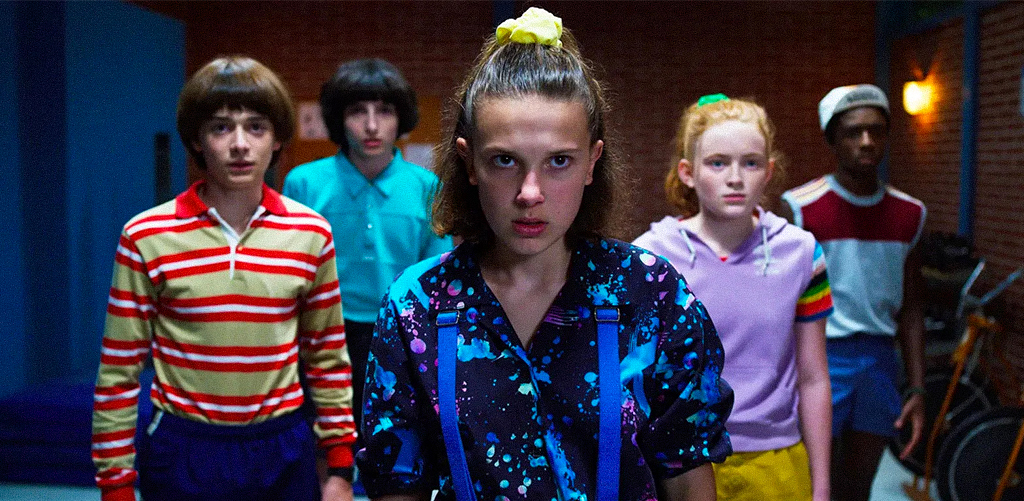
Take Netflix’s Stranger Things for example. The retro vibe wasn’t accidental. Costume designers like Kimberly Adams carefully researched the ‘80s to get the details right from graphic tees to windbreakers. That’s media fashion styling done with precision.

This is where the Fashion Styling course by JD Institute of Fashion Technology steps in. It teaches students how to study characters, scripts, and time periods, turning visual imagination into wearable reality.

The Script Is Their Fashion Bible

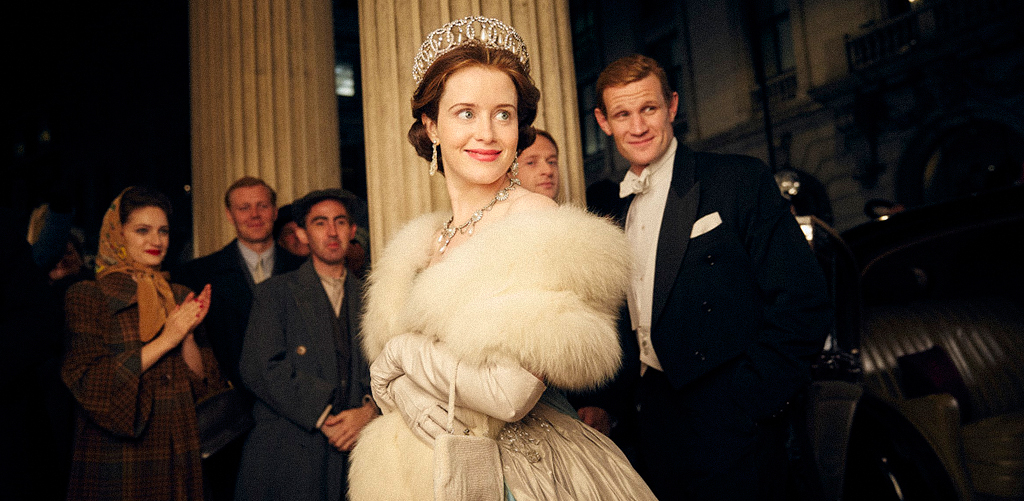
Stylists read the full script before even picking up a hanger. Why? Because every emotion, plot twist, or time jump can affect how a character looks. Think of how Elizabeth Debicki’s styling changes as Princess Diana in The Crown, from young royal to independent icon, her outfits reflect her emotional journey.

Stylists work hand-in-hand with directors, production designers, and sometimes even actors, to get the look right. They’re not just stylists, they’re silent storytellers.

The Power of Accessories

Ever noticed how some characters always wear a specific necklace or watch? These little details are subtle but powerful. In Breaking Bad, Walter White’s transformation from chemistry teacher to drug kingpin wasn’t just about his bald head, but it was also about the darkening color palette of his wardrobe.

This is where fashion for film characters becomes deeply psychological. A stylist understands how colors, fits, and even textures tell the audience what’s going on, without a single word being spoken.

Real-World Startups Styling for Screens

While big productions have in-house stylists, some rising startups have changed the styling game:

  • The Lookbook – A startup that provides curated looks for TV ads and web series, especially for new-age OTT platforms.
  • Wardrobe Inc. – Works with indie filmmakers to create budget-friendly but character-accurate wardrobes.
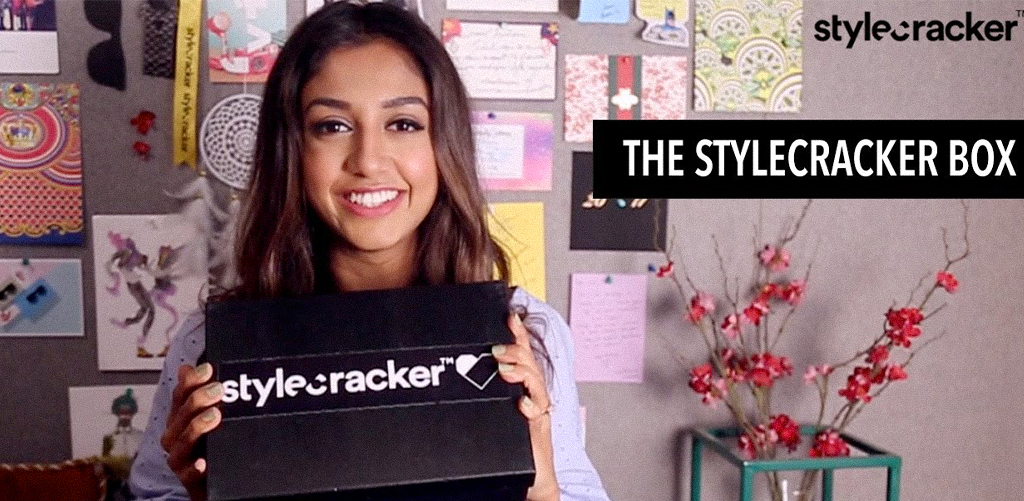
  • StyleCracker Studio – Originally a personal styling platform, now also styles for short films and branded content shoots.

These modern players prove that film costume styling isn’t just glamorous, it’s also strategic, budget-conscious, and tech-savvy.

Why Fashion Styling Students Must Know This Stuff

If you dream of working in fashion but also love cinema or web series, then film styling is your sweet spot. It’s not just about red carpet looks, it’s about translating emotions into fashion. Aspiring stylists must learn:

  • How to read and decode scripts for wardrobe decisions
  • How to style for camera angles, lighting, and movement
  • How to work under tight deadlines with directors and production teams

These aren’t just nice-to-haves, they’re survival skills in today’s booming media industry.

Curtain call

Remember, every cape, coat, and corset you see on-screen has a storyteller behind it. If you’re a fashion styling student, or just someone who loves cinema and fashion, this world is where both passions collide, and your styling journey doesn’t start with a runway, it begins with a script. Let JD Institute hand you the spotlight.

What Every Event Planner Should Know About Audience Psychology

Friday, July 18th, 2025

People often decide how they feel at an event before the event even begins. No speeches, no performances, just vibes.

Whether it’s a product launch, fashion show, wedding, or art fest, the colors you pick, the music playing in the background, and the way you set up your space are already speaking to your audience. That’s where event psychology comes in.

This is exactly the kind of cool, behind-the-scenes stuff you learn in the Global Event Management course by JD Institute of Fashion Technology, how to design events that feel right, not just look right.

Color Speaks Louder Than Decor

You may think you’re picking colors just because they match your theme, but guess what? Colors play a big role in how people feel at your event. Red adds energy. Blue makes people feel calm. Yellow sparks creativity. Dark colors can feel serious, while pastels feel open and fun.

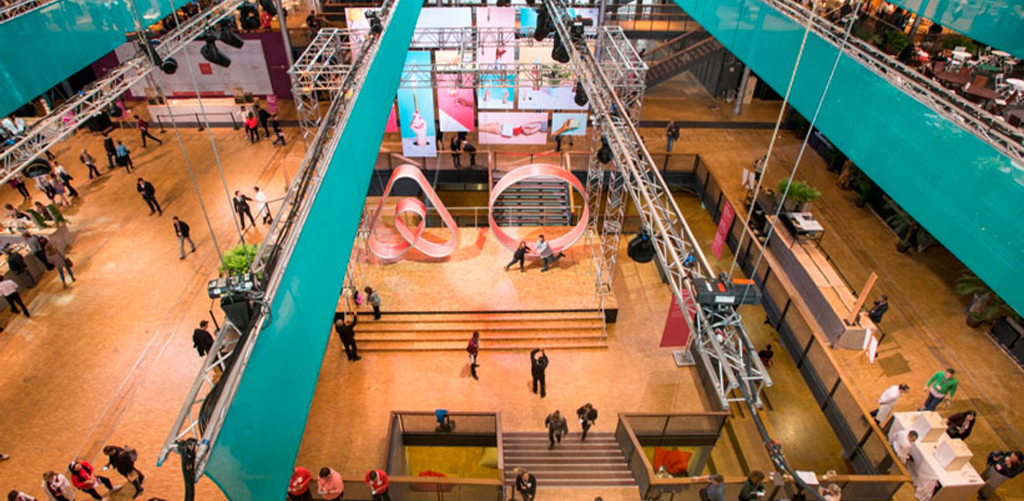
Airbnb’s Open event is a great example. They used soft blues and greens to make people feel relaxed, welcome, and connected, just like how they want you to feel when using their app.

So, if you want people to mingle, go for warm tones. If your event is about elegance or art, think cooler shades or deep purples. It’s all about the psychology in events, colors speak a language your guests understand without words.

Music Sets the Mood Instantly

Have you ever walked into a room with soft jazz and just felt chill? That’s music doing its job. It sets the tone fast.

Music helps guide people through an event without them realizing it. If you’re throwing a networking event, keep it mellow so people can talk. If it’s a fashion runway, use something bold and dramatic.

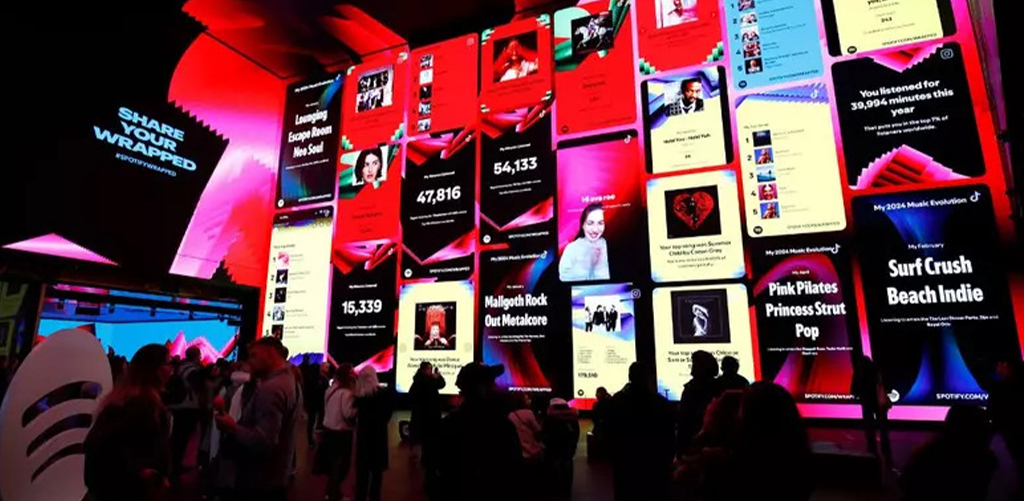
Spotify’s Wrapped Live event did this really well. They used different music styles for different areas, relaxing beats for lounges, upbeat tracks for high-energy spaces. It made people feel like they were moving through a story.

That’s event experience design at its best. And yes, it’s something event managers learn to plan, not just DJs.

Layouts Tell People Where to Look and How to Act

It’s not just about “where should we put the chairs?”, it’s about how the space makes people feel and move.

Think about it:

  • Chairs in rows? People expect to sit and listen.
  • Circular tables? Time to chat and share.
  • Open spaces with couches? Super chill, relaxed vibes.

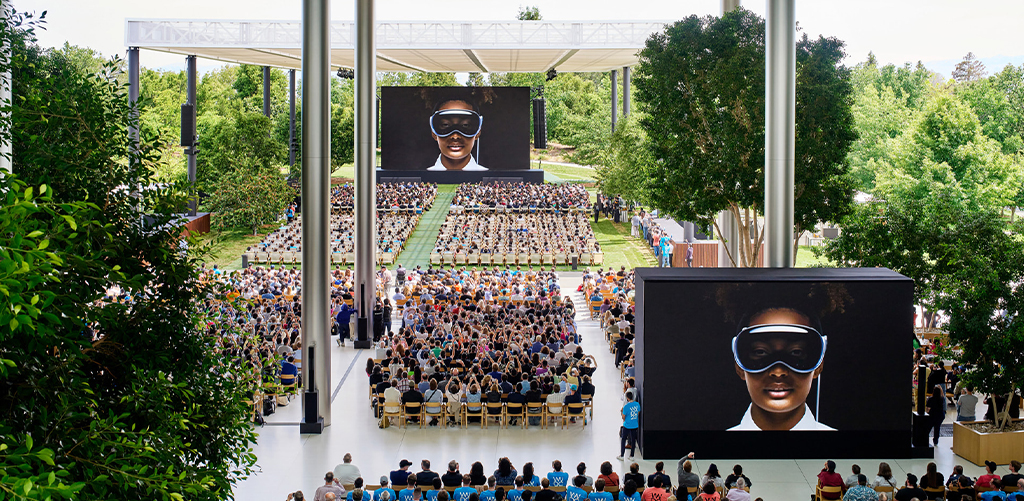
Apple’s WWDC (Worldwide Developers Conference) nails this. They use clean layouts that guide people smoothly from talk to product demo. It feels organized and welcoming at the same time.

That’s why in the JD Institute’s Global Event Management course, students don’t just plan events, they design how people move, interact, and feel in a space.

Sensory Planning = Higher Emotional Impact

Want your event to really stick in people’s minds? Think beyond just what they see.

Use smell, sound, lighting, and even touch to create a full experience.

  • Scented candles in a wellness event? Yes.
  • Smooth textures on display tables? Love it.
  • Warm lighting at a cozy dinner? Always.

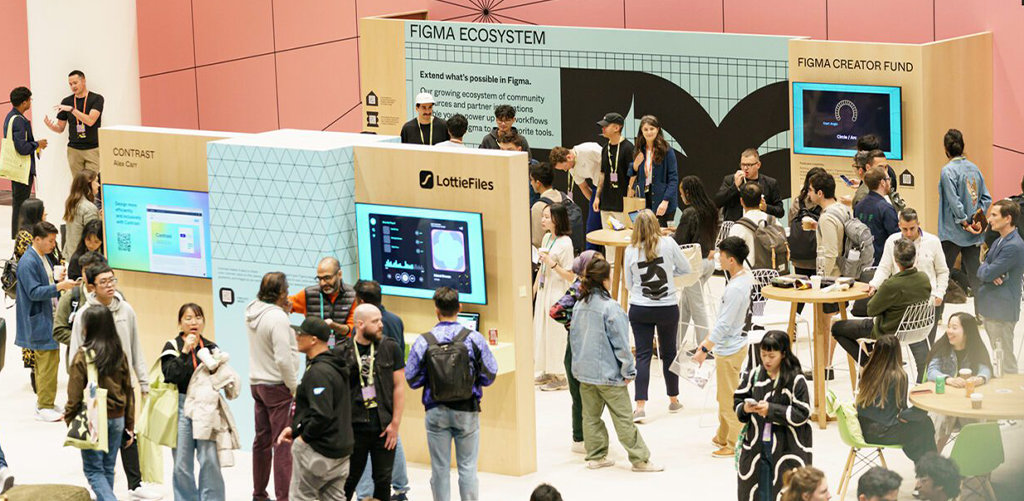
Figma’s user events use this kind of sensory planning to make people feel immersed. They design every tiny detail so that nothing feels random.

It’s these little touches that boost the audience response. When all senses are in sync, the event feels memorable and even magical.

Create Vibes That Speak Louder Than Words

If you want to be the kind of designer or event planner who creates goosebumps, you need more than a checklist. You need to understand why people feel what they feel.

And that’s where event experience design shines.

So, next time you walk into an event, ask yourself: “How does this place make me feel?” Then flip the script and imagine how your own event could speak through color, sound, and space. And if you’re serious about getting it right? Let JD Institute help you become the vibe creator you’re meant to be.

Animation Choices Every Communication Designer Must Make

Thursday, July 17th, 2025

“Mickey Mouse doesn’t sell your product, but he sure inspired the idea.”
Though strange to hear, a quirky mouse in red shorts taught us more than just fun. He taught us that stories, no matter how simple, can be told through moving lines and clever expressions. But today, businesses need explainer videos to explain ideas, launch products, or pitch to investors, not cartoons.

That brings us to the question many students of communication design ask, what’s really the difference between cartoon animations and explainer videos? And more importantly, what can you learn from both as a designer-in-the-making?

Let’s unpack this, in full color, motion, and style.

Story vs. Strategy: Who’s Telling What?

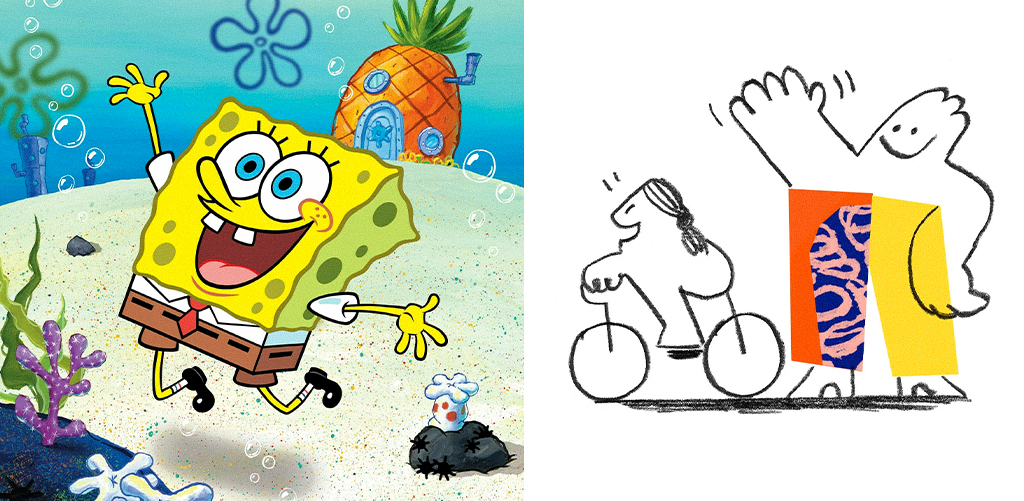
  • Cartoon Animation: Think childhood. Think SpongeBob, Tom & Jerry, or Avatar: The Last Airbender. Cartoon animations are emotion-first, world-building visuals where characters drive the plot. They’re about character development, adventure, humor, or drama.
  • Explainer Videos: These are strategy-packed. Think startups like Slack or Dropbox, they’ve used animated explainers to show how their products work. These videos simplify complex ideas into clear messages using clean visuals, text, and voiceovers.

Key takeaway for students: It’s not just about drawing pretty things. It’s about knowing your purpose. Cartoon animations tell stories, while explainer videos solve problems.

2D, 3D, Motion Graphics — Which One’s Who?

  • Cartoon Animations (2D & 3D):
    • Classic cartoon style is mostly 2D animation, hand-drawn or digitally created.
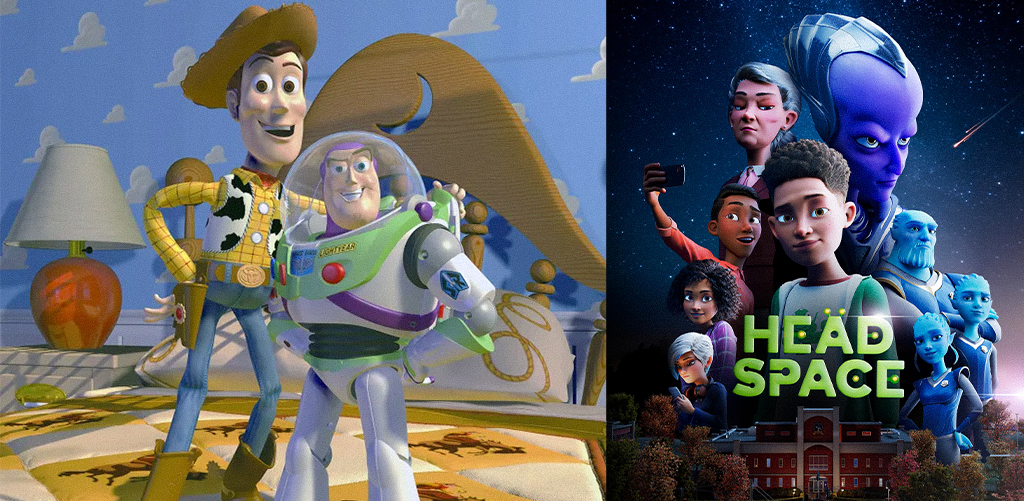
    • 3D cartoons like Toy Story or Frozen use depth, lighting, and realism.
    • Studios like Pixar and DreamWorks have made careers out of 3D storytelling.
  • Explainer Videos (Motion Graphics):
    • These lean heavily on motion graphics, abstract shapes, icons, infographics that move.
    • Great example? Headspace’s animated explainers that teach mindfulness using simple forms and voiceovers.
    • Often created using tools like After Effects and Blender with shorter timelines.

Design insight: Animation style must fit function. JD Institute’s Communication Design course helps students explore all three formats, teaching which style works where, a vital skill in today’s competitive design jobs.

Length, Tone & Target

  • Cartoon Animations:
    • Usually longer (episodes, shorts, or films)
    • Focused on entertainment, emotion, character arcs
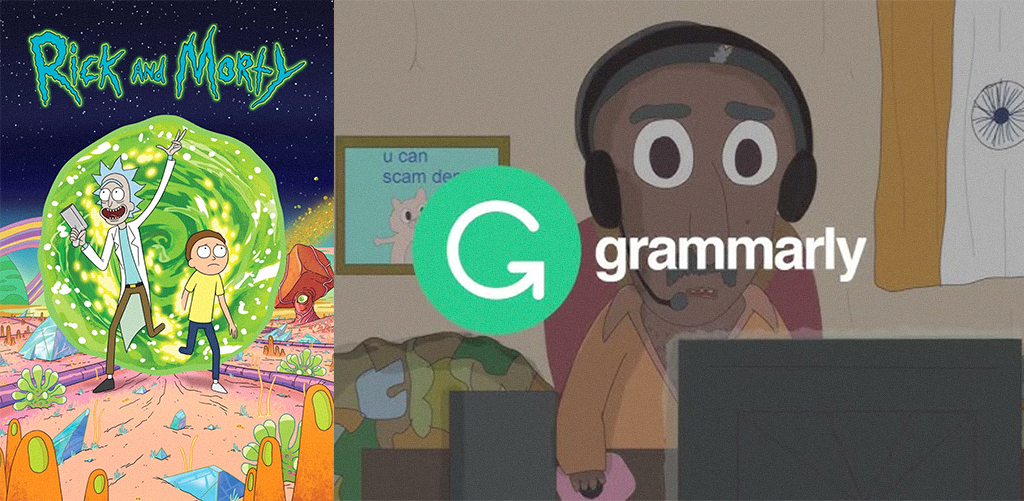
    • Target: Kids, families, or fans of animated storytelling (but not always, just ask Rick & Morty fans)
  • Explainer Videos:
    • Super short (60-120 seconds max)
    • Informational, professional, and often sales-driven
    • Target: Clients, investors, internal teams, or customers

Take Grammarly’s motion-graphic explainers, they show how to use a tool without boring you to death. That’s smart design with business intent.

The Designer’s Toolkit

  • Cartoon Animations:
    • Tools: Toon Boom, TVPaint, Adobe Animate, Blender (for 3D)
    • Skills: Character rigging, lip sync, environment design, storyboarding
  • Explainer Videos:
    • Tools: After Effects, Premiere Pro, Illustrator, Canva Pro
    • Skills: Typography animation, infographic design, timing voiceovers, using brand colors

Startups like HubSpot and Trello thrive on animated content that’s on-brand, fast, and polish, and designers who can deliver that are always in demand.

Pro tip: Don’t just learn one software. Be versatile. Animation is about adaptability, and communication design students need to understand how to marry visuals with voice, logic with style.

Creative Freedom vs. Communication Goals

  • Cartoon Animators have more artistic freedom, they build worlds from scratch. You can create a flying jellyfish army or a talking rock band if you want.
  • Explainer Video Designers have boundaries, the product is the hero, not the animator. The visuals serve the message.

For instance, Notion’s explainer videos are minimal and sleek, nothing distracts from the message. That’s by design.

Key Insight: Constraints are part of creativity. Communication Design at JD Institute equips students to work both within and beyond these limits, preparing them for everything from ad agencies to indie studios.

Last Frame Before You Go

Whether you’re dreaming of Pixar or pitching for a SaaS startup, one truth remains, the future belongs to the creators who know why something moves on screen, not just how. Want to design for cartoons and campaigns? Make your next smart move. Start with JD Institute, and bring stories to life, from doodles to deliverables.

A Must-Read on Color Drenching for Interior Stylists

Thursday, July 17th, 2025

“Beige is safe. But safe doesn’t spark joy.” – That’s what one homeowner said on TikTok before transforming her entire apartment in six different shades of coral. Sounds crazy? Maybe. But this trend has a name, and the internet can’t stop obsessing over it, color drenching.

So, what is color drenching, why is everyone talking about it, and more importantly, should you try it too?
Let’s break it down.

What Is Color Drenching and Why Is It Trending?

Color drenching means choosing one single color and applying it on everything in a room, walls, ceilings, doors, trims, even furniture. The result? A powerful and stylish look that makes a big visual impact.

This trend is huge in the paint trends 2025 list. Designers love it because it creates a rich, immersive environment that is perfect for storytelling, cozy vibes, and bold spaces.

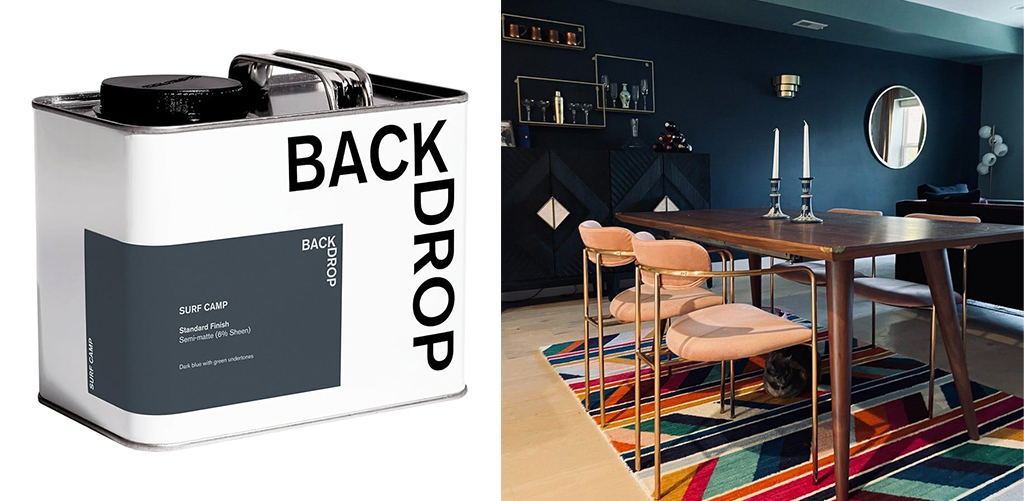
Example: Interior brand Backdrop is famous for creating entire spaces drenched in bold colors like “Surf Camp” (a deep blue) or “Ghost Ranch” (a burnt orange). Their rooms feel like art, bold but balanced.

It Changes Mood and Space Feel

Different colors can change how a room feels, calmer, brighter, warmer, or more focused. And when a single color wraps the whole space, it feels complete and emotionally powerful.

This emotional design is important in modern interiors.

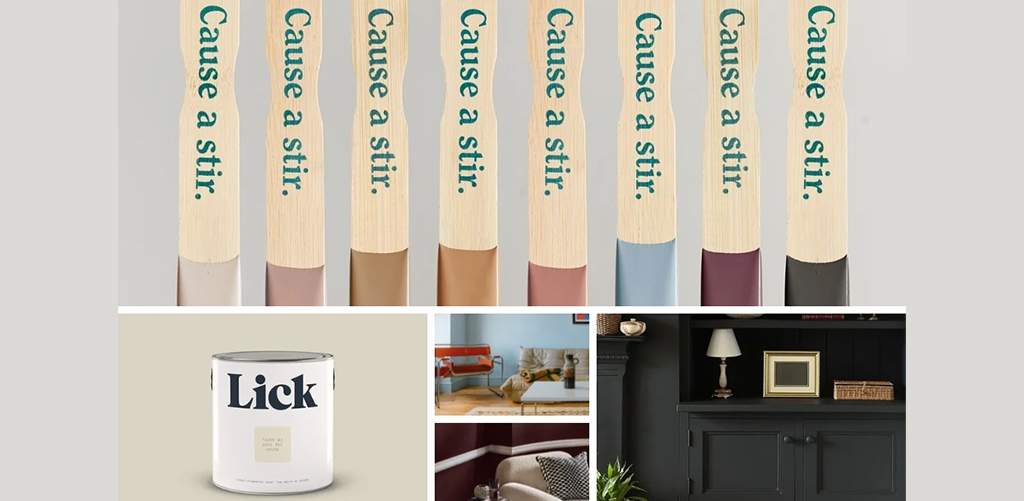
Example: Paint startup Lick offers color palettes based on how you want to feel, be it relaxed, creative, or energized. Many of their customers use color drenching to build a mood-driven space that tells a story.

Interior Design students at JD Institute learn how to mix creativity with psychology. They’re taught how colors affect human behavior, and that it is one of the essential skill when working with clients.

Interior Designers Need to Learn It

Color drenching isn’t just a social media trend. It’s becoming a regular request in client projects. Interior designers who know how to use bold walls smartly will definitely stand out.

And it’s not just about color. It’s about lighting, finishes, layering textures, and knowing how to balance boldness with beauty.

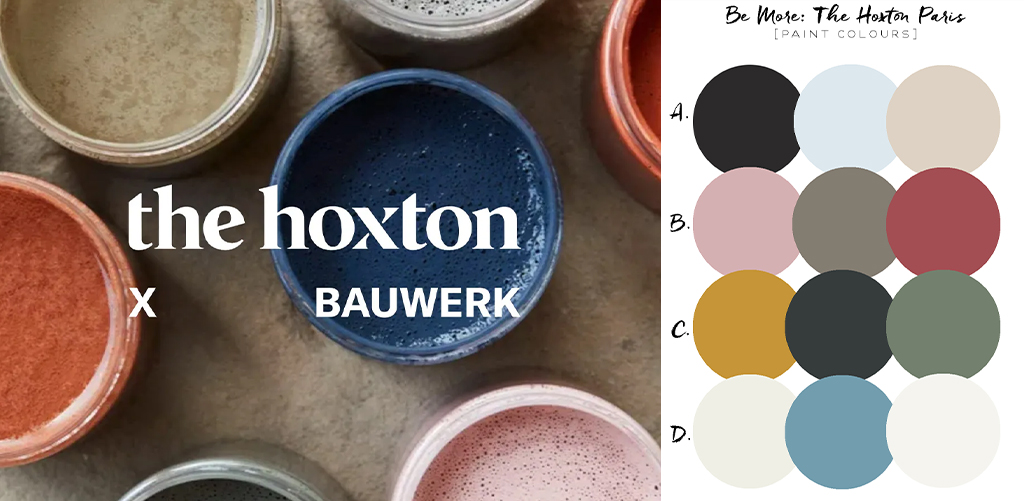
Real-life example: Boutique hotels like The Hoxton are using bold, color-drenched rooms to create unique, Instagrammable interiors that guests remember. Designers who understand these concepts have a creative edge in hospitality projects.

Bold Walls = Big Statements

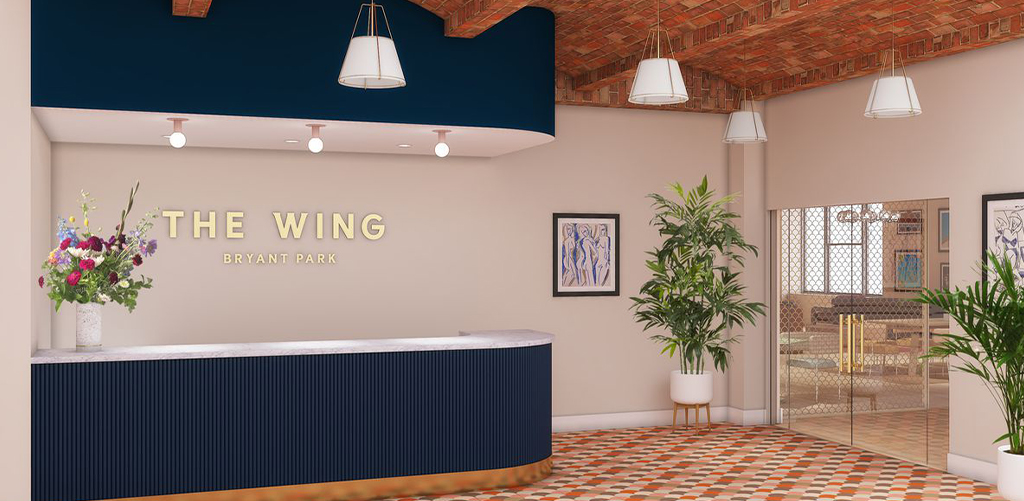
Color drenching doesn’t just look good on Pinterest. It’s making waves in real homes, commercial spaces, and cafes. Think of The Wing coworking spaces, every room a monochromatic dream, designed to make a statement and stick in your memory.

Why does it work? Because bold walls don’t whisper. They speak. And in a world fighting for attention, that’s exactly what good design does.

Interior students should absolutely understand how to use this visual boldness effectively, especially as clients crave more personality and less minimalism. Learning how to handle color with confidence can set a designer apart in this growing, competitive space.

Where to Start If You’re New to Color Drenching

If you’re unsure about using bold walls or full-color rooms, start small. Try it in low-traffic or personal spaces.

  • Start with a powder room or reading nook
  • Use darker shades for cozy spaces, or bright ones for energy
  • Add matching accessories (lamps, rugs, furniture) to complete the look

Example: A home office painted entirely in navy blue with matching shelves and curtains can boost focus and feel ultra-stylish. Many interior bloggers and micro-influencers have used this idea to go viral.

Learn the Rules, Then Break Them in Style

Color drenching is more than a paint trend, it’s a rebellion against boring spaces. And it’s here to stay.

So, if you’re an aspiring Interior Designer, this is your moment to dive into boldness. Learn how to speak with color, not just decorate with it. And if you’re serious about making your mark in the design world? JD Institute is the place where color, creativity, and career collide.

Why Bookstores Should Be The New Inspiration for Aspiring Visual Merchandisers

Thursday, July 17th, 2025

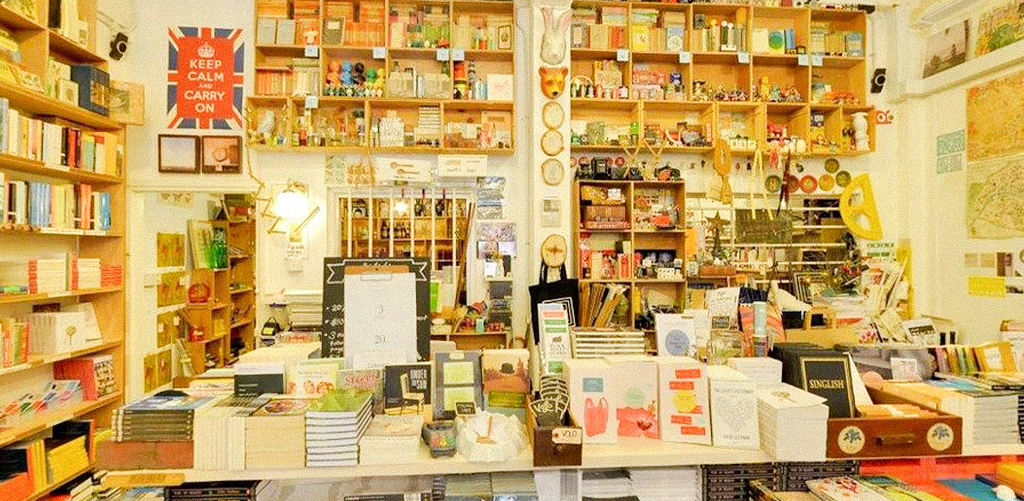
Gone are the dusty corners and dim aisles. Today, bookstores are competing with Instagram feeds, TikTok trends, and cafe culture.

No, you’re not dreaming. This is exactly how bookstores are being redesigned in 2025. Today, it’s all about interactive retail, creative displays, and turning book-buying into an unforgettable experience. And guess who’s behind all this magic? Visual merchandisers.

If you’re someone who loves styling spaces and telling stories without words, this transformation is something you must explore. The Visual Merchandising course at JD Institute is where design enthusiasts like you learn how to turn even a quiet bookstore into a visual wonderland.

Bookstores Are Now Storytelling Spaces

Bookstores aren’t just about shelves and books anymore, they’re turning into emotional spaces that tell a visual story.

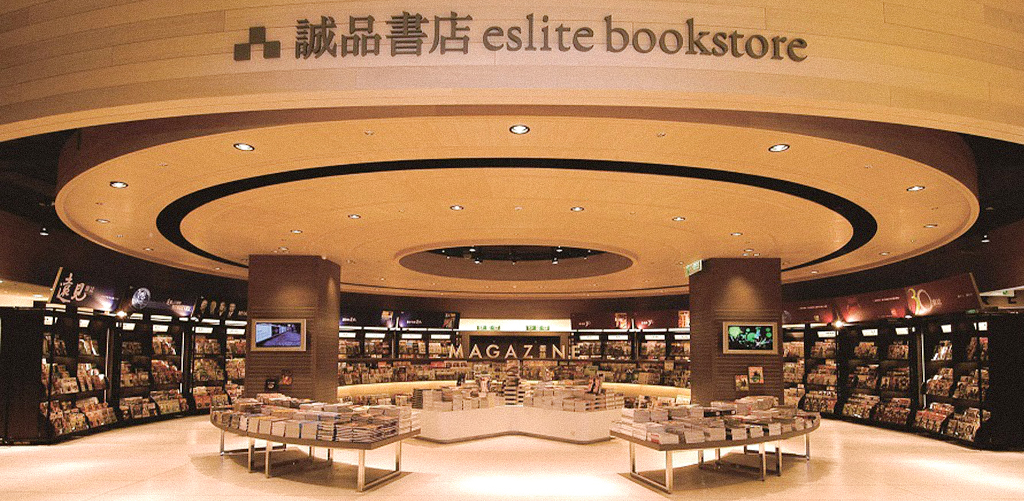
Example: Eslite Bookstore, Taiwan
This iconic store takes you on a journey with every step. The lighting, the colors, the arrangement, everything is designed to make you feel like you’re inside a living story. Fiction has darker tones and moody lighting, while children’s books are in bright, playful corners.

This is a perfect example of bookstore design done right. As a visual merchandiser, you’ll need to understand how space and mood connect, something that’s taught deeply in the JD Institute’s Visual Merchandising curriculum.

The World of Interactive Retail

Book-buying in 2025 isn’t just about flipping pages, it’s about interacting with them.

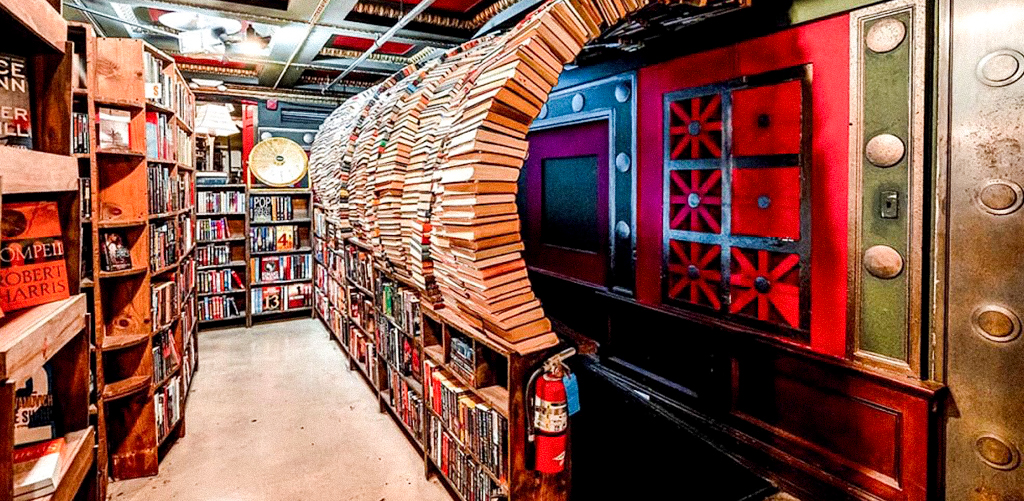
Example: The Last Bookstore, Los Angeles
This place is famous for its book tunnel, but it also has interactive walls, art corners, and displays where visitors can take part in creative experiences. It’s part bookstore, part art installation.

Interactive retail is the future, and visual merchandisers are at the center of this change. If you want to learn how to combine technology, design, and storytelling, JD Institute shows you how to make it all work together beautifully.

Cozy Displays Are Driving Bookstore Vibes

People don’t just want to buy a book, they want to stay and feel relaxed. That’s why cozy displays are trending everywhere.

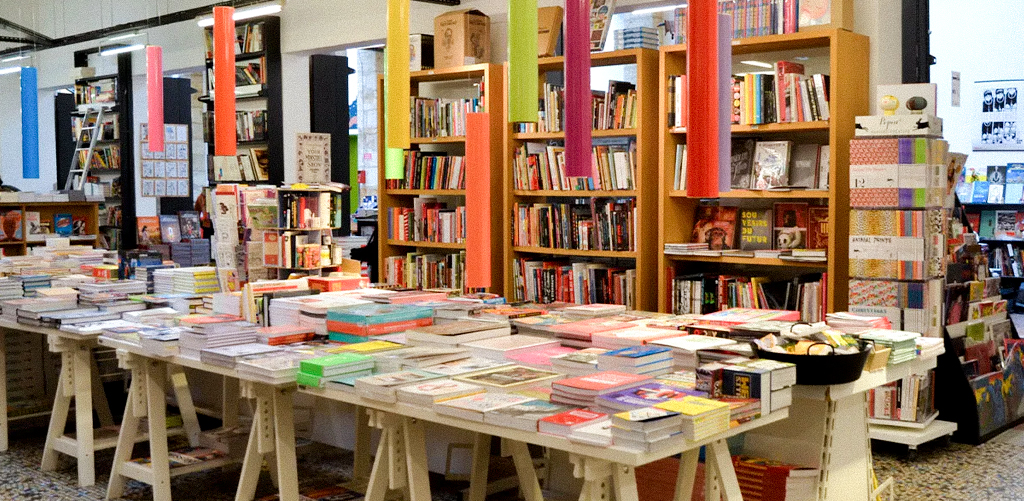
Example: Librairie Mollat, France
This bookstore became famous for its unique photo concepts, but what really makes people come back is the warm ambiance. With cozy lights, clever display corners, and seating areas, it feels more like a living room than a retail space.

For students interested in bookstore design and visual merchandising, understanding how to create comfort through layout, light, and color is a must.

The Power of Collaboration

Modern bookstores are getting more creative with how they sell. It’s not just books, it’s curated products, limited-edition art, and author-themed merchandise.

Example: BooksActually, Singapore
This indie bookstore blends local literature with quirky products like candles, postcards, and poetry zines. Everything is styled to complement the books, not distract from them.

This kind of clever visual merchandising boosts both sales and storytelling. If you dream of designing spaces that make people feel, not just shop, learning this art can be your next step forward.

Cafe Corners and Creative Vibes Are In

The biggest bookstore trend? Turning shops into creative hangout spots. With reading cafes, art zones, and weekend workshops, bookstores are now lifestyle hubs.

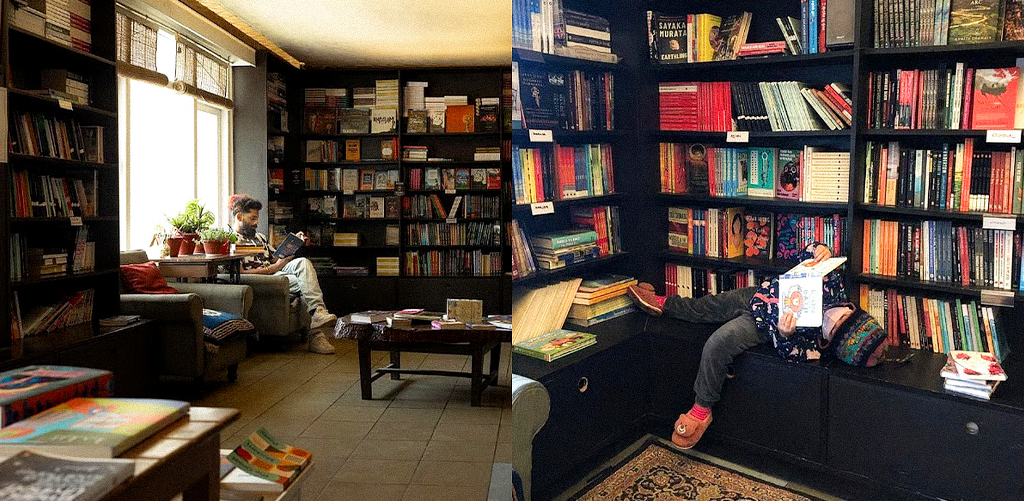
Example: Rachna Books, Sikkim (India)
This charming local bookstore offers more than just books. Visitors can grab a coffee, read by the window, and even attend poetry readings or art exhibits. It’s all about building a community vibe.

Visual merchandisers are essential to creating this atmosphere. From choosing materials to designing multifunctional corners, you must learn how to create mood-driven spaces.

Design the Next Favorite Reading Spot, Why Not Yours?

Think of it this way, someone has to design the bookstore everyone loves hanging out in. Someone has to plan the cozy corners, the lighting, the display flow, and create a vibe that makes people want to stay. That someone could be you.

So if you’re dreaming of a creative career that blends storytelling, space, and style, start where the future is headed. Learn the skills, master the tools, and design the world one space at a time. JD Institute is where that journey begins.

JD Institute Students Volunteer at IFJAS 2025 with Studio Shikha Malik

Monday, July 14th, 2025

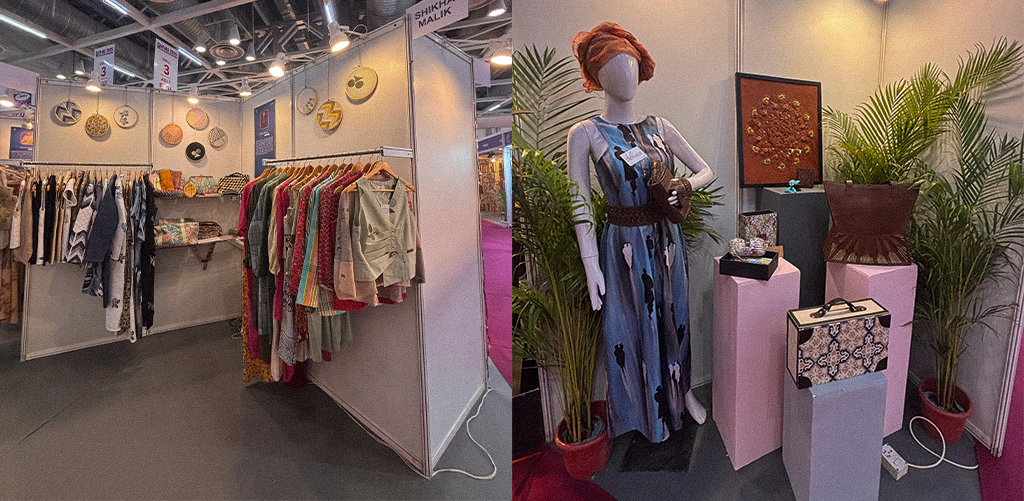
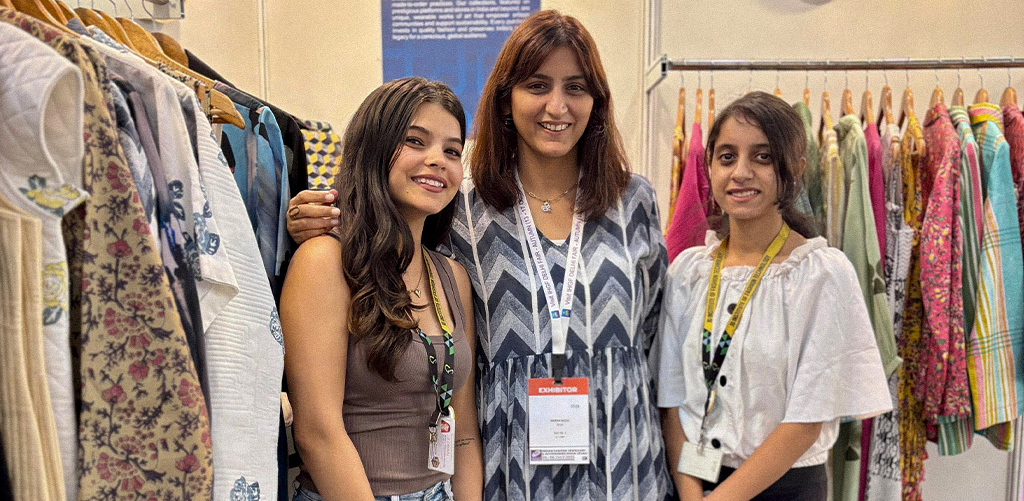
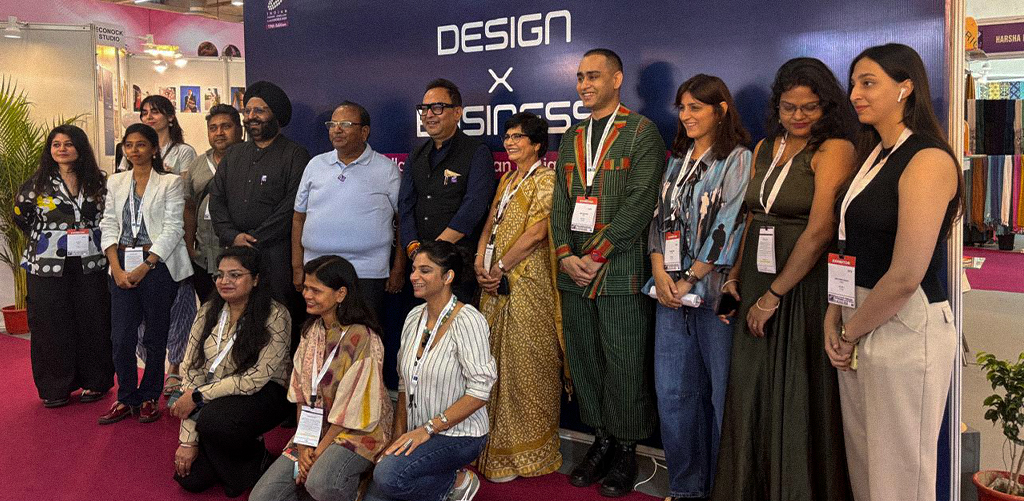
Imagine learning about fashion not from slideshows or textbooks, but by standing beside a designer, welcoming international buyers, and curating a real-time booth at one of India’s most prestigious fashion trade fairs. That’s exactly what happened when students from JD Institute stepped into the vibrant world of Studio Shikha Malik at the Indian Fashion Jewellery & Accessories Show (IFJAS) 2025, held from 4th to 6th July at the India Expo Centre & Mart, Greater Noida.

It was the 19th edition of IFJAS, a dynamic sourcing fair that brought together handcrafted excellence from across India and global fashion buyers under one roof. For students, it became a three-day crash course in the export fashion industry, and a chance to experience the pulse of professional fashion like never before.

A Booth That Became a Classroom

At the heart of the experience was Studio Shikha Malik, a designer brand renowned for fusing traditional Indian textiles with contemporary aesthetics. Led by Ms. Shikha Malik herself, the brand’s presence at IFJAS wasn’t just about showcasing products, it became a live, working classroom for the student volunteers.

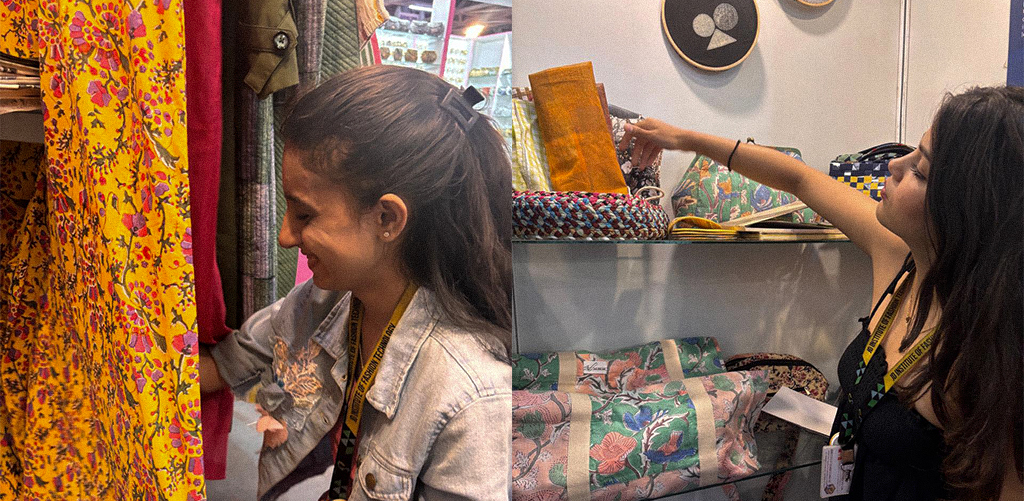
From day one, the students got their hands busy setting up the booth. They didn’t just decorate; they visualized, arranged, and merchandised with purpose, ensuring every product spoke a story. Whether it was a handcrafted accessory or a delicate stole, each item had to capture the eye of discerning international buyers. It was here that students understood how visual presentation plays a key role in attracting attention in a bustling, competitive space.

More Than Just Standing Around

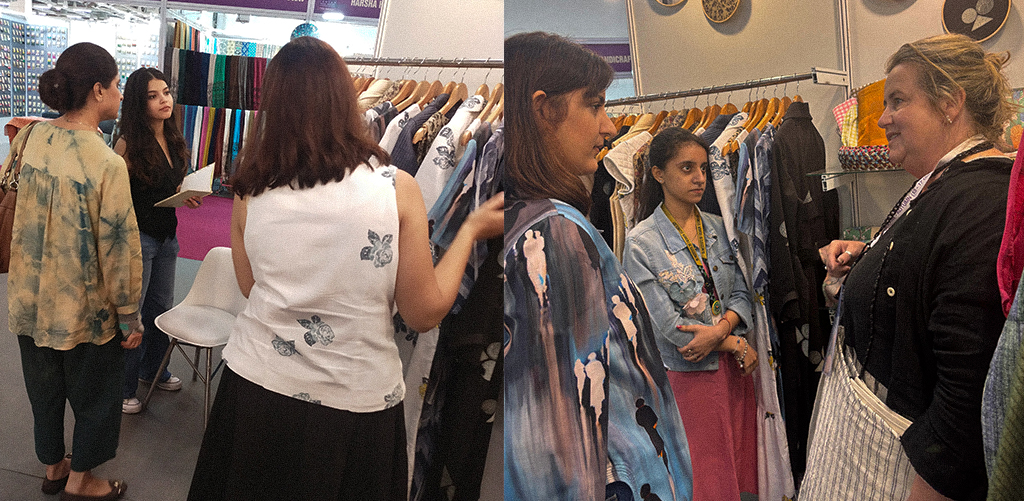
These weren’t passive volunteers. The students actively engaged with visiting buyers, taking notes, answering queries, and even helping coordinate conversations between designers and clients. They observed closely how products were introduced, how pricing discussions unfolded, and how every small detail, packaging, material explanation, cultural storytelling, added weight to the brand narrative.

The fast-paced environment of the trade fair also gave them exposure to export market dynamics. From catalog browsing to buyer preferences, the students soaked in real-world lessons in merchandising, trend curation, and international communication, things no classroom could fully replicate.

Learning from a Leader

One of the most impactful parts of the experience was being mentored directly by Ms. Shikha Malik, the founder and creative force behind her label. Known for her mastery in Indian handcrafted textiles, Ms. Malik took time to guide the students, offering insider knowledge about designing for export markets, handling client expectations, and the strategic thinking behind each collection.

For budding designers, it was like peeking into the playbook of a seasoned professional, something that will undoubtedly shape how they approach their future in fashion.

From Insight to Impact

By the end of the three days, these students had gained more than just experience, they had transformed. With fresh confidence, refined communication skills, and a deeper understanding of the global fashion trade, they left the event with a Certificate of Appreciation in hand, but far more value in their minds.

They now understand the behind-the-scenes hustle that makes a fashion business tick on an international scale, what it really takes to turn handcrafted Indian fashion into globally desired design.

Not Just a Moment—A Mindset Shift

This experience at IFJAS wasn’t just a three-day task, it was a turning point. It taught the students that fashion isn’t just about designing; it’s about understanding the buyer’s eye, the market’s language, and the power of authentic storytelling through product.

For those who dream of making their mark in global fashion, moments like these are stepping stones to becoming professionals who don’t just follow trends, but create them.

Let Fashion Be Your Passport

If you’re a student of design, don’t wait for opportunities to land in your lap, walk into them. Events like IFJAS aren’t just exhibitions; they’re global arenas where learning becomes living. So next time a chance arises to step out of the classroom and into the world, grab it. You never know how many borders your creativity can cross.

Sewing Skills Are Still Relevant: Here’s Why Every Designer Should Learn Them

Monday, July 14th, 2025

“Did you know the world’s first sewing machine patent was filed before sliced bread was invented?”
Now, imagine that, while tech keeps pushing boundaries, one of fashion’s oldest tools hasn’t gone out of style. In fact, sewing skills in fashion are having a major comeback. From couture runways to startup design labs, knowing how to sew isn’t just cute, it’s crucial.

Whether you’re dreaming of launching your own label or styling for top celebs, sewing basics are like your fashion GPS, guiding your creativity, fixing last-minute chaos, and helping your ideas take shape exactly how you imagined.

If you’re an aspiring designer, enrolling in a Fashion Design course at JD Institute gives you more than a sketchbook, it hands you the tools to turn that idea in your head into something people actually wear. 

Designers Who Sew, Win

Let’s keep it real, fashion isn’t just about drawing pretty clothes. It’s about making them real. And to do that, you need to know how clothes actually come together.

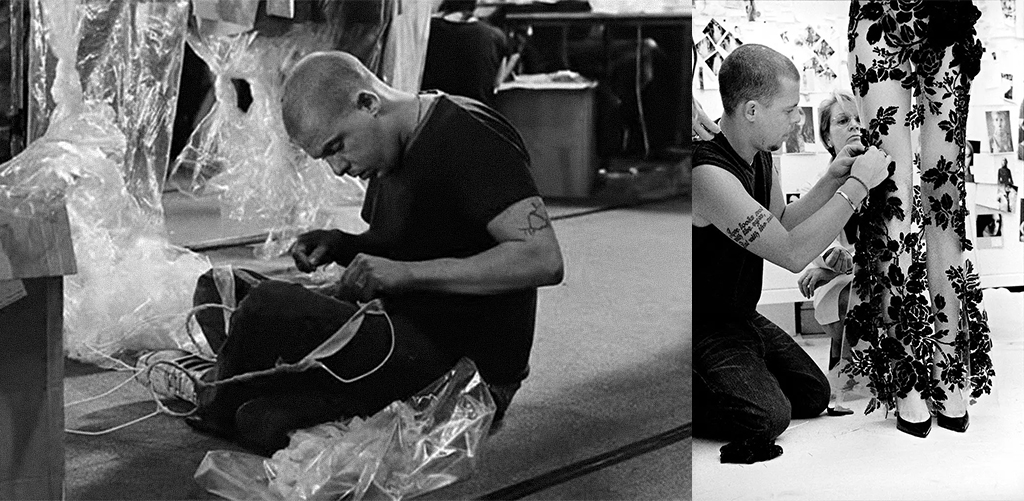
Top designers like Alexander McQueen and Virgil Abloh knew how to construct garments with their own hands. That gave them the confidence to break rules and invent new silhouettes.

When you know sewing basics, you understand structure. You know what fabrics behave how, how much ease is needed for movement, and how to build drama into your designs. Without that knowledge, your ideas stay in your sketchbook.

Startups Start With Stitches

You might think sewing is just for tailors. But guess what? Some of the most successful fashion startups began at a sewing machine.

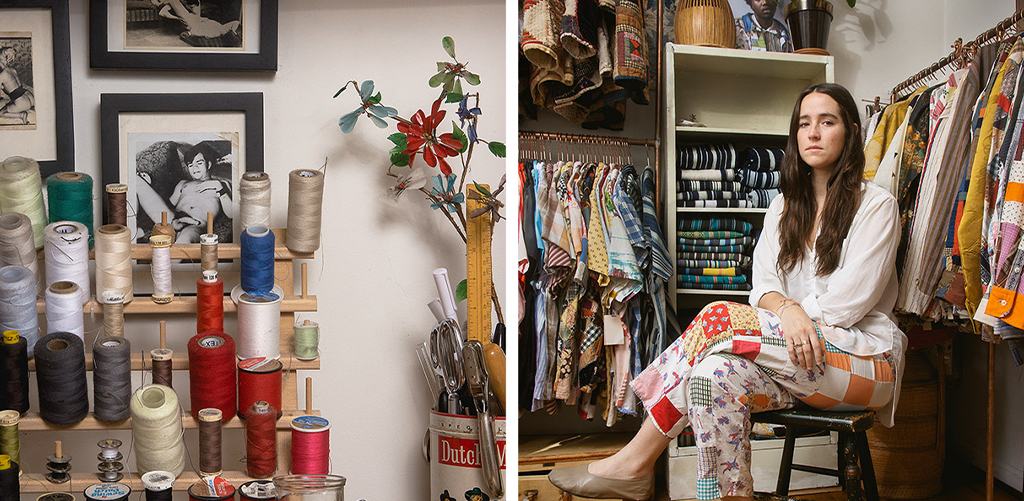
Emily Bode, the founder of BODE, started by sewing patchwork shirts by hand. Now, she runs a globally admired brand known for handcrafted storytelling. Similarly, Aurora James of Brother Vellies built her brand around artisan techniques.

When you’re starting out, you may not have a team. You are the team. If you know how to sew, you can create your own samples, test your own ideas, and launch small but strong.

At JD Institute, Fashion Design students are trained not just in design, but also in construction, so they’re ready to create their first line independently.

Handcraft = High Impact

Let’s talk about the power of handmade. With fast fashion everywhere, people now look for clothes that feel personal, emotional, and unique. That’s where handcraft in fashion becomes gold.

Brands like Chloe and Maison Margiela highlight hand-stitched elements because they add value. They show care, detail, and originality. When you hand-stitch something, you’re adding more than thread, you’re adding a story.

Learning sewing helps you add this signature to your work, whether it’s a visible hemline, a hand-embroidered patch, or just a perfectly clean finish.

Fix It, Don’t Fake It

You don’t want to be the designer who panics when something tears backstage.

Sewing skills in fashion teach you more than just how to make clothes, they teach you how to fix them, fast.

Imagine you’re styling a shoot and a model’s outfit rips. No tailor around. What do you do? If you know a few stitching basics, you grab your emergency kit and save the day.

It’s a skill that makes you resourceful, calm, and confident, traits every designer needs.

It’s Not Just About Clothes, It’s Also About Control

When you can sew, you’re not waiting for someone else to turn your vision into reality. You’re in charge. You can test ideas on your own. You can create new silhouettes. You can change things mid-process. That’s real creative freedom. And as fashion evolves, designers who have both creative ideas and hands-on skills will stand out. The Fashion Design program at JD Institute ensures that you graduate with both.

The Silent Fashion Codes of Grief And Why Stylists Must Decode Them

Saturday, July 12th, 2025

Ever looked at a celebrity after a tough moment in life? Think about it, how often do you see a celeb in all-black right after a public loss, breakup, or scandal? That’s not just a fashion choice. That’s emotional styling, when people use clothes to express feelings that words can’t. 

Let’s break down how clothing communicates loss and recovery in public figures, and why it actually matters if you’re planning to work in fashion styling.
In fact, it’s something students at places like the JD Institute of Fashion Technology learn deeply when they study fashion styling, and not just what people wear, but why they wear it.

When Black Says It All

Take Jacqueline Kennedy, after President John F. Kennedy’s death, she wore black for months. Her outfits became a symbol of strength, sadness, and elegance, all at once.

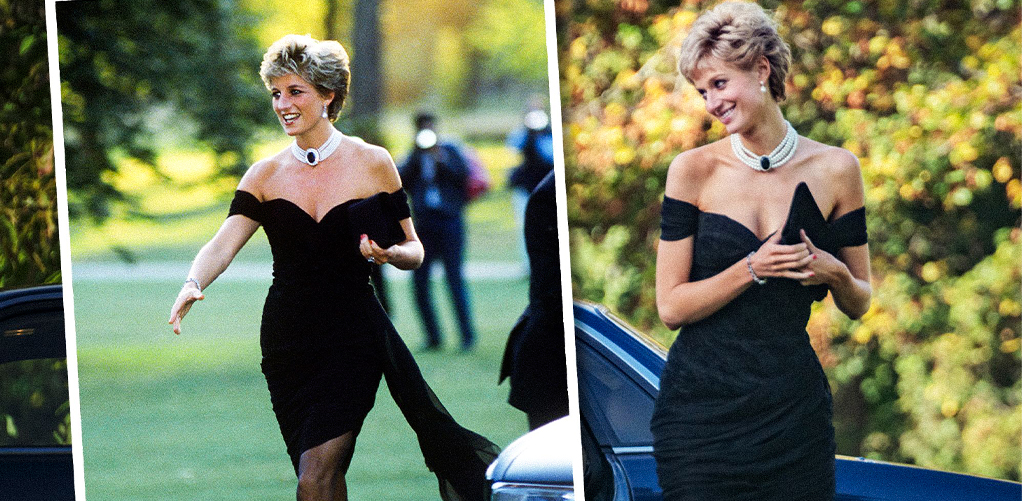
Then there’s Princess Diana. After her marriage ended, she wore a daring black dress that shocked the media. They called it the “revenge dress”, but it was more than that. It was her way of saying, I’m still here. I’m strong.

That’s mourning fashion, where clothes speak for the heart.

If you’re a stylist, you need to ask: What does this person feel? And how can their clothes reflect that without even saying a word?

The Journey of Healing Through Clothes

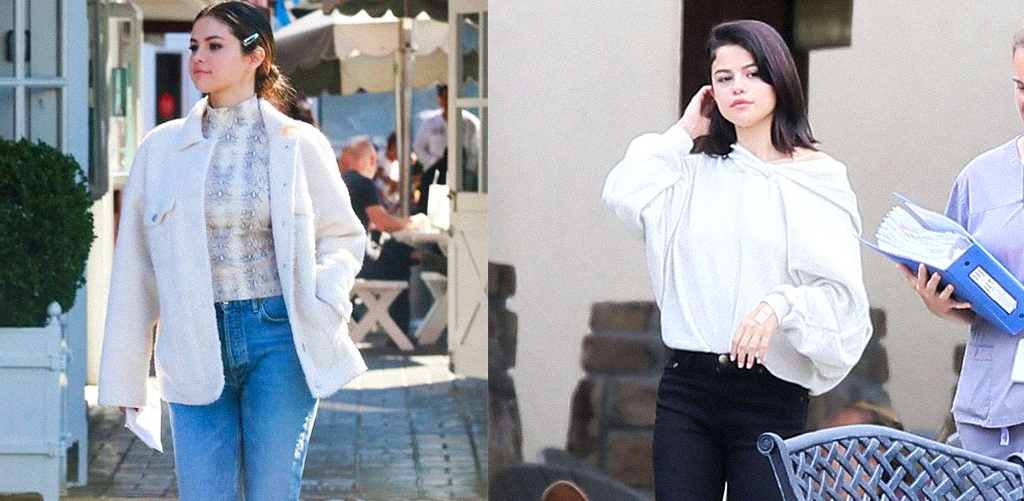
Look at Selena Gomez. After her breakups and mental health struggles, she started wearing softer, lighter colors. She slowly moved from hoodies and oversized looks to more polished but still calm styles.

Michelle Obama, too, once wore a classy black dress with pearls at Nancy Reagan’s funeral, respectful, powerful, and peaceful.

These examples show that fashion isn’t just about looking good, it’s also about feeling understood. As someone studying or entering the Fashion Styling field, like at JD Institute, you need to know how different colors and fabrics can reflect someone’s journey, especially in public.

Chadwick Boseman’s Quiet Messages

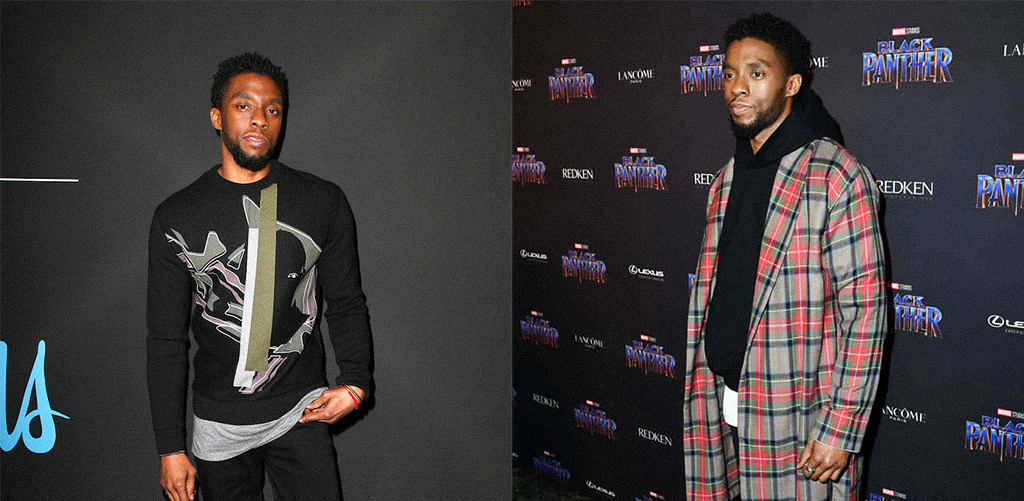
Before he passed away, Chadwick Boseman made several public appearances in powerful, often dark-toned clothes. Now we know he was silently battling cancer. But he never said it out loud, his fashion said it for him. His clothes were elegant, cultural, and filled with meaning.

Even designer Virgil Abloh, when he was quietly fighting illness, created collections full of spiritual symbols and quiet strength.

This is called symbolic dressing, when every detail of an outfit means something deeper.

Stylists must become storytellers. That’s the biggest takeaway. And that’s what real fashion styling courses teach, and not just styling for trends, but styling for emotions.

Turning Pain into Power

Beyonce after Lemonade.
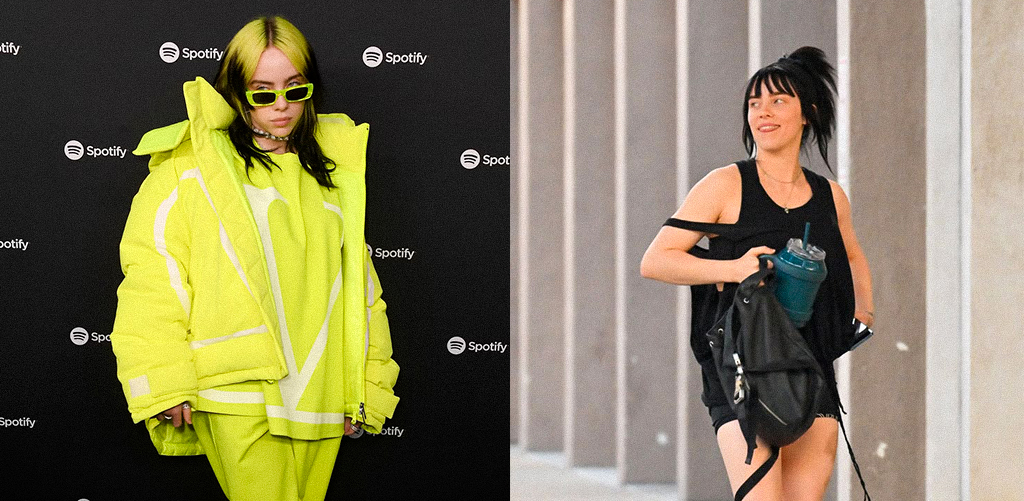
Billie Eilish going from baggy clothes to body-positive styles.
Taylor Swift after every breakup album ever.

What’s the one thing they all do? They use clothes to mark a comeback. To say, I’ve been through something, but I’m stronger now.

And as a stylist, that’s where your role becomes more than just fashionable, it becomes personal. People lean on you to help them find themselves again. That’s the power of celebrity fashion psychology, knowing how the brain, heart, and outfit all connect.

What Stylists Must Understand

Some celebs cry in public. Others show up to the Grammys in all black. Some wear pearls. Some wear power suits. But all of them are saying something with what they wear.

As a future fashion stylist, your job isn’t just about looking trendy. It’s about helping people be seen, without even speaking.

So the next time you see someone grieving, or coming back stronger, watch what they’re wearing.
Better yet, learn how to style it. Because stylists who understand emotions will always be one step ahead. Ready to learn how clothes can speak louder than words?
Maybe it’s time to explore a course like the one at JD Institute, where fashion styling meets real-life stories.

Why Every Fashion Business Student Should Study Gender-Neutral Brands

Saturday, July 12th, 2025

Did you know the first high heels were worn by men in the 10th century? That’s right, fashion hasn’t always played by today’s gender rules. In fact, the line between men’s and women’s clothing was way blurrier back then. Today, it’s blurring again, and this time, it’s on purpose.

And if you’re thinking about diving into this space, the Fashion Business Management course at JD Institute is a smart place to start. It doesn’t just teach you how to sell clothes, it teaches you how to build movements, understand emerging markets, and launch fashion startups with purpose.

What Does Gender-Neutral Fashion Really Mean?

Gender-neutral fashion is all about breaking traditional fashion rules. Forget men’s shirts or women’s trousers, it’s about offering designs that feel good and look good on anyone.

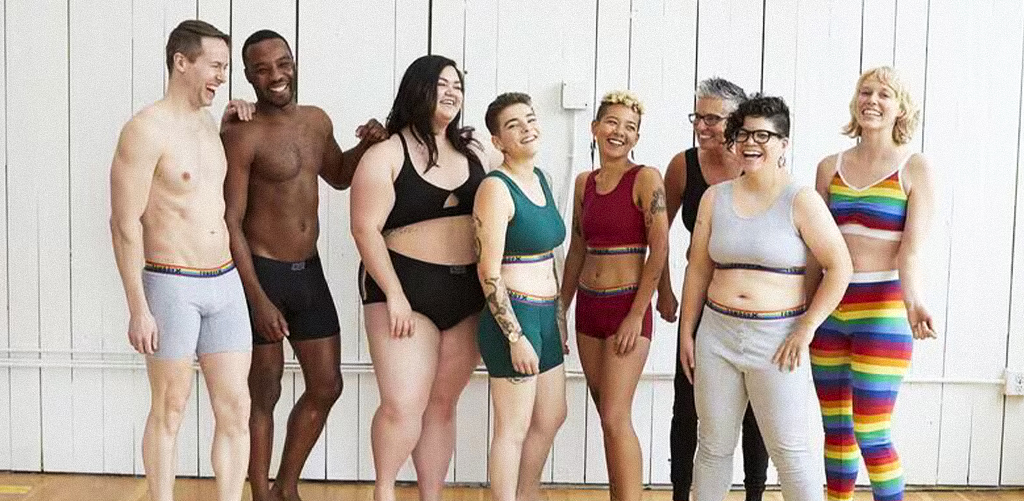
Brands like TomboyX began by designing underwear that wasn’t tied to gender norms, and are now global players in the inclusive clothing space. They’ve shown that people are hungry for fashion that celebrates diversity.

If you’re starting out, don’t just design differently, think differently. Start with the belief that fashion doesn’t need a gender tag to make someone feel seen.

Let Comfort and Expression Lead Design

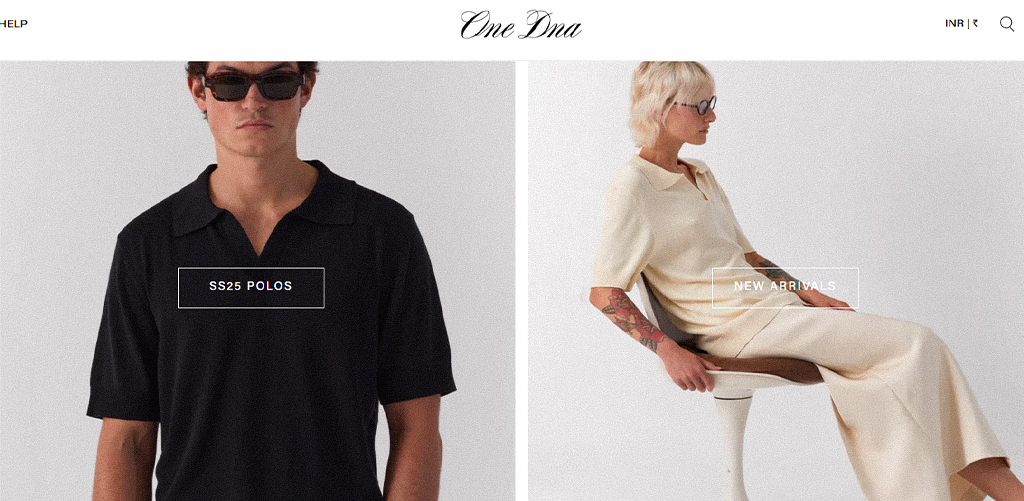
In gender-free fashion, comfort isn’t just physical, it’s emotional. That’s why brands like One DNA focus on versatile fits and soft, breathable fabrics that feel like home for every body type.

Aspiring fashion entrepreneurs need to understand consumer psychology. Why does someone choose a hoodie over a shirt? What kind of fit makes someone feel like themselves? These insights aren’t taught by chance, they’re learned intentionally, and that’s what makes courses like Fashion Business Management at JD Institute so relevant. You don’t just learn design, you learn people.

Packaging, Branding & Language Matter (A Lot)

You could design the most amazing unisex jacket ever, but if your packaging screams men only, you’ve lost the plot.

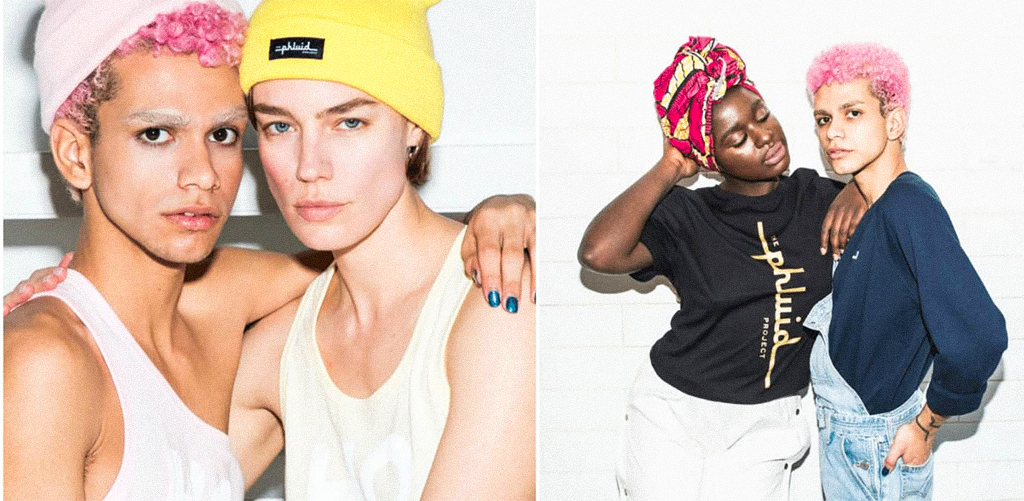
Phluid Project, a pioneer in gender-neutral retail, cracked the code by building a brand where every label, every product, and every campaign feels welcoming. It’s not just about the clothes, it’s about the entire experience.

So, when you’re launching your modern clothing startup, think beyond the product. Your brand story, your social media tone, even your return policy, everything should reflect the same inclusive vibe.

Keep it Sustainable

One big lesson new entrepreneurs must learn? Don’t overproduce. Gender-free fashion is often more minimalist, fewer pieces, smarter cuts, longer shelf life.

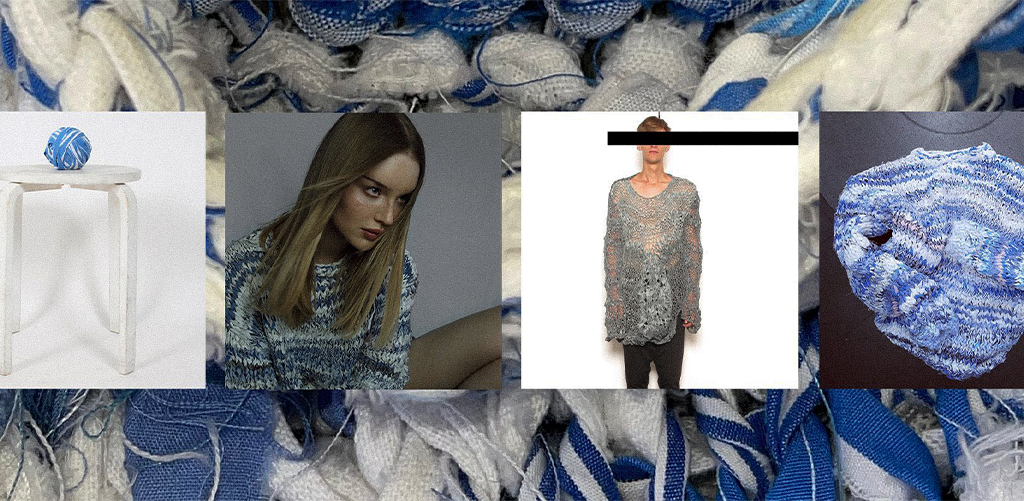
Look at Olderbrother, a sustainable unisex brand that’s built around slow fashion and natural dyes. They’re not trying to produce 500 styles a month. They’re focusing on quality, ethics, and environmental impact, and guess what? Customers love it.

If you’re planning to launch your line, take the smart route. Do your market research. Understand slow fashion strategies.
Educate Your Audience

Let’s be honest, not everyone understands inclusive clothing yet. So, as a fashion entrepreneur, you’ve also got to be an educator. Use your social platforms, your website, and your campaigns to tell stories, about body diversity, about gender identity, about choice.
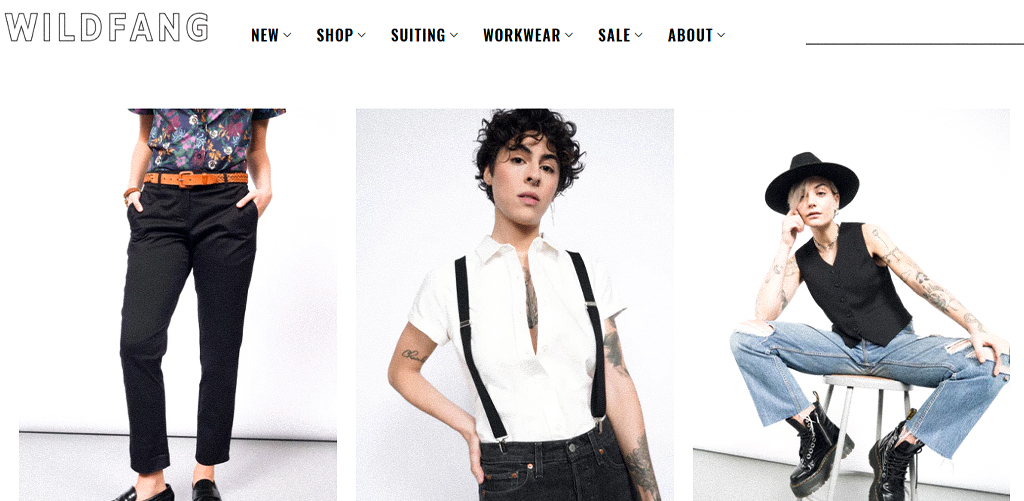
That’s what makes Wildfang so powerful. They built a cult following not just through their jackets and jumpsuits, but by championing gender equality, supporting queer voices, and owning their narrative.

Fashion is not just visual, it’s emotional, cultural, and political. Your brand needs to say something. That’s what truly connects with the modern audience.

Why Fashion Students Should Stitch This Lesson In

If you’re thinking about starting a gender-neutral clothing line, remember this that you’re not just launching a brand, you’re building a bridge between comfort and identity, between fashion and freedom.

And to do it well, you need more than talent, you need training, insight, and smart business know-how. That’s why the Fashion Business Management course at JD Institute isn’t just another fashion program. It’s your blueprint for building a relevant, future-ready fashion startup.

So go ahead, rethink the rules, break the binaries, and design for everyone.

Copyright © 2025 JD Institute of Fashion. All Right Reserved

Designed by Red Lemon

Whatsapp icon
Apply Now
Enquire
Quick Enquiry