
Apply Now

Author Archive

Unwrap This Blog Before You Wrap Your Product: Smart Packaging Tips!

Saturday, July 26th, 2025

Nearly 62% of online shoppers say branded packaging makes them feel more excited about receiving a product. Yup, cardboard can spark joy.

And here’s where the role of packaging in a fashion brand’s success begins to shine. Packaging isn’t just about bubble wrap and tape, it’s storytelling. It’s the moment your customer feels a personal connection with your brand. For students taking the Fashion Business Management course at JD Institute, understanding this emotional and strategic layer is essential.

It’s More Than a Box

Great fashion packaging doesn’t end when the product is delivered. It travels through Instagram stories, YouTube hauls, and unboxing reels. Just think of Glossier’s pink pouches or Nike’s limited-edition sneaker boxes, they’re instantly recognizable.
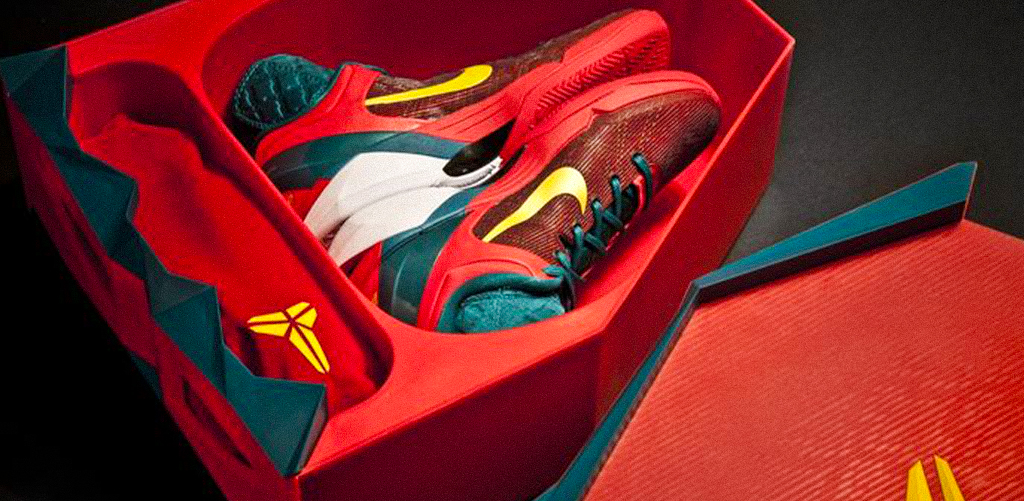
A small fashion startup like Mejuri took off thanks to sleek, minimal packaging that screams “premium”, all without going over the top. The packaging matches their brand’s modern, accessible luxury vibe. It’s branding, marketing, and customer delight, all in one.

If you’re a budding fashion entrepreneur, this is a big lesson: your packaging isn’t “extra.” It is your brand.

Sensory Experience = Customer Experience

From velvet-textured boxes to scented wrapping paper, packaging can be a full-blown sensory affair. It heightens the brand unboxing moment and makes people feel they’ve bought something worth the price.

Take Chanel, for example. Every box is sleek, matte-black elegance. From the white camellia flower to the soft ribbon tied around it, Chanel tells you: This is luxury. Customers remember how it felt to open it.
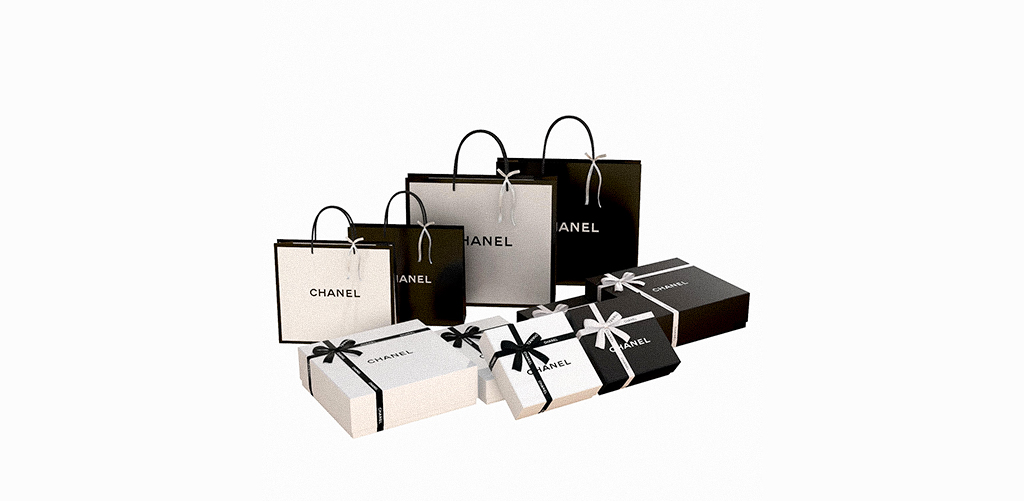
Students studying fashion business must understand — customer experience doesn’t start when the clothes are worn. It starts at unboxing. JD Institute’s Fashion Business Management course helps students explore how to turn basic logistics into emotional, brand-building moments.

Sustainability is the New Scene

Let’s be honest: nobody wants a guilt trip with their outfit. Today’s consumers, especially Gen Z, care deeply about eco-conscious packaging. Brands like Patagonia and Reformation lead by example, using recycled materials and minimalist designs that reduce waste without compromising style.
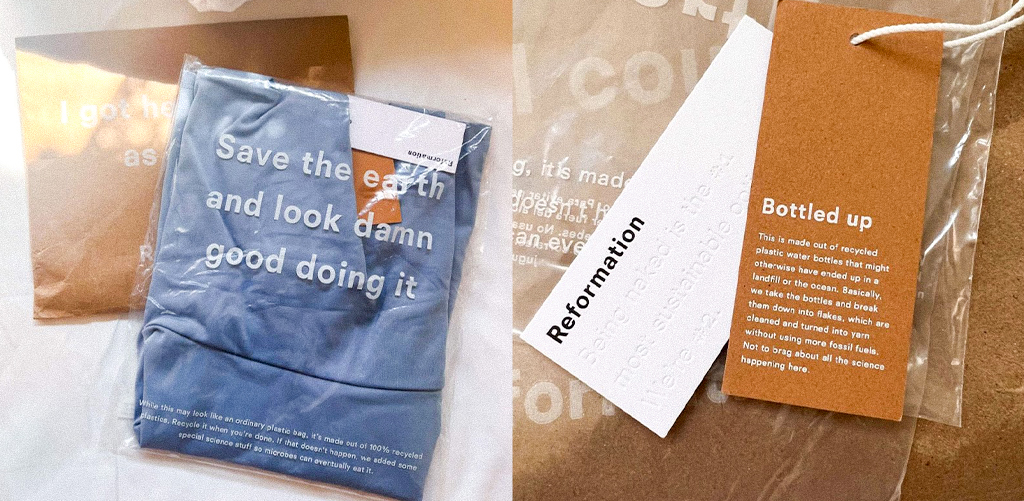
In fact, Reformation’s shipping boxes come with clear messages about sustainability and reuse. That’s not just informative, it’s brand trust in action. If your fashion packaging can look good and do good, you’ve got a win-win.

So, fashion students: keep packaging ideas green and smart. Think of it as eco-luxury, something you’ll have to learn to master in the real-world.

Small Brands Can Go Big With Clever Packaging

Smart packaging is about creativity, not just cash. Fashion startup The Frankie Shop uses minimalist, reusable cotton bags, creating a chic, low-cost brand statement that customers love to reuse and share.

Another cool example? Telfar. Their now-iconic shopping bags come in custom dust bags, customers proudly carry them as part of their outfit. It’s packaging that becomes part of the product, talk about brand genius!
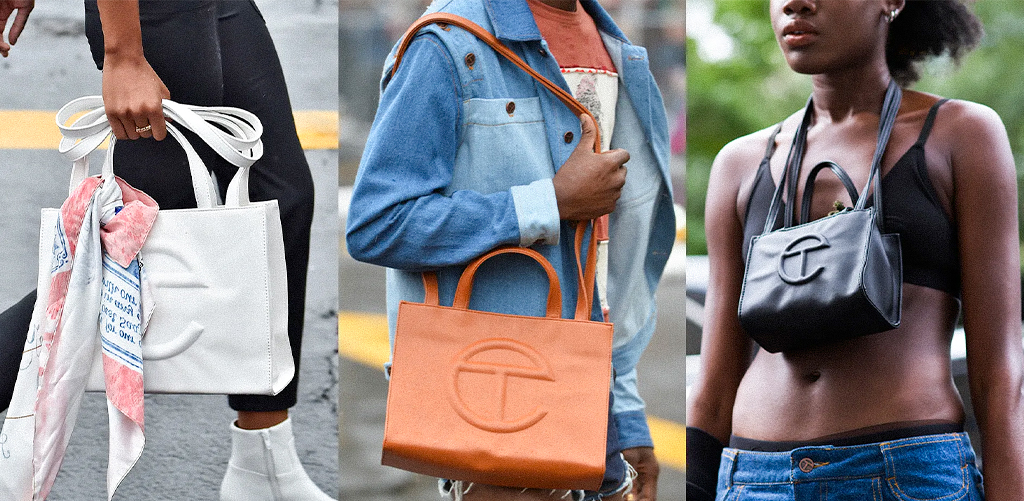
This shows us how small decisions can create massive impact. For fashion entrepreneurs, the message is clear: packaging is a marketing tool, not just a shipping necessity.

Unboxing = Share-Worthy Marketing

One reason brands like Dior and Fenty dominate online buzz? Their unboxing experience is practically made for content creation. Custom tissue paper, handwritten notes, hidden surprises, people love posting about these details.
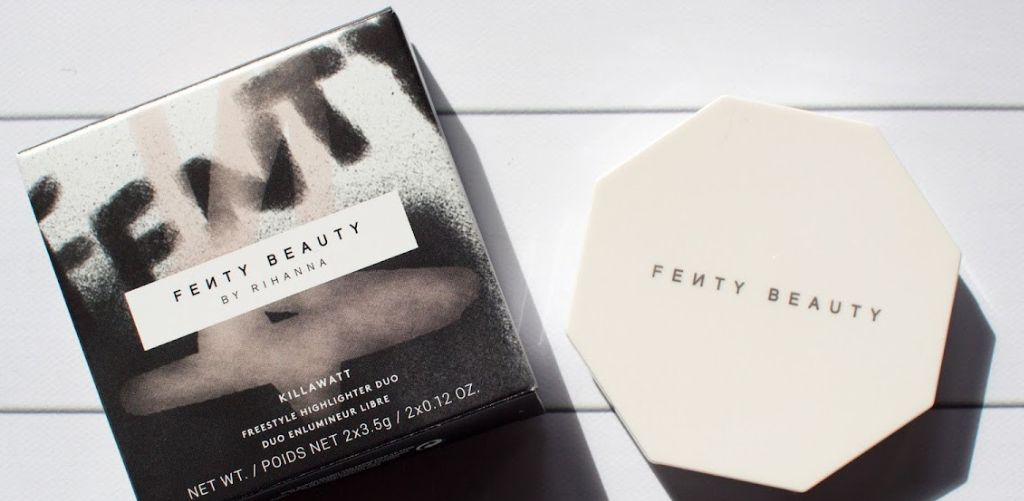
It’s a free promotion. A happy customer becomes a brand ambassador just by opening your product on camera. In today’s digital world, packaging is content.

Future fashionpreneurs, take note: don’t just design for the shelf. Design for the camera, too.

Final Takeaway: Your Packaging Must Say Something Worth Repeating


Whether you’re dreaming of a luxury label or launching an indie fashion line, packaging is no longer a last-minute decision. It’s a strategic power move. Understanding the role of packaging in a fashion brand’s success is now a must-have skill, not a nice-to-have. That’s exactly why future-focused institutions like JD Institute of Fashion Technology ensure their Fashion Business Management course goes beyond design, diving deep into branding, consumer behaviour, and retail psychology.
Culture, Gender, Chaos, and Why Designers Should Embrace It

Saturday, July 26th, 2025

What do Billie Eilish’s oversized suits, the gender-neutral bathrooms in Google offices, and Nike’s BeTrue campaign have in common? They’re all bold examples of inclusive design, where fashion, space, and communication are crafted for a world that no longer fits into old, rigid boxes.

Design today doesn’t just clothe or decorate, it expresses identity. And that identity is no longer singular. It’s fluid, intersectional, and deeply cultural. As students at JD Institute quickly learn, great design in 2025 is not about sticking to rules, it’s about questioning who made them in the first place.

Fashion That Moves With Identity

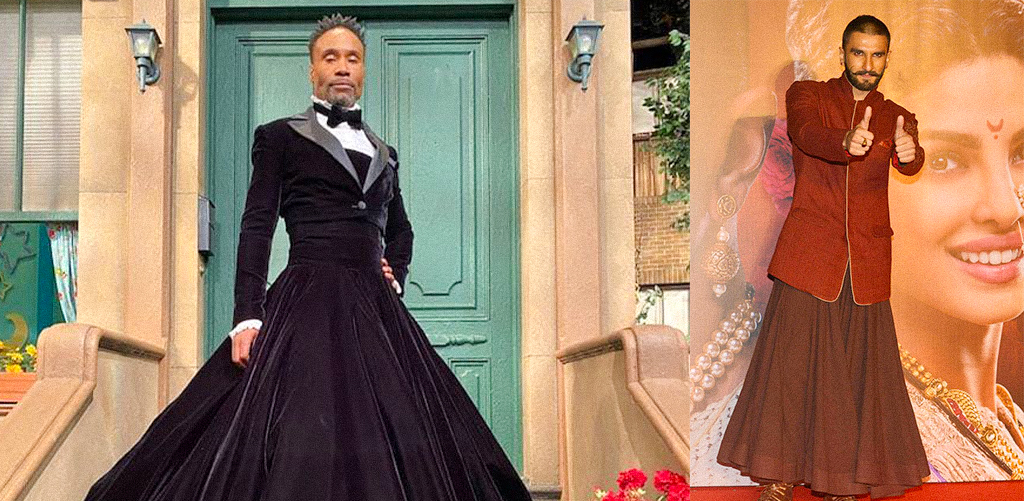
Let’s talk about fashion. Designers like Harris Reed or Gogo Graham are creating outfits that don’t care about gender boxes. Even celebrities like Billy Porter in a tuxedo gown at the Oscars, or Ranveer Singh in skirts, are making big statements through clothes.

Why? Because fashion is personal now, it’s how people show the world who they really are, even when that identity is fluid.

JD Institute teaches fashion students how to study social change, not just design trends, and how to design clothing that celebrates every kind of identity, not just the popular ones.

Homes That Speak Every Language

Did you know some homes now come with prayer rooms, tatami-style sitting areas, or even open, flexible layouts for multi-generational living?

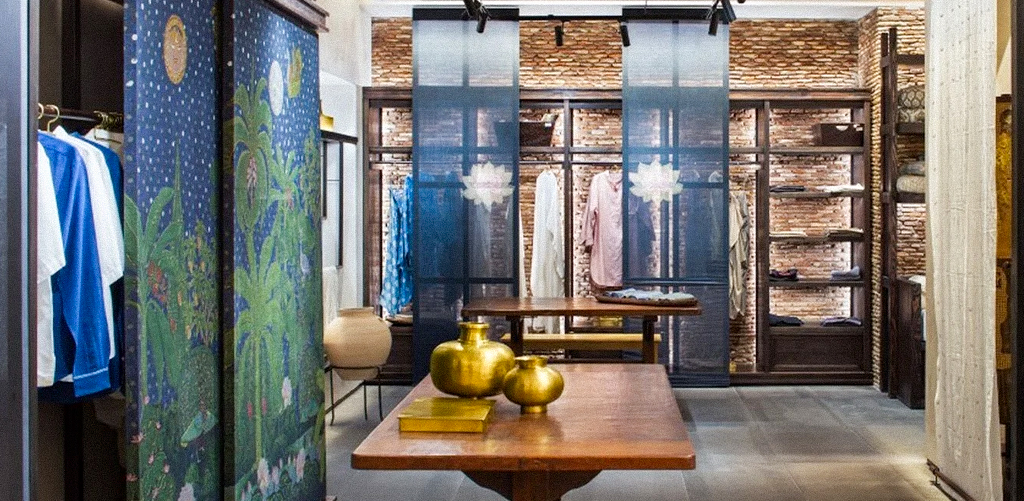
This is interior design for cultural fluidity. Designers today are mixing Indian, Japanese, Nordic, and Afro styles to create homes that fit who we are, not just what’s trendy.

Take Studio Lotus in India, their work often includes regional crafts, modern forms, and open thinking.

At JD Institute, students of interior design learn that a room isn’t just furniture and lights, it’s a reflection of beliefs, emotions, and identity. Designing without assumptions is a key part of their training.

Visual Campaigns That See Everyone

Designing posters, packaging, or ads used to be simple: pick a model, write a catchy line, done.

Now? Brands are getting real. They’re using real people, inclusive messages, and visuals that speak to everyone.

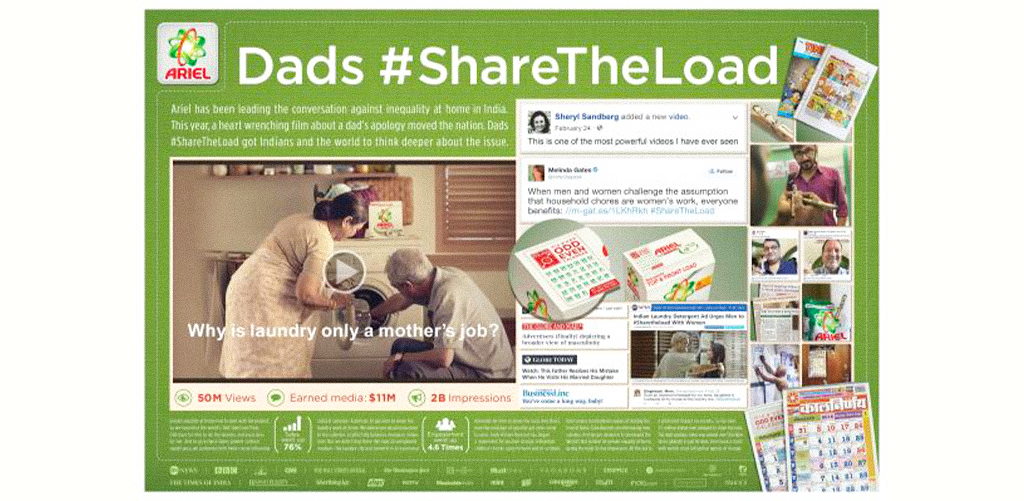
Look at the “Share The Load” campaign by Ariel, it asked Indian families why women do all the laundry. It wasn’t just advertising detergent, it started a national conversation.

At JD Institute, the communication design course is tailored to also observe society, not just aesthetics. It makes students learn to tell stories that matter, ones that reflect identity, equality, and truth.

When Music, Gender & Style Collide

Pop stars today aren’t just performing, they’re redesigning what gender and culture look like.

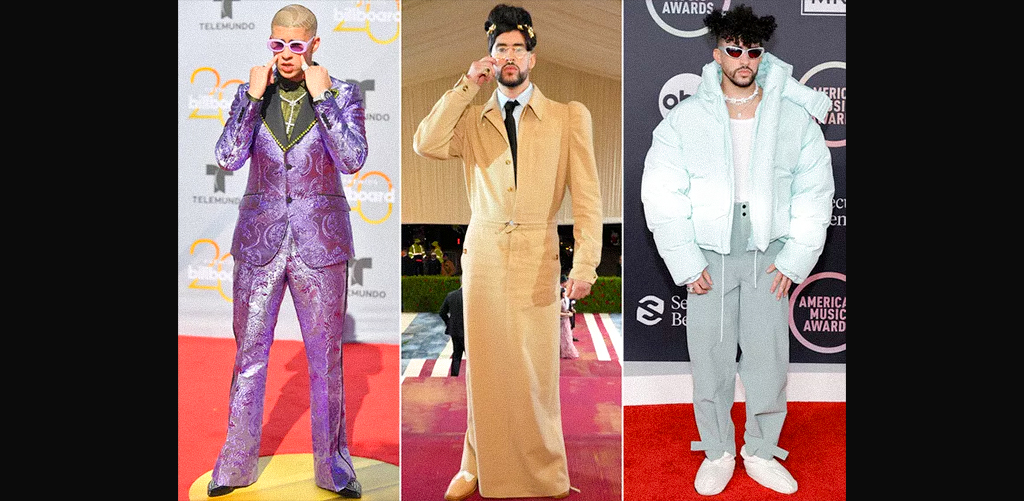
Bad Bunny, one of the biggest global artists, wore skirts, painted nails, and promoted gender-neutral fashion through his music videos and appearances. His style sparked conversations across the world and not just in music, but in fashion design, cultural identity, and media representation.

Designers, stylists, and communication teams jumped on this trend to create campaigns and outfits that match this new energy.

Ready to Design for Everyone?

If you’re the kind of person who loves people-watching, breaking stereotypes, and turning stories into design, then you’re already thinking like a next-gen designer. So keep asking the big questions.
Keep blurring the lines.
And when you’re ready to learn how to do it right, you’ll find your place at JD Institute of Fashion Technology.
Want to Be a Fashion Stylist? Read This Before Your First Photoshoot

Friday, July 25th, 2025

In the world of fashion photoshoot styling, the final pictures may look effortless, glossy, and Pinterest-worthy, but there’s a wild, chaotic, and incredibly creative process behind the scenes. From last-minute shoe swaps to unzipping a model mid-click because the necklace won’t sit right, it’s a behind-the-scenes fashion saga that every aspiring stylist needs to experience.

If you’ve ever dreamed of making it in the world of styling, understanding the stylist workflow behind the scenes of a fashion shoot is not just exciting, it’s essential. That’s exactly why courses like the Fashion Styling program at JD Institute teach you the ins, outs, and wild turns of photoshoot styling, from concept to camera click.

Mood Boards Before Mannequins

Before a single outfit is pulled or a shoe is selected, the stylist begins with one thing: the concept. This is where the mood board becomes the stylist’s Bible.

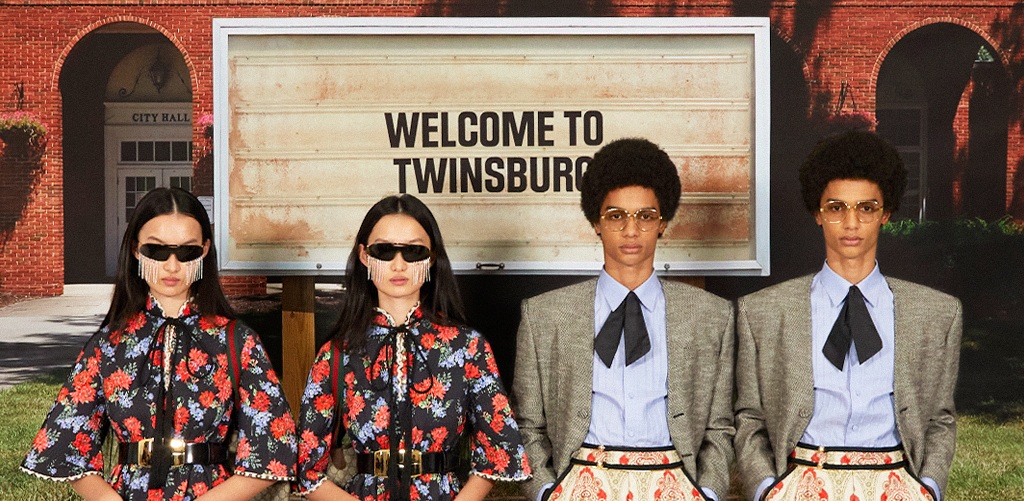
A fashion stylist needs to understand the brand’s message, the shoot’s theme, and the visual mood. Take Gucci’s “Twinsburg” campaign, styled entirely around identical twins and mirror reflections. Without a strong creative brief and concept board, that visual storytelling would’ve fallen flat.

Aspiring stylists, your styling begins long before the clothes arrive. A strong grip on theme-building, mood boards, and trend interpretation is something that will give you a head start on this creative process.

Stylists Become Treasure Hunters

Think styling is about picking pretty clothes? Think again. It’s about contacting designers, PR houses, or stores to borrow garments that fit the shoot brief perfectly.

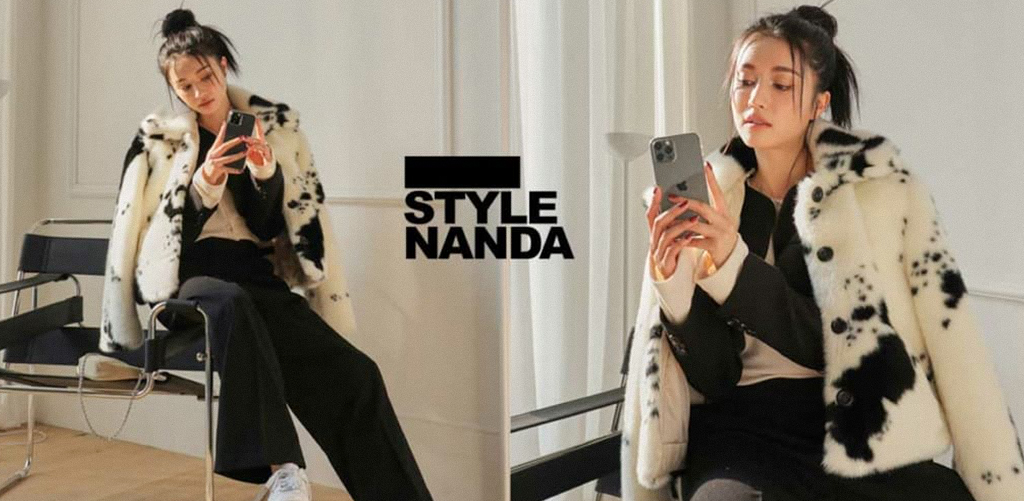
During a shoot for a rising indie brand, STYLENANDA, stylists famously combined thrifted jackets with couture accessories. That mix created a buzz, and the stylist behind it was praised for her resourcefulness.

This pulling process requires negotiation, logistics, fashion knowledge, and lots of patience. And yes, it often includes lugging garment bags across cities.

Steamers, Safety Pins, and Split-Second Fixes

No matter how perfect the outfit looks in your head, once it’s on the model, it might not fit right. Always go for improvisation.

Behind the scenes, it’s all about fixing unexpected hiccups, like a broken heel, a wrinkled coat, or a zipper that just won’t cooperate. Stylist workflow here becomes a live-action hustle. 

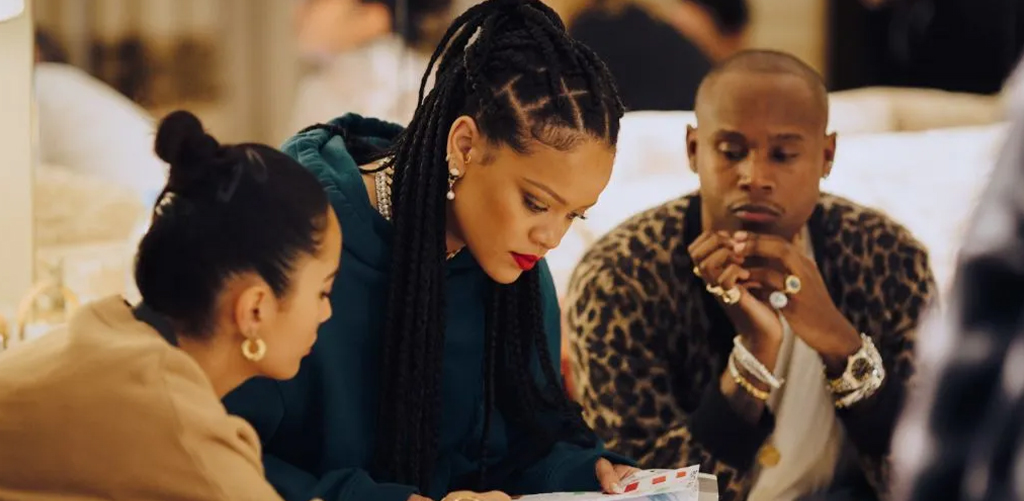
Ever heard how Rihanna’s stylists once used duct tape to secure a custom corset seconds before she walked onto the set? That’s the real deal. Stylists also work closely with photographers and makeup artists to ensure every detail fits the frame, sleeves adjusted, collars straightened, accessories perfectly aligned.

This ability to adapt under pressure is something you build only through real-time experiences, which the JD Institute’s Fashion Styling course integrates through hands-on projects and live photoshoot collaborations.

Styling Isn’t Solo

A stylist’s job doesn’t end once the model is dressed. They’re constantly in sync with the photographer, adjusting clothes between shots and keeping a sharp eye on every frame.

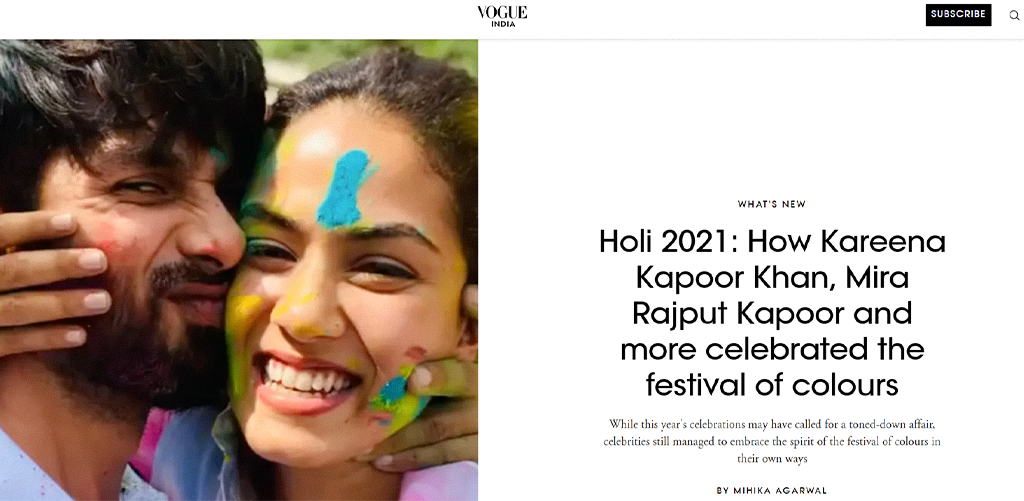
For example, during Vogue India’s Holi-themed shoot, stylists worked alongside lighting experts to ensure vibrant colors popped just right on camera. It’s a team sport, and stylists are like silent directors of fashion on set.

Knowing how to collaborate without overshadowing is a skill every stylist must develop.

The Work Doesn’t End at the Final Shot

Once the camera stops clicking, the stylist’s job is far from over. Outfits are carefully repacked, returned, and a style breakdown is created for post-production reference. Often, stylists also review shots to ensure the fashion story stays consistent.

Some of the top stylists in Bollywood, like Ami Patel and Tanya Ghavri swear by this last step. It shows professionalism and ensures their signature style remains intact even in edited visuals.

Wanna Step Behind the Lens?

If you’re serious about entering the fashion world, don’t just scroll through glossy pictures, learn what goes into making them unforgettable. Because the real magic of fashion happens off-camera, under spotlights, and behind wardrobe racks. And when you train at the right place, like JD Institute, you don’t just get a backstage pass, you learn to own the stage.

How Award Shows Don’t Collapse? Read This.

Friday, July 25th, 2025

It takes 300 people, 3 days, and 3 hours of chaos to make 3 minutes of magic.
This quote sums up the behind-the-scenes reality of award shows. While the audience sees flashing lights, flawless red carpets, and standing ovations, what really goes down backstage is a logistical storm of clockwork precision.

From moving celebrities to syncing stage lights, how award shows are logistics masterpieces is something every aspiring event manager should dive into. And if you’re dreaming of being that person who makes it all happen, then enrolling in the Global Event Management course at JD Institute could be your best behind-the-scenes ticket.

Celebrity Logistics

Ever tried booking an Uber for 5 people who all want to leave at the same time? Now imagine doing that for 50 celebrities, each with their own team, moods, last-minute dress changes, and security needs. That’s what award show planners do. They create tight schedules, right from airport pickups to red carpet entry slots, and if one star is even 5 minutes late, the whole show could fall behind.

Startup Example: BookMyShow’s StarHub
They began by selling tickets. Now, they also handle celebrity movements, backstage access, and post-show interviews using smart tech.

For students learning award event planning, this is an eye-opener. It’s not just about organizing, it’s about thinking on your feet when things go off-script.

Red Carpet Events

The red carpet may look like a natural fashion moment, but it’s actually a super tight schedule. Each celeb is timed to arrive, walk, pose, and clear the space for the next one, while the media lines up for interviews and photos.

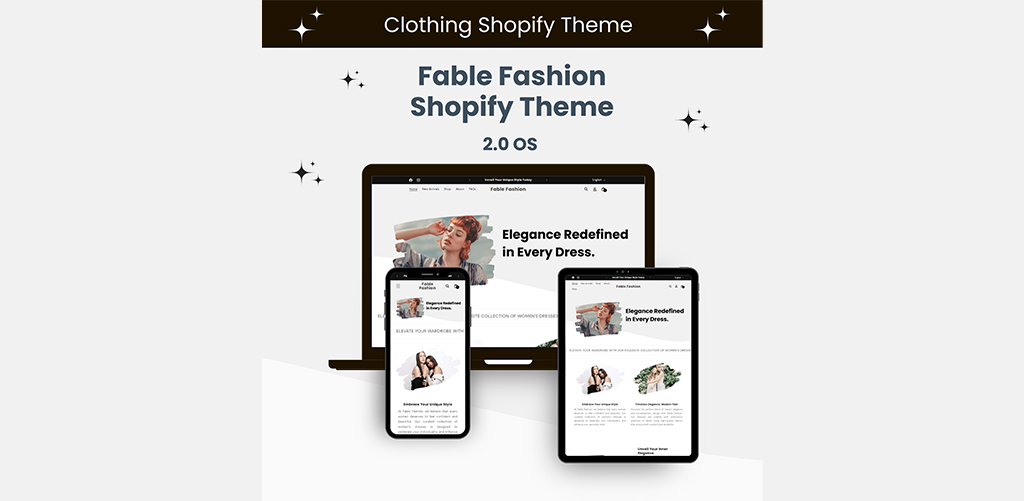
Startup Example: Fable
They use digital wardrobe tags, live QR codes, and smart fashion tech to keep red carpet movement smooth and stylish.

Students in fashion or event management should know that timing, lighting, and crowd control are as important as the outfit. And when you study with institutions like JD Institute’s Global Event Management program, you’ll learn exactly how to make fashion moments happen under pressure.

Live Show Control

There’s no “pause” button in a live show. Lights have to change, music has to hit, the host has to read the right lines, and the camera needs to cut to the right face—all at the right second.

Startup Example: Hyperlive.tv
They help award shows run live scripts, camera directions, and backup cues using real-time tech. It’s like a control room in a sci-fi movie.

Live show coordination is not for the faint-hearted. This is where event managers prove their skills by handling panic without letting the audience know anything’s wrong. If you enjoy staying calm while the world goes wild, this part of the job might just be your thing.

Crowd & Venue Management

You’ve got thousands of guests, VIPs, media, and staff moving around one huge venue. Now imagine keeping them all safe, fed, seated, and happy, without chaos.

Startup Example: Wedniksha (Wizcraft)
They’ve handled massive award shows by using heat maps, RFID entry badges, and smart crowd control systems.

It’s not just about decoration and seating charts, it’s about designing the whole flow of the event. You learn how space, lighting, restrooms, and even parking can affect the audience’s mood.

The Show Must Go On

Let’s be rea, something always goes wrong. A celeb is late. The mic cuts out. A dress tears 30 seconds before stage. These things happen, and planners need to fix them fast.

Startup Example: Run the World
This platform supports hybrid and virtual events, offering backup audio, real-time chat, and emergency tech support. They’ve even helped manage virtual award shows during the pandemic.

Crisis management is what separates good event planners from great ones. You’ve got to be cool under pressure, and be ready with a Plan B (and C). These are the life skills that make you shine in real-life showbiz situations.

Final Word: Time to Run the Show?

If you’ve ever watched an award show and thought, “wow, I want to be part of that!” now’s your time. Because the real stars behind those award shows aren’t just the celebs. They’re the ones holding clipboards, headsets, and all the moving parts together. So don’t just admire the spotlight, learn how to power it.
Apply the smarts, build the system, and make magic happen with JD Institute of Fashion Technology.
5 Cool Communication Design Careers You Can Dive Into After Graduation 

Wednesday, July 23rd, 2025

“Did you know?”
The first-ever logo design dates back to 600 BC, and it was literally carved into a rock!

Fast forward to today, and design is everywhere, from your phone apps to your cereal box. But here’s the thing: design isn’t just about making things look pretty. It’s about solving problems creatively, communicating messages clearly, and yes, sometimes even influencing how people feel or think. That’s exactly what communication designers do.
Let’s walk through the Top 5 Communication Design Careers you can explore after graduation and how to get there.

And he, if you’re serious about building a future in this field, check out the Communication Design course by JD Institute, which covers all the skills you need for these cool career paths.

Graphic Designer- More Than Just Pretty Posters

Think beyond brochures. Graphic designers today work with brands like Spotify, Netflix, and even Zomato to shape visual identities that speak louder than words.

From typography to layout to color psychology, graphic design plays a huge role in how people interact with information.

Famous Example:
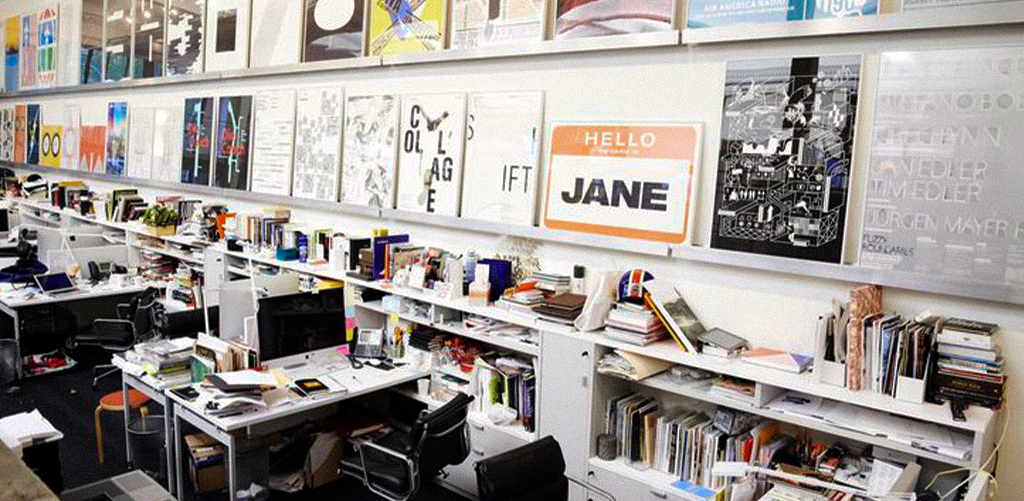
Ever heard of Pentagram? It’s one of the most iconic design studios in the world, and their team has created designs for MasterCard, Windows, and even the Obama campaign logo.

Why it matters:
Graphic designers are often the first line of communication between a brand and its audience. If you’re visually inclined and can think on your feet, this is your stage.

UX Designer- The Brain Behind Seamless Experiences

UX (User Experience) designers aren’t just app people. They design how users feel when they interact with any digital product, be it a website, wearable, or even a car dashboard.

Famous Example:
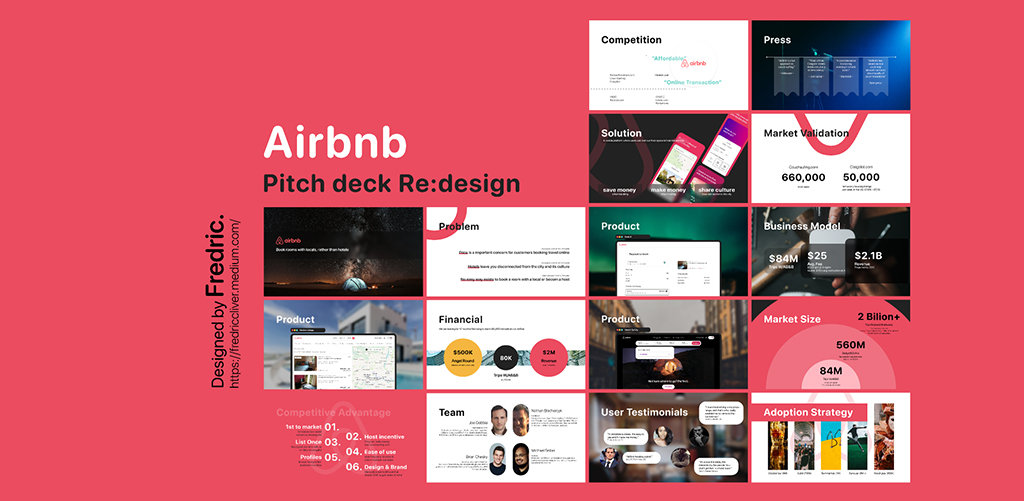
Airbnb redesigned its entire user experience with a focus on “human-centered design,” which turned them from a small startup into a billion-dollar platform.

What you’ll need:
Empathy, research skills, and basic coding knowledge are helpful. Luckily, the Communication Design course at JD Institute builds strong UX foundations using industry-relevant projects and user journey mapping.

Animator – The Storyteller in Motion

From quirky Instagram reels to stunning Netflix intros, animation is taking over every screen.

Famous Example:
Toonz Media Group in India has worked on global hits like Wolverine and Marvel Avengers animated series. Their team includes creative animators who studied communication design.

Your superpower:
If you love sketching, creating stories, or even just bringing doodles to life, this one’s for you. Motion graphics, 2D/3D animation, and visual storytelling are hot career tracks right now.

Ad Creative – The Idea Factory of Brands

Love brainstorming out-of-the-box ideas? Ad creatives are the minds behind viral campaigns, witty taglines, and ads that stop people from scrolling.

Famous Example:
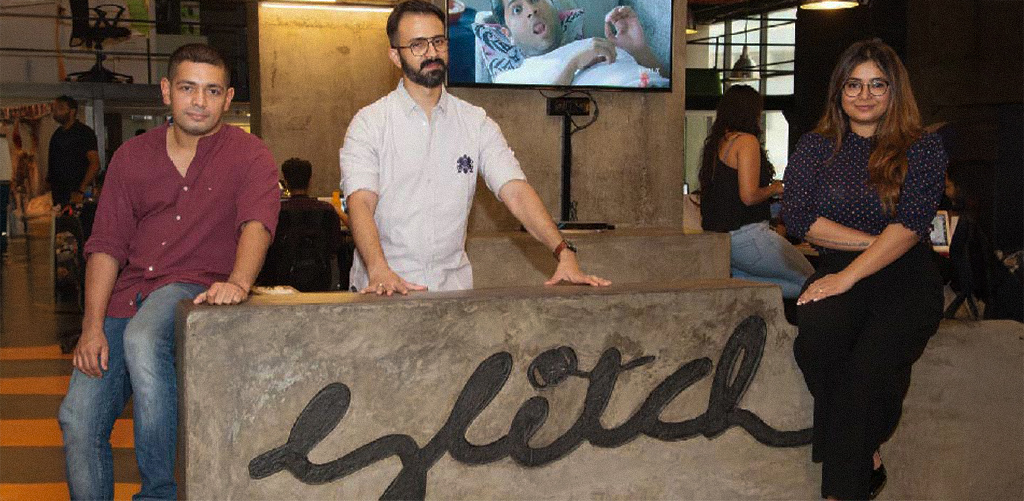
The Glitch (now part of VML India) created unforgettable campaigns for Netflix India, Tinder, and Hotstar. Their creative team often comes from strong communication design or media backgrounds.

Inside scoop:
This job needs quick thinking, trend awareness, and insane storytelling. Bonus: It’s one of the few careers where memes could land you a job!

Why Wait? The Creative Industry’s Already Moving

From Silicon Valley startups to Instagram influencers, everyone needs good communication design. And the more digital the world gets, the more valuable your skills become.

So if you’re dreaming of turning your creative instincts into a real career, it’s time to sharpen those pencils and get started. The Communication Design course at JD Institute isn’t just another design class. It’s where future thinkers, makers, and storytellers train to leave a mark on the world, with purpose and personality.

The One Blog About Lighting Every Interior Design Student Needs to Read

Tuesday, July 22nd, 2025

“There is no such thing as neutral light.” – James Turrell 

Ever noticed how your room feels super cozy during golden hour, but kind of dull under white tube lights? That’s not your imagination, it’s the power of lighting. It’s not just about brightness, it’s about how lighting changes the look of a room. And if you’re dreaming of becoming a top-tier interior designer, understanding lighting isn’t optional, it’s essential. And guess what? Aspiring Interior Design students at places like the JD Institute of Fashion Technology are already learning these secrets through practical training and creative studio sessions.

Lighting = The Instant Ambience Changer

Let’s start with a real-world stunner: Apple Stores. Ever walked into one and felt like everything looked like it belonged in a high-tech dream? That’s no accident. Apple uses a mix of natural and customized LED lighting calibrated to highlight product textures, colors, and reflections. Their lighting design isn’t just pretty, it sells.

For home interiors, the same principle applies. Warm lights give a cozy, lived-in feel, while cool whites make spaces look clean and alert. Want a relaxing evening? Dim the lights. Want to feel focused? Turn up the brightness. So yes, lighting literally sets the room mood.

Types of Lighting and Why They Matter?

Every light has a job.

  • Task lighting helps you do stuff, like desk lamps or vanity mirrors.
  • Accent lighting adds drama, think spotlight on art or under-shelf LEDs.
  • Ambient lighting fills the space, that ceiling light you switch on first.

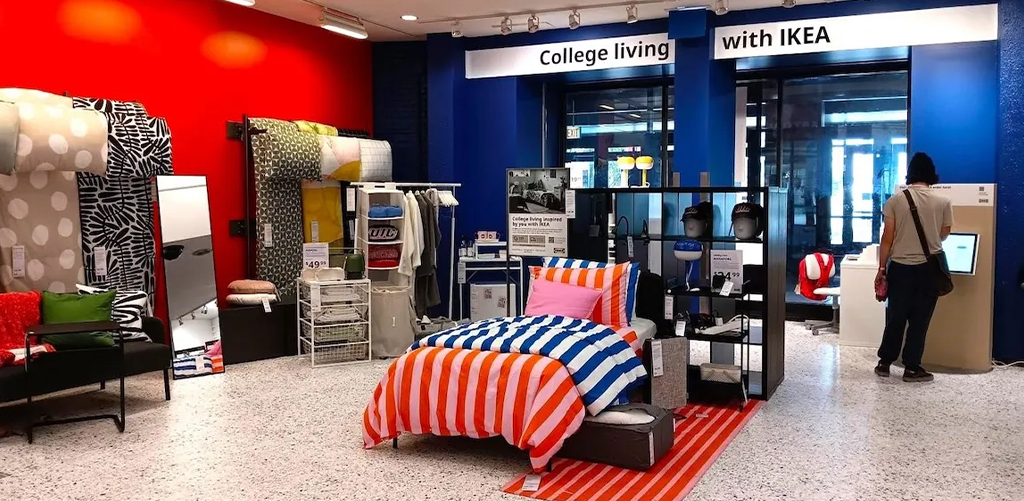
A great example? IKEA’s showrooms. They create mini-room setups that use a mix of these lighting types so you see how different layers work together. It’s all designed to show you how lighting changes the look of a room you can imagine living in.

Students learning interior design need to be fluent in this lighting language. That’s why the JD Institute includes modules on residential and commercial lighting design as part of its Interior Design course.

How Natural Light Shapes a Space

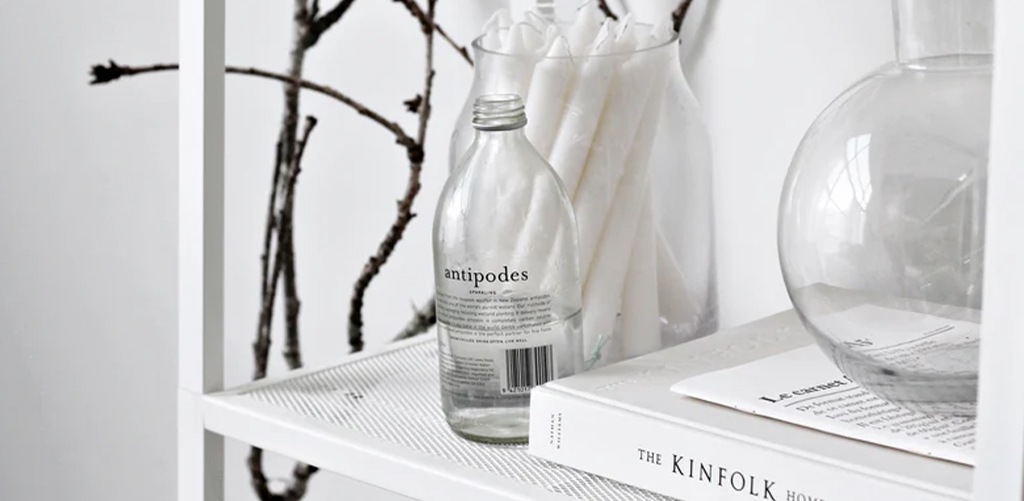
Let’s talk windows and sunshine. Pinterest-worthy spaces often have one thing in common: natural light. Big windows, open curtains, skylights, they all make a room feel spacious, fresh, and full of life. Brands like Muji and Kinfolk Home thrive on minimal design, where light plays the main character.

Natural light also saves energy, boosts mood, and makes materials like wood and linen glow naturally. Interior Design students must learn to position furniture, choose materials, and plan layouts based on available sunlight.

Color & Material + Lighting

Lighting doesn’t work in isolation. The color of your walls, furniture, and even the flooring will change based on the type of lighting you use. Ever tried on clothes in a store, loved them, but hated them at home? Blame the lighting.

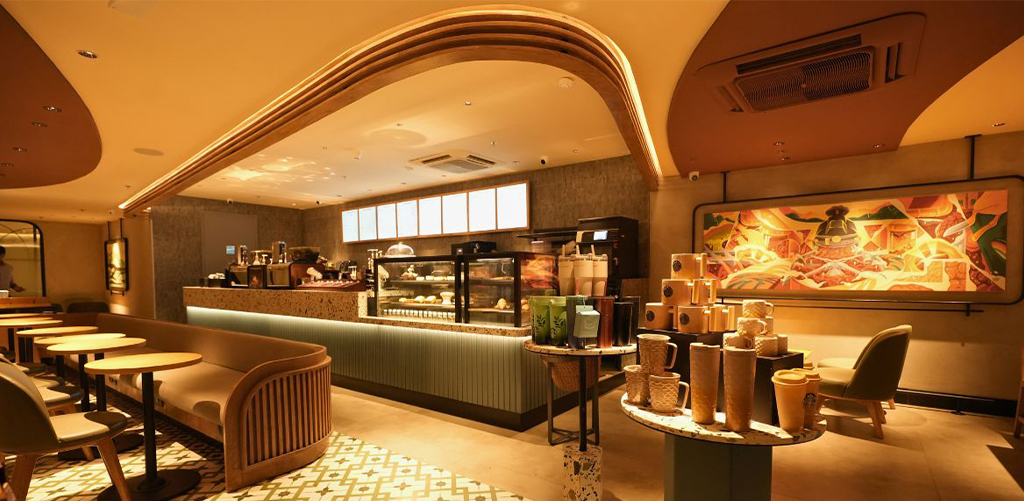
Starbucks uses warm, indirect lighting with wood and dark tones to make their cafes feel like an inviting retreat. That’s strategic. Bright light on glossy white tiles? Not so chill.

This is where interior designers must test how finishes reflect or absorb light. From matte walls to glossy countertops, each material interacts differently. Knowing this helps you avoid design disasters and build spaces people actually want to be in.

Smart Homes and Custom Scenes

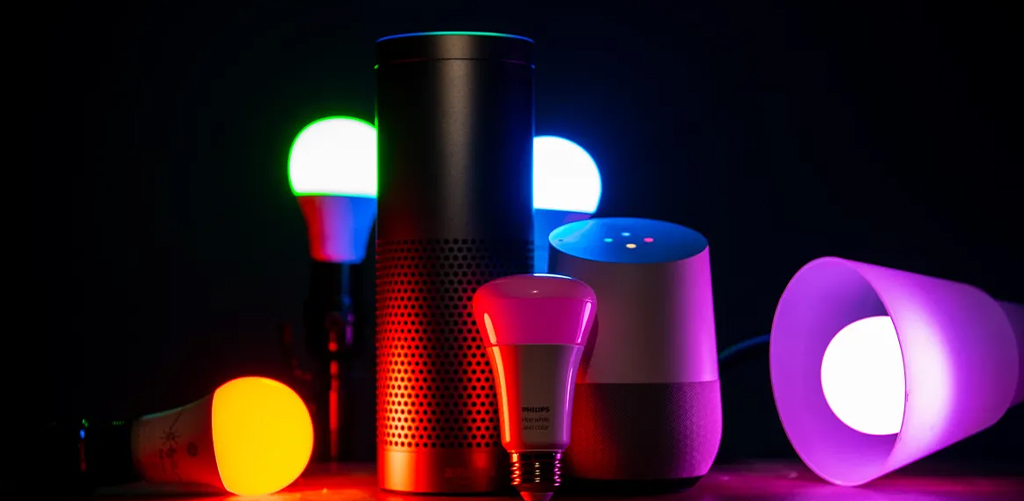
We can’t talk about lighting today without talking smart lighting. Companies like Philips Hue and Lutron have transformed the way we interact with lights. From app-controlled brightness to motion-sensor hallway lights, tech is changing the game.

Designing for smart homes is now a vital skill. Aspiring interior designers need to understand how tech can be beautifully integrated into aesthetics and not just functionality.

Ready to Switch On Your Design Career?

Whether you want to design chic apartments, cozy cafes, or cutting-edge event spaces, lighting will be a key part of your toolkit. That’s why learning how to master light is part of the Interior Design curriculum at the JD Institute of Fashion Technology, where students aren’t just taught trends, they’re taught transformation.

What Every Visual Merchandising Student Can Learn from Music Festival Brand Stalls

Tuesday, July 22nd, 2025

Ever bought sunglasses at midnight at a music fest? Sounds absurd, right? But here’s the thing, under neon lights, with pulsating beats, and a buzzing crowd, a cleverly designed stall can convince you that yes, those LED-rimmed sunglasses are exactly what you need right now. That’s the magic of visual merchandising at music events, it’s not just about selling products; it’s about selling moments.

In a world where music festivals are now lifestyle hubs, filled with fashion, tech, sustainability, and brand experiences, the stalls you see aren’t randomly thrown together. They’re curated brand stories, designed by experts trained to blend style, psychology, and storytelling.
And that’s exactly what aspiring visual merchandising students at places like JD Institute of Fashion Technology are learning. 

Creating Micro Worlds That Match the Music

Imagine walking into a stall that looks like a Moroccan tent with low seating, lanterns, and chilled herbal tea while chill beats flow in the background. It’s not just selling clothes, it’s selling escape.

Take Bohemian Groove by Boho Bazaar, which creates pop-up fashion stores inside indie music events. They use boho textiles, vintage furniture, and mood lighting to make you feel like you’re shopping at Coachella, in India.

Lesson for students? Learn how to match stall design to the mood of the music and audience. JD Institute’s Visual Merchandising course emphasizes understanding customer psychology and how ambient design influences buying.

When the Brand Lets You Play

Forget boring brochures. Today’s best brand stalls invite you to do something, try on, touch, click, pose, share.

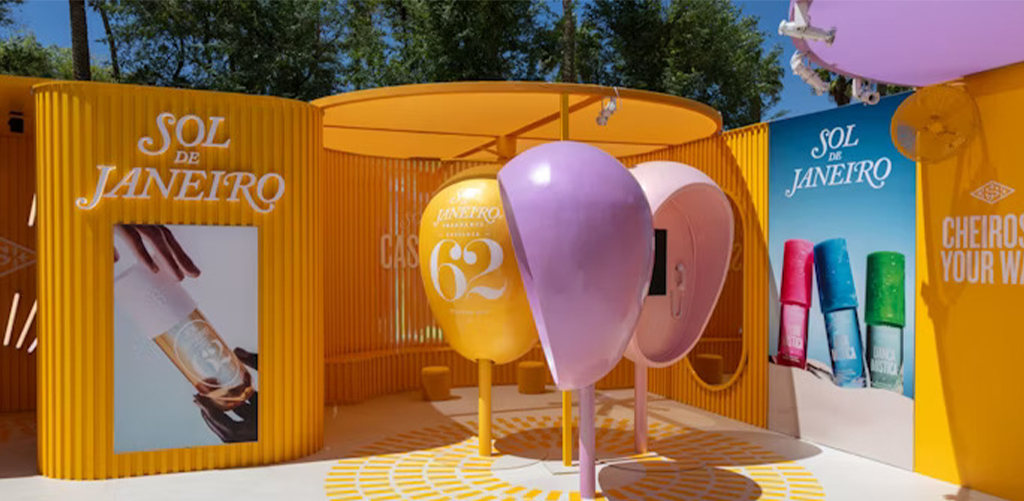
A perfect example is Sol de Janeiro’s “Casa Cheirosa” activation at Coachella, which featured six scented zones, music video booths, and photo areas, all wrapped in Brazilian flair. Guests didn’t just sample fragrances; they lived the brand. This is a true case of experiential branding that works beautifully in the music fest scene.

Why this matters: Interactive design increases engagement and sales. VM students need to learn how to integrate tech and interactivity into display planning, this is often a part of event merchandising modules in practical courses.

The Aesthetic Hook: Visuals That Make You Stop and Stare

Good design grabs you. Great design makes you stay. The best brand stalls at music festivals use striking colors, sculptural elements, and Instagram-worthy photo spots.

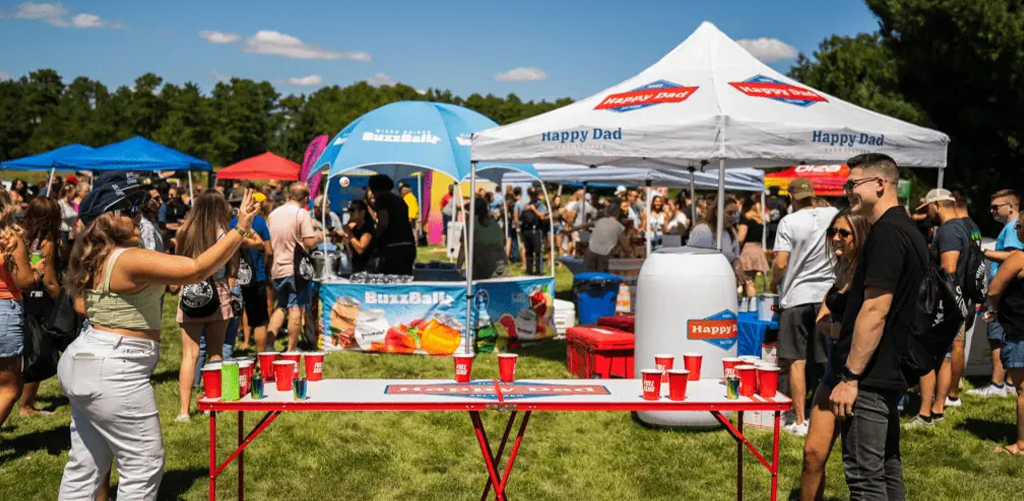
Seltzer Land in the US had stalls shaped like giant cans, photo booths in coolers, and bar carts with actual rainbow fog. Why? Because they knew people would post it, and that’s free marketing.

Designing for aesthetics means knowing spatial planning, trend forecasting, and storytelling, something that JD Institute subtly weaves into real-world assignments within its course.

When Merch Talks Music

Some of the smartest stalls aren’t just random products, they’re collabs with the performers themselves.

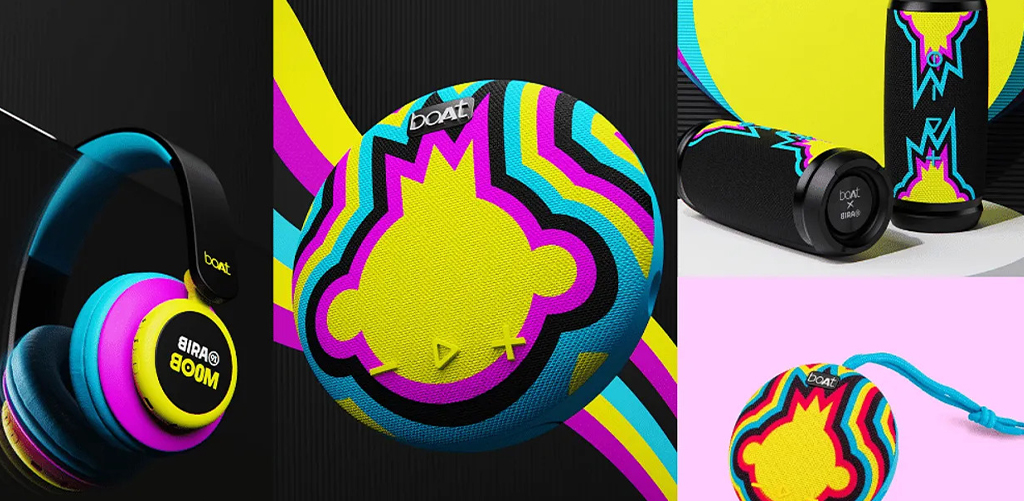
Bira 91, a homegrown beer brand, created limited-edition music-themed merch with festival artists, and their stalls doubled as pop-up lounges for mini gigs. That’s how they built serious street cred with Gen Z.

Key insight for students: Learn to design for both retail and relevance. Your displays must reflect current culture, whether that’s indie music, streetwear, or sustainable living.

The Green Revolution of Festival Stalls

Being eco-friendly is no longer optional, it’s expected. Brands that show up at music events in 2025 know that a sustainable stall gives them brownie points and customer loyalty.

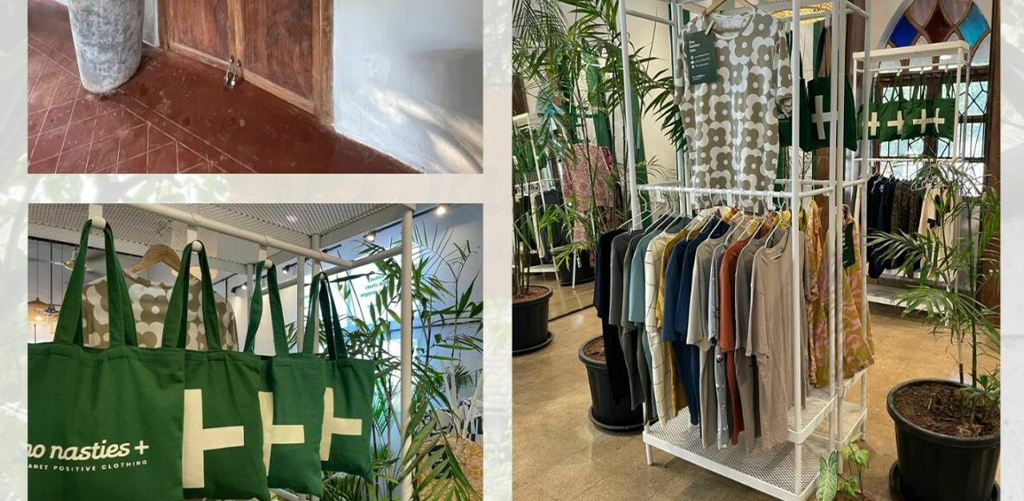
No Nasties, an organic fashion label, built a stall entirely out of repurposed bamboo and jute, with solar lights and a “no plastic” rule, and still made it look fabulous. Visitors didn’t just shop; they asked questions and posted stories. Win-win.

For VMs-in-training, this means learning not just style but sustainability. At JD Institute, students of Visual Merchandising explore how to incorporate green materials, zero-waste design, and circular concepts into visual merchandising for events.

Final Take?

If you’re dreaming of a career where creativity meets culture, where you can design spaces that make people buy, smile, and post it online, then maybe it’s time to rethink what a fashion career looks like. Don’t just follow the trends. Be the one who designs them.
Because out there, under the festival lights, your stall might just be the next big headline.

JD Students Dive into the World of Couture with RampAsia & Asha Gautam

Monday, July 21st, 2025

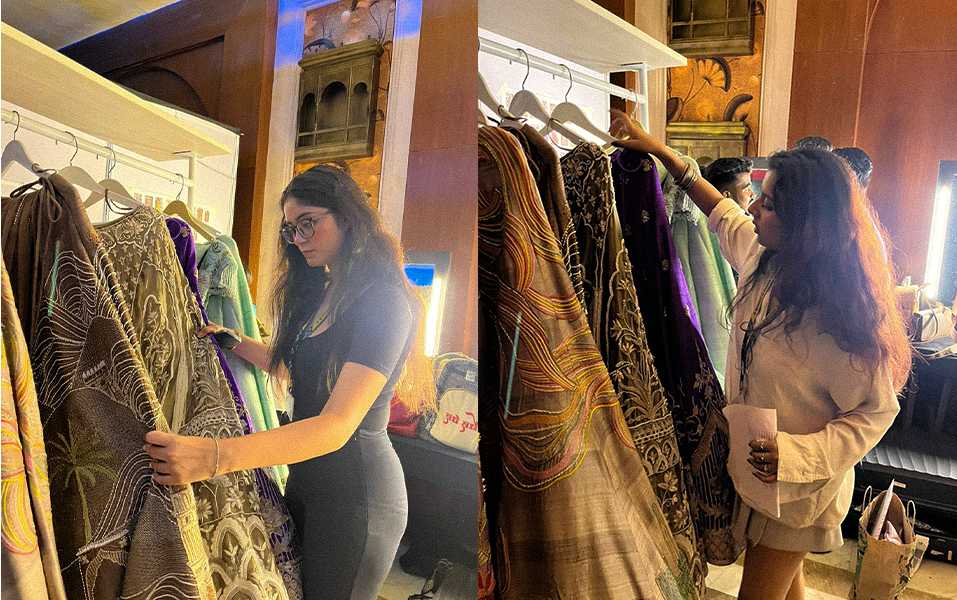
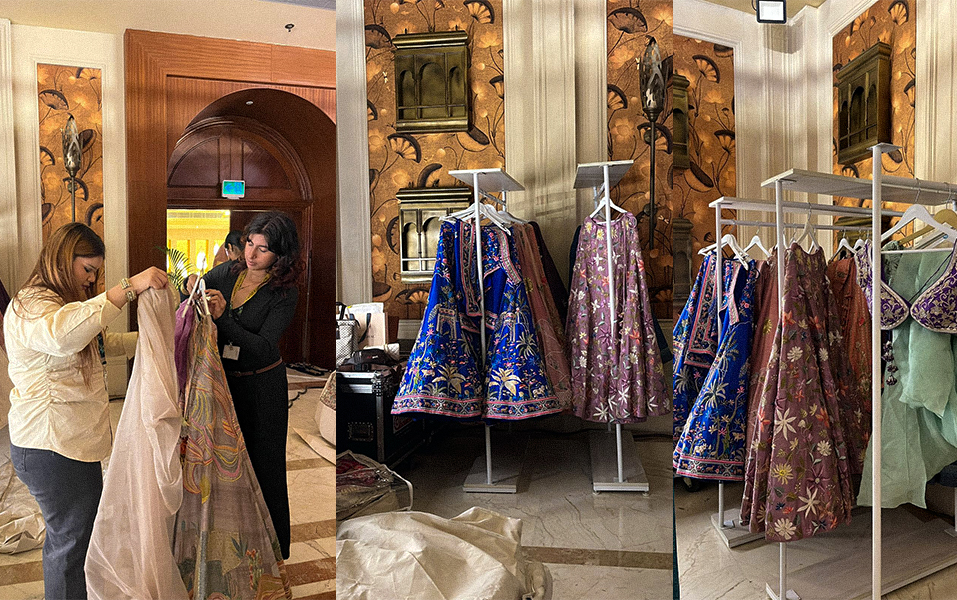
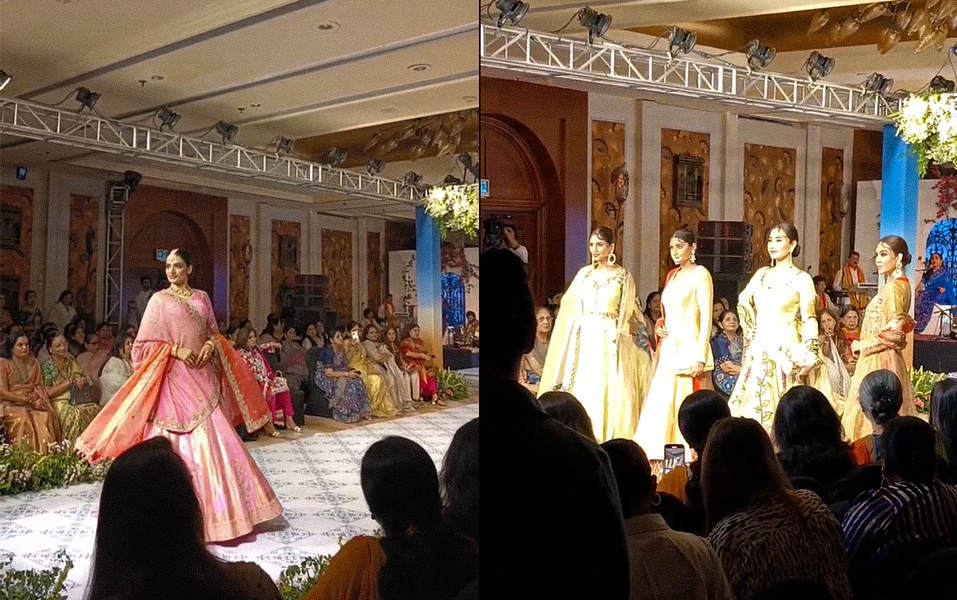
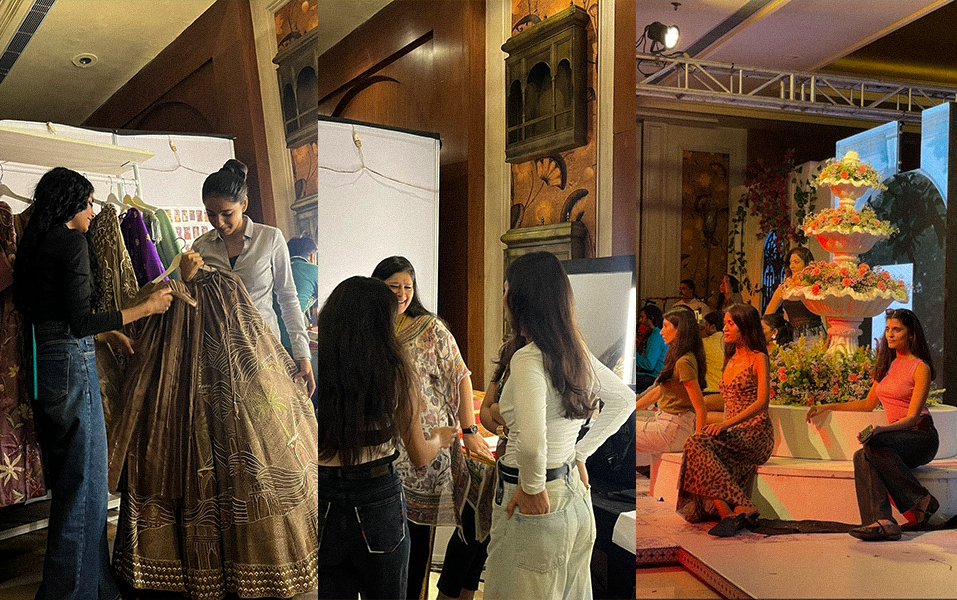
Fashion isn’t just about the final walk, it’s also about what happens before the spotlight hits the ramp. Students from JD Institute Institute Hauz Khas got a rare, behind-the-scenes pass into this thrilling world by volunteering at a live fashion show presented by RampAsia in collaboration with the renowned designer label Asha Gautam. Hosted at the prestigious ITC Maurya Hotel in Delhi the event became more than just a glamorous affai, it was a hands-on masterclass in fashion show production.

This wasn’t just another field trip. It was a runway of real-time learning, where students swapped classrooms for couture chaos and theory for practice.

The High-Stakes World Behind the Runway

While the audience sees elegance and precision on stage, backstage tells a completely different story, a fast-paced puzzle of moving parts. For JD Institute’s budding fashion professionals, volunteering backstage meant stepping right into this whirlwind.

From the moment they arrived, students were immersed in the electric energy of fashion event execution. They assisted with intricate garment fittings, coordinated delicate designer jewellery, and ensured outfits were perfectly prepped post-show.

More importantly, they experienced the discipline, timing, and backstage choreography that keep a fashion show running like clockwork.

Learning the Language of Fashion on the Go

The real magic of this experience was how naturally it aligned with what students had been learning in their Fashion Design coursework. But instead of reading about timelines and fittings, they were now living it, handling designer wear with care, responding to real-time instructions, and supporting professional models mid-rush.

They honed practical skills in garment handling, learned to work under pressure, and discovered the importance of teamwork when the stakes were high. Whether it was ensuring a model’s outfit was ready on time or packing precious couture post-show, every task shaped their understanding of what it means to work in fashion’s most high-energy environment.

In the Presence of Craftsmanship and Legacy

Adding immense value to the experience was the presence of Ms. Asha Gautam, the founder and creative force behind the celebrated luxury label Asha Gautam. Her brand, known for its exquisite handwoven Indian ethnic wear, provided students a deeper appreciation of craftsmanship and heritage in modern fashion.

Being backstage at an event showcasing her creations meant students weren’t just assisting, they were learning to respect the artistry behind each piece. Witnessing such high-calibre fashion up close gave them an insight into how traditional techniques continue to make bold statements on contemporary ramps.

More Than Just Volunteering- A Glimpse Into Their Future

This opportunity wasn’t simply about helping out, it was about discovering a possible career path. Students were applauded for their professionalism, discipline, and dedication throughout the show. Their contribution went beyond expectations, proving their readiness to be part of the ever-demanding fashion industry.

The experience allowed them to test their abilities, refine their soft skills, and most importantly, see what it truly takes to bring a designer’s vision to life. For many, it was a turning point—transforming ambition into action.

Not All Classrooms Have Walls

The fashion industry demands more than just creativity, it requires quick thinking, collaboration, and an eye for detail. Experiences like the RampAsia x Asha Gautam show offer just that: a stage to learn, unlearn, and grow. For the students of JD Institute, this wasn’t just a fashion show. It was their first real rehearsal for the careers they’re dreaming of.

How to Read a Garment: A Beginner’s Guide to Garment Anatomy

Monday, July 21st, 2025

“Fashion is the armor to survive the reality of everyday life”– Bill Cunningham

Now imagine that armor falling apart after just two washes. Not very stylish, right?
The truth is, great design isn’t just about outer looks. It’s also about how it’s made. From seams and zippers to tiny finishings, every part of a garment has a story to tell. And if you’re planning to become a fashion designer, learning to read these details is a must.

That’s why fashion design students at JD Institute don’t just sketch clothes, they examine them, inside out. Because understanding construction is where real creativity begins. So let’s decode it all, one stitch at a time.

Seams: The Shape-Makers of Style

Seams are where two pieces of fabric are stitched together. But they’re not just there to hold things in place. Seams decide the shape, fit, and even the overall comfort of a garment.

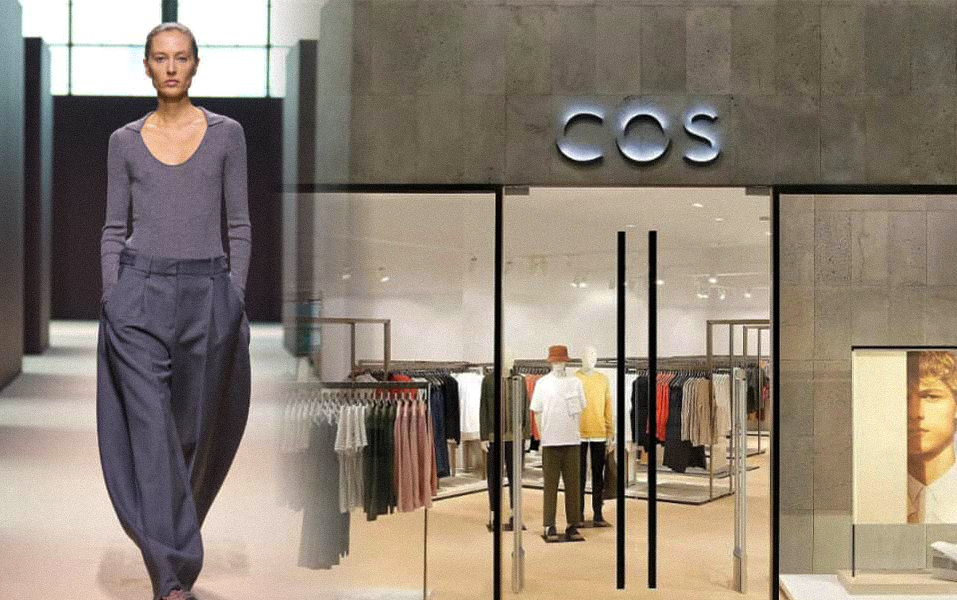
For example, look at COS. Their clean designs often hide complex seam placements that give structure without visible bulk. A well-done princess seam can slim the waist. A flat-felled seam can strengthen pants for long-term use.

Zippers: Small but Powerful

Zippers are more than closures. The type, style, and placement of zippers can change everything about a garment.

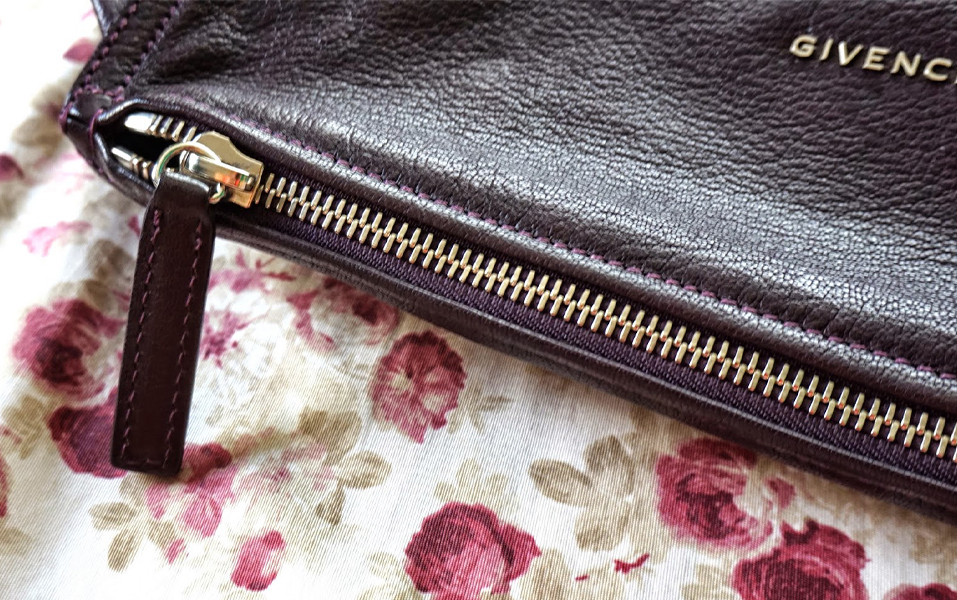
YKK, the world’s biggest zipper brand, isn’t just famous for durability, they’re trusted because they’ve mastered the tiny details. Meanwhile, fashion houses like Givenchy use oversized zippers as dramatic design features.

Hidden zippers keep designs sleek. Exposed ones can add attitude. And side zippers often show that the front is designed to stay flat and detailed. At JD Institute, the Fashion Design students explore these choices to design pieces that are both stylish and wearable.

Knowing how seams are placed helps designers predict movement, strength, and visual balance. That’s why seam analysis in fashion is so important as it reveals the blueprint of the design.

Finishes: The Little Details That Make a Big Impact

A finish is what the edge of your garment looks like, clean, raw, folded, or stitched. These might seem like small details, but they decide whether a garment looks polished or lazy.

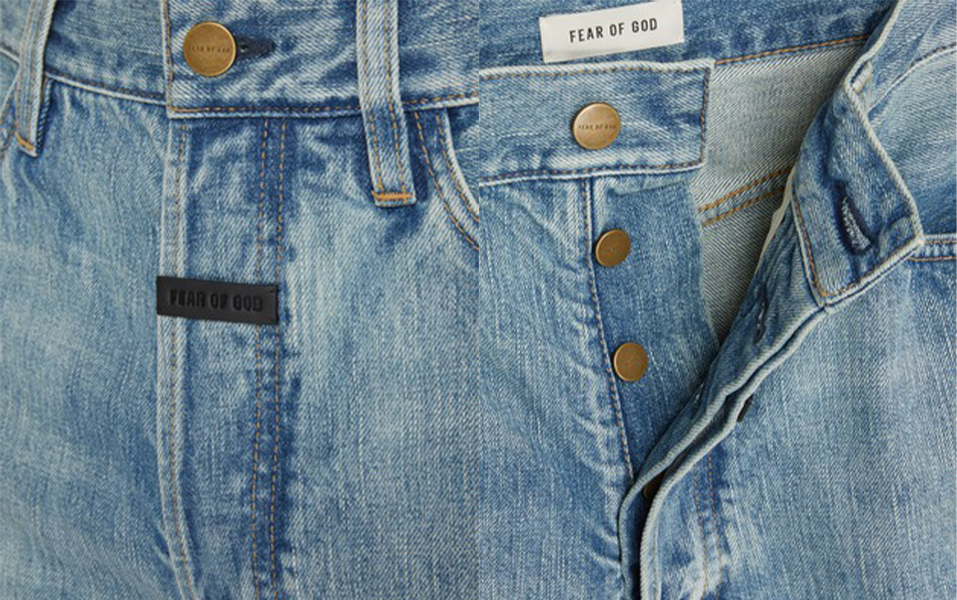
Celine, under Phoebe Philo, was known for minimal finishes that looked effortless but took expert craftsmanship to get right. On the other hand, streetwear brands like Fear of God use raw hems to give a rebellious, worn-in vibe.

Understanding finishes teaches you quality control and visual storytelling. It’s not just about the hem, it’s also about the message.

Pockets: Function That Speaks Fashion

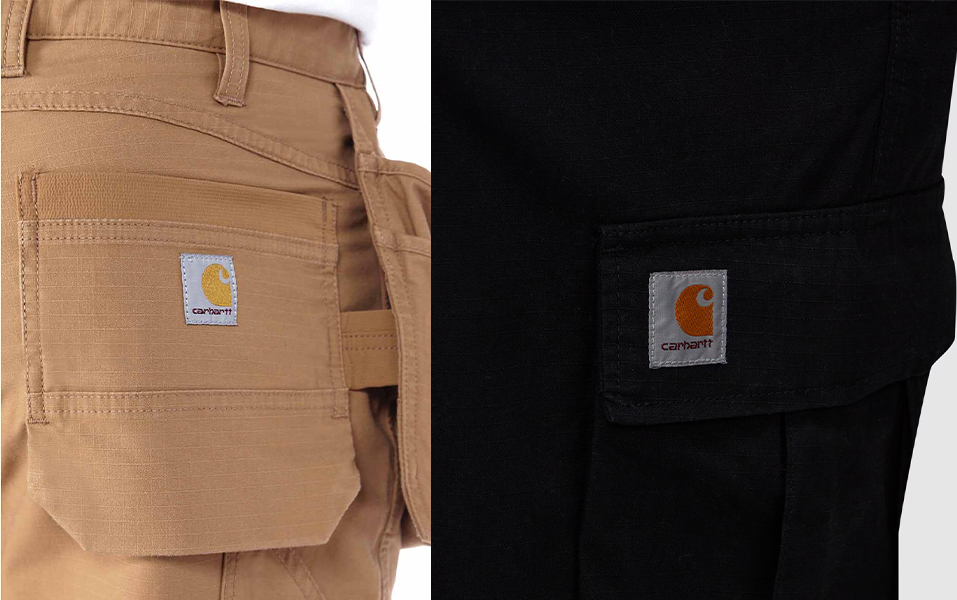
Pockets aren’t just practical, they’re personality. Think of Carhartt or A-COLD-WALL, both known for their industrial looks and exaggerated, functional pocket designs. Each pocket placement adds utility, balance, and attitude.

A patch pocket shows casualness. A welt pocket adds formality. A hidden pocket? A touch of mystery.

Aspiring designers who pay attention to pocket styles can balance both style and usefulness, two things consumers always look for.

Labels & Tags: The Hidden Design Clues

Most people rip off tags. Designers read them.

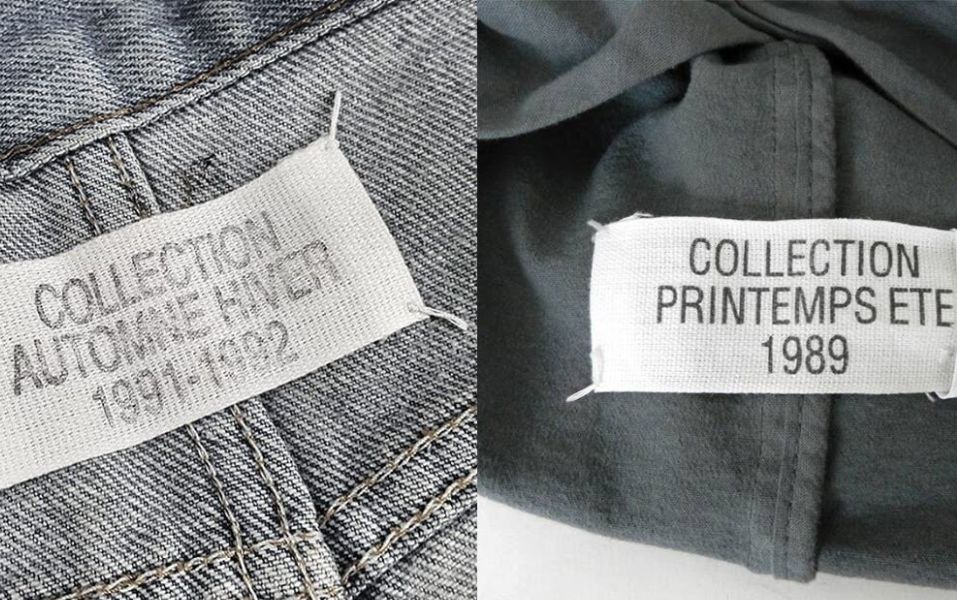
Look at Maison Margiela, known for its four-corner stitched blank tag, a signature design element that’s also symbolic. High-end brands often use woven tags, while fast fashion uses printed ones to cut costs.

Label placement, material, stitching, all of these give clues about quality, sustainability, and branding.

At JD Institute, students are trained to observe these micro-details, because in Fashion Design, everything speaks, even the label inside your shirt.

The Final Stitch

Learning how to read a garment and what seams, zippers, and finishes reveal is like learning to read a secret code. Once you understand it, you can see every flaw, every strength, and every possibility in a design. And let’s be honest, what’s cooler than being the one in the room who can look at a dress and say exactly why it works or doesn’t? Want to become that kind of designer?
Then go beyond the sketchbook. Let JD Institute of Fashion Technology show you how to read fashion like a language, and stitch your name into the future of design.

Why Every Fashion Business Student Should Know These Startup Trends for 2025

Saturday, July 19th, 2025

“The future is already here, it’s just not evenly distributed.”
This quote by William Gibson isn’t about fashion, but it might as well be. Walk into a streetwear store in Seoul, a resale boutique in Paris, or open your favorite fashion app, and you’ll see tomorrow’s fashion businesses already in motion. 2025 is shaping up to be a bold, tech-savvy, and sustainability-driven year for fashion startups.

In this blog, we’re diving into the top fashion startup trends to watch in 2025, the ones changing the game, breaking the rules, and shaping how fashion will be created, bought, and worn.

AI Stylists Are the New Personal Shoppers

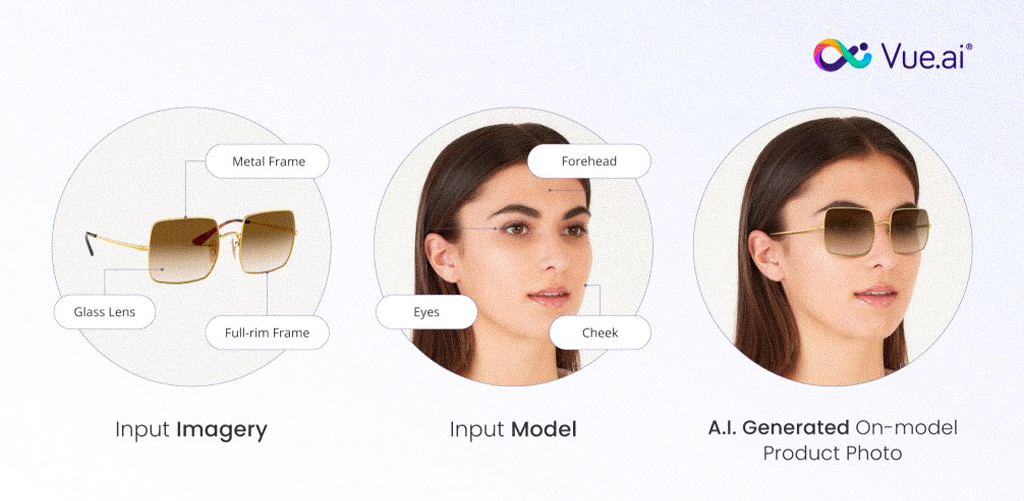
Meet your new fashion best friend: an AI. Brands like Vue.ai and Lily AI are building smart platforms that help users find clothes based on mood, body type, or even Instagram vibes. These AI-powered assistants not only style customers but also help brands predict demand, reduce overproduction, and personalize experiences.

For fashion entrepreneurs, understanding how AI is reshaping style isn’t optional, it’s essential. Learning how data works, how AI tools function, and how to pair them with creativity is something you can explore in-depth through Fashion Business Management course like the one at JD Institute.

Sustainable Doesn’t Mean Boring Anymore

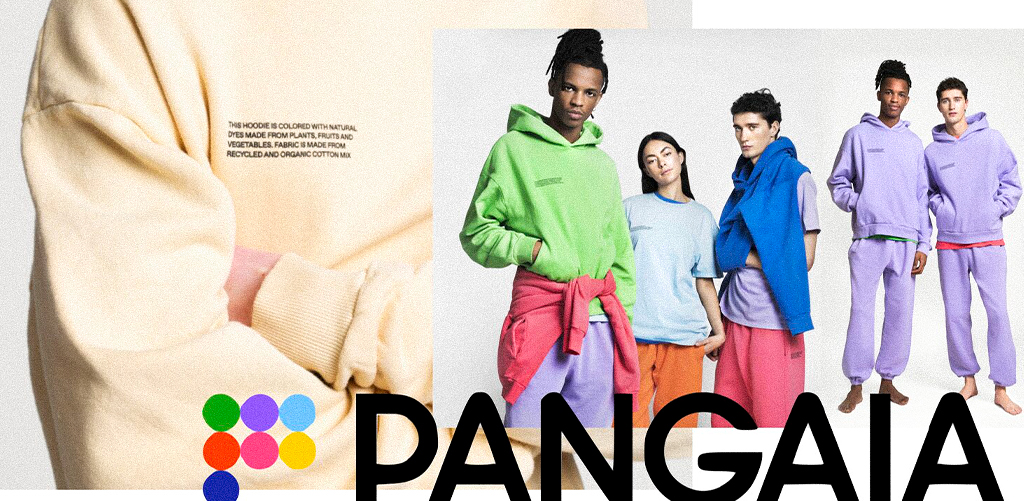
Fashion in 2025 is about doing good and looking good. Think of Pangaia, which makes high-performance eco-wear using bio-engineered materials. Or Reformation, where AI tracks fabric impact, and everything’s made-to-order.

The trend? Startups are shifting from “less harm” to “net good.” Aspiring founders need to learn about circular design, ethical sourcing, and green manufacturing early on, because conscious consumers are not slowing down.

Virtual Fashion = Real Money

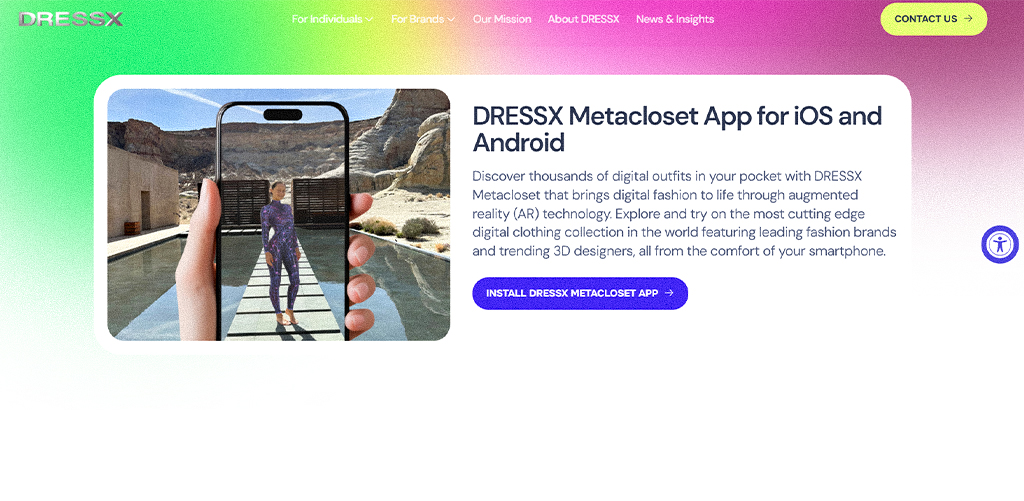
NFTs and digital wearables aren’t just buzzwords anymore. Platforms like DressX are letting people buy and wear virtual outfits on social media. And digital fashion houses like The Fabricant are collaborating with brands for limited-edition digital drops.

In 2025, expect fashion startups to explore metaverse wardrobes, AR fitting rooms, and hybrid phygital clothing lines. If you want to launch something exciting, learning how tech and fashion intersect could be your golden ticket.

Rental and Resale

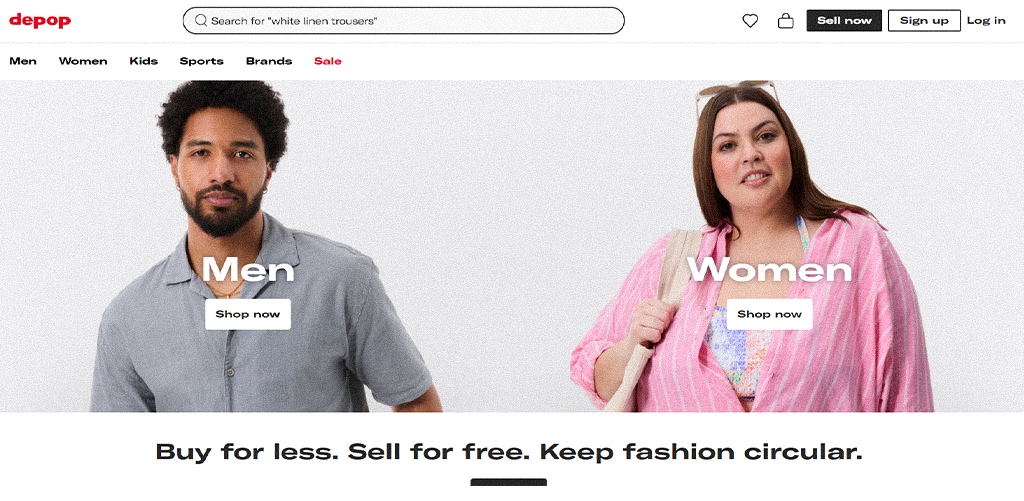
Thrift is now trendy, not just economical. Apps like Depop, Rent the Runway, and Trove are showing how big the resale and rental economy has become. In fact, many Gen Z fashion startups are building community-first, resale-based platforms to offer style minus the waste.

For anyone building a brand in 2025, knowing how to tap into pre-loved culture is a major skill. You’ll need to understand pricing, logistics, and consumer psychology, something Fashion Business students at JD Institute get hands-on training with during brand strategy and retail modules.

Local and Hyper-Niche Brands Are Booming

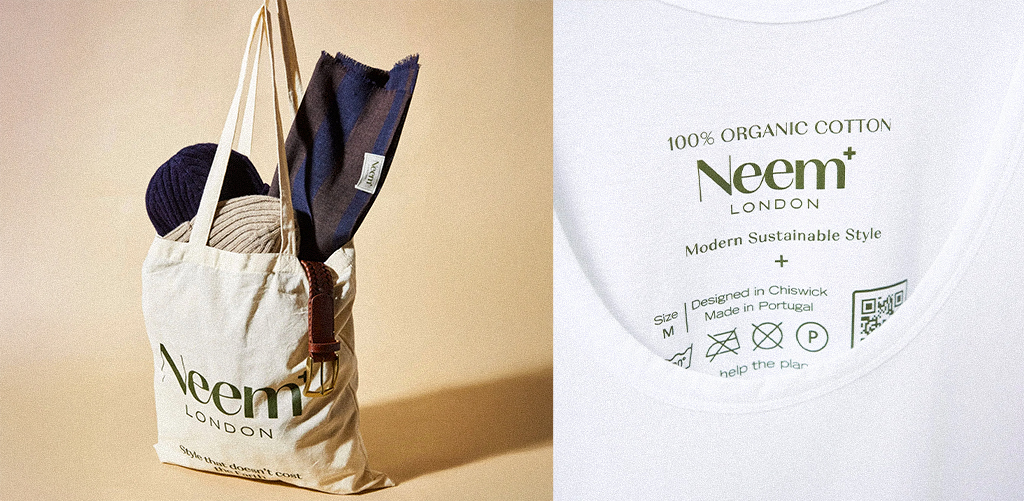
Not every brand needs to go global. In fact, local pride and micro-communities are pushing fashion brands to niche down. Examples? Telfar (NYC’s own “Bushwick Birkin”) and Neem London, which speaks only to mindful male shoppers.

2025 startups will win by being specific knowing their people, values, and purpose. Business students today need to learn branding that’s culturally connected and emotionally intelligent.

Fashion Founders = Content Creators

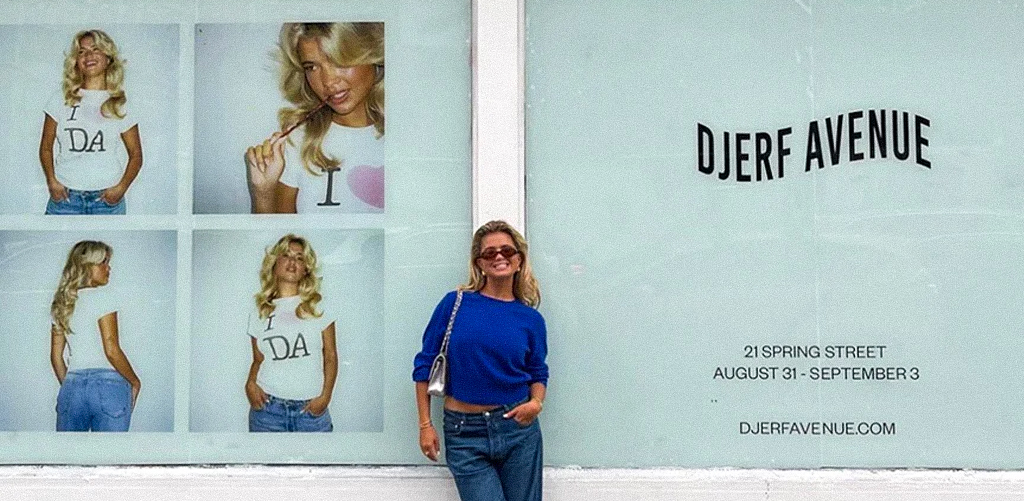
This one’s huge. In 2025, if you’re building a fashion brand, you’re also building an audience. Look at how Matilda Djerf’s Djerf Avenue grew on the back of her aesthetic storytelling. Fashion startups are becoming media companies.

Knowing how to create viral campaigns, speak on reels, or even host online events is key. And that’s where fashion business education from JD Institute comes in handy, it doesn’t just teach the “what,” but also the “how” of digital brand building.

The Best Brands of Tomorrow Start Learning Today

If there’s one thing these trends teach us, it’s this: The future of fashion business isn’t about copying the runway. It’s about building your own. Whether you want to start a sustainable label, a tech-powered fashion platform, or the next big resale app, the best investment is to learn how real-world fashion business works, and JD Institute’s Fashion Business Management course is a power-packed way to begin.

Copyright © 2025 JD Institute of Fashion. All Right Reserved

Designed by Red Lemon

Whatsapp icon
Apply Now
Enquire
Quick Enquiry