
Apply Now

Author Archive

The Unseen Power of a Logo: What Every Fashionpreneur Must Know

Saturday, August 2nd, 2025

People don’t always remember names, but they do remember logos.

Think about it: when you see the big yellow “M”, you think of McDonald’s. When you see a swoosh, you think of Nike. That’s the power of a strong logo.

In the fast-moving world of fashion business, your logo is not just a design, it’s your brand’s face. It’s how people recognize you, remember you, and trust you. If you’re an aspiring fashion entrepreneur or studying fashion business, understanding this is super important.

This is exactly what the Fashion Business Management course at JD Institute helps you learn, how to build a fashion brand that stands out, starting from the logo.

Let’s look at why a strong logo matters more than ever, and what you can learn from some famous fashion startups.

Your Logo Is the First Thing People See

Before anyone even checks your designs, they’ll see your logo. And they’ll judge you based on it. Harsh? Maybe. But it’s true.

A strong logo shows people what kind of fashion you do, whether you’re luxury, streetwear, eco-friendly, or bold and edgy.

Example: Daily Paper, a fashion brand from Amsterdam, has a simple shield logo. It’s clean, cool, and connects with their African roots. The logo tells a story, without saying a word.
If your logo looks messy or unclear, people might skip your brand. But a sharp, smart logo? That gets attention.

A Good Logo Builds Trust

When people see a clean and professional logo, they feel like the brand is serious and reliable. That’s how big names like Glossier or SKIMS earn trust, through smart design and branding.

Example: Telfar’s logo, a simple round “T”, has become a fashion symbol. It’s stylish, simple, and genderless. That little symbol made them a big name.

In the Fashion Business Management course at JD Institute, students learn how to build logos that speak for the brand. It’s not just about drawing, it’s about smart branding that builds trust.

Logos Make Marketing Easier

Think about social media posts, ads, website banners, and packaging. Your logo is what ties everything together. It’s the identity that people see again and again.

Example: Maison Kitsune uses a little fox as their logo. It’s cute, easy to remember, and works on clothes, coffee cups, and events. That’s clever branding.
With a logo, your fashion startup can look polished everywhere, from Instagram to shopping bags. And when people see your logo enough, they remember you. That’s what makes a customer come back.

Your Logo Builds a Fashion Community

Strong logos become part of a lifestyle. People wear them with pride. They show off their style and also say, “I’m part of this brand.”

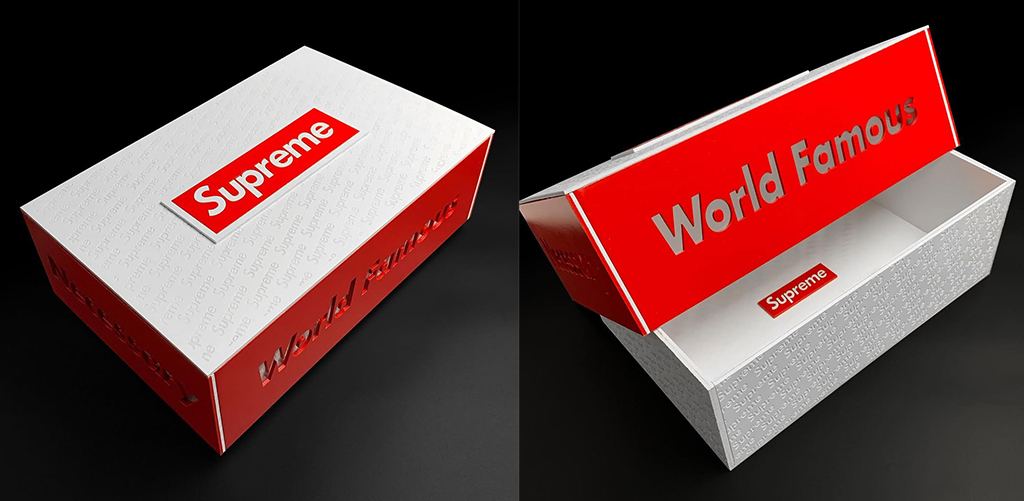
Example: Supreme’s red box logo is so famous, people stand in line for hours just to buy a T-shirt with it. It’s not just clothing, it’s a statement.
A logo can help your brand feel like a community. If people connect with your brand and your logo, they’ll follow you, support you, and share your stuff.

And when you know how to build that kind of connection? That’s when your startup grows.

Build a Brand, Not Just a Label

If you’re dreaming of starting your own fashion brand, don’t just focus on clothes. Learn how to build the full brand, starting with your logo. The Fashion Business Management course at JD Institute of Fashion Technology, teaches you how to do just that. It’s not just about fashion, it’s about smart business, creative branding, and real industry skills.
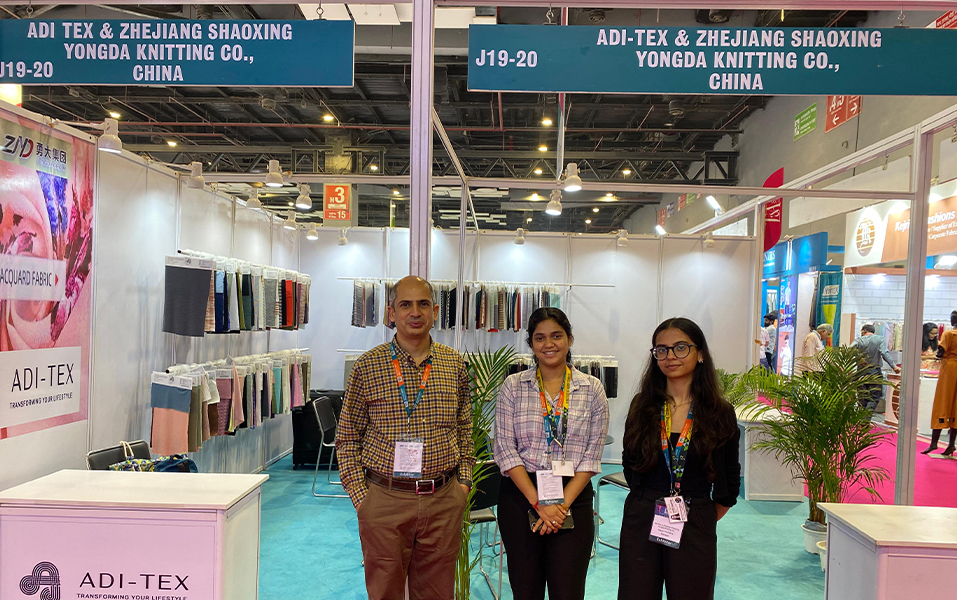
Fashion Jediiians Participate in Textile Fairs India 2025 at Pragati Maidan

Friday, August 1st, 2025

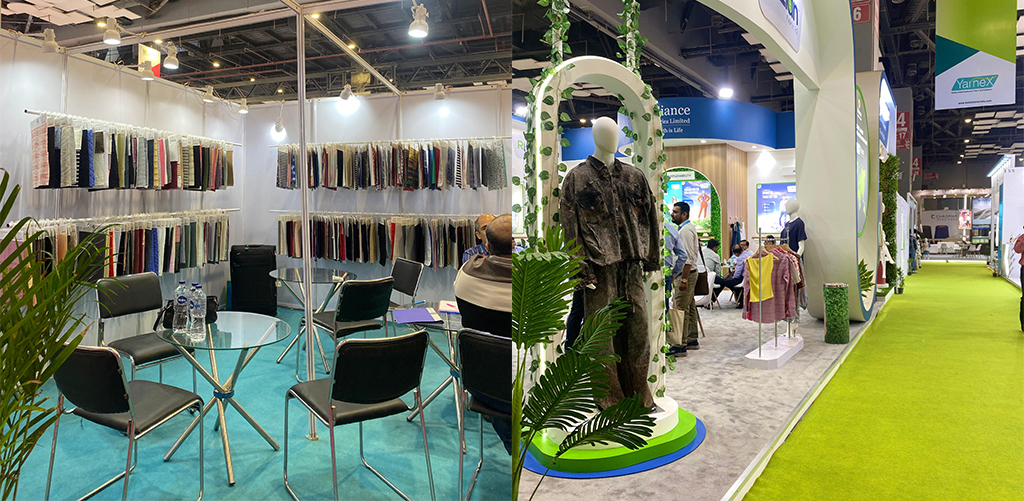
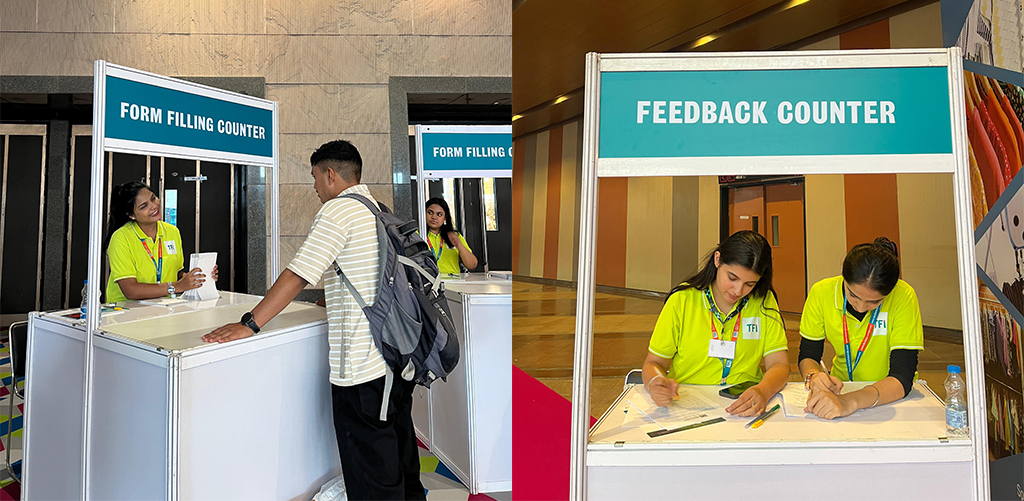
Not all classrooms have walls, and sometimes, the most valuable lessons happen in the energy of a bustling trade fair. Our Fashion Design students got an extraordinary opportunity to step into the real world of textiles at one of the most influential platforms in the industry, Textile Fairs India (TFI) 2025, held at Pragati Maidan, New Delhi.

From walking the aisles of Yarnex and ASF to managing real-time PR at Homtex and engaging in B2B conversations at the F&A Show, the experience was anything but textbook.

Four Shows, One Epic Learning Ground

TFI 2025 wasn’t just a fair, it was a convergence of four power-packed textile segments: Yarnex, F&A Show, ASF, and Homtex. Over three vibrant days, our fashion design students from undergraduate, postgraduate, and diploma courses got the chance to become part of the action, not just as visitors, but as active contributors.

Their roles spanned registration, guest coordination, PR duties, and exhibitor support. From answering product inquiries to managing footfall flow, every responsibility helped them understand the real mechanics behind trade events and industry networking.

Even more exciting? Selected students were given dedicated PR tasks, allowing them to interact with senior professionals from leading textile firms, putting their communication skills and design knowledge to the test in a professional setting.

Hands-On Experience at ADI-TEX Booth

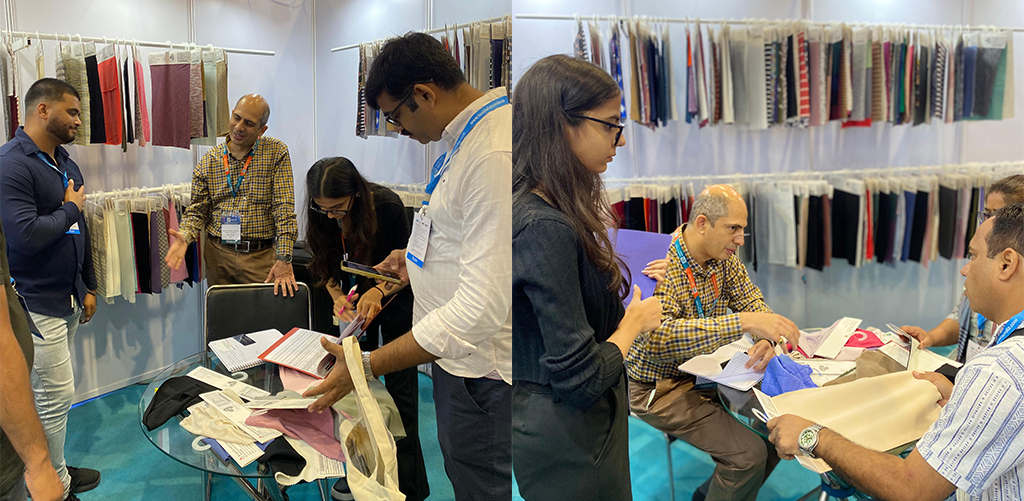
While volunteering was a rich experience on its own, two if our students were handpicked for something even more special: a full-time role at the ADI-TEX booth, representing the brand alongside its founder, Mr. Aditya Dwivedi.

Founded with an international vision, ADI-TEX is a name known for its fabric exports and cross-border collaborations. For the students, this wasn’t just an internship, it was a deep dive into the B2B world of fabrics. Under Mr. Dwivedi’s personal guidance, they interacted with Indian and global buyers, studied product specifications, took client notes, and got real-time exposure to trade conversations that designers usually only read about.

They weren’t just observing, they were contributing. They engaged in client meetings, asked intelligent questions about fabric development, retail dynamics, and export logistics, and absorbed practical business insights directly from the founder himself.

Why This Experience Matters

It’s one thing to learn about textiles in a lecture, it’s another to manage live visitor inquiries, respond to real client questions, and witness the rhythm of a working trade booth. TFI 2025 gave students both perspectives: a macro view of how global textile trade operates and a micro view into the personal interaction that powers it.

Each hallway conversation, exhibitor query, and showroom display turned into a living classroom. Whether assisting PR teams, interpreting buyer needs, or taking notes on product specs, every moment added value to their academic journey. For many, it was their first direct interaction with international trade formats, and it left a lasting impression.

What the Industry Gave, and What the Students Took Away

The fair wasn’t just about professional exposure, it was a powerful reminder of how much the textile industry values fresh minds and willing learners. Senior professionals at the event took time to share real-world insights, answer questions, and give feedback. For the students, these conversations became bridges between classroom theory and industry reality.

Mr. Aditya Dwivedi, in particular, served as a mentor figure, helping the ADI-TEX student representatives understand not just what to do, but why it matters. This kind of hands-on, founder-led interaction is rare, and the students embraced it with eagerness and professionalism.

From Fairgrounds to Future Dreams

Events like TFI 2025 are not just career stepping stones, they’re windows into the future of design, trade, and innovation. The JD Institute Hauz Khas students walked into the fair as learners, but they walked out with something far more powerful: a real, working understanding of how their skills connect to the world beyond the classroom.

So, if you’ve ever wondered what it’s like to take your passion for fashion into the real world, start with one question: Are you ready to stand behind the booth, not just walk past it? Because sometimes, your future isn’t waiting in a portfolio, it’s unfolding in the fabric stall right in front of you.

What Every Smart Designer Knows About Making Visuals Pop

Friday, August 1st, 2025

Ever tried reading yellow text on a white background? That’s what happens when contrast goes missing, it’s like watching a movie with the brightness turned down.

But when used right? Contrast can make everything pop, your designs, your outfits, even your Instagram feed. From Billie Eilish’s neon green hair to Apple’s classic black-and-white ads, contrast isn’t just a design element, it’s a strategy.

Let’s break down why contrast in design is your best friend, and how top fashion icons, interior stylists, and branding experts use it to create visuals that can’t be ignored.

Why Contrast Means Visibility

Whether you’re designing a logo or styling a streetwear look, contrast creates instant attention. It separates the foreground from the background, the important from the decorative, and the message from the noise.

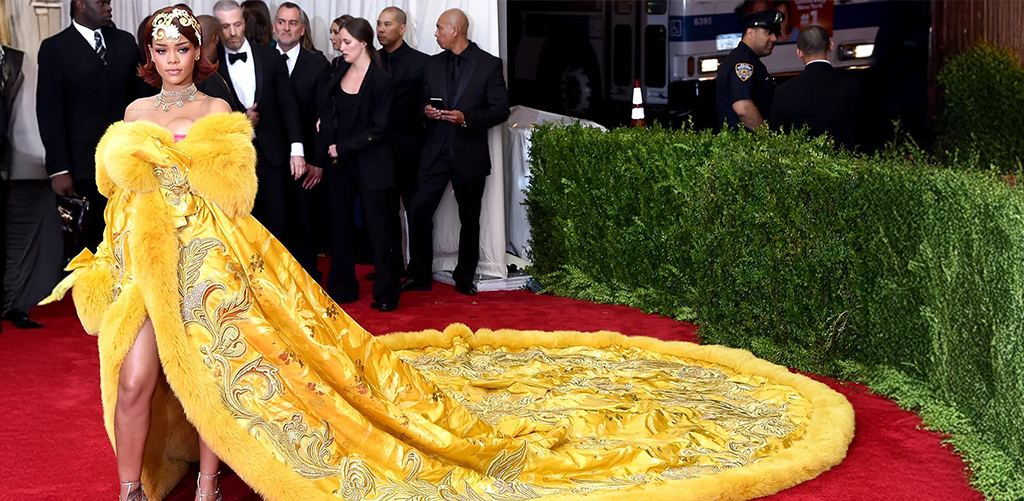
Think about Rihanna’s 2015 Met Gala look, a massive yellow fur-trimmed gown on a sea of neutral-toned celebs. She didn’t just show up; she popped. That’s fashion contrast done right.

At JD Institute, students are taught early on that visual contrast isn’t just for aesthetics, it’s crucial for clarity, hierarchy, and accessibility. Be it an interior layout or a magazine layout, it’s about guiding the viewer’s eyes to what matters most.

Color Pairing: Not Just a Vibe, but a Science

Some colors are just meant to clash, and that’s a good thing. Opposites on the color wheel, create maximum impact. Think red and green, blue and orange, yellow and purple.

Case in point: IKEA. The brand’s blue and yellow combo screams Scandinavian simplicity with instant recognizability. It doesn’t whisper, it yells but politely.

JD Institute in its communication design course explore color theory hands-on. From experimenting in textile labs to decoding audience psychology in branding workshops, the course teaches how contrast can build a color identity that’s unforgettable.

Contrast in Spaces

In Interior design, contrast isn’t just about color. It’s about texture, material, light, and layout. Think exposed brick against soft velvet, or sleek glass against warm wood.

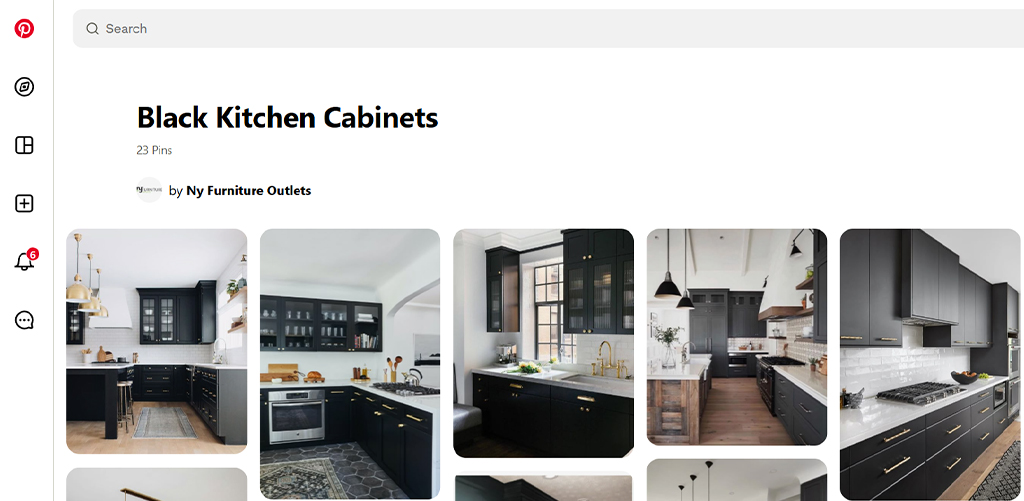
Pinterest went wild over black kitchen cabinets paired with white marble countertops. It’s dramatic, luxurious, and anything but boring.

Students at JD Institute are encouraged to experiment with such dynamic elements, from contrasting shapes in furniture layout to juxtaposing traditional crafts with modern minimalism. It’s all about making rooms feel alive.

Contrast = Accessibility = Better Design for All

Contrast isn’t just trendy, it’s essential for inclusive design. Low vision users, elderly audiences, and even distracted scrollers benefit when content is easy to see and navigate.

Google’s Material Design Guidelines emphasize high contrast for touch targets, text, and icons, because clarity isn’t optional anymore.

Design students must be taught how design with accessibility in mind boosts both function and ethical value. It’s not just about how good it looks, but also how usable it is for everyone.

Design That Stands Out Starts with Thinking Differently

In a world full of visual clutter, contrast is your shortcut to clarity, energy, and memorability. Whether you’re styling a photoshoot, revamping a living room, or launching a digital brand, contrast helps you focusing on essentials. And if you’re wondering where to learn how to make every element pop like a pro? That’s where JD Institute comes in, where design isn’t taught, it’s experienced. Through real-world projects, bold experimentation, and guidance from industry leaders, contrast becomes second nature.

Fashion is Ageless, But Styling Isn’t- Here’s What Aspiring Fashion Stylists Should Know

Thursday, July 31st, 2025

In 1975, Cher wore a naked dress at the Met Gala, and continues to wear striking, sheer, nude-illusion outfit, many designed by Bob Macki, well into her late 70s. Some things never change. Confidence, style, and the right attitude don’t age, and neither does fashion. But here’s the twist: while some rules of dressing evolve with every decade of life, others stay classic and eternal. That’s exactly what we’re exploring in this blog, styling for different age groups.

And if you’re an aspiring fashion stylist wondering why this matters, understanding age-based styling isn’t just good to know, it’s essential. If you’re studying fashion styling at places like the JD Institute, you’re already on the path to learning how to work with real people of all ages, not just models on runways. Because trust us, fashion isn’t one-size-fits-all, and neither is your career.

Teens & Twenties

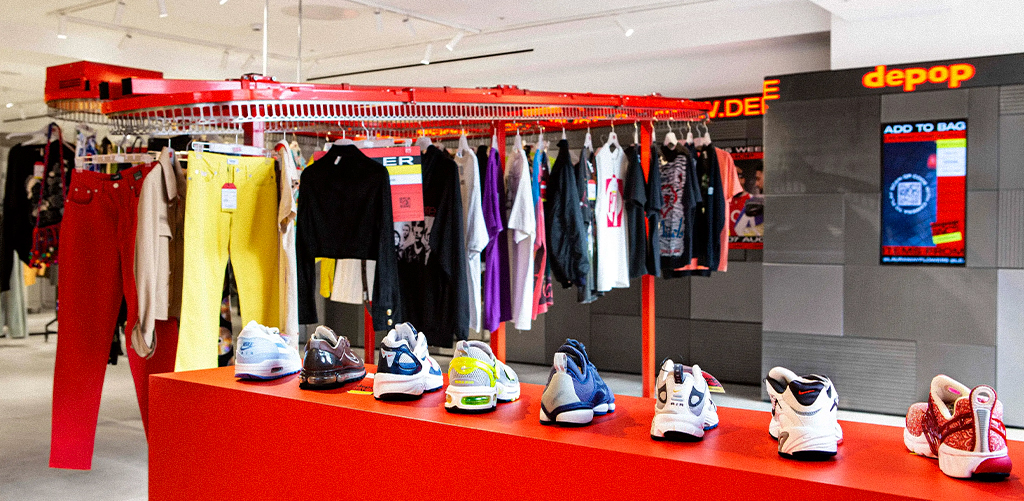
Think of brands like Depop and Urbanic that are closely driven almost entirely by Gen Z aesthetics. These age groups live for experimenting. Oversized everything? Neon? 2000s throwbacks? Yes, yes, and yes.

What Changes: Trends. Fast and furious. One month it’s cargo pants, the next it’s lace layering.
What Doesn’t: The hunger to stand out. No matter the trend, the goal is individuality.

Aspiring stylists should learn how to spot micro-trends, predict viral looks, and help young clients express who they are, or who they’re becoming.

Thirties & Forties

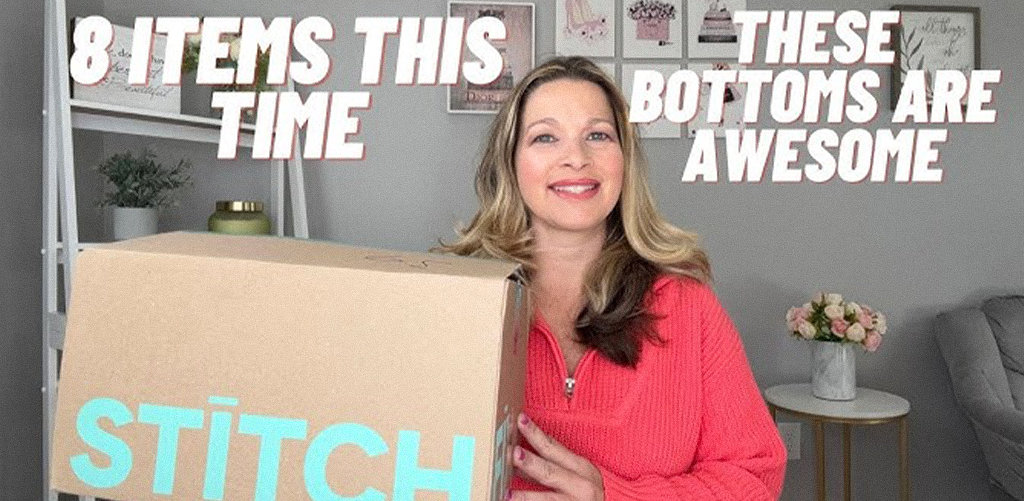
Meet startups like Stitch Fix, which built a business around personalized fashion for adults who want style without stress. In your 30s and 40s, your look starts reflecting who you are, not who you’re trying to be.

What Changes: There’s often a shift to structured silhouettes, quality fabrics, and timeless staples.
What Doesn’t: The love for experimenting never fully goes away. Now it’s about balancing edgy with elegant.

Fashion stylists, especially those trained in holistic styling through institutions like the JD Institute, learn how to read body types, lifestyle needs, and curate wardrobes that work, whether it’s power dressing for the boardroom or weekend brunch attire.

Fifties & Sixties

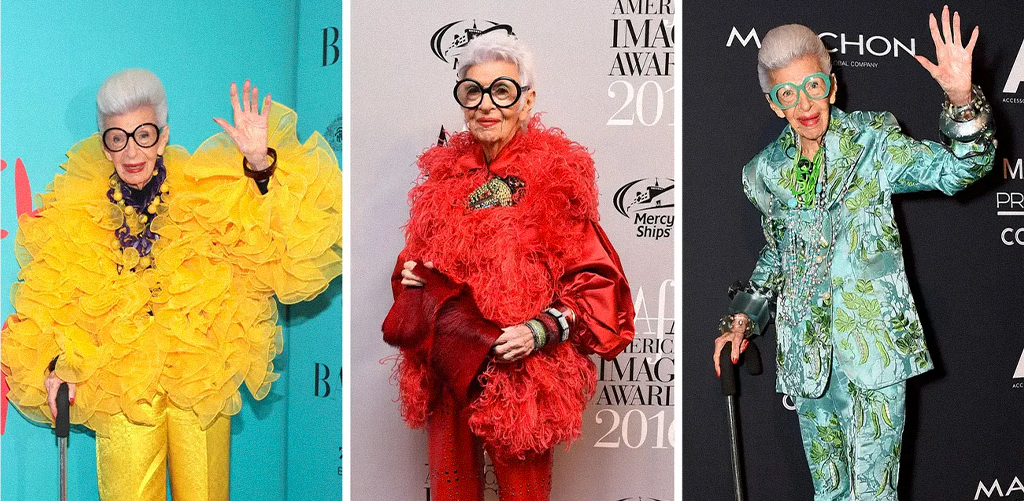
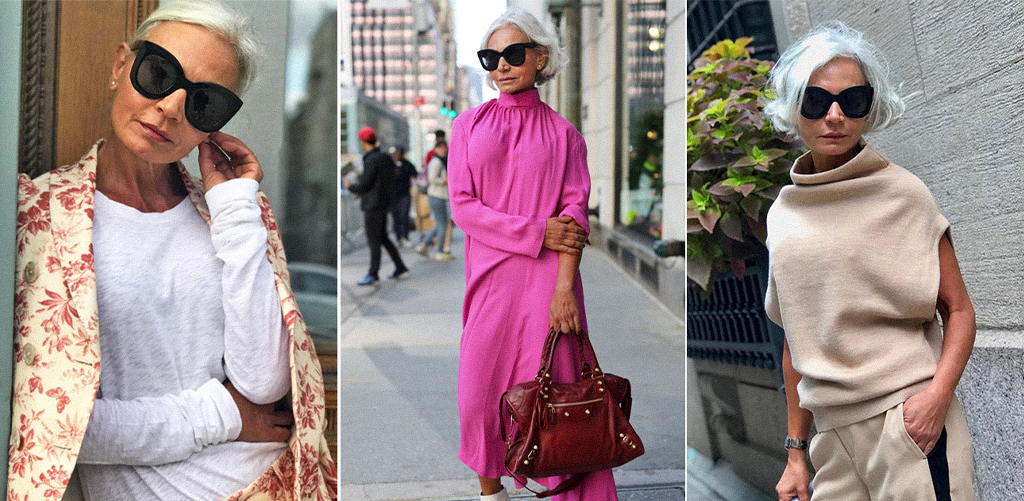
Think of icons like Iris Apfel, who proves every day that fashion is ageless. Or brands like Colleen Heidemann’s fashion line, which proudly features older women slaying runways and Instagram alike.

What Changes: Comfort becomes non-negotiable. But that doesn’t mean boring.

What Doesn’t: The desire to express personality through fashion, loud earrings, statement coats, luxurious scarves? Still in the game.

For stylists, this is where mature fashion styling comes into play. It’s not about covering up, it’s about enhancing what’s already fabulous. And yes, intergenerational style is real, fashion is now about celebrating every phase of life, equally.

Seventies and Beyond

Startups like Silver Disobedience and influencers like Grece Ghanem are flipping the script on aging. This is the age of freedom, no dress codes, no fashion rules.

What Changes: Minimalist wardrobes often make a comeback but with a twist of luxury and statement.
What Doesn’t: The joy of dressing up. Whether it’s for a family dinner or a photoshoot, the sparkle is very much alive.

Stylists working with elder clients learn that less is more, but meaning is everything. Comfort, tradition, emotion, these become style pillars, and fashion must follow.

All Set to Style for Every Season of Life?

Age-inclusive fashion is the future, and those who understand it will shape tomorrow’s trends. If you’re serious about fashion styling, don’t just chase trends. Learn to style stories, shape identities, and connect generations. That’s what you’ll master at a place like JD Institute, where style meets substance.

The Coolest Way to Feed Guests in 2025 Events? This Might Surprise You

Thursday, July 31st, 2025

Did you know the Oscar Mayer hotdog truck hit the streets way back in 1936?

And guess what? That little truck started something big. Today, food trucks and pop-up kitchens have become the main highlight of modern events, sometimes even more than the music or decor!

If you’re someone dreaming of becoming an event planner, you have to understand how food trucks are changing the game.

That’s why students in the Global Event Management course at JD Institute are already learning how to use these food setups smartly for the best guest experience.

Why Everyone’s Loving Mobile Catering

Food trucks and pop-up stalls bring more freedom and fun to any event. Instead of waiting in long buffet lines or eating the same old menu, guests can pick what they want, when they want it. And the best part? You can offer 5–6 different cuisines in one place, from biryani and momo to burgers and tacos.

Cool Example: Bombay Food Truck (Mumbai)
They serve Asian, North Indian, and even fusion dishes, all from a bright and colorful truck. They’ve done everything from weddings to movie sets!

For event planners, it’s a win-win. Guests get variety, and you get a fun, photo-worthy food setup.

Food That Doubles as Entertainment

People love watching their food get made, especially when it’s done live. Think of pizzas spinning in brick ovens, sliders being grilled right there, or desserts being torched to perfection. It turns food into a performance.

Cool Example: The Lalit Food Truck Company
They bring five-star hotel food straight to events, served in a super chill, stylish food truck. It’s luxury, but with a twist.

In the Global Event Management program at JD Institute, students are taught how to turn even simple things like food into memorable guest experiences.

Food Ideas That Save Money

One big reason food trucks are so popular? They cost less than traditional catering. No big kitchen setups. No 50-person catering teams. Each truck comes with its own staff and setup. That means you save time, space, and money.

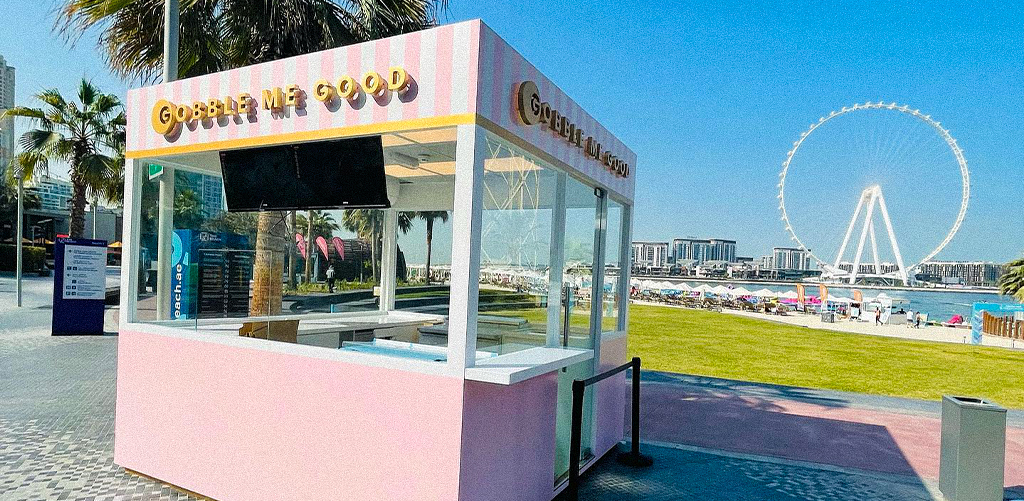
Cool Example: Gobble Me Good (GMG)
Run by a group of young food lovers, they serve things like loaded nachos, cheesy pasta, and burrito bowls. They’re booked for college events, startup launches, and more.

As an event manager, you get great food, good service, and cool vibes, without breaking the bank.

Instagram-Worthy Food = Free Publicity

Let’s be real, if people love how the food looks, they’ll post it. That’s free promotion for your event. Food trucks usually have cool designs, neon signs, and colorful plates. It’s basically free marketing through your guests.

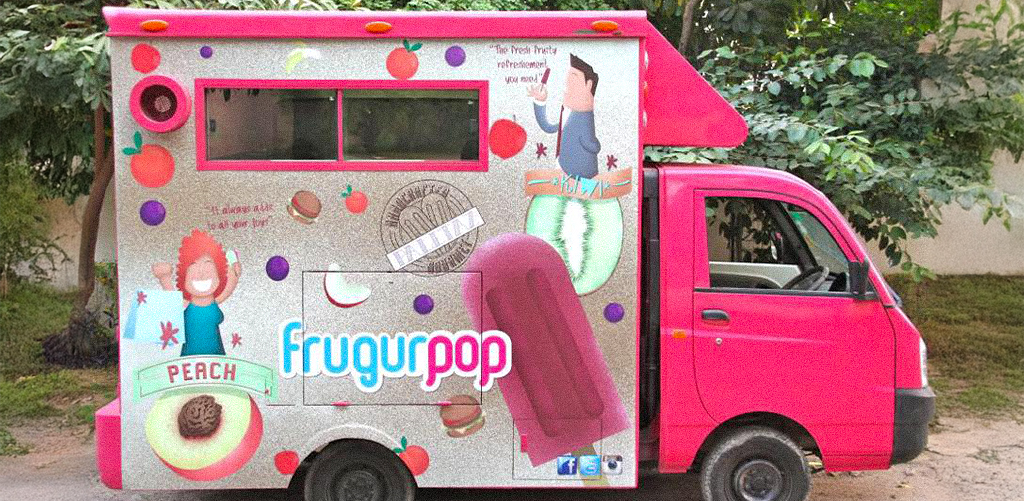
Cool Example: Frugurpop (Delhi)
They sell popsicles in wild flavors like hibiscus and tamarind-chili that are all from a pink truck. And yes, it’s as Instagrammable as it sounds.

Guests love taking pictures. Brands love the attention. Everyone wins.

Your Next Move? Learn From the Pros Who Get It

Food is no longer just about feeding people at events, it’s about connecting people, building memories, and setting the vibe. So if you’re planning to join the events world, learn to plan like a pro and think like a guest. And if you want to master those skills, you know where to start, JD Institute’s Global Event Management course is where the future event experts are getting ready.

Our Jediiians Get Real Experience at Mrs. World International 2025

Wednesday, July 30th, 2025

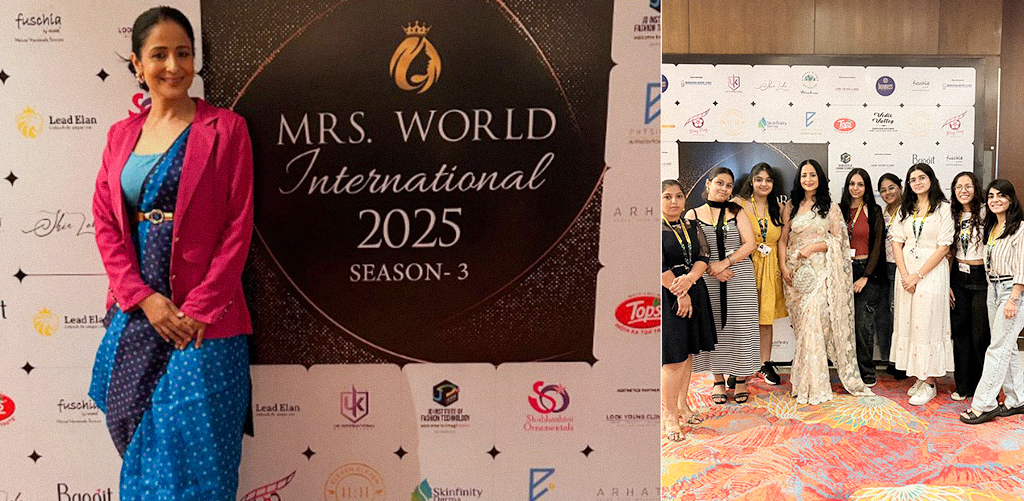
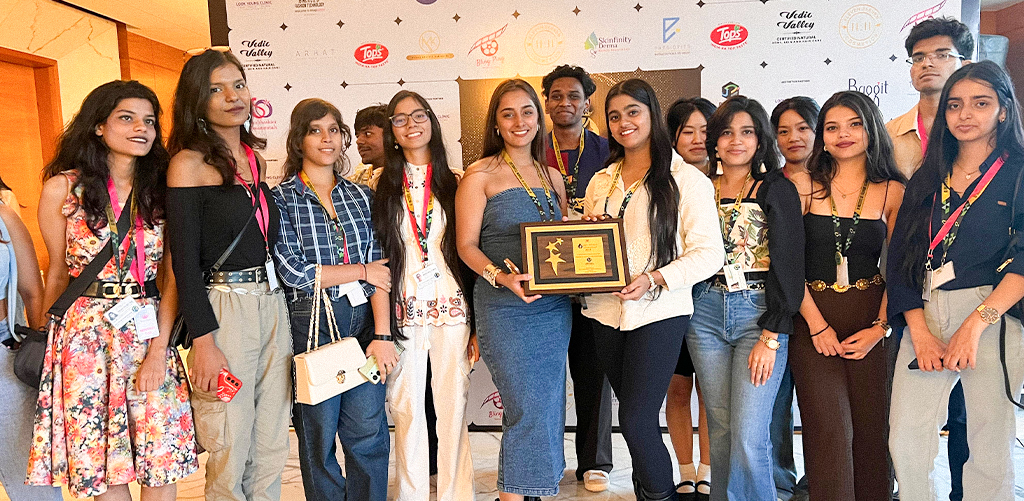
When we think of beauty pageants, we often picture lights, cameras, and glamour. But there’s a lot more happening behind the scenes that people don’t see. At Mrs. World International 2025, our Jediiians from fashion department got a chance to be part of that behind-the-scenes action, and it was a big learning experience.

The event took place at The Leela Ambience Hotels & Residences in Gurugram. It was organized by Glamour Gurgaon and brought together fashion, beauty, and talent from across the country. JD Institute was proud to be the official Fashion Institute partner for this grand event.

A Big Step for Students

For many students, this event was their first experience of working on a large, professional stage. The tasks they handled were important, real, and very different from what they usually do in class.

On 9th July, students helped with fittings and trials. They supported the participants by making sure the outfits fit well and looked perfect. This helped them learn how to handle clothes, give style advice, and work with different people confidently.

The next day, 10th July, was all about the photoshoot. Students helped with styling the contestants, organizing the looks, and managing everything needed for the shoot to go smoothly. It taught them how to work quickly, handle stress, and be detail-oriented.

Finally, the Grand Finale on 12th July was the biggest test. Students worked backstage, taking care of last-minute outfit changes, helping models get ready on time, and making sure everything followed the show’s schedule. It was fast, intense, and full of learning moments.

Learning Beyond Books

The event was not just about clothes and beauty. It was about teamwork, time management, and staying calm when things go wrong. The students learned how to work with professionals and got a close look at how big events are run.

They also got a taste of what it’s like to work in the real fashion industry, and not just by watching, but by actually doing the work. It helped build their confidence and gave them useful skills they will carry with them into their careers.

Meeting Industry Experts

A special moment during the event was when the students got to see and learn from Lataa Saberwal, a popular TV actress and certified Image Consultant.

Watching her interact and share her knowledge gave students fresh ideas about personal style, self-presentation, and confidence. Experiences like these are rare, and they leave a lasting impact.

More Than Just an Event

This partnership between JD Institute and Mrs. World International 2025 wasn’t just about showing support. It gave JD Institute branding across the stage, LED screens, boards, and even social media, but more importantly, it gave students a real chance to grow.

By the end of the event, the students were no longer just learner, they had become a part of something big. They understood how much hard work goes into making an event successful, and they felt proud to be a part of it.

Real Experience Makes Real Difference

Events like these are not just great to watch, they’re even better to work on. For our Jediiians, Mrs. World International 2025 was a turning point. It helped them move from classroom learning to real-world action.

If you’re someone who dreams of working in fashion, styling, or event management, ask yourself: Would you be ready to take charge when the lights come on? Because that’s where the real learning begins.

This Is How Smart Designers Stay Relevant in a Symbol-First World

Wednesday, July 30th, 2025

Emojis have become a global language of visual communication, changing the way we connect, share, and design meaning online. The average Gen Z sends over 75 emojis a day. That’s more visual symbols than actual words!

And for aspiring communication design students, understanding this shift is not just interesting, but it’s also essential. At institutions like JD Institute of Fashion Technology, the Communication Design course doesn’t just teach you how to design things, but how to make your ideas speak across cultures, platforms, and yes, even with symbols.

Emojis Simplify Emotions

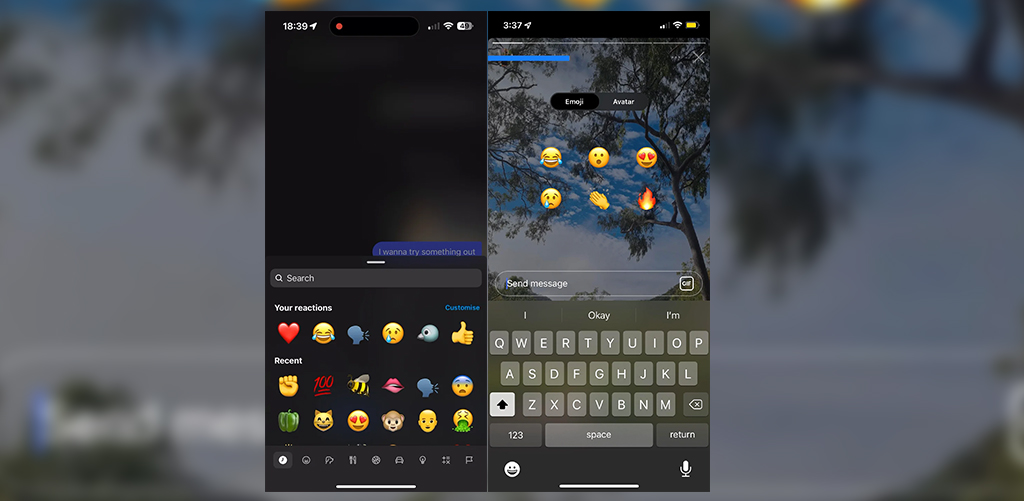
When Japanese designer Shigetaka Kurita created the first emoji set in 1999, he probably didn’t expect it would someday appear in court cases or political campaigns. But that’s exactly what happened. On Instagram, reactions are now as simple as a tap. Users can respond to Stories or posts using a set of pre-selected icons that express everything from laughter and surprise to approval.

This shift shows how digital emotion is being compressed into quick, visual cues, no need for lengthy comments or typed replies.

What to learn? Visual simplicity doesn’t reduce meaning, it enhances it when designed smartly.

Emojis Speak Across Languages

Ever noticed how a thumbs-up emoji or a crying-laugh face emoji means the same in India, Spain, or Korea? That’s the power of visual symbols. Emojis are the only “language” that doesn’t need translation.

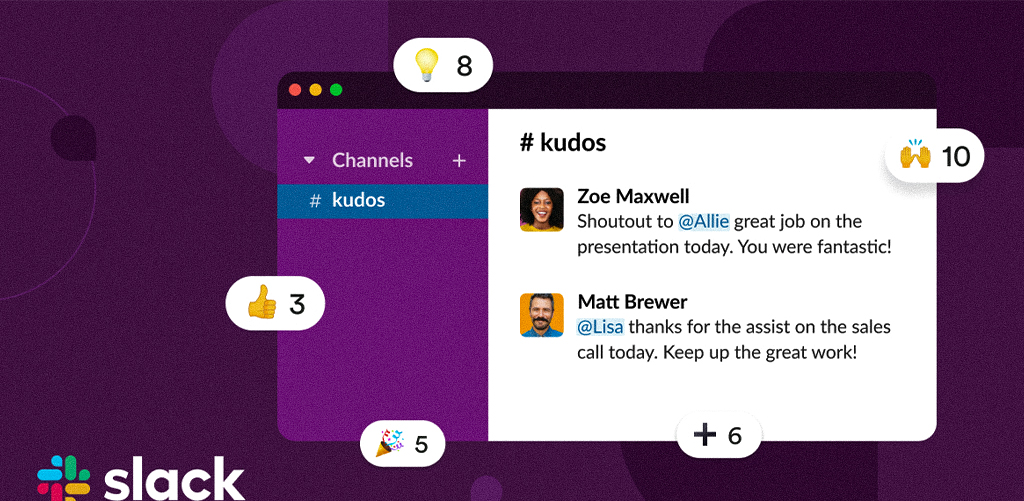
Slack, the business messaging platform, uses emojis to assign tasks, react to updates, and even track projects. It’s work-talk made visual.

What to learn? If you’re studying communication design, you must master cross-cultural thinking. And that’s exactly where courses like JD Institute’s come in, training students to design meaning that transcends borders.

Trends, Memes, and Cultural Symbols

Remember when the peach was just a fruit? Or the skull emoji was scary, and not “I’m dead laughing”? Emojis constantly evolve with internet culture.

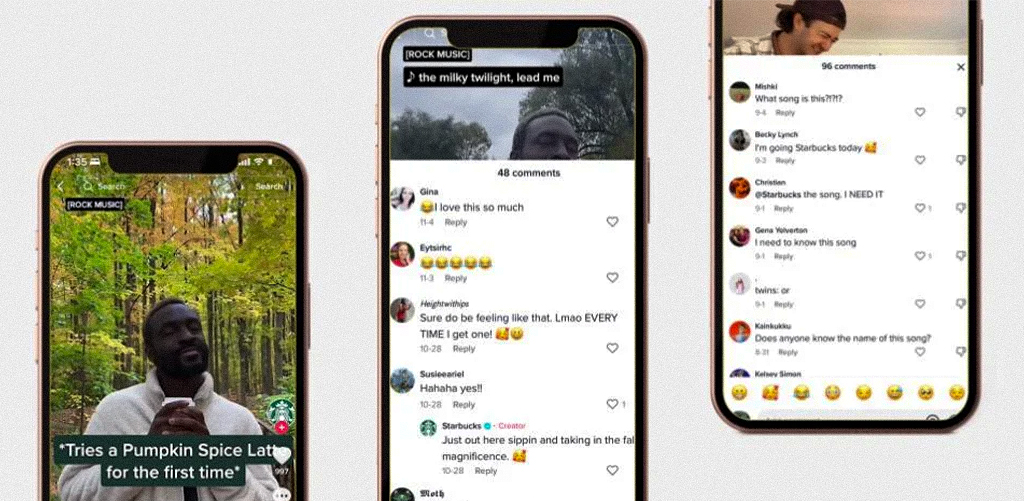
Look at TikTok. Entire comment sections run on emojis alone. The skull means “too funny,” the eyes suggest gossip, and the sparkle adds sarcasm. It’s a whole language built on tone, vibe, and expression, without one “real” word.

What to learn? Communication design isn’t static. Designers must constantly evolve their visual vocabulary to match shifting audience behaviors.

Emojis Power Brand Identity and Digital Strategy

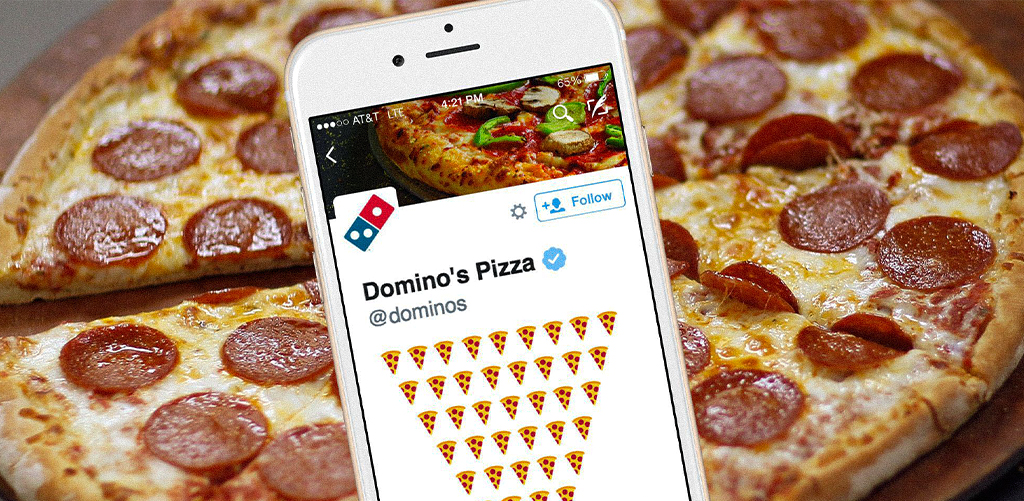
Major brands are no strangers to the emoji game. Domino’s Pizza once allowed users to order with just a emoji. That’s right, no text, no app, just send the emoji on Twitter and pizza would arrive.

This wasn’t just a marketing stunt; it was communication design in action. It simplified UX (user experience), boosted brand engagement, and made a digital process feel…human.

Emojis Help Communicate Complex Ideas

Think emojis can’t be serious? Think again. During the peak of COVID-19, the WHO (World Health Organization) used emojis to break down health guidelines across social media. A mask emoji, handwash emoji, and house emoji were the simple visuals that  saved lives.

Duolingo, the language-learning app, even uses emojis as part of their lessons to help reinforce grammar and vocabulary in a more engaging way.

What to learn? The best communication design speaks even when words fail. That’s the power of clear, purposeful visual storytelling.

Speak in Symbols, Think Like a Designer

From a smiling face to entire brand campaigns built around a pizza slice, emojis show that less really can say more.
For any future fashion designer or creative professional, understanding the how and why behind such trends is not a choice, it’s a superpower.

So next time you text your friend a crying emoji or respond to a reel with just a fire reaction, just remember: And if you want to learn how to design that language, the JD Institute is where your journey should start.

Gallery Wall Tips That Interior Designers Can’t Afford to Ignore

Tuesday, July 29th, 2025

The way you hang your art can make your space feel bigger, warmer, or even more expensive. And guess what? There are rules. Not boring ones, but stylish ones.

So whether you’re styling a cozy living room, a dramatic hallway, or building a gallery wall for your creative project, let’s break down the do’s and don’ts of hanging art on walls, with real examples, smart tips, and yes, a little designer drama.

If you’re a design enthusiast or an aspiring interior design student, this is a must-know territory. In fact, students at JD Institute of Fashion Technology dive deep into visual composition, spatial harmony, and art placement techniques, because these small details shape the big picture.

DO: Think of Your Wall as a Storyboard

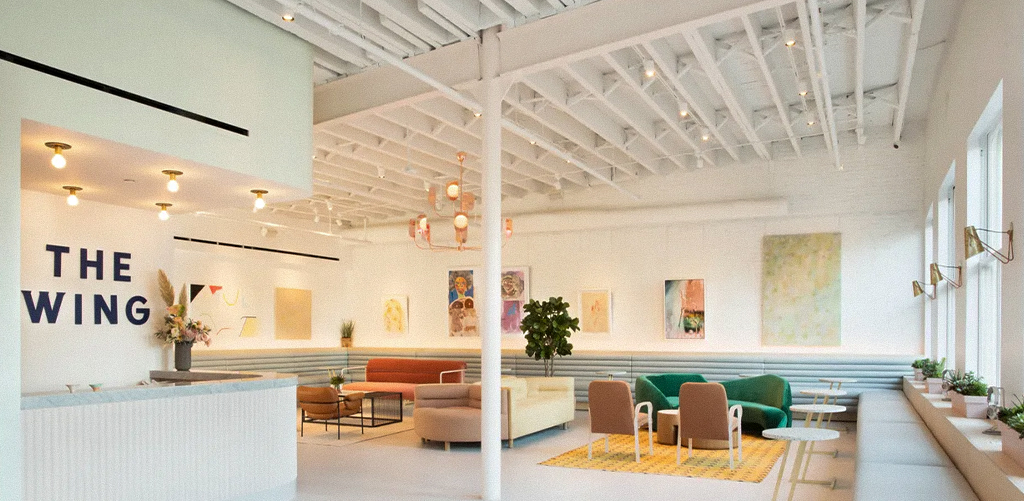
Example: The Wing (New York) — This women-focused co-working space uses art as narrative. Their gallery walls reflect empowerment, diversity, and creativity, and it’s not by accident.

Every piece of art should say something either through color, subject, or placement. Think of your wall as a mood board. Ask: What story am I trying to tell?

Pro tip: Keep the center of your artwork roughly at 57-60 inches from the floor, the average eye level. This is museum standard for a reason!

DON’T: Hang Too High or Too Low

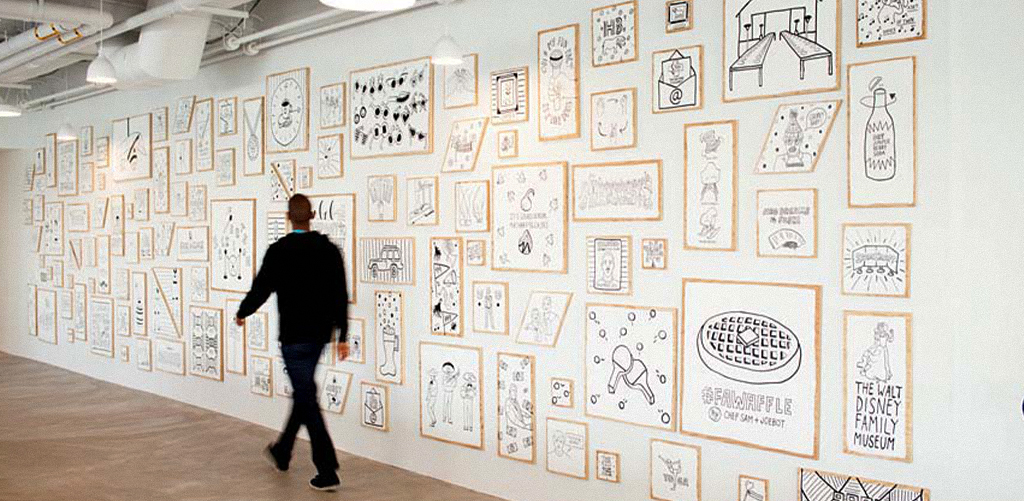
Example: Airbnb Offices (San Francisco) — They redesigned their spaces to resemble the homes listed on their platform. One of their early design fixes? Lowering all the artwork! Art floating near the ceiling looks disconnected and awkward.

Whether it’s a single piece or a whole gallery, art should feel anchored to furniture — not floating above it. A good rule: Keep art about 6–8 inches above furniture like sofas or headboards.

DO: Create a Mock Layout Before Nailing It

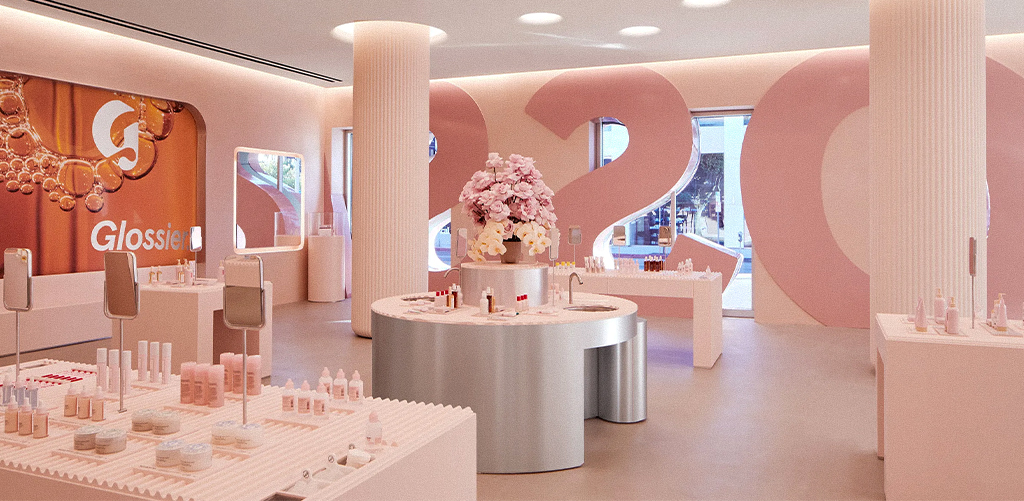
Example: Glossier Showrooms (LA & NYC) — Before mounting anything, their teams use cut-out templates to test different wall arrangements. It’s smart and saves walls from a million nail holes.

Use kraft paper cutouts taped on the wall to experiment with different layouts. This works wonders, especially when you’re building a gallery wall. Also? Snap a picture of your layout and take a step back. Your camera lens catches things your eye might miss!

And this is where Interior Design students get real-time learning at JD Institute, experimenting with physical layouts and understanding visual weight and balance.

DON’T: Forget About Scale and Proportion

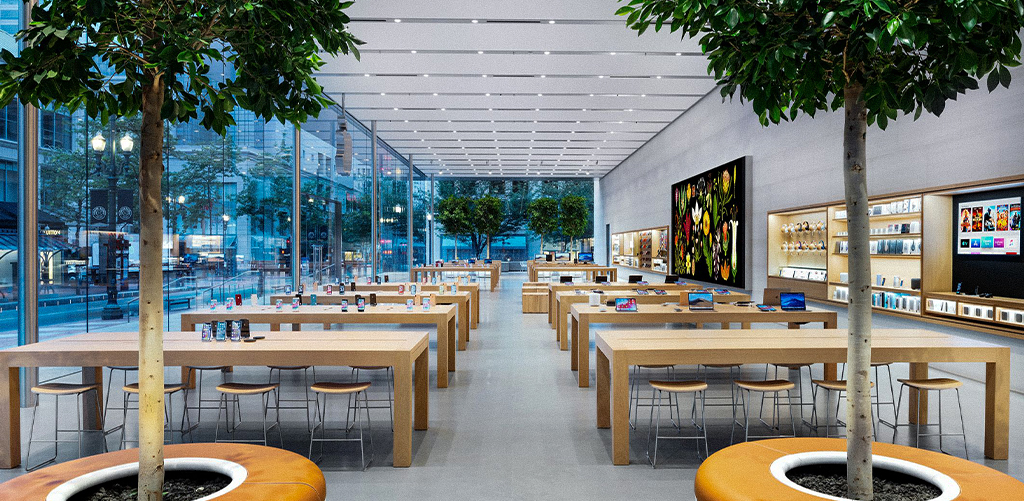
Example: Apple Stores Worldwide — Ever noticed how nothing ever feels too small or too big? That’s strategic. Apple’s designers understand proportion deeply, and that applies to wall art too.

Tiny frames on large empty walls? They’ll look like stickers. And oversized prints on a narrow column? Just chaotic. Match the size of your art with the scale of the wall or group smaller frames for visual balance.

Final Frame: Why Future Designers Should Care

Hanging art isn’t just about walls. It’s about knowing how to translate mood, culture, and function into visual harmony. Every designer, whether in interiors or fashion, needs to understand placement. It teaches balance, storytelling, and intentional design. That’s why the Interior Design course at JD Institute of Fashion Technology doesn’t stop at theory. Students learn by doing from gallery walls to styling lifestyle shoots, from color curation to exhibition spaces.
What Jewellery Displays Can Teach Every Visual Merchandiser

Tuesday, July 29th, 2025

Ever notice how jewellery stores never feel cluttered?
Just one necklace on a velvet stand, soft lights, and lots of empty space, yet it feels expensive instantly. That’s the power of jewellery visual merchandising.

These displays aren’t just clean and minimal for looks, they’re built to make every piece shine, literally and emotionally. And if you’re a future visual merchandiser, this is your first styling masterclass.

At JD Institute, the Visual Merchandising course, teaches exactly how to craft these high-end presentations that feel simple but sell smart, the real secret behind why jewellery displays always look so clean and minimal.

The Power of a Minimalist Layout

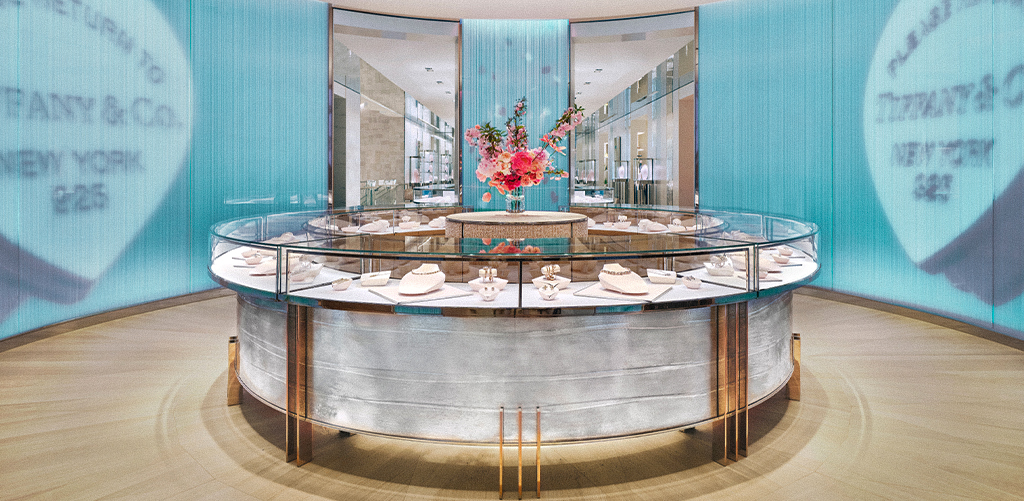
Think of Tiffany & Co., their iconic displays usually have one item, perfectly centered, with tons of empty space around it. That’s no accident. This is called negative space, and it gives the product a stage of its own.

Why it works?
Minimalist layouts keep your eyes focused on the piece. No clutter, no chaos, just one powerful statement. It adds to the luxury feel, almost like the jewellery is saying, “I’m too important to be surrounded by noise.”

Aspiring VM students must master how to use space smartly. It’s not about filling every inch of a window, it’s about knowing what to leave out. This is a big focus in JD Institute’s course of Visual Merchandising, where students explore spatial storytelling as a luxury display tip.

Lighting Is Everything 

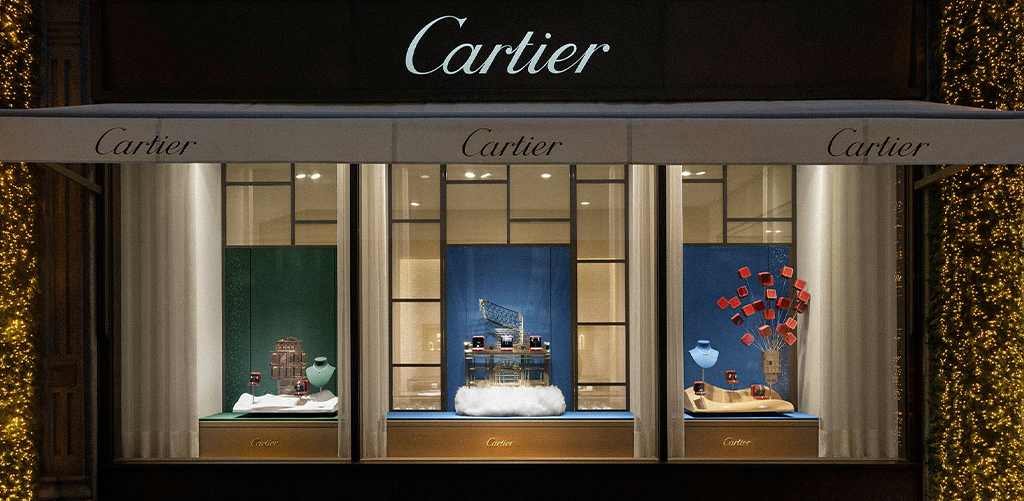
Ever seen a Cartier window at night? Their pieces literally glow. That’s because they use targeted lighting, spotlights, soft halos, sometimes even LEDs beneath the product to bring out every sparkle. This kind of high-end presentation makes even the simplest gold band feel special.

Great VMs know: jewellery doesn’t shine unless you make it shine. Lighting can create depth, drama, and desire all without saying a word. Students learning Visual Merchandisng must experiment with lighting angles and reflections.

Storytelling That Doesn’t Scream

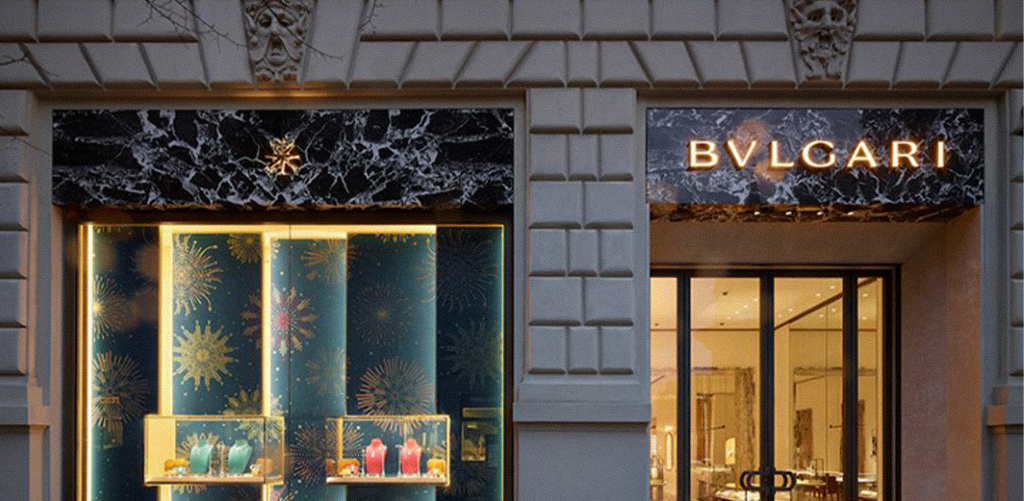
You won’t find loud posters or 50% off signs in a Bvlgari or Chopard boutique. Instead, they let the product and environment tell the story. A single pearl necklace next to a minimalist coral sculpture might whisper, “Inspired by the sea.” That’s quiet storytelling, and it’s powerful.

Minimal displays let customers project their own story on the product. The clean setting becomes a blank canvas, helping shoppers imagine how the piece fits into their life. Aspiring merchandisers must learn how to hint at a theme using subtle cues, materials, textures, and props without overcrowding.

Everything Has a Purpose

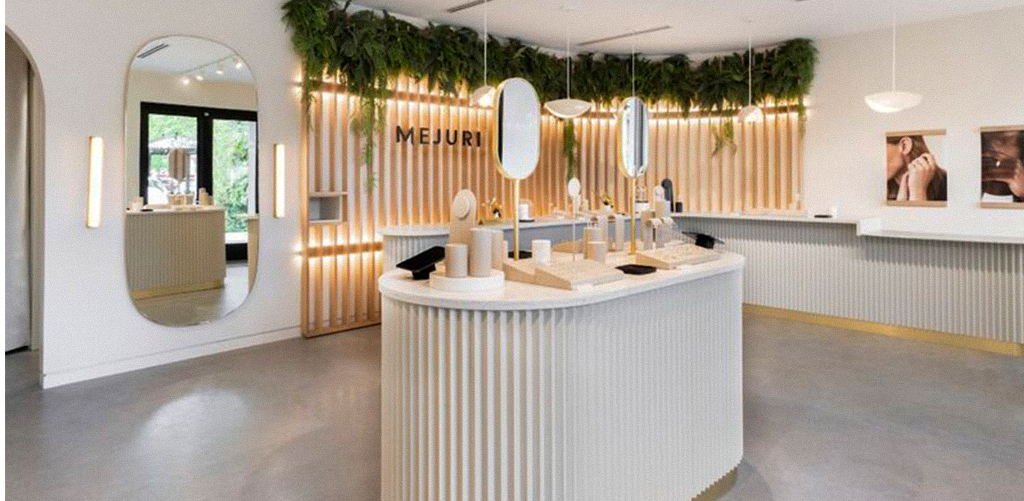
Let’s take Mejuri, a digital-native brand known for its modern, minimalist aesthetic. Even in their physical stores, the atmosphere feels light and breathable, as if there’s a purpose to every angle and every surface.

From mirror placement to product stands, nothing feels random. This kind of intentional design helps customers relax, take their time, and explore. It also helps the jewellery pop because clean surroundings elevate details.
For students entering this field, it’s key to understand that minimal doesn’t mean boring. It means being extremely thoughtful.

Digital Touches Without Distraction

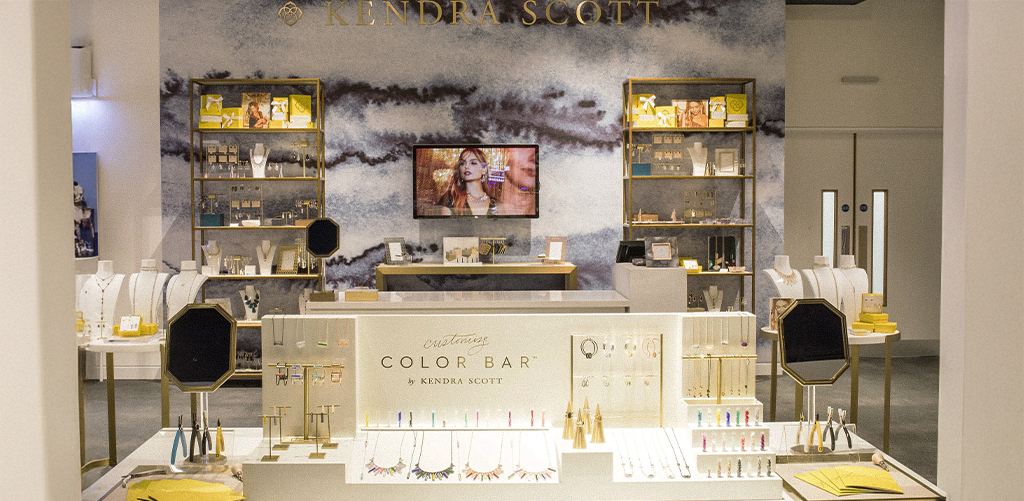
Yes, even minimal jewellery displays are embracing tech, but only when it enhances the product. For example, Kendra Scott stores use sleek digital screens to show how a necklace looks when layered, but the screens are seamless and never overpower the product display. The goal? Keep it clean, but smart.

Future VMs must learn when to bring in tech, and when to let the product shine on its own. Smart integration of event tech in display design is the kind of forward-thinking skill every student must master.

Design Displays That Make People Stop and Stare

If you’re someone who notices the way a single ring is spotlighted on a velvet cushion or how a store layout subtly tells a story, you’re already thinking like a Visual Merchandiser. So why not take that instinct further? JD Institute doesn’t just teach trends, it trains your eye to design experiences, especially in luxury retail. And if that sounds like your kind of challenge, it’s time to turn your talent into your career.

The Print-Solid Play: What Every Fashion Student Must Master

Monday, July 28th, 2025

Zebra stripes confuse lions. Imagine what your prints can do on the runway.


Sounds fun, right? But also very real. Prints aren’t just designs, they tell stories. And so do solid colors. Each of them changes how people feel when they wear or see a garment. That’s why every fashion designer needs to understand how to use both prints and solids smartly in a fashion collection.

This mix of creativity and decision-making is a core part of the Fashion Design course at JD Institute of Fashion Technology, where students learn how surface design impacts the entire feel and purpose of a collection.

Prints: The Voice of the Garment

Prints can be anything, florals, checks, graphics, tie-dye, digital art. They bring movement, emotion, and energy to a look.

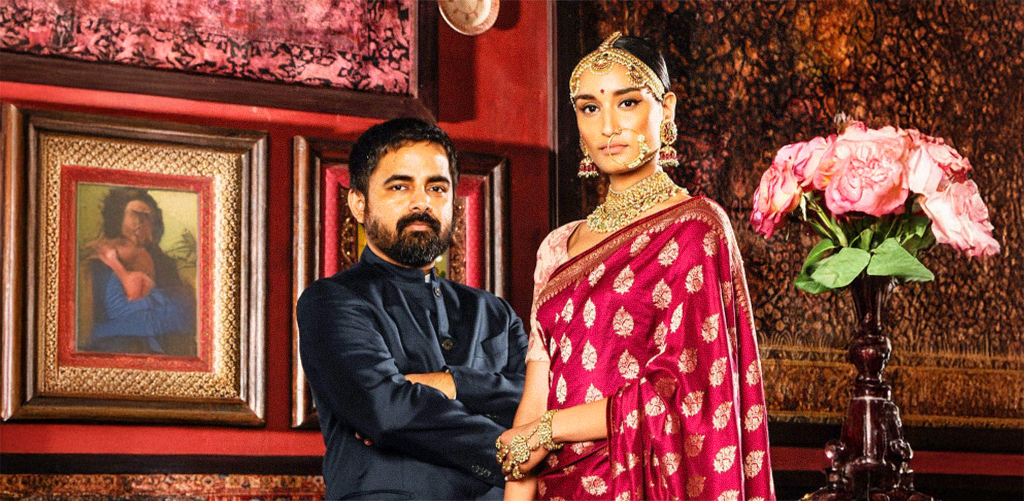
Example: Sabyasachi Mukherjee
He’s famous for Indian heritage prints inspired by old textiles, paintings, and royal motifs. Each print tells a story and gives depth to his bridal collections.

Why prints work?

  • They instantly attract attention.
  • They reflect mood, season, or culture.
  • They’re ideal for storytelling and expression.

But too many prints can feel messy. That’s why designers have to use them thoughtfully.

Solids: Clean, Classy, and Powerful

Solid colors might look simple, but they carry serious power. A red gown. A black suit. A white kurta. No print, but maximum impact.

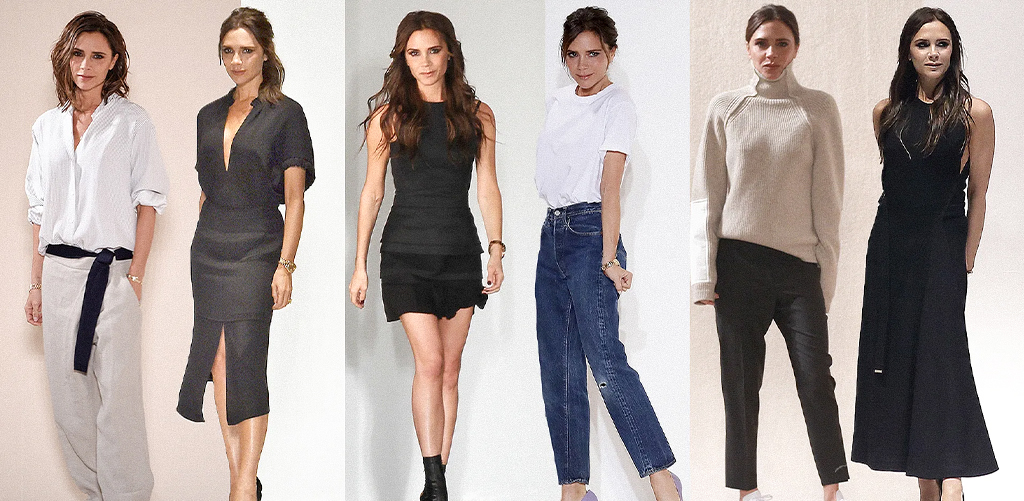
Example: Victoria Beckham
Her designs are often built on clean lines and solid color palettes. They highlight shape, silhouette, and structure without distracting prints.

Why solids work?

  • They show off tailoring and design better.
  • They make collections feel polished.
  • They balance loud elements in the look.

A fashion collection that only has prints or only has solids might look incomplete. That’s where strategy steps in.

How to Use Prints vs Solids Smartly in a Fashion Collection

You don’t just pick a print or a color because you like it. You pick it because it supports your design idea.

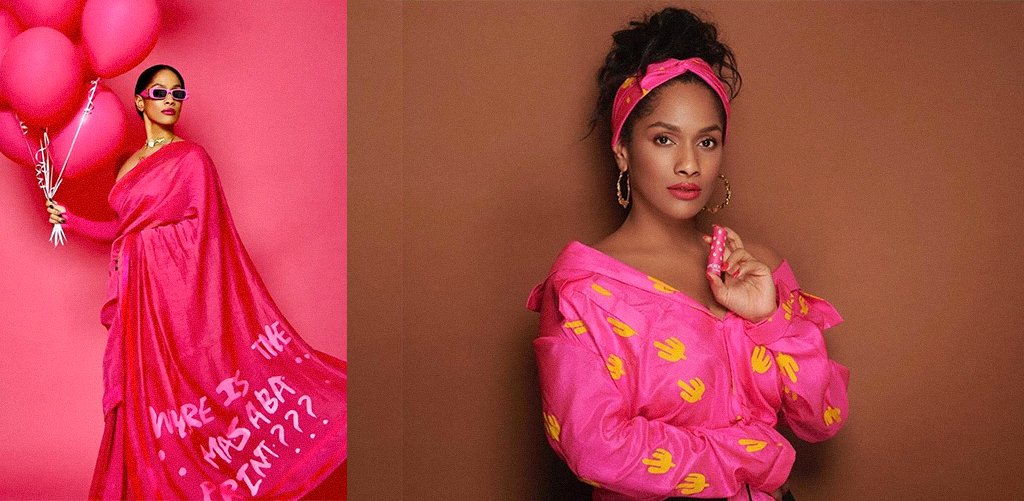
Theme is Everything: Think about your concept. Is it playful and fun? Go bold with prints. Is it soft and minimal? Choose subtle solids. Example: House of Masaba
Masaba mixes quirky Indian prints with modern silhouettes. But even she adds solids in between to balance it all out.

Your Audience Decides: Designing for young fashion lovers? They love bold graphics. Designing for working professionals? They might prefer classy solids.

Let Prints Shine with Solid Support: Use solids as a background for print-heavy designs. It avoids looking “too busy.”

Pro Insight: This balancing act is exactly what Fashion Design students learn at the JD Institute, where they get hands-on training in combining design creativity with smart styling decisions.

Why Should Aspiring Designers Learn This?

Because choosing between prints and solids isn’t a random task, it’s part of smart fashion thinking. Knowing what to use, when, and why sets you apart as a professional.

At JD Institute of Fashion Technology, students of Fashion Design learn exactly this kind of design thinking, through real-time projects, runway simulations, and expert mentoring. It’s not just about sketching clothes, its about crafting collections that feel complete, meaningful, and saleable.

Your Fabric Is a Canvas. Choose Your Language

Prints shout. Solids whisper. But both have a place in a powerful fashion story. The smartest designers know how to mix them, like music and silence, to create rhythm in their collection. So, if you’re ready to master this kind of smart decision-making, it’s time to learn from a place that turns fashion passion into real creative careers. JD Institute of Fashion Technology isn’t just about design, it’s about designing right.

Copyright © 2025 JD Institute of Fashion. All Right Reserved

Designed by Red Lemon

Whatsapp icon
Apply Now
Enquire
Quick Enquiry